Aquarium Filtration
Aquarium Filtration Types: A Complete Guide to Sponge, HOB, Canister, and Sump Filters
Explore the four main aquarium filtration systems, their strengths, limitations, and which option suits your tank setup best.
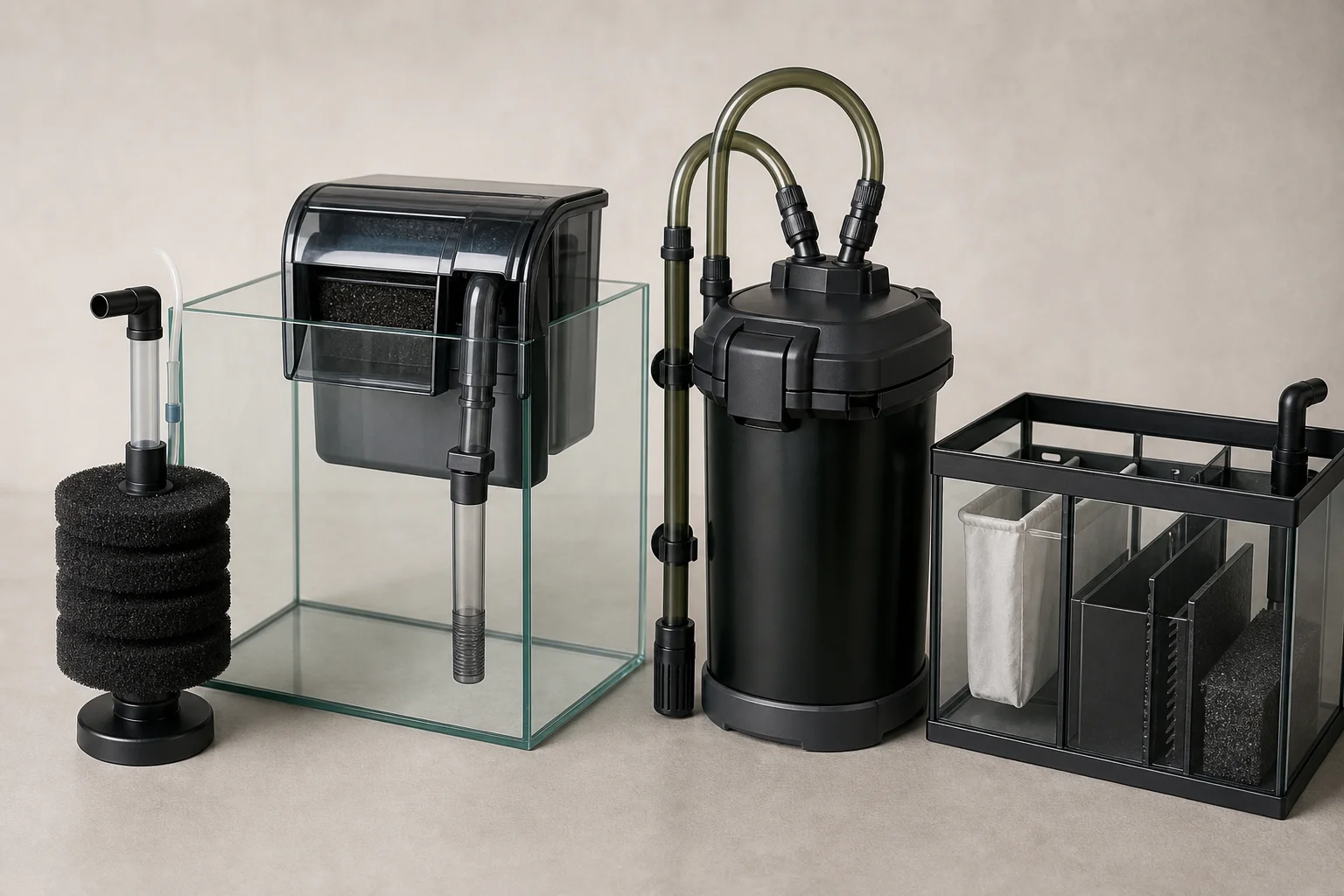
Introduction
Choosing the right filtration system is one of the most important decisions when setting up an aquarium. A filter serves two critical functions: it keeps the water visually clear by removing debris, and it houses beneficial bacteria that maintain the nitrogen cycle, preventing harmful ammonia and nitrite buildup. Understanding the four main filtration types, their strengths, and their trade-offs will help you select the best option for your specific tank and situation.
Understanding Filtration Basics
Before diving into each filter type, it’s helpful to understand the three main filtration mechanisms:
Mechanical filtration uses sponges, filter pads, and floss to catch solid debris and keep water crystal clear. Biological filtration relies on porous media like bio balls, bio rings, and bio blocks that provide surface area for beneficial bacteria to colonize. These bacteria also grow on all tank surfaces, including decor and substrate. Chemical filtration removes minerals and impurities using products like activated charcoal or specialized resins, though it’s optional rather than essential for most setups.
A well-designed filter combines mechanical and biological filtration to maintain water clarity and handle the full nitrogen cycle.
Sponge Filters: Simple and Cost-Effective
Sponge filters represent the simplest filtration option available. They consist of a porous sponge that provides both mechanical and biological filtration, requiring only an air pump and airline tubing to operate.
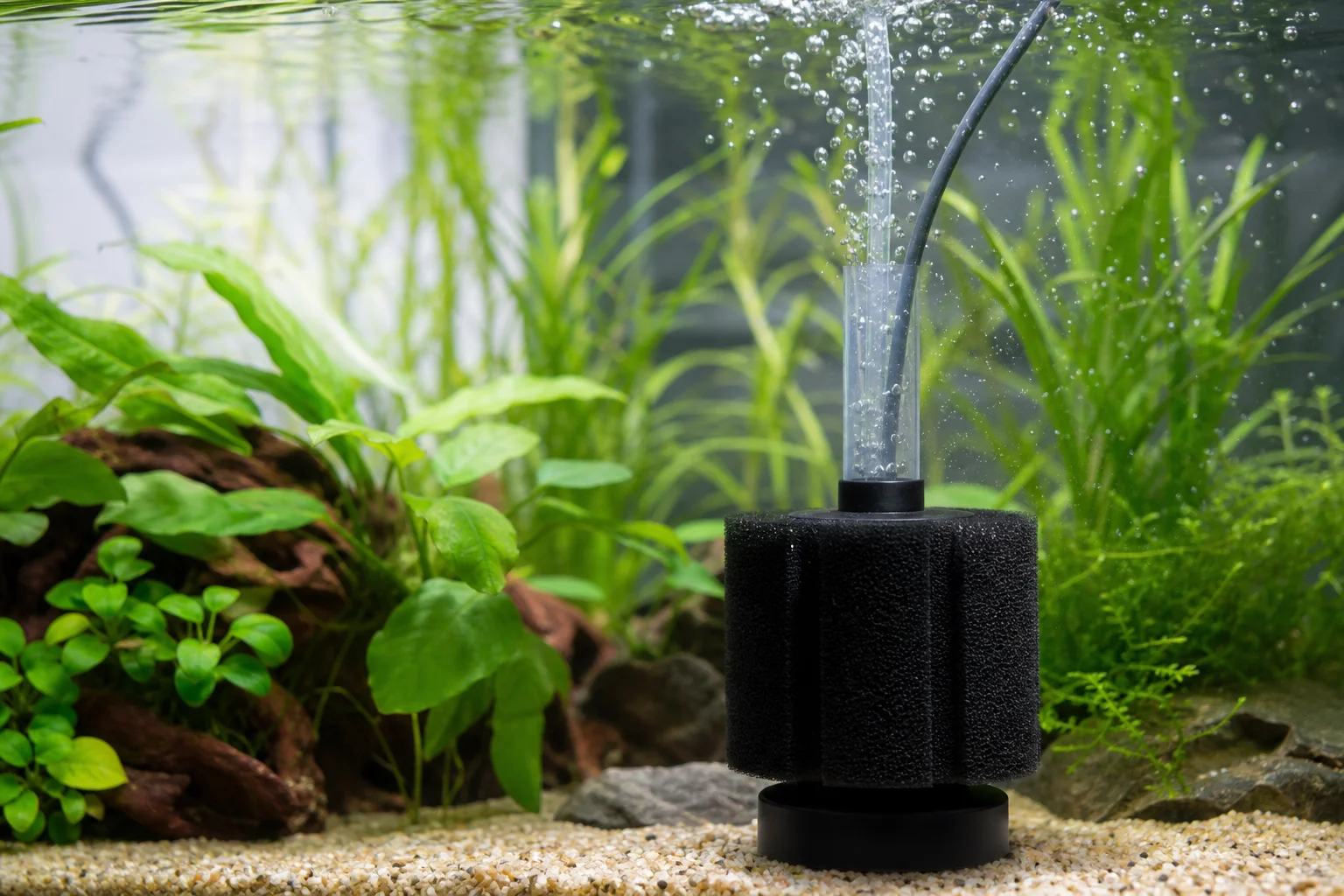
Strengths of sponge filters include their low cost (even large models cost around $10), minimal power requirements, and ability to run multiple filters from a single air pump. This makes them ideal for fish rooms with many tanks. They’re also excellent for tanks with fry, shrimp, or snails, since the gentle flow won’t suck up delicate inhabitants. Sponge filters are easy to clean—simply rinse the sponge in tank water and reinstall. They can also be moved between tanks to help cycle new setups quickly.
The main drawbacks are aesthetic. A visible sponge filter can clutter a display tank, and the constant stream of air bubbles, while beneficial for oxygenation, may not suit every aquascape. Larger tanks may require multiple sponge filters, further reducing visual appeal.
Hang-on-Back Filters: Versatile and Customizable
Hang-on-back (HOB) filters are among the most popular filtration options because they combine affordability with flexibility. By mounting on the tank rim, they don’t consume interior space like internal filters do.
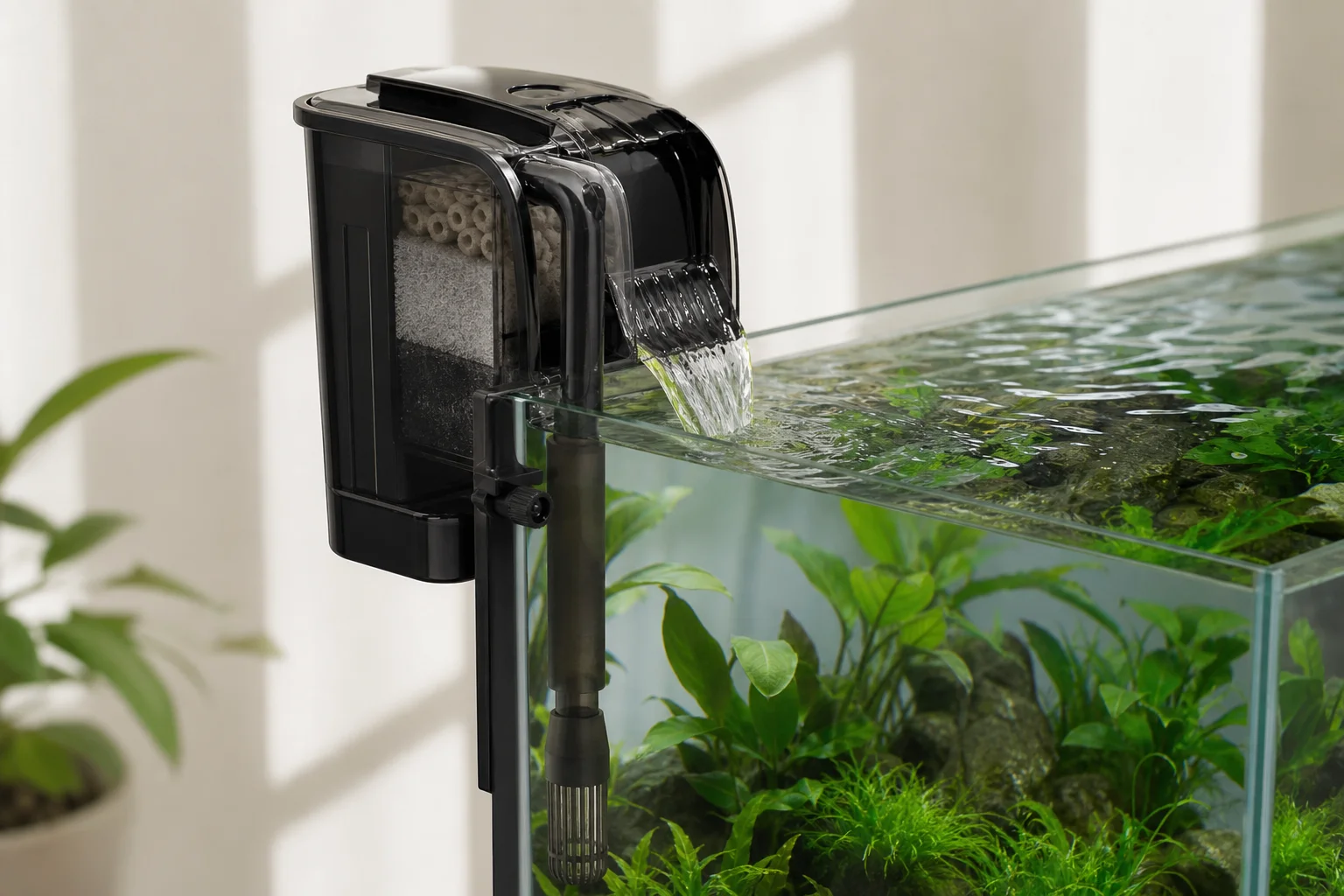
HOB filters offer significant room for media customization. You can add bio rings, matrix, bio balls, and chemical media like Chemi Pure to suit your specific needs. They also improve water oxygenation by breaking surface tension as water returns to the tank. Quality HOB models can be quite quiet, particularly designs with submersed pumps. Maintenance is straightforward—many allow you to remove the media tray and rinse it in tank water without disconnecting anything. Replacing disposable cartridges with reusable sponges and bio media saves money while preserving beneficial bacteria.
The Seachem Tidal is noted as a particularly quiet option because its pump sits in the water, reducing the hum common in other HOB designs.
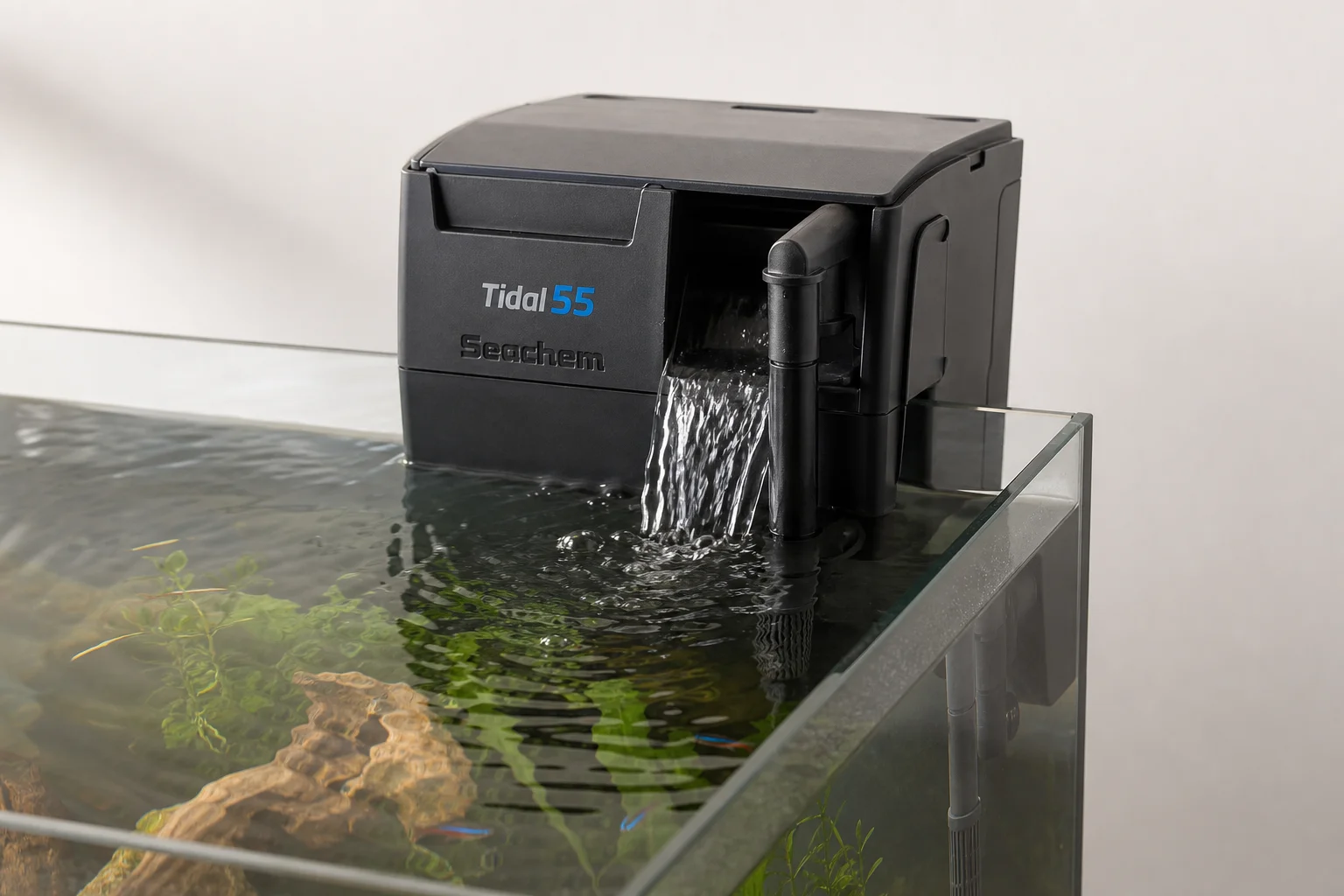
Drawbacks include the need for space behind or beside the tank, and the visual impact of a bulky box on the tank rim. Some aquascapers prefer to avoid HOBs for display tanks for this reason.
Canister Filters: Powerful and Discreet
Canister filters offer a compelling combination of power and discretion. Because they store under or beside the tank, they remain largely out of sight, with only intake and output tubes visible at the tank rim.
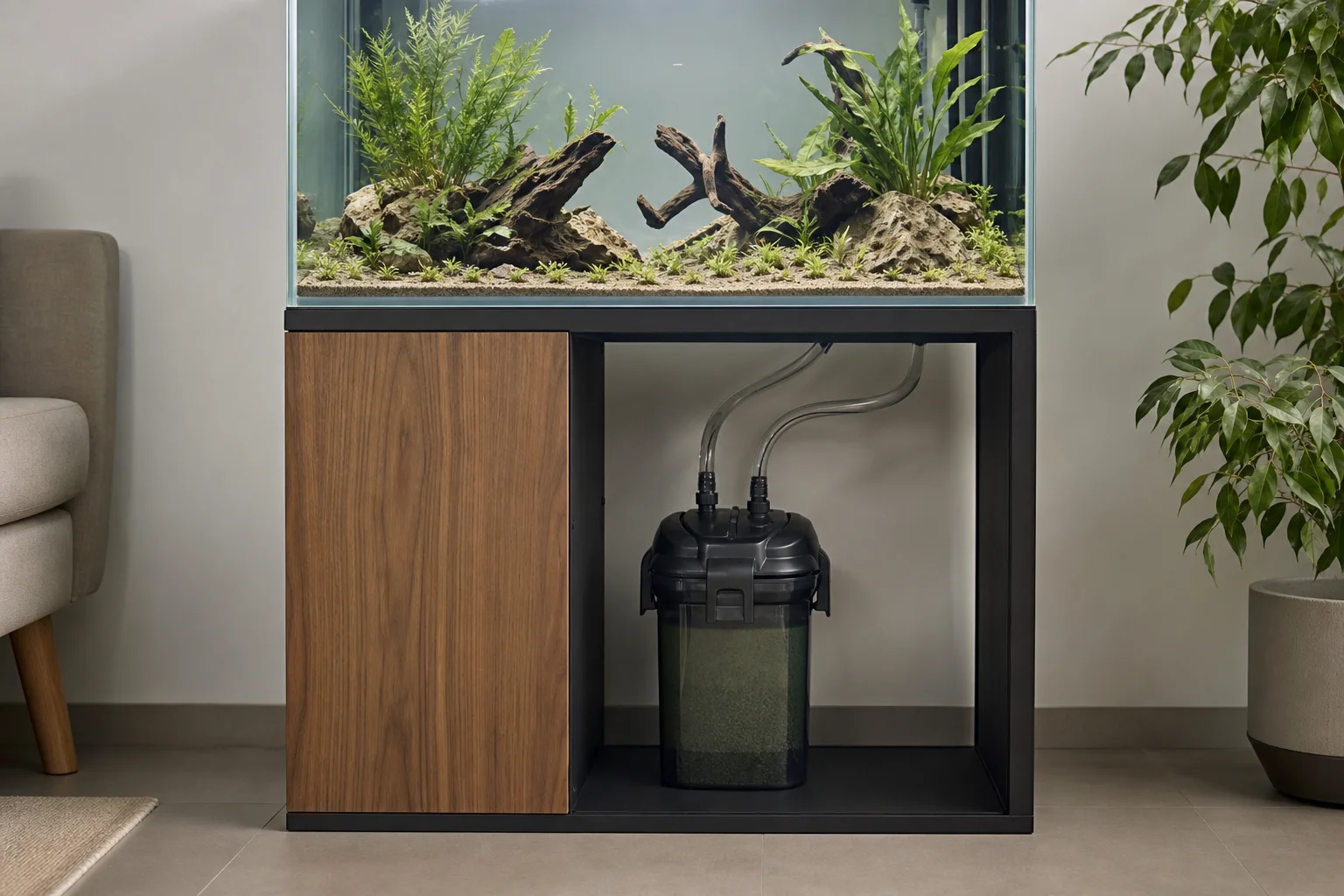
Canisters excel at noise reduction—when positioned under the tank, they muffle vibrations and hum, making them ideal for tanks in living spaces or offices where quiet operation matters. They require minimal space between the tank and wall, and they hold more filter media and water volume than other filter types, allowing extensive customization with sponges, bio media, and chemical filtration. For nano tanks or heavily aquascaped displays, canisters can be paired with lily pipes for an elegant aesthetic.
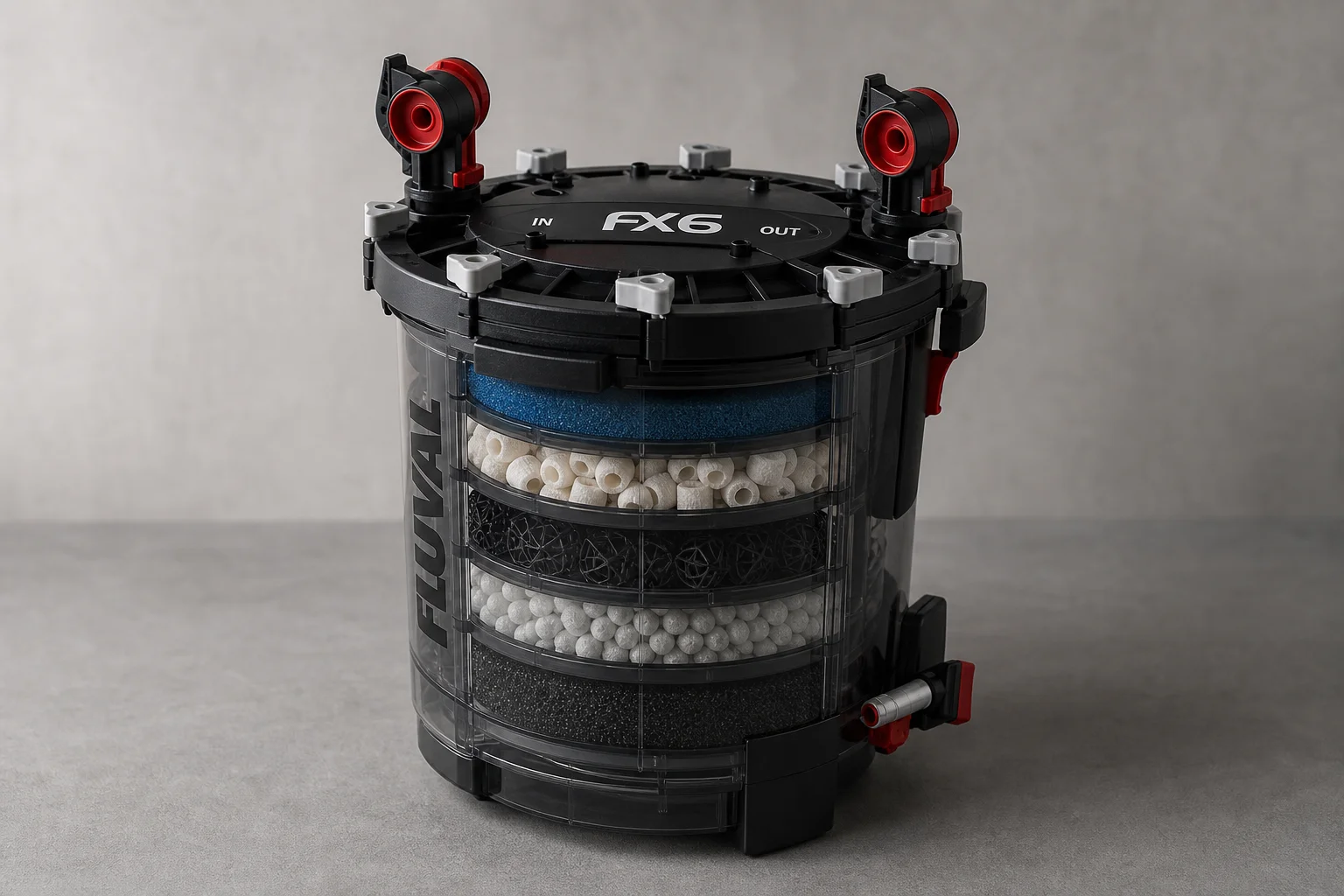
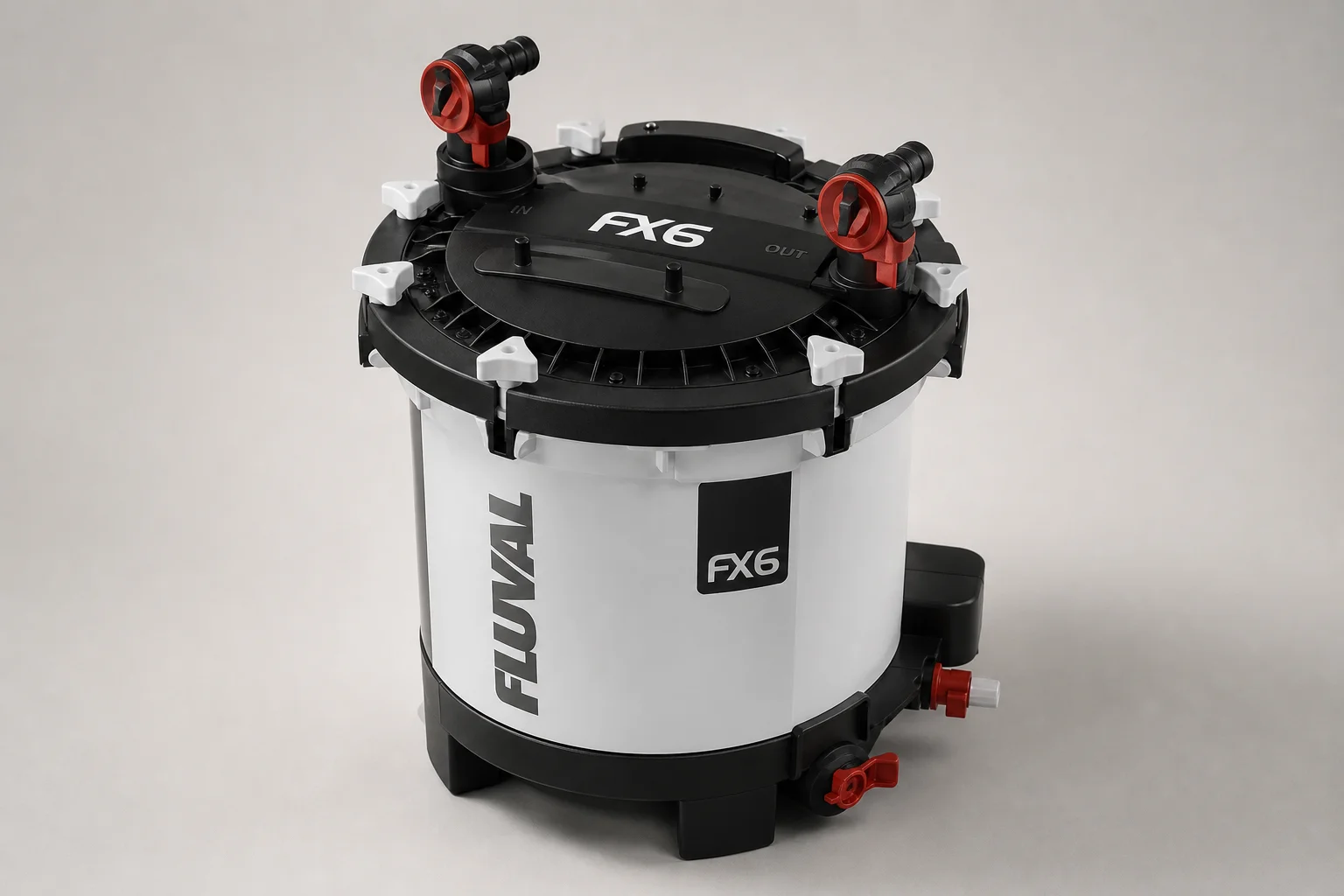
The primary drawbacks are cost and maintenance. Mid-sized canisters often exceed $100, with larger models like the Fluval FX6 and OASE Biomaster running over $300. Maintenance is the most dreaded aspect—you must disconnect hoses, transport a heavy, wet canister to a sink or tub, and clean it there. It’s also difficult to gauge when a canister needs servicing since you can’t see the media condition from outside.
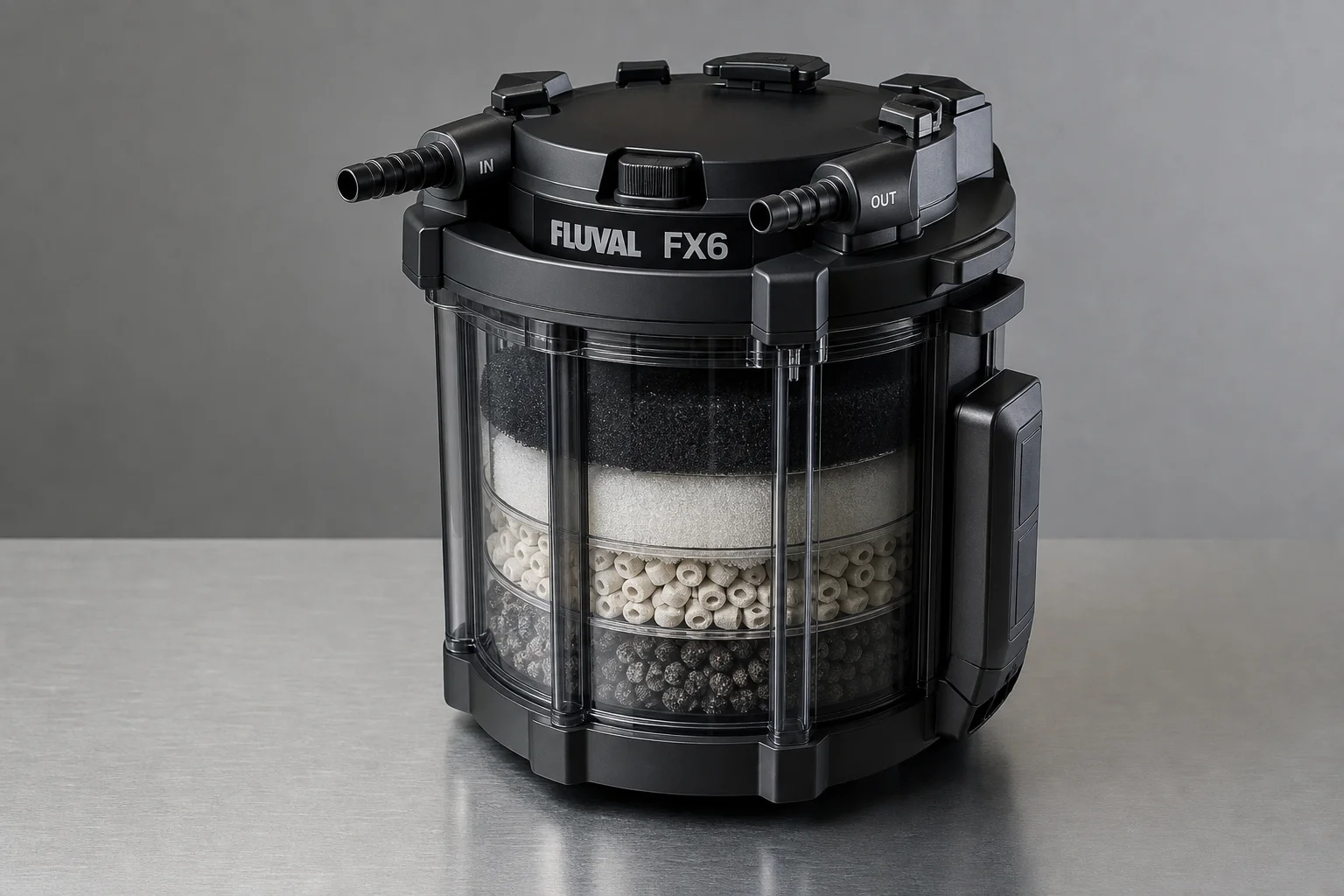
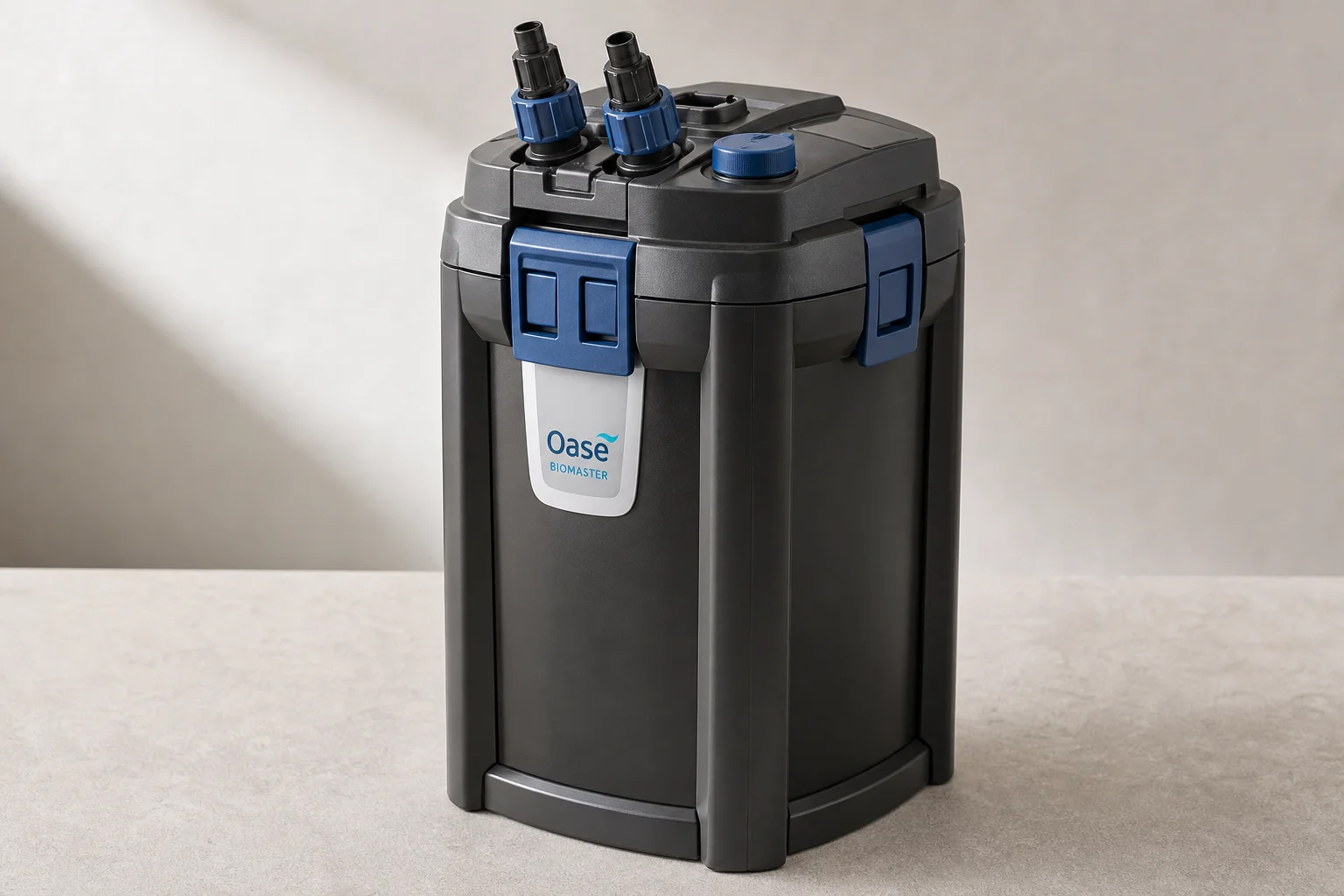
Many aquarists run a canister as their primary filter with a secondary HOB or smaller canister for redundancy, ensuring the tank stays filtered if one system fails or is accidentally unplugged after a water change.
Sump Filters: Maximum Capacity and Flexibility
Sumps are often called the gold standard of aquarium filtration, particularly for large or saltwater systems. A sump is a separate basin, typically positioned under the tank, that houses all filtration media and equipment.
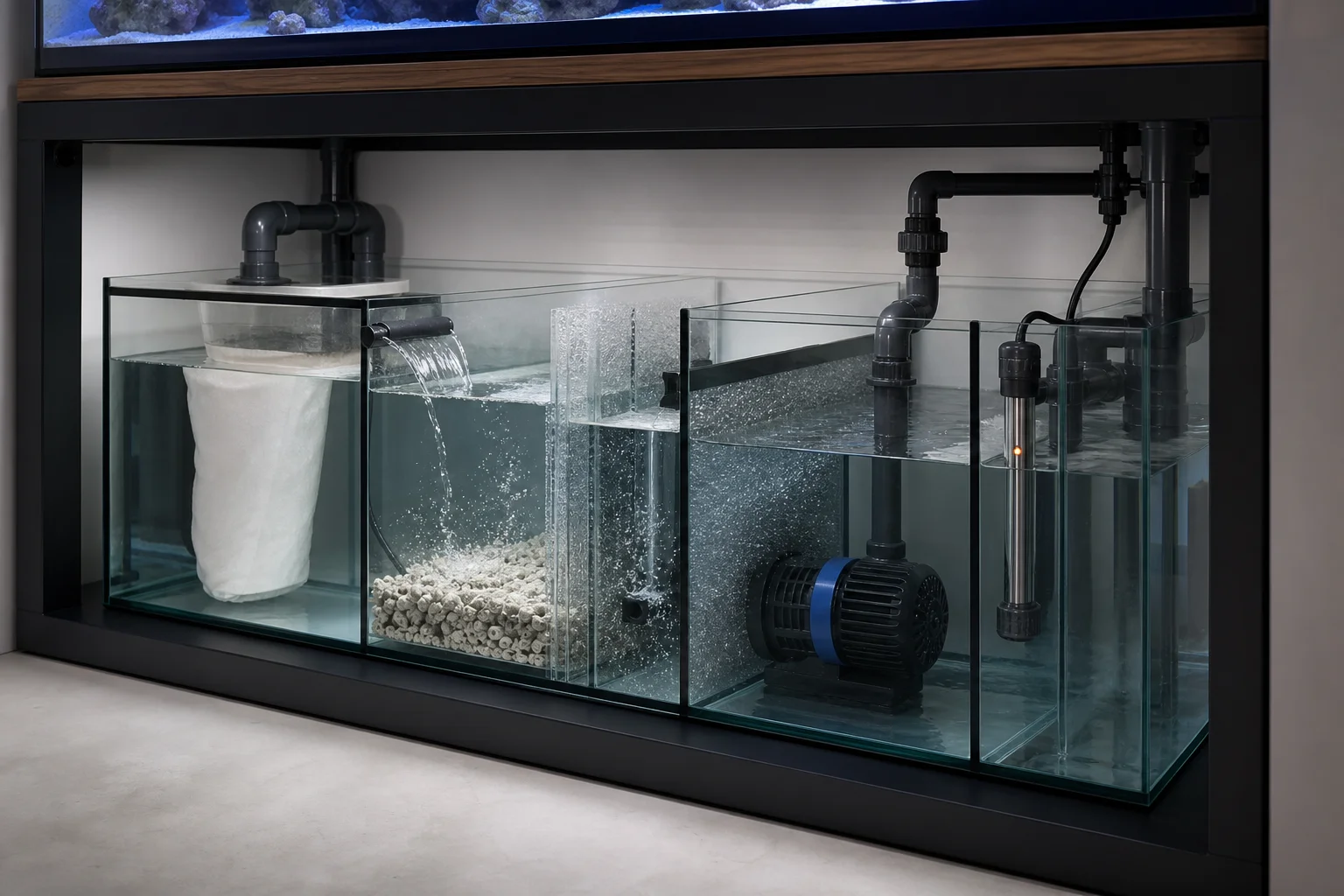
Sumps offer exceptional advantages. They hide heaters, auto top-off systems, skimmers, and reactors out of sight, dramatically improving tank aesthetics. The large water volume—often 50 gallons or more on a 150-gallon display—dilutes toxins and reduces drastic swings in water parameters. This extra volume also helps stabilize temperature and evaporation. Sumps can hold far more media than canisters, making them the logical choice for very large tanks instead of running multiple canisters. DIY sumps made from aquariums or bins offer significant cost savings compared to manufactured units.
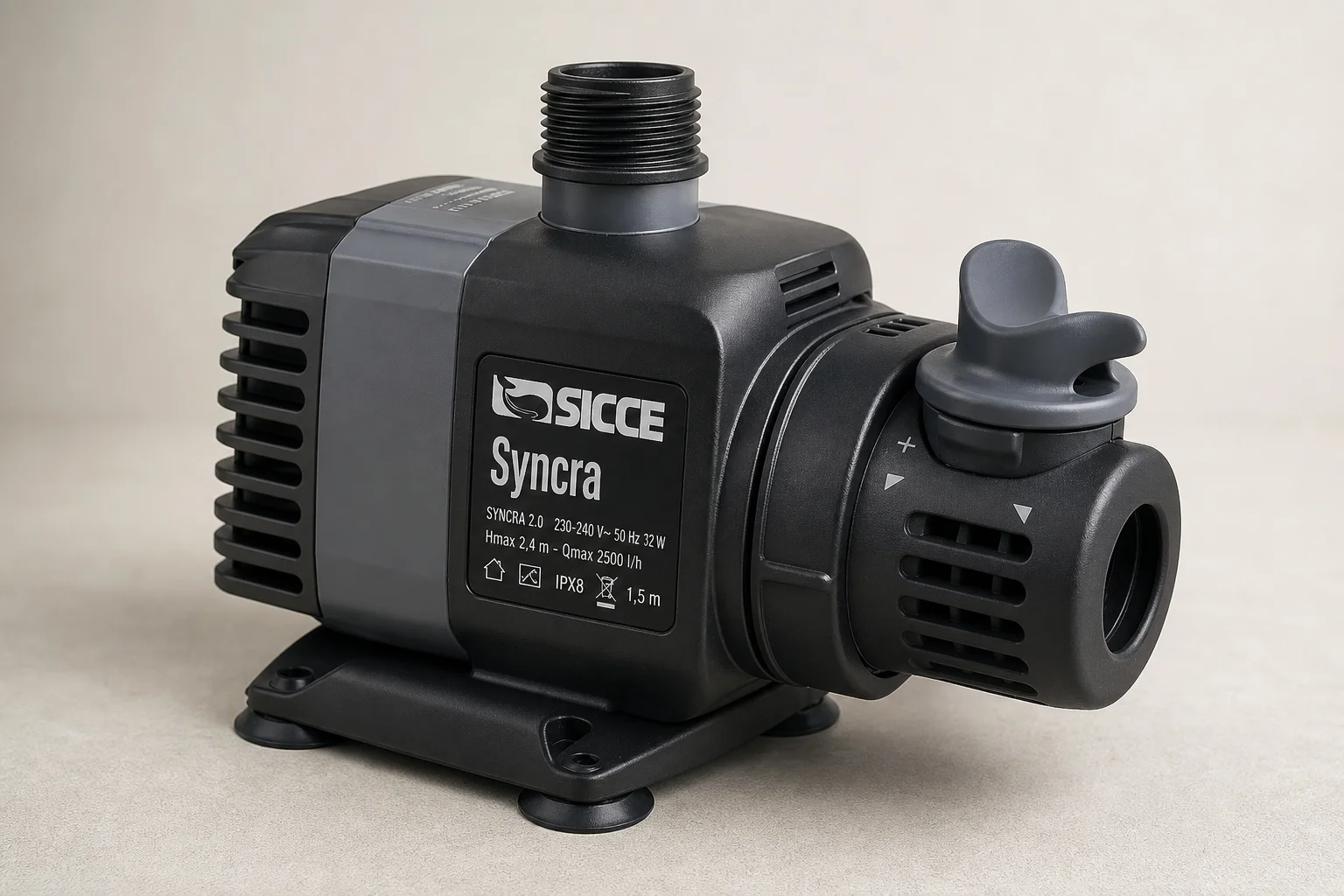
The main challenges are plumbing complexity and the need for a drilled tank. Beginners may find the setup overwhelming, requiring research into bulkheads, fittings, and proper hose sizing. Drain noise—a gurgling or suction sound—can occur if the return pump flow isn’t properly controlled with a gate valve. However, once dialed in, sumps operate quietly and reliably.
Choosing the Right Filter for Your Setup
The best filtration choice depends on your specific situation. For large tanks or saltwater systems, a sump is typically the superior option due to its capacity and ability to hide equipment. For display tanks where aesthetics matter and simplicity is preferred, a quality canister filter offers excellent performance with minimal visual impact. Fish rooms with multiple tanks benefit from a combination of HOB and sponge filters for efficiency and redundancy. Each filtration type has legitimate strengths and trade-offs, and the right choice aligns with your tank size, budget, space constraints, and maintenance preferences.
Conclusion
Understanding the four main aquarium filtration types empowers you to make an informed decision that matches your needs. Whether you prioritize cost-effectiveness, aesthetics, capacity, or ease of maintenance, there’s a filtration solution suited to your setup. Consider your tank size, available space, budget, and long-term maintenance commitment when selecting your system.
Further reading
Related Reviews
Aquarium Filtration
Affordable Aquarium Filter Media: Testing Budget Alternatives to Expensive Biomedia
Can cheap pot scrubbers replace expensive ceramic biomedia in a canister filter? One aquarist tests the theory on a heavily stocked 210-gallon tank.
Aquarium Filtration
Fluval FX6 Canister Filter for Saltwater: A Practical Alternative to DIY Sumps
Why a saltwater aquarist chose the Fluval FX6 over building a custom sump, and how to configure it for mechanical filtration in a 125-gallon reef tank.
Aquarium Equipment
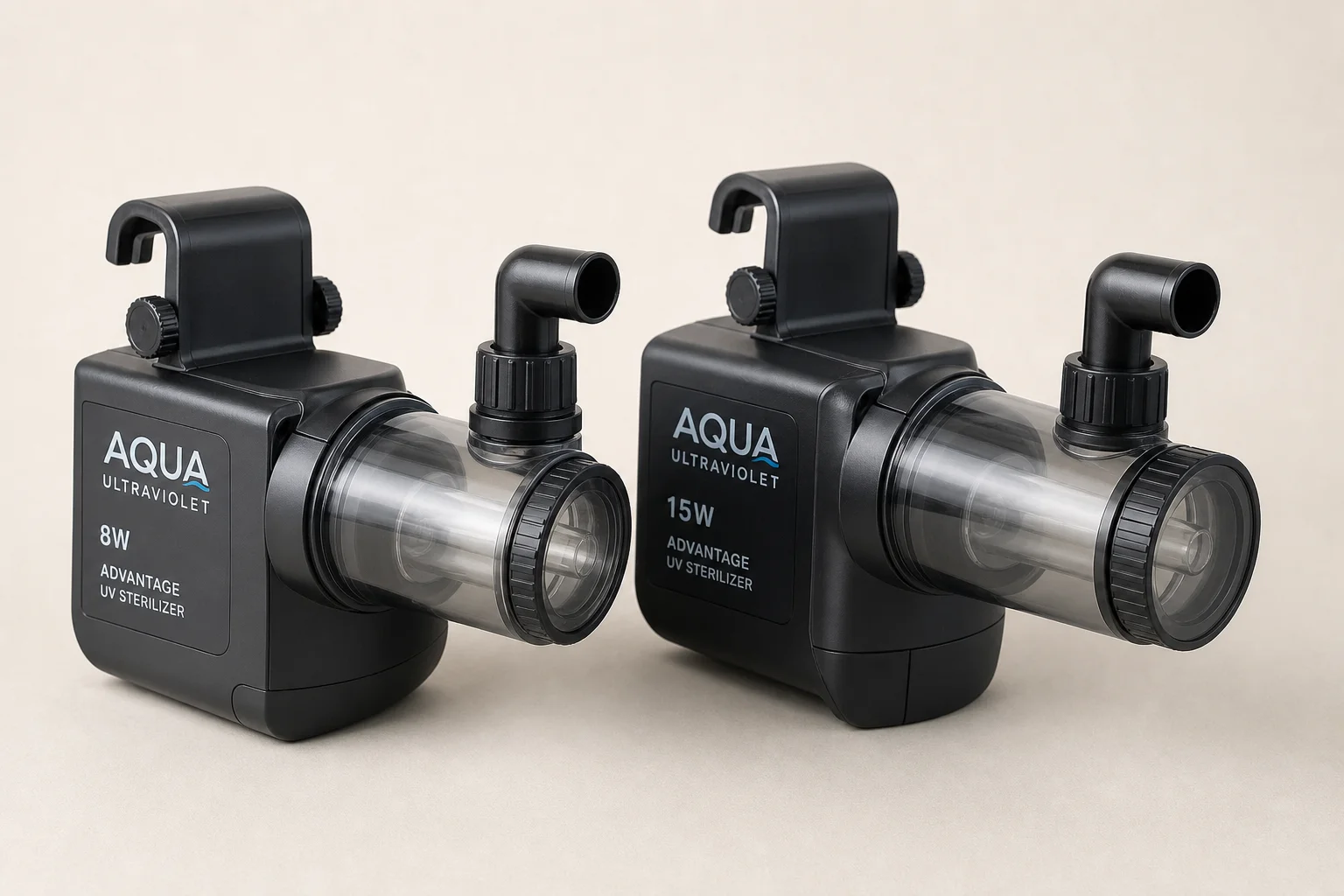
Aqua Ultraviolet Advantage Hang-On UV Sterilizer: 8-Watt vs 15-Watt Guide
Two compact UV sterilizers designed for aquarium owners seeking parasite and algae control without complex plumbing or large footprints.