Aquarium Equipment
Aquarium Climate and Safety Gear: Six Reliable Picks for a Stable Reef Tank
A practical guide to heating, cooling, monitoring, and organizing a saltwater aquarium, with six dependable pieces of climate and safety equipment.
Introduction
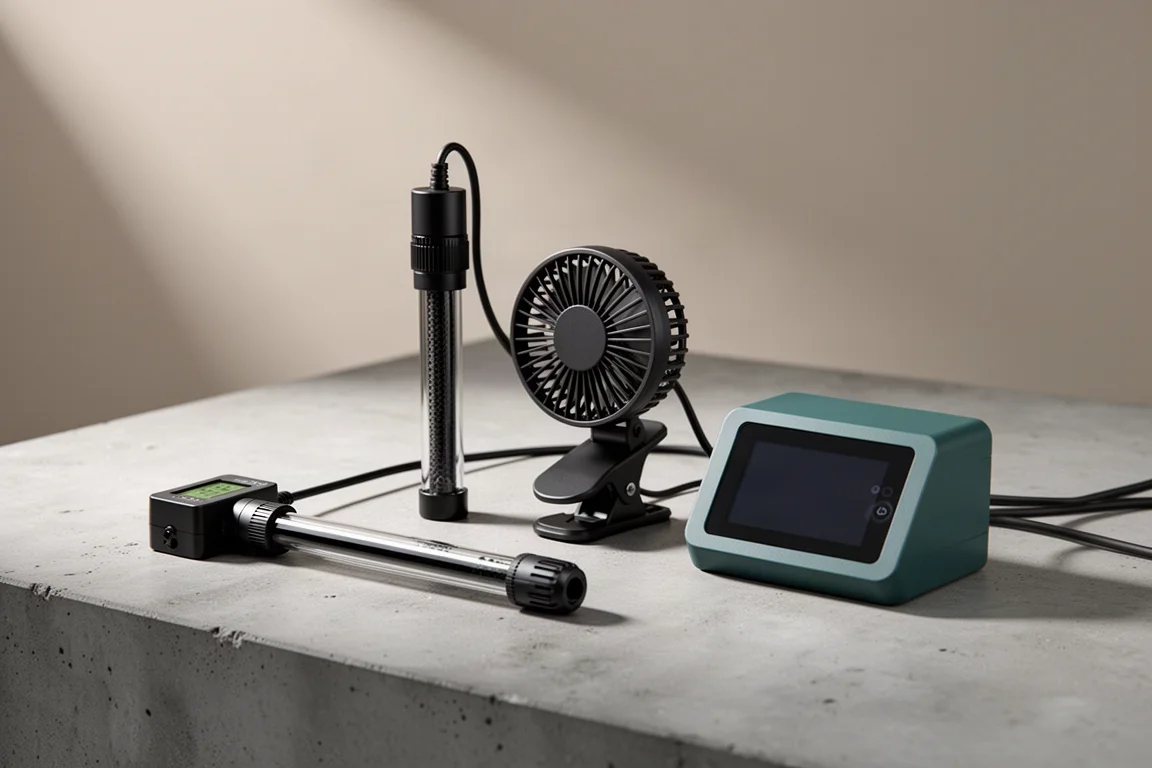
A saltwater aquarium lives or dies on stability, and for most of the year that means holding a steady temperature. The target for the vast majority of reef tanks is 77 to 78 degrees Fahrenheit, and reaching it reliably takes more than dropping a heater into the sump. It takes a properly sized heater in the right location, a controller that watches the temperature and warns you when something drifts, a backup heater, a way to cool the tank when the room runs hot, and enough organization to keep all of it serviceable.
This guide covers six pieces of equipment that address those jobs directly, from the primary heating system through to the small accessories that make an equipment cabinet easier to live with.
What Matters Most in an Aquarium Heating and Cooling Setup
Three things separate a climate setup that works from one that quietly fails.
The first is sizing. It is tempting to assume more wattage is better, but with aquarium heaters the opposite is true. If an oversized heater fails in the on position and nobody is around to hear the alarm, it can kill fish and coral within hours. A correctly sized heater gives you considerably more time before the water climbs too high.
The second is placement. A heater must sit in an area that will never run dry. The return chamber is a poor choice for exactly that reason. A rear filtration chamber with a constant water level is a better home, especially when it also has high flow, because heated water disperses through the system quickly rather than pooling in one spot.
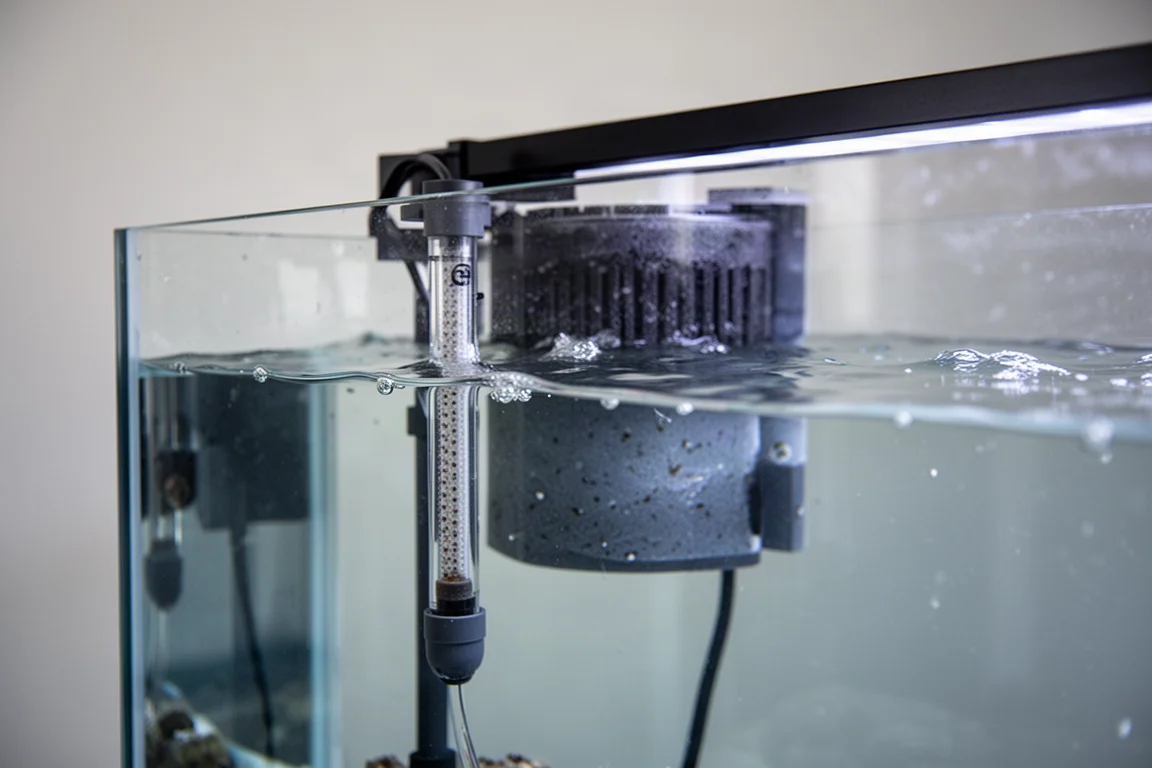
The third is redundancy. Every heater contains mechanical parts, and mechanical parts eventually fail. A second, inexpensive heater set to a lower temperature means a failed primary heater drops the tank to a survivable level instead of a dangerous one, and the temperature swing triggers an audible alarm so you know something needs attention.
Best Primary Heater: Innovative Marine Helio PTC Smart Heating System
The Innovative Marine Helio PTC smart heating system pairs a heater with its own controller, which is the combination you want for a primary heat source. The 200-watt version is appropriately sized for a 40-gallon tank, and the controller holds the water between 77 and 78 degrees with the set point at 78.
Backup alarms sit at the low and high ends of the acceptable range, at 75 degrees and 80 degrees, so the system warns you before the tank drifts somewhere harmful. The temperature probe belongs on the opposite side of the rear filtration chamber from the heater, which lets the controller read the tank rather than the water immediately around the heating element.
Warranty length is one of the few honest signals of heater reliability, since every heater eventually breaks. Some manufacturers back their heaters for as little as six months, while Innovative Marine covers the Helio smart heater for five years. That difference is worth weighing when comparing options.
If you run a different heater, pair it with a separate temperature controller. Bayite and Inkbird are two brands that have worked well for this purpose.
Best Backup Heater: Eheim Jager Heater
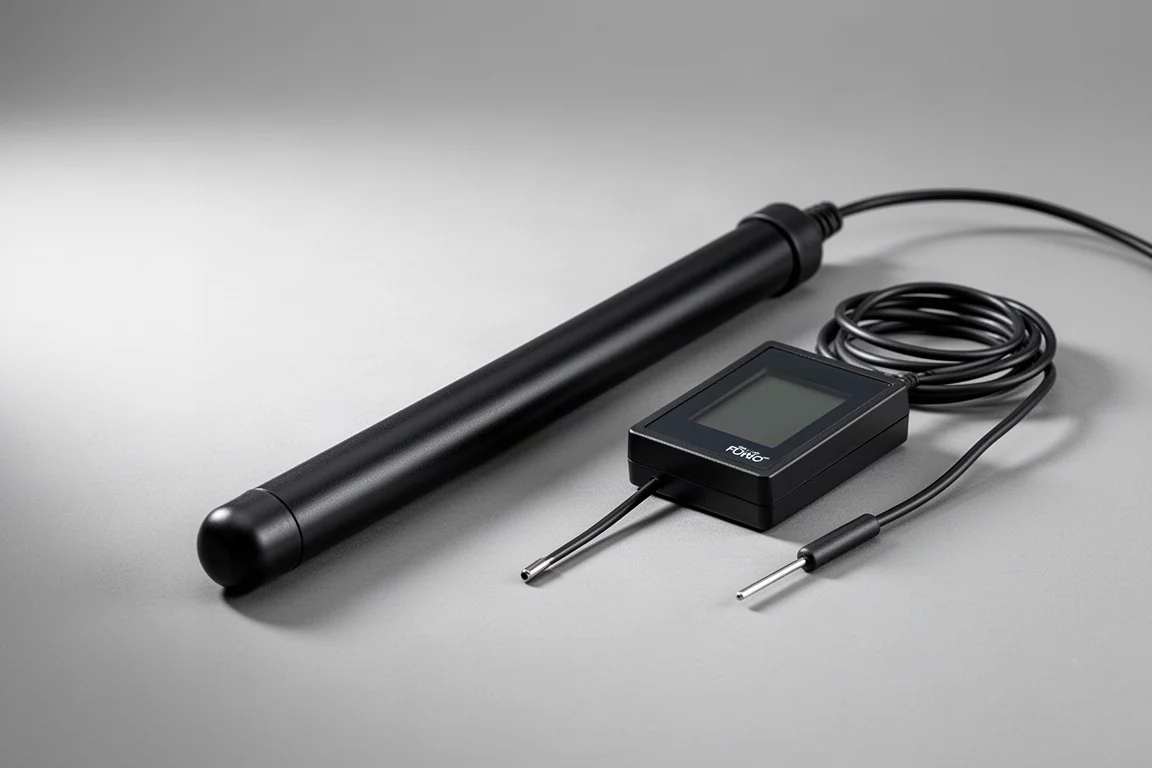
Redundancy does not require a second smart system. The Eheim Jager is a straightforward glass heater that works well as a secondary unit set to a lower temperature, in this case 74 degrees. Under normal conditions it does nothing at all, because the primary heater keeps the tank above its set point.
When the primary heater eventually fails, the water falls only to 74 degrees, which the tank can tolerate, and the drop triggers an audible alarm. An inexpensive secondary heater is worth its weight in diamonds for that reason alone.
Best Cooling Aid: Tunze AquaWind Fan
Heating is only half of the climate conversation. Anyone without air conditioning, or living somewhere genuinely hot, will need to bring tank temperature down at some point. Evaporation is the mechanism that does the work: the faster water evaporates, the more the tank cools.
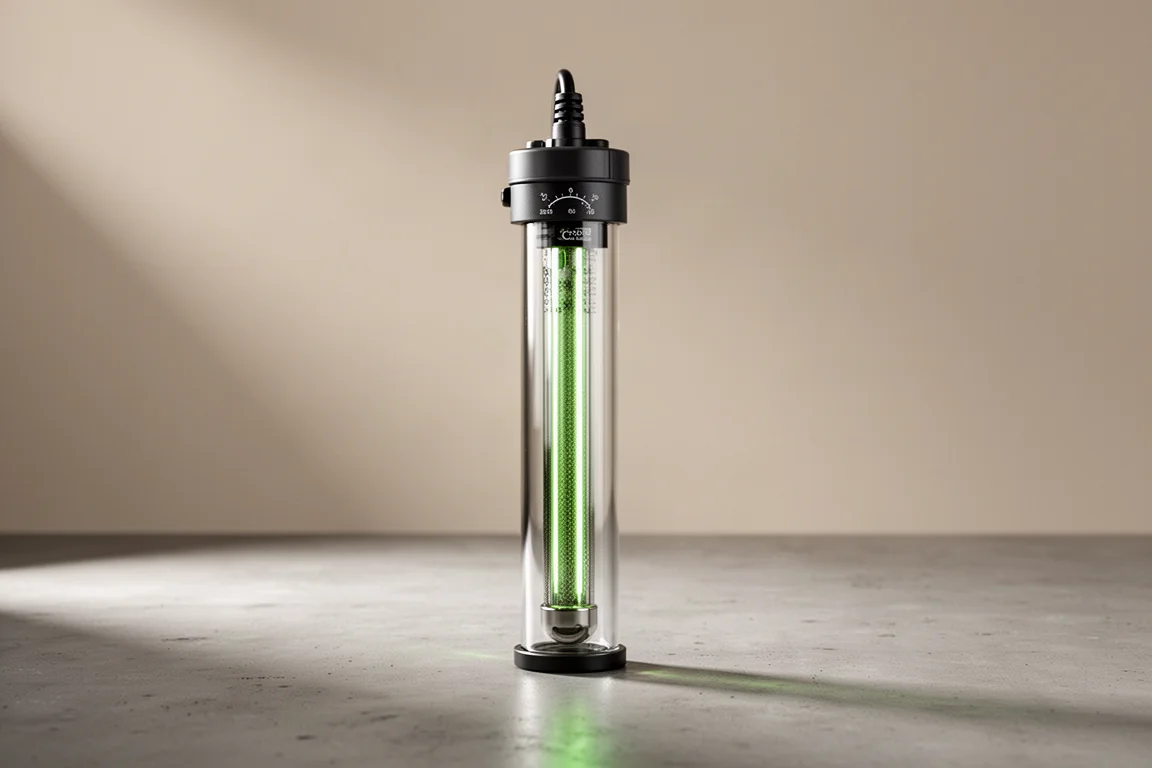
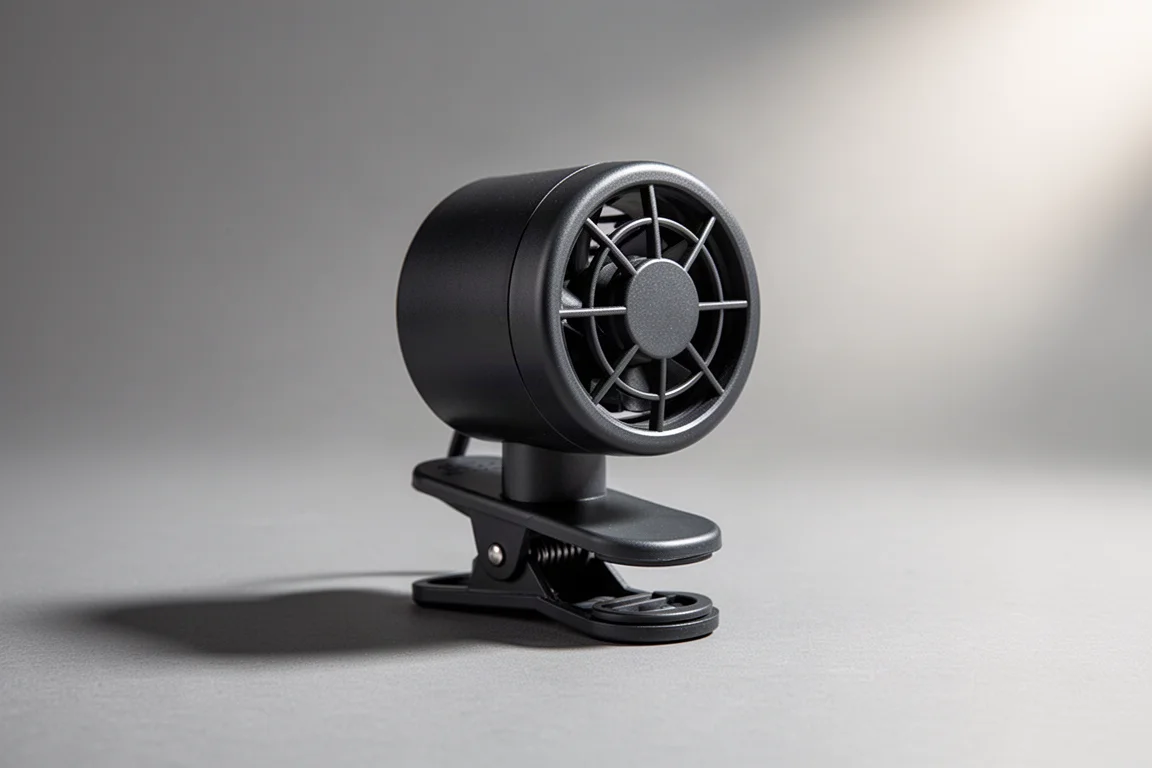
There are two ways to increase evaporation. The first is surface agitation, which is as simple as aiming a wave maker at the water surface to create more ripples. The second is air movement across the surface, and any fan can handle that job. The Tunze AquaWind is convenient because it is low profile, clips to the rim of the tank, and spreads air across a wide area rather than focusing it in one spot.
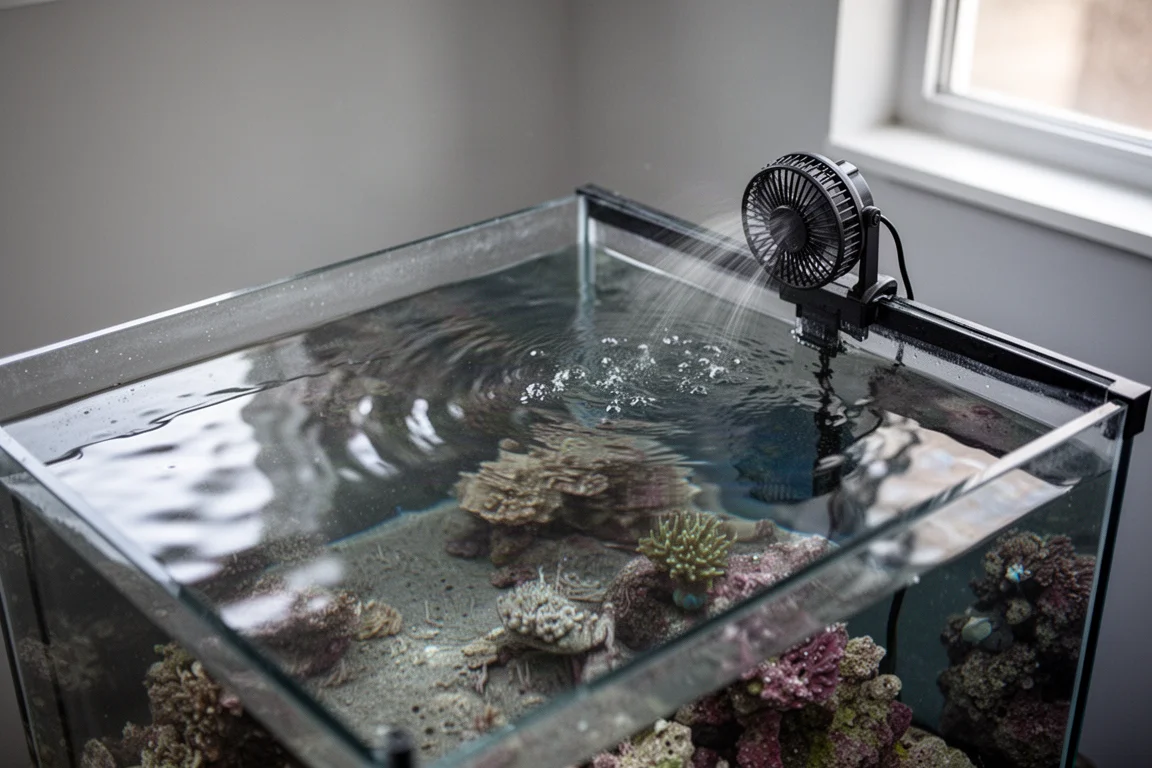
Increased surface agitation combined with a well-positioned fan typically lowers water temperature by two to three degrees. That means as long as the room stays at 80 degrees or below, the tank can hold at 78 degrees. Fish and coral are generally fine with water approaching 80 degrees, but pushing much beyond that is not advisable.
Best Aquarium Controller: Neptune Apex
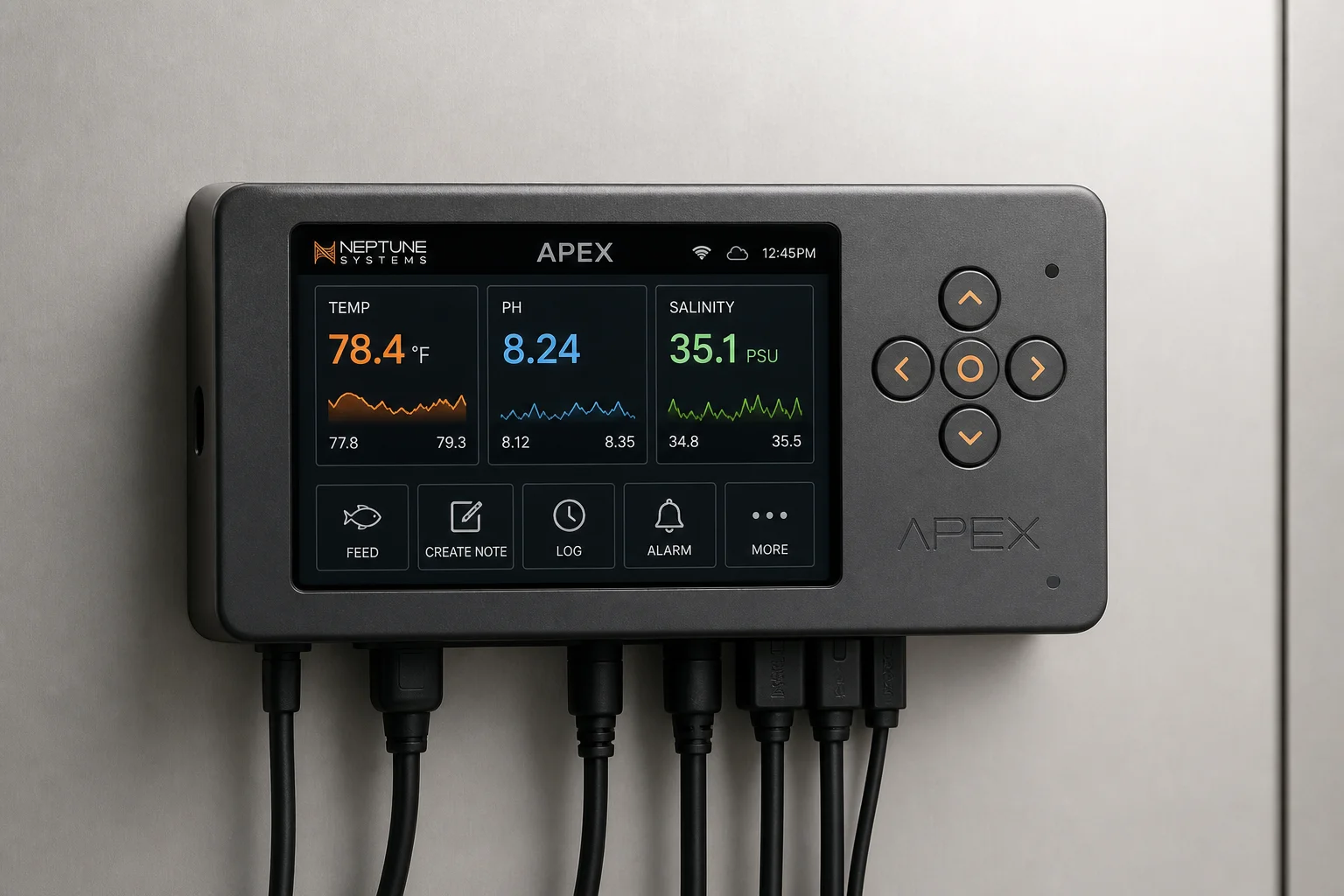
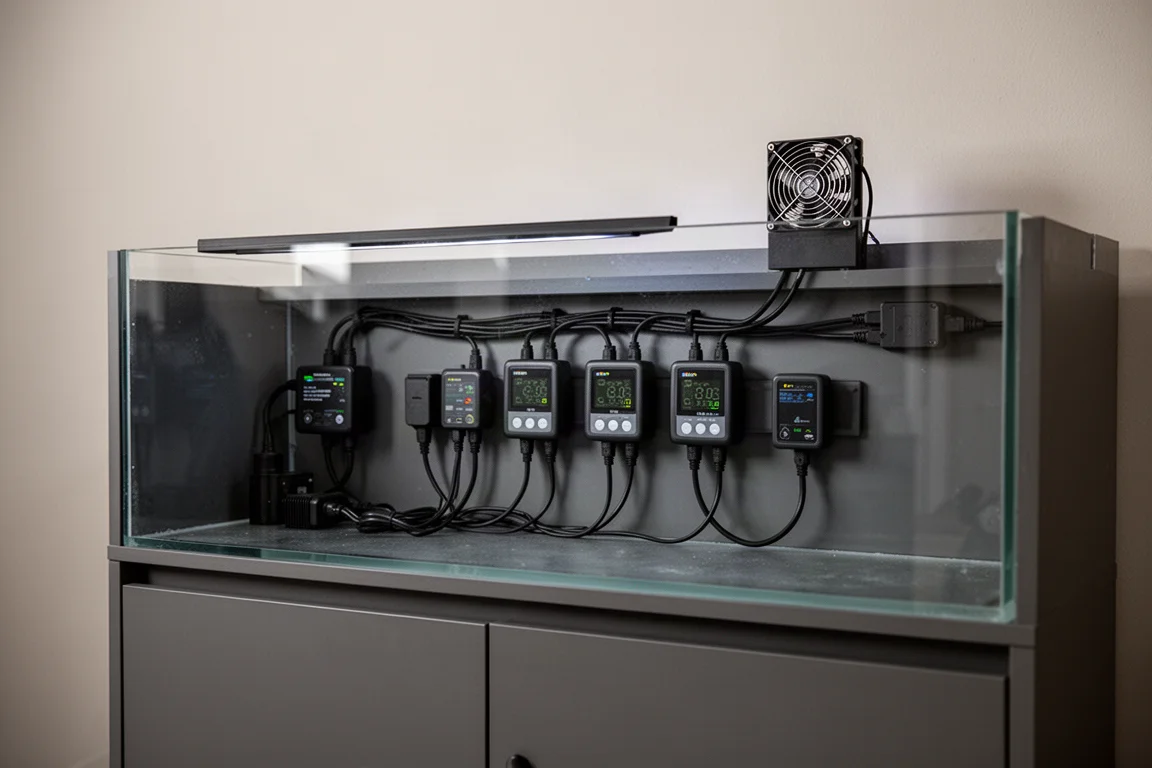
An aquarium controller is the piece that ties a climate and safety setup together. The Neptune Apex monitors pH and temperature, and it can send alerts when either reading moves out of range, which turns a silent failure into a message you actually see.
The same controller creates room to grow. Water changes, dosing, ozone, and leak detection can all be automated through the Apex later, so the hardware you install today continues to earn its place as the tank matures. Similar products are available from GHL and Hydros for anyone comparing options.
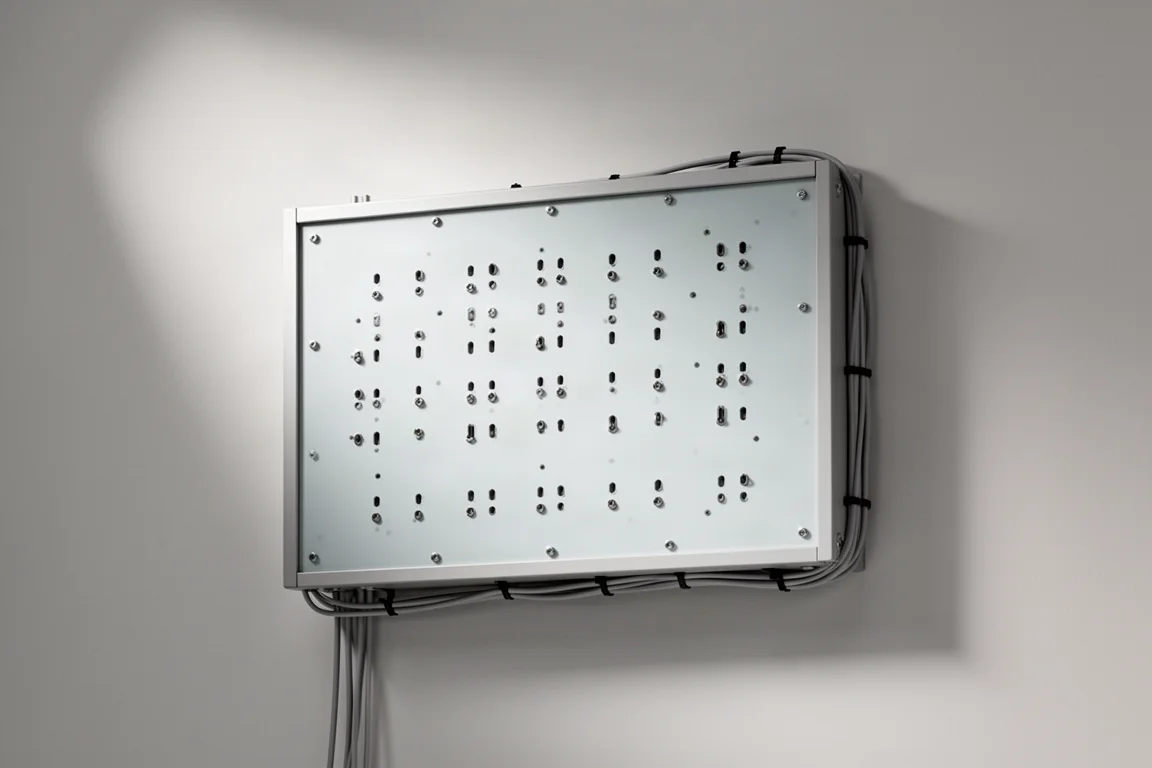
Best Cable Management: Adaptive Reef Control Board
An organized tank is a safe tank, and a redundant tank is a safer one. Building in redundancy mostly means planning ahead for human mistakes and equipment failures, and that planning is easier when the wiring is not a tangle.
The Adaptive Reef control board does two jobs at once: it hides the wiring and it organizes the various controllers that accumulate on a reef system. Once controllers are mounted in a known place, labelling every wire and cable becomes practical rather than aspirational, and velcro cable ties keep runs tidy without making them permanent.
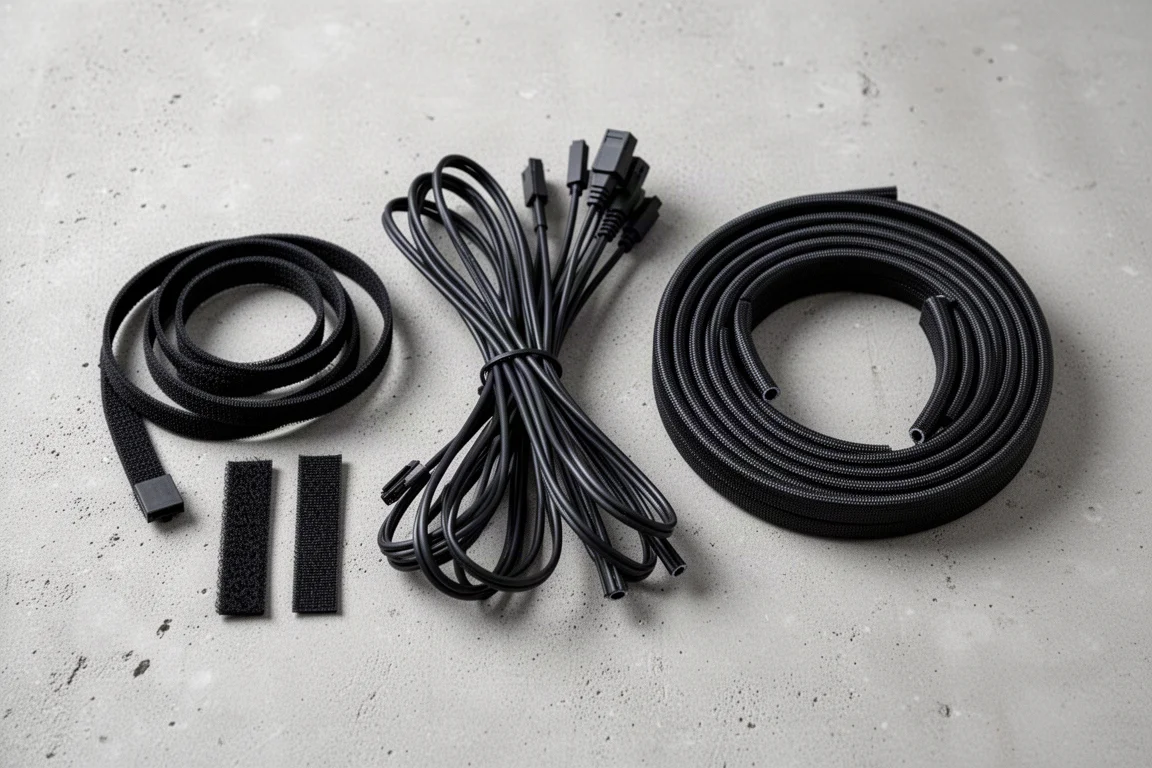
A split loom, such as the tubing from Alex Tech, makes a good finishing touch on the runs that remain visible. The goal is a cabinet where you can trace any cable to its source in seconds.
Best Power Supply Mounting: EcoTech Power Supply Bracket
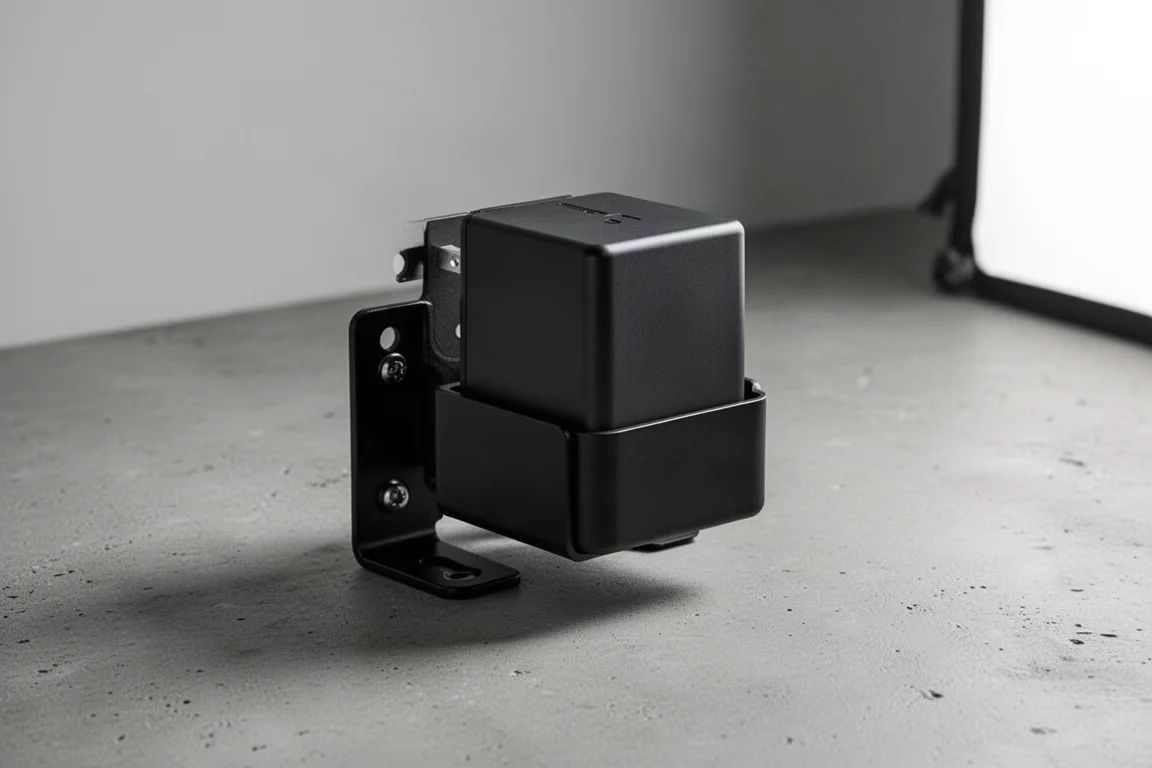
Power supplies are the part of an equipment cabinet that most often ends up in a heap on the floor. EcoTech power supply brackets hold them in place, which keeps the cabinet cleaner and makes it easier to see what is plugged in where.
They are a small addition, but they pair naturally with a control board and complete the tidy, serviceable layout that makes routine maintenance less frustrating.
Overall Buying Advice
The order of priority here is straightforward. Start with a correctly sized primary heater and a controller you trust, because that is the equipment protecting the tank day to day. Add a cheap backup heater set below the primary, since redundancy costs very little and covers the most common failure. Then address cooling if your room runs warm, and finally organize the wiring so the system stays maintainable.
Warranty length is a useful tiebreaker when two heaters look similar, and a controller that sends alerts is worth more than its specification sheet suggests. Nothing here is glamorous, but climate and safety equipment is what keeps a reef tank stable through the parts of the year when conditions outside the glass are working against you.
Conclusion
A stable 77 to 78 degrees does not happen by accident. It comes from a properly sized primary heater in a chamber that never runs dry, a controller with sensible alarms, a backup heater set a few degrees lower, a fan ready for hot spells, and enough organization that you can find a problem before it becomes a crisis. Build those pieces in from the start and the tank has a much better chance of staying healthy all year.
Further reading
Related Reviews
Aquarium Equipment
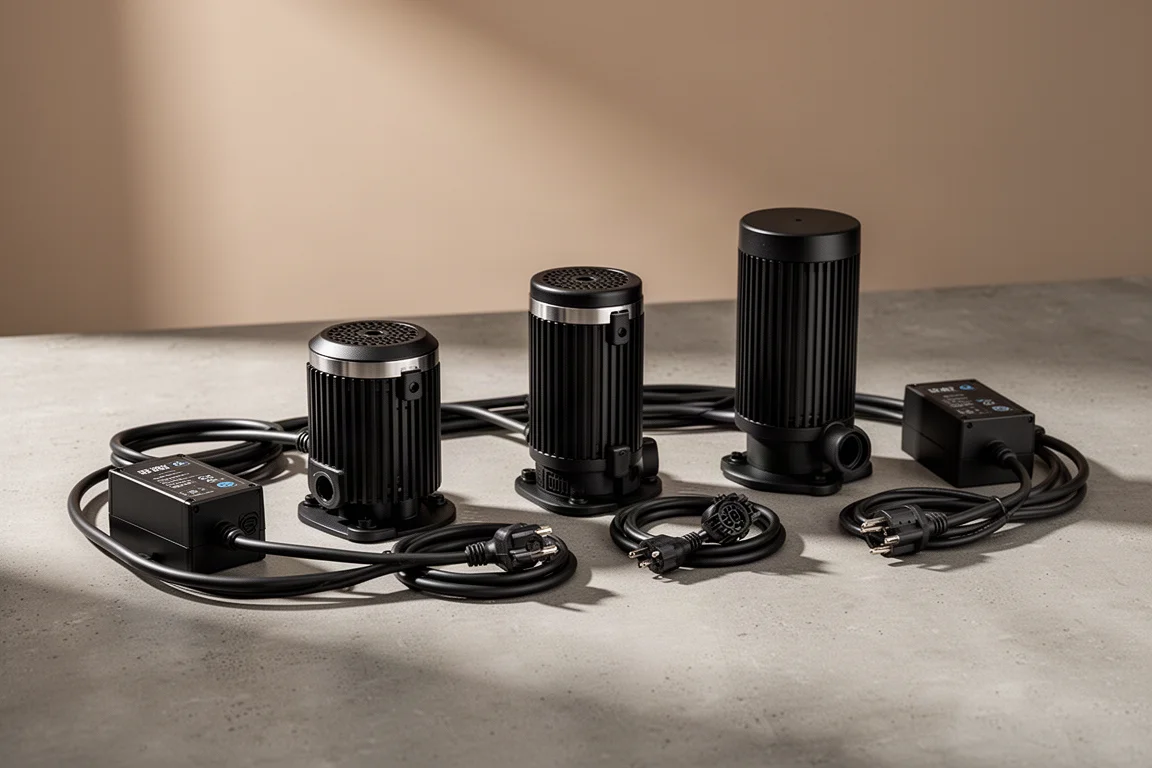
Abyzz Professional DC Pumps: A100, A200, and A400 Reviewed
A closer look at three German-made DC return pumps built for large reef systems, with titanium internals, fine flow control, and a 10-year warranty.
Aquarium Equipment
AdaptiveReef Controller Accessories: Three Tactile Upgrades for Your Reef Controller
A practical look at three AdaptiveReef add-ons that put physical switches, at-a-glance status lights, and a loud alarm within arm's reach of your reef tank.
Aquarium Equipment
Adaptive Reef Controller Boards: Basic vs Deluxe for Cleaner Aquarium Gear
A practical look at the Adaptive Reef Basic and Deluxe controller boards, what each one includes, and how to choose the right size for your tank gear.