Reef Aquarium Supplies
Aquaforest Salt Mixes Comparison: Which Reef Salt Is Right for Your Tank?
A detailed breakdown of Aquaforest's three salt formulations—Reef Salt, Sea Salt, and Probiotic Reef Salt—to help you choose the best match for your reefing style.
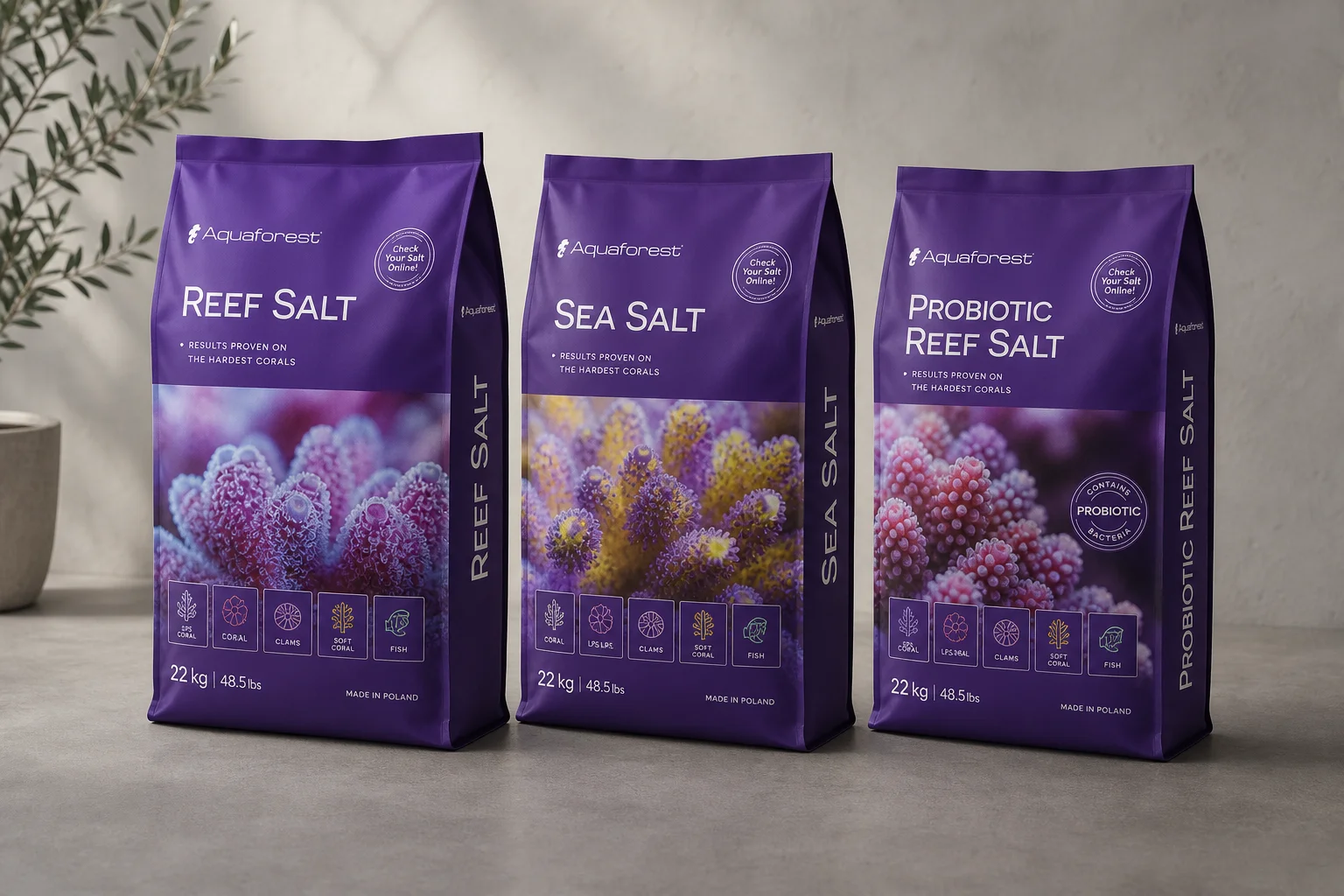
Introduction
Aquaforest manufactures their marine salt mixes at their own laboratory in Europe, subjecting each batch to ICP-OES testing to ensure they meet the highest quality standards. The results are publicly available online, so you can verify the exact elemental composition of your specific bag before use.
Each of their three salt formulations is designed for different reefing approaches, with major, minor, and trace elements balanced to match your specific tank setup. Whether you’re running a nano reef, a mid-size system, or multiple large tanks, Aquaforest offers packaging options ranging from a 5-kilogram bucket (35 gallons) to 25-kilogram boxes (200 gallons).
Aquaforest Reef Salt: The Flagship Formula
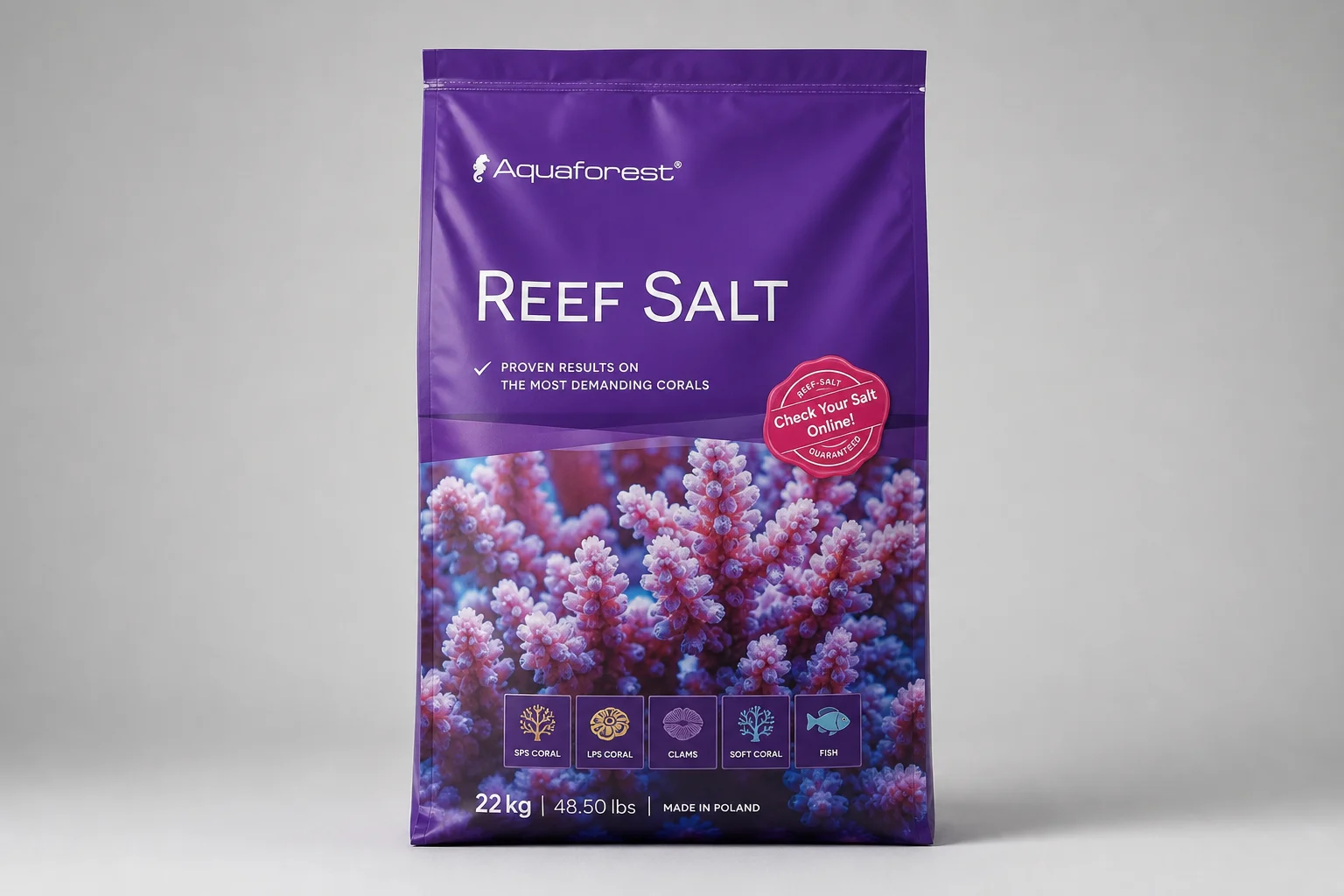
Aquaforest Reef Salt is their primary offering, formulated to support all coral types, including the most demanding SPS corals, as well as sensitive invertebrates like Tridacna clams and fish. The formula prioritizes major, minor, and trace elements while being enriched with amino acids and vitamin C to promote coral growth, coloration, and immune health.
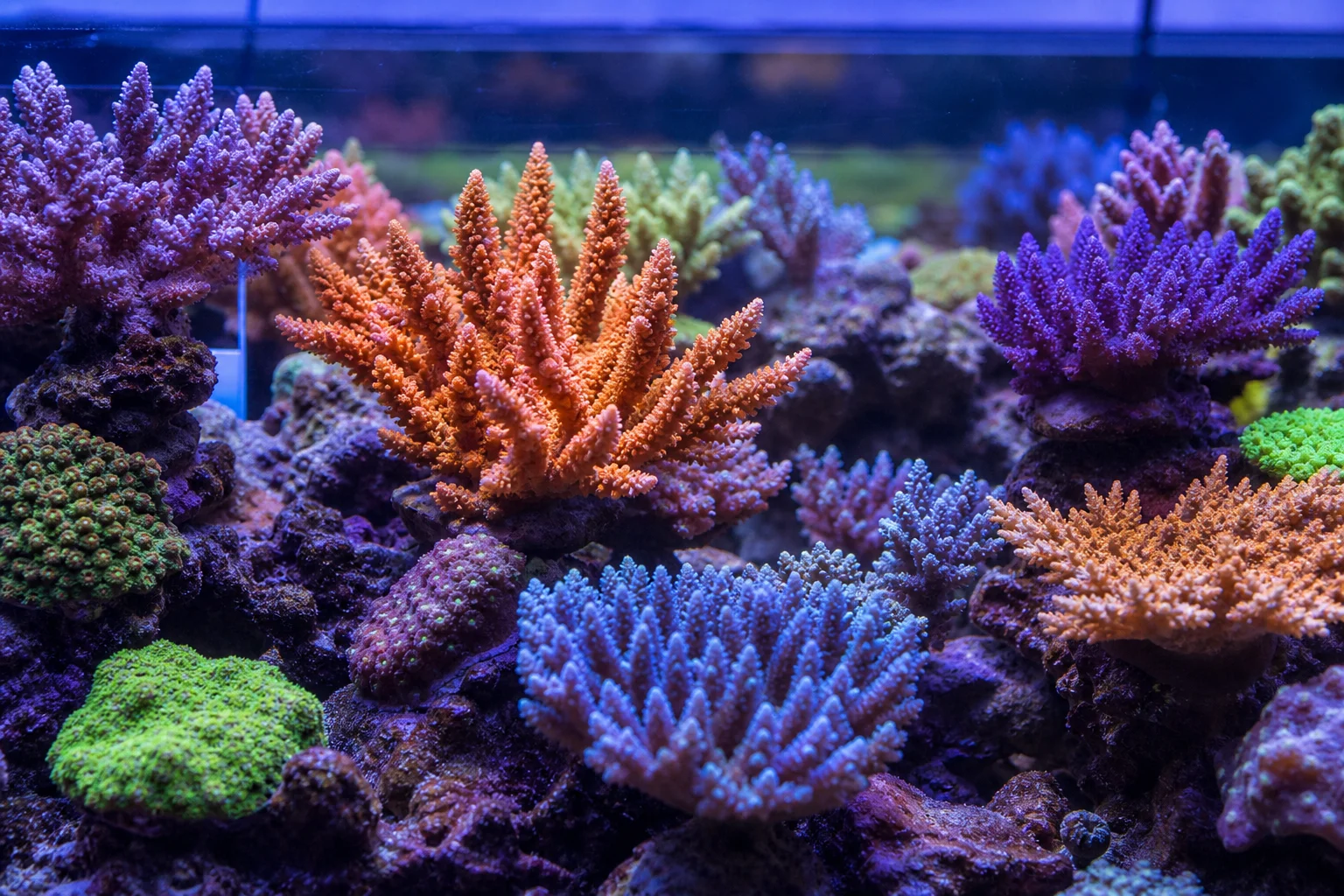
When mixed to 1.026 specific gravity (35 parts per thousand), this salt achieves an alkalinity between 7.7 to 8.3 dKH, calcium between 440 to 460 ppm, magnesium between 1,360 to 1,420 ppm, and potassium between 380 to 400 ppm. These parameters work well for SPS-dominated and mixed reefs, as well as LPS and soft coral systems.
This salt is also ideal if you prefer to mix large batches in advance and store them for later use, as it remains stable for weeks in a sealed container.
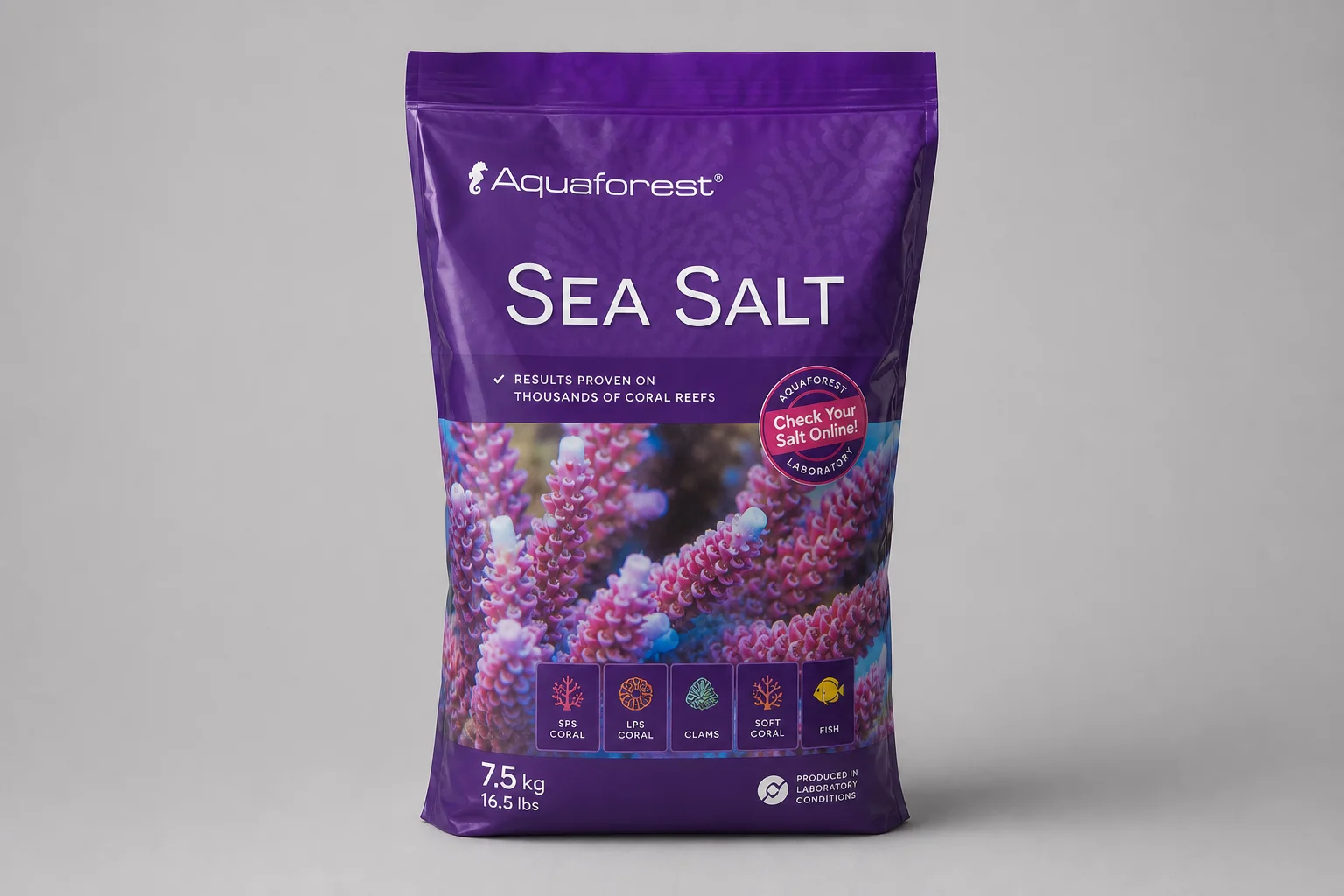
Aquaforest Sea Salt: Fish-Only Dedicated Formula
Aquaforest Sea Salt is specifically formulated for fish-only aquariums. Unlike their Reef Salt, it is not fortified with minor and trace elements and does not contain amino acids or vitamin C. However, it does contain the necessary major elements in usable ranges for low-demand saltwater systems.
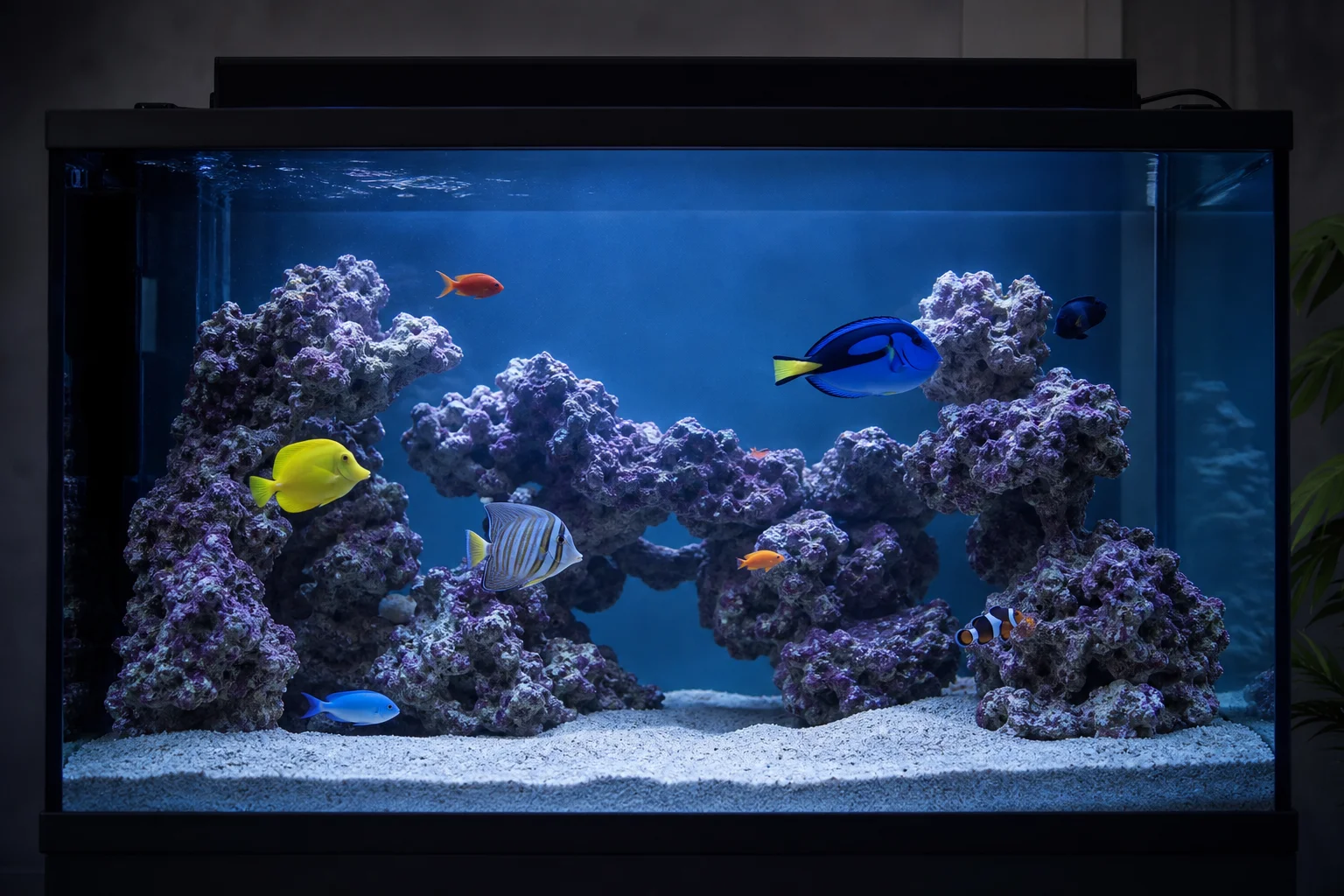
When mixed to 35 PPT, this salt produces an alkalinity between 8.3 to 8.9 dKH, calcium between 380 to 400 ppm, magnesium between 1,260 to 1,300 ppm, and potassium between 380 to 400 ppm. This makes it a solid choice for fish-only tanks, but it is not recommended for LPS, SPS, or mixed reef systems that demand higher trace element concentrations.
Mixing and Storage Guidelines
Both Aquaforest Sea Salt and Reef Salt dissolve fully within 15 minutes of mixing. However, Aquaforest recommends allowing the saltwater to continue mixing while being heated to temperature for two to three hours before use, which allows the elements to reach ionic stability.
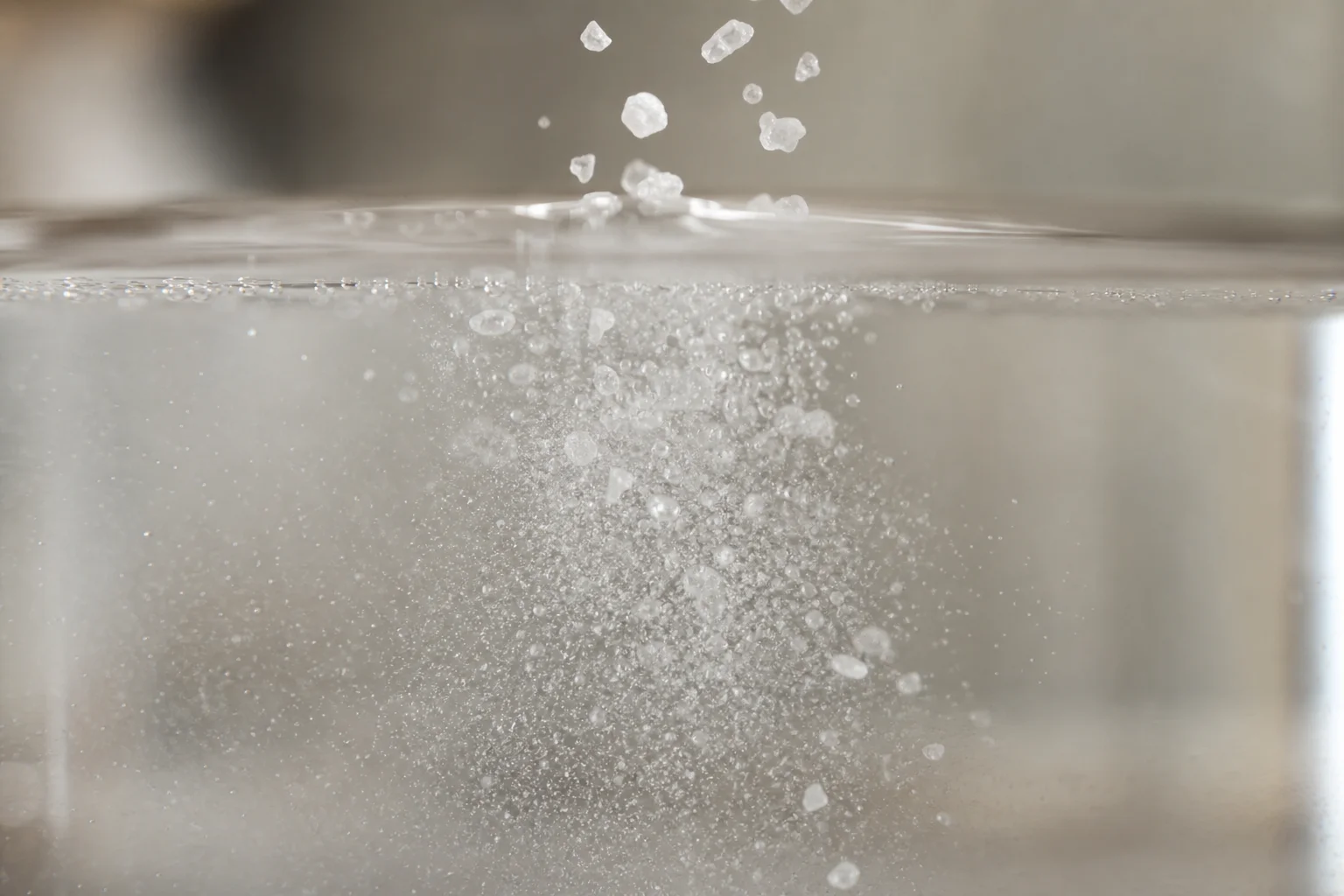
Once mixed, standard Reef Salt and Sea Salt can be stored for up to five days in an open container, or for weeks in a sealed container. This flexibility makes batch mixing practical for larger systems or multiple tanks.
View more details for Aquaforest Sea Salt
Aquaforest Probiotic Reef Salt: Advanced Nutrient Control
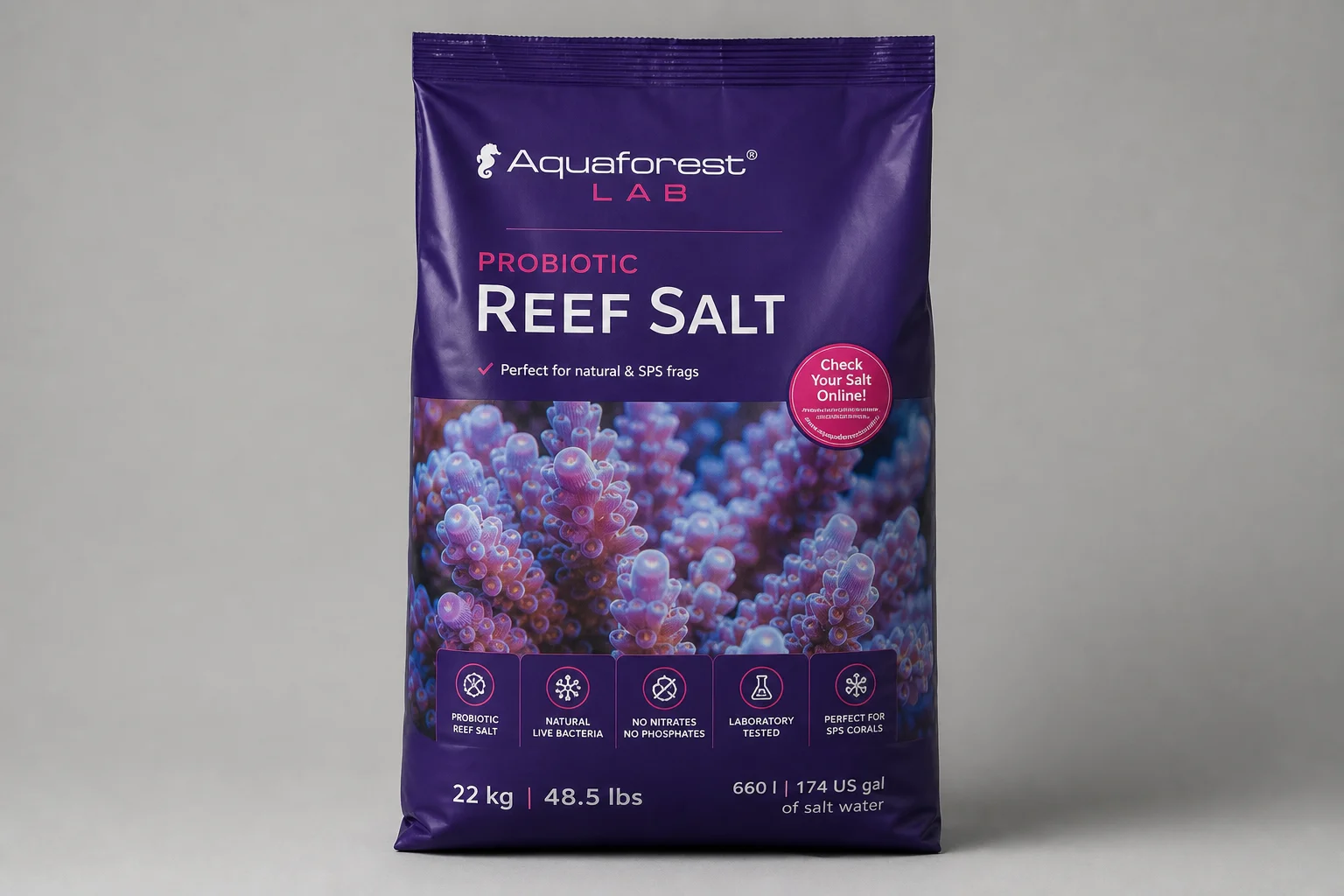
Aquaforest Probiotic Reef Salt is essentially their Reef Salt formula with the addition of dormant bacteria, vitamins, and amino acids. This mix is designed for reefers who want to run ultra-low-nutrient SPS-dominated systems using live bacteria and carbon dosing to keep nitrates and phosphates minimal.
The dormant bacteria become active very quickly once hydrated, so this salt must be used immediately after the 15-minute dissolution period. Do not store this mix; prepare only what you need for immediate use.
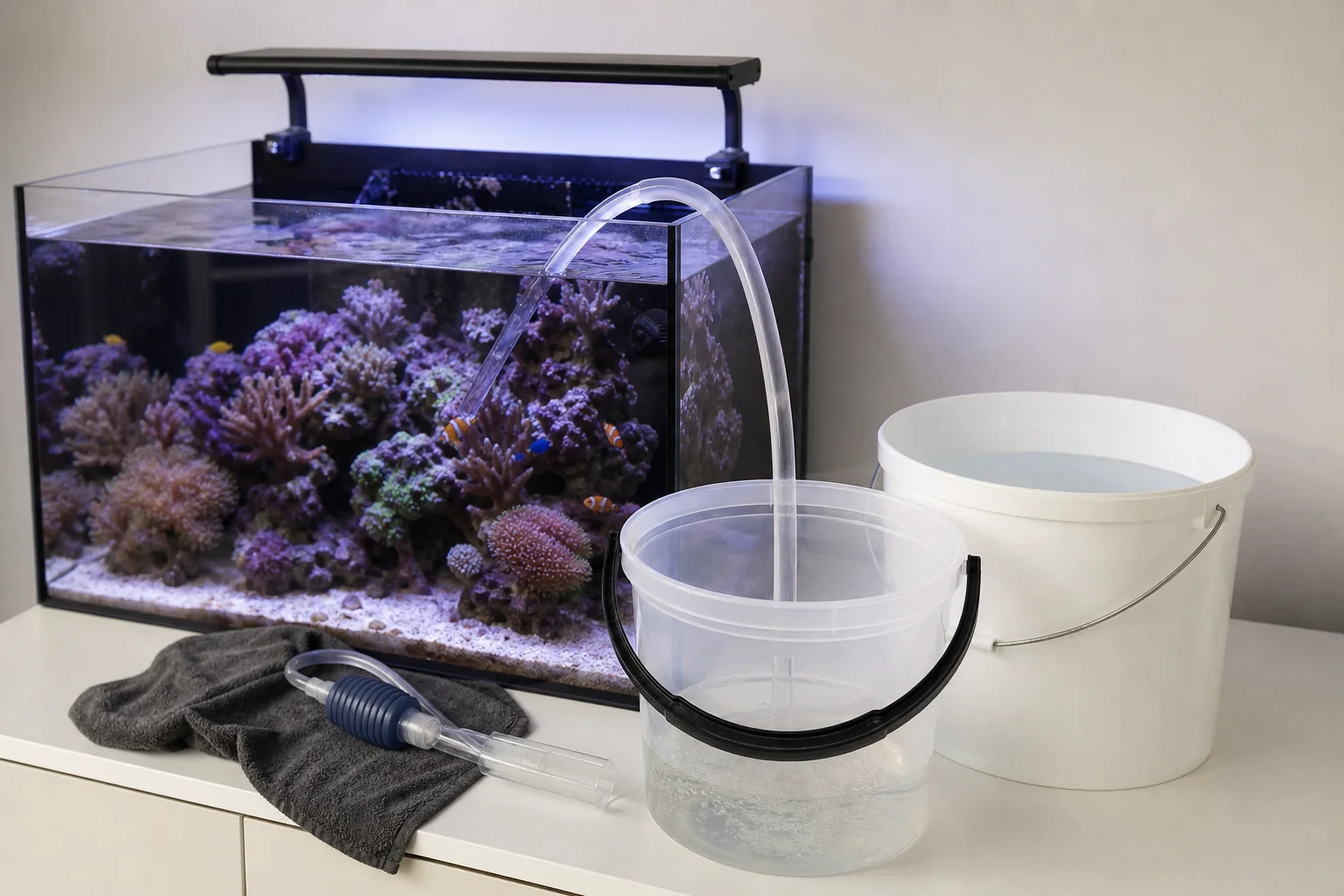
This salt is particularly well-suited for reefers who prefer smaller 10% weekly, biweekly, or monthly water changes. If you prefer larger water changes, you can mix Probiotic Reef Salt 50-50 with regular Reef Salt to avoid nutrient crashes. The bacteria in this formula require access to nutrients in your tank, so large water changes can deplete them too rapidly.
Conclusion
Choosing the right Aquaforest salt depends on your tank type and reefing philosophy. Reef Salt suits most reef keepers and those who want to store saltwater in advance. Sea Salt is the economical choice for fish-only systems. Probiotic Reef Salt is ideal for advanced reefers running nutrient-limited SPS systems with smaller, frequent water changes. All three formulations benefit from Aquaforest’s rigorous testing and transparent batch reporting, giving you confidence in the elemental composition of your water.
Further reading
Related Reviews
Saltwater Aquarium Setup
10 Questions About Cycling a Saltwater Aquarium: What You Need to Know
Essential questions and answers for cycling a reef tank or saltwater aquarium, from biome building to light management and bacterial supplements.

Pickleball Paddles
2025 Paddle Awards: The Best Pickleball Paddles of the Year
A category-by-category breakdown of the best pickleball paddles of 2025, covering value, control, all-court, power, and paddle of the year.

Automotive Accessories
70mai Dash Cam Comparison: A200 vs A510 vs A810
Three dash cameras from 70mai across different price points reveal how resolution and sensor quality impact real-world footage clarity, especially for number plate visibility and low-light performance.