Wearables
Apple Watch Ultra vs Garmin Epix Pro and Fenix 7 Pro: Heart Rate Accuracy Compared
Back-to-back wrist tests across running, road biking, mountain biking, weight training, and HIIT show no single winner between Apple's and Garmin's optical heart rate sensors.
Introduction
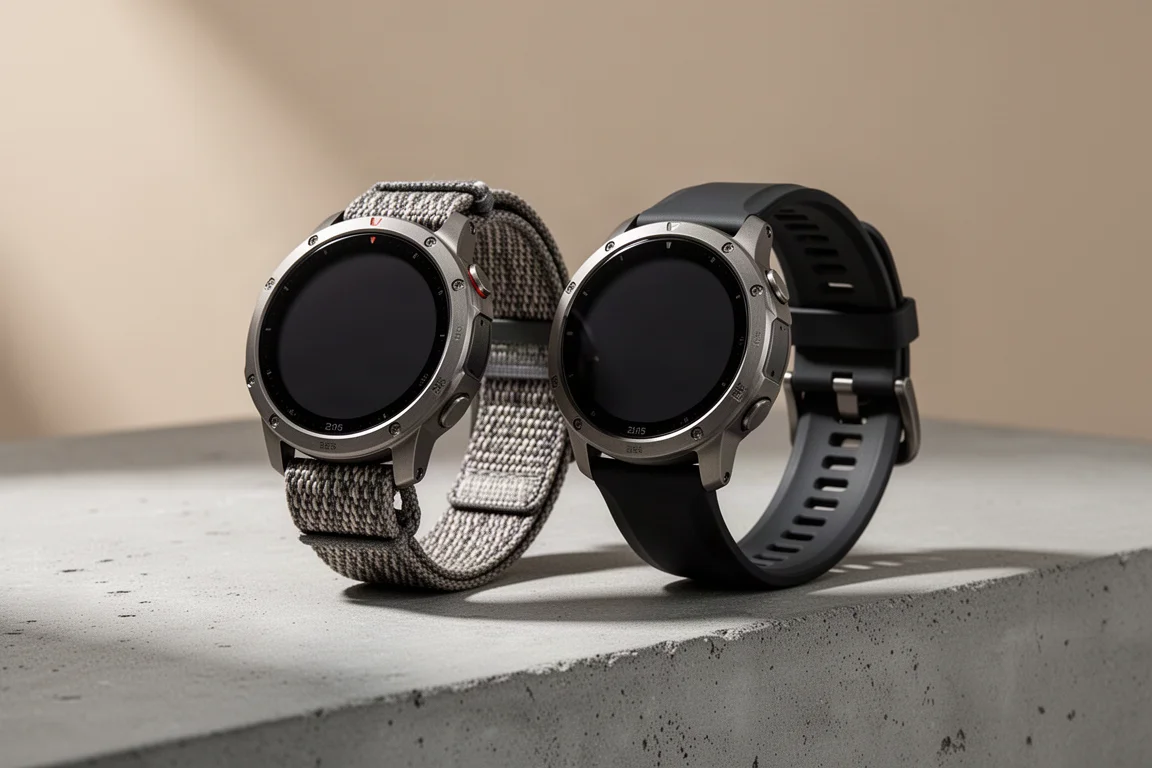
Apple has long been regarded as the benchmark for wrist-based optical heart rate accuracy, with readings that often come remarkably close to a chest strap, even for activities like weight training that are notoriously difficult for wrist sensors. Garmin’s latest fifth-generation Elevate sensor, found on the new Epix Pro and Fenix 7 Pro lines, was designed specifically to close that gap, improving on a previous generation that handled steady-state cardio well but struggled with weight training, high-intensity interval training, and mountain biking.
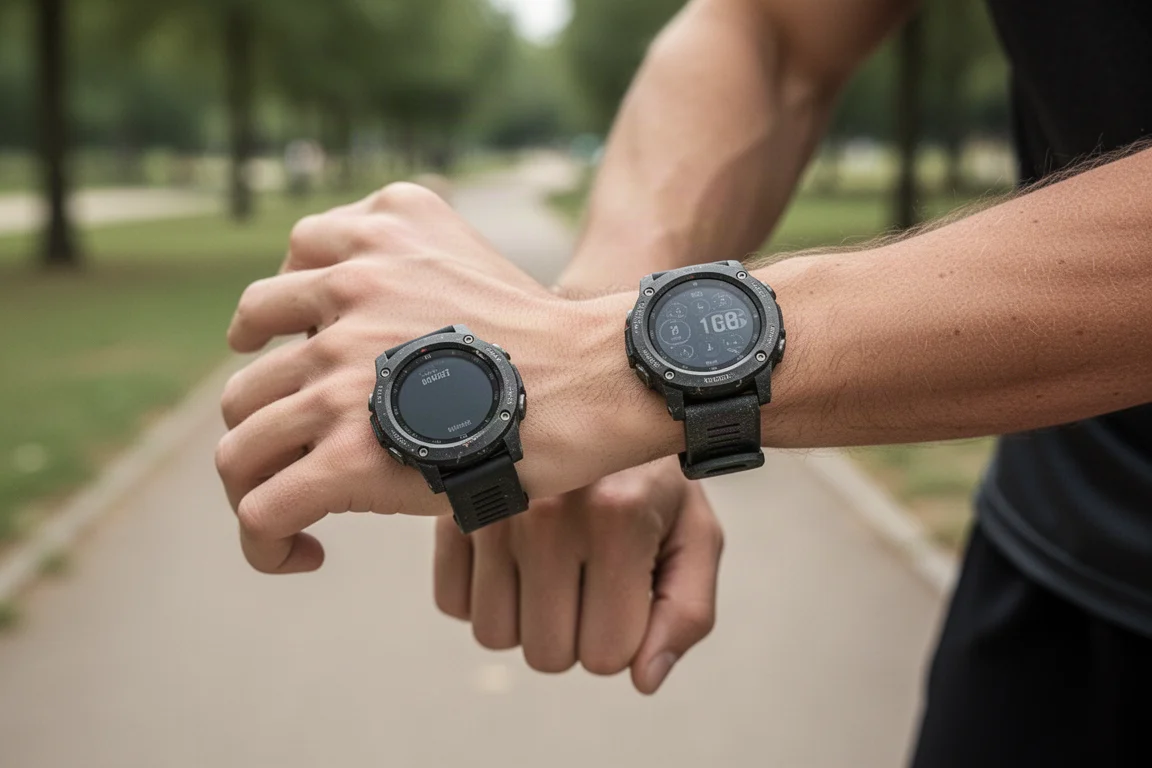
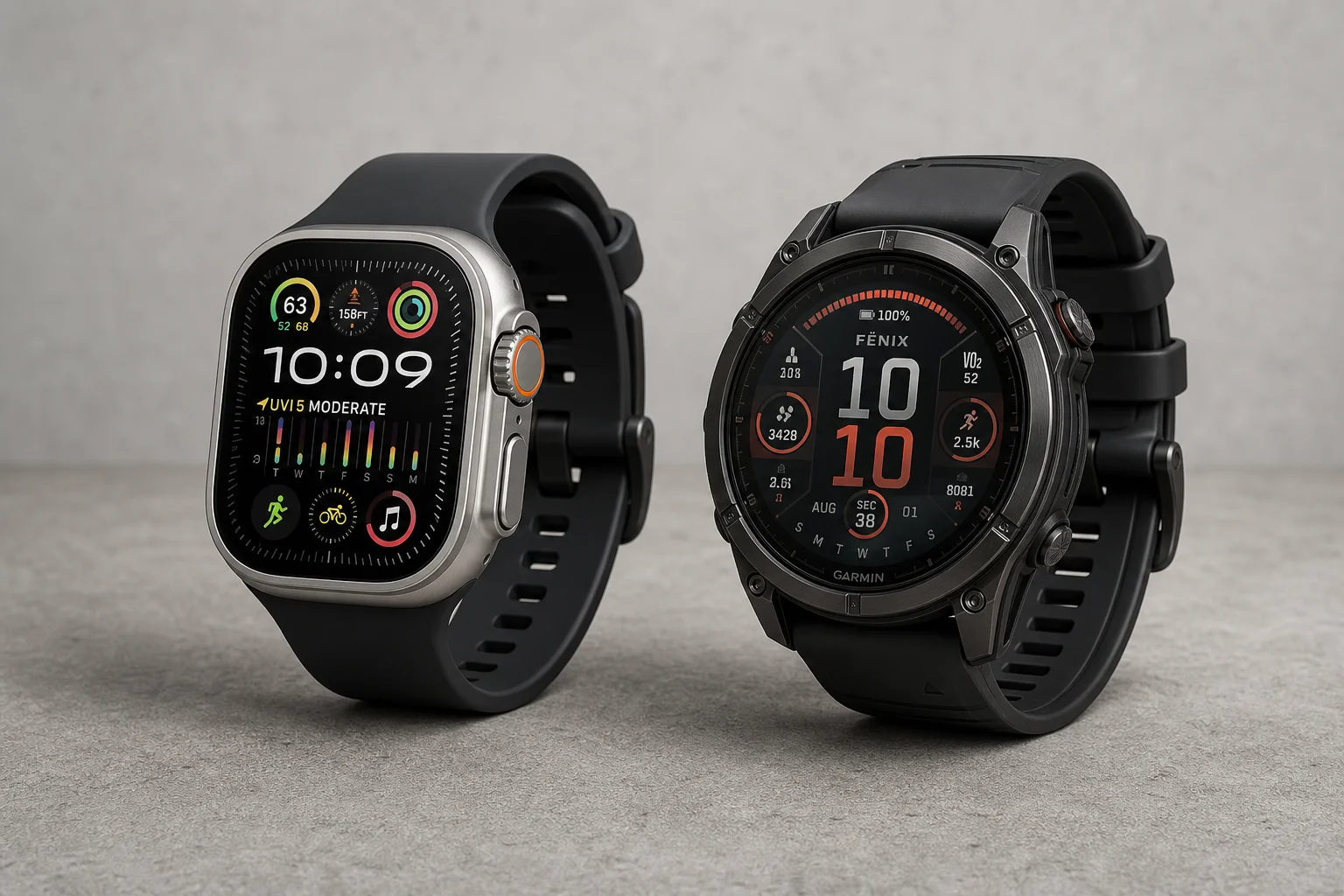
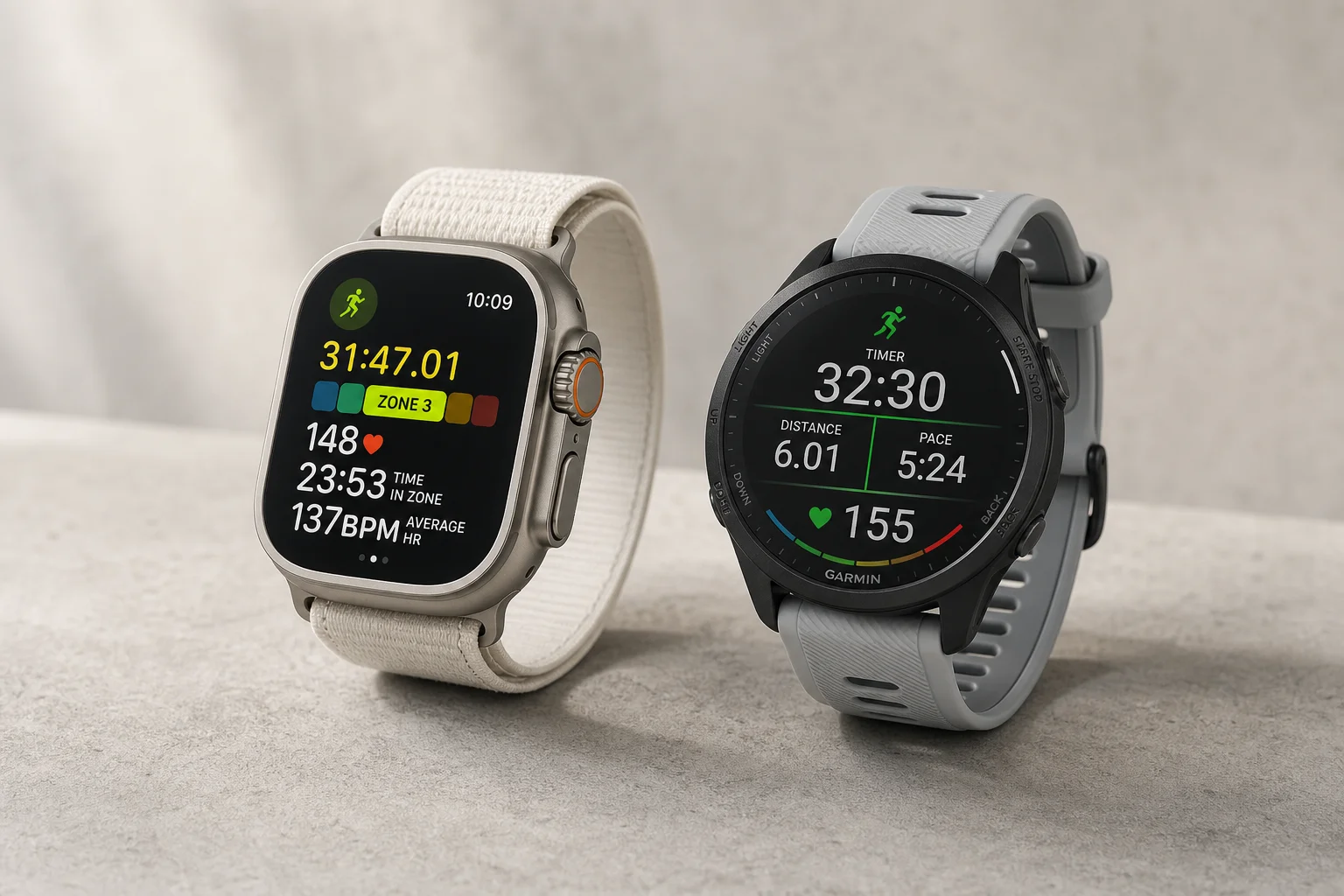
To find out how the new Garmin sensor stacks up, both platforms were tested back to back in real-world workouts, with an Apple Watch Ultra on one wrist and an Epix Pro or Fenix 7 Pro on the other. The watches were swapped between wrists across multiple sessions, since slight anatomical differences can change results from one arm to the other. The short version: there is no clear overall winner. Accuracy depends on the activity, and both sensors delivered results that ranged from essentially perfect to occasionally off the mark.
How the Watches Were Tested
Optical heart rate sensors work by shining light into the skin and reading the reflected signal. They generally excel at steady-state workouts with minimal wrist flexion, like indoor cycling. Running introduces arm swing, road biking adds vibrations and handlebar grip, mountain biking bounces the watch across rough terrain, and weight training combines heavy grip with constant wrist flexion. Those harder activities are where sensor limitations show up, and where a chest strap still delivers the most accurate readings.
For the comparison, the 51mm Epix Pro was the closest match to the Apple Watch Ultra in case weight, which matters because weight can affect how much a watch bounces on the wrist during rough activities. The lighter 47mm Fenix 7 Pro was also included to see whether its lower weight helped. The Apple Watch Ultra wore a Trail Loop and the Epix Pro wore Garmin’s UltraFit band, both chosen for a secure sports fit. Watches were worn about an inch above the wrist bone, and every session was compared against external references including a Polar H10 or Garmin HRM-Pro chest strap and arm-based optical sensors.
Steady-State Indoor Cycling Results
Indoor cycling served as the baseline, since nearly every watch performs well in this controlled environment. Both the Apple Watch Ultra and the 51mm Epix Pro were spot on, essentially matching the external sensors throughout. A second ride comparing the Ultra against the Fenix 7 Pro produced nearly perfect results as well, with only a few minor wobbles from each watch early on that amount to splitting hairs. Interval sessions on the bike were equally flawless from both platforms.
Running Results
Running introduces arm swing, and results started to show a bit more variability. On the first run, all sensors needed a minute or so to lock on, which is typical, then tracked closely together. About two-thirds of the way in, the Epix Pro drifted four to five beats per minute high at most, still very usable data. After swapping wrists, the Apple Watch Ultra wandered slightly over and under early in the run while the Epix Pro read a touch high in spots.
On another run, the Ultra took longer than usual to lock on, while the Epix Pro was slightly off on some portions. When pace increased late in the run and arm form got sloppier, every sensor drifted a little, but none lost the plot. The 47mm Fenix 7 Pro delivered an essentially perfect run against the Ultra in one session, and in others both watches wandered slightly without any major failures. Across all running tests, results were very good in most cases, with occasional small drifts but nothing disqualifying.
Road Biking Results
Road biking adds handlebar grip, bumps, and vibration. Both watches handled it well, with consistent results across multiple rides. On one ride, the Epix Pro read slightly low at the start and the Ultra slightly high, after which both tracked almost perfectly. A second ride saw a low start from the Epix Pro and a brief five-beat dip from the Ultra. With the Fenix 7 Pro, a few spots showed it slightly behind on rising heart rate, while the Ultra was essentially perfect; another ride produced small spikes from the Fenix 7 Pro and some high readings from the Ultra at the end. Some rides even included gravel sections, and the data remained usable throughout.

Mountain Biking Results
Mountain biking pushes wrist sensors to their limits, and this is where the most interesting differences appeared. One ride was nearly perfect from both watches. Another produced a minor blip from the Epix Pro and a short high-reading stretch from the Ultra. But on rougher rides, patterns emerged: on downhill sections, where the watches bounce more and grip tightens, both sensors could get thrown off, yet the uphill sections were basically perfect from both.
The key finding is recovery behavior. When the Apple Watch Ultra lost the signal on rough descents, it did not lock back on as quickly. The Epix Pro did a better job of re-acquiring after dropping out. Across several rides, Garmin’s fifth-generation sensor showed the stronger mountain biking performance overall.

Weight Training and HIIT Results
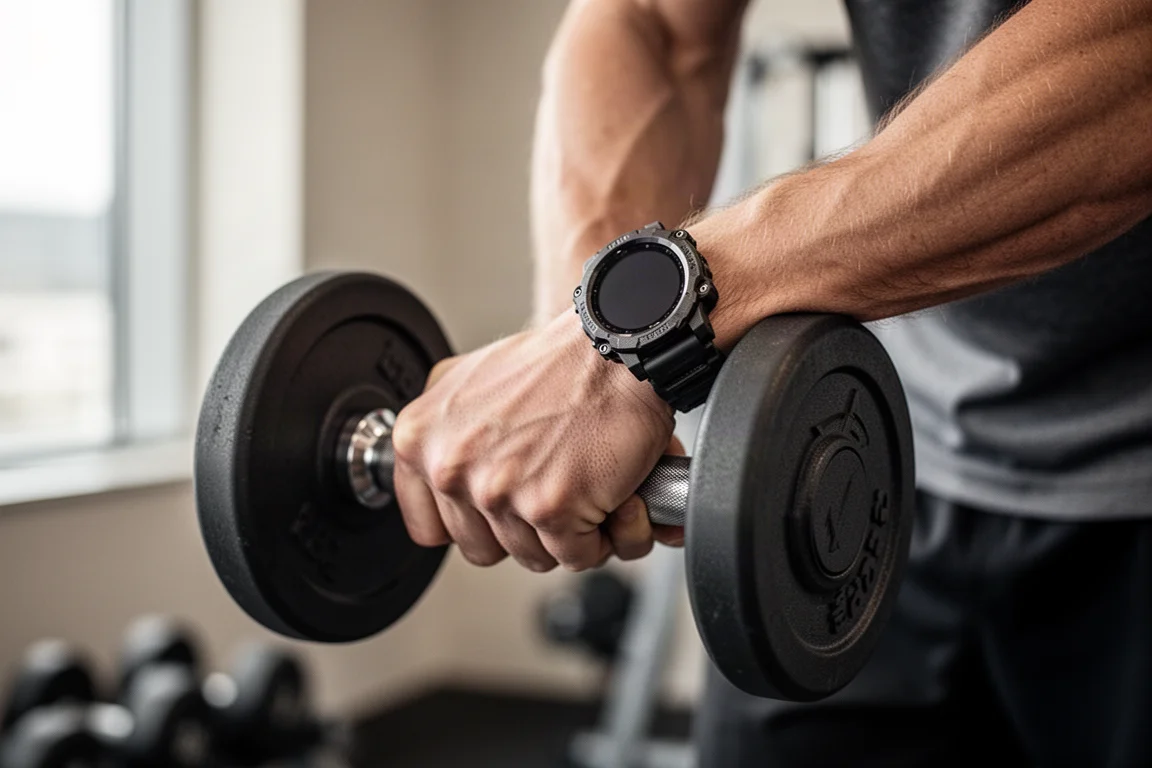
Weight training and HIIT are arguably the worst nightmare for wrist-based sensors, thanks to constant gripping and varied arm movement. Even so, both watches produced very respectable results. On a session with tricep extensions and high-intensity intervals, the 51mm Epix Pro was slower to respond to rising heart rate and a bit wobbly on some interval peaks, while the Apple Watch Ultra ran slightly high during bicep curls early on. That workout went to the Ultra, though the Epix Pro was not far behind.
On a second session, the Ultra tracked closer to the external sensors, while the Epix Pro lagged slightly on some sets. The Fenix 7 Pro showed the same tendency, running a little behind both the external straps and the Ultra, though in three consecutive sets it matched the Ultra almost exactly. A third session saw a high first-set reading and a brief dropout from the Fenix 7 Pro, with the Ultra again closer to the reference monitors. Compared with results commonly seen from other watches in this category, both the Epix Pro and the Ultra do a very good job with weight training, but the edge here goes to the Apple Watch Ultra.
Which One Should You Choose
Neither sensor will be perfect in every situation or every workout, and both will have good days and bad days given the inherent limits of the technology. Both are nevertheless among the best wrist-based optical heart rate sensors available in a smartwatch. The practical takeaway is that the better choice depends on what you do: Garmin’s fifth-generation sensor has the edge for mountain biking, while the Apple Watch Ultra performed better for weight training and HIIT. For the hardest activities, both watches support pairing with an external heart rate strap, which remains the most accurate option when it matters.
Conclusion
For steady-state cardio, road biking, and most running, both the Apple Watch Ultra and Garmin’s Epix Pro and Fenix 7 Pro deliver accurate, dependable heart rate data. Mountain biking favors Garmin’s new sensor for its recovery behavior, while lifting and intervals favor Apple. Neither is a universal winner, and knowing which activities you train for most is the best guide to which watch will serve you better.
Product link
View more details for Apple Watch Ultra
This product is mentioned in the review. Check the specifications, options, and compatibility before buying.
View more details for Apple Watch UltraFurther reading
Related Reviews
Wearables
Apple Watch Ultra 3 vs Garmin: Which Training Watch Wins for Athletes
A practical head-to-head comparison of the Apple Watch Ultra 3 and Garmin for serious training, covering GPS accuracy, data tracking, usability, and recovery metrics.
Wearables
Apple Watch vs Garmin for Running: A Year of Training Compared
After a year training for marathons with both devices, here's what actually matters when choosing a running watch.
Wearables
Apple Watch Ultra 3 vs Garmin Fenix 8 Pro: Satellite Messaging Compared
A practical comparison of satellite messaging on the Apple Watch Ultra 3 and the Garmin Fenix 8 Pro, covering connection methods, messaging workflows, coverage, and running costs.