Sports Watches
Apple Watch Ultra vs Garmin Epix and Fenix 7: Four Premium Sports Watches Compared
The Apple Watch Ultra takes on the Garmin Epix, Fenix 7, and Fenix 7X. Here is how these four outdoor-focused sports watches differ on battery, maps, sensors, and smartwatch polish.
Introduction
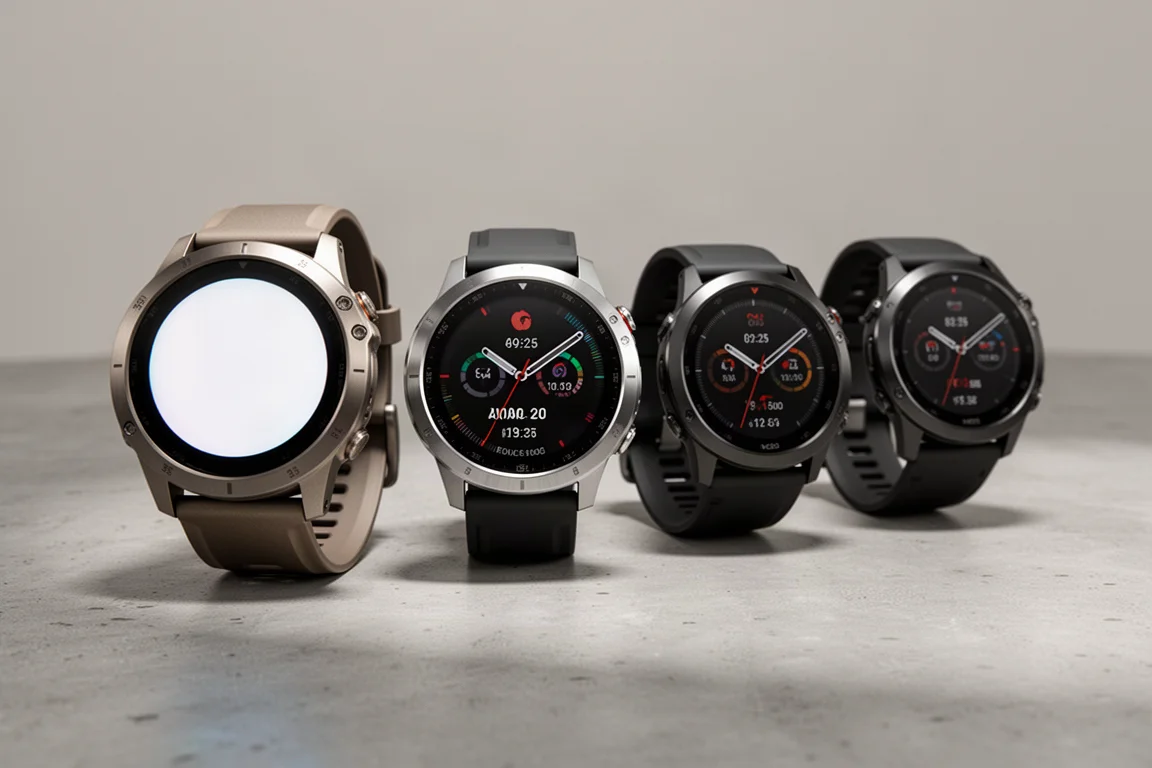
The Apple Watch Ultra made a serious attempt to enter territory Garmin has owned for years: longer battery life, tougher hardware, and genuine outdoor features. On paper it nearly doubles the battery life of other Apple Watches, adds a titanium case with a sapphire lens, and brings a new customizable Action button. But the Garmin Epix and Fenix 7 remain two of the most popular sports watches available, and they are nearly identical in features, so most of what applies to one applies to the other.
This comparison breaks down the key differences between the Apple Watch Ultra, Garmin Epix, Garmin Fenix 7, and Garmin Fenix 7X so you can decide which one fits your wrist, your phone, and your training.
Quick Overview
Before diving deeper, here is the shape of the field. The Apple Watch Ultra is a 49mm titanium sports watch with a sapphire lens, an Action button, a built-in siren, and iPhone-only pairing. The Garmin Epix is a 47mm watch with a vibrant AMOLED display, offered in a stainless steel Gorilla Glass version and a Sapphire version with titanium hardware. The Garmin Fenix 7 uses a transflective display that is extremely readable in direct sunlight but less vibrant indoors, and it delivers dramatically longer battery life. The Fenix 7X is the larger sibling that adds a dedicated LED flashlight.
Smartphone Compatibility
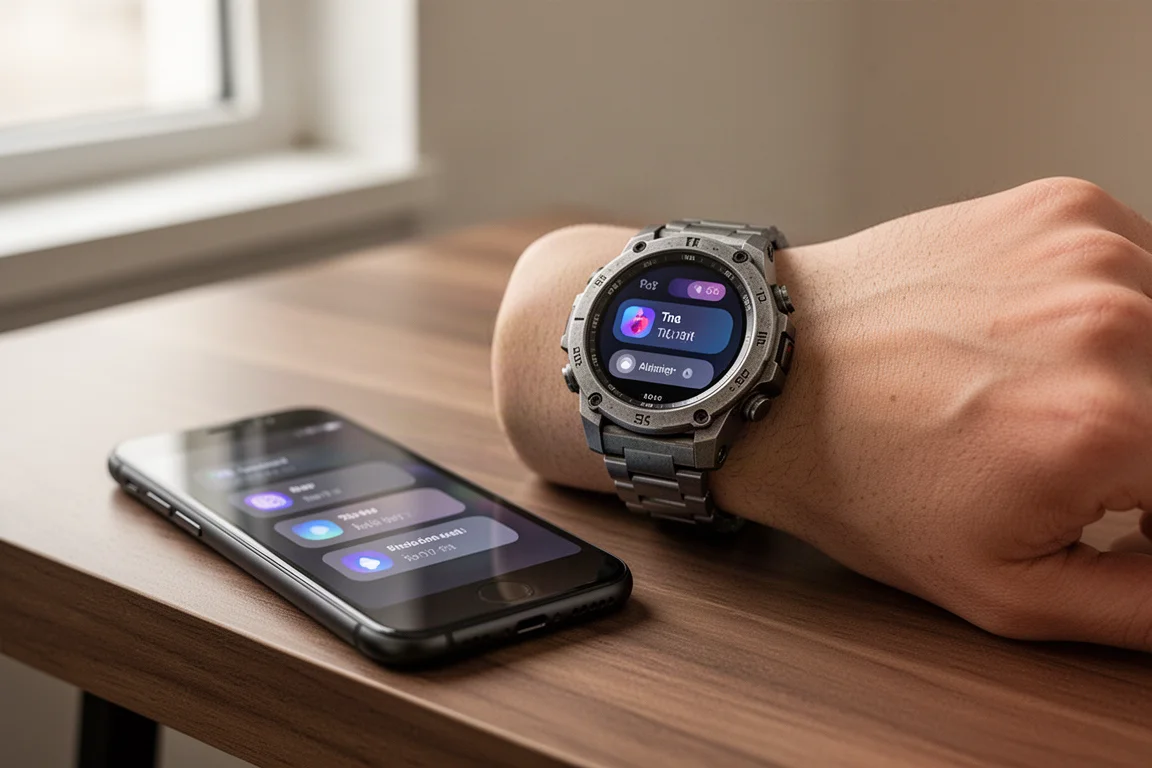
This is the first real fork in the road. The Apple Watch Ultra only works with an iPhone. In return you get the full smartwatch experience: rich notifications with replies via emoji and voice dictation, app mirroring, and Apple Maps integration for directions. It is a seamless experience if you are already invested in Apple’s ecosystem.
The Garmin Epix and Fenix 7 work with either an iPhone or an Android phone. You can receive notifications on both platforms, though on Android you can only reply with predefined responses. If you use Android, the Garmin option is effectively your only choice here.
Hardware, Controls, and Durability
There is only one version of the Apple Watch Ultra: a 49mm titanium case with a sapphire lens, priced at $799. It only comes in the GPS plus Cellular configuration, so you can stay connected without your phone nearby, though that requires an add-on plan to your existing cell plan. You are not obligated to sign up for a plan just because the hardware is onboard.
The Garmin Epix comes in three versions: a stainless steel version with Gorilla Glass at $899, and a Sapphire version with titanium hardware at $999, in a single 47mm size. If you compare pure hardware, the Ultra is actually the cheaper of the two titanium-and-sapphire configurations.
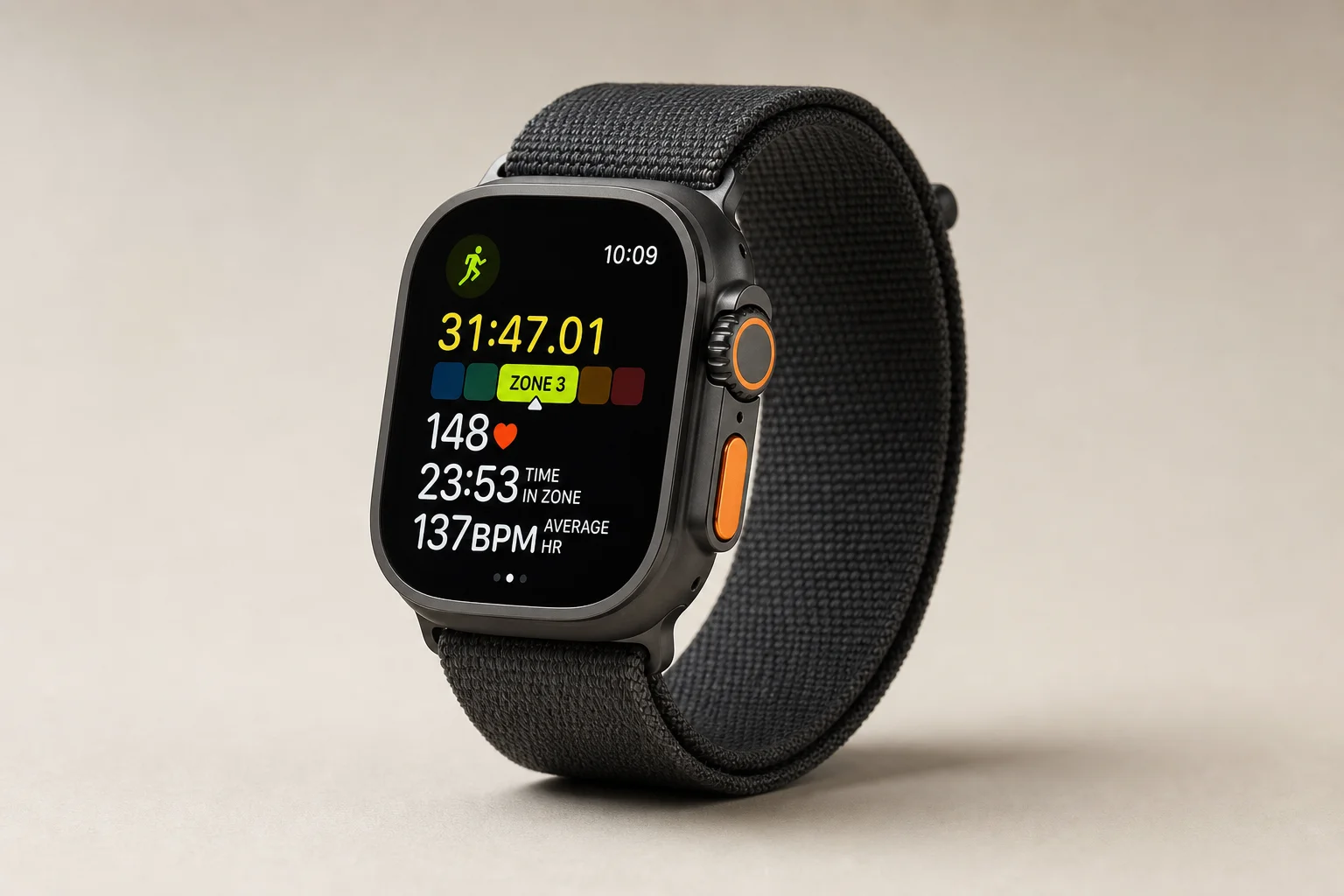
On controls, the Ultra adds a customizable Action button that can start a workout, run a stopwatch, drop a waypoint, or enable the flashlight, and it can be combined with the side button or Digital Crown to pause and resume a workout. The Digital Crown is larger with an aggressive texture for gloved use, and a button guard prevents accidental presses. The Garmin watches use a five-button layout plus a touchscreen, a first for Garmin’s high-end outdoor watches. The key advantage: everything the touchscreen does, including panning and zooming maps, can also be done with buttons. On the Ultra, some functions require the touchscreen, and you cannot even end and save a workout without it.
Two unique extras worth noting: the Ultra has a genuinely loud siren, a rarity in the sports watch world, while the Fenix 7X has a dedicated LED flashlight that earns its place on long nights out. The Ultra’s flashlight feature simply turns the display white; it is not a real light.
Battery Life Compared
The Apple Watch Ultra claims up to 36 hours with the always-on display enabled, including a one-hour workout, and real-world use tends to beat that claim, often reaching 40 hours or close to two days. The Garmin Epix, with similar settings enabled including always-on display and nighttime SpO2 readings, lands in the three-to-four day range while recording outdoor workouts.
During activity, the Epix manages up to 15 hours in its strongest satellite mode with the always-on display on, and the Ultra claims 12 hours but often delivers closer to 15.
The bigger gap appears when you start trimming. The Ultra’s new Low Power Mode disables the always-on display, background heart rate, SpO2, and some connectivity, stretching it to two or three days, though it still records full GPS and heart rate during workouts. The Epix, with just the always-on display turned off, can go over 10 days while still recording outdoor activities and tracking heart rate around the clock. And the Fenix 7, thanks to its transflective display, runs anywhere from roughly 11 to 28 days depending on size. If battery anxiety is your main concern, Garmin holds a clear edge.
Sports Features and Maps
Both platforms ship with a huge number of sport profiles, including multi-sport options, but Garmin’s profiles carry far more contextual data. A skiing profile on the Epix automatically counts your runs and breaks everything down afterward, while the Ultra’s native skiing profile records time, distance, and heart rate only.
The Epix also has full topographic and landscape maps built in, accessible completely offline, plus full routing and navigation without downloading anything extra. The Ultra requires third-party apps like WorkOutDoors for maps, and downloads happen in smaller chunks compared to the region-sized downloads on Garmin. Apple’s native workout app did gain new workout views this year, though Garmin has offered that kind of specificity for years. The Ultra’s new compass app includes a Backtrack feature, but it is not integrated with workouts and must be enabled manually, whereas on the Epix and Fenix 7 you can backtrack along your route from any outdoor workout. The Ultra’s Precision Start with a GPS indicator is likewise something Garmin watches have done for a long time.
On the training-feedback side, the Epix offers training status, training load, a race predictor, and the newer Training Readiness feature. The Ultra has nothing comparable built in, though third-party apps can fill some of that gap. The Ultra does counter with an ECG feature that Garmin watches do not have, plus automatic depth detection for diving.
GPS and Heart Rate Accuracy
The Apple Watch Ultra and the Epix Sapphire both support dual-band satellite positioning, which helps in challenging environments like dense cities, tall rock faces, and heavy tree cover. In urban areas both perform very well, with the Ultra holding a slight edge thanks to how it fuses map data with GPS data. In the mountains under heavy cover, the Epix tends to come out ahead, with the Ultra occasionally cutting corners on tight curves and switchbacks at higher speeds.
For heart rate, both watches perform well in most scenarios. The Ultra showed a small wobble at the start of one run, and the Epix was briefly shaky on an outdoor bike ride while the Ultra read slightly high during a stopped moment. Both are reliable, though the Ultra earns a slight overall edge in heart rate consistency.

Which One Should You Buy
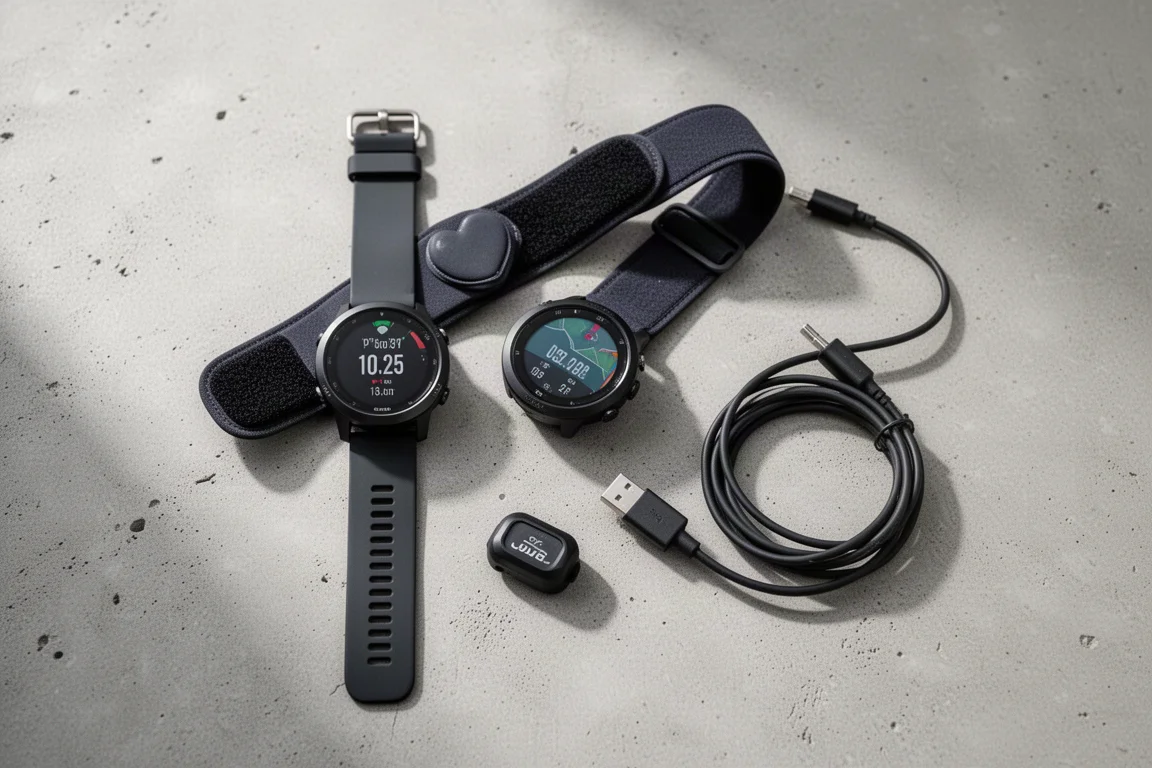
The Apple Watch Ultra delivers exactly what Apple Watch owners wanted: better battery, tougher hardware, and real outdoor features. But replicating Garmin’s built-in functionality still takes juggling several third-party apps, from routing to ski tracking to cycling sensor support. With third-party apps you can even pair Bluetooth speed and cadence sensors and power meters to the Ultra, while Garmin handles a much wider range of sensors natively, including ANT+ devices, cycling radars, and lights. The Ultra does collect running power and advanced running dynamics from the wrist alone, something Garmin needs an HRM Pro or HRM Pro Plus chest strap to match.
The cleanest way to decide: if you want the best smartwatch experience and primarily train outdoors on the side, the Ultra is compelling. If you want deep sport data, onboard maps, and multi-day battery in one device, Garmin remains the safer bet.
Apple Watch Ultra
The Ultra is the most capable Apple Watch yet, with a 49mm titanium case, sapphire lens, doubled battery life, and an Action button that meaningfully improves usability for workouts. It remains an iPhone-only device, and its smartwatch integration is still the best in class. At $799 with cellular hardware included, it blurs the line between Apple and Garmin more than ever.
Garmin Epix
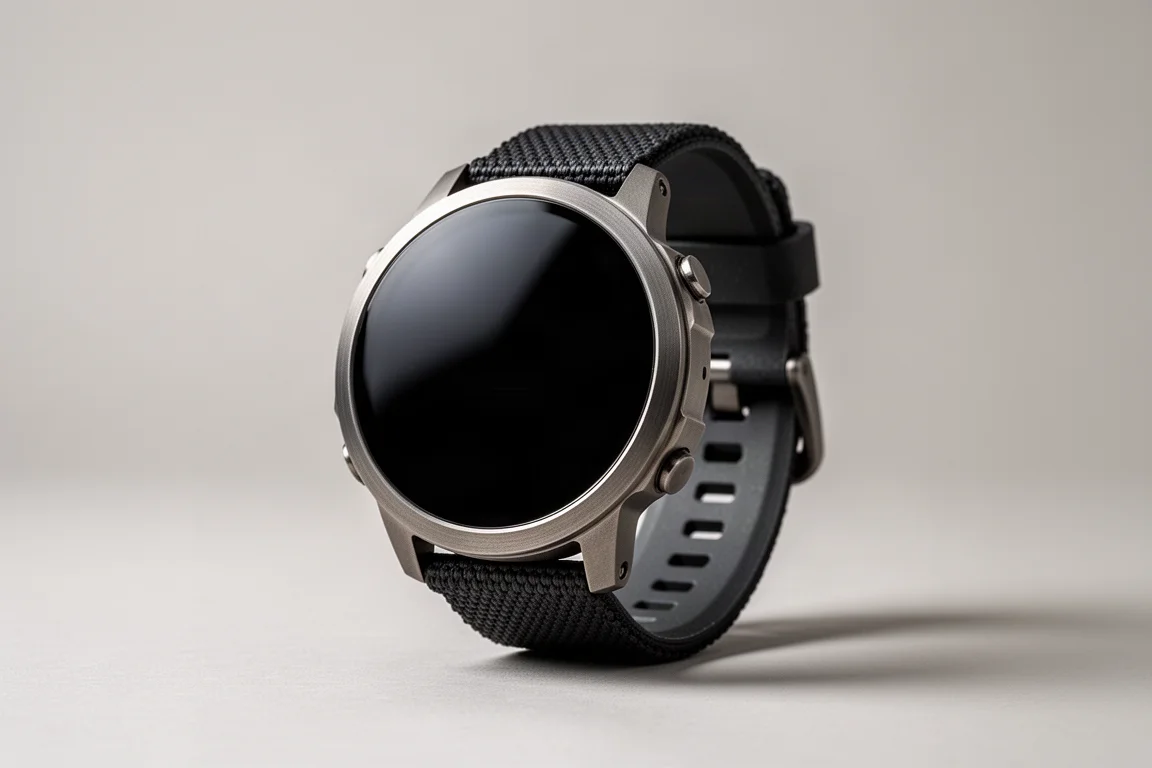
The Epix pairs a vibrant AMOLED display with Garmin’s full outdoor toolkit: onboard topographic maps, rich sport profiles, deep training metrics, and days of battery life. It comes in a $899 stainless steel version or a $999 Sapphire version with titanium hardware, and it works with both iPhone and Android. It is the closest match to the Ultra in screen character while keeping Garmin’s advantages intact.
Garmin Fenix 7
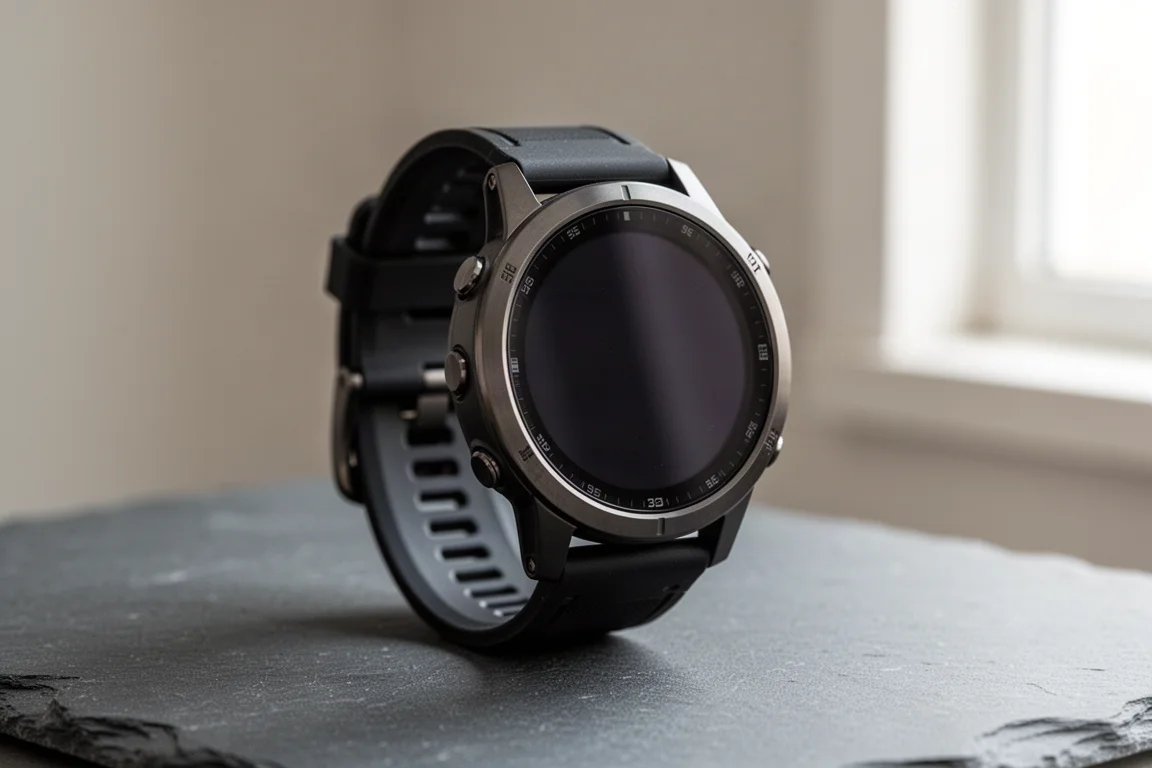
The Fenix 7 trades screen vibrancy for endurance. Its transflective display is exceptionally readable in direct sunlight and enables battery life from roughly 11 to 28 days depending on size. You get the same five-button-plus-touchscreen control scheme, full sensor support, and Garmin’s complete training ecosystem. It is the pick for multi-day adventures and anyone tired of charging a watch.
Garmin Fenix 7X
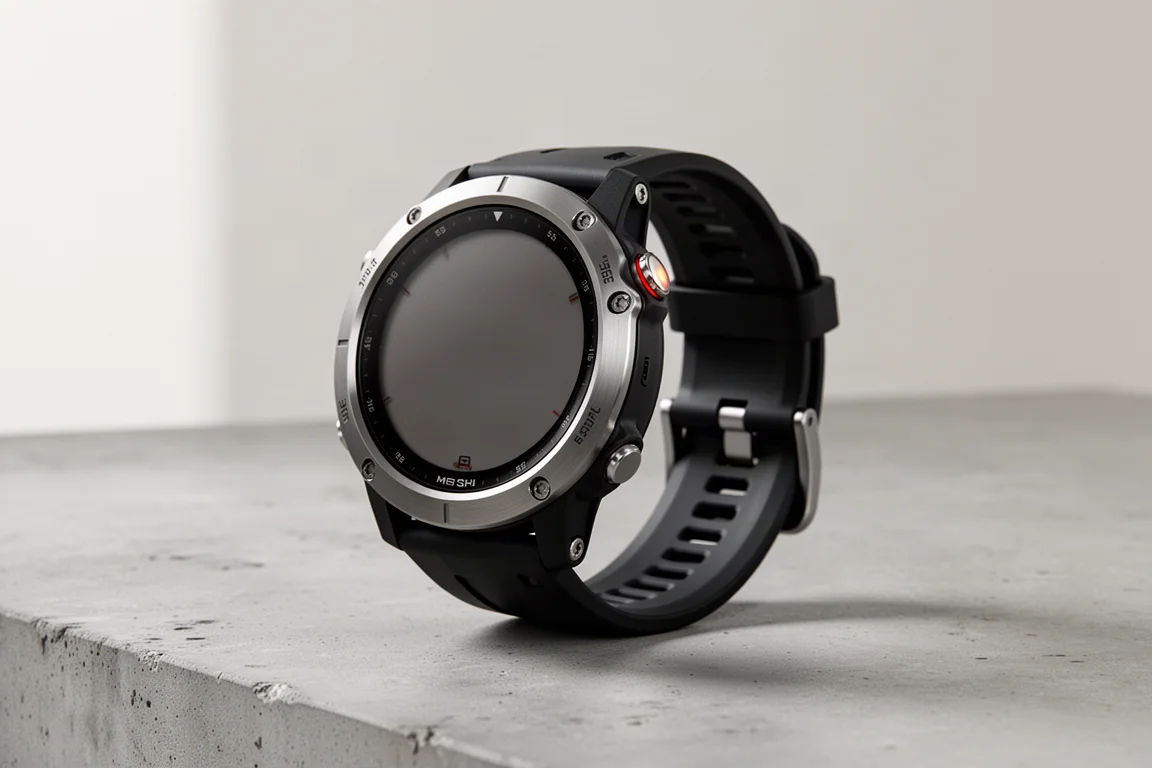
The Fenix 7X adds the feature many adventurers end up loving most: a dedicated LED flashlight built into the watch body. Beyond that, it shares the Fenix 7’s transflective display, button-first controls, and long battery life, in the larger of the Fenix sizes. It is the most expedition-ready of the four watches here.
Conclusion
All four are excellent watches, but they serve slightly different masters. The Apple Watch Ultra is the best blend of smartwatch polish and outdoor capability, and it genuinely narrows the gap with Garmin. The Epix offers Garmin’s full feature set with a beautiful AMOLED screen, the Fenix 7 maximizes battery life and sunlight readability, and the Fenix 7X tops it off with a real flashlight. Match the watch to your phone, your battery tolerance, and how deep you go into training data, and the right choice becomes fairly clear.
Further reading
Related Reviews
Sports Watches
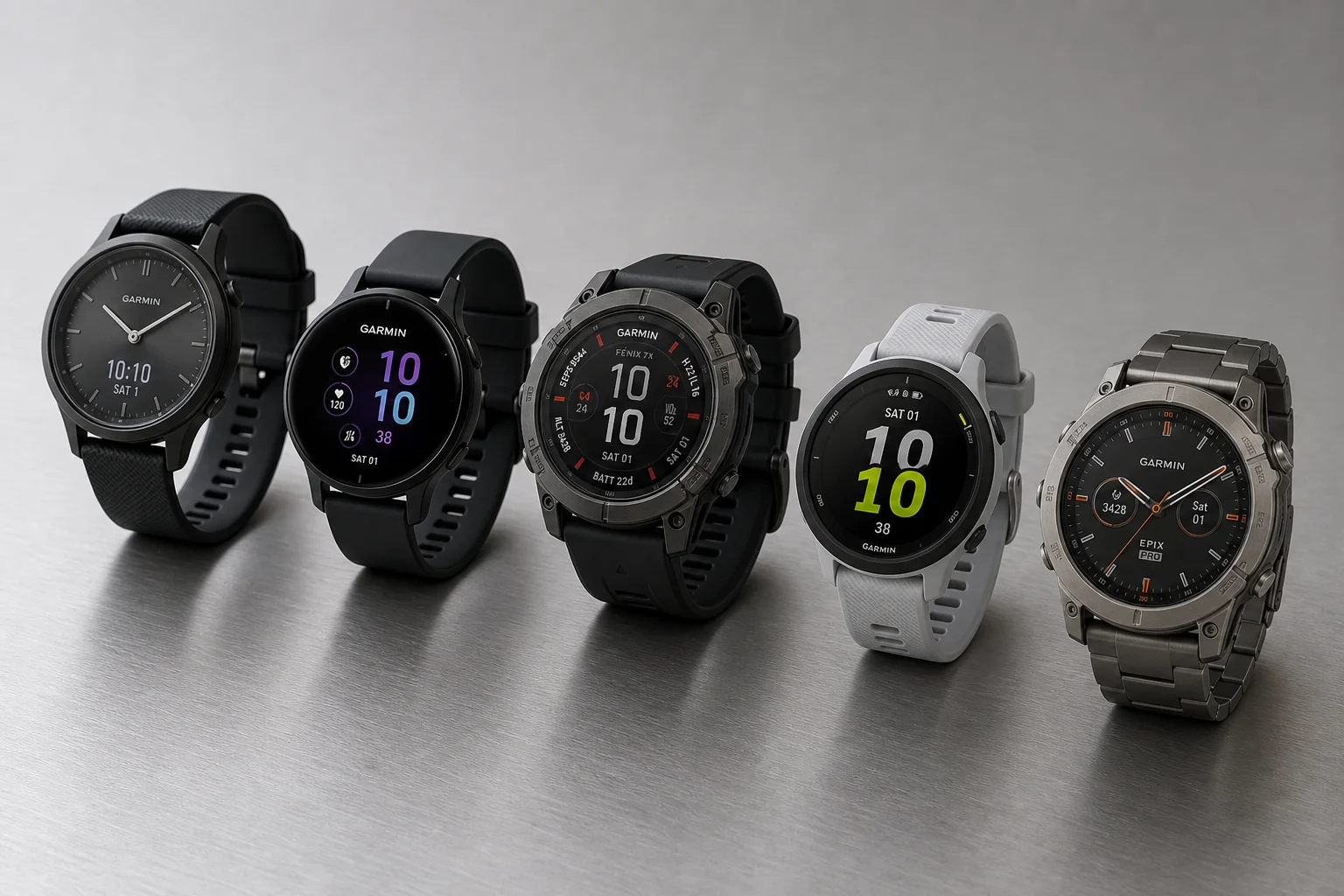
Garmin Sports Watch Guide: Finding the Right Model for Your Fitness Level
A comprehensive overview of Garmin's sports watch lineup, from casual fitness trackers to advanced multisport devices, helping you choose the right model for your needs and budget.
Sports Watches
Coros Pace Pro Review: A Complete Overhaul That Finally Feels Premium
Coros rebuilt the Pace Pro from the ground up with an AMOLED display, onboard maps, and a new heart rate sensor. Here is how it all holds up in real use.
Sports Watches
Polar Vantage M3 Review: The Sweet Spot in Polar's New Watch Lineup
A closer look at the Polar Vantage M3, which brings an AMOLED display, dual-frequency GPS, offline maps and the same software platform as Polar's flagship watches at a friendlier price.