Wearables
Apple Watch Ultra Bands Compared: Alpine Loop vs Trail Loop vs Ocean Band
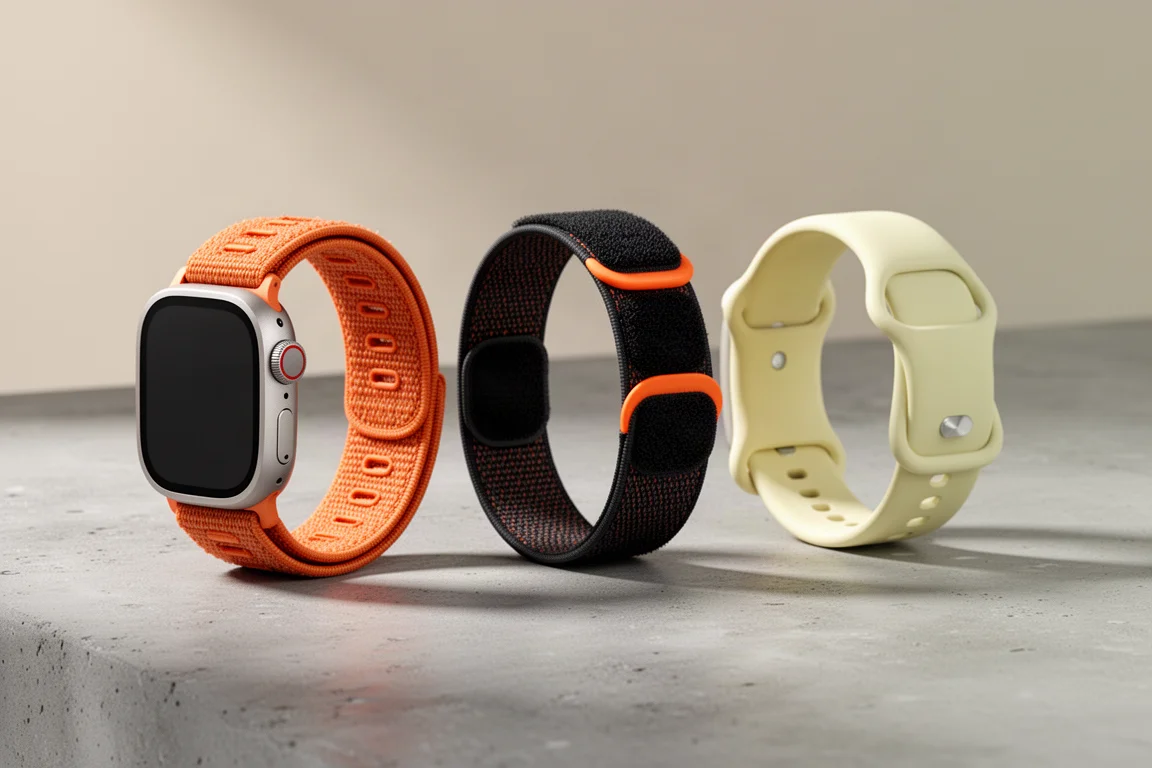
Choosing the right band for your Apple Watch Ultra comes down to fit, comfort, and how you actually use the watch. Here is how the three strap options compare.
Introduction
There is one question that comes up more than any other about the Apple Watch Ultra: which band should you actually get? The watch itself only comes in one case style, and the strap you choose is bundled with the purchase, so this decision is effectively free until you commit. The catch is that each of the three bands behaves differently in daily wear, sleep tracking, and workouts, and those differences matter more than they first appear.
Sleeping with each band is worth doing deliberately too. The Ultra’s wrist-based temperature tracking and its optical sensor for sleep stage and phase detection rely on a strap that fits well, so comfort and consistent contact matter as much as looks.
Alpine Loop: The Everyday All-Rounder
The Alpine Loop is the band you will see most often out in the wild. It uses a woven fabric design with small loop pieces along the outside edge, and the metal clasp threads back through one of those loops after you slide the band over your wrist and tighten it. It is the band that has been worn the most during extended testing, it is the most visually appealing of the three, and it held up across a 14-hour trek without complaint.
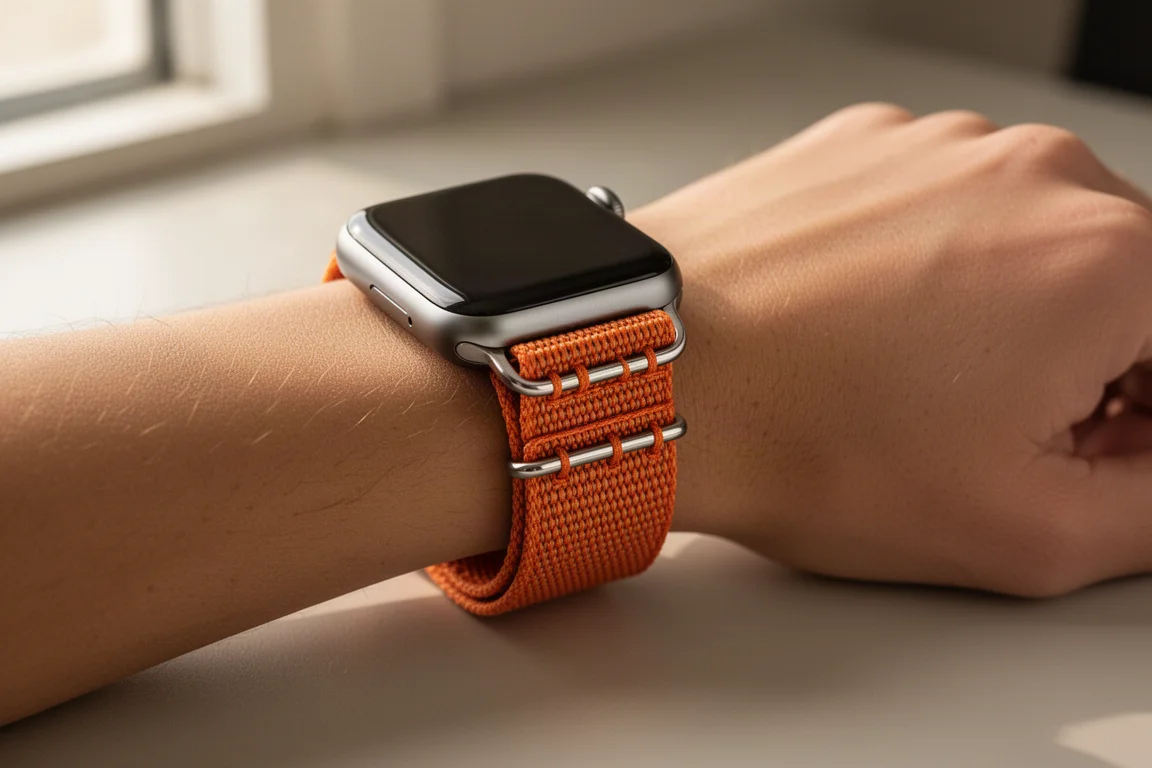
Fit is easy to dial in once you know your slot: the third loop works well for daily wear on a medium-sized wrist, while the second slot gives a snugger, more accurate optical heart rate fit for workouts. Snug is the key word. A loose watch bounces around and produces unreliable data, so keep it close to the skin without over-tightening.
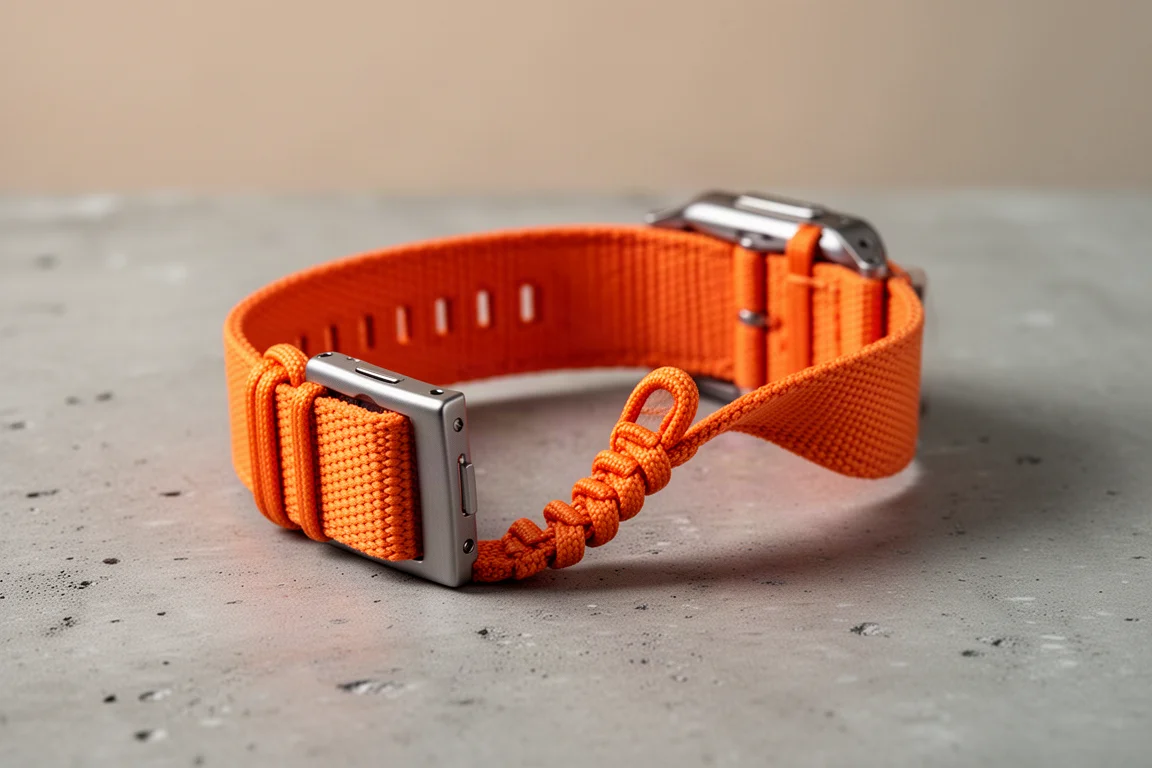
There are a couple of things to know before choosing it. Because it is fabric, it absorbs sweat and moisture, so you will want to shower after hard sessions to keep it fresh, and a damp band can leave wet marks on clothing if you rest your arm on it. It is also worth noting that initial struggles to get the band on and off came from using a demo unit with the wrong strap size. With the correct size, removal is straightforward, and given the Ultra’s roughly two-day battery life you are only doing it every other day anyway. The Alpine Loop comes in three colors (orange, white, and green) and three sizes: Small for 130-160mm wrists, Medium for 145-190mm, and Large for 165-210mm.
Trail Loop: The Lightest and Most Comfortable
The Trail Loop is a thin, minimalist fabric band with four velcro patches, which makes it the easiest of the three to adjust precisely. You can loosen it slightly for all-day wear and cinch it down for runs or cycling sessions in seconds. In terms of pure wearability it is the winner, and it is also the lightest band of the three, which adds to its appeal for sleep and long days.
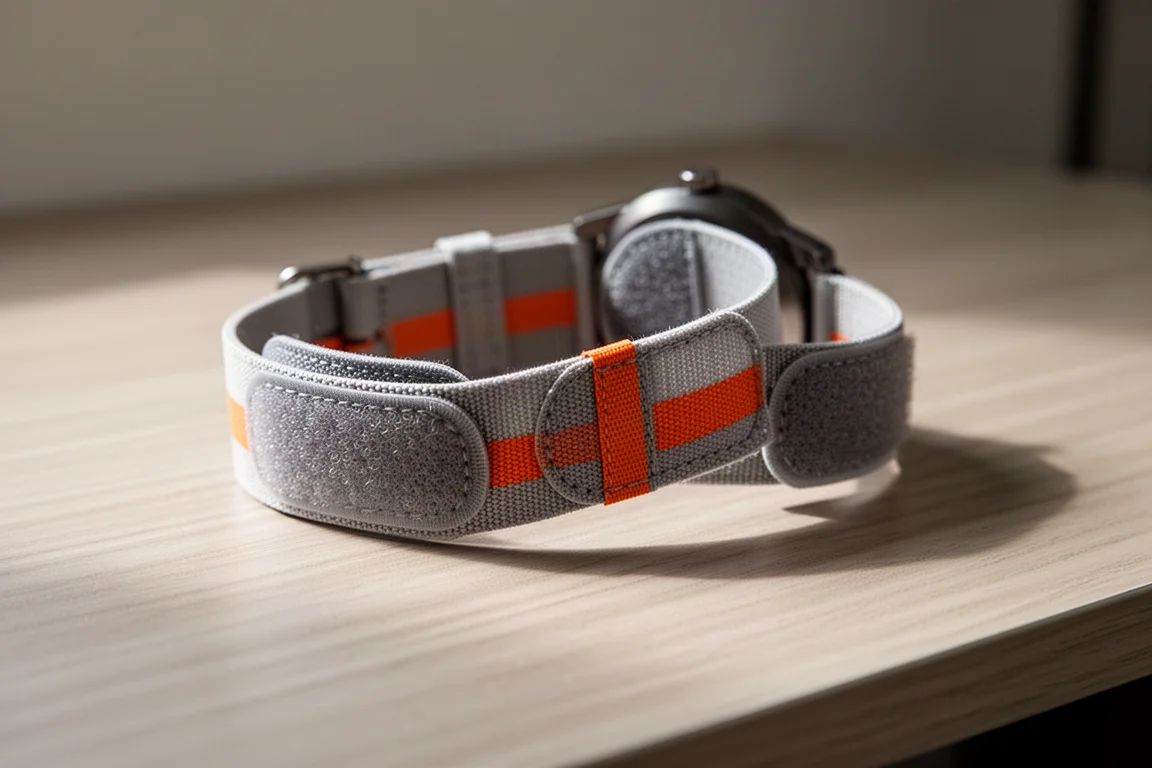
It handles workouts, pool swimming, and open water swimming with no issues. The two scenarios to avoid are surfing, where a strong wave could plausibly rip it off, and mass-start triathlons, where the scrum of the first few hundred meters has knocked plenty of watches loose over the years. A velcro band is simply not the right tool for those situations.
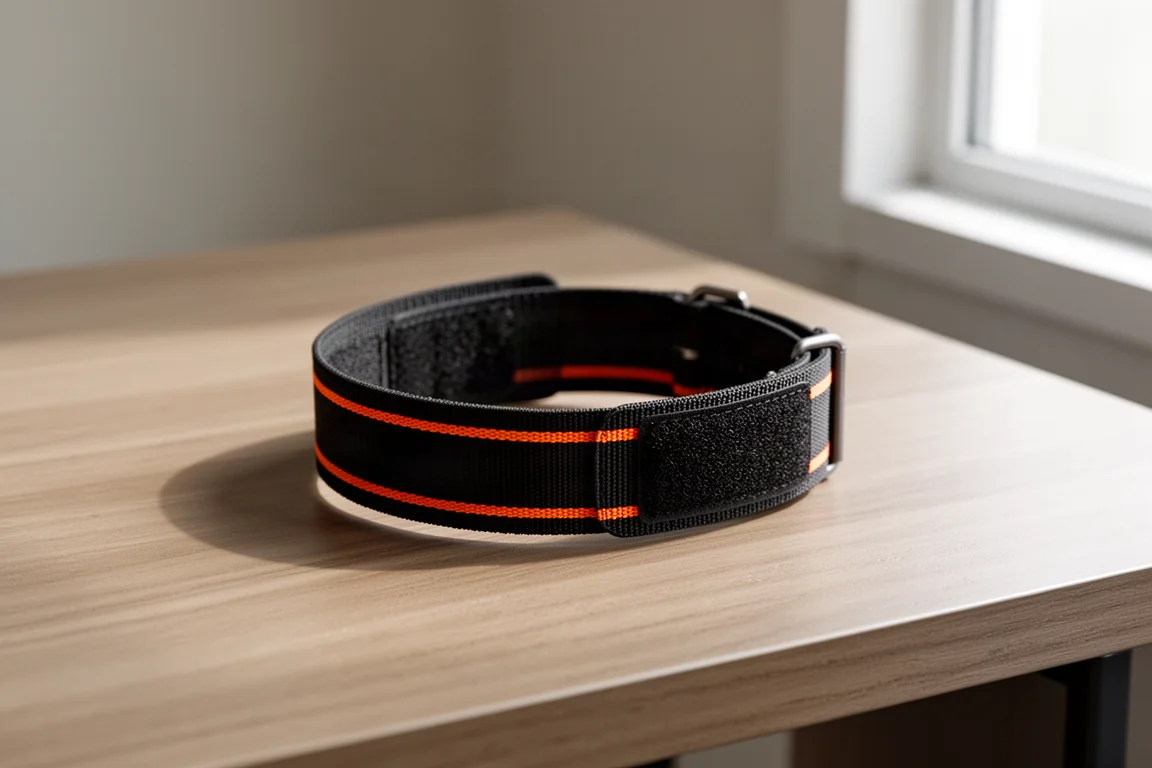
The Trail Loop comes in two sizes: Small for 130-180mm wrists and Medium/Large for 145-200mm. The Medium/Large fits a medium wrist with plenty of adjustability, but on a smaller wrist it technically works yet looks a touch too long. The Small size fit a smaller wrist perfectly and left room to spare. Colors are black/gray with an orange accent, and blue/gray.
Ocean Band: The Water Sports Pick
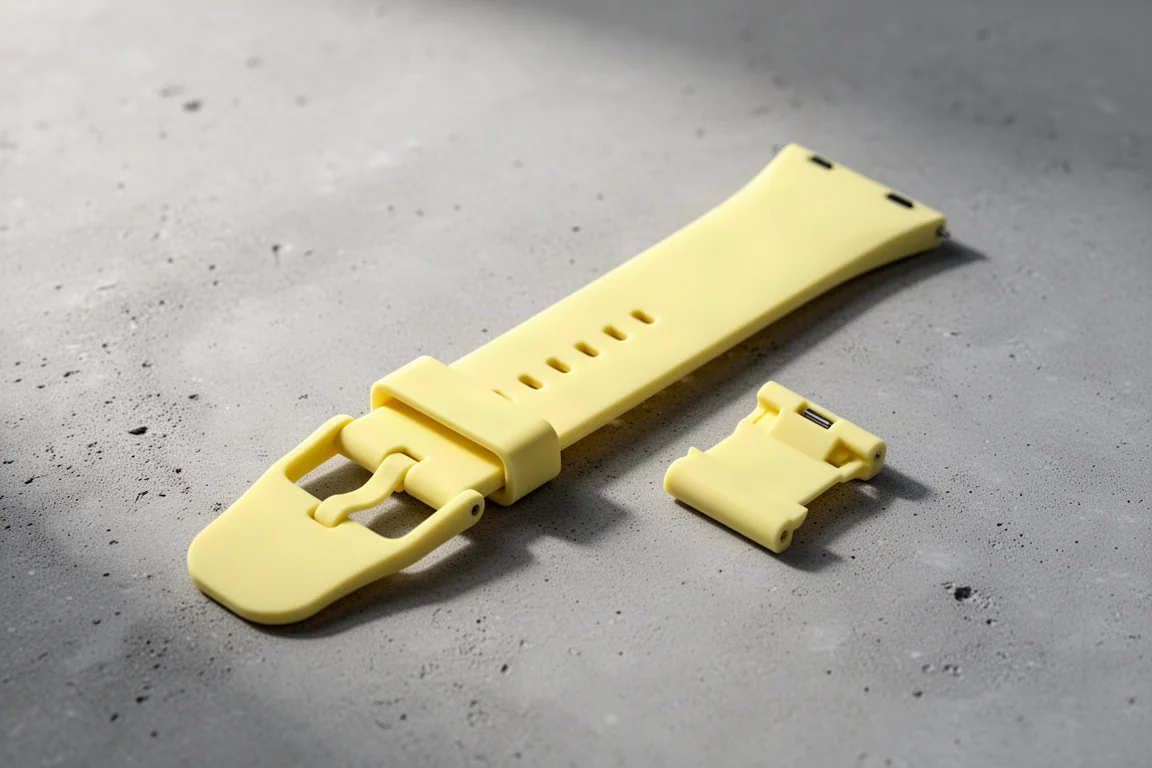
The Ocean Band is the odd one out: instead of a loop, it is a classic silicone strap with a pin-style closure plus a secondary clasp piece that you position based on your fit. Out of the box it arrives in three pieces, which can be confusing, but the extra clasp simply anchors the band at your chosen hole. In testing, five holes down worked best for a medium wrist, with small adjustments between daily wear and workouts.
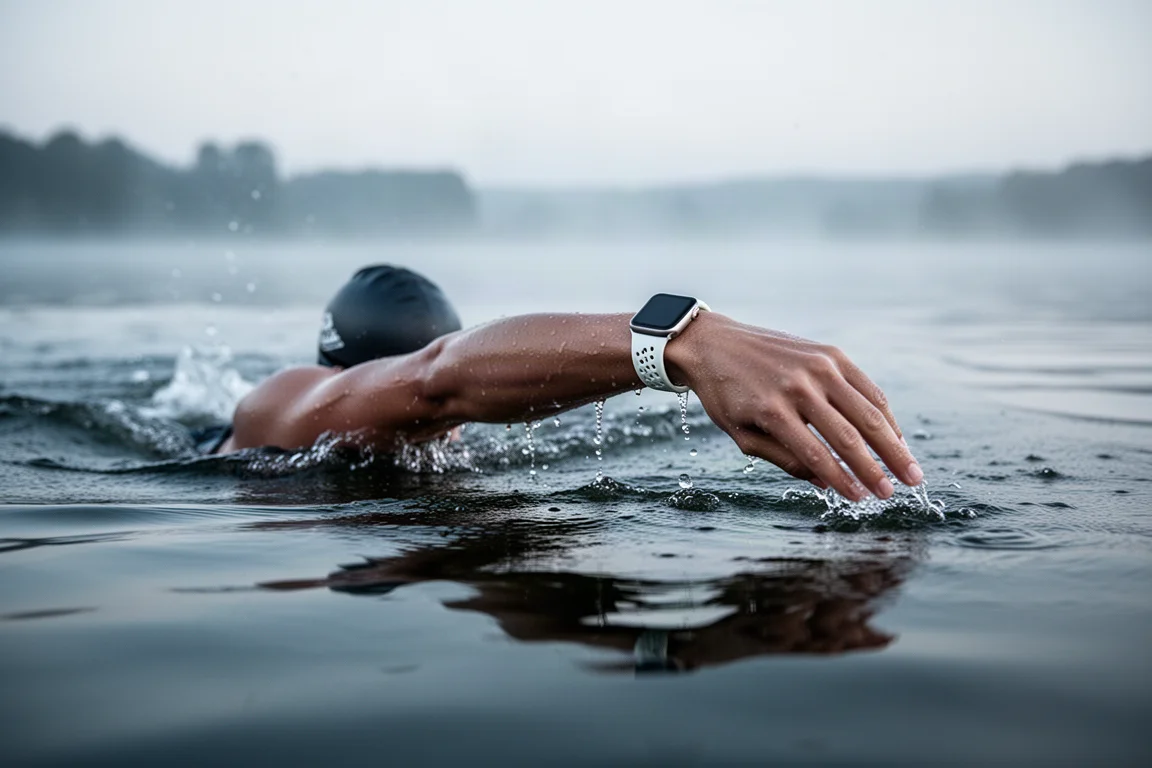
It is designed for water sports and diving, but it works perfectly fine as an everyday strap. After open water swimming, water simply runs off the silicone instead of soaking in, which is exactly what you want. The Ocean Band is one size fits all, covering 130-200mm wrists, and Apple sells an extender that adds 50mm for an extra charge, useful for wearing the watch over wetsuits or dry suits. Colors are pale banana yellow, white, and blue. Notably, on a smaller wrist it fit reasonably well too, and that wearer preferred it over all three bands precisely because it never got damp or marked up clothing.
Band Compatibility and Sizing
One detail worth knowing before you buy: all Ultra bands are also compatible with 44mm and 45mm Apple Watch models, and conversely, existing 42mm, 44mm, and 45mm Apple Watch bands, both Apple and third-party, work on the Ultra. That means swapping a band onto an Apple Watch SE instantly changes its character, and your existing band collection is not wasted.
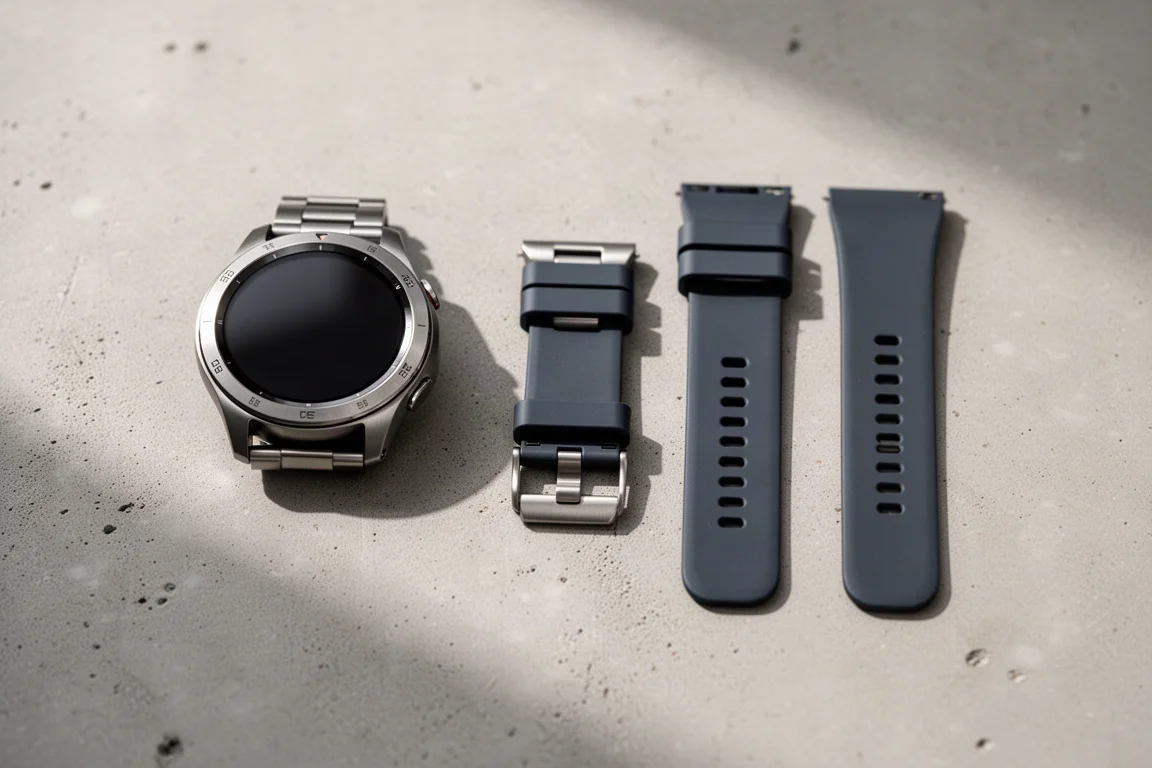
For sizing, measure your wrist before ordering. The Alpine Loop spans the widest range across its three sizes, the Trail Loop covers 130-200mm across two sizes, and the Ocean Band handles 130-200mm in a single size with the extender available for larger or over-suit wear.
Which Band Should You Buy?
If aesthetics lead your decision, the orange Alpine Loop is the standout pick and the most versatile everyday choice. If comfort and lightness matter most, especially for sleep and all-day wear, the black Trail Loop with the orange accent is the winner, just keep it away from surf and rowdy swim starts. If water sports dominate your usage, or you simply hate the idea of a damp fabric band, the Ocean Band is the logical choice and happens to be the most forgiving on fit.
Conclusion
There is no single correct answer, only the band that matches how you actually use the watch. The Alpine Loop balances looks and everyday durability, the Trail Loop wins on comfort and weight, and the Ocean Band owns the water. Measure your wrist, pick the one that matches your routine, and remember that any of them can be swapped later since the bands are cross-compatible across recent Apple Watch sizes.
Further reading
Related Reviews
Wearables
Apple Watch Ultra 3 vs Garmin: Which Training Watch Wins for Athletes
A practical head-to-head comparison of the Apple Watch Ultra 3 and Garmin for serious training, covering GPS accuracy, data tracking, usability, and recovery metrics.
Wearables
Apple Watch vs Garmin for Running: A Year of Training Compared
After a year training for marathons with both devices, here's what actually matters when choosing a running watch.
Wearables
Apple Watch Ultra 3 vs Garmin Fenix 8 Pro: Satellite Messaging Compared
A practical comparison of satellite messaging on the Apple Watch Ultra 3 and the Garmin Fenix 8 Pro, covering connection methods, messaging workflows, coverage, and running costs.