Wearables
Apple Watch Ultra 4 vs Series 12: Big Gains in Heart Rate Accuracy and Recovery Tracking
A redesigned heart rate sensor, a new readiness score, and longer battery life make the Ultra 4 and Series 12 the most interesting Apple Watches yet for sports and health tracking.
Introduction
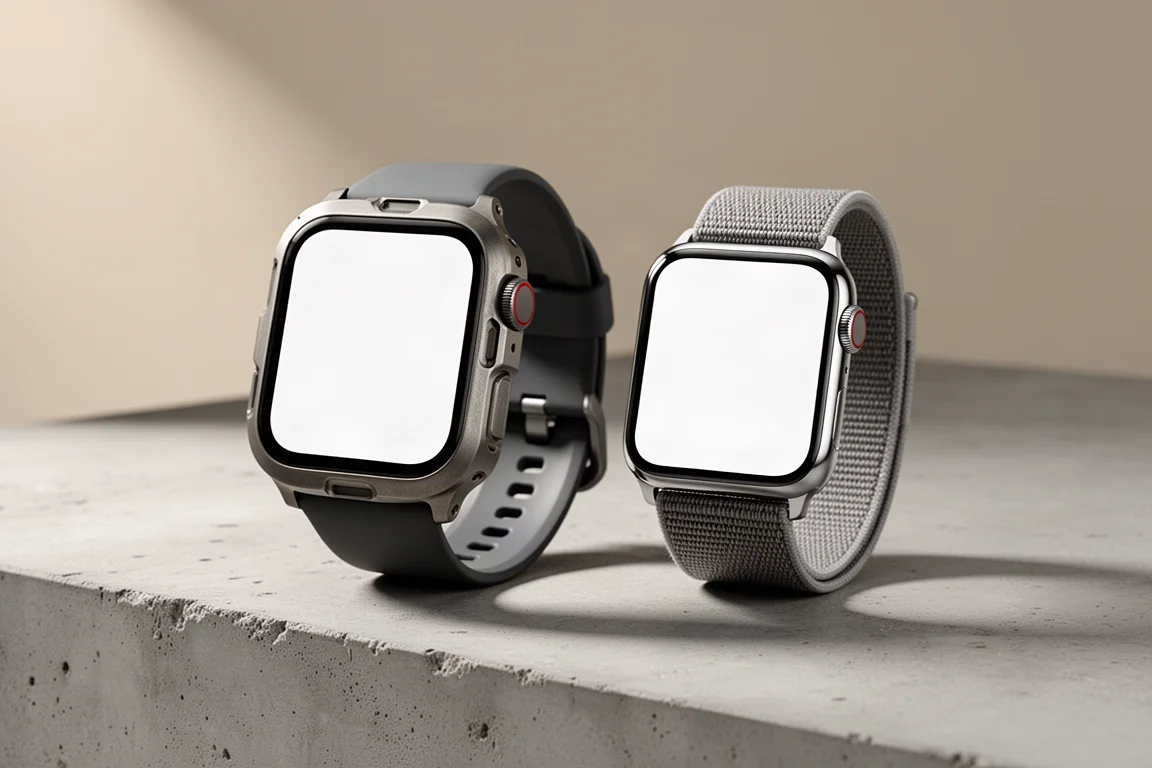
The Apple Watch Ultra 4 and Series 12 share the same biggest upgrade in years: a completely redesigned heart rate and health sensor. It records more frequently, promises the most accurate optical heart rate readings in any wearable, and unlocks a new Vitals app experience plus a new readiness feature. This post focuses on how those changes hold up in real-world sports and fitness use, from battery life to GPS and heart rate accuracy across running, cycling, weight training, and high-intensity interval training.
Battery Life: A Real Step Up
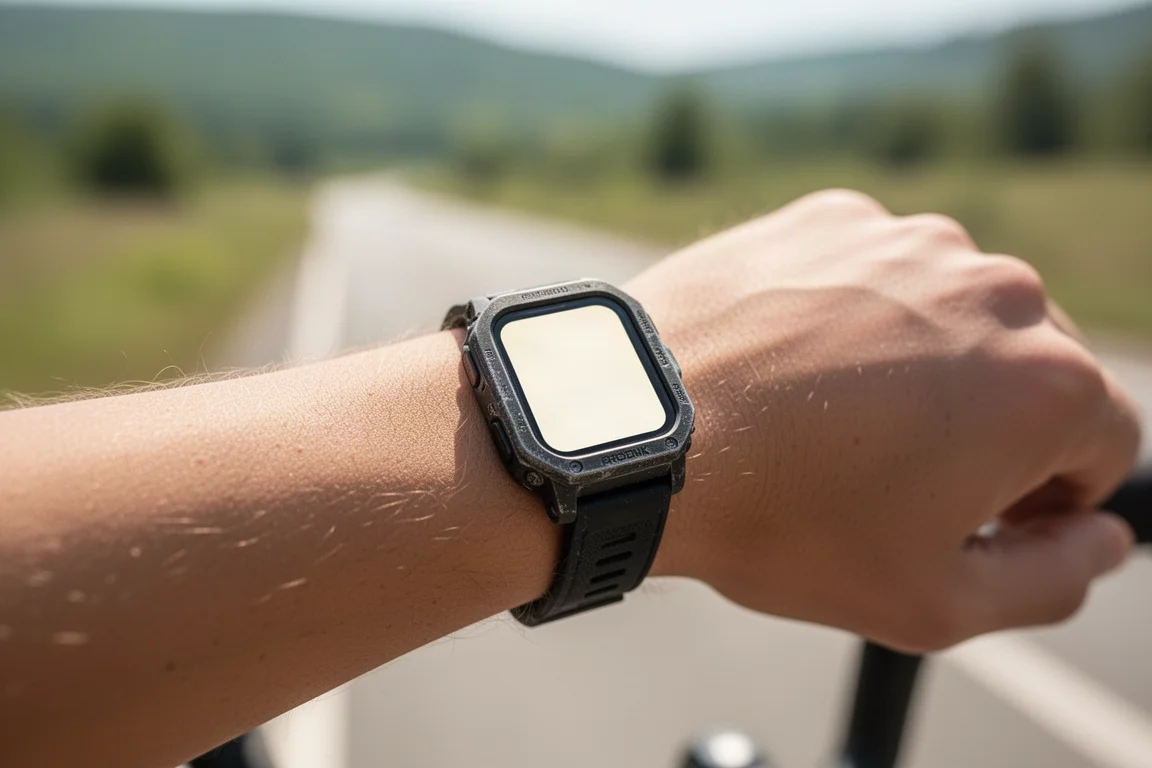
The Ultra 4 is now rated for up to 50 hours of battery life, up from 42 hours on the Ultra 3. In real use it did even better. With the always-on display at medium brightness, a night of sleep tracking used just 5% overnight. After 24 hours that included a 1 hour 41 minute outdoor bike ride, a 20 minute high-intensity interval session, and an otherwise active day, the watch was down only 31%. At over 40 hours in, it was at exactly half. At 68 hours into a charge it still showed 5%, so roughly 69 hours of real-world use seems achievable, and that was with plenty of outdoor workouts tracked.
Apple’s own rated scenario assumes around 18 hours of workout tracking over the 50-hour window; real-world tracking came out around 20 hours, again with the always-on display on and medium brightness on bright days. As always, usage matters: using cellular without your phone drains the battery considerably faster.
The New Heart Rate and Health Sensor
This is not a minor refresh. The redesigned sensor has more skin contact and a revamped LED and photodiode layout, enabling more frequent readings alongside Apple’s claim that it is the most accurate optical heart rate sensor in a wearable. More frequent sampling also feeds more data into the Vitals app, which now includes heart rate variability, something previous versions collected but never displayed. HRV needs about seven nights of sleeping with the watch to establish an initial baseline.
The Vitals app also gains a daytime view showing a baseline of heart rate and heart rate variability. This daily reading first appears about two hours after waking and does not update continuously through the day. Because HRV collection requires being relatively still, some hours will simply show no number. It is an interesting concept, though its long-term usefulness remains to be seen.
The New Readiness Feature
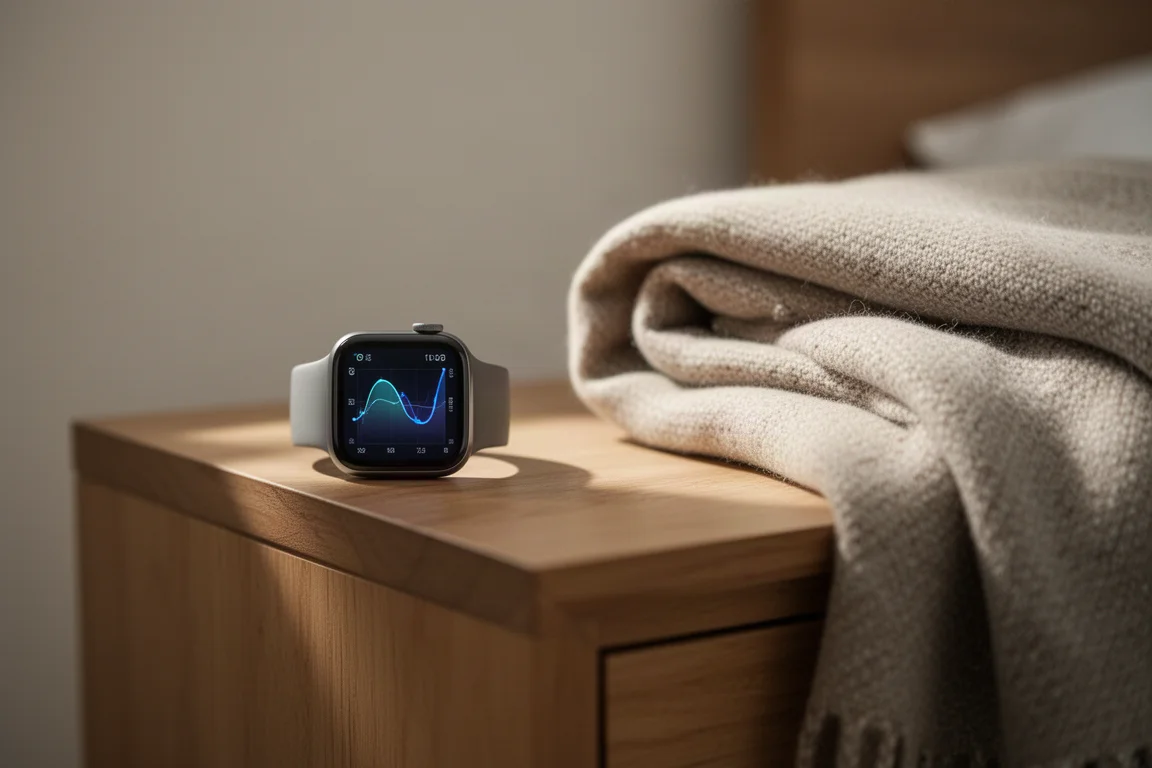
All of this new data feeds into a readiness score that factors in activities, sleep quality, resting heart rate, and heart rate variability. It is a dynamic figure: the morning score is based on sleep and the previous day’s activity, then it can move throughout the day. In one example, a chill morning of desk work nudged the score up, and a steady-state 10K run later dropped it by two points, which felt about right.
The score runs from zero to ten, grouped into four classifications: recover, pace yourself, ready, and go. Like HRV, it requires seven nights of wear to start working, though the occasional skipped night is tolerated after that. Notably, readiness only works on the Ultra 4 and Series 12 because it depends on the new sensors; older Apple Watches are left out. Comparable features have existed elsewhere for years, from Oura and Whoop to more recent versions from Fitbit, Garmin, and Amazfit. Apple’s implementation is dynamic like Garmin’s training readiness or Amazfit’s bio charger, rather than a single morning snapshot like Fitbit, Oura, or Whoop.
GPS and Heart Rate Accuracy: Tested Across Real Workouts
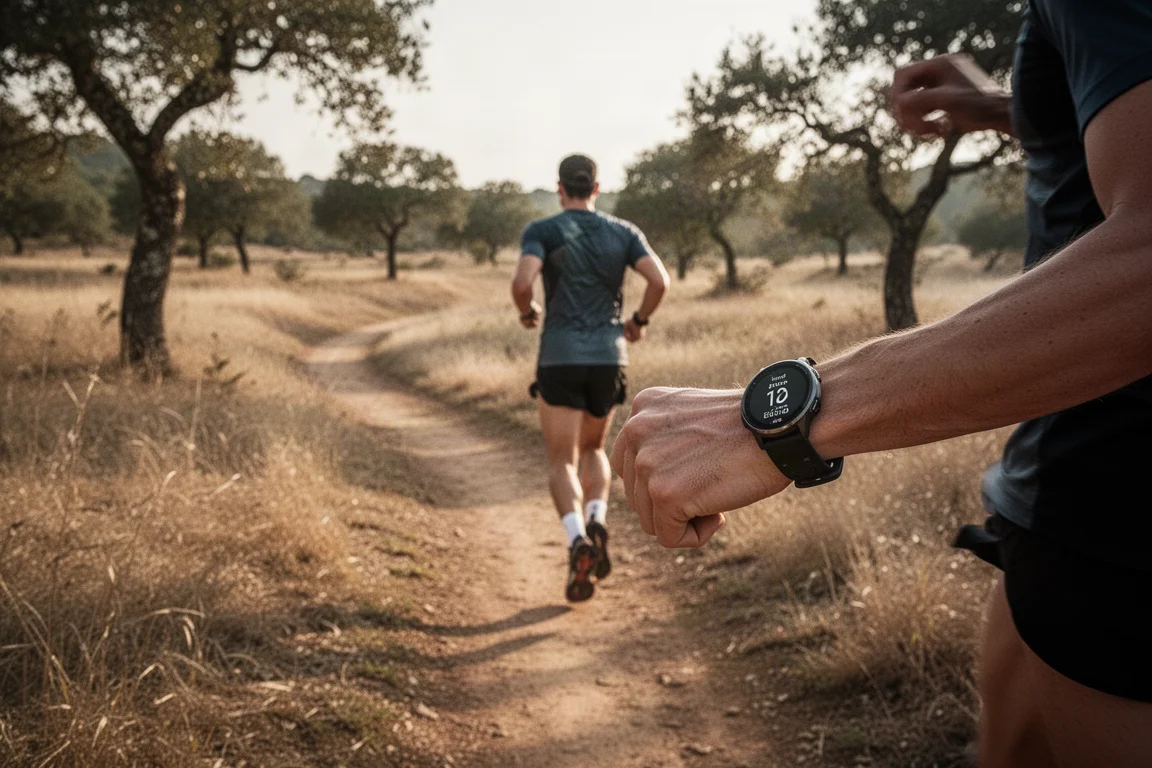
GPS testing covered both running and cycling. On a neighborhood run, total distance matched other devices and the track was solid overall, though a few segments showed slightly less fine detail than comparable devices. On road cycling, distances were good but a hair shorter on two rides, even though the tracks themselves looked excellent, holding their line even through high-speed corners. A trail run produced similarly close distances and tight tracks, with slightly less corner detail than the best comparisons.
Heart rate results were strong. An indoor bike ride was essentially picture perfect. Outdoor rides, including bumpy gravel, delivered very good traces with only minor blips. Trail running was impressive for the terrain, with a slow ramp-up at the start and one small blip. Road running was mostly good, but one mellow run on a 70-degree day failed to lock on for the first ten minutes before settling in, with a possible cadence lock at the end.
Where It Really Counts: Strength Training and HIIT
Weight training and high-intensity interval training are traditionally the hardest cases for wrist-based optical sensors, given gripping, restricted blood flow, and constant arm movement. Apple itself displays a warning before HIIT and strength workouts. Here the Ultra 4 genuinely shined. On a bench press, arm curl, and lateral fly session, the readings were nearly indistinguishable from a chest strap, with only a slight high reading on the fourth and fifth bench press sets.
On a HIIT session with rower sets and ski erg intervals, the results were strong overall, with a dip between the first two rower sets and slightly low peaks on the first and last ski erg sets. One interesting behavior: during a stretch where the watch lacked a confident reading, it recorded a 40-second gap rather than guessing. Apple Watches omit uncertain data, while most other wearables report whatever they think is happening, right or wrong. Another quirk: although the watch samples every second during workouts, the display and exported data report heart rate roughly every five seconds at variable intervals, based on reading quality.
Should You Upgrade?
For health and fitness users, the new sensor is a meaningful upgrade for both models, and the added sampling frequency came without sacrificing battery life. Previously, getting this kind of recovery feedback meant installing extra apps or wearing a second device like a Whoop or an Oura Ring. Those still have advantages, particularly comfort for sleep tracking, but if you want one wearable and one platform, these watches could be the answer.
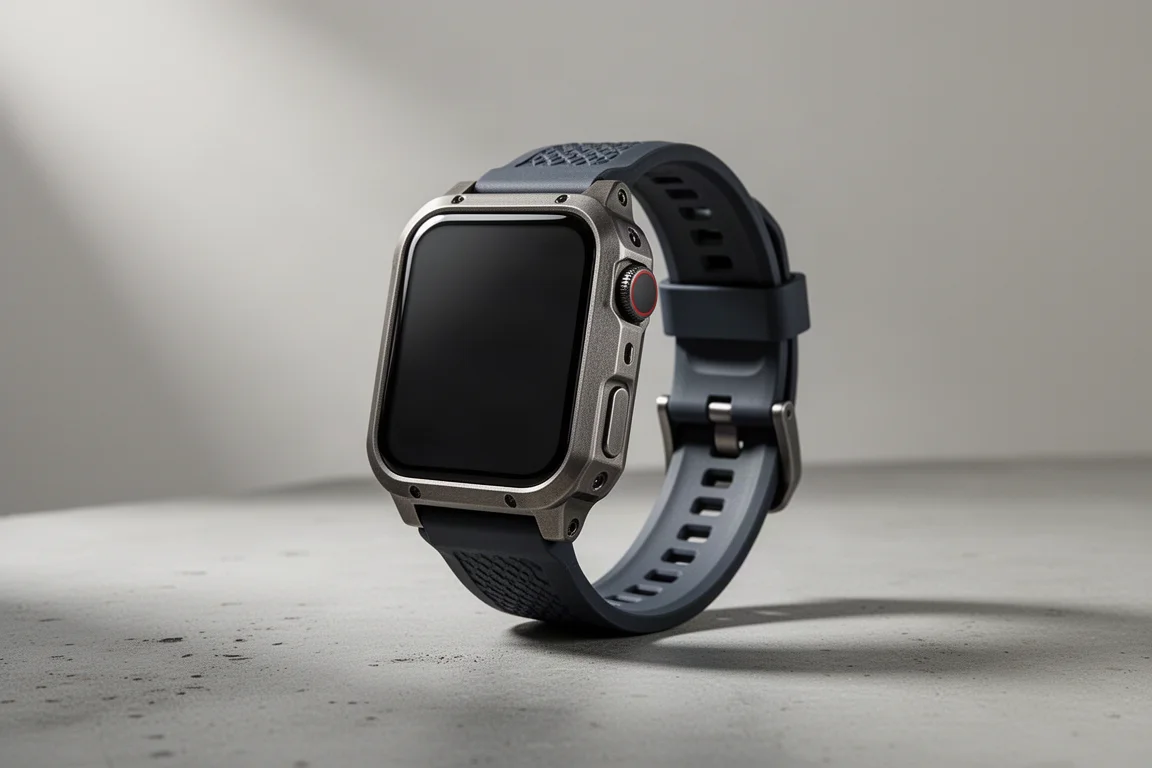
For most fitness-focused buyers, the choice comes down to size and battery. The Ultra 4’s rugged case, rated 50-hour battery, and excellent multi-sport performance make it the pick for serious outdoor training.
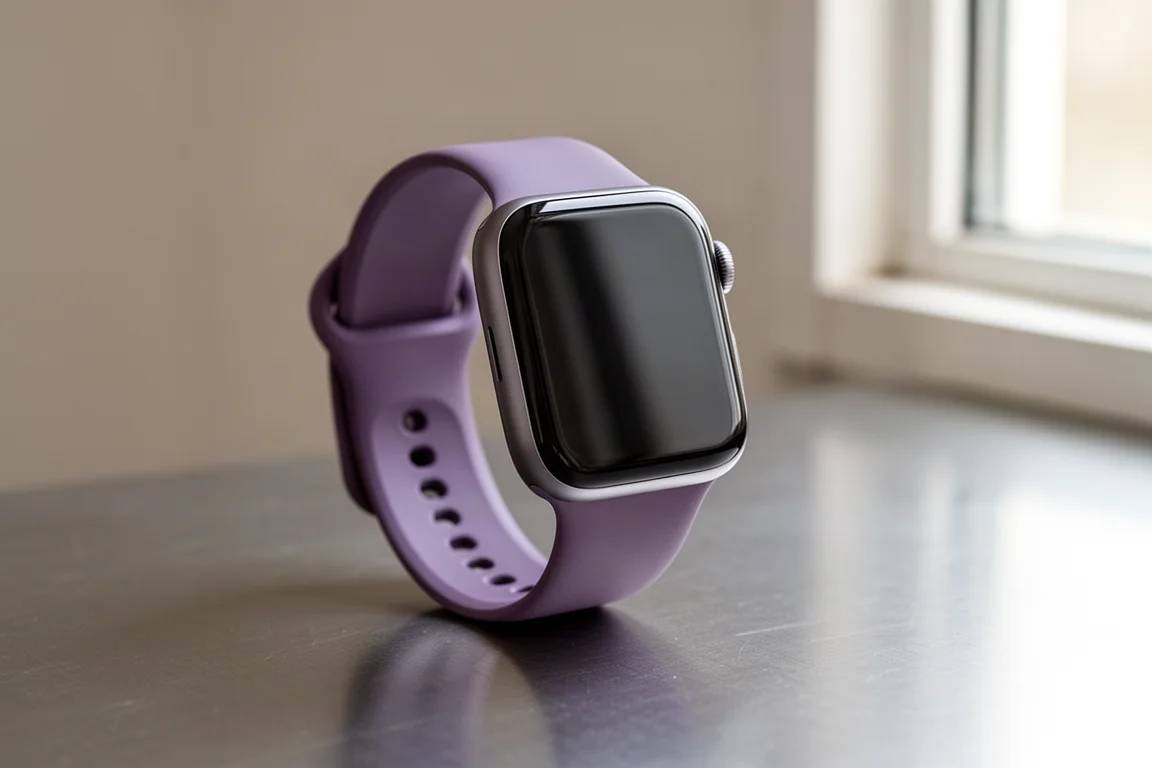
The Series 12 offers the same new sensor, Vitals upgrades, and readiness feature in a smaller, lighter package, which can also help wrist-based accuracy given how larger watches move during activity.
Conclusion
The Apple Watch Ultra 4 and Series 12 deliver the most significant health and fitness updates in recent memory from Apple: a redesigned, more frequently sampling heart rate sensor with strong accuracy across even difficult workout types, an expanded Vitals app with HRV, a dynamic readiness score, and, on the Ultra 4, a real battery life bump. If recovery insights and workout accuracy matter to you, these are the Apple Watches that finally deliver them natively.
Further reading
Related Reviews
Wearables
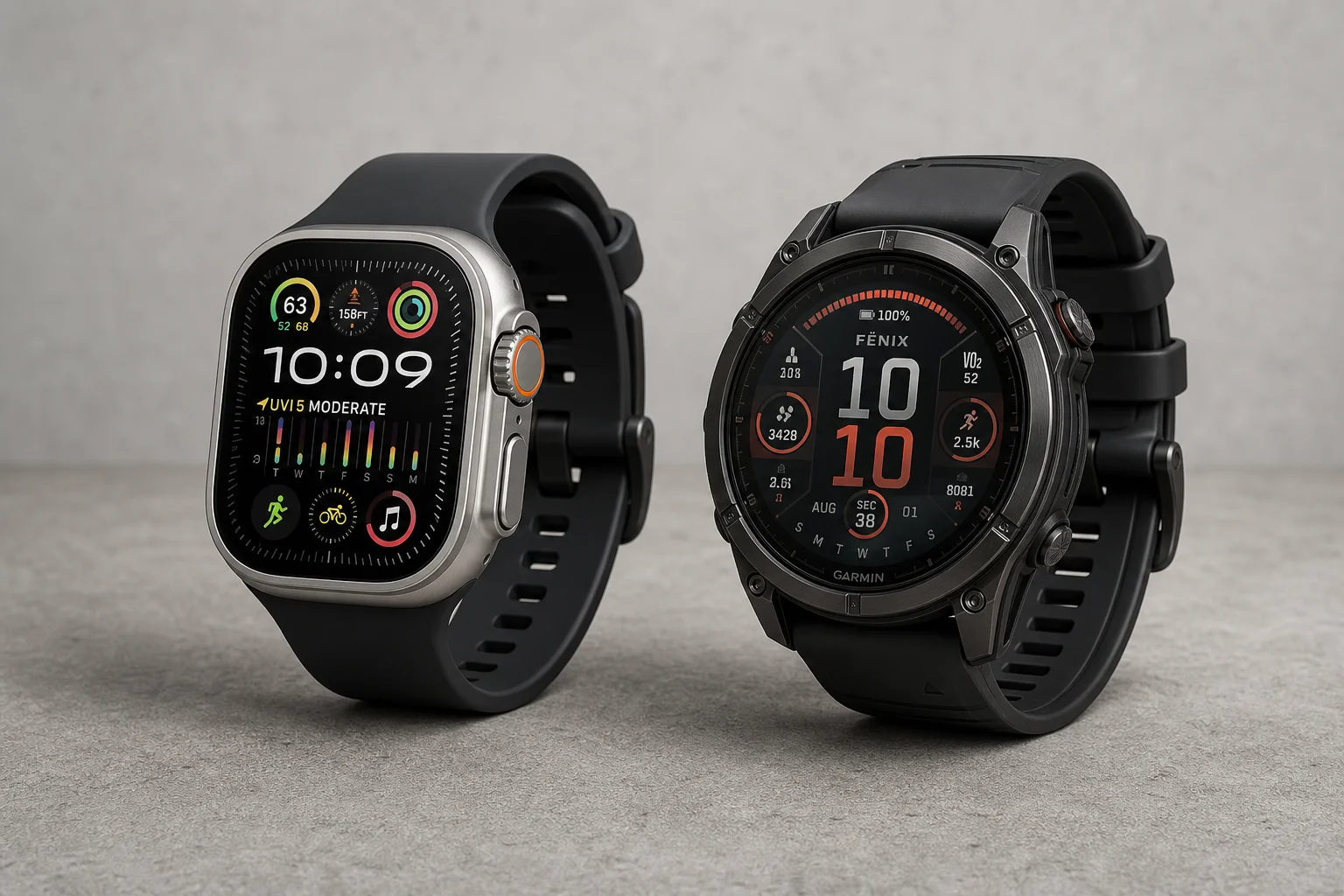
Apple Watch Ultra 3 vs Garmin: Which Training Watch Wins for Athletes
A practical head-to-head comparison of the Apple Watch Ultra 3 and Garmin for serious training, covering GPS accuracy, data tracking, usability, and recovery metrics.
Wearables
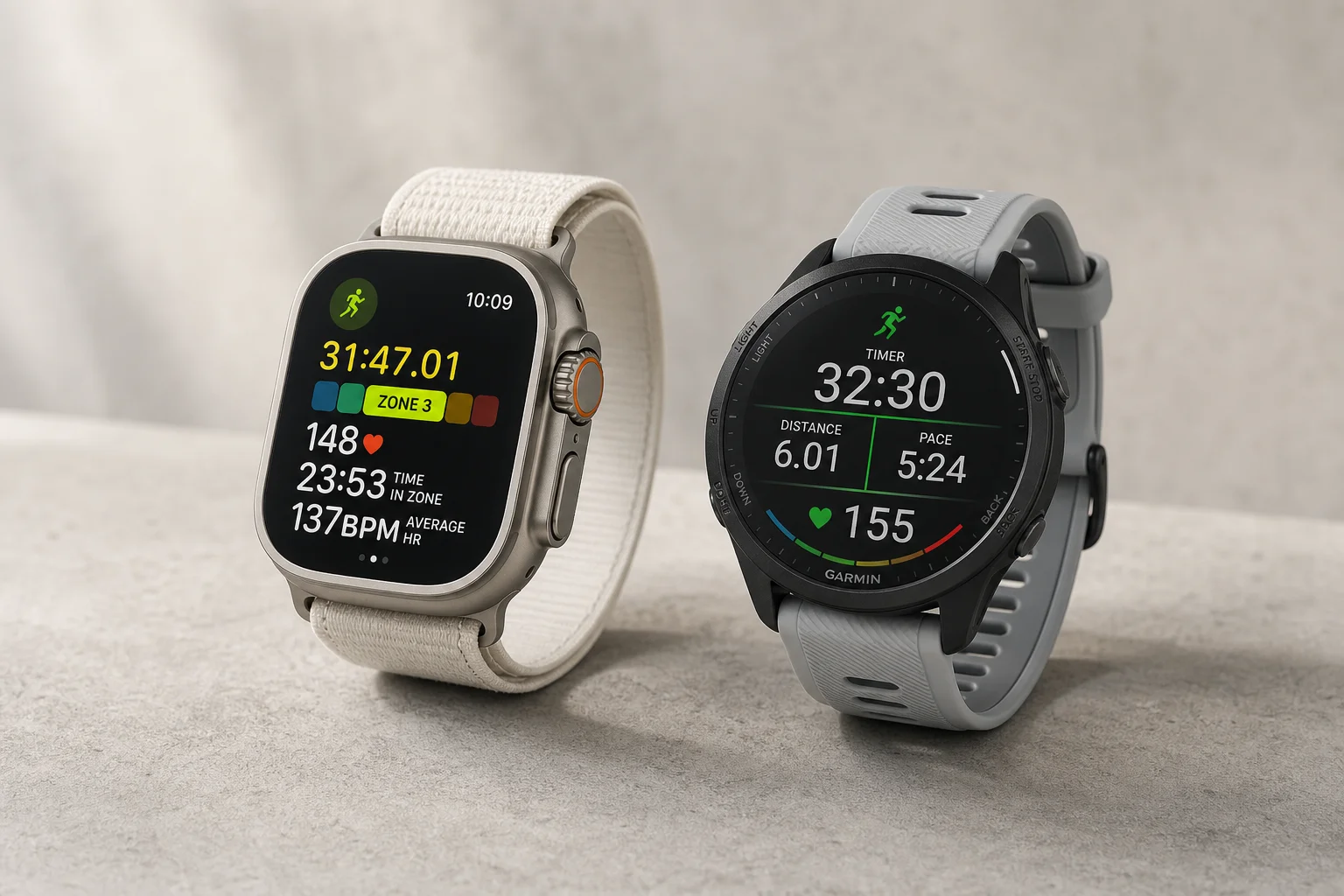
Apple Watch vs Garmin for Running: A Year of Training Compared
After a year training for marathons with both devices, here's what actually matters when choosing a running watch.
Wearables
Apple Watch Ultra 3 vs Garmin Fenix 8 Pro: Satellite Messaging Compared
A practical comparison of satellite messaging on the Apple Watch Ultra 3 and the Garmin Fenix 8 Pro, covering connection methods, messaging workflows, coverage, and running costs.