Wearables
Apple Watch Series 7: A Sport and Fitness Review
A detailed look at the Apple Watch Series 7 for sport and fitness, including GPS and heart rate accuracy testing in easy and tough conditions.
Introduction
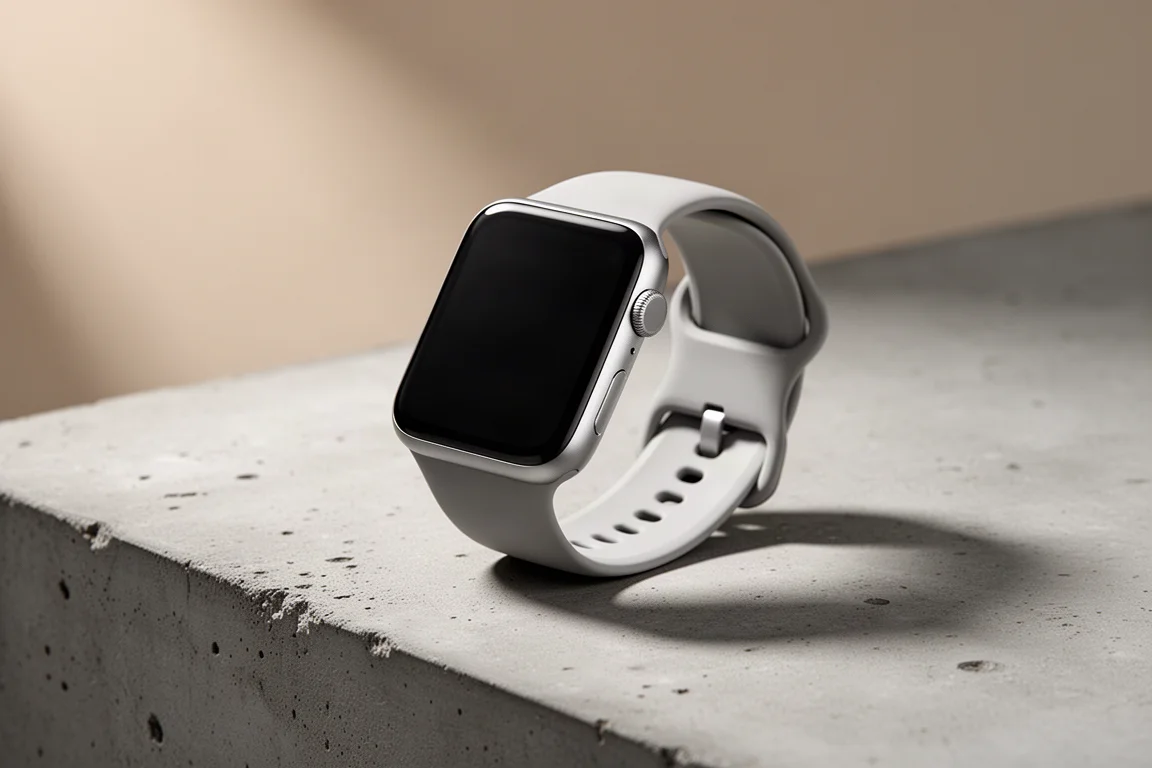
The Apple Watch Series 7 arrived with a familiar question for athletes: is this finally the year the GPS and heart rate data are both solid right out of the gate? After putting it through trail running, track intervals, bridge tunnels, and a hard indoor bike session, the short answer is yes. This is one of the best launches Apple has had in terms of accurate GPS and heart rate data from day one, without the usual caveats.
What’s New at the Hardware Level
The display is about 20 percent larger than the Series 6, but not because the case grew much. The case is only about a millimeter bigger; instead Apple shrunk the bezels. That larger display carries bigger user interface buttons within the menus and a handful of first-party apps, plus a larger on-screen keyboard and more visible text in messages.
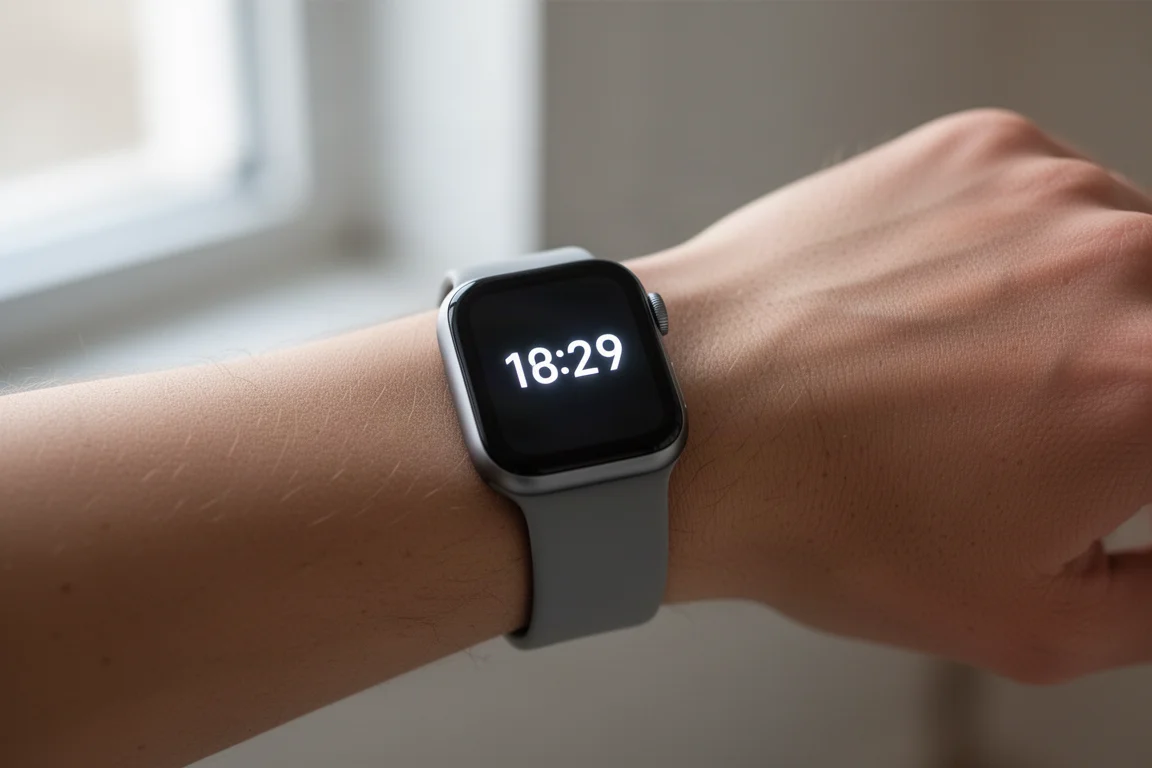
Apple also claims the screen is 70 percent brighter indoors, particularly in the passive always-on mode when you glance without raising your wrist. Side by side with the Series 6, it does look a bit brighter. Durability is addressed too: the display crystal is 50 percent thicker, which should make it tougher over time.
Battery and Charging
Battery life has not changed. It still carries the same claimed 18 hours, which in practice means roughly a day of use and charging every night. What is new is faster charging: from zero to 80 percent in about 45 minutes. For fitness users, the more useful detail is that eight minutes on the charger provides enough power for eight hours of sleep tracking, so a quick top-up while you get ready for bed can carry the watch through the night.
What’s New in Sport and Fitness
Most of the sport and fitness additions come from watchOS 8, meaning they land on recent Apple Watches, not just the Series 7. Automatic cycling detection prompts you to start recording a ride within a few minutes of riding outdoors. It backdates some of the heart rate data (though not GPS), and in testing the prompt arrived anywhere from about a minute and a half to five or six minutes. It is a handy reminder rather than a replacement for pressing start yourself.
Crash detection during workouts has been extended to cycling, building on the existing fall detection. Apps can also now use the always-on display within their own interfaces instead of dropping back to a clock face, which should be meaningful for third-party fitness apps once developers adopt it.
Real-World Testing: GPS and Heart Rate
Testing compared the Series 7 against a Garmin Forerunner 745, an Apple Watch SE, and a Samsung Galaxy Watch 4, with heart rate benchmarked against a Polar H10 chest strap and a Whoop 3.0 band. The route included light trail running, deep tree cover, straightaways, tunnels under bridges, and a loop around the track.

The GPS results were surprisingly good. There were virtually no major errors across the whole run. Minor drift appeared in a few spots, roughly 10 meters off the path in wooded sections and buildings, but the track corrected itself within about 100 meters. The bridge tunnel sections, normally brutal for GPS, came through clean, as did running along the edge of a large stadium. On the track, the Series 7 finally did not cut the corners getting on and off the track, something every previous Apple Watch has done.

Heart rate on the run was excellent, virtually identical to the Polar H10 chest strap for the entire session. During a hard indoor bike interval session, the Series 7 heart rate data matched the chest strap and other references almost perfectly.
Gym Kit and Indoor Workouts
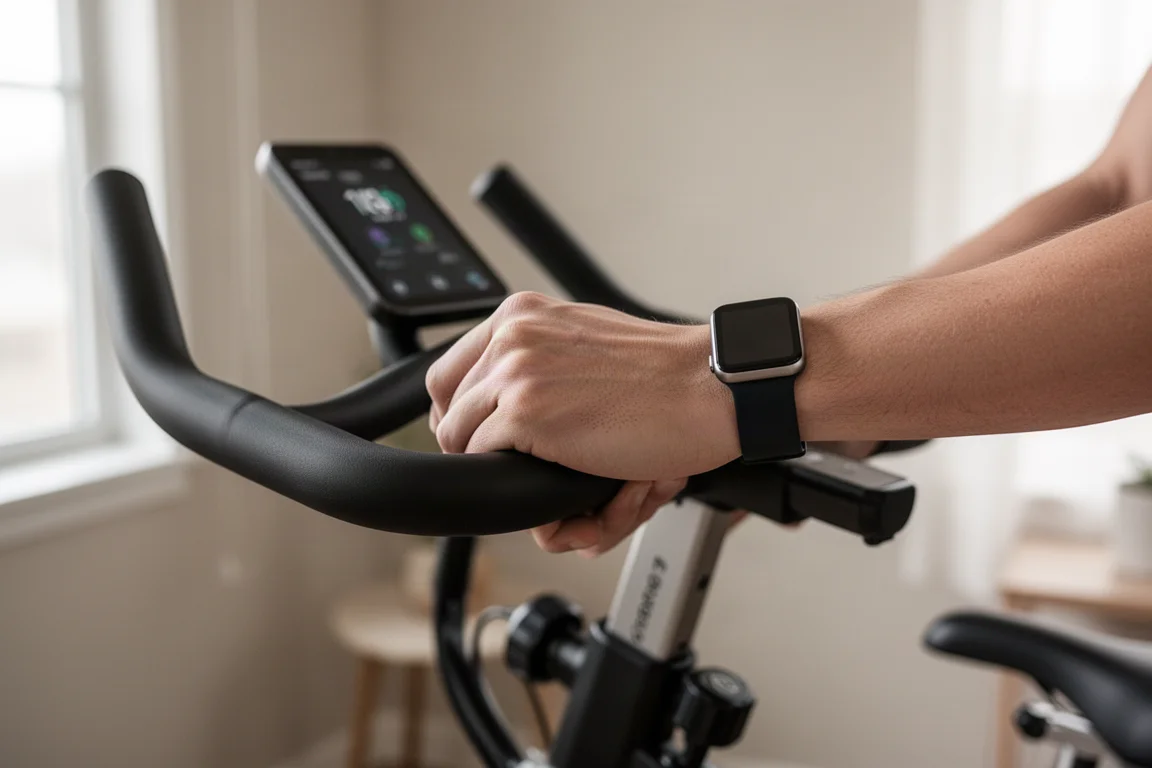
Using Apple’s Gym Kit with a Peloton Bike Plus, the watch transmits heart rate directly to the bike, and in return receives more detailed data from the bike including distance, speed, and more accurate calorie estimates based on the bike’s power meter data. For anyone training indoors on compatible equipment, this two-way link is one of the more polished parts of the experience.
Buying Advice
The Apple Watch Series 7 leans toward general fitness rather than endurance athletics. The base features favor everyday users, while dedicated sport watches offer structured workouts, wider sensor connectivity, and far longer battery life, sometimes hundreds of hours of GPS. Third-party apps can fill some gaps, like running power meters and open-water swim goggles that display data, but the tools live in separate apps rather than one cohesive platform.
That said, nothing matches the Apple Watch for daily wear and integration with the broader Apple ecosystem. If you want one watch that handles notifications, sleep tracking, and genuinely accurate workout data for running and riding, the Series 7 is easy to recommend. Endurance athletes planning long adventures may still want a dedicated sport watch alongside it.
Conclusion
The Apple Watch Series 7 delivers accurate GPS and heart rate data from launch, a larger and brighter display, faster charging, and a refined fitness experience through watchOS 8. It is not built to replace a dedicated endurance sports watch, but as a day-to-day wearable that also tracks workouts well, it is one of the strongest options available.
Product link
View more details for Apple Watch Series 7
This product is mentioned in the review. Check the specifications, options, and compatibility before buying.
View more details for Apple Watch Series 7Further reading
Related Reviews
Wearables
Apple Watch Ultra 3 vs Garmin: Which Training Watch Wins for Athletes
A practical head-to-head comparison of the Apple Watch Ultra 3 and Garmin for serious training, covering GPS accuracy, data tracking, usability, and recovery metrics.
Wearables
Apple Watch vs Garmin for Running: A Year of Training Compared
After a year training for marathons with both devices, here's what actually matters when choosing a running watch.
Wearables
Apple Watch Ultra 3 vs Garmin Fenix 8 Pro: Satellite Messaging Compared
A practical comparison of satellite messaging on the Apple Watch Ultra 3 and the Garmin Fenix 8 Pro, covering connection methods, messaging workflows, coverage, and running costs.