Wearables
Apple Watch Series 12: New Heart Rate Sensor, Readiness Score, and Audio Features Explained
A closer look at the Apple Watch Series 12, from its redesigned optical heart sensor and new readiness score to the controversial always-on audio intelligence features.
Introduction
The Apple Watch Series 12 arrives with a long list of new hardware and software features, and it is genuinely impressive how many more there are than the keynote covered. At its core are a new S11 chipset, a revamped optical heart rate sensor package that Apple describes as the most accurate optical heart rate sensor on the market, a new readiness score, updated microphones, and an entirely new set of audio intelligence features powered by a dedicated secure exclave for audio processing.
Some of these additions are easy to get excited about. Others, particularly the always-on conversation recaps, raise real questions about privacy. Here is what changes, who it matters for, and what to think through before buying.
A Redesigned Optical Heart Rate Sensor
The biggest hardware story sits on the back of the watch. Apple is making a strong claim that this is the most accurate heart rate sensor in a wearable today, and it has published a study to back that up. The study, done this summer, includes comparisons against modern competitors such as the Garmin Forerunner 970 and Samsung watches. As always, a study published by the manufacturer of the product deserves a healthy dose of skepticism, but the scope of the comparisons is notable.
Three core changes define the new sensor package. At the top layer, the electrodes used for ECGs have 24% more surface area with an entirely new arrangement. Below that, the photodiodes used for workout capture replace the old four circular dots with eight windows holding double photodiodes. And underneath, an entirely new LED array enables more frequent heart rate recording for 24/7 and nighttime readings.
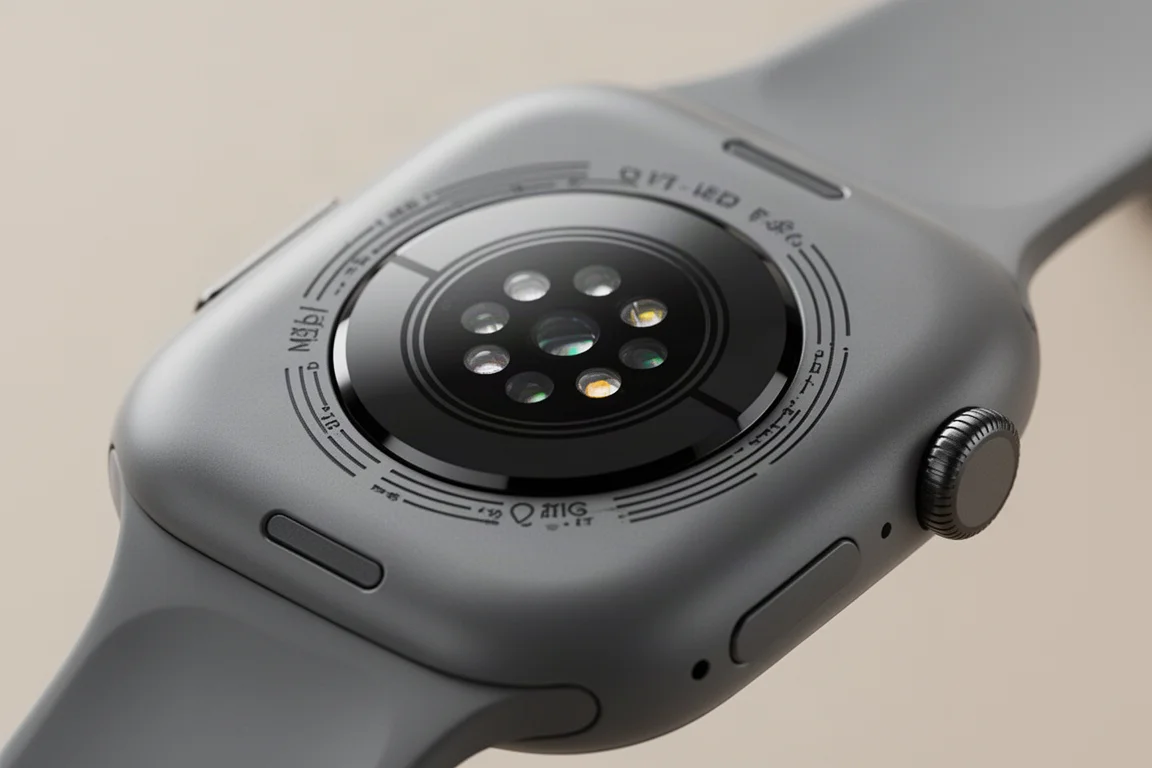
That frequency increase is substantial. Daytime heart rate recording now happens every 5 seconds, up from every 5 minutes, a 60x increase. HRV data, previously captured only a couple of times per night, is now recorded every 5 minutes throughout the night and during the day as well. That higher-quality data finally lets Apple include HRV in the Vitals app, bringing it in line with what most other wearables already offer. Your HRV baseline requires 7 days of wear to establish, with a minimum of 4 sleep hours per night, after which skipped nights are fine.
For the data-obsessed, Apple now exposes both RMSSD and SDNN HRV data types. Previously only one was available, which created all sorts of comparison confusion. Certain features, like health age, use SDNN, while others use RMSSD. All of it is recorded to the Apple Health app, so third-party apps can access it as well.
There is also a new daytime Vitals section, tucked behind a toggle in the upper right of the Vitals app. It shows resting heart rate and HRV values taken throughout the day, updating live. As far as we can tell, Apple is the only company exposing daytime HRV readings to the end user from a Vitals standpoint; virtually every other wearable only does this at night as part of sleep data.
The New Readiness Score
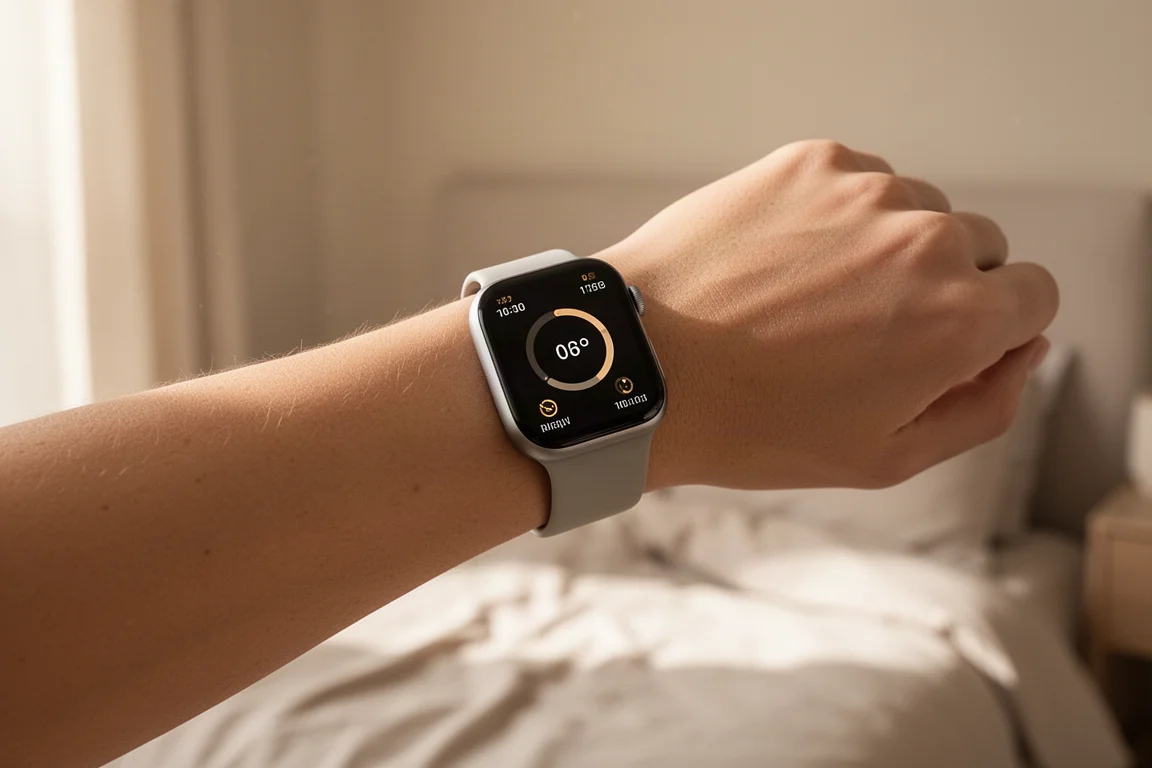
With better HRV data in place, Apple adds its own readiness score, following a pattern nearly every wearable company has now adopted. You get a score each morning on both the watch and the phone, and it updates throughout the day. A hard workout will lower the score because you are less ready to train. A nap after a red-eye flight might raise it.
The score itself runs from 0 to 10, with four categories: recover, pace yourself, ready, and go for it. Underneath, you can see the details of why you got that score, based on your activity ring progress, your workouts including training load, your overnight vitals, and your sleep score. Everything is compared against your own individual baseline rather than anyone else’s, which is exactly why that 7-day HRV establishment period matters.
One important caveat: the readiness score is only available on the new Apple Watch Series 12 and Ultra 4, because it requires the new HRV capabilities. Older watches will not get it.
New Modes for GPS and Battery
The Series 12 also gains two new battery-oriented modes for GPS activities. Extended mode turns off the always-on display and running power metrics, but everything else stays the same, including full-fidelity GPS data at every second. It is a fully functional watch with slightly backed-off operations.
Max extended mode goes further. GPS track points still record every second and heart rate data is captured in full fidelity, but the screen shows only a 5-minute rolling average instead of live values. There is no always-on display, no splits, no alerts, and no custom workouts. It is a reworked and renamed version of the previous reduced profile, now far more viable for long activities.
The Audio Intelligence Features
This is the controversial part. The S11 chipset includes a dedicated secure exclave for audio processing that runs 24/7 unless you configure it otherwise. Four core features sit underneath it, and each can be enabled or disabled independently at any time.
The first is sound recognition, a relatively simple but genuinely useful feature. If you have a hearing disability, the watch can identify things like a doorbell or a baby crying and notify you on your wrist.
The second is live rewind. Raise your wrist and double press the digital crown, and you get a text recap of the last 15 seconds of audio. The keynote example was a restaurant moment where you could not quite make out what the waiter said. Importantly, this does not record and store live audio. From the recap you can either send the 15 seconds to Siri or save it for later.
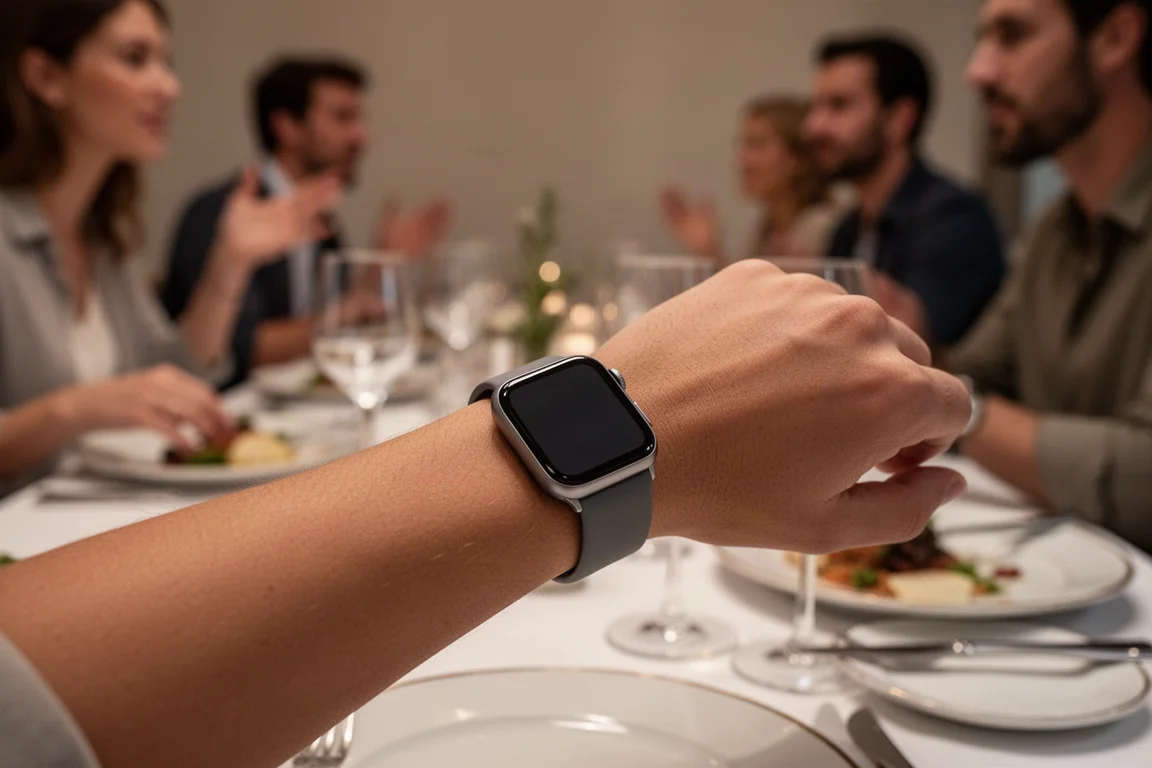
The third, and the one that will spark debate, is Siri Recap. When enabled, the watch processes your conversations 24/7 and produces summaries of them over the course of the day, covering things like parent-teacher meetings or work discussions. Apple laid out several protections. You cannot access the raw audio recordings in any way, and the AI summaries are generated in real time on the watch itself using the S11 chipset. There is no speaker annotation, so the recap never attributes a specific statement to a specific person, though it may name people discussed. It never transcribes conversations in a quotable way, so it could not be used to prove that someone said a specific thing. Onboarding works like focus mode, letting you restrict the feature to certain places, times of day, or days of the week. The one exception: if you send a 15-second live rewind transcription to Siri, that exact text appears in your daily Siri recap.
Our honest take: it is beneficial in plenty of settings, essentially an automatic note taker. But having it document everything, 24/7, across every conversation in your life, is harder to love. Technology gets broken and people find ways into things they were never supposed to reach, so a summary of everything you said between yourself, family, and colleagues is a real consideration. It may be a feature that changes minds over time, or one many people leave off.
The fourth feature is far less controversial and honestly cool: a dramatically faster Shazam experience. Because audio is constantly being analyzed in the background, you just raise your wrist the moment you hear music and the song name appears instantly. Historically the watch recorded an audio snippet and sent it off for matching. Now it builds an audio signature on the device and sends only that tiny file, which is why it is essentially instant. The battery impact of all this background processing is still unclear, but it is included in the Series 12’s claimed 24-hour battery life.
Design, Display, and Pricing
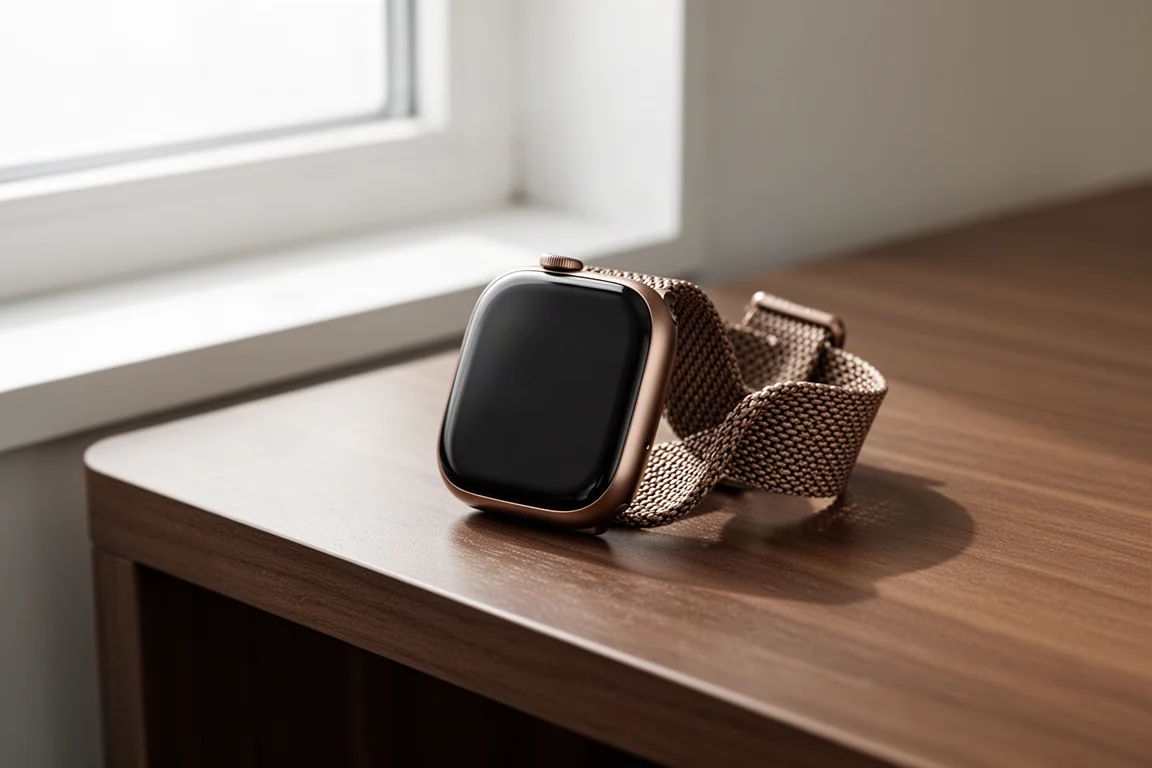
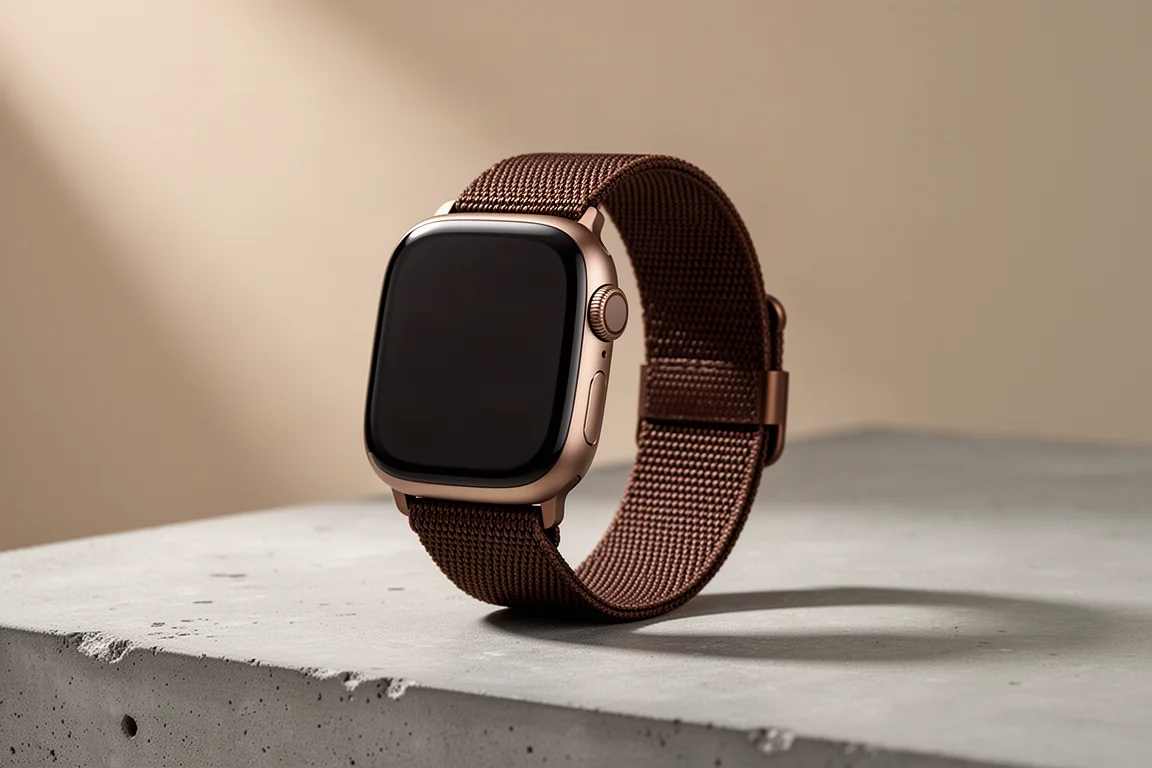
The Series 12 gets a stronger display, 60% stronger than the previous generation. Pricing stays at $399 and goes up from there. New color options include a brand new dark bronze finish, a gold option with a matching gold band, and ceramic case options in white or blue, the first ceramic cases in a couple of years. There are new Hermes editions as well, and the watches start shipping on the 18th.
Buying Advice
If you are coming from an older Apple Watch and you care about health tracking, the Series 12 makes a strong case. The 60x increase in daytime heart rate sampling, per-night HRV trends, daytime Vitals, and the new readiness score only exist on the new generation. The VO2 max test and other new fitness assessments arriving in the redesigned Apple Health app later in 2026 work with a compatible Apple Intelligence phone and do not strictly require the new watch, but the readiness score does.
If the always-on audio features feel uncomfortable, remember that every one of the four can be disabled independently, and Siri Recap in particular can be restricted by location and time. Whether you enable them is entirely your call.
Conclusion
The Apple Watch Series 12 is a meaningful upgrade on the health tracking side, with a sensor package that backs up a bold accuracy claim, far richer HRV data, and a readiness score that finally brings Apple in line with the rest of the wearable market. The audio intelligence features are genuinely impressive technology wrapped around a genuine privacy debate, and how you feel about them may determine whether this is the watch for you. At $399, it remains an easy recommendation for anyone invested in the Apple ecosystem who wants the best heart rate data Apple has ever shipped.
Product link
View more details for Apple Watch Series 12
This product is mentioned in the review. Check the specifications, options, and compatibility before buying.
View more details for Apple Watch Series 12Further reading
Related Reviews
Wearables
Apple Watch Ultra 3 vs Garmin: Which Training Watch Wins for Athletes
A practical head-to-head comparison of the Apple Watch Ultra 3 and Garmin for serious training, covering GPS accuracy, data tracking, usability, and recovery metrics.
Wearables
Apple Watch vs Garmin for Running: A Year of Training Compared
After a year training for marathons with both devices, here's what actually matters when choosing a running watch.
Wearables
Apple Watch Ultra 3 vs Garmin Fenix 8 Pro: Satellite Messaging Compared
A practical comparison of satellite messaging on the Apple Watch Ultra 3 and the Garmin Fenix 8 Pro, covering connection methods, messaging workflows, coverage, and running costs.