Audio & Fitness Tech
Apple AirPods Pro 3 Review: In-Ear Heart Rate That Finally Works
A deep look at the AirPods Pro 3 for sports and fitness, including swimming durability tests and heart rate accuracy compared with chest straps and other sensors.
Introduction
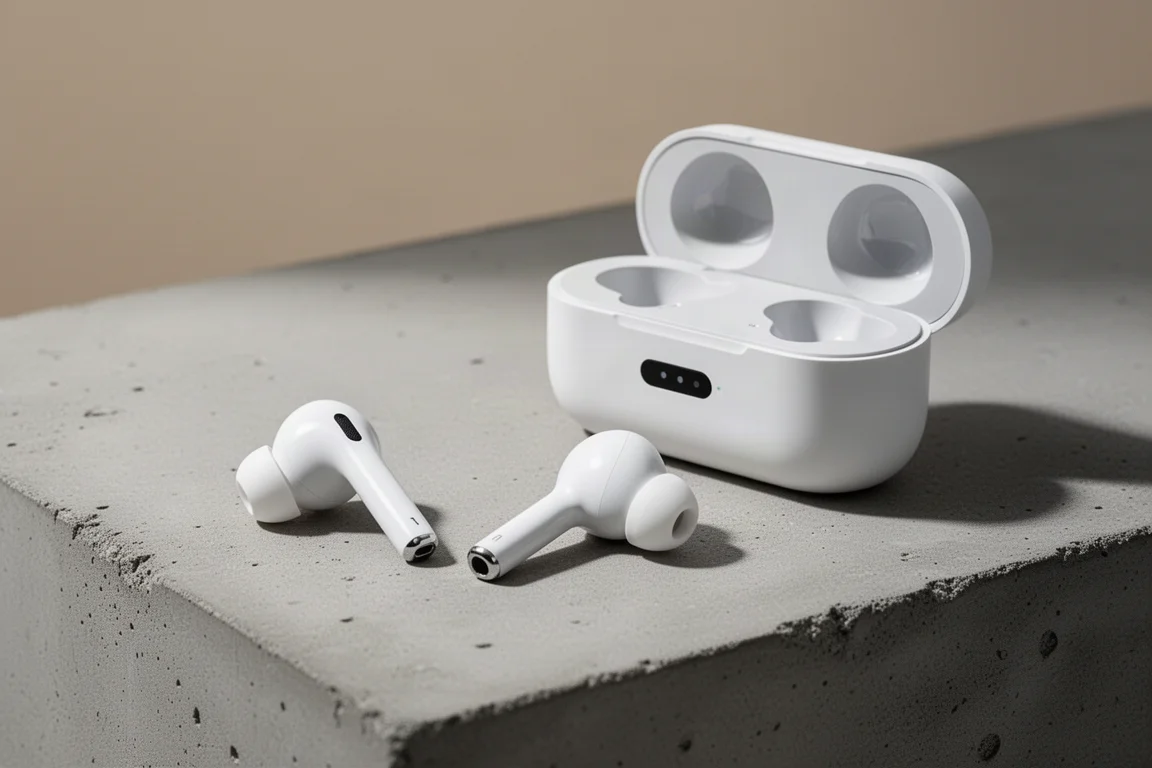
Apple’s AirPods Pro 3 arrive with a claim that matters a lot to anyone who trains with headphones: built-in heart rate sensing that actually works. In-ear heart rate has a long history of failure, with nearly every previous attempt falling short on accuracy. This time, the results are genuinely impressive.
This review focuses on the sports and fitness side: how the heart rate sensor performs across running, indoor and outdoor cycling, and even a swim, plus the practical trade-offs you should know before buying.
Design, Battery, and the New Heart Rate Sensor
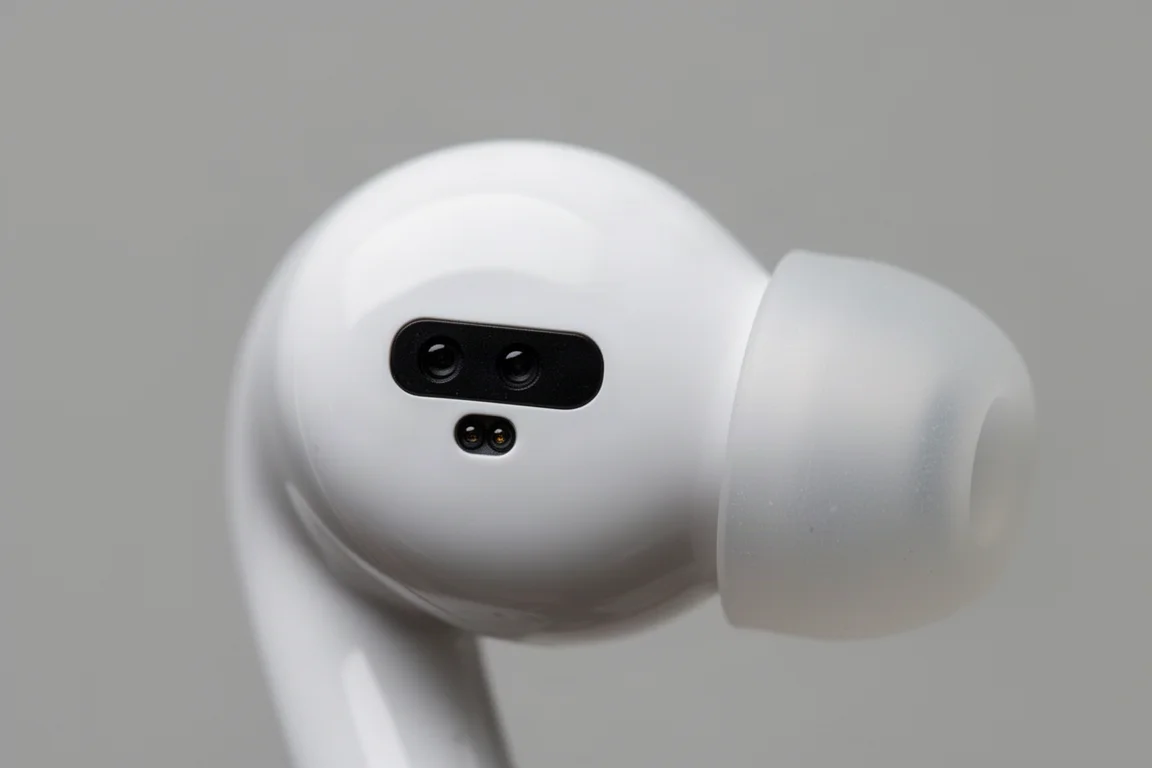
Side by side with the AirPods Pro 2, the new model looks virtually identical from the outside. The single visible difference is a small black dot on the earbud: the infrared heart rate sensor housing. Below that panel sit two infrared sensors, measuring heart rate 250 times per second and refining the result with an algorithm. That is a different approach from the green optical sensors used in the earlier Powerbeats Pro 2 and in most wrist-based watches.
Battery life has improved across the board. In active noise cancellation mode, you now get 8 hours instead of 6. Transparency mode extends from 6 to 10 hours. Apple also claims noise cancellation is two times better than the AirPods Pro 2.
The physical design changed slightly, along with the foam ear tips, both of which help the earbuds stay in place better. Apple also added an extra-small ear tip option, bringing the total to five included sizes: extra-extra-small, extra-small, small, medium, and large. Medium comes fitted out of the box.
Workout Tracking in the Fitness App
Once paired to your phone, the AirPods Pro 3 can record heart rate data directly in the Apple Fitness app, no Apple Watch required. Pairing unlocks a large set of sport profiles, and each profile offers three options: music selection (a fixed playlist or an automatic pick from Apple Music), Workout Buddy, and a workout goal based on calories, distance, or time.
Workout Buddy, previously introduced on watchOS 26, now works without a watch. It delivers spoken stats as you start a workout, mid-workout, and at the end, referencing things like your rings and your 7-day training load versus your 28-day baseline.
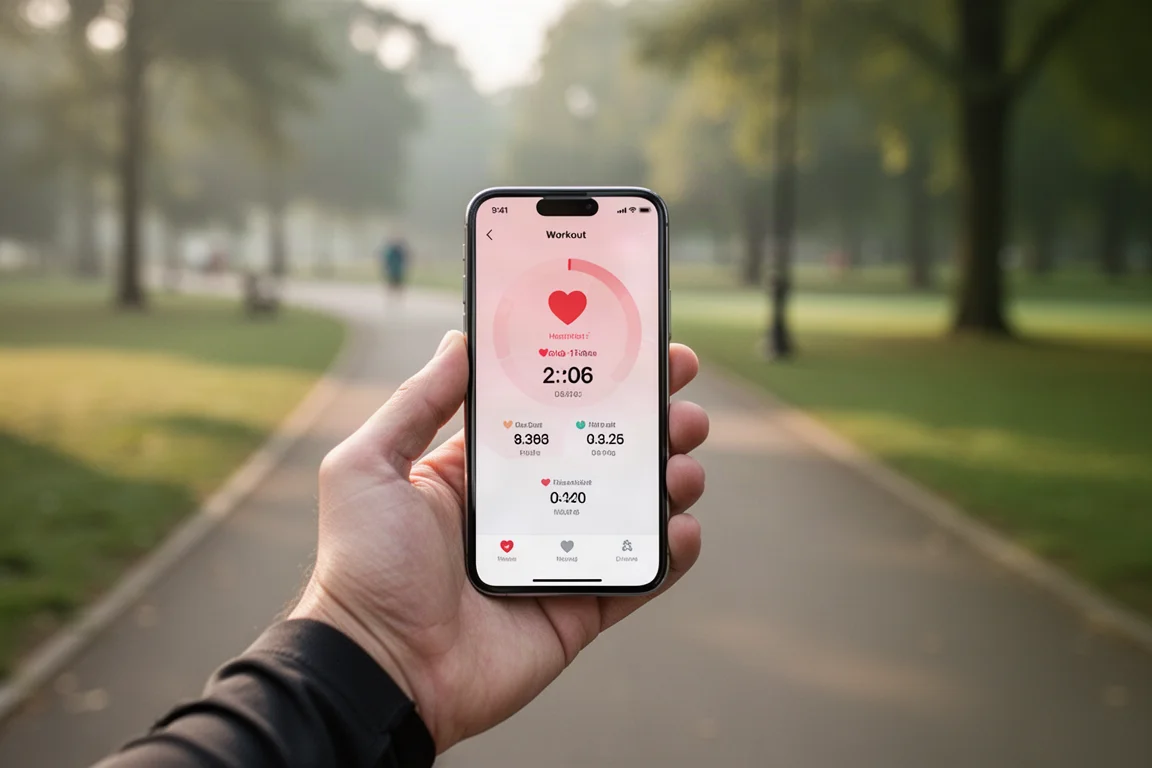
The in-workout screen itself is fixed. For cycling you get distance, average speed (including stopped time), heart rate, calories, and elapsed time, with a similar layout for running and indoor cycling. There is no way to customize the fields, so you cannot swap average speed for current speed or current pace, which limits its usefulness for interval sessions. Stats also appear on the lock screen, and from the Fitness app you can end the workout, create a split, mute Workout Buddy, check in, or lock the controls.
After the workout, the summary includes heart rate details, a map, and an effort rating that feeds a trending load view. The trending load shows only a percentage difference from your baseline rather than an exact number, which is a fine introduction to training load but may feel thin for serious athletes. Third-party apps like Strava can pull in the data, including location, just as they would from an Apple Watch workout.
One notable limitation: the AirPods Pro 3 do not broadcast a clean Bluetooth heart rate signal to other devices. Gym equipment such as a Peloton bike cannot see or pair with the heart rate from these earbuds, even though the Powerbeats Pro 2 could. That is a strange omission worth knowing about.
Cycling Use and Wind Noise
A word of caution first: riding on open roads with noise-isolating in-ear headphones is not recommended, regardless of the product. Indoors on a trainer is a different story, and that is where these make the most sense for cycling.
On a quiet country road, both transparency mode and active noise cancellation behaved similarly, and the dominant issue was wind. The earbuds use their microphones to distinguish wind from other sound, and a lot of wind noise still gets piped in either way. Apple says it changed the internal wind flow, and it is somewhat better than the AirPods Pro 2, but it is far from eliminated. During track running intervals, wind was only noticeable at one exposed corner, and music remained clearly audible throughout.
Waterproofing and the Swimming Test
The durability rating moved from IP54 to IP57. The dust rating (the first digit) stays at 5, while water protection jumps from 4 to 7, which officially means protection at 1 meter deep for 30 minutes. Apple also cites certification under IEC standard 60529. Notably, Apple’s own guidance says not to place the AirPods under running water, such as a shower or faucet, and not to swim with or submerge them.

Putting the IP57 rating to the test in open water produced a mix of results. The earbuds stayed in the ears securely, even underwater, with no problems at all. Afterward, a rinse in fresh water and about an hour of drying left them fully functional. However, there is no point swimming with them: the music stopped as soon as the head went under. There is no onboard storage or offline music, and streaming to underwater ears simply does not hold up. Also worth noting: Apple explicitly advises against swimming with them, and long-term saltwater exposure is a risk you take on yourself.
Heart Rate Accuracy: The Real Test
After an earlier Apple in-ear attempt and a rough showing from the Powerbeats Pro 2, expectations were low. The results here were the opposite. On an indoor trainer ride, where the head stays still, the heart rate trace was spot-on across the board.
An easy steady-state outdoor run produced the same result, recorded independently from a watch on a separate phone and account. Outdoor cycling, typically the hardest scenario for wrist-based sensors because of handlebar vibration and a flexed wrist, still performed very well, with only minor quibbles during a few sprint efforts, where it handled the ramp-up but struggled slightly on the steady portion.

The most convincing test was a hard track session: 4x800, 4x400, 4x roughly 150-meter sprints, plus warm-up and cool-down. The trace was excellent, with the only visible blips coming from the comparison reference straps, not the earbuds. For running and indoor riding, this is dependable heart rate, achieved without compromising audio quality at all. For outdoor road riding, the accuracy holds up, but the lack of environmental awareness remains the bigger reason to skip in-ear audio on open roads.
Buying Advice
If your main use case is running, gym sessions, or indoor cycling, the AirPods Pro 3 are now one of the most compelling audio-plus-fitness options available. The heart rate sensing finally delivers, the Fitness app integration works without a watch, and battery life improved meaningfully.
Look elsewhere or add a secondary sensor if you need heart rate broadcast to gym equipment, want customizable workout screens, or plan to swim with music. And as always, keep awareness of your surroundings on open roads.
Conclusion
The AirPods Pro 3 mark the first time in-ear heart rate sensing has been done well, without giving up the audio quality the line is known for. Add better battery life, improved noise cancellation, and a more secure fit, and they are an easy recommendation for fitness-focused listeners, with a few honest caveats around wind noise, screen customization, and Bluetooth heart rate broadcast.
Product link
View more details for Apple AirPods Pro 3
This product is mentioned in the review. Check the specifications, options, and compatibility before buying.
View more details for Apple AirPods Pro 3Further reading
Related Reviews
Wireless Earbuds
Apple AirPods Pro (2nd Generation) Review: Spatial Audio and Noise Cancelling in Focus
A practical look at the AirPods Pro (2nd generation): noise cancelling that silences voices, immersive Dolby Atmos spatial audio, hearing-test EQ, and the trade-offs worth weighing before you buy.
Tech
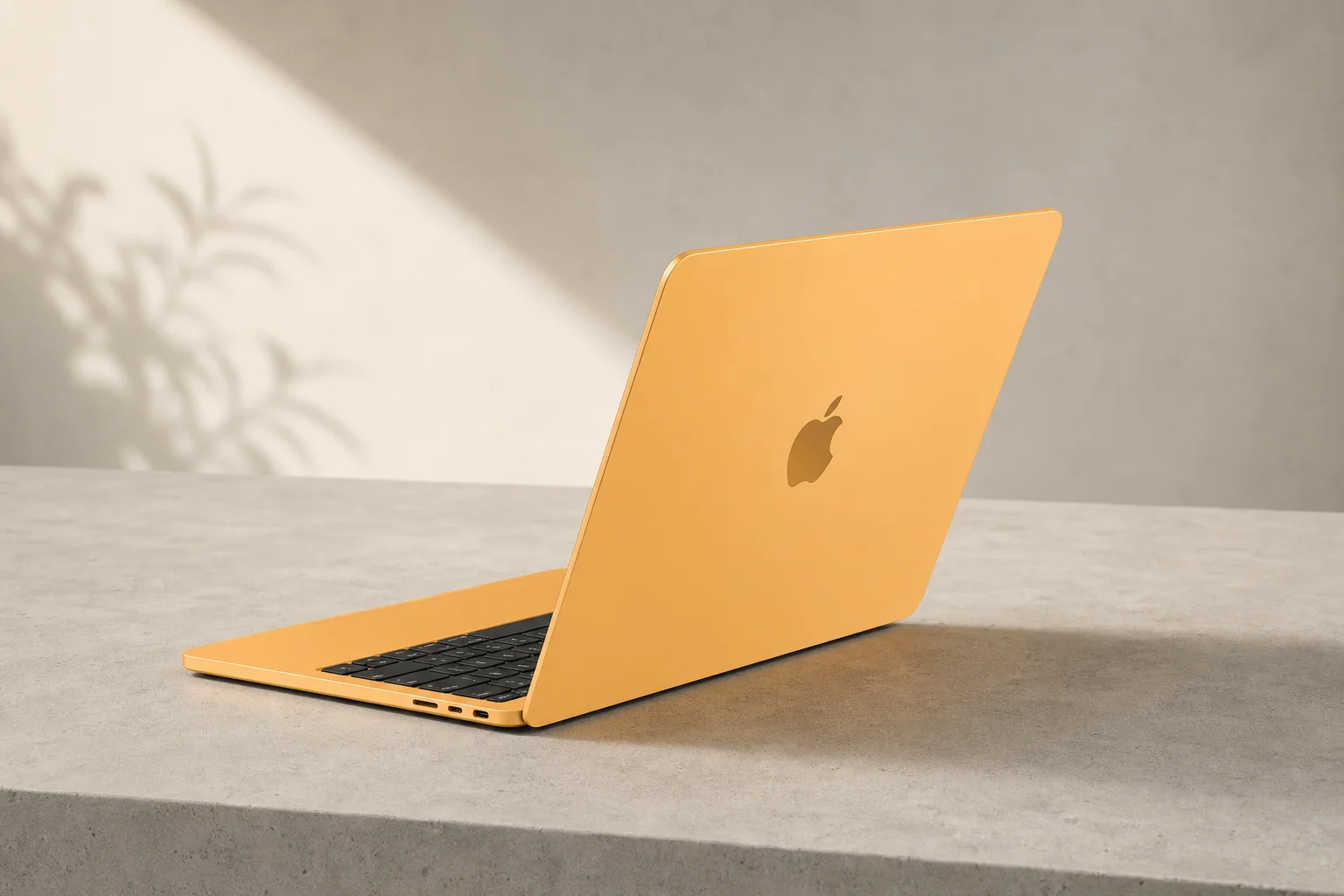
Apple MacBook Neo Review: A Surprisingly Capable Budget Laptop
The MacBook Neo brings M1-equivalent performance to a $599 entry-level laptop. We tested it across real workflows to see if it's worth considering over pricier alternatives.
Audio
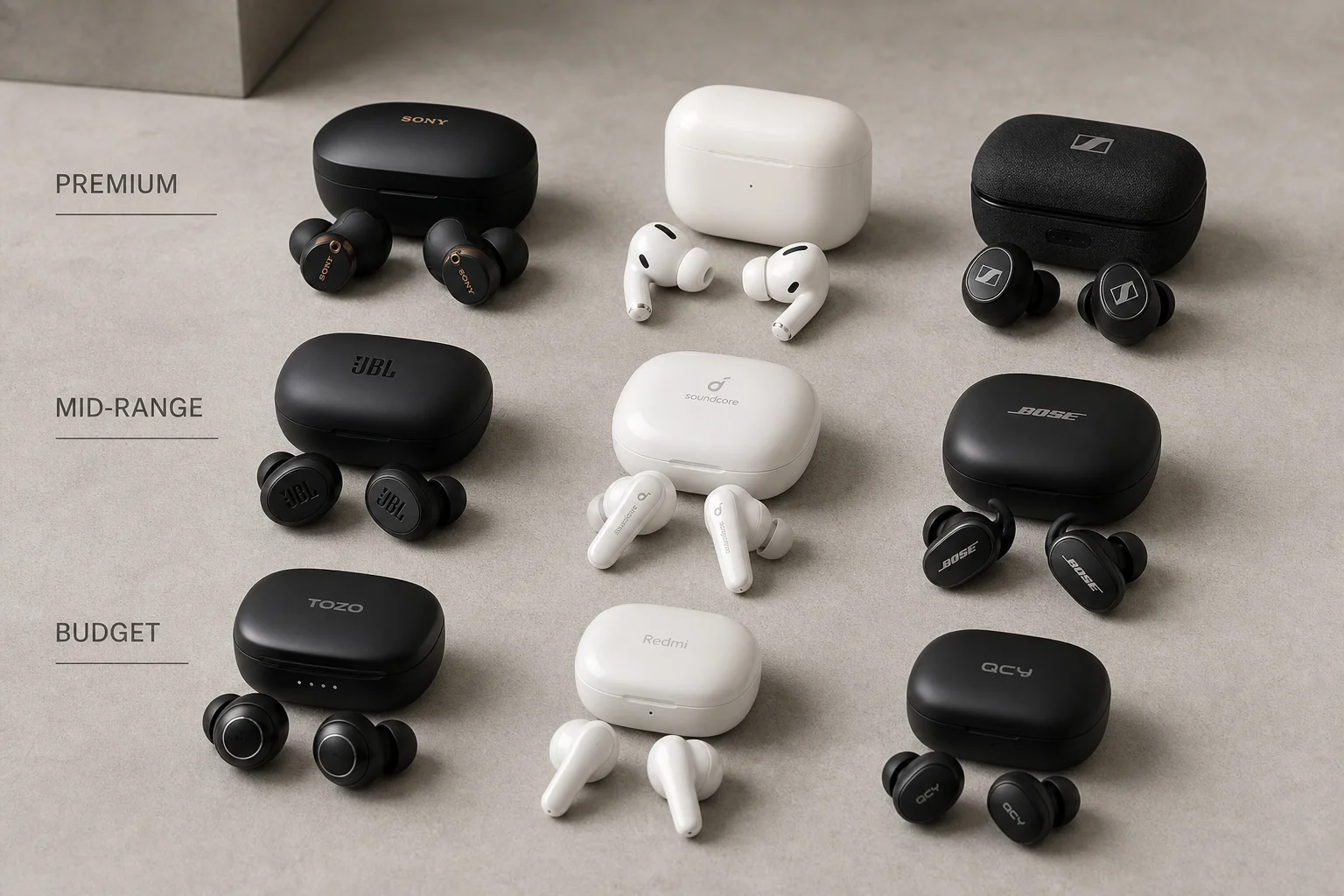
Best Earbuds 2026: Premium, Mid-Range, and Budget Picks
Nine standout earbuds across three price tiers, selected for sound quality, microphone performance, comfort, and real-world usability.