Astronomy Gear
Apertura Lithium Power Supply Review: Field Power for Your Astronomy Kit
A portable power station tested against visual setups, star trackers, and a full imaging rig to see how long it really lasts in the field.
Introduction
If you have ever cut a night of observing or imaging short because a battery gave out, the Apertura Lithium Power Supply is designed to solve exactly that problem. It is a portable power station built to run astronomy gear out in the field, and we put it through a series of real-world longevity tests to see how it holds up.
In this review we cover what comes in the box, the full port layout, and four practical scenarios: a visual setup, a portable star tracker, a mount-and-camera imaging rig, and a full rig including a laptop.
Who This Power Supply Is For
This is a power station for anyone who observes or images away from mains power. Campers doing visual astronomy, portable astrophotographers heading to dark skies in the desert or mountains, and backyard imagers who want fewer extension cables will all find a use for it. If you only ever observe from a powered observatory or a garage outlet, it is less essential, but it still works as flexible backup power for any astronomy session.
Main Strengths
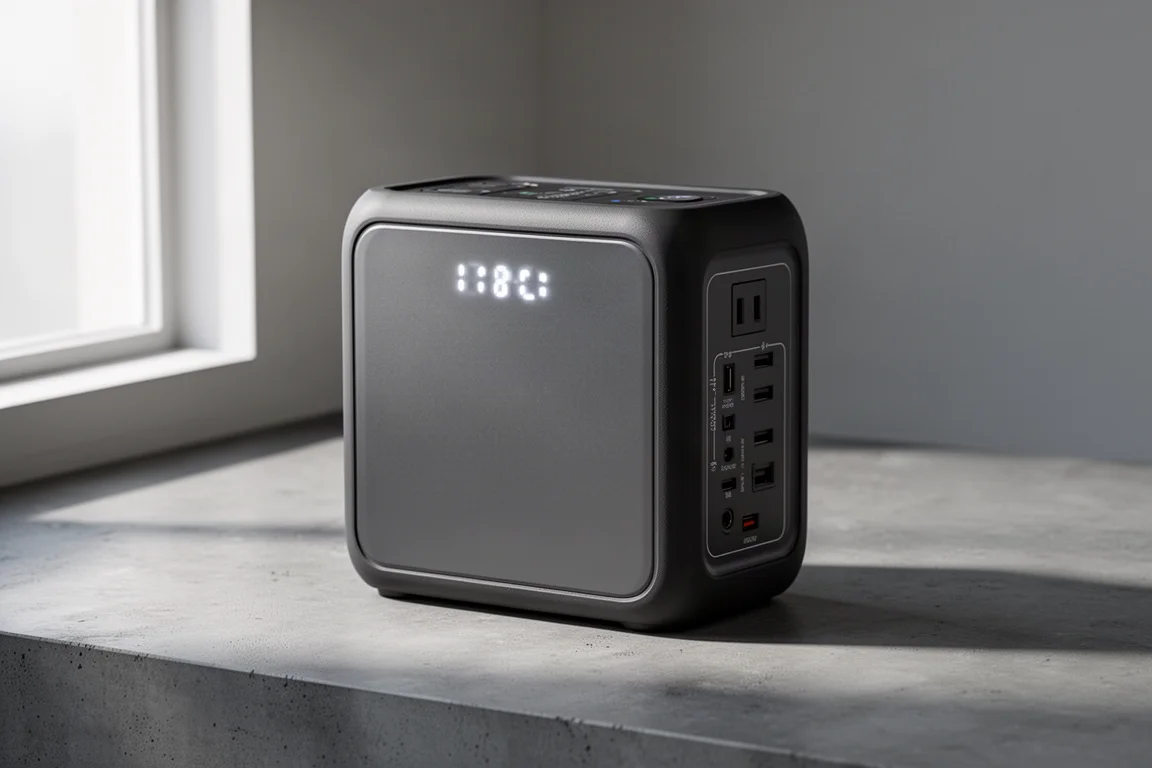
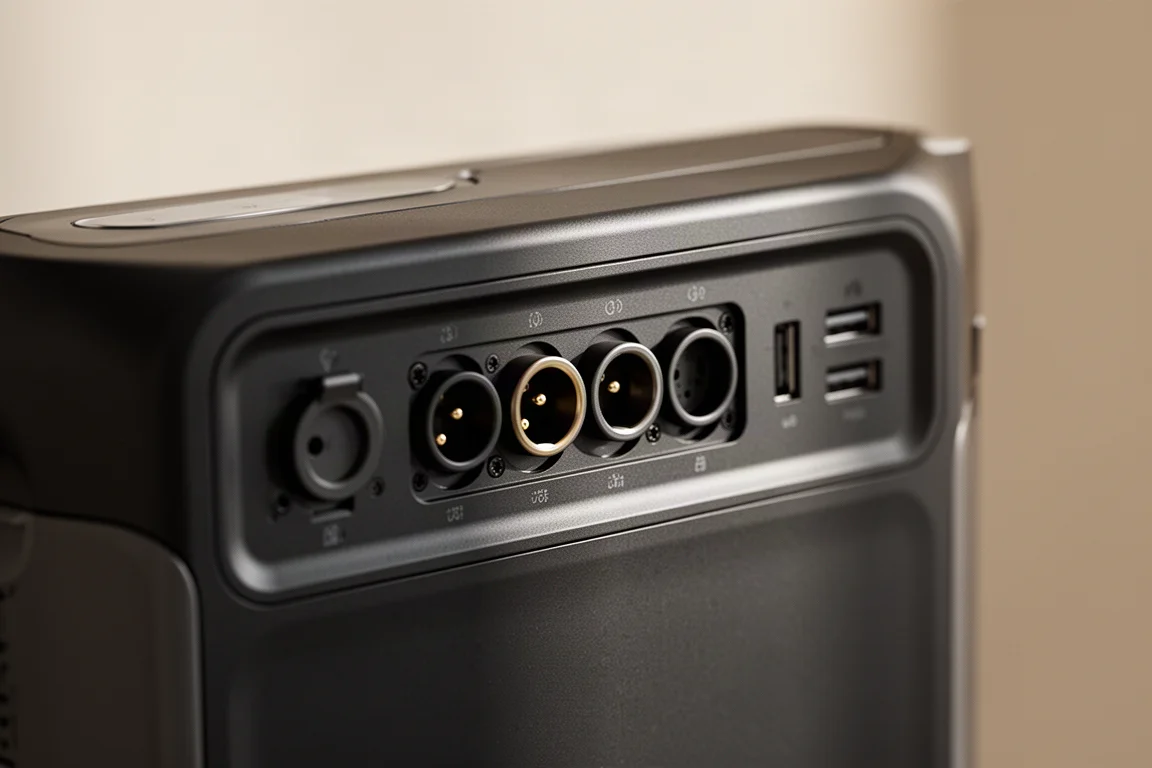
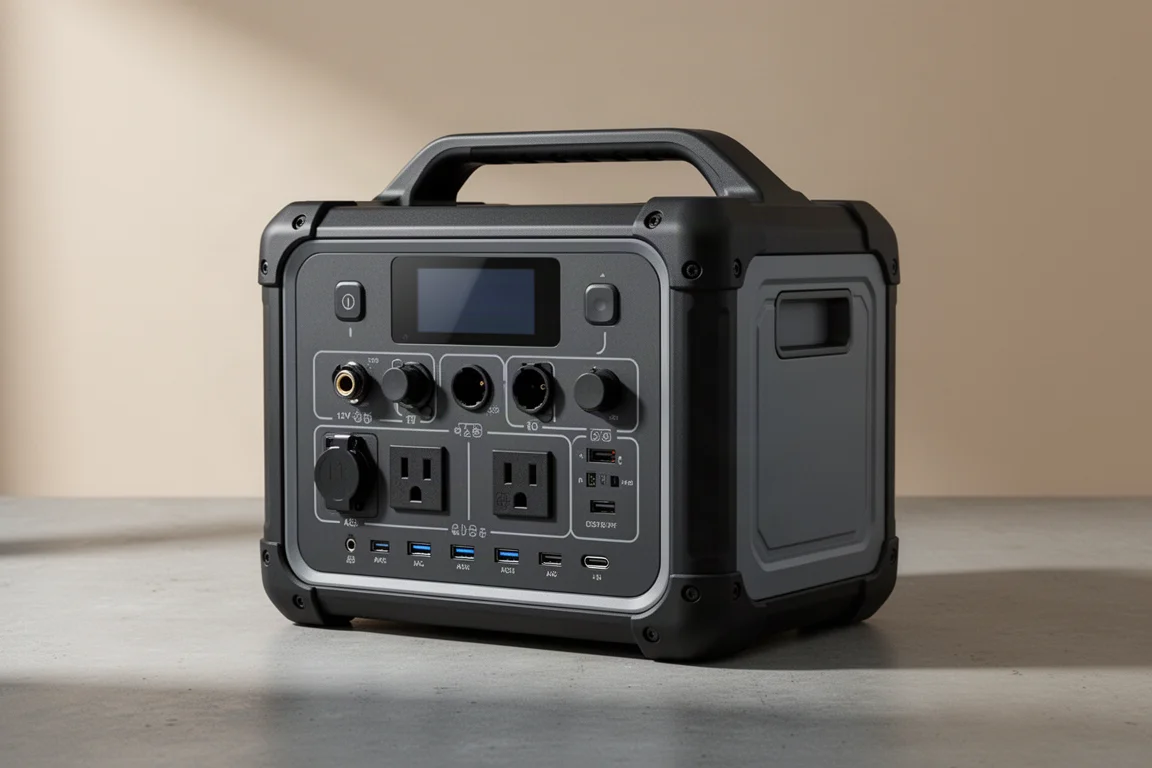
The port selection is the headline feature. On the front you get two LED indicators, one showing that AC output is enabled and the other showing remaining battery life. The back carries a three-prong AC output plug that can power a power strip if you run multiple devices. Around the sides you find a built-in red flashlight, a DC input for charging the unit itself, three powered USB ports, and three 12-volt output ports for powering nearly any kind of equipment. The bottom of the unit lists the exact specifications for every output port, which is a nice touch when planning a setup.
Unboxing is straightforward: beneath the foam casing you get three male-to-female adapters, a male-to-male power adapter, and a charging cable, with the power supply itself underneath. The accessories make it easy to adapt the outputs to a variety of mounts and cameras straight away.
Real-World Battery Tests
Test 1: Visual Setup with the Celestron NexStar 8SE
The first test powered a Celestron NexStar 8SE, slewing to a new target every 20 to 30 minutes to mimic a realistic viewing night. No dew heater, no laptop, just the mount and an eyepiece. The result was simple: the power supply lasted all night long for visual astronomy. If casual observing under dark skies while camping is your kind of night, this battery will comfortably outlast your session.
Test 2: Powering a Portable Star Tracker
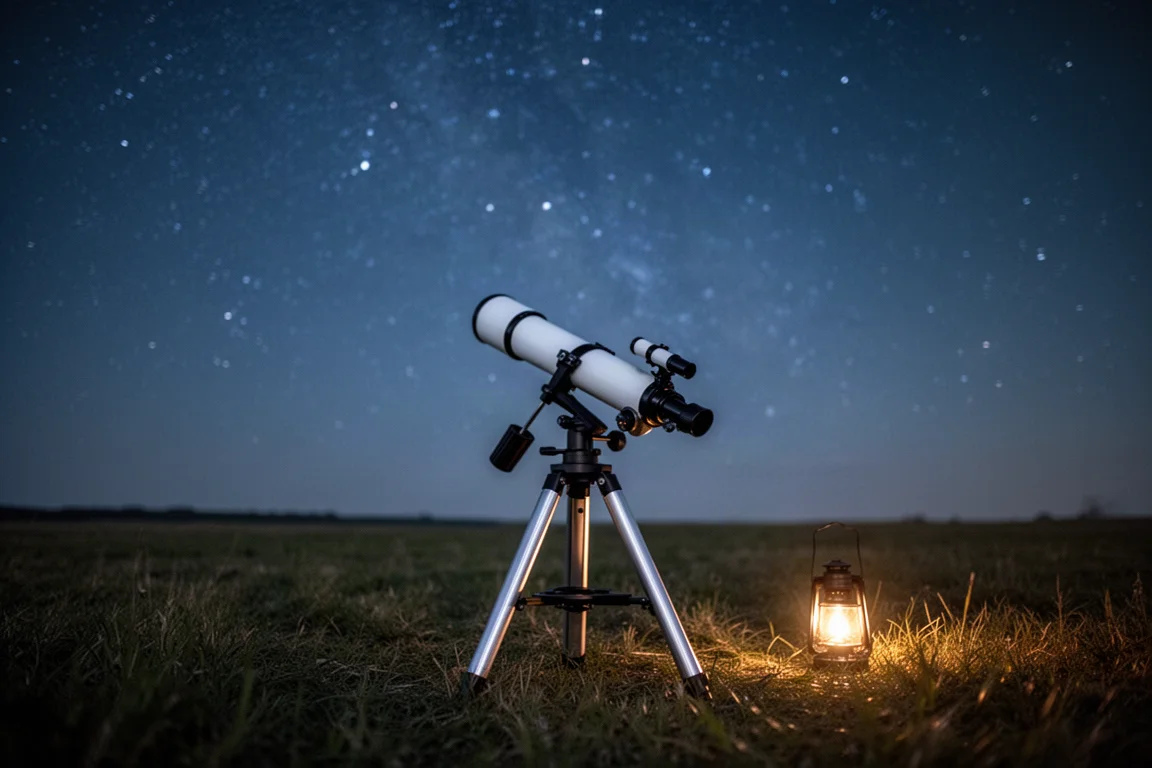
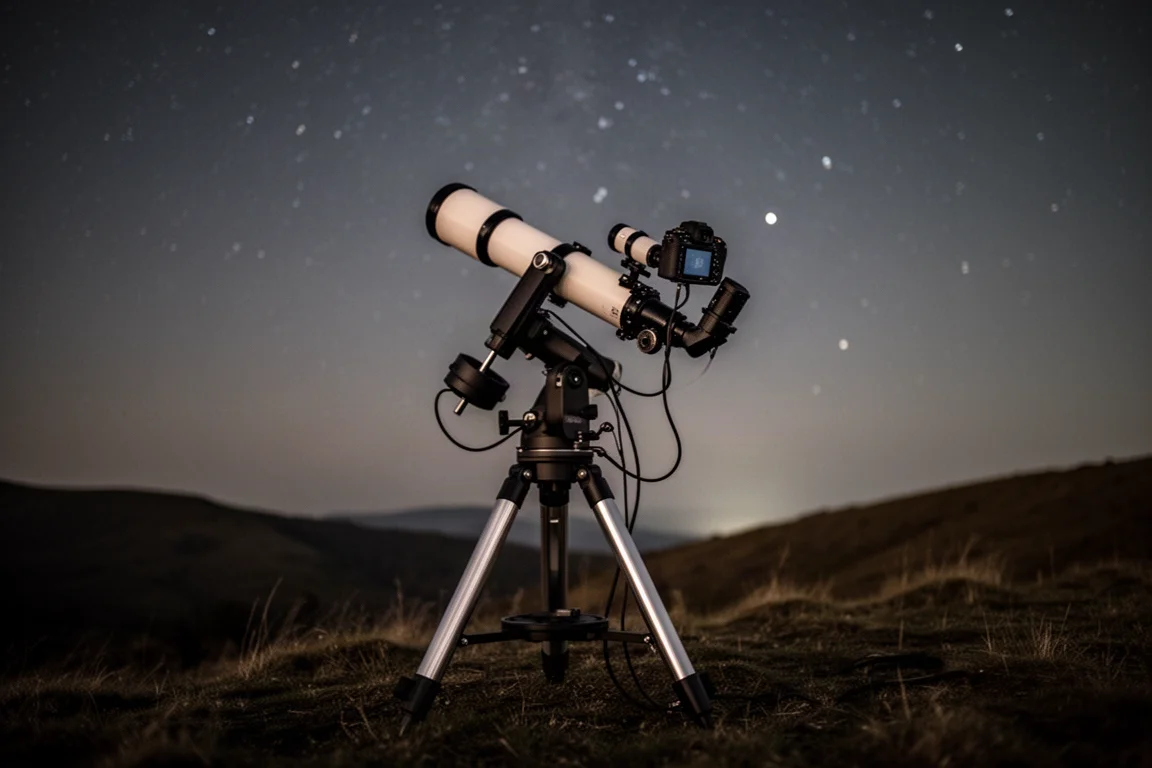
The second test simulated a portable astrophotography kit: a Sky-Watcher Star Adventurer GTi carrying an Apertura 60EDR doublet on an Apertura carbon fiber photographic tripod, with only the GTi connected to the power supply.
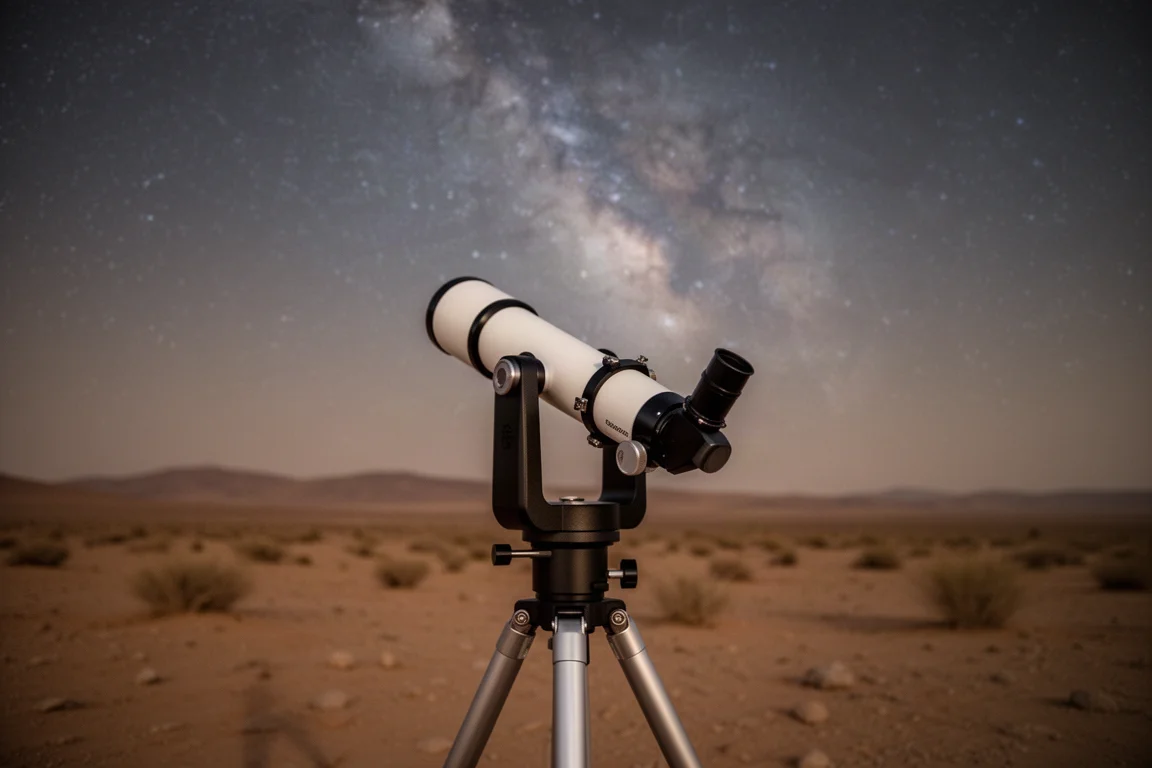
After nearly 11 hours of standard sidereal tracking, the LED still showed 100% battery. Pair that endurance with a DSLR and a lens and you have enough power for an entire weekend of Milky Way or deep-sky shooting.
Test 3: Mount and Camera Only
In the first half of the final test, the power supply ran the mount and a cooled astronomy camera while a laptop was powered separately through an extension cable from the house. The rig imaged from 6:45 PM all the way to 2:30 AM, a little over eight hours, on a full narrowband data set. That is a serious night of imaging on a single charge.
Test 4: Full Imaging Rig Including a Laptop
The second half repeated the same session with the laptop added to the power supply’s load. In this configuration the setup ran for three and a half hours. The laptop was clearly the biggest draw on the battery, which is the interesting takeaway: if you have another way to power your laptop, use it if you want to squeeze every possible hour of data out of a night. The same logic applies to more power-efficient control options that reduce overall draw.
Things to Consider Before Buying
The main trade-off is laptop power. Three and a half hours with a laptop in the loop is enough for a focused session, but not a full night, so plan around it. With the mount and camera alone, however, runtimes stretch past eight hours, and light loads like visual setups or a star tracker barely register on the meter. Think about what you actually need to run in the field before deciding how much capacity matters to you.
Buying Advice
If your typical night is visual observing or a lightweight portable tracking setup, this power supply will effectively last as long as you want to stay outside. If you run a cooled camera and mount without a laptop, expect a full night of imaging. If you insist on powering a laptop from the same unit, treat it as a shorter-session tool or find an alternate power source for the laptop. For its port selection, red flashlight, and clear battery indicator, it is an easy recommendation for field astronomers.
Conclusion
The Apertura Lithium Power Supply proved itself across four realistic scenarios, from all-night visual sessions to nearly 11 hours of tracking with barely a dent in the battery. Its weakness is only the expected one: power-hungry laptops drain it fast. If your gear list stops at mounts, cameras, and accessories, this is a dependable way to keep everything running under the stars.
Product link
View more details for Apertura Lithium Power Supply
This product is mentioned in the review. Check the specifications, options, and compatibility before buying.
View more details for Apertura Lithium Power SupplyFurther reading
Related Reviews
Astronomy Gear
Agena Astro Astro Suite Review: Plan, Build, and Share Your Astronomy Gear for Free
Astro Suite brings gear planning, compatibility checks, field of view tools, and community builds into one free platform for astronomers.
Astronomy Gear
Apertura Power Supply Review: A 518Wh Power Station Built for Astrophotography and Beyond
After nearly two years of weekly use, from imaging sessions at the observatory to powering a camper overnight, this lightweight power supply has proven itself in the field.
Astronomy Gear
Getting Started with H-Alpha Solar Imaging: Sky-Watcher Heliostar 76 and the Gear That Makes It Work
A hands-on look at the Sky-Watcher Heliostar 76 H-alpha solar telescope, the SolarQuest mount, and the cameras that turn the sun's surface into striking images.