Electric Scooters
Anyide S1 Electric Scooter Review: Suspension, Speed, and Everyday Usability
A practical look at the Anyide S1 electric scooter, from its 135 mm suspension and dual disc brakes to its speed modes, safety features, and real-world range expectations.
Introduction
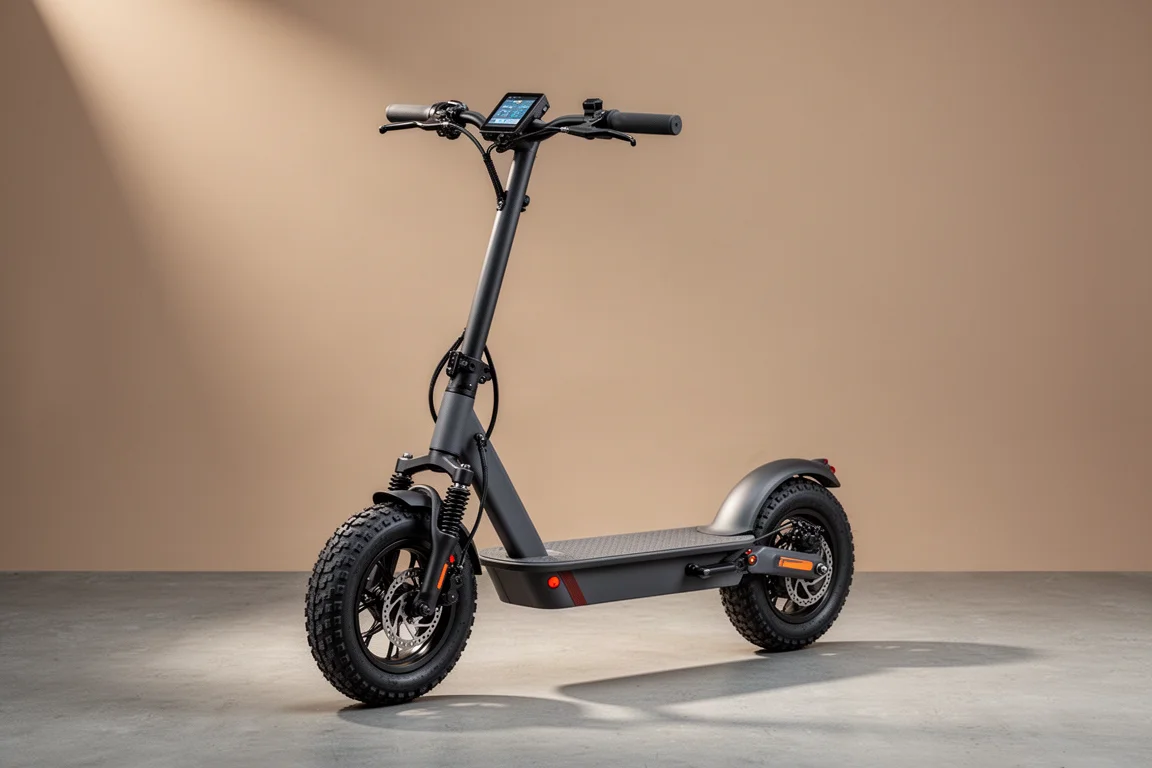
The Anyide S1 is an electric scooter that puts stability and control ahead of minimalism. It pairs 135 mm of front and rear spring suspension with 10-inch pneumatic tires, disc brakes at both ends, and a wide mountain-bike style handlebar. The result is a scooter that feels planted at speed and comfortable on surfaces that would rattle a stiffer, narrower machine.
The specification is equally focused on usable performance. The motor can run unrestricted at up to 45 km/h (28 mph), or restricted to 25 km/h (15.5 mph) for the UK and EU. A large LCD dash handles speed, ride mode, voltage, and battery data, while indicators, a horn, and front and rear lighting round out the safety package. The electrics are waterproofed, so wet weather does not automatically end the ride.
This guide covers who the S1 suits, where it performs best, and the trade-offs worth understanding before you commit.
Who the Anyide S1 Is For
The S1 is aimed at riders who want a scooter that feels composed rather than twitchy. A wide deck gives you room to place your feet side by side, and the broad handlebar adds steering stability at speed, which matters most on longer stretches where narrow bars start to feel nervous. Riders stepping up from a small, lightweight scooter will notice the difference immediately.
It also suits people who ride in traffic and want to be seen and heard. Left and right indicators, a horn, an adjustable front LED, side lights, and a rear light all come as part of the package, so visibility is not an afterthought. The height-adjustable front end, with three positions and a quick release clamp, makes it easier to fit different riders without tools.
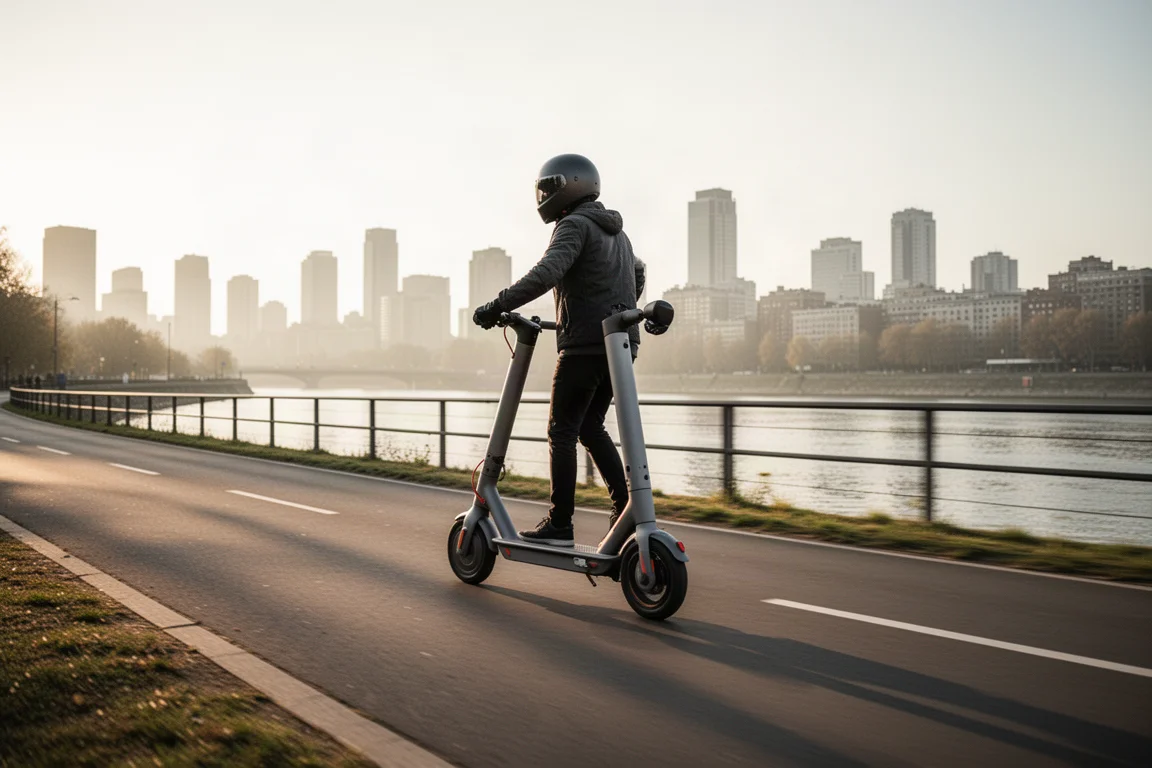
Where it fits less neatly is a lifestyle built around carrying. The aluminium chassis keeps the weight in check compared with a steel frame, but the scooter is still heavy enough that lifting it in and out of a car is a deliberate task. Riders who only ever ride from home and never need to fold and carry it will feel that weight far less.
Main Strengths
The strengths of the S1 are practical rather than cosmetic. Each one addresses a specific complaint that riders tend to raise about smaller, cheaper scooters.
Motor, Speed, and Ride Modes
Performance is the headline. Unrestricted, the motor is capable of 28 mph, or 45 km/h, which is genuinely quick for a stand-up scooter and not something to take lightly. In the UK and EU the scooter is restricted to 25 km/h, or 15.5 mph, which is a more manageable figure for mixed traffic.
The dash offers turbo, standard, and eco modes, and the same settings also appear as levels one, two, and three, so you can dial the response to the conditions. Eco mode is the sensible choice for stretching battery life on flat ground, while turbo delivers the strongest acceleration. A helmet is recommended in every case, and gloves are worth adding if you plan to ride in unrestricted form.
Suspension, Tires, and Brakes
The suspension is the feature that changes how the scooter feels day to day. With 135 mm of travel front and rear, using proper spring units rather than token rubber buffers, the S1 soaks up broken pavement and curb transitions instead of passing every jolt through the bars and deck.
The 10-inch pneumatic tires add a second layer of comfort. They use a standard car and mountain bike style valve, which makes them easier to live with than exotic alternatives, and the tread is deep and thick. That combination delivers grip and cushioning at the same time, which is exactly what you want on mixed urban surfaces.
Braking is handled by cable-operated discs front and rear. The rotors are large and thick, and the stopping power is strong and predictable, which gives you confidence when you are carrying speed into a junction.
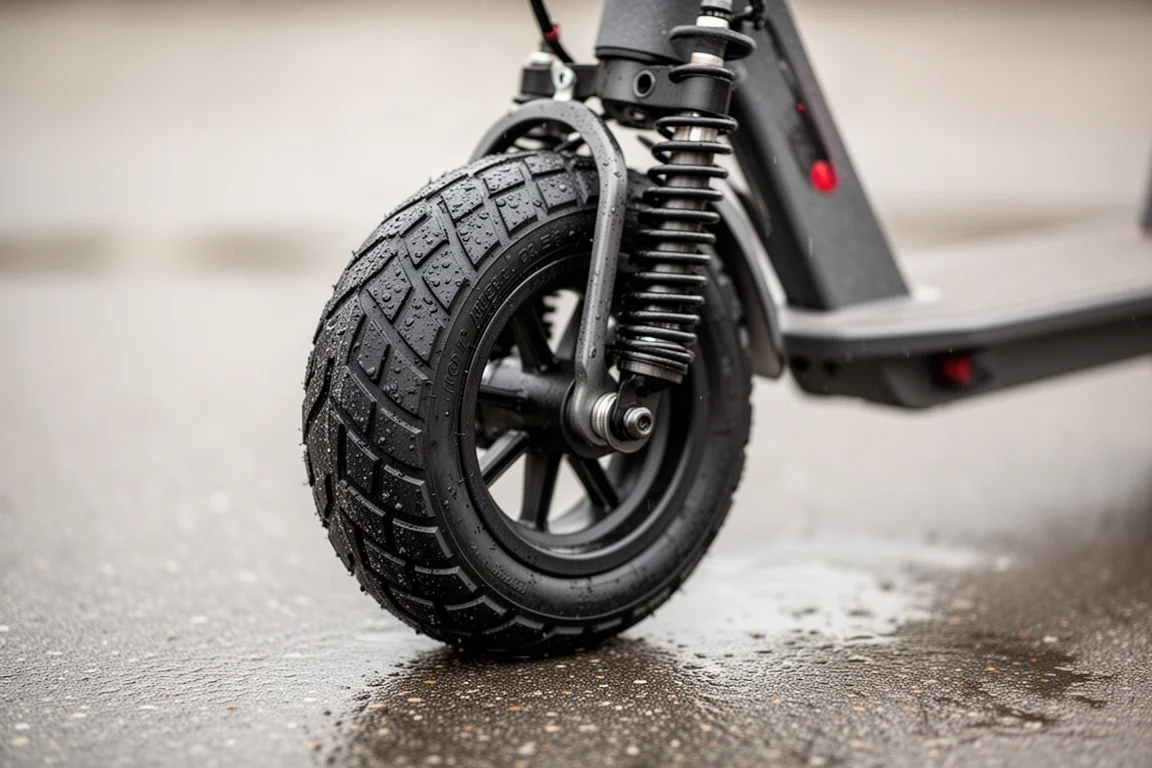
There is a practical benefit to this hardware that goes beyond comfort. A scooter with real suspension, chunky pneumatic tires, and strong disc brakes is one you can ride in poor light, on wet roads, and over imperfect surfaces without feeling like you are managing the machine constantly.
Display, Controls, and Safety Features
The LCD dash is one of the most complete you will find on a scooter in this class. It shows your current speed, maximum speed, total distance, voltage, and battery level, and the menu button lets you switch between kilometres per hour and miles per hour, or de-restrict the scooter where local rules allow it.
The controls are laid out for real riding. The throttle sits on one side, brake levers on both, and the indicator buttons are within easy reach of your thumb. Indicators operate at both ends, so following traffic sees your intention, and the horn button is right where you need it when someone drifts into your path. The front LED can be aimed, and the side lights add low-level visibility at night.
There is also a locking function. Press and hold the standby button and the display shows three zeros, which is the default code. Double clicking the last digit brings the display to life. It is a small convenience, but it makes the scooter a little less appealing to anyone who tries to roll it away.
Build, Portability, and Weather Protection
The frame is aluminium, which shows a genuine effort to keep weight down even if the finished scooter remains on the heavy side. Everything folds, and the scooter is straightforward to set up and collapse. The charging port sits on the side of the deck and the supplied charger uses a standard three-pin plug. A well-made kickstand holds the scooter upright when parked.
Wiring is more visible than on some rivals, but it is waterproof, so rain does not mean an automatic end to your journey. For riders who use a scooter as everyday transport rather than a fair-weather toy, that matters as much as the headline speed.
Things to Consider Before Buying
Range is the first thing to calibrate. The stated figure of up to 25 miles is a best-case number, and it changes dramatically with how you ride. In eco mode on flat ground, that target is achievable. In turbo mode, expect considerably less, and treat every hill and every hard acceleration as a withdrawal from the same account.
Hills deserve their own note. The S1 needs momentum to climb well, so a run-up helps, and this is most noticeable in restricted form. If your regular route includes steep gradients, plan for a scooter that rewards planning ahead rather than one that surges up from a standing start.
Weight is the other practical consideration. Lifting the S1 into a car boot or carrying it up stairs is manageable but not effortless, and it is worth thinking honestly about how often you will actually need to do it.
Finally, check your local rules before buying any electric scooter. Regulations differ from country to country, and in the UK the position sits in a grey area, where government-backed rental schemes are legal while private scooters are generally expected to be used on private land. Understanding your local situation is part of the purchase, not an afterthought.
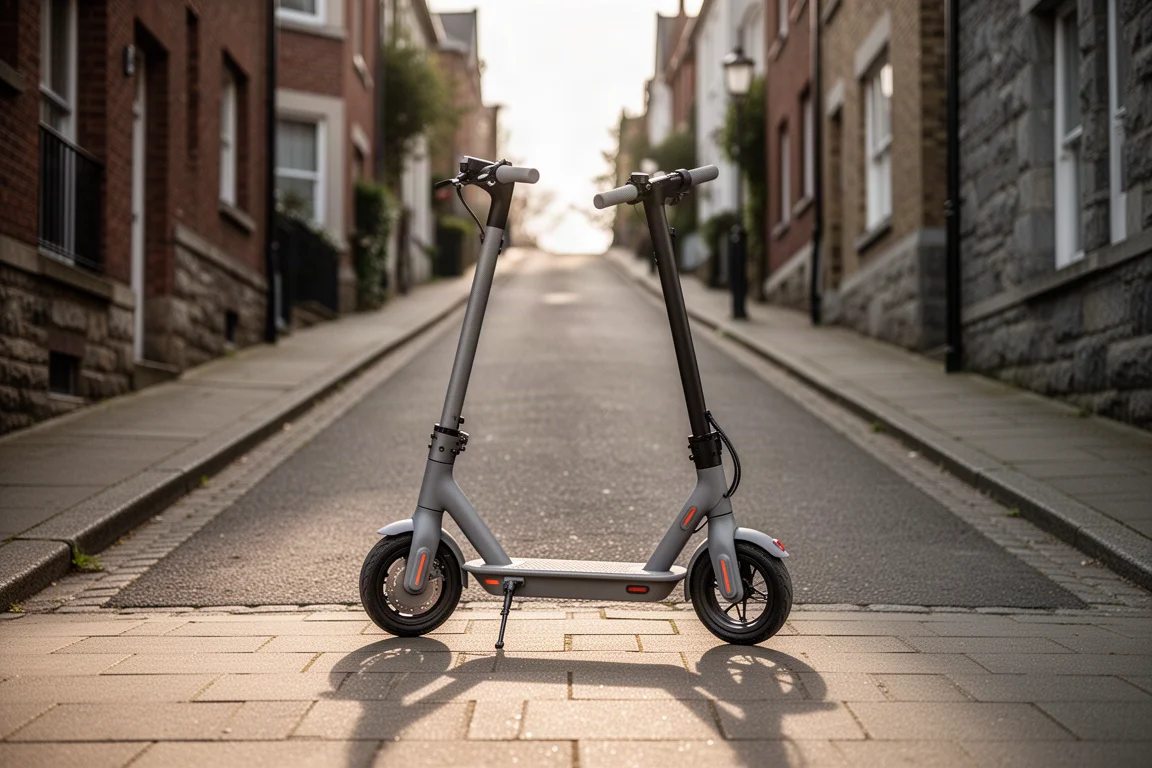
It is also worth matching the scooter to the way you ride rather than the way you imagine you will ride. A short flat commute and a long hilly one put very different demands on range, brakes, and suspension, and the S1’s strengths are most obvious on the second kind of journey.
Buying Advice
The S1 makes the most sense for riders who value composure over portability. If your priority is a scooter that feels stable at speed, cushions rough surfaces, and stops hard when you ask it to, this is a well-rounded package with the hardware to back it up. The wide deck and handlebar, the dual disc brakes, and the 135 mm suspension all point to the same design intent.
Think about the version you will actually ride. Unrestricted performance of up to 45 km/h is genuinely fast, and if that is how you plan to use it, budget for proper protection, starting with a helmet and gloves. In restricted form at 25 km/h the scooter remains capable and considerably easier to manage in traffic.
Before ordering, confirm two things. First, the rules that apply where you live. Second, whether you need to lift and carry the scooter regularly, because that is the one area where its weight is a genuine compromise. Get both answers right and the S1 is a scooter that is easy to recommend.
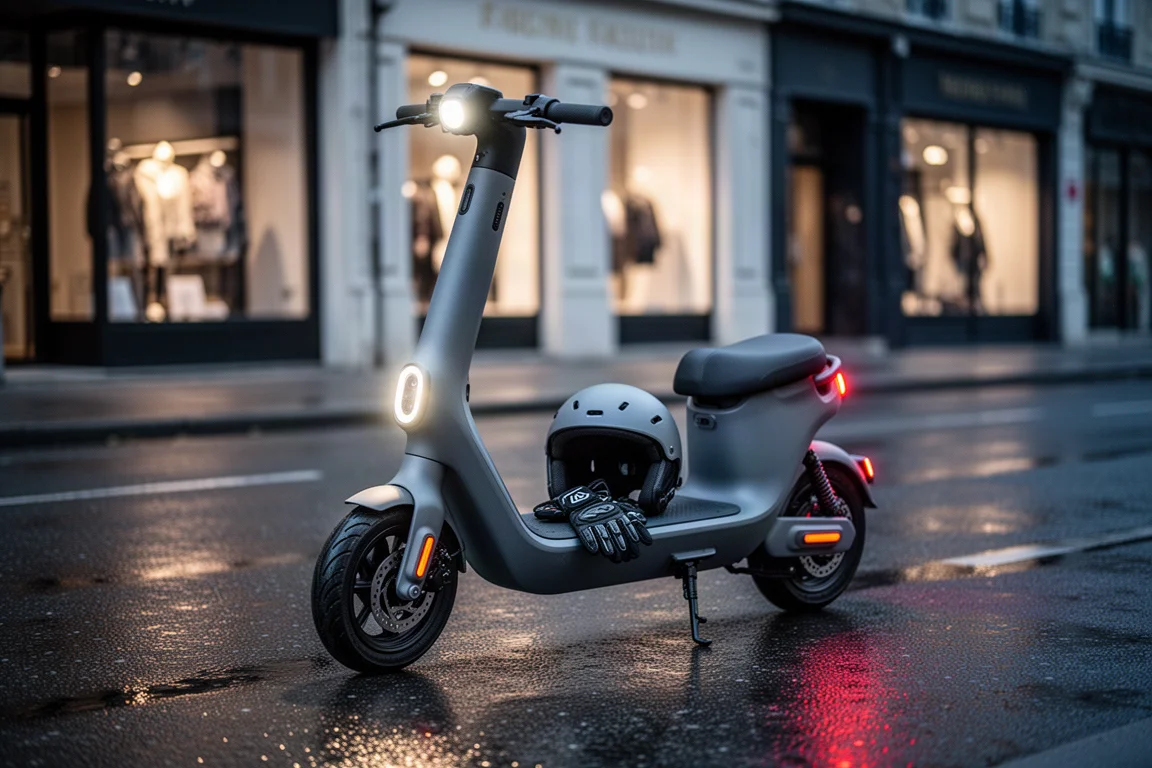
If you are comparing options, weigh the safety equipment carefully rather than treating it as a bonus. Indicators, a horn, adjustable front lighting, and rear lighting change how you interact with traffic, and on a scooter used for real journeys they are worth more than a slightly lighter frame.
Conclusion
The Anyide S1 is a serious piece of equipment built around stability, comfort, and stopping power. The 135 mm of front and rear suspension, the 10-inch pneumatic tires, and the dual disc brakes give it a planted, confidence-inspiring feel, while the LCD dash, indicators, horn, and lighting make it genuinely practical in traffic.
Its limits are honest ones. Range depends heavily on how you ride, hills need momentum, and the scooter is heavy to carry despite its aluminium frame. Riders who understand those trade-offs and check their local regulations first will find a capable, well-made scooter that is a pleasure to use.
Product link
View more details for Anyide S1 Electric Scooter
This product is mentioned in the review. Check the specifications, options, and compatibility before buying.
View more details for Anyide S1 Electric ScooterFurther reading
Related Reviews
Electric Scooters
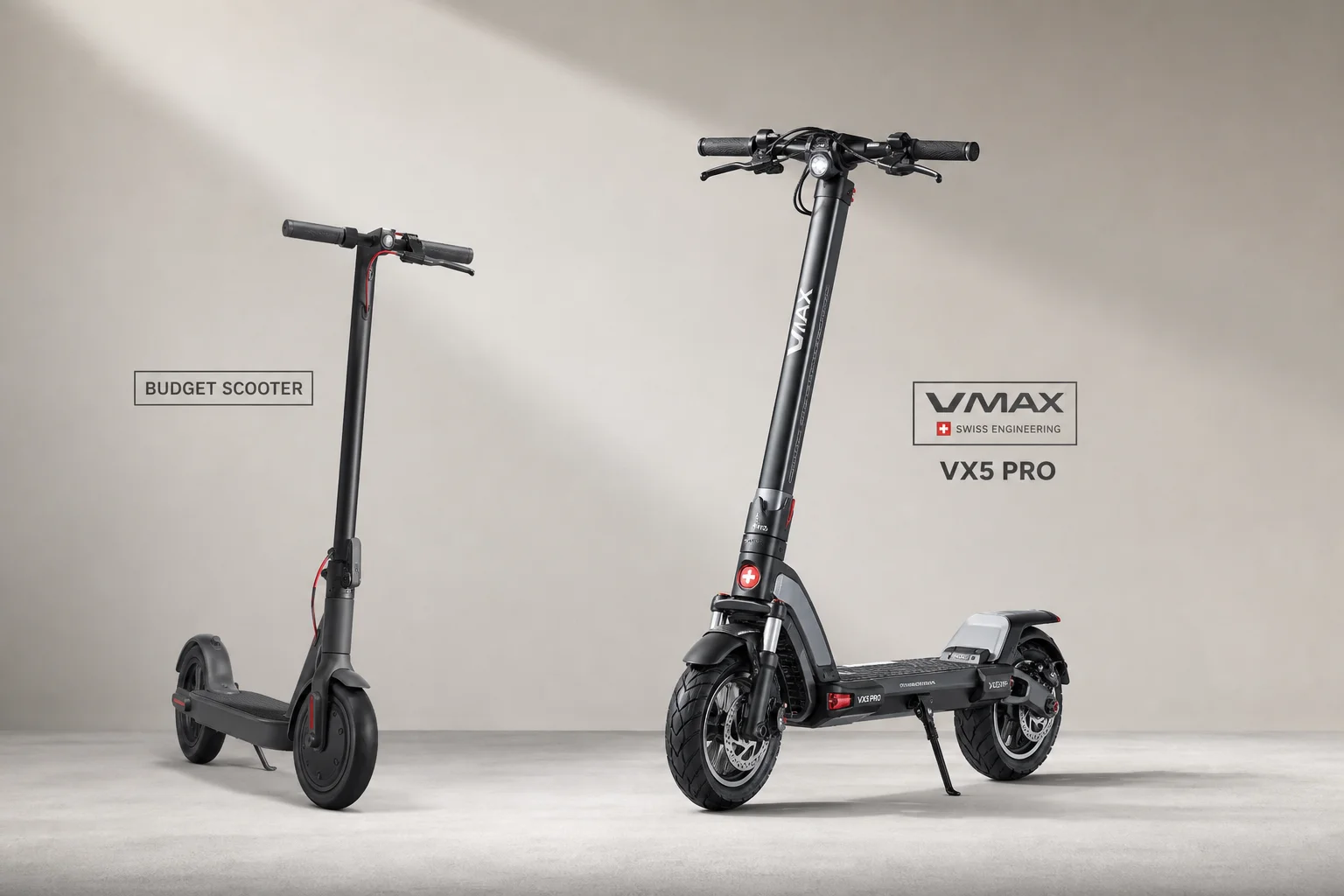
VMAX VX5 Pro vs Budget Electric Scooter: Real-World Performance Tested
A detailed comparison of the VMAX VX5 Pro against a bestselling budget scooter, testing top speed, hill climbing, range, and ride quality to help you decide if the premium option is worth the investment.

Backpacking Gear
Building a 10 lb Base Weight: An Ultralight Backpacking Gear List
A practical walkthrough of the ultralight pieces behind a 10 lb base weight, from a 765 g pack and a roomy one-person tent to a full camp chair and a dependable water filter.

Road Bikes
10 New Road Bikes Worth Watching: Aero, Titanium, Steel and Endurance Standouts
A practical roundup of 10 new road bikes, from aero flagships chasing single-watt gains to titanium, steel and endurance platforms built for real roads.