Stationery
How to Annotate Your Books: 7 Tips and the Stationery That Makes It Easier
Annotating turns reading into an active, memorable habit. Here are seven practical tips, plus the pens, highlighters, tabs, and notebooks that work best for each one.
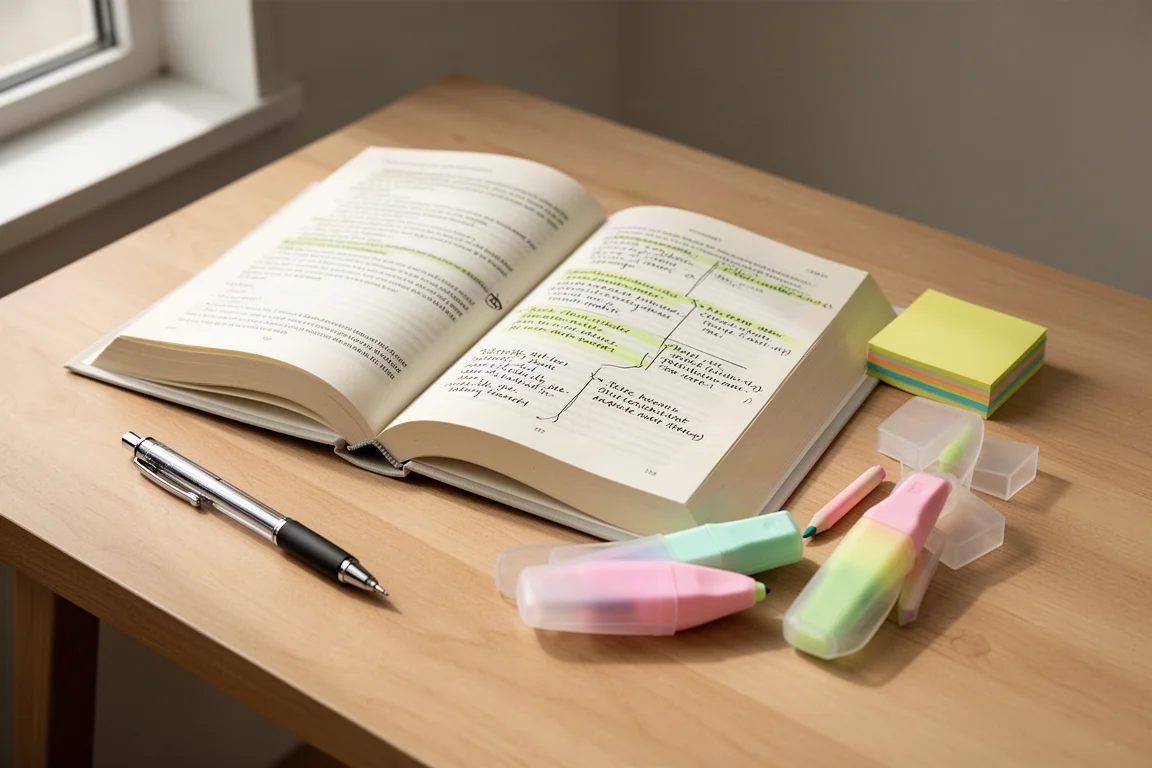
Introduction
If reading feels like a chore, the problem may not be the books. It may be how you read them. One of the most reliable ways to make reading more enjoyable is to annotate as you go: adding your own insights, reactions, and thoughts directly into the book. This guide covers seven practical annotating tips and the stationery best suited to each one.
Why Annotate?
Annotating helps you read actively by letting you engage directly with the material, sometimes literally if you are writing inside the book. That engagement supports memory retention and understanding. Annotations are also useful for future reference, especially if you are in a book club, writing a report, or trying to put together an in-depth review.

Write Inside Your Book
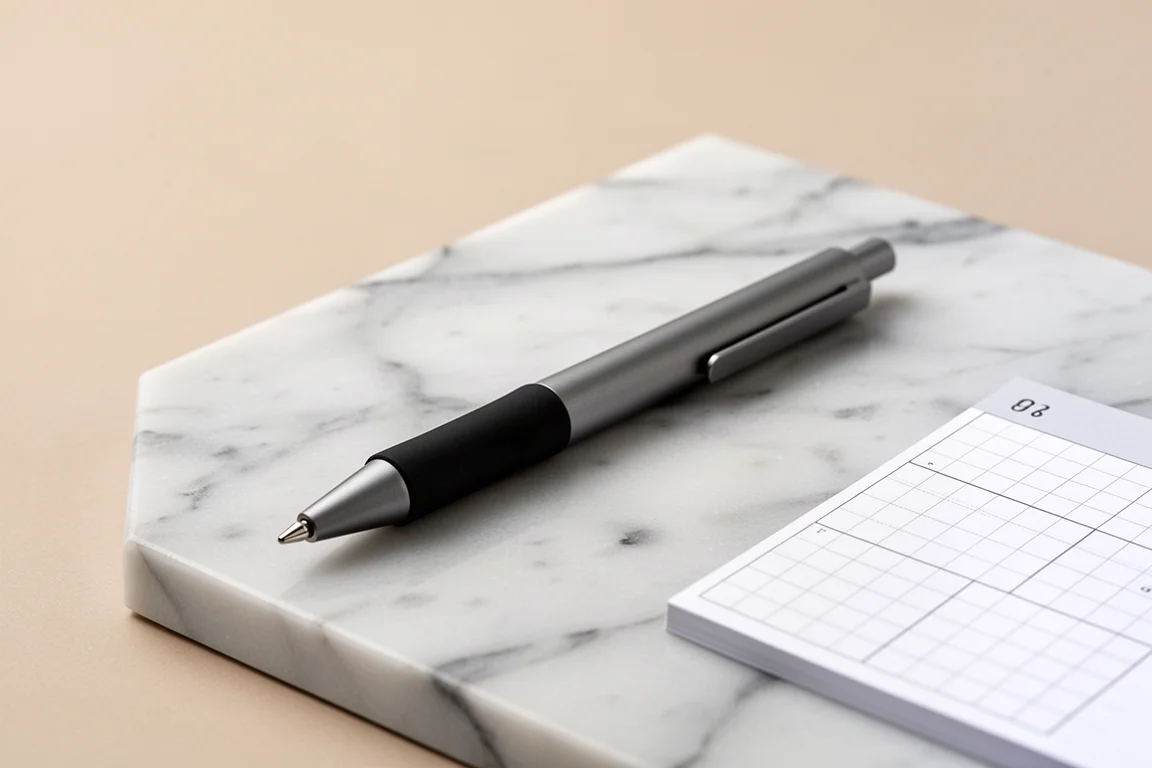
Writing your thoughts in the margins lets you interact with the text on a personal level, and you do not need to write much. Annotations can be commentary on funny dialogue, reactions to plot twists, rants about annoying characters, or even doodles. Pencils are often suggested for annotating, but regular graphite is prone to smudging. A fine-tip ballpoint pen like the Pilot Acroball T is a safe choice: notes dry almost immediately, and the fine tip fits more notes in the margins or between lines.
Highlight Text That Resonates
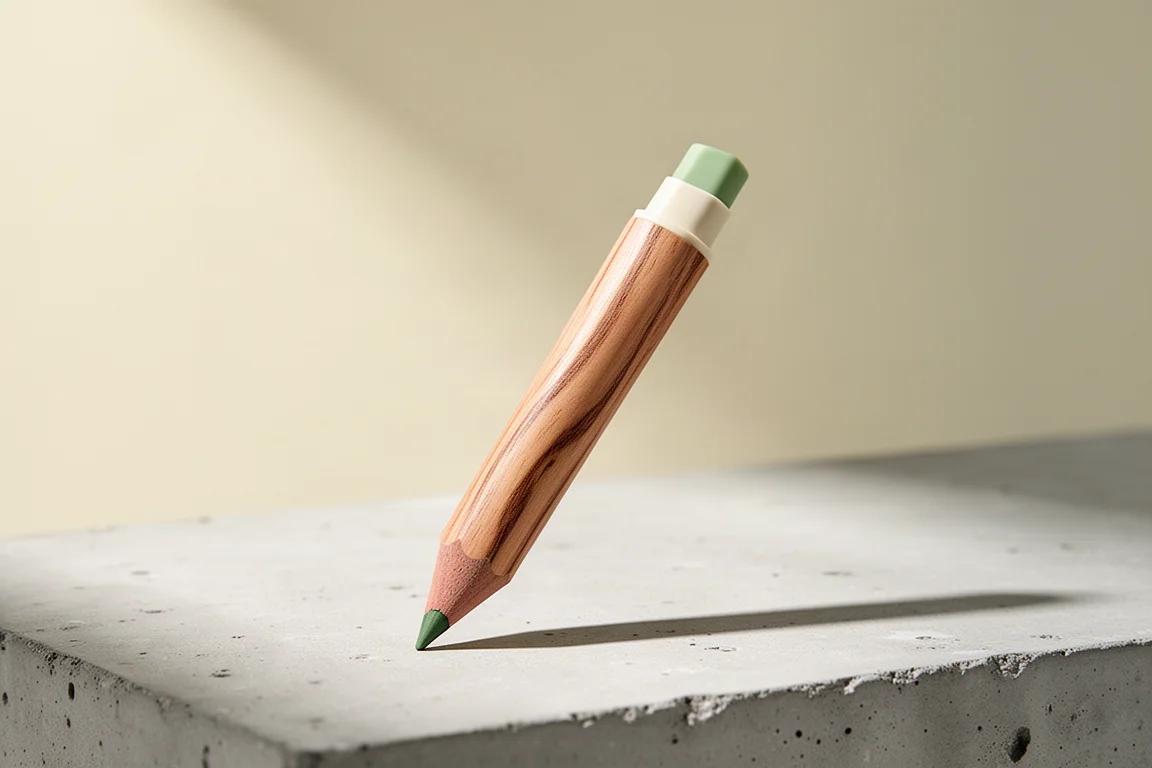
If a piece of text stands out, highlight it: quotes you like, recurring themes, or ideas that challenge your thinking. Just avoid highlighting the entire page, which wastes ink. If you worry about ink bleeding through the page, Kutsuwa HiLiNE Highlighter Pencils produce bright marks without bleeding, and they come with sharpeners. Unlike markers, they are more precise and will not dry out, and Kutsuwa also makes refillable pencil highlighters.
Make a Color-Coding System
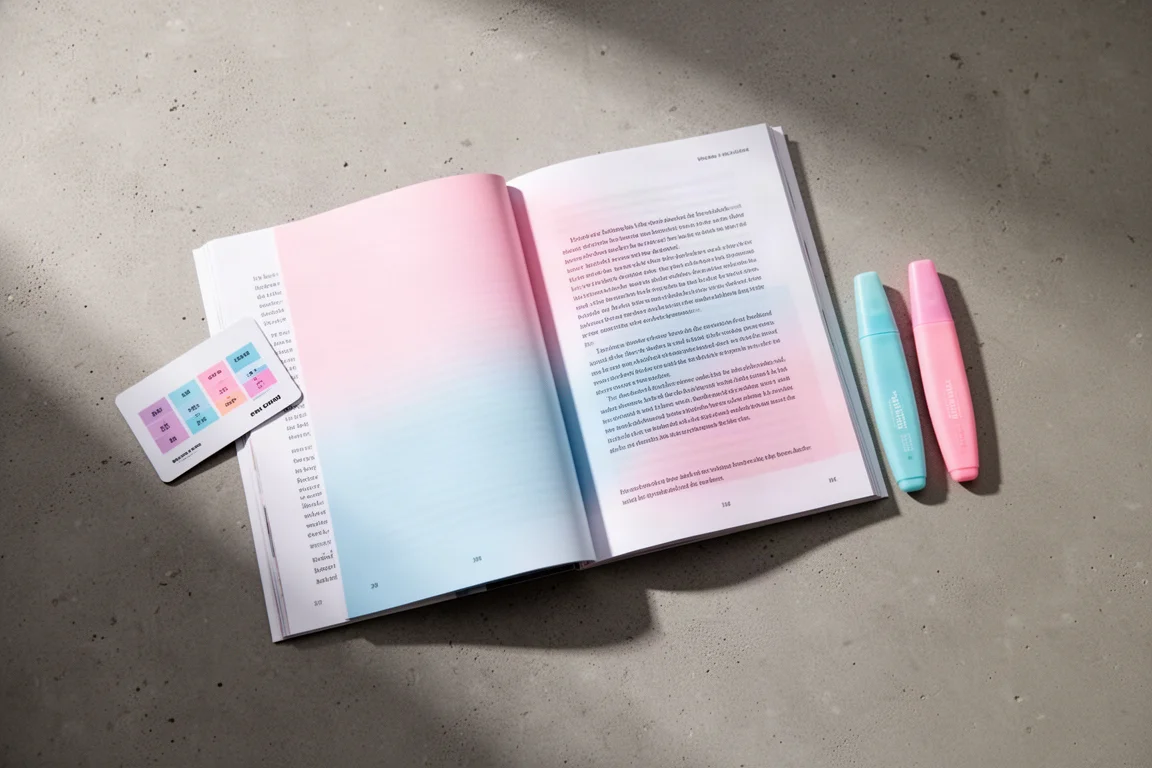
Color-coding makes it easier to organize information and adds meaning to the text. It does not have to be limited to highlighting; you can incorporate underlining and other notes into your system. Choose your colors carefully and make a key, avoiding an overwhelming number of colors or shades that all look the same. For example, highlight important facts in pink and underline impactful writing in blue.
Special highlighters like the Sun-Star Ninipie already come color-coded, and some have contrasting colors. Because the fineliner and chisel tip sit right next to each other, you do not have to cap, flip, and uncap the way you would with double-sided pens, so you spend more time with the text.
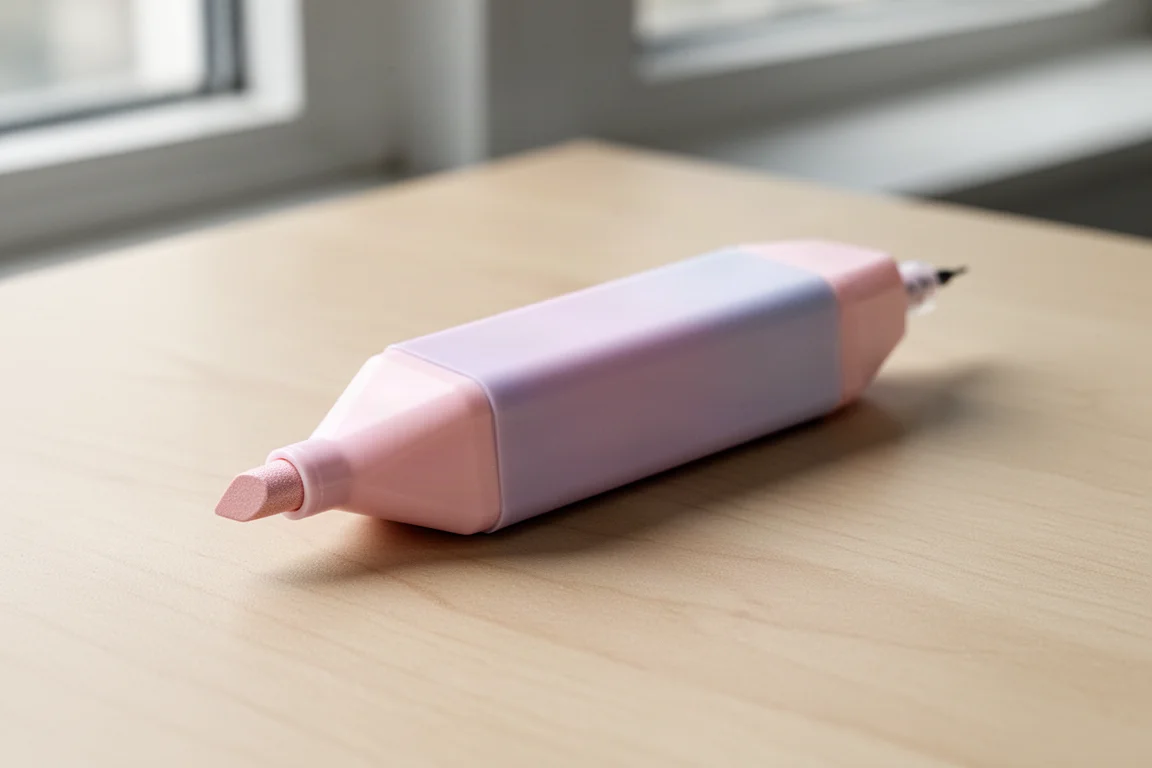
Attach Notes to the Page
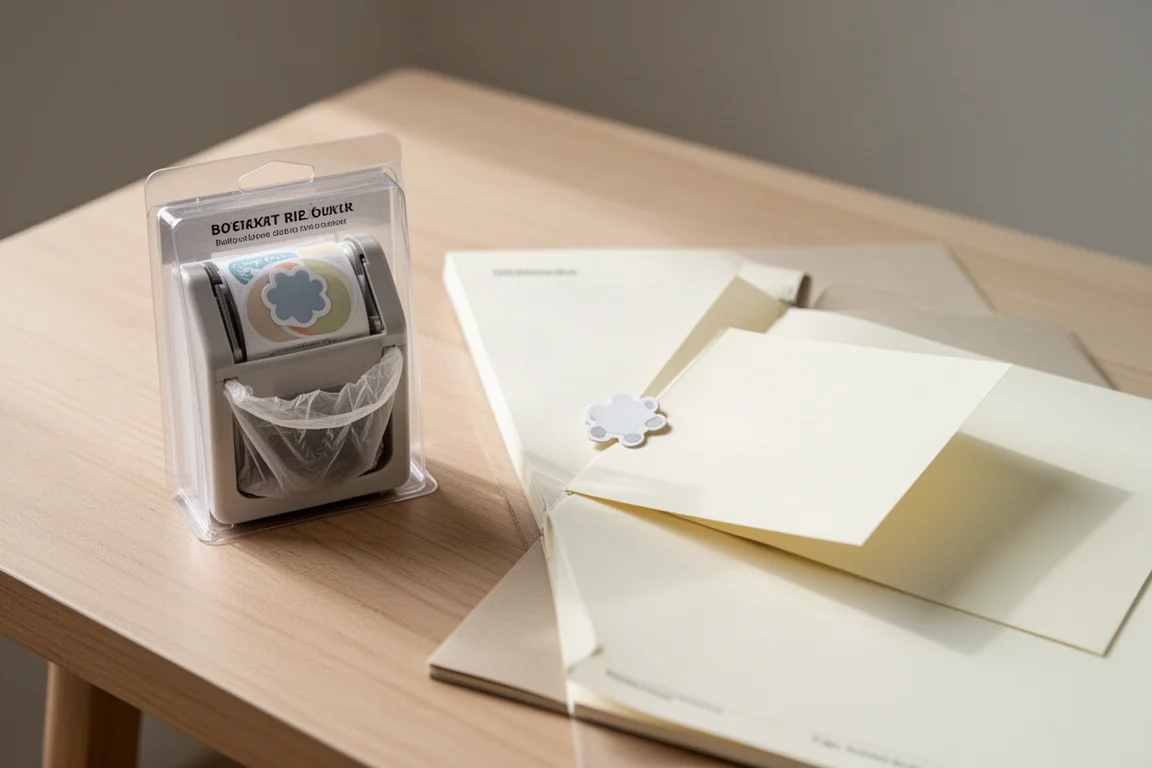
If you need more space for your thoughts but do not want loose sheets, washi tape can attach notes to the page as a fold-out flap that will not slip out or cover important text. For a more permanent option in your own books, Kokuyo Choi+ Sheet Connecting Stickers are a charming choice.
Bookmark with Sticky Tabs
Page flags are a great option if you want to mark pages without writing in your book. Only bookmark pages that are important or concentrated with crucial information; if you bookmark everything you find interesting, your page flags become indistinguishable. Pinpoint the exact section you care about too, or you may forget why you bookmarked it.

Beverly Cocosasu Page Markers add a clever touch: stick the flag where you want to mark the text, then tear at the perforation, and the other half marks the page. For more traditional page flags, Iconic Index Sticky Notes come in a gorgeous offering of colors and themes.


Use Transparent Sticky Notes
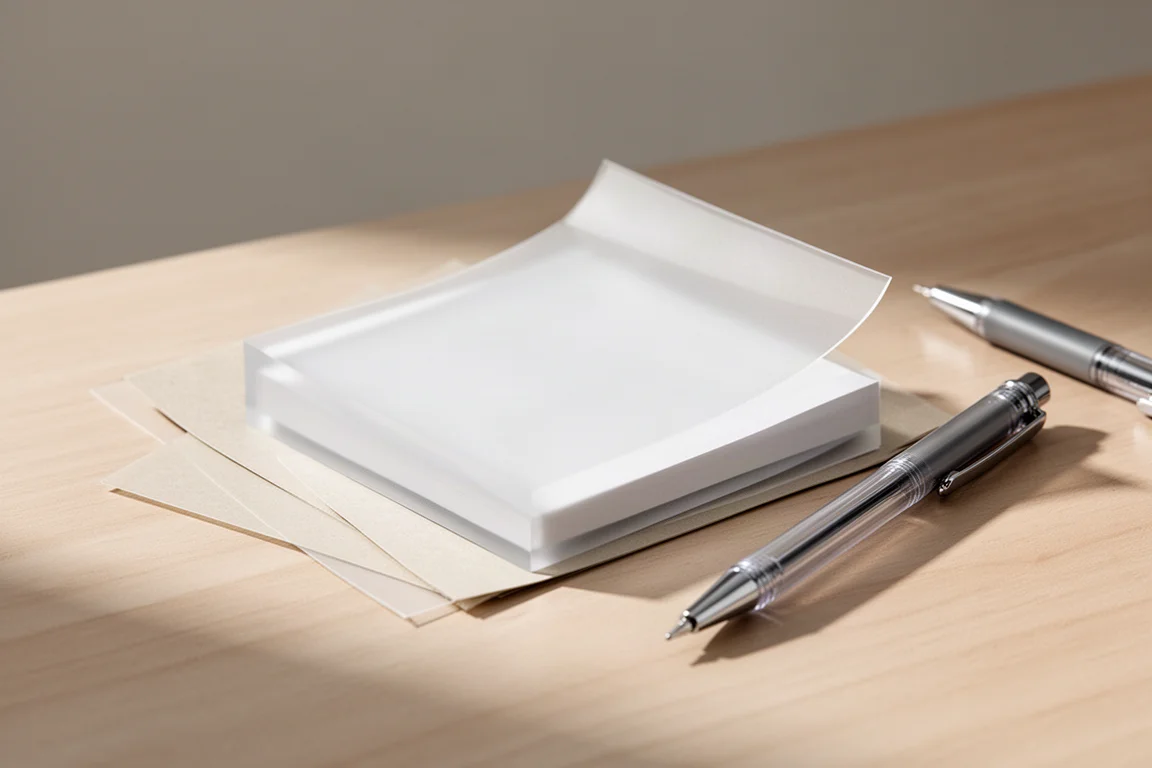
Sticky notes are handy when you want to write a lot, but they cover up information. Stalogy Translucent Sticky Notes let you take notes, highlight, and circle phrases without blocking anything. You can also color the ends to turn them into page flags, then draw an arrow on the other end pointing at the section you want to reference. Keep in mind that gel pens are prone to smearing on these, so pencils and ballpoint pens are the better choice.
Keep a Dedicated Reading Notebook
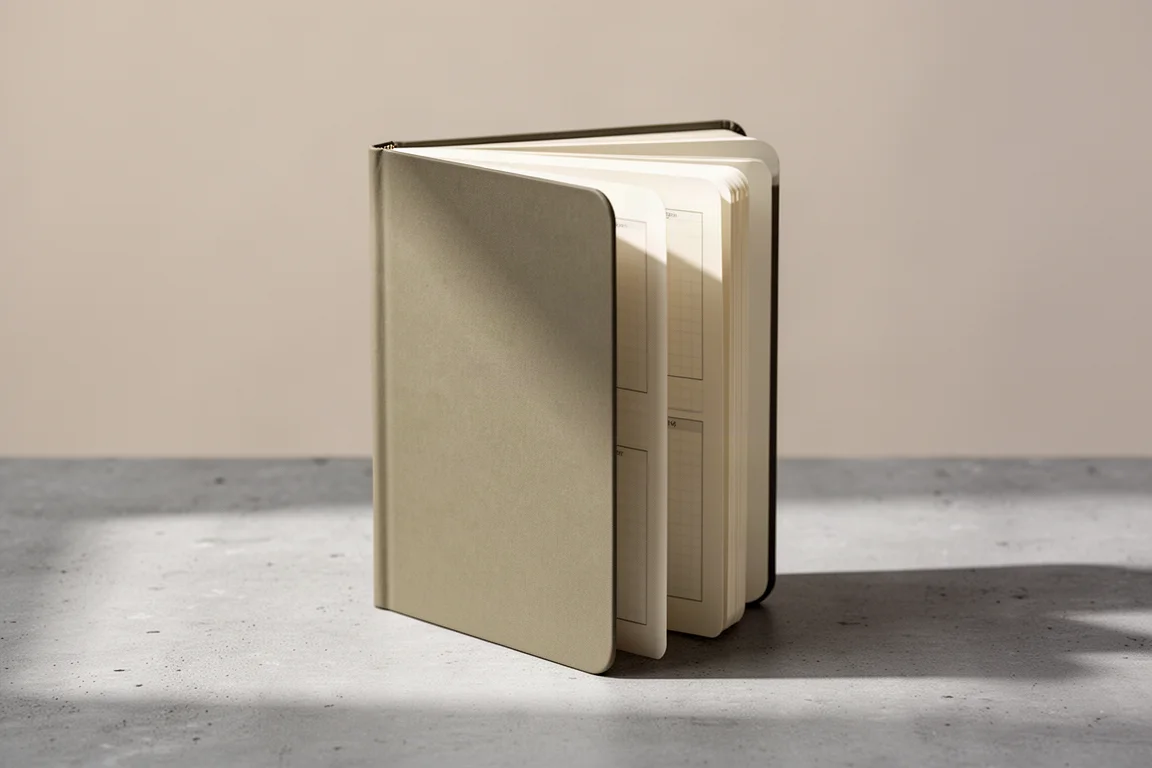
If you prefer to keep your books pristine, borrow from the library, or simply want a more organized approach, dedicate a separate notebook just to reading. A Mark’s EDiT Reading Notebook is a perfect reading companion, with plenty of space for thoughts, memorable quotes, and even your ratings of books. It keeps all your insights in one place, includes sections for cataloging your top books, offers dot grid pages in the back for additional notes, and features a fold-out book log for charting your reading accomplishments over a year.

Conclusion
Annotating works best when the tools match the method: fine-tip pens for margin notes, bleed-free highlighters for selective marking, tabs and stickers for non-destructive notes, and a dedicated notebook for readers who want everything organized in one place. Pick the tips that fit how you read, and enjoy the books more for it.
Further reading
Related Reviews
Stationery
Musgrave Pencils Review: Four Classic Pencils from Tennessee's Last Pencil Factory
We put four Musgrave pencils to paper, from the classic Harvest to the Unigraph 1200 drawing pencil, to see what a century-old Tennessee workshop can still do.
Stationery
Fountain Pen Tiers Explained: From Starter Pens to Luxury Grails
A practical overview of the different levels of fountain pens and inks, from a sub-$20 starter setup to Italian piston fillers and retractable gold-nib everyday carries.
Stationery
HP Premium 32 lb Copy Paper Review: A Fountain Pen Friendly Everyday Printer Paper
A heavy, smooth 120 GSM copy paper that handles fountain pens far better than standard printer stock, with only minor trade-offs in shading and sheen.