Portable Power Stations
Anker PowerHouse 767 Review: Portable Power for Work and Play
A well-thought-out 2048Wh portable power station with LiFePO4 batteries, an RV-ready outlet, built-in wheels, and expansion options.
Introduction
Portable power stations have come a long way, and the Anker PowerHouse 767 is one of the most well-thought-out units we have spent time with. It is designed to cover both work and leisure: powering tools on a job, keeping a portable fridge cold on a road trip, running an RV without hookups, or simply keeping the music and lights going through a long summer evening.
This review walks through what it can actually do, the specs that matter, and who it makes sense for.
First Impressions and Design
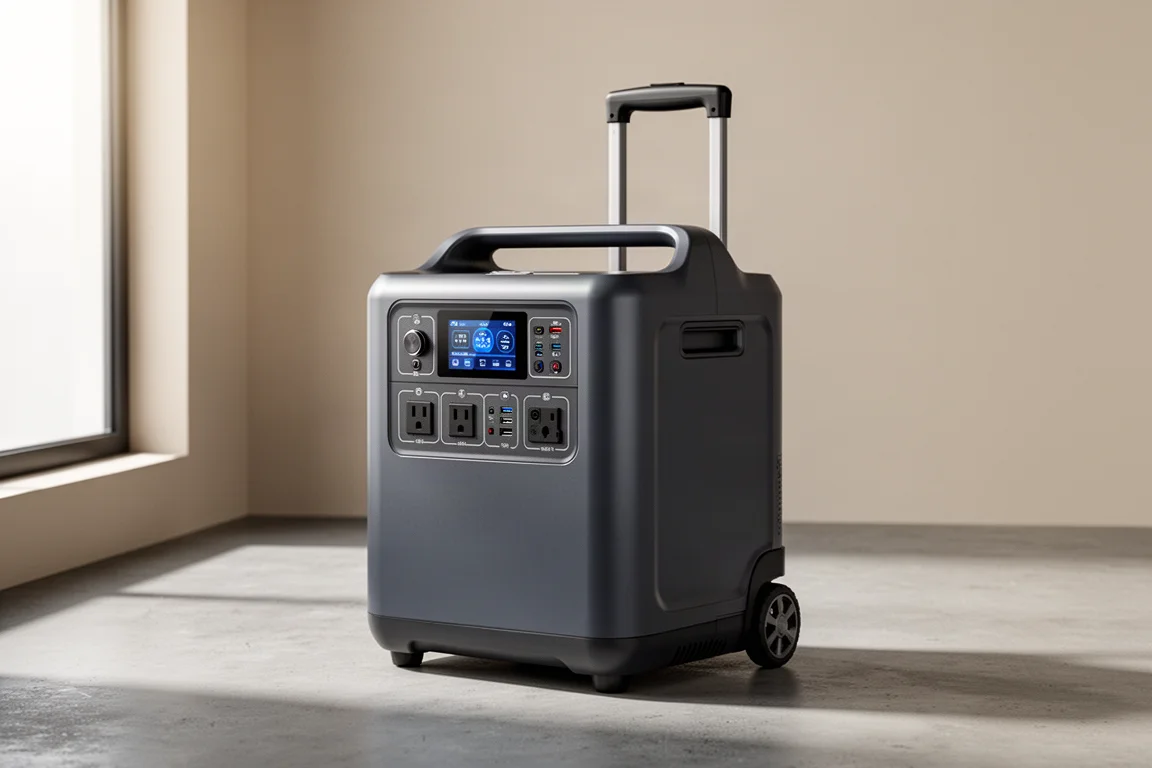
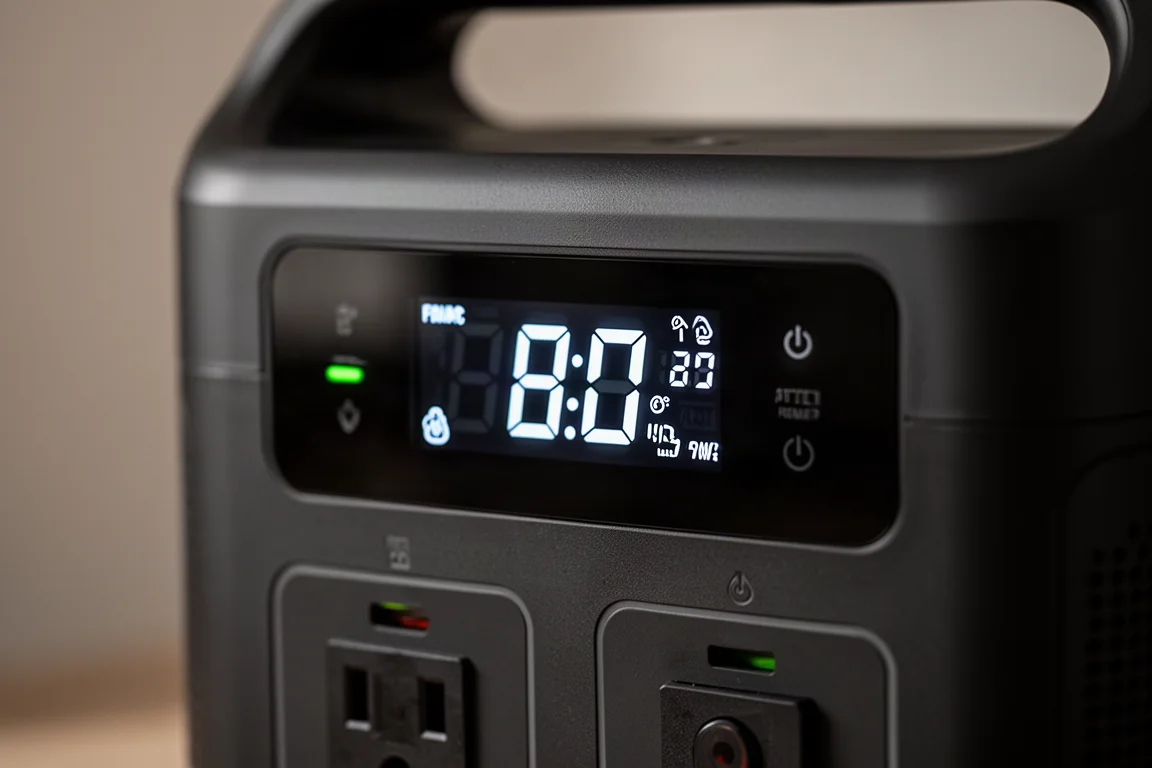
Out of the box, the PowerHouse 767 feels like a premium product. The unibody design looks clean, and the top-mounted display is genuinely one of the nicest we have seen on a power station, showing exactly where power is flowing at any moment. Instead of the gimmicky flashing SOS light bars some units carry, Anker keeps the lighting practical.
Port selection is generous, with 12 total outlets: two USB-C ports (100W on the main one, which matters for laptop users), three USB-A ports, four AC outlets, a 30-amp TT-30R RV-style plug, and 12V car sockets. On the back you will find the AC input, an XT-60 input for solar, a fuse, and a port for connecting an expansion battery, which is a nice path for growing capacity later rather than buying a bigger unit up front.
Battery Chemistry and Specs That Matter
The headline feature is the LiFePO4 battery chemistry. Compared with the lithium-ion cells used in many power stations (and power tools), LiFePO4 is far less prone to overheating issues and offers a dramatically longer cycle life. Anker rates the battery for around 3,000 charge cycles, backed by a five-year warranty, which the brand frames as roughly ten years of daily use. Since batteries are consumables, that cycle count is one of the most important numbers here.
The core specs:
- 2,048Wh capacity
- 2,400W output
- 12 total outlets
- 1,000W max solar input (XT-60)
- 1,440W max AC input for fast charging
- 20ms UPS switchover
- 3,000 battery cycles, five-year warranty
The 20ms UPS switchover is not server-room grade, but it is more than adequate for keeping a desktop PC or an always-plugged-in laptop running through an outage. For anyone who works from home, that alone is a compelling use case.
Real-World Performance
In use, the 767 handled everything we threw at it. It charged phones, ran a portable fridge, and even powered a chopsaw through cutting scrap metal, though that is not the kind of workload you would run every day on battery power. For campsite and RV use it is more natural: it plugs directly into a 30-amp RV inlet, and it will run essentially everything in a typical rig except the air conditioner for extended periods. Running the AC briefly to cool things down is realistic; running it for hours is not.
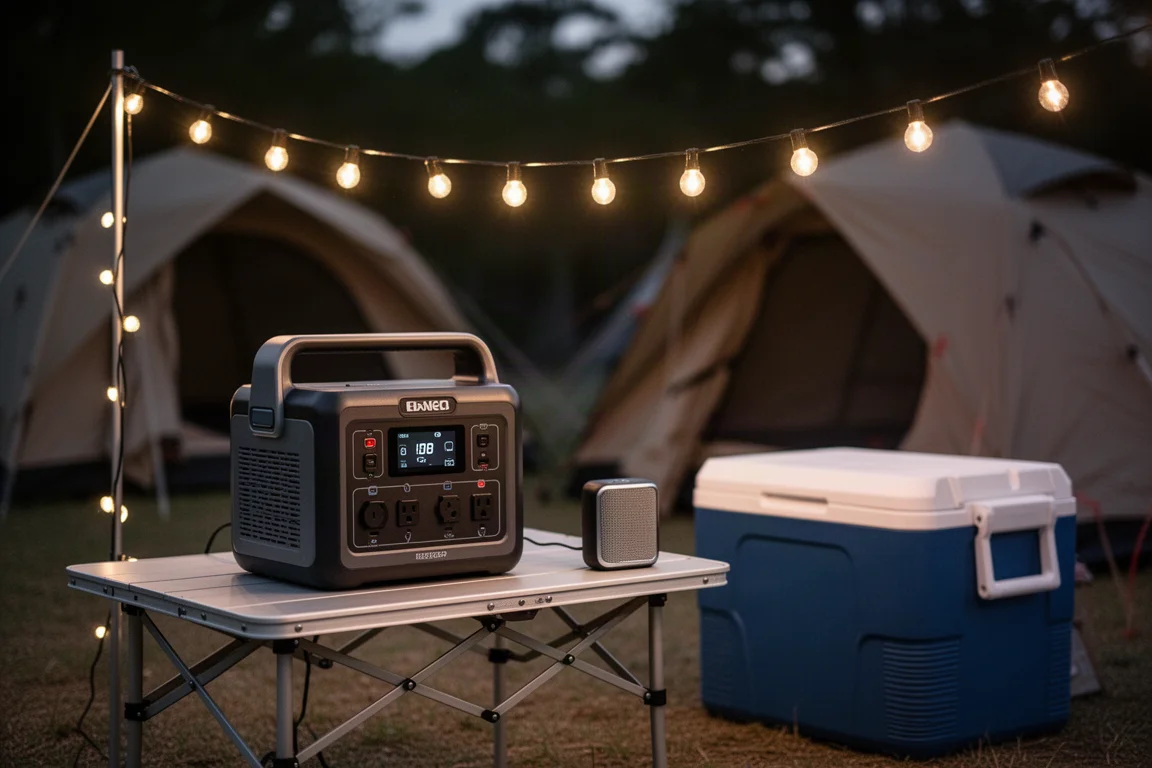
For road trips, pairing it with a 12V portable fridge is one of the best use cases. Park the unit in the back, plug the fridge in directly, and you have cold drinks and food for the whole drive without paying for overpriced roadside food.
Portability That Actually Works
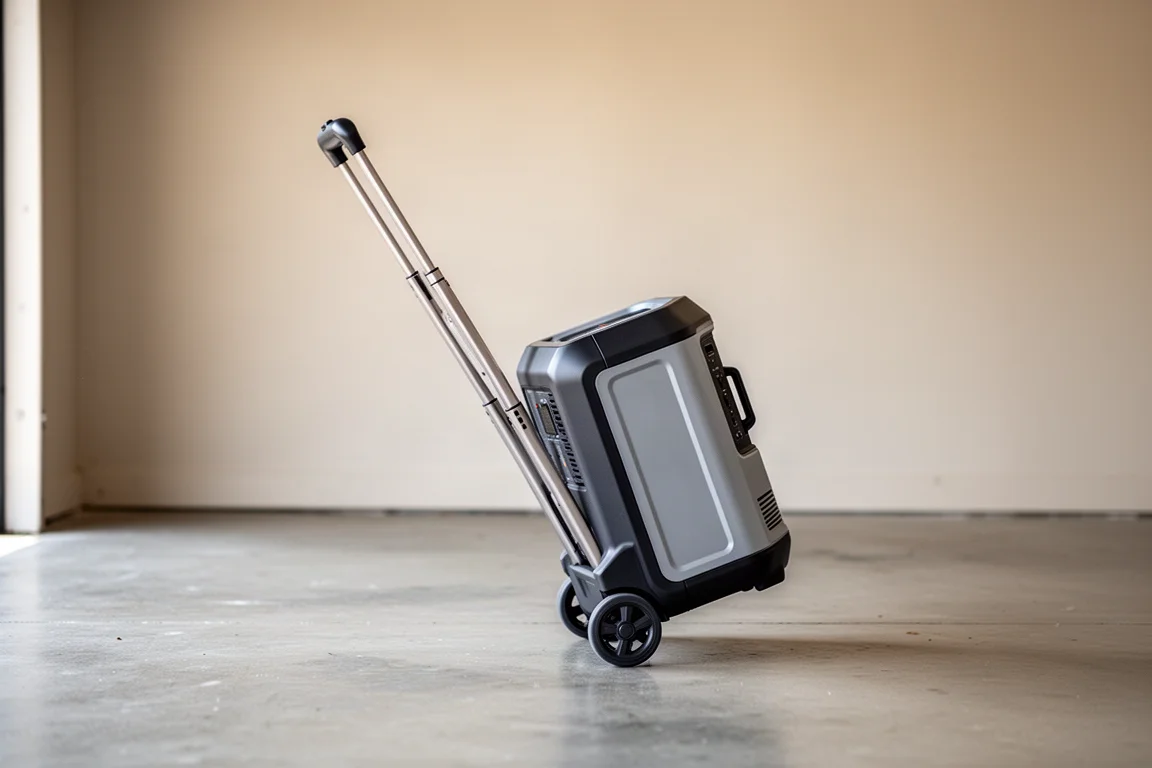
At roughly 40 to 50 pounds depending on how you lift it, this is not a grab-and-go unit, but the design acknowledges that. The retractable luggage-style handle and built-in wheels make it genuinely easy to move around, which is more than we can say for most units in this class. Even an eleven-year-old could roll it across the driveway, and the carry experience feels closer to moving a large suitcase than hauling a generator.
Charging Options and Backup Power
Charging flexibility is a strong point. AC fast charging maxes out at 1,440W, and with a proper solar array, up to 1,000W of solar input means a full recharge in around 2.5 hours using five 200W panels. Anyone who has waited all day for a couple of small panels to squeeze out 20 percent will appreciate that rate.
There is also a companion smartphone app for monitoring inputs and outputs and toggling ports remotely. It works fine, though it is arguably optional if you prefer physical controls.
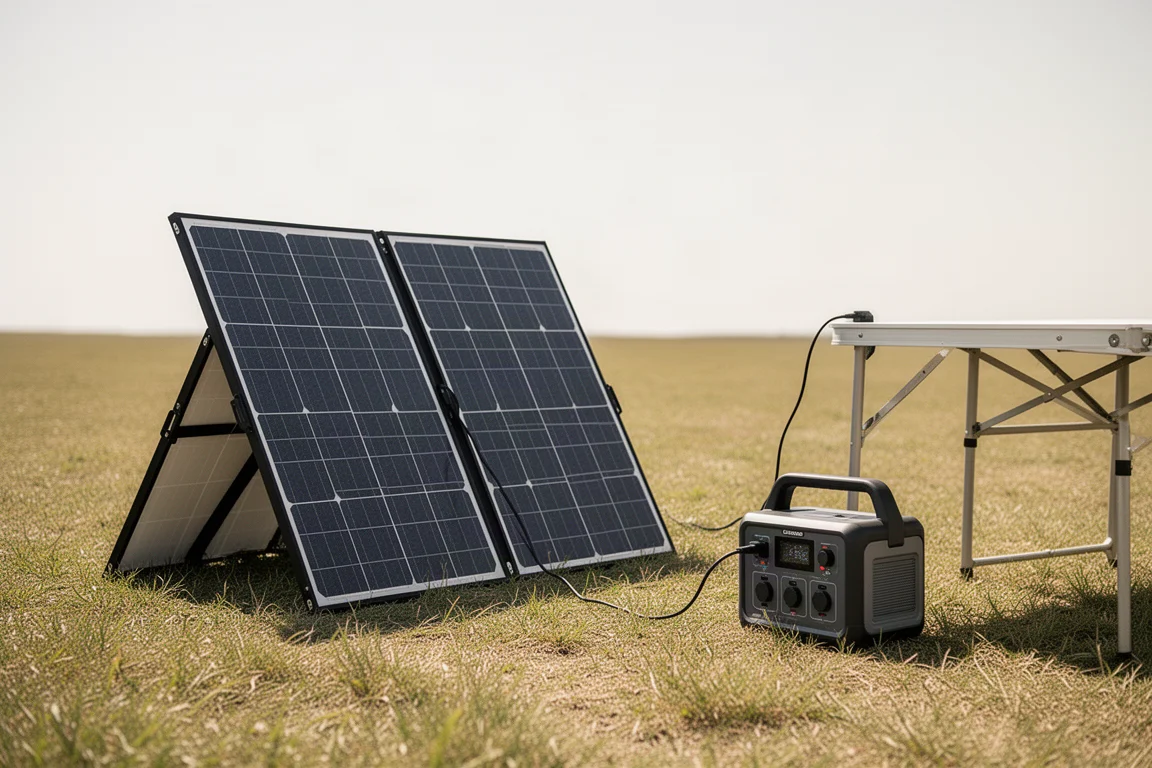
The expansion port deserves a mention too: attaching a backup battery lets you grow total capacity without replacing the base unit, which makes the 767 a more future-proof purchase than its capacity alone suggests.
Things to Consider Before Buying
This is not an inexpensive unit, and that is the main hurdle. It also will not run a large RV’s air conditioning for long stretches, so buyers with bigger rigs and multiple AC units should look elsewhere. Finally, if you never leave the house and only want emergency backup, a smaller and cheaper unit may cover you.
Buying Advice
The PowerHouse 767 makes the most sense for three groups: RV owners who want to boondock without running the air conditioner, homeowners who work online and want a UPS-style buffer against outages, and campers or road-trippers running fridges, lights, and speakers. Anker has been running promotions with up to $500 in savings and free gifts alongside the 767, so it is worth checking current deals before paying full price.
Conclusion
The Anker PowerHouse 767 stands out in a crowded field because the details add up: LiFePO4 cells rated for 3,000 cycles, a five-year warranty, an RV-ready 30-amp outlet, luggage-style wheels and handle, solid solar and AC charging rates, and room to expand. If your use case matches any of the scenarios above, it is one of the stronger options in its class.
Product link
View more details for Anker PowerHouse 767
This product is mentioned in the review. Check the specifications, options, and compatibility before buying.
View more details for Anker PowerHouse 767Further reading
Related Reviews

Portable Power Stations
Anker SOLIX F3000 Review: A Powerful Portable Power Station With a Few Design Quirks
The Anker SOLIX F3000 delivers strong performance, fast charging, and a competitive price, but a few design choices may give you pause.

Portable Power Stations
EcoFlow Delta 3 Series: Five New Power Stations Previewed
EcoFlow expands the Delta 3 lineup with five models, from the compact Classic to the flagship Ultra Plus. Here is what each one offers.
Portable Power Stations
Oscal Power Max 6000 Review: A Large Solar Generator With Real Trade-Offs
A week of off-grid use shows what the Oscal Power Max 6000 handles well, where it falls short, and when a fuel generator still makes more sense.