Portable Power Stations
Anker 767 PowerHouse Review: A High-Capacity Portable Power Station for Camping and Outdoor Power
A close look at the Anker 767 PowerHouse, a large-capacity portable power station with GaN charging, app control, solar input, and an expansion battery option.
Introduction
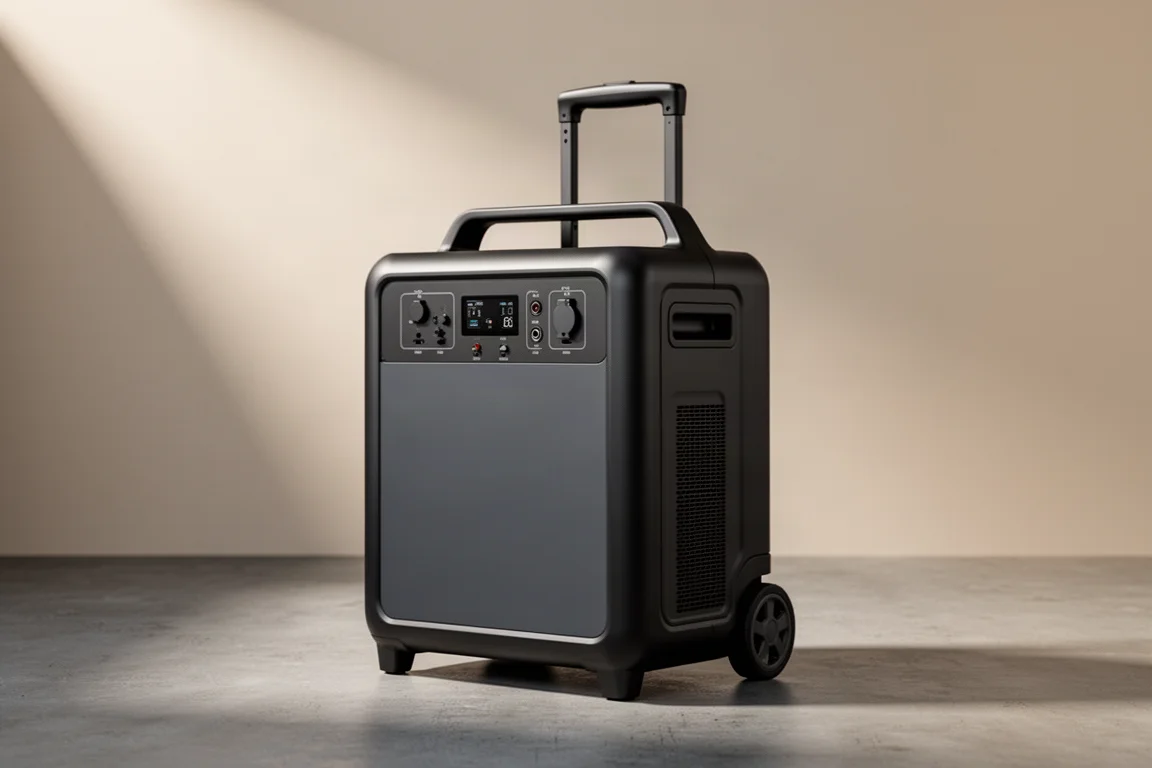
The Anker 767 PowerHouse is a large-capacity portable power station aimed at people who need real mains-style power away from a wall socket. It is positioned as the first GaN-powered portable power station, and the battery is quoted at a capacity of 2,048Wh. Anker backs the unit with a five-year warranty, a stated 3,000 charge cycles, and an estimated ten-year lifespan.
That combination of capacity, warranty, and cycle life is what separates it from smaller battery boxes. It is a considered purchase rather than an impulse buy, and the design reflects that: a heavy unit with a telescopic suitcase-style handle and wheels so it can be moved over rough ground instead of being carried.
Who This Product Is For
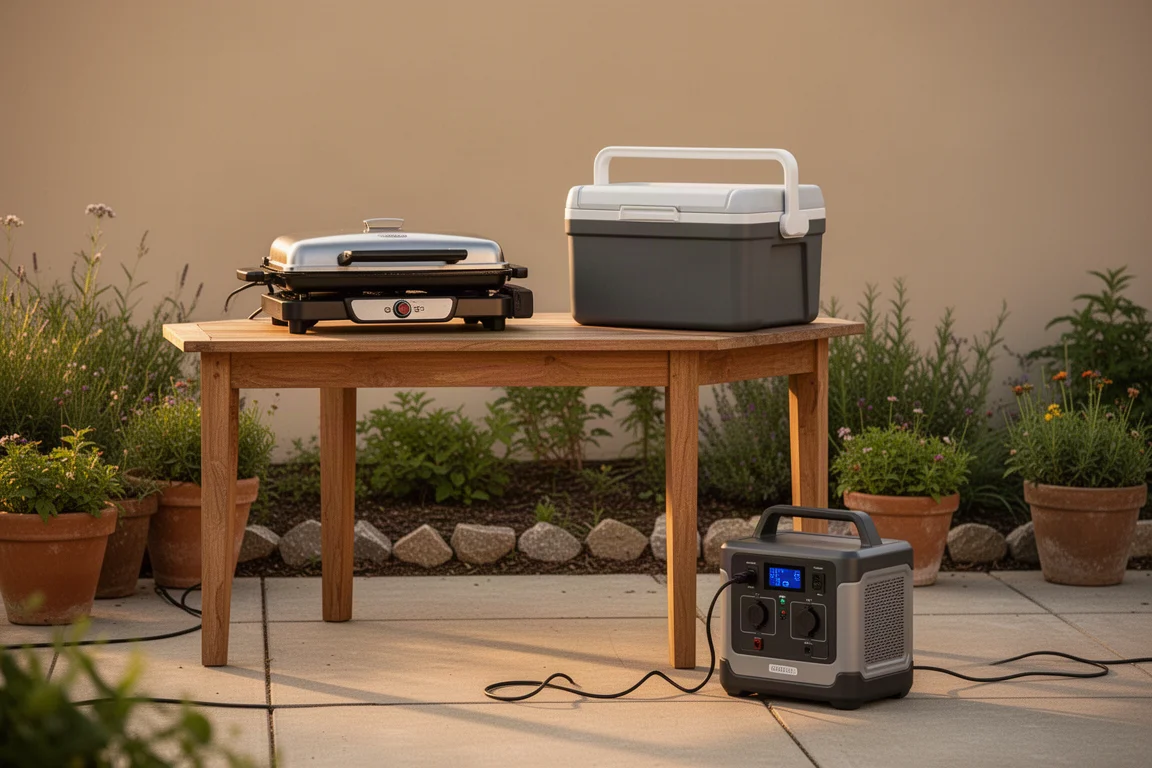
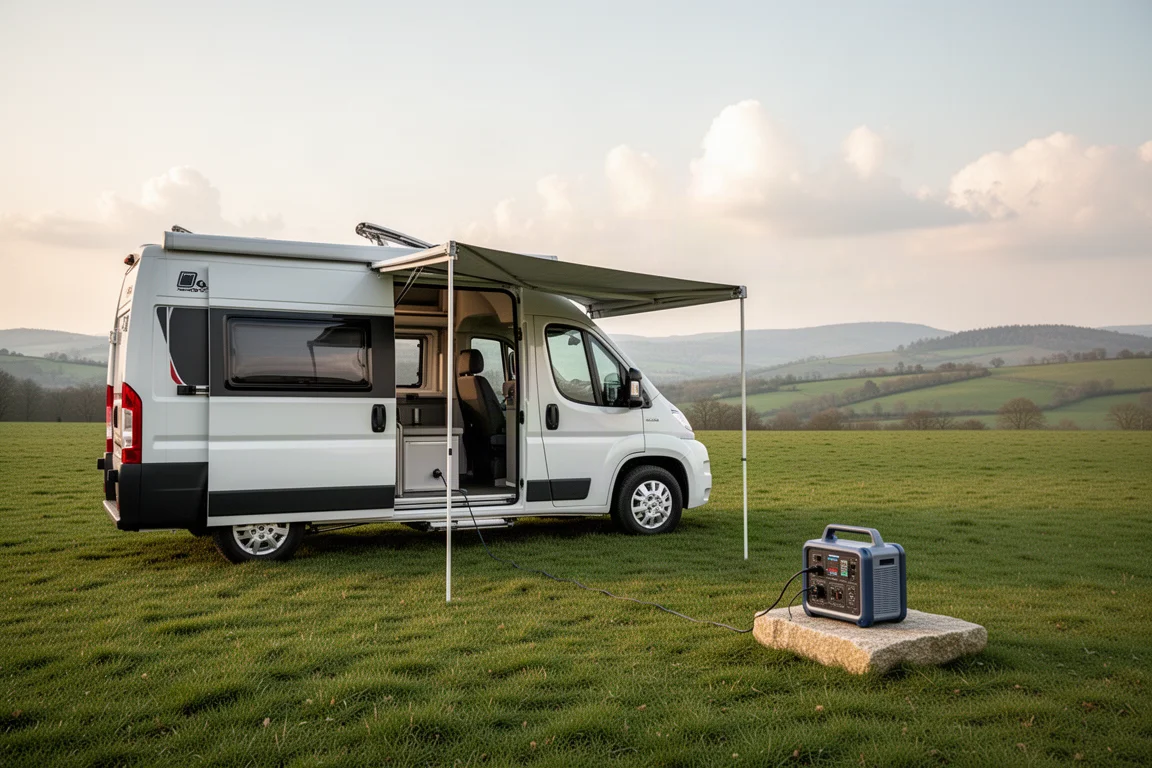
This is a station for owners with genuinely power-hungry plans. It suits camping and campervan or motorhome trips, outdoor cooking setups, and shared outdoor spaces such as sports clubs and community grounds where a barbecue or a sound system needs to run without a nearby outlet. It also works for charging an e-bike and for keeping a cool box cold through a long day outside.

The wheels and pull-out handle matter more than they might first appear. The unit is heavy, and the handle and wheels are designed for use over uneven ground, so moving it from a vehicle to a pitch or a field does not require lifting it the whole way. Drop resistance is also part of the design, which adds confidence when the station is being loaded and unloaded repeatedly.
If your needs are limited to topping up a phone and a small light, a smaller station in the same family will be easier to live with. The 767 PowerHouse makes sense when capacity and output count for more than portability.
Main Strengths
The headline strength is capacity that can be extended. An expansion battery can be mounted on top of the station and doubles the already substantial capacity, which means the same unit can grow with your needs instead of being replaced.
Charging speed is the second standout. Despite the size of the battery, the station recharges in around two hours, which is unusually quick for this class of product. Solar panels can also be connected, so the station can be topped up off-grid when conditions allow.
Longevity is the third. A 3,000-cycle rating, a five-year warranty, and an estimated ten-year lifespan give the purchase a long service horizon, and the app includes energy-saving options intended to prolong battery life further.
Ports and Output Options
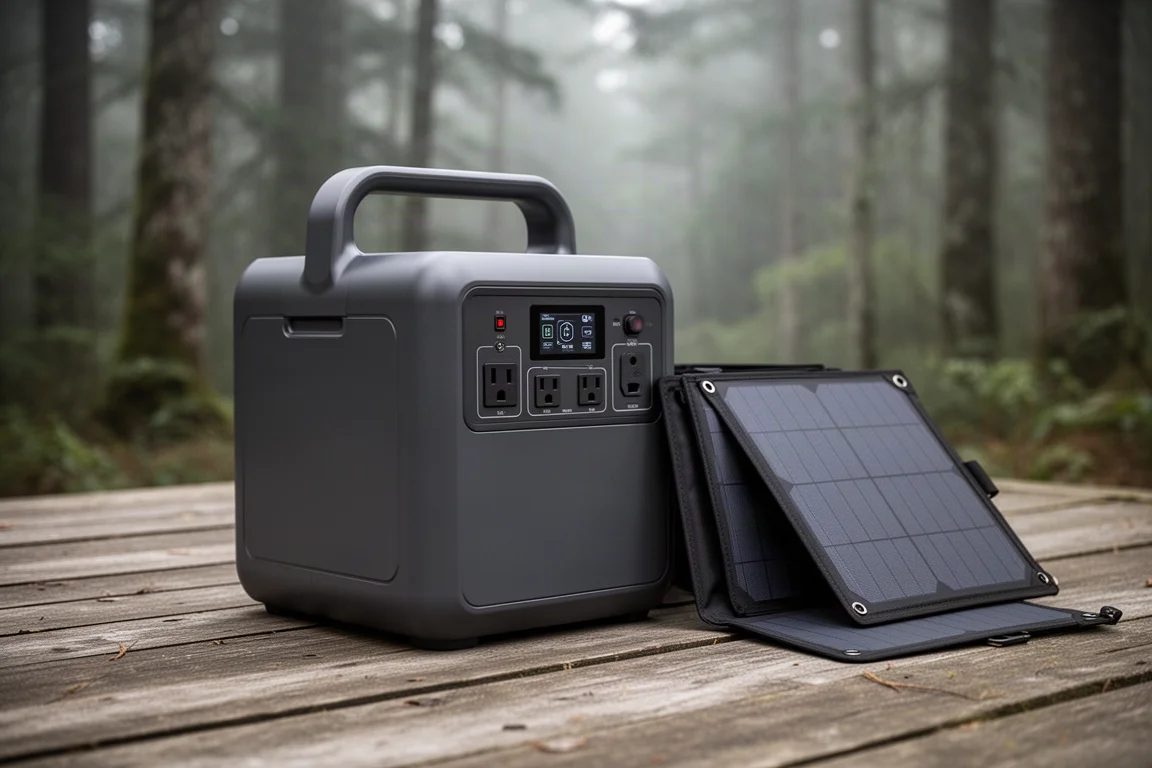
The front panel covers most everyday needs without adapters. There are two USB-A ports, three USB-C ports, two car-style 12V charging points, and three AC sockets.
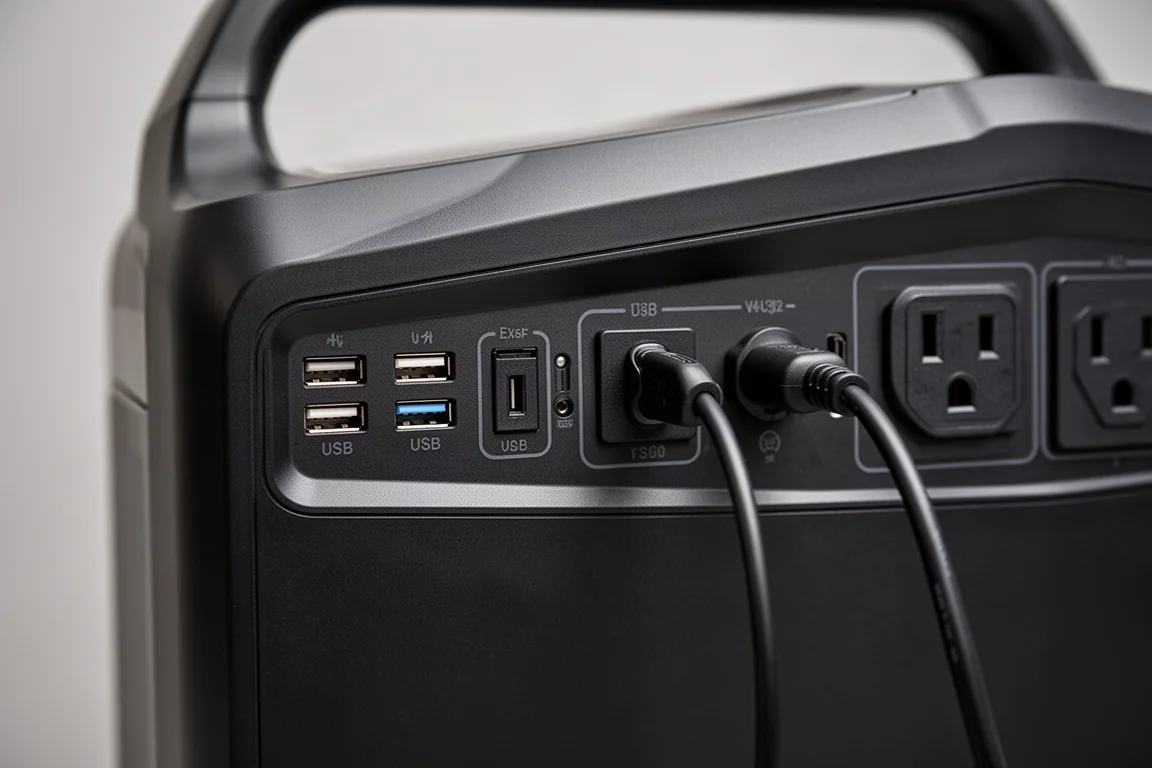
That mix is practical for a mixed load: laptops, phones, and cameras on USB, 12V accessories through the car-style outlets, and mains appliances through the AC sockets. Because the port count is generous, several devices can be connected at once rather than rotated through a single outlet.
Battery, Charging, and Longevity
The battery is quoted at 2,048Wh, which is enough for sustained use rather than a quick top-up. Recharging from empty takes roughly two hours, and solar input is supported for situations where mains power is not available.
Cycle life is rated at 3,000 cycles, which is high for a consumer power station, and Anker estimates a ten-year lifespan alongside a five-year warranty. For buyers comparing options, that service horizon is often the deciding factor: the unit is an investment, and the warranty is the part that gives confidence it will keep working.
App Control and Energy Management
The station pairs with a phone app over Bluetooth, and pairing is quick with no lengthy setup routine. Once connected, the app reports the essentials at a glance: battery percentage, internal temperature, and estimated remaining runtime. A typical reading might show 59 percent charge, an internal temperature of 18 degrees, and just under ten hours of remaining use.
The app also carries energy-saving settings designed to extend battery life, along with profile, settings, help, and feedback sections. One practical detail worth knowing is that outputs are not always live: you have to switch them on and give them a time limit, otherwise no power flows to connected devices. It takes a moment to learn, and after that it becomes second nature.
Things to Consider Before Buying
Weight is the first consideration. This is a heavy station, and while the handle and wheels make it manageable, it is not something you will want to carry up stairs regularly.
The price is the second. It is an investment purchase, and the value depends on how often you will use the capacity you are paying for. Buyers who only need occasional small-device charging may find a smaller model in the range more sensible.
The third is the output switching behaviour: devices will not charge until the relevant output is turned on with a time limit. It is a deliberate design choice, but it does mean a small change in habits.
Finally, the expansion battery and solar panels are separate additions. They extend capability considerably, and they also extend the total cost, so it is worth planning the full setup before buying.
Buying Advice
Buy the Anker 767 PowerHouse if you want a large, long-lived power station that can run mains appliances, charge a mixed set of devices, and be topped up quickly or from solar. The five-year warranty, the 3,000-cycle rating, and the estimated ten-year lifespan make it a reasonable long-term purchase for campers, campervan and motorhome owners, and outdoor venues that need dependable power away from an outlet.
Before ordering, decide whether you need the expansion battery for double the capacity and whether solar input fits your routine. If both are likely, plan for them from the start. If neither is needed, the base station still covers a wide range of everyday outdoor power tasks with a port layout that avoids constant cable swapping.
Conclusion
The Anker 767 PowerHouse is a serious piece of outdoor power equipment. Its large quoted capacity, roughly two-hour recharge, broad port selection, app-based monitoring, and long service horizon add up to a station that is built to be used hard and kept for years. It is heavy and it is an investment, but for buyers who need real capacity away from the mains, the trade-offs are easy to understand and easy to plan around.
Product link
View more details for Anker 767 PowerHouse
This product is mentioned in the review. Check the specifications, options, and compatibility before buying.
View more details for Anker 767 PowerHouseFurther reading
Related Reviews

Portable Power Stations
Anker SOLIX F3000 Review: A Powerful Portable Power Station With a Few Design Quirks
The Anker SOLIX F3000 delivers strong performance, fast charging, and a competitive price, but a few design choices may give you pause.

Portable Power Stations
EcoFlow Delta 3 Series: Five New Power Stations Previewed
EcoFlow expands the Delta 3 lineup with five models, from the compact Classic to the flagship Ultra Plus. Here is what each one offers.
Portable Power Stations
Oscal Power Max 6000 Review: A Large Solar Generator With Real Trade-Offs
A week of off-grid use shows what the Oscal Power Max 6000 handles well, where it falls short, and when a fuel generator still makes more sense.