Power Banks
Anker 737 PowerCore 24K (140W) Review: A Fast, Dependable Power Bank
A long-term look at the Anker 737 PowerCore 24K (140W), covering recharge speed, port layout, build quality, and the screen trade-offs worth knowing before you buy.
Introduction
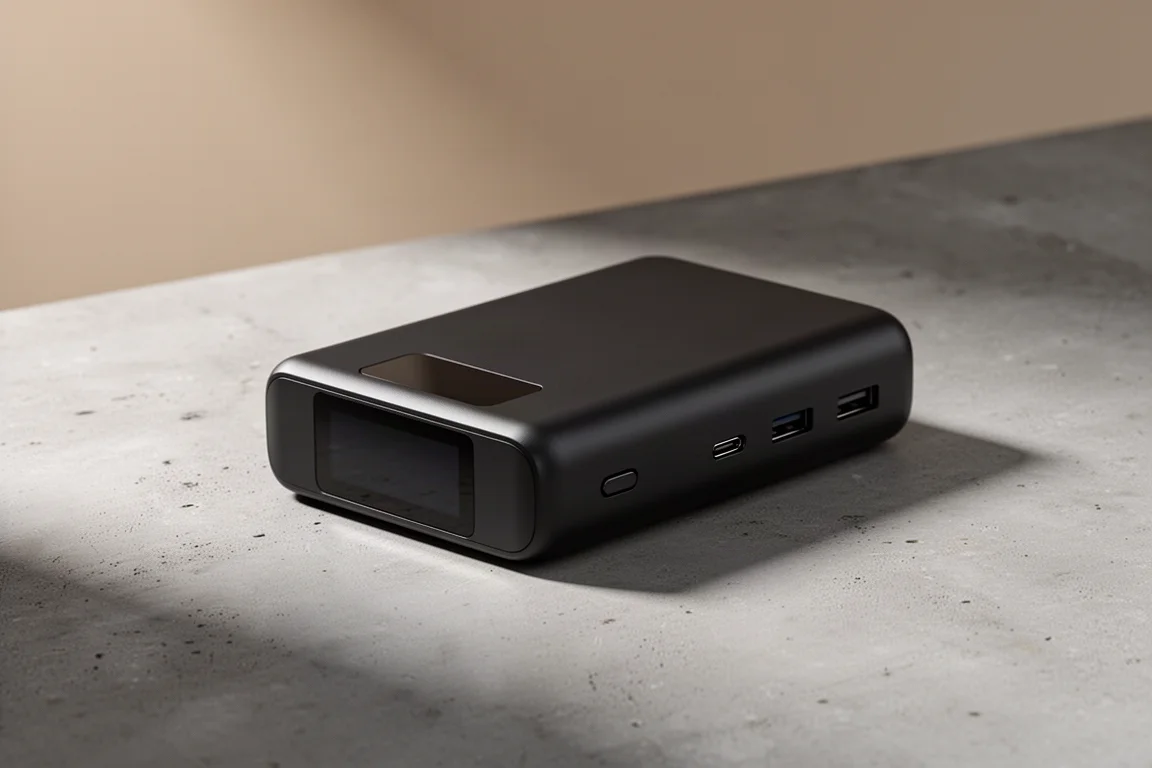
The Anker 737 PowerCore 24K (140W) is a high-capacity USB-C power bank built for people who carry several devices and do not want to wait hours for a recharge. Its headline claim is speed: paired with a compatible 140W charger, the pack refills in roughly 52 minutes, and a single USB-C port can deliver up to 140W to whatever is connected.
That combination matters most for travellers, backpackers and anyone working away from mains power. Across roughly 14 months of regular use, in hot summer conditions and on cold winter nights, this unit has held up without swelling, glitches or noticeable battery degradation.
Who This Product Is For
This power bank suits people whose phones or laptops support fast USB-C charging. If your phone charges at 100W, a pack like this keeps pace at a meaningful share of that speed instead of trickling power in overnight.
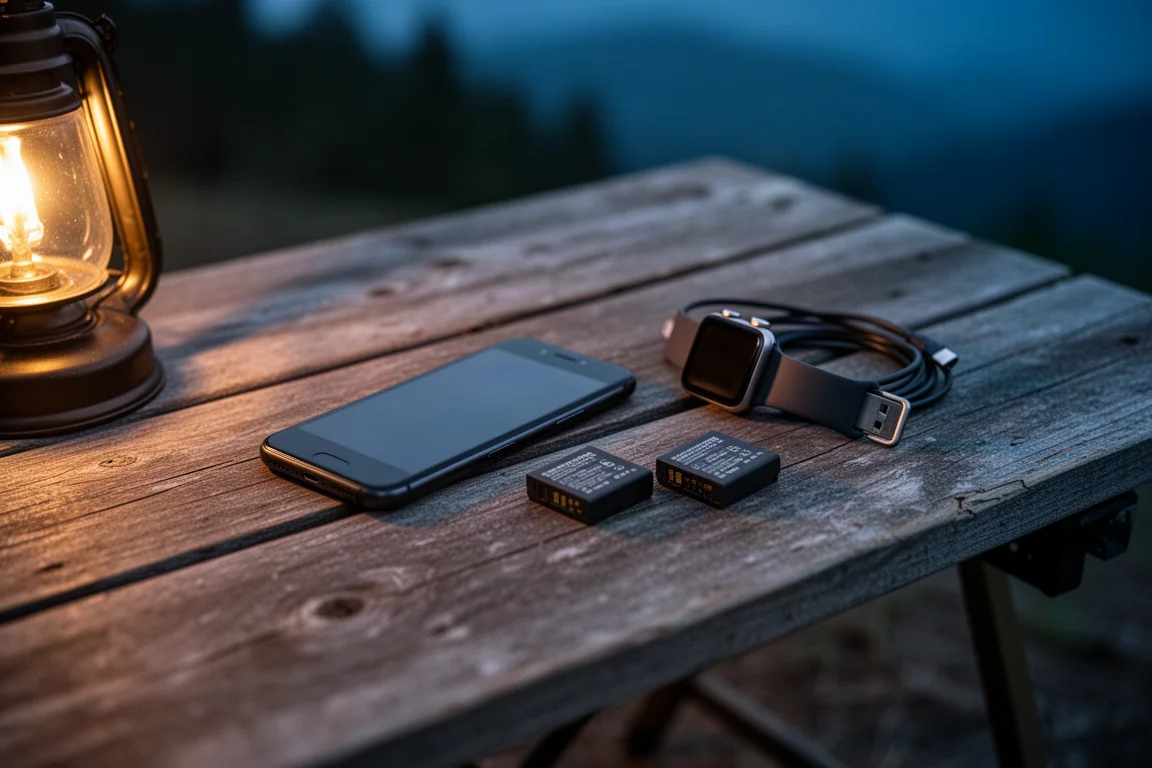
It is also a good match for campers running small accessories. A phone, a watch, camera batteries and a set of LED string lights can all be topped up across a trip with capacity to spare. At 22 oz, the weight is not negligible, but it disappears inside a backpack, which is where it belongs. It is too heavy and bulky for a jacket or trouser pocket, so plan on carrying it in a pack rather than on your person.
Anyone who only needs the occasional phone top-up, and does not care about recharge speed, will likely find a simpler and cheaper option perfectly adequate.
Main Strengths
The case for this model rests on three things: how it is built, how quickly it moves power, and how it behaves after a long stretch of real use.
Build Quality and Durability
The housing feels solid and well made, with durable materials across most of the body. After more than a year of trips there has been no battery swelling and no software glitches. Light scratches on the casing are the only cosmetic wear worth noting.
The internal safeguards are comprehensive for this class of product. Short circuit protection, overcharge protection, over-discharge protection and overheat protection are all present, which matters when a pack is left charging unattended or used inside a tent.
Charging Speed and Ports
There are three outputs in total: two USB-C ports and one USB-A port. The USB-A port tops out at 18W, while the USB-C ports can reach 140W, though that figure applies to a single port. Connect two devices and the available power is split between them.
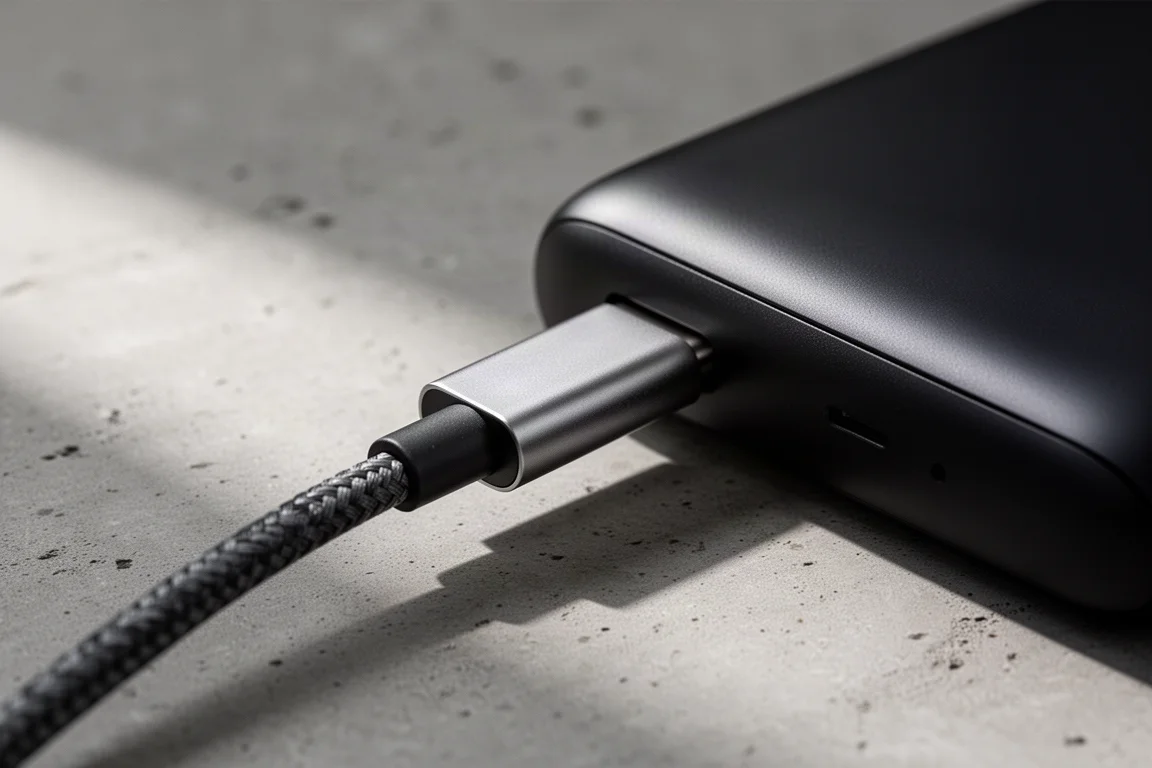
To reach peak recharge and discharge speeds you need a USB-C cable rated for Power Delivery 3.1. An ordinary cable will still work, but it will not unlock the fastest rates.
The screen is the other notable feature. It wakes when something is plugged in and stays on for a few seconds by default, and that timeout can be adjusted in the settings. A side button wakes the screen with one tap, and a second tap cycles through settings and usage statistics. Battery health, charge cycle count and screen-on count are all visible there.
Real-World Use Over 14 Months
Across 34 trips, this pack has been charged only 13 times in full, plus a number of partial top-ups. Battery health still reads 100%, which suggests the cell is holding up well under light to moderate cycling.

It has been used in temperatures in the 90s Fahrenheit and down to around 15 degrees, in both cases without issues. The screen’s always-on mode is best avoided: leaving it lit drains roughly 15% of the pack’s total power every 24 hours, a meaningful loss on a multi-day trip.
Things to Consider Before Buying
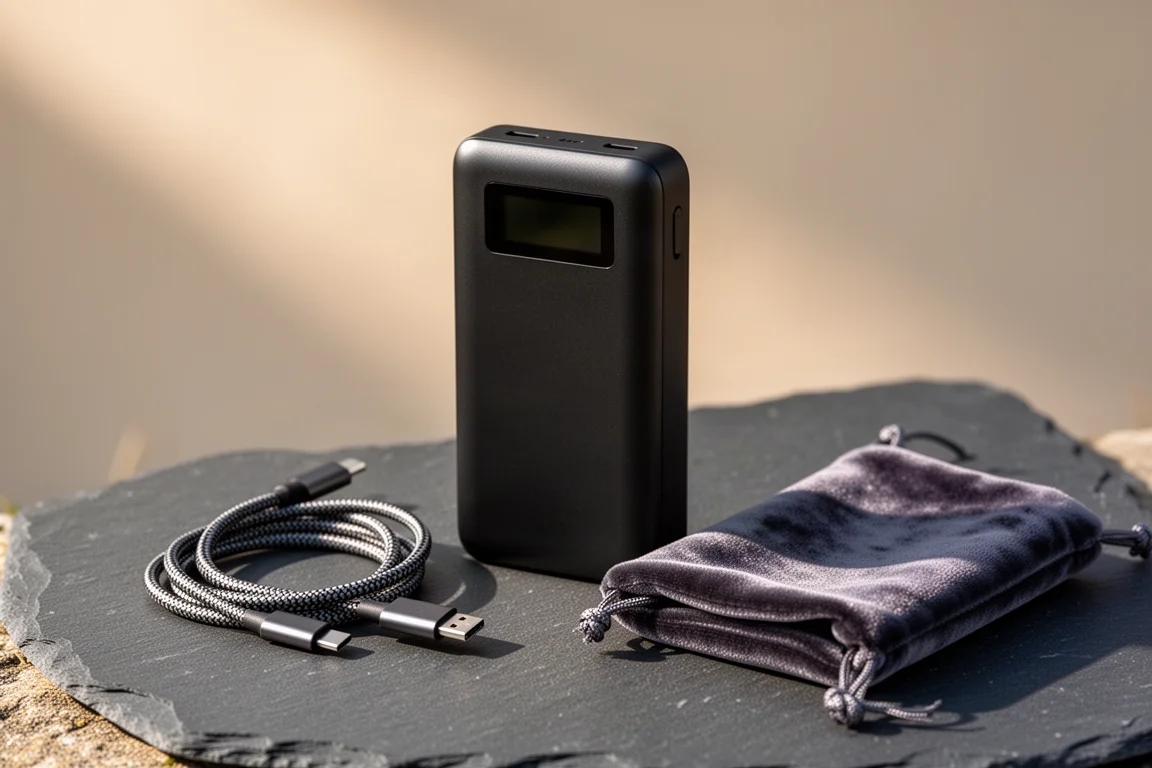
The display is the weakest part of the design. Its plastic cover is soft and scratches very easily, and it is dim enough to be genuinely hard to read in bright sunlight. Even so, the screen stays legible in the dark, and the included velvet storage pouch is worth using to protect it when the pack is stowed.
Finding the right port in low light takes a moment because the ports are not colour coded. A little colour coding around each port would make a real difference when you are plugging in by headlamp.
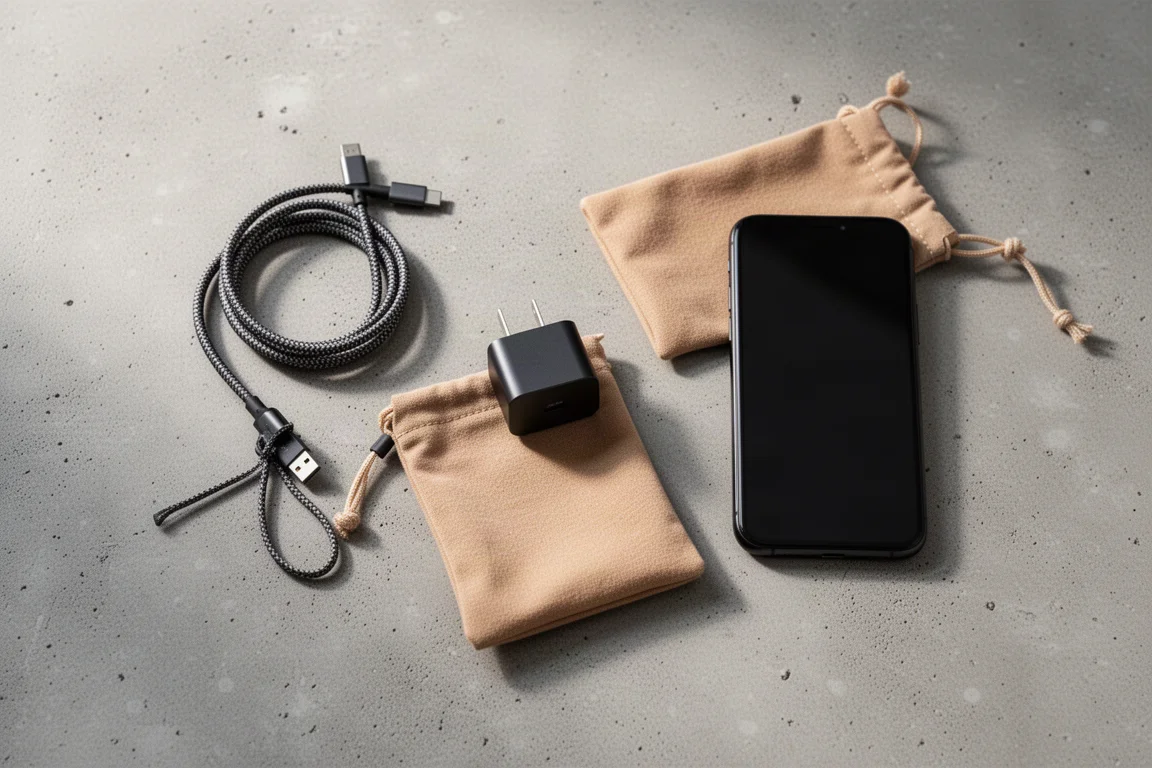
No wall charger is included in the box. You get the power bank, the protective pouch, some paperwork and a 140W USB-C cable, but the 140W charger needed for the fastest recharge is a separate purchase. Budget for that if recharge speed is the reason you are buying.
This is also one of several versions in the range. Higher-output 220W and 300W variants exist, and this 140W model sits in the middle in terms of features, charge speed, discharge speed and price.
Buying Advice
On sale, this pack has been available for around $80, which is what makes it such a strong value proposition. For the capacity, the input and output speeds, and the information available on the screen, that is a lot of capability for the money.
If fast charging is not a priority, cheaper power banks will do the job. If you want to charge laptops and other larger electronics, a higher-capacity model in the range is the better match. For phones, watches, camera batteries, string lights and similar small devices, this 140W version is a sensible middle ground. It is also TSA approved, so it can travel on a plane without special arrangements.
Conclusion
The Anker 737 PowerCore 24K (140W) earns its place in a pack because it is simple, fast and dependable. Three ports, a clear interface, a quick recharge and high output cover the essentials without adding Bluetooth pairing or magnetic charging complexity that many users will never need. The scratch-prone, dim display and the missing wall charger are genuine compromises, but both are easy to plan around, and for buyers who need speed and capacity rather than the absolute lightest option, this remains a confident recommendation.
Product link
View more details for Anker 737 PowerCore 24K (140W)
This product is mentioned in the review. Check the specifications, options, and compatibility before buying.
View more details for Anker 737 PowerCore 24K (140W)Further reading
Related Reviews
Power Banks
Anker 737 PowerCore 24K Review: Fast Charging in a Simple Package
A 140W portable power bank with a 52-minute recharge time, a health-tracking display, and a three-port layout that skips the app entirely.
Power Banks
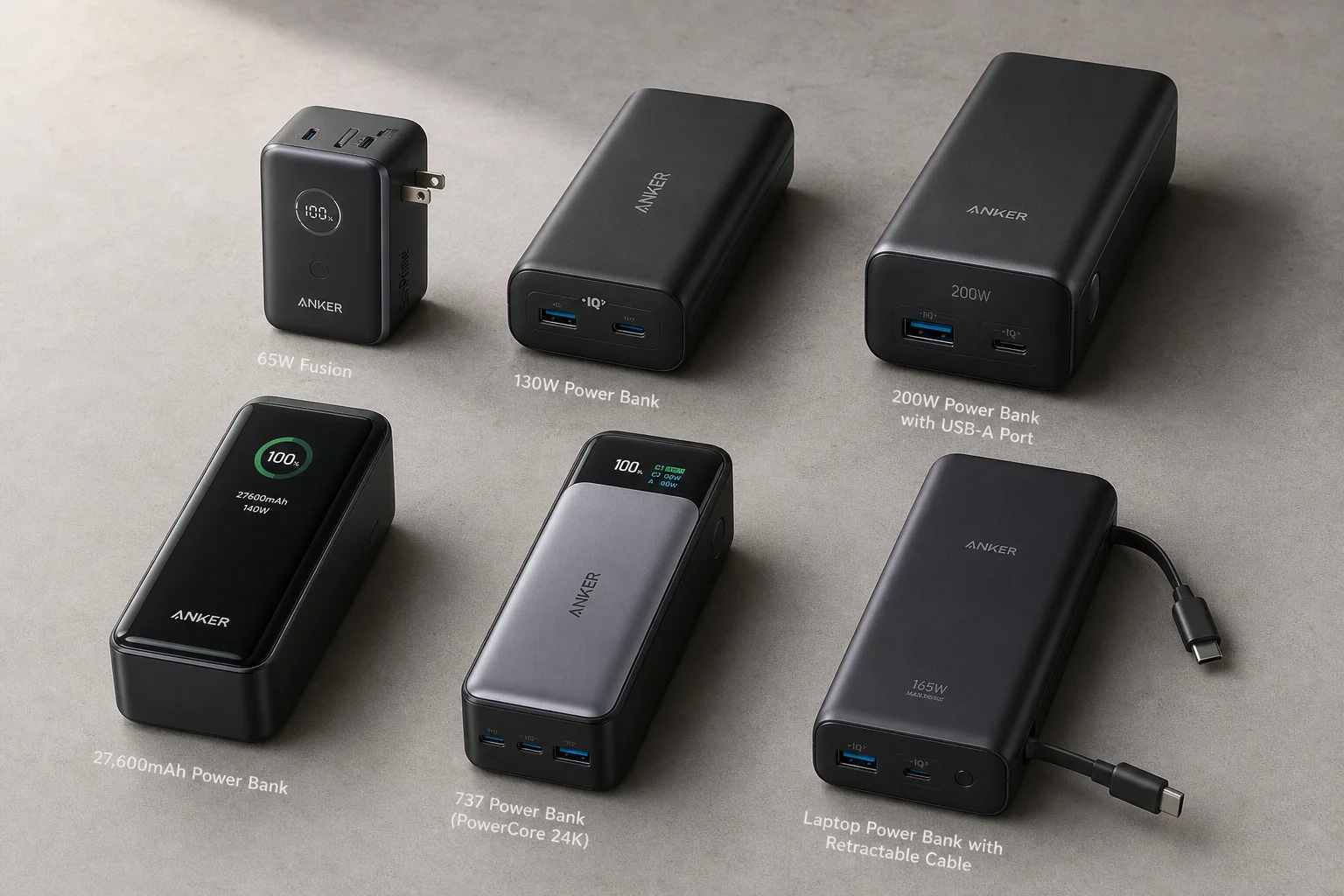
Best Anker Power Banks 2026: Six Models Tested and Ranked
A comprehensive guide to six Anker power banks, from compact 65W chargers to high-capacity 250W models. Find the right fit for your charging needs.
Power Banks
Flextail Zero Power Battery Bank Review: Ultralight 10,000 mAh Power for Backpacking
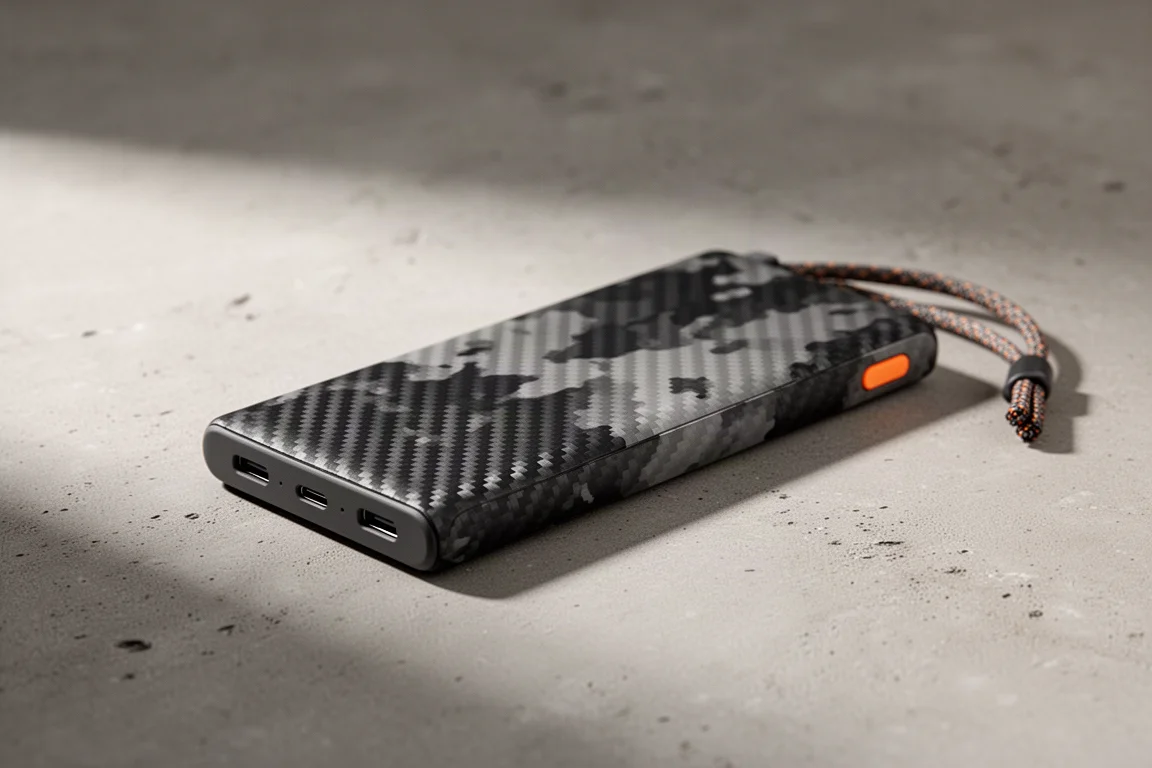
The Flextail Zero Power pairs a carbon fiber shell with a 5.1 oz body and 10,000 mAh of capacity. Here is what it does well, and what to weigh before you buy.