Wearables
Amazfit Helio Strap: A Subscription-Free Recovery Band Worth Watching
A screenless recovery and training strap from Amazfit with sleep scoring, biocharge tracking, and no subscription required.
Introduction
The Amazfit Helio Strap may be the first genuinely viable alternative to a Whoop band. Like Whoop, it focuses on recovery and training feedback, helping you not just train harder but train smarter, and it does it without a subscription. That last point is significant, since the subscription model is one of the biggest pain points with Whoop.
This is a brand-new device, so long-term verdicts are still out, but the early picture is promising: solid health tracking, sensible recovery guidance, and respectable heart rate accuracy across a range of workouts. Here is what it does, what it does not, and what to expect.
Design and Comfort
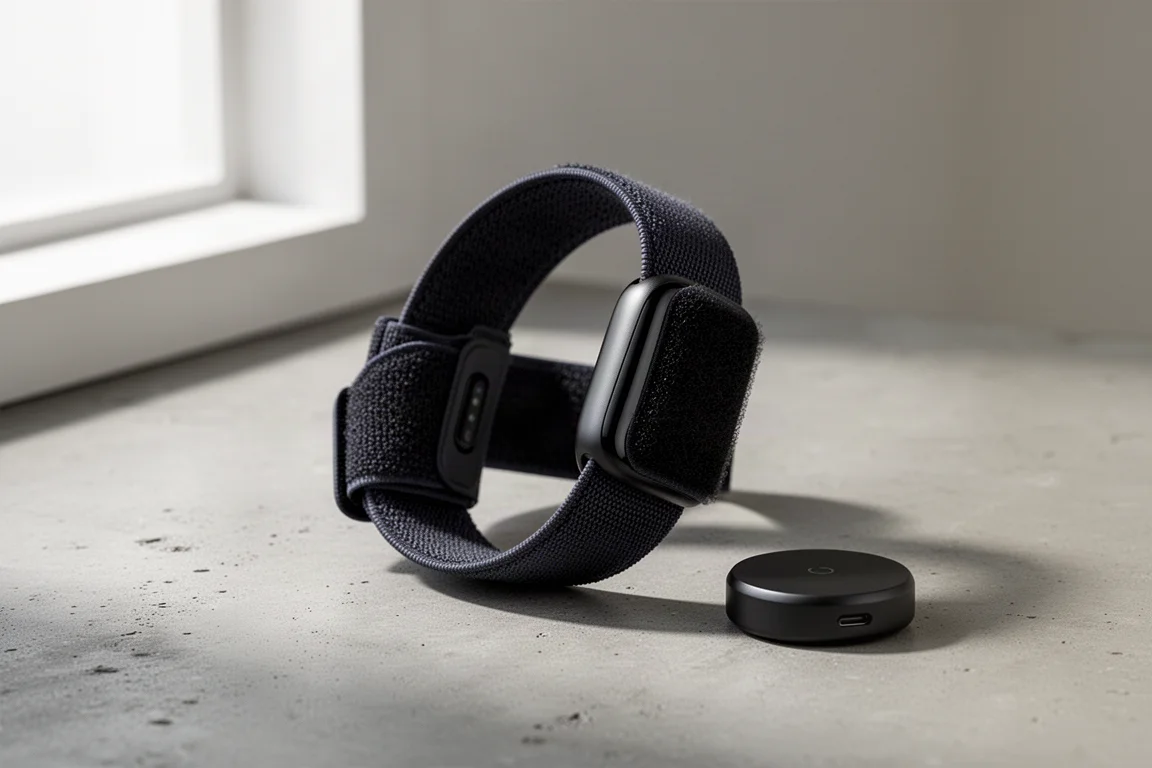
The Helio Strap looks like a simple fabric band, but the value is in what is inside. The pod houses sensors for heart rate, blood oxygen saturation, and skin temperature variation, plus motion sensing for step tracking, rep counting, and automatic workout recognition.
The strap itself is a comfortable nylon band attached with watch-style spring pins, and the pod sits in a small holster. The velcro closure is strong, so it should not come off easily. In practice, the form factor shines for sleep and workouts, where a watch can feel bulky or get in the way. The pod is removable, which leaves room for future wearing options, though so far only a wrist strap has been announced.
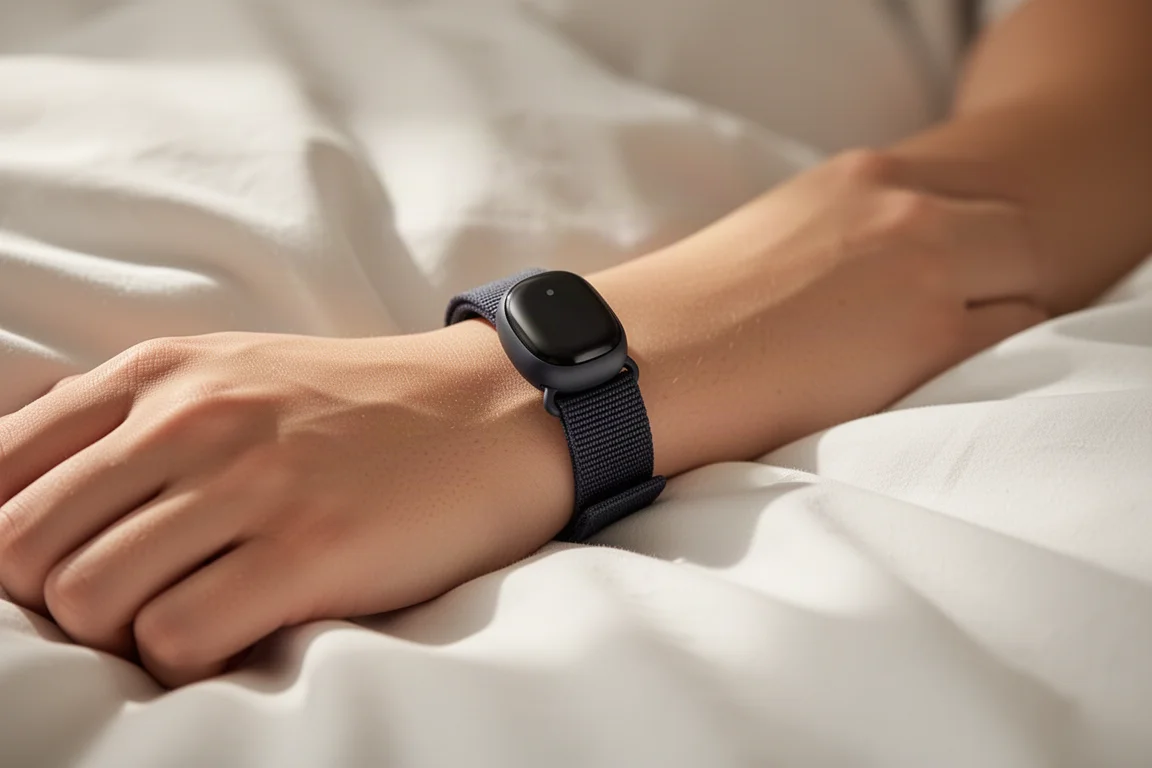
One caveat: the only version announced so far carries Hyrox branding, handed out to Hyrox athletes at the Hyrox World Championships in Chicago. A standard public version has not been formally announced, and pricing and availability remain open questions. A more subtle, non-branded strap would be welcome, along with options like a bicep band.
Ecosystem Flexibility
The strap works within Amazfit’s ecosystem of wearables. You can wear it for sleep and take it off in favor of an Amazfit watch for outdoor activities or daytime use, and it can also be used alongside the Amazfit Helio Ring. Everything syncs in the Zepp app, so if you already own Amazfit devices, you get a lot of flexibility in how and when to use each one.
Daily Feedback: Sleep Score and Biocharge
Each morning the app presents a sleep score, a biocharge number, and an exertion level with a daily exertion target, plus a nutrition log showing calories burned and any logged food. Below that sit the collected metrics: resting heart rate, HRV, sleep duration, and overnight skin temperature variation.
In early use, the hard data lined up well with other devices. Resting heart rate and HRV matched comparably, and the biocharge number aligned with how the day actually felt. Sleep scores, however, ran a little generous on some mornings, trending higher than the comparable readings from an Oura Ring and a Garmin. Sleep duration and awake times looked accurate, and fall-asleep detection was arguably tighter than an Oura Ring, which counted a pre-sleep meditation as sleep.
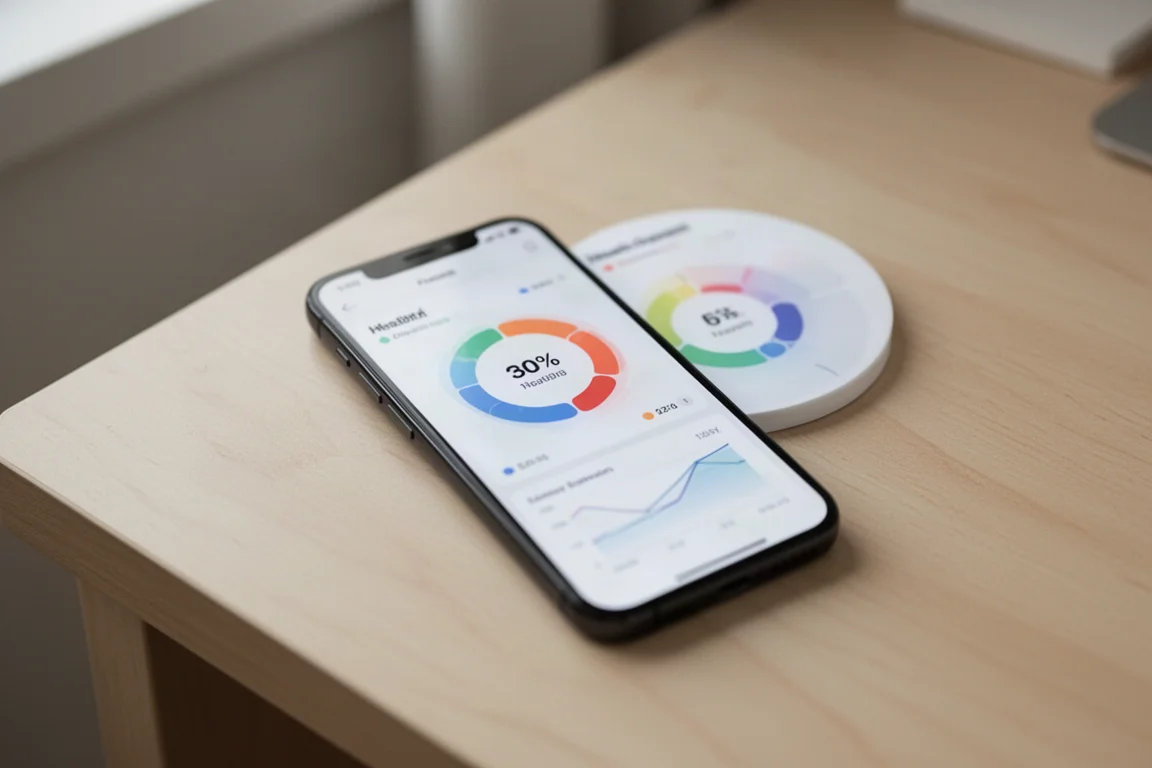
The biocharge metric is the highlight. It estimates your current energy level based on sleep, recovery, and recent training history, and it updates dynamically throughout the day as you rest, work, and train. It functions much like Garmin’s Body Battery, and you can see how each individual workout affected the score. The daily exertion target also factors in prior training load, so a big training day yesterday lowers today’s recommendation even after a good night of recovery.
Workout Tracking and Heart Rate Accuracy
Workouts are tracked in the Zepp app with support for up to 27 activity types, including running, walking, cycling, gym workouts, and a dedicated Hyrox training profile. Starting a workout is a simple tap, though acquiring a heart rate lock takes roughly 10 to 20 seconds, which could be faster.
Indoor workouts show duration, heart rate, and calories burned, but the interface feels sparse with plenty of unused screen space. Outdoor workouts are much more built out, with tappable metrics, additional data fields, and a map of your route. The strap can also broadcast heart rate to another device such as a tablet, PC, or Apple TV.
Accuracy in the first few sessions was respectable. Steady-state indoor cycling was essentially perfect after the initial warm-up spike. Harder interval sessions showed a few shaky points during warm-up but handled the intervals themselves well. Outdoor road and gravel riding, typically a weak spot for optical sensors due to grip and vibration, produced surprisingly good results. Weight training showed more variance, which is expected for wrist-based optical sensing, though results were not bad. Rowing was solid, with the exception of one row-and-ski combo workout that it did not handle well.
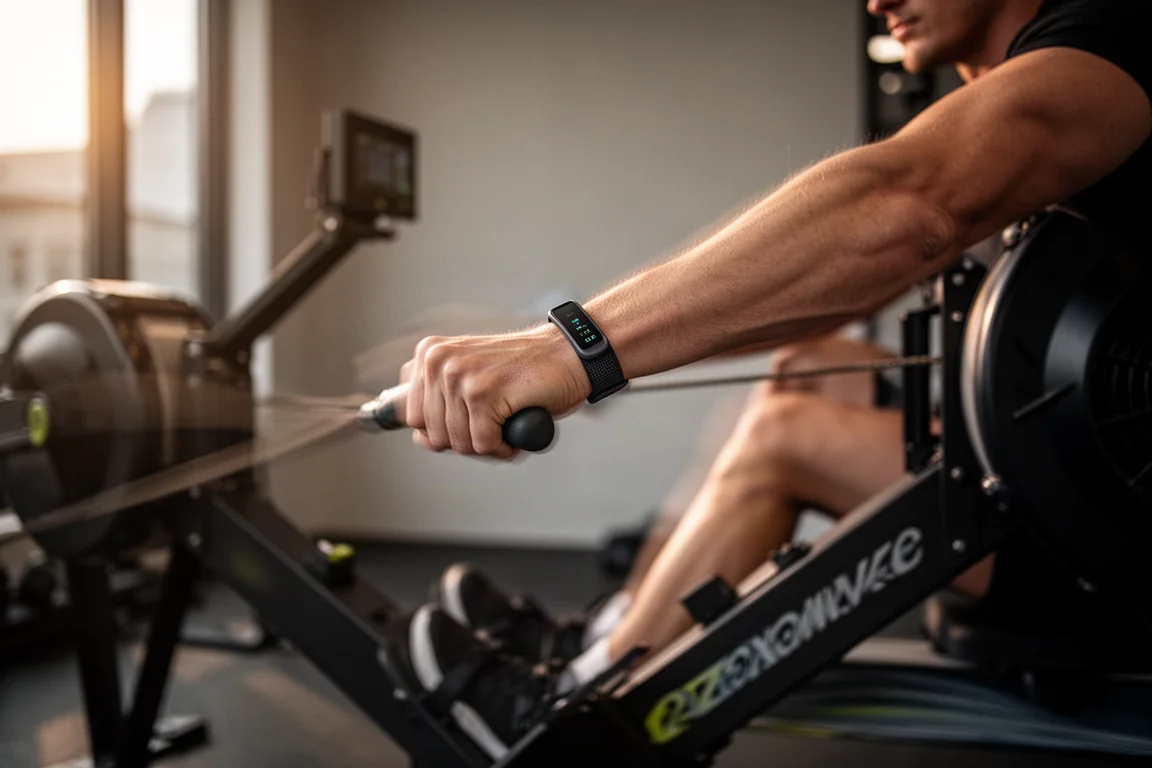
There is room to grow: a richer indoor workout UI, an in-workout exertion target, or at least a notification when the daily target is reached would be welcome additions.
Battery Life and Charging
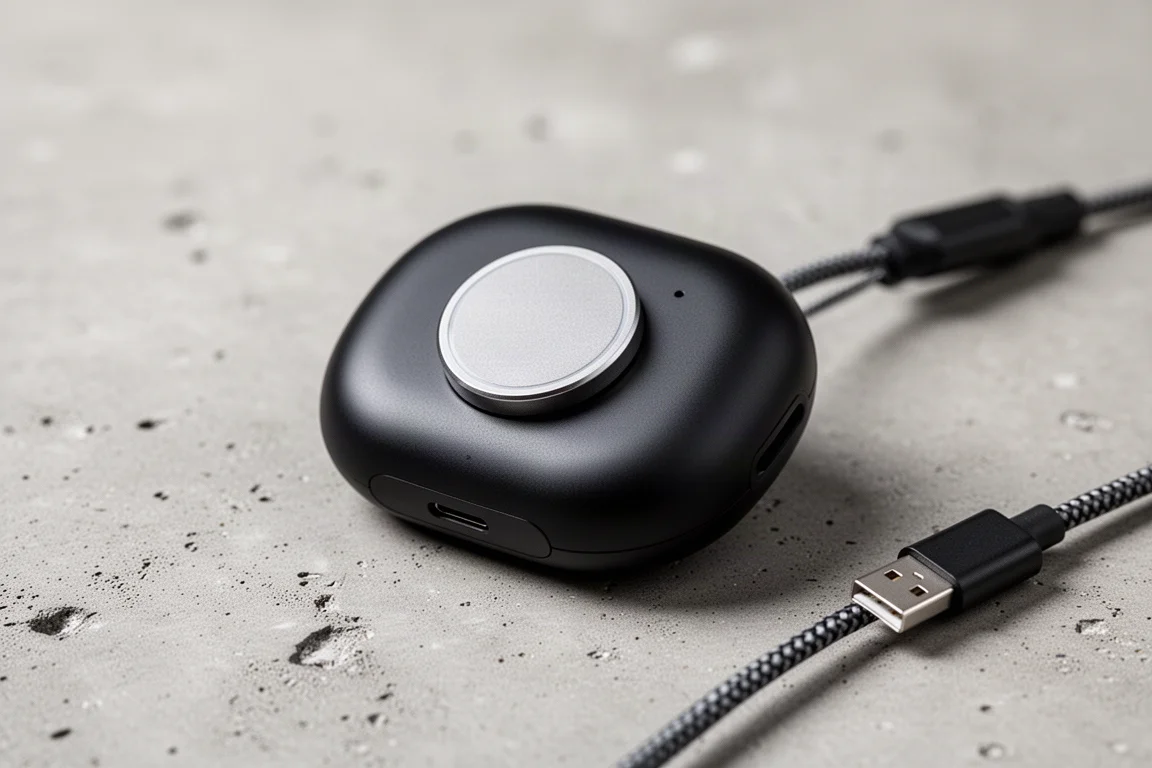
Amazfit claims up to 10 days of battery life, and early use trended in that direction. Charging uses a small magnetic puck that snaps onto the back of the pod and connects via USB-C, the same connector as most recent smartphones. Note that no cable is included in the box, which has become a common trend among wearables.
Who Should Consider It
The Helio Strap makes sense for anyone who wants Whoop-style recovery and training guidance without a recurring subscription. It is especially appealing if you already own Amazfit devices, since the strap, watches, and Helio Ring all share data in the Zepp app. It is less compelling if you want deep health-span analytics or a polished indoor workout interface right away.
Conclusion
The Amazfit Helio Strap delivers the core recovery feedback most people actually need: sleep tracking, a dynamic energy score, and a daily exertion target, with heart rate accuracy that holds up across a surprising range of activities, including outdoor cycling. The sleep score can run generous, the indoor workout screen is thin, and band options plus pricing and availability are still unclear. But if it ships at a competitive Amazfit-style price with no subscription, this could be one of the most interesting recovery bands in its class.
Product link
View more details for Amazfit Helio Strap
This product is mentioned in the review. Check the specifications, options, and compatibility before buying.
View more details for Amazfit Helio StrapFurther reading
Related Reviews
Wearables
Apple Watch Ultra 3 vs Garmin: Which Training Watch Wins for Athletes
A practical head-to-head comparison of the Apple Watch Ultra 3 and Garmin for serious training, covering GPS accuracy, data tracking, usability, and recovery metrics.
Wearables
Apple Watch vs Garmin for Running: A Year of Training Compared
After a year training for marathons with both devices, here's what actually matters when choosing a running watch.
Wearables
Apple Watch Ultra 3 vs Garmin Fenix 8 Pro: Satellite Messaging Compared
A practical comparison of satellite messaging on the Apple Watch Ultra 3 and the Garmin Fenix 8 Pro, covering connection methods, messaging workflows, coverage, and running costs.