Sports Watches
Amazfit Falcon Review: Premium Materials, Premium Price
A titanium-cased multisport watch with dual-band GPS and strong battery life, held back by an inconsistent wrist heart rate sensor.
Introduction
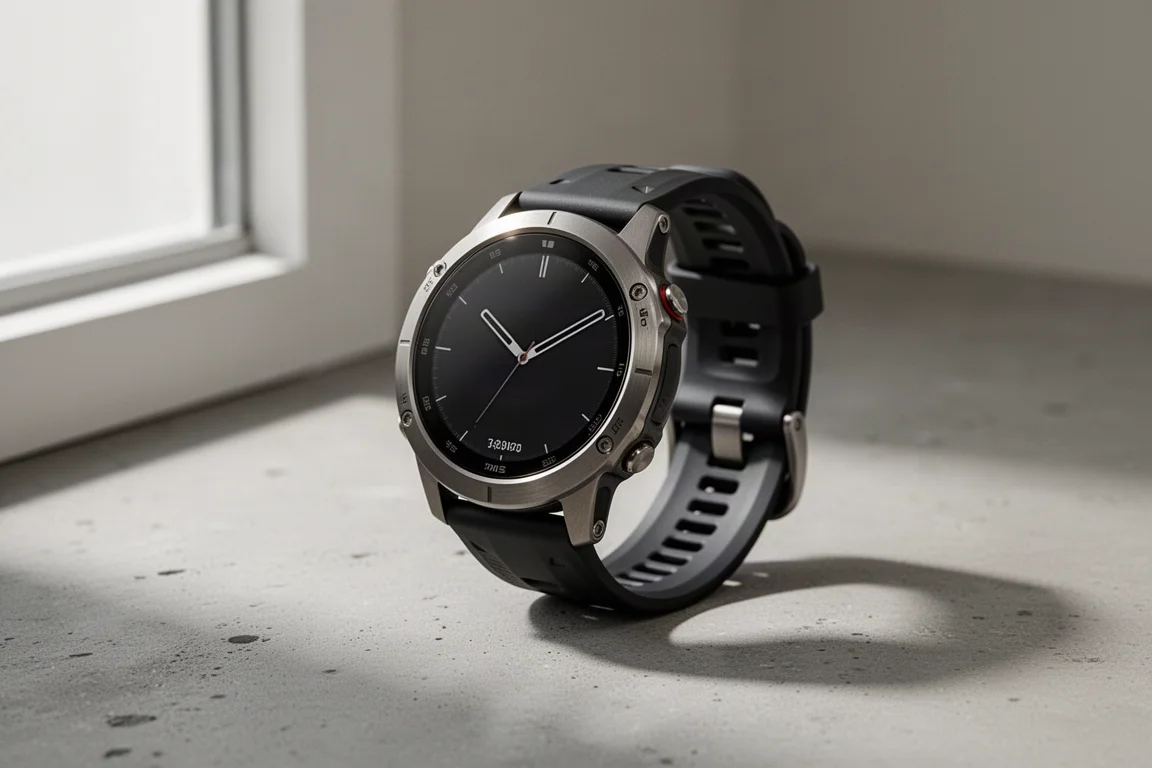
Amazfit has long been known for budget-friendly fitness smartwatches that pack a lot of features for the money. The Amazfit Falcon is a dramatic departure from that formula. It targets the premium sports watch market, combining high-end materials like a titanium case and sapphire lens with dual-band GPS, route navigation, and support for external Bluetooth heart rate straps and cycling power meters.
The question is whether all of that hardware justifies the $500 price tag. After several months of testing across running, cycling, and weight training, the answer is a genuinely mixed bag: impressive in some areas, disappointing in others.
Who This Product Is For
The Falcon is clearly aimed at the premium outdoor adventure crowd. If you want a durable watch with excellent battery life, a bright display, and basic route navigation, and you don’t need the deep training software ecosystems of Garmin’s flagship watches, it makes a compelling case. If you’re a data-driven athlete who trains hard without a chest strap, though, there’s an important caveat you’ll want to read before buying.
Hardware and Build Quality
The Falcon uses a full titanium unibody construction with a sapphire lens for scratch resistance, and the rugged, aggressive design stands out from Amazfit’s other devices. At roughly 47 to 49 mm depending on how you measure it, and with similar thickness, it’s close in size to a Garmin Epix. On a 185 mm wrist it fit about right without feeling oversized.
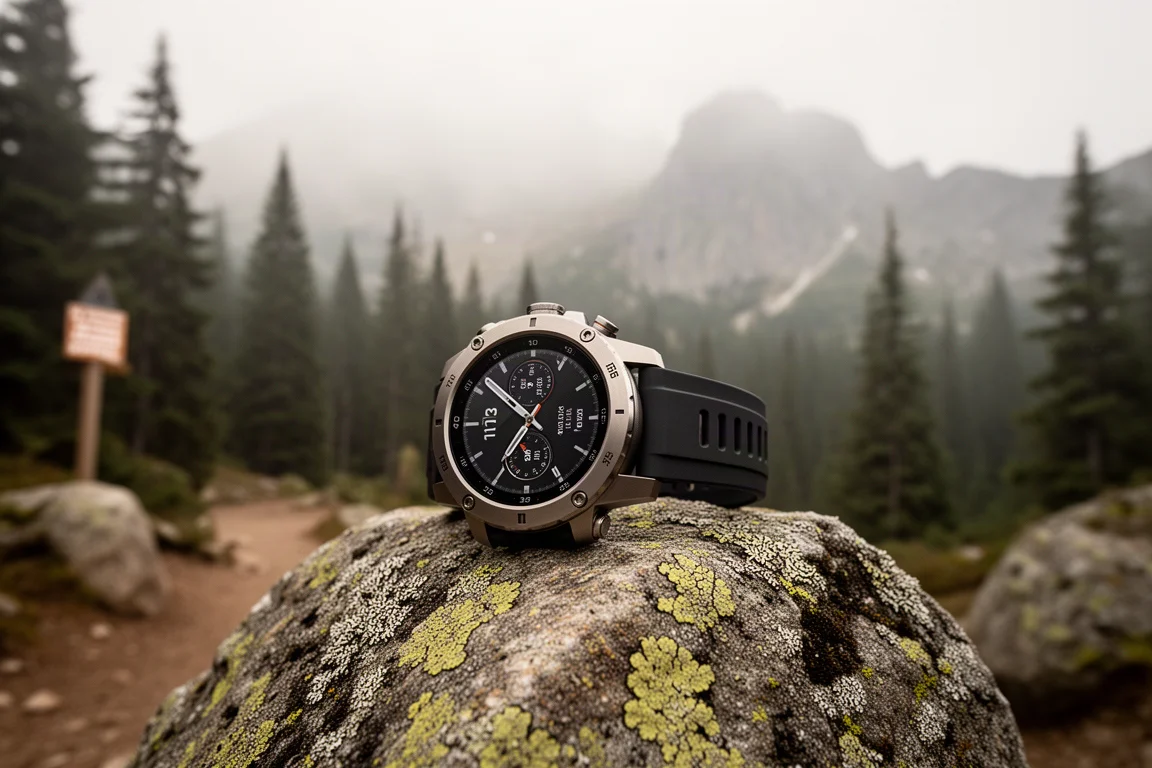
The all-metal case does add weight: 82 grams with the stock band, versus about 70 grams for the Garmin Epix, which uses a resin case with a titanium bezel. On the wrist, it feels on par with other watches in this class, maybe a touch heavier, but not a problem in practice.
Durability has been excellent. After a couple of months of use, the case still looks great and the sapphire lens shows no damage. The 20 ATM water resistance rating means it will handle pretty much anything except actual scuba diving.
Display and Battery Life
The 1.28-inch AMOLED display with 416x416 resolution is superb. It’s crisp and, thanks to a claimed 1,000 nits of brightness, remarkably easy to read both indoors and outdoors. Out of the box, the display wakes with a wrist gesture, and there’s an optional always-on mode that switches to a simpler watch face at a small battery cost. A separate setting controls whether the always-on display stays active during workouts, a thoughtful touch.
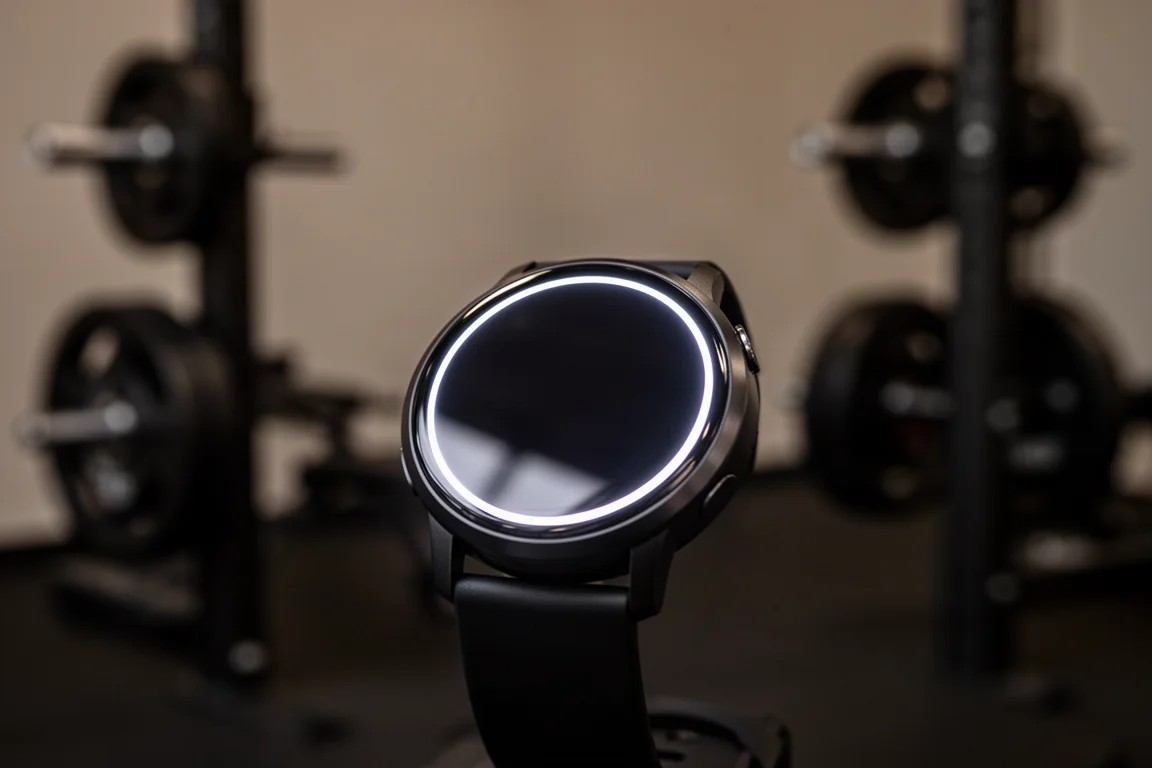
Battery life is one of the Falcon’s strongest points. With stock settings (gesture wake, 10-minute daytime heart rate sampling, SpO2 off), Amazfit claims up to 14 days, and even with about an hour of outdoor activity per day, around 9 to 10 days is realistic. Enable more demanding settings like continuous heart rate, sleep SpO2, and the always-on display, and it still delivered about 6 days in testing, on par with the Garmin Epix.
Operation combines a touchscreen with four physical buttons, and this is where thoughtful design shows. You can pause and resume workouts, mark laps, change data pages, and save activities using either input method. When your hands are sweaty, gloved, or moving fast, buttons make all the difference.
Sensors and Sports Features
The sensor package includes a heart rate sensor, SpO2 sensor, ambient light sensor, gyroscope, barometric altimeter, and a dual-band GPS chipset. Notably, the Falcon can pair with an external Bluetooth heart rate strap and cycling power meters, plus Bluetooth headphones. Sleep tracking provides a sleep score and sleep phases, though the scores proved consistently more encouraging than other devices and didn’t always match how rested I actually felt.
Sport coverage is extensive, with over 150 profiles spanning running, pool and open water swimming, triathlon and multisport, skiing, snowboarding, gym workouts, dance, combat sports, and even board games. The watch also provides training effect (aerobic and anaerobic), training load, VO2 max estimates, and recovery time.
GPS and Heart Rate Accuracy
The dual-band GPS chipset is designed for better accuracy in challenging environments like tall buildings, heavy tree cover, and rock faces. In practice, accuracy was decent but not class-leading. On an open road ride, the Falcon tracked well with no faults along the route, though the recorded elevation gain was noticeably off compared to reference devices and Strava’s corrected elevation. On runs, tracks were reasonable but slightly less crisp, with occasional wandering off trail and slightly cut corners. Total distances were close, just a smidge under reference devices.

For treadmill running, the first distance estimate came up short, but the ability to calibrate the distance when saving a run fixed the problem, and subsequent runs lined up well.
Heart rate is the Falcon’s biggest weakness. Even in easy scenarios like steady indoor cycling, where most wrist sensors excel, it was slow to lock on and produced odd spikes and wandering readings. On outdoor runs it tracked high for the first 8 to 10 minutes before settling, and then reacted slowly to changes. Weight training produced inconsistent results, including badly inflated readings during high-intensity intervals. This inaccuracy also corrupts the training feedback: the VO2 max estimate of 45 was far below a realistic value in the 56 to 60 range, likely because consistently elevated heart rate readings skew the metrics. If you train seriously with this watch, pairing an external heart rate strap is effectively required for meaningful training and recovery data.
One more frustration: the broadcast heart rate feature, which should let compatible apps like Zwift or a Peloton bike receive heart rate from the watch, failed to work in testing across an iPad, iPhone, and Pixel. Only one app even recognized the watch as a sensor, and even then no heart rate data appeared. Syncing activities to Strava works fine, at least.
Who Should Buy the Amazfit Falcon
The Falcon gets a lot right: excellent battery life, a great display, strong durability, and decent GPS. Navigation via imported GPX routes works as breadcrumb-style guidance with a back-to-start feature (straight line or trackback), but there are no topographic or landscape maps like on a Coros Apex 2 Pro or Garmin Epix. Activity sharing with fitness apps is inconsistent at best.
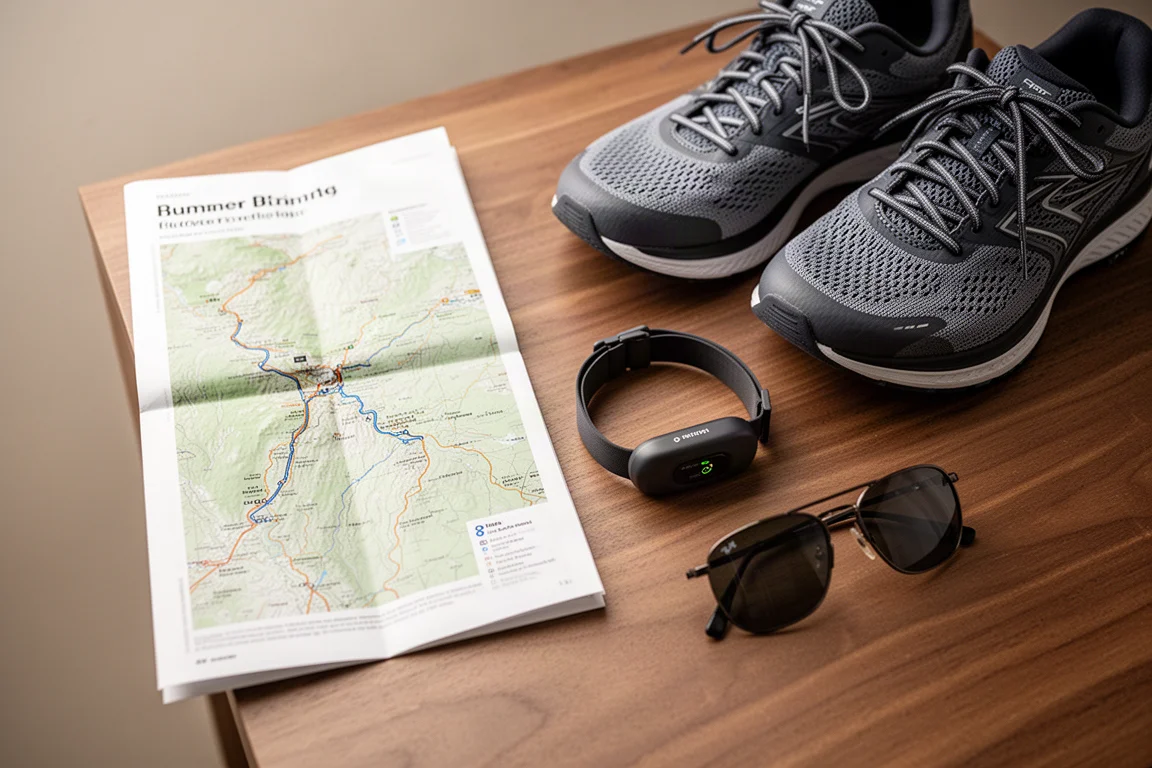
At $500, you’re largely paying for the titanium and sapphire hardware. The software feature set is more in line with a $300 to $350 watch. The Garmin Epix costs twice as much but justifies it with richer maps, a deeper suite of training and recovery tools like PacePro, ClimbPro, HRV status, and training readiness, broader sensor compatibility, and a more mature app platform. If those features matter to you, the Epix or a Coros alternative is the better fit. If you want a durable, great-looking watch with premium materials, superb battery life, and you’re willing to use an external heart rate strap for serious training, the Falcon is worth a look.
Conclusion
The Amazfit Falcon is a bold first attempt at the premium sports watch market. The titanium build, sapphire lens, bright AMOLED display, and multi-day battery life are genuinely impressive, and features like GPX navigation and external sensor support show real ambition. But the unreliable wrist heart rate sensor and software that lags the competition at this price make it hard to recommend for serious trainers unless you already wear a chest strap. For everyone else, it’s a capable, rugged everyday sports watch that happens to cost more than its software delivers.
Product link
View more details for Amazfit Falcon
This product is mentioned in the review. Check the specifications, options, and compatibility before buying.
View more details for Amazfit FalconFurther reading
Related Reviews
Sports Watches
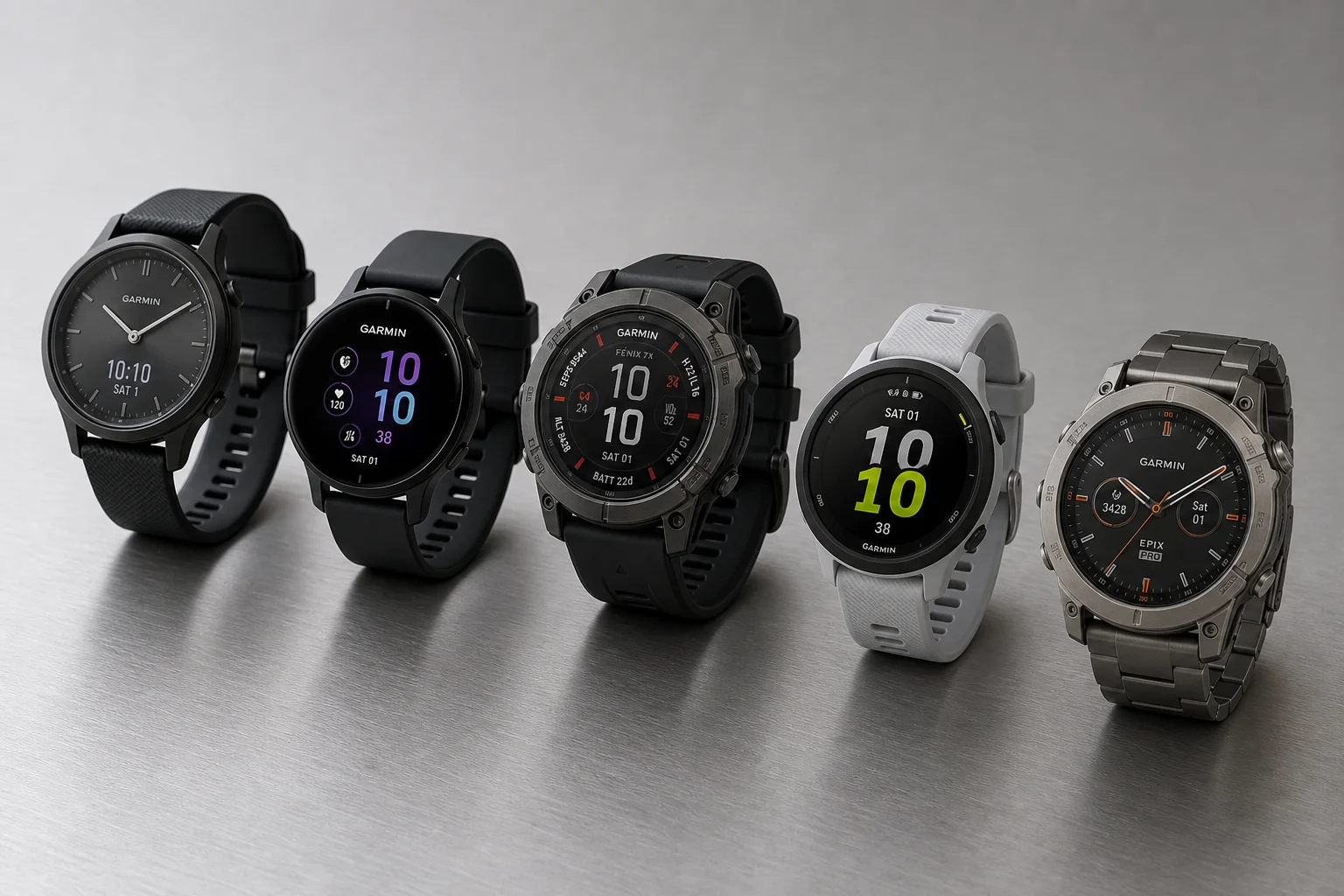
Garmin Sports Watch Guide: Finding the Right Model for Your Fitness Level
A comprehensive overview of Garmin's sports watch lineup, from casual fitness trackers to advanced multisport devices, helping you choose the right model for your needs and budget.
Sports Watches
Coros Pace Pro Review: A Complete Overhaul That Finally Feels Premium
Coros rebuilt the Pace Pro from the ground up with an AMOLED display, onboard maps, and a new heart rate sensor. Here is how it all holds up in real use.
Sports Watches
Polar Vantage M3 Review: The Sweet Spot in Polar's New Watch Lineup
A closer look at the Polar Vantage M3, which brings an AMOLED display, dual-frequency GPS, offline maps and the same software platform as Polar's flagship watches at a friendlier price.