Fitness Watches
Amazfit Active 2 Review: A $129 Fitness Watch That Overdelivers
Sapphire glass, offline maps, a speaker and microphone, and week-long battery life make the Amazfit Active 2 an unusual value, but the software still needs work.
Introduction
Budget fitness watches usually come with a predictable checklist: a touchscreen, notifications, a heart rate sensor, step and sleep tracking, and maybe GPS. The Amazfit Active 2 hits all of that, then goes several steps further with a built-in speaker and microphone, roughly a week of battery life, a barometric altimeter, offline maps, and a sapphire lens on the higher-end model. It is genuinely hard to find another watch at this price that offers anything close.
With a $129 price tag, and a cheaper $99 version, the obvious question is what the catch is. After extended testing across running, cycling, weight training, high-intensity interval training, and everyday use, the answer is mostly on the software side. The hardware is solid, core tracking works well, but some of the smarter features need refinement.
Versions and Pricing
There are two versions of the Active 2. The premium version runs $129 and adds a sapphire lens, two watch straps (faux leather and silicone), and contactless payments available in the EU. The standard version costs $99 and uses a tempered glass lens instead.
The two models are otherwise nearly identical in features. For the extra $30, the premium version is a strong pick: sapphire is far more worry-free than tempered glass, and the second band is a nice bonus.
Design and Comfort
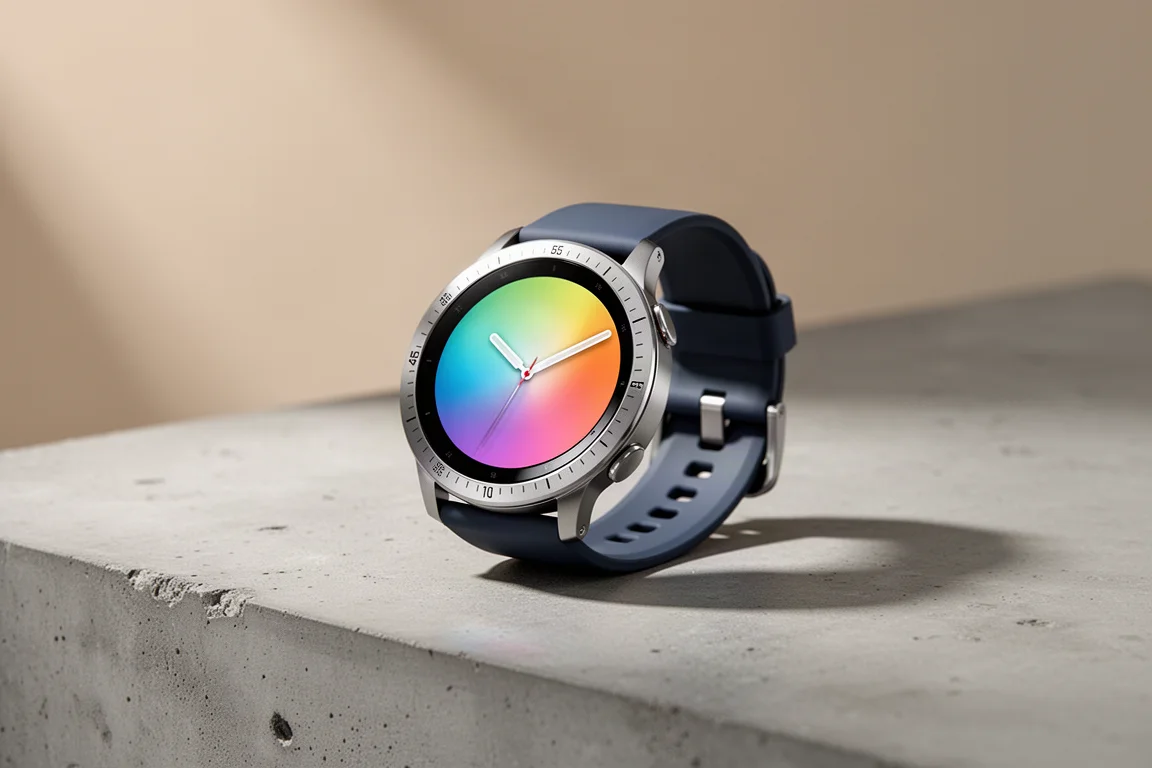
For a $130 watch, the Active 2 looks better than expected. The clean lines and the stainless steel bezel with its small tick marks give it a polished, considered appearance.
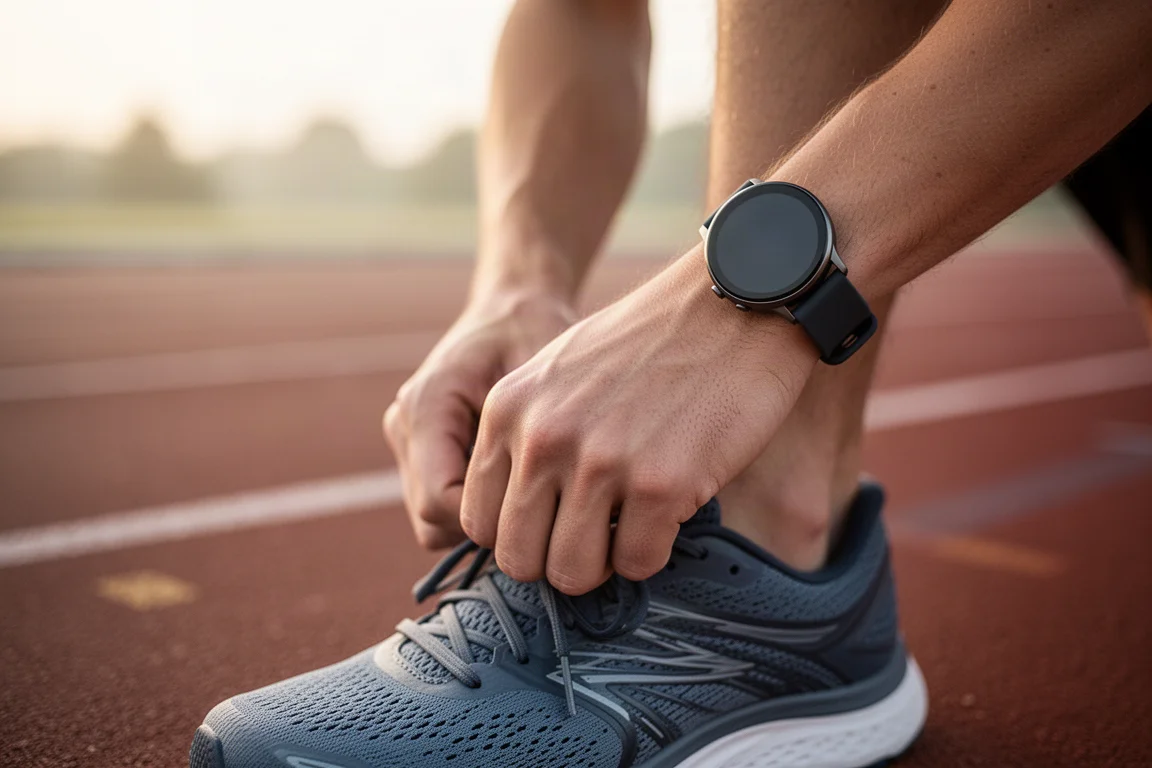
Comfort is a real highlight. The 44mm case is a nice middle-of-the-road size, the watch is under 10mm thick, and it weighs around 30 grams. That thin, light build made it easy to wear all day, easy to wear through workouts, and comfortable enough for sleep tracking at night.
Getting around the device is done through a 1.32-inch touchscreen plus two physical buttons. The upper button opens the app list and doubles as back, while the lower button opens your workout list by default. The screen is genuinely good: plenty bright at a 2,000-nit peak, with rich colors and strong contrast that stay readable even in direct sun.
The touchscreen itself is very responsive, arguably a little too responsive at times when scrolling quickly, though no accidental touches showed up in testing. The ambient light sensor is less impressive: it was slow to react in both directions, and the screen never seemed to get much brighter outdoors even in full sun.
One interface quirk is worth knowing about during workouts. If the display has dimmed or turned off, pressing the pause or lap button only wakes the screen; you have to press it again to actually pause a run or switch between sets in a strength workout. On most watches, the button simply does the thing the first time.
Smartwatch Features
Notifications for calls, texts, and apps work on both iPhone and Android. Replying is where things split: iPhones can receive texts but cannot respond, which is standard for any non-Apple watch. On Android you can reply with quick responses, an on-screen keyboard, emojis, AI-generated smart replies, and voice dictation.
The built-in speaker and microphone let you take calls on the watch with either phone platform, as long as your phone is paired and in range, since there is no LTE. The speaker sounds surprisingly acceptable rather than tinny, and it also handles audible lap cues and spoken workout summaries after you finish.
There is also a Zepp Flow voice control feature for starting timers, workouts, and more, though processing happens on your paired phone. There is no onboard music storage, but you can control playback from your phone.
Battery Life and Charging
Amazfit claims up to 10 days of battery with typical usage and up to 5 days with heavy usage. In real testing with everything switched on, including the always-on display, results lined up with those claims: at least 4 days consistently during heavy outdoor activity, stretching to around 6 days during more indoor-focused weeks.
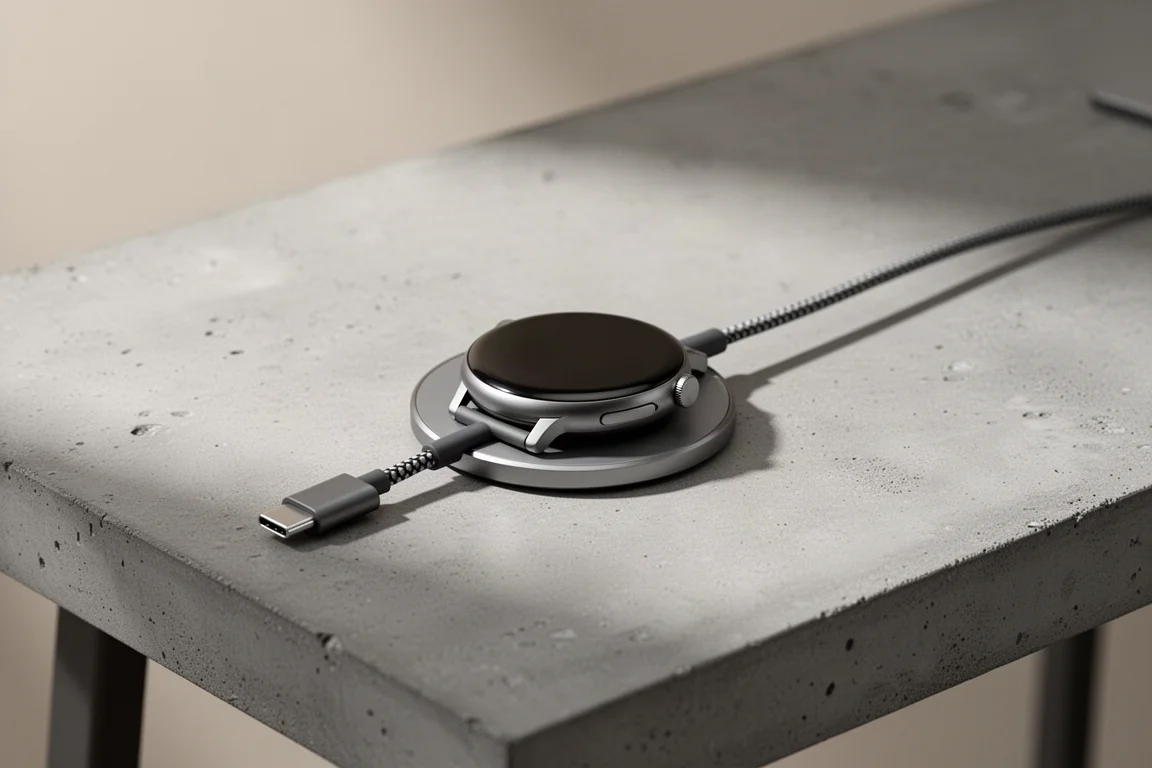
Charging uses a small magnetic puck that attaches to a USB-C cable. Note that the cable is not included, though most people have spares. Also note that the puck is not shared with the larger T-Rex 3, so running both watches means two separate chargers.
Health and Sleep Tracking
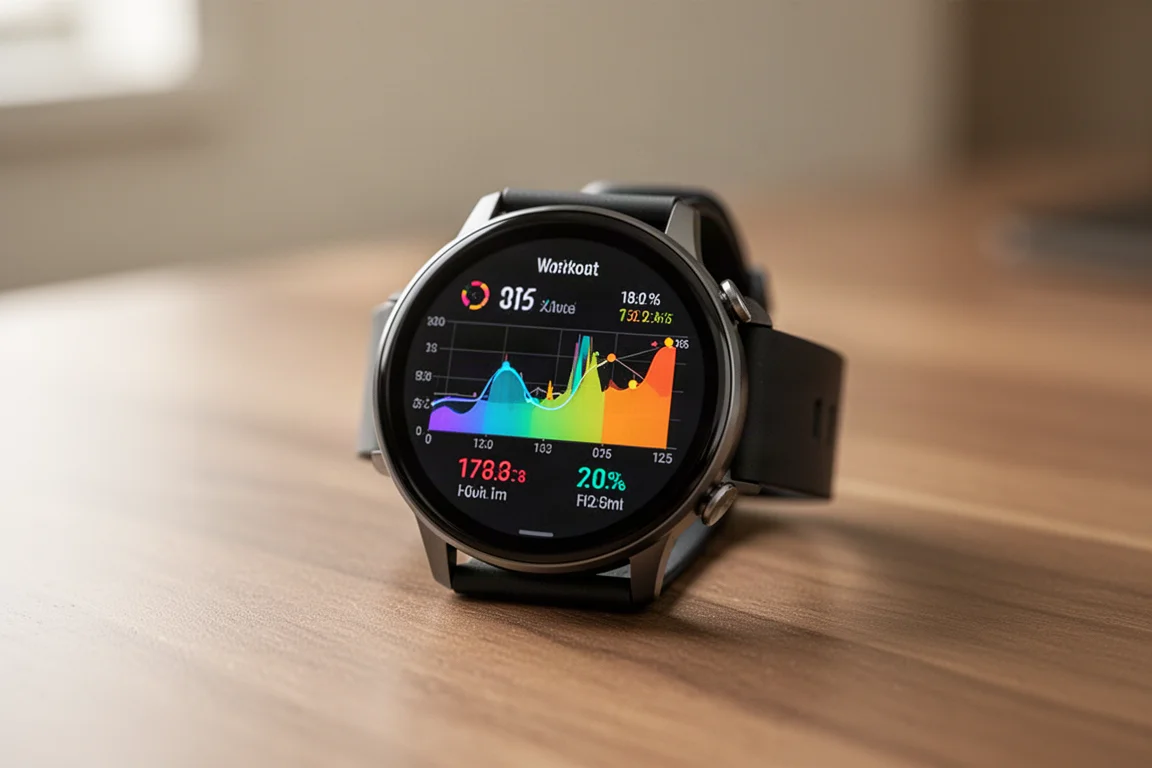
The Active 2 tracks heart rate, calories, steps, floors climbed, blood oxygen saturation, and even skin temperature during sleep. Resting heart rate and HRV readings lined up well with other trackers.
Sleep tracking generally detected bed and wake times accurately, with one exception where a wake-up went undetected by a couple of hours. Sleep stages and a sleep score are provided, but the scores felt compressed: most nights landed in the 80s, with a narrow range overall that did not reflect how the wearer actually felt from night to night. The same pattern applies to the daily Readiness score, which stayed in the high 80s and 90s even after poor sleep and hard training days, with insights that did not always match the underlying data.
The good news is that the raw numbers themselves are solid. The issue is the scoring and feedback algorithms, which need an overhaul rather than the sensors.
Sports and Workout Tracking
The activity list is extensive: running, cycling, pool and open water swimming, triathlon, a wide range of gym and strength profiles, skiing and snowboarding, dance profiles, and even recently added hybrid sport profiles. Importantly, these are not just renamed labels. Running adds cadence, stride length, and running power. Strength training gets rep counting, automatic exercise detection, and per-set weight entry. Skiing uses the barometric altimeter to log runs automatically.
Rep counting was consistently accurate, and exercise recognition was surprisingly good, better than some other brands, though it did occasionally miss bicep curls. Running power correlated reasonably with Garmin’s numbers, though it tracked less responsively at the extremes. Training load numbers run higher than other wearables, but the trends still align for long-term tracking.
GPS, Maps, and Outdoor Accuracy
Offline maps on a watch at this price is the standout feature. You can download map chunks to the watch, with labeled streets and trails, and navigate pre-loaded routes. Downloading is quick and convenient.
Two caveats: storage is very limited, to the point that a software update required deleting activities and map files first, so keep an eye on free space. And watch the altitude calibration setting; during testing it somehow enabled itself and produced an absurd 376,000 feet of elevation gain on one ride. With calibration off, elevation gain matched other devices and corrected Strava figures closely.
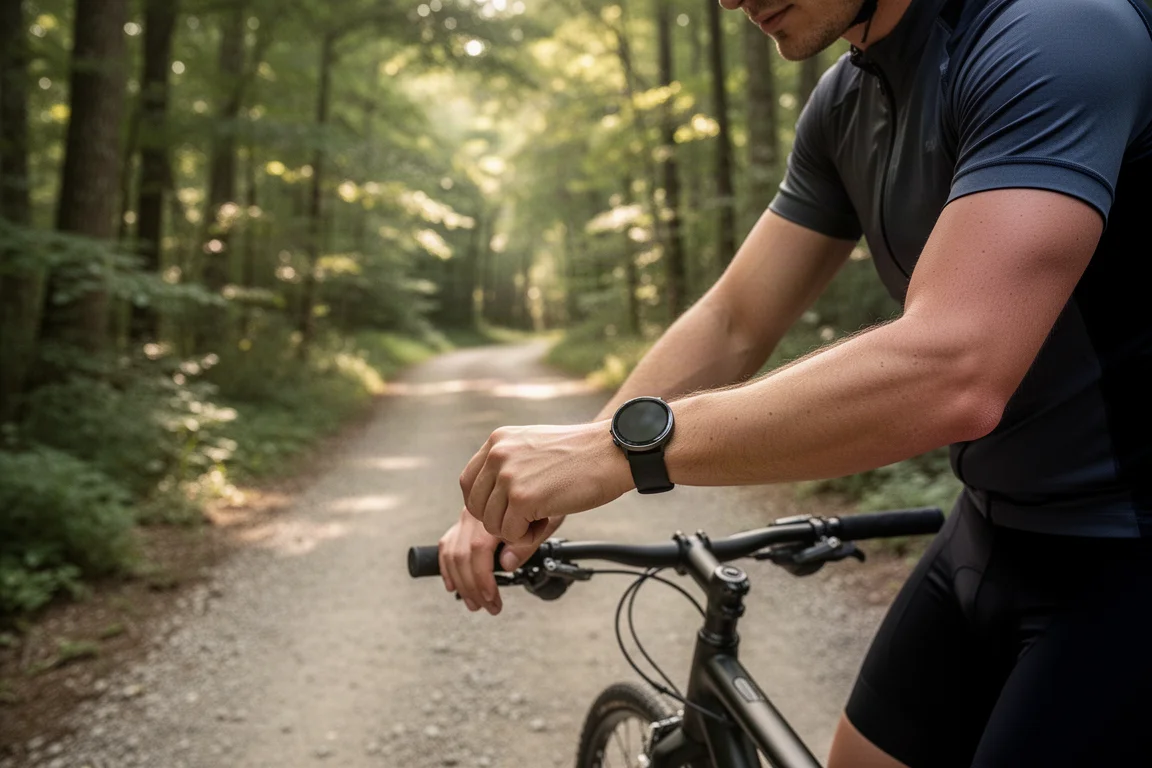
GPS accuracy was solid overall. Distances matched other devices on runs and rides, and satellite fixes took about 5 to 10 seconds. Running tracks were excellent. Cycling tracks did a great job on straight sections but tended to overshoot on higher-speed corners, going wide without meaningfully affecting distance totals.
Heart Rate Accuracy
Heart rate accuracy was strong for easier activities. Indoor cycling showed only momentary blips, and steady-state runs lined up nearly exactly with external chest strap sensors, with good responsiveness during intervals.
Accuracy drops for activities with heavy wrist flexion or constant wrist movement. Outdoor cycling readings were inconsistent, sometimes wandering high or going haywire late in a ride. High-intensity interval training and weight training were the hardest cases, with missed intervals and unreliable readings.
The fix is to pair an external heart rate monitor like a chest strap or armband, which the Active 2 supports, something rarely seen on budget watches. It even supports cycling power meters, and Zepp now syncs cycling power to Strava, though the numbers do not currently match between the two apps, and cadence is neither displayed in Zepp nor synced to Strava.
Battery Life and Charging Tips
A few practical notes to get the most from the watch: keep the altitude calibration toggle off if you have odd elevation data, delete old activities and maps before large software updates given the limited storage, and lean on an external heart rate strap for intervals and strength work. With those habits, the day-to-day experience is reliable.
Buying Advice
At $129, the premium Amazfit Active 2 is an easy recommendation for anyone who wants a comfortable, good-looking everyday watch with genuine sports depth, offline maps, and speaker calls, and who can live with compressed sleep and readiness scores. The $99 standard version is worth it for most people only if sapphire is not a priority.
Conclusion
No watch at this price is perfect, and the Active 2 has quirks, particularly in its software algorithms and workout button behavior. But the hardware is solid, core fitness tracking performs well, external sensor support adds a real ceiling to accuracy, and there is simply nothing else that comes close at this price, or even at double it.
Product link
View more details for Amazfit Active 2
This product is mentioned in the review. Check the specifications, options, and compatibility before buying.
View more details for Amazfit Active 2Further reading
Related Reviews
Fitness Watches
Garmin Epix Pro Review: 30 Days of Daily Suggested Workouts
A 30 day test of the Garmin Epix Pro and its daily suggested workouts: what the plan prescribed, how it adapted to daily life, and the FTP gains it produced.
Fitness Watches
Garmin Watch Buying Guide: Finding the Right Model for Your Fitness Goals
Navigate Garmin's extensive watch lineup with a practical guide covering classic designs, smartwatch features, rugged options, and serious running watches.
Fitness Watches
Coros Apex 4 Review: A Lightweight Mountain Sports Watch Built for Accuracy
The Coros Apex 4 pairs best-in-class weight and battery life with dual-frequency GPS, an always-on MIP display, and a durable fiber-reinforced polymer case.