Road Bikes
Trek Émonda ALR vs Specialized Allez: Two Aluminium Road Bikes Worth Buying
Two new aluminium road bikes take very different approaches: a metal race bike from Trek and a versatile all-rounder from Specialized. Here is how to choose.
Introduction
New road bike prices have climbed steadily, and carbon fibre is no longer the automatic answer at every budget. Aluminium has quietly become one of the most sensible ways to get a fast, capable machine without paying a premium for the frame alone.
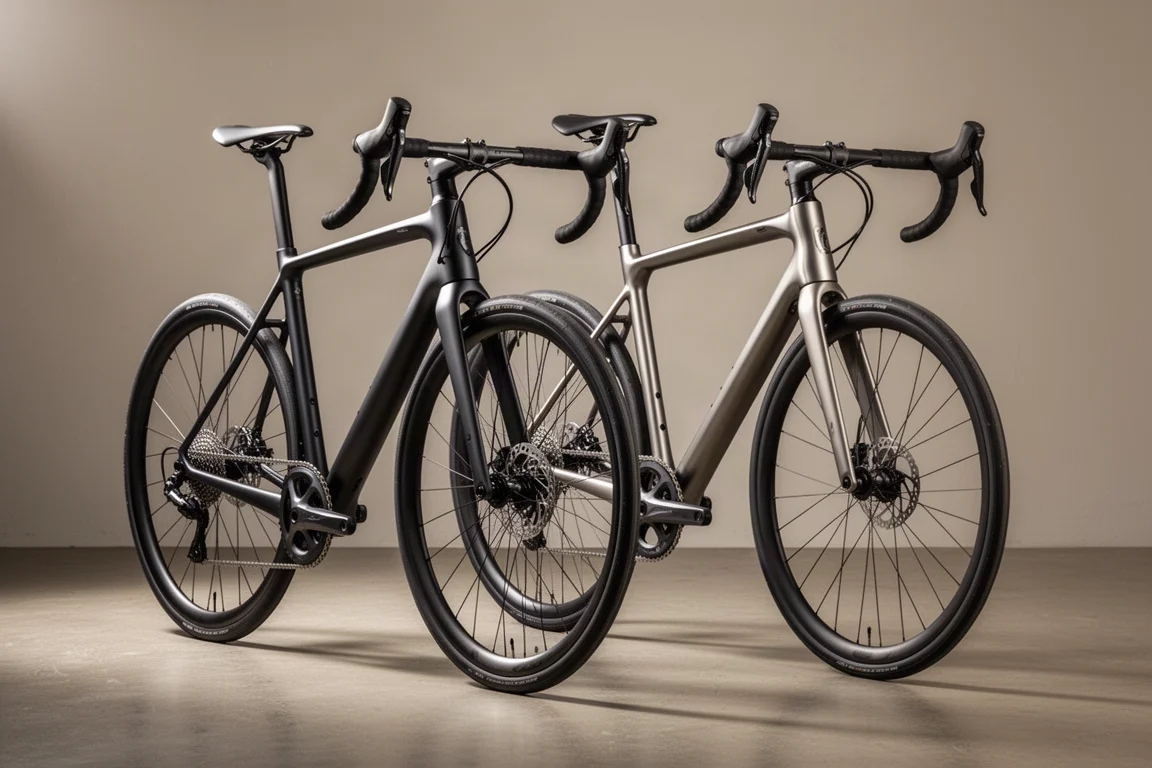
Two new arrivals make that case well. The Trek Émonda ALR is a metal version of a proven race bike, and the Specialized Allez is a versatile all-rounder that has long been one of the most popular road bikes in its class. They share a frame material and very little else, which makes them a useful pair to compare.
This guide looks at what each bike offers, where the compromises sit, and which one fits which kind of rider.
Why Aluminum Is Worth Considering Again
Price is the obvious starting point. Aluminium frames cost far less to produce than carbon, so a complete bike built around one is significantly cheaper. That saving also tends to surface as better components: at a given budget, wheels, groupsets and tyres are often a step up because the frame is not consuming as much of the money.
The weight gap is smaller than many riders assume. Modern aluminium frames are not dramatically heavier than entry-level or mid-range carbon, and some aluminium race frames sit close to carbon framesets in real terms. Aluminium is also tough and less likely to be badly damaged in a crash, which matters for riders who race or simply expect the occasional mishap.
The usual hesitation is ride quality. A modern aluminium frame is firmer than a good carbon frame, but a well-executed aluminium frame can be smoother than a poor carbon one. Wide tyres, a carbon seatpost and a carbon handlebar close much of the remaining gap in comfort.
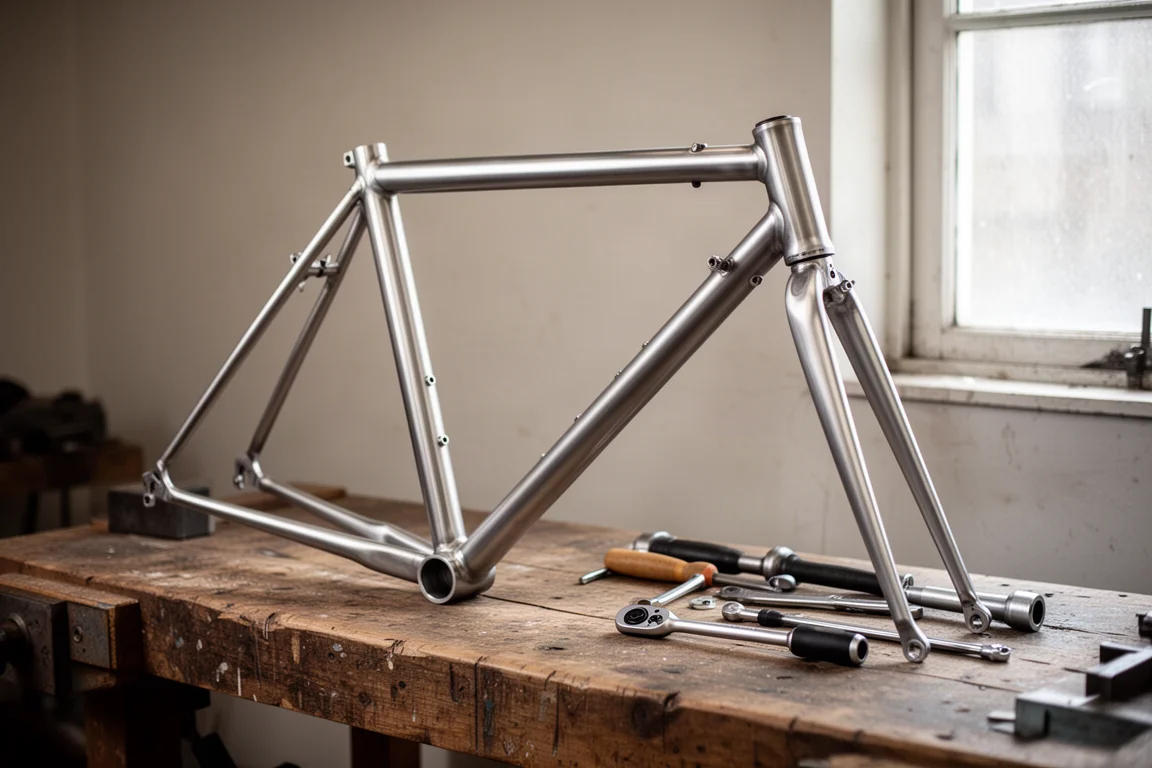
The trade-off is positioning. Aluminium is still mostly reserved for entry-level bikes, and manufacturers rarely spec it above Shimano 105 or Ultegra. The material itself often caps how far a build can go, even when the frameset could handle more.
Trek Émonda ALR: Race Geometry in Aluminium
The Émonda ALR is the latest generation of Trek’s aluminium race platform, and it is based directly on the carbon Émonda of the same name. It uses the same race-focused geometry, and the tubes have been shaped for aerodynamic efficiency, with Kammtail profiles on the down tube and head tube.
Cables are routed internally, though not fully: they run underneath the stem and into the steerer tube. The bottom bracket is a threaded T47, which is a practical choice for home mechanics. Claimed frame weight is 1,257g, roughly 200g lighter than the previous version and reasonably close to the carbon Émonda SL frameset.
Tyre clearance tops out at 28mm and there are no mudguard mounts, which limits how far the bike can stretch toward commuting or all-road use. Trek offers two builds, both with Shimano 105: a mechanical version at around 9kg and a Di2 electronic version at around 8.8kg. A frameset option means it can also be built up with a higher-end groupset and carbon wheels for a fast race bike at a more attainable total.
Specialized Allez: Versatile All-Rounder
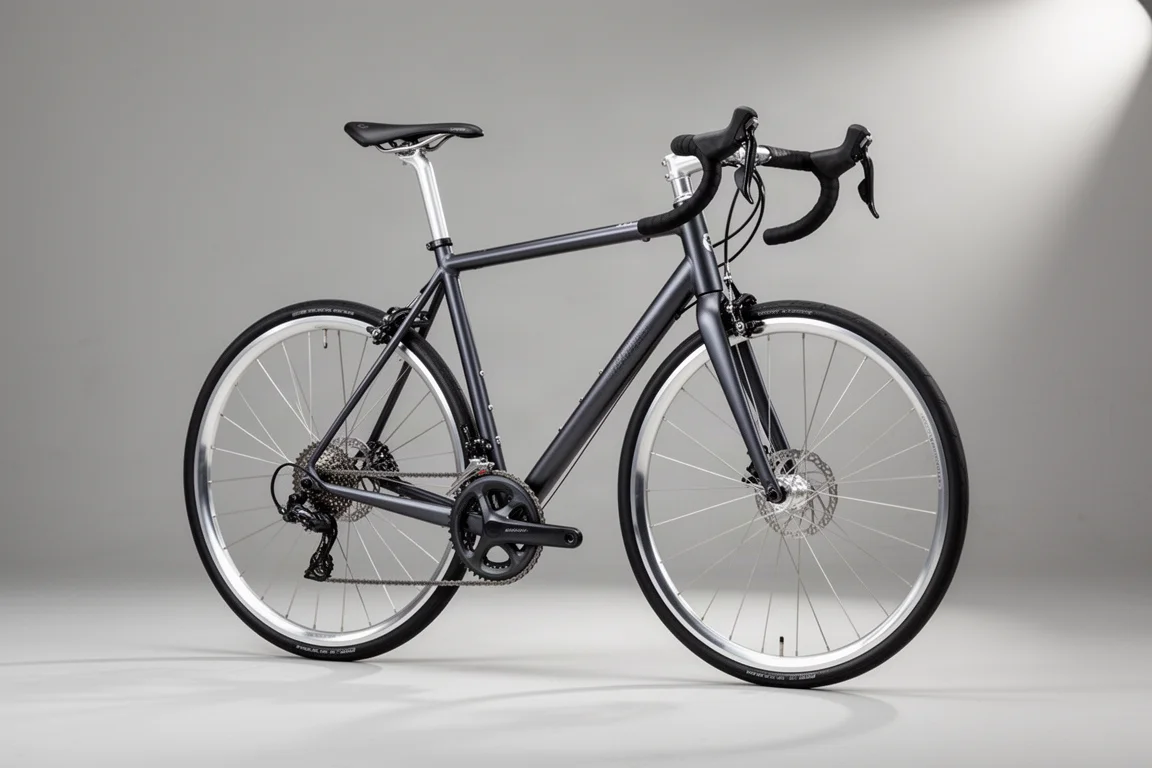
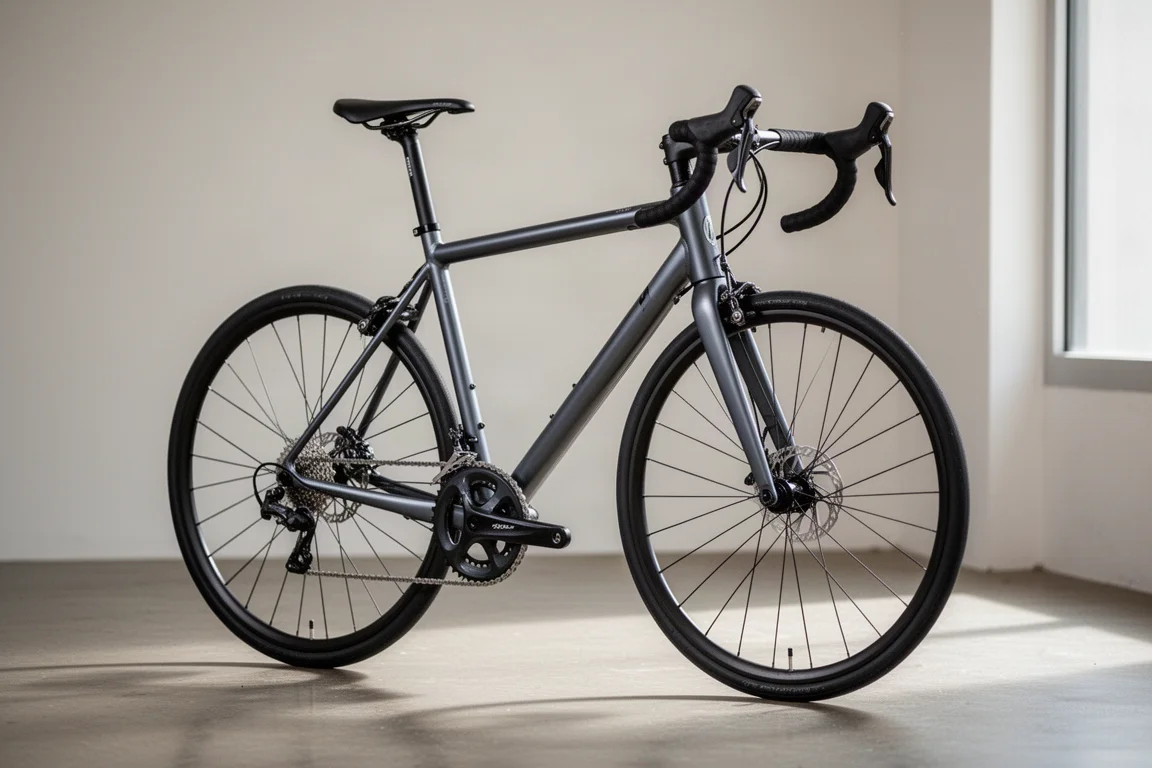
The new Allez is Specialized’s most affordable road bike, and the updated E5 aluminium frameset is claimed at 1,375g. It pairs that frame with a full carbon fork including a carbon steerer tube, a detail that helps keep weight down and smooths the ride compared with the alloy steerers often used to save money at this level.
Other practical details include a threaded bottom bracket, a 27.2mm seatpost, and mounts for mudguards and a rack. The range is disc brake only, which is notable at this price point. Tyre clearance is generous at 35mm, or 32mm with mudguards fitted, so light gravel and dirt are genuinely within reach.
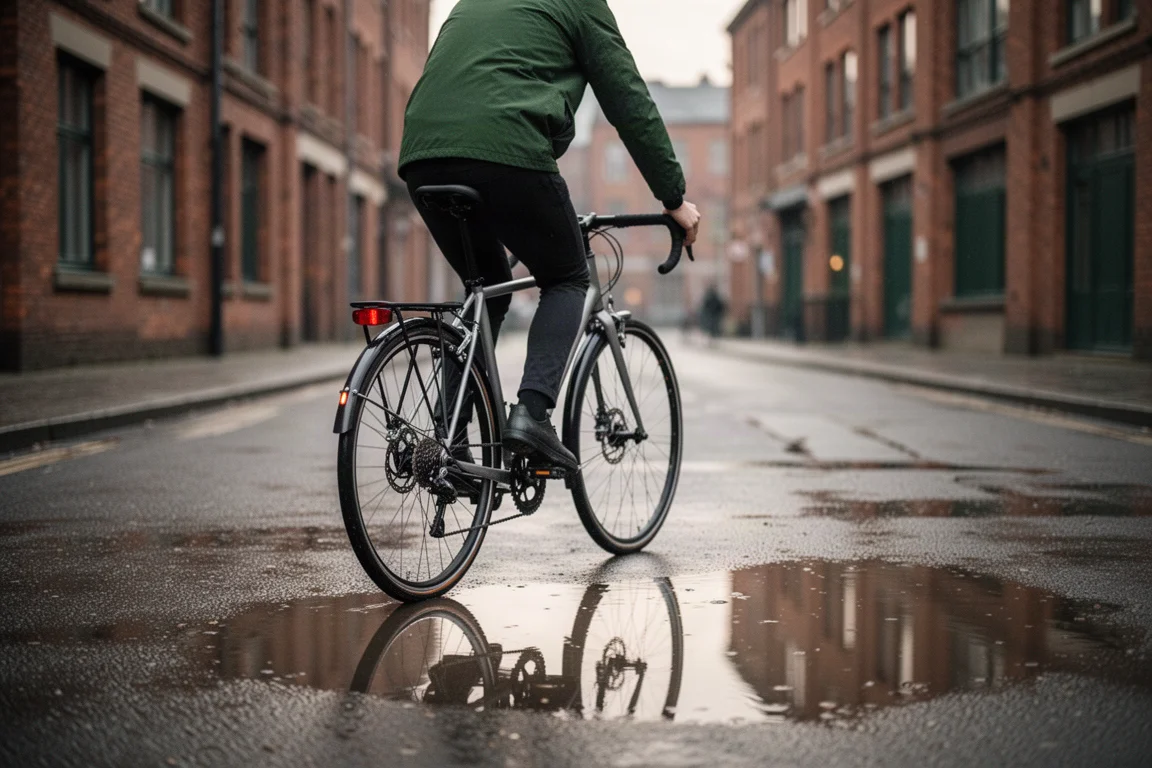
The geometry is based on the brand’s endurance platform rather than a slammed race setup, which makes the position more accessible for a wider range of riders. Claimed complete weights are 9.5kg with Tiagra and 10kg with Claris. Pricing starts at around £1,100 for the Claris model and rises to around £1,600 for the Sport Tiagra build.
Buying Advice: Choosing Between the Two
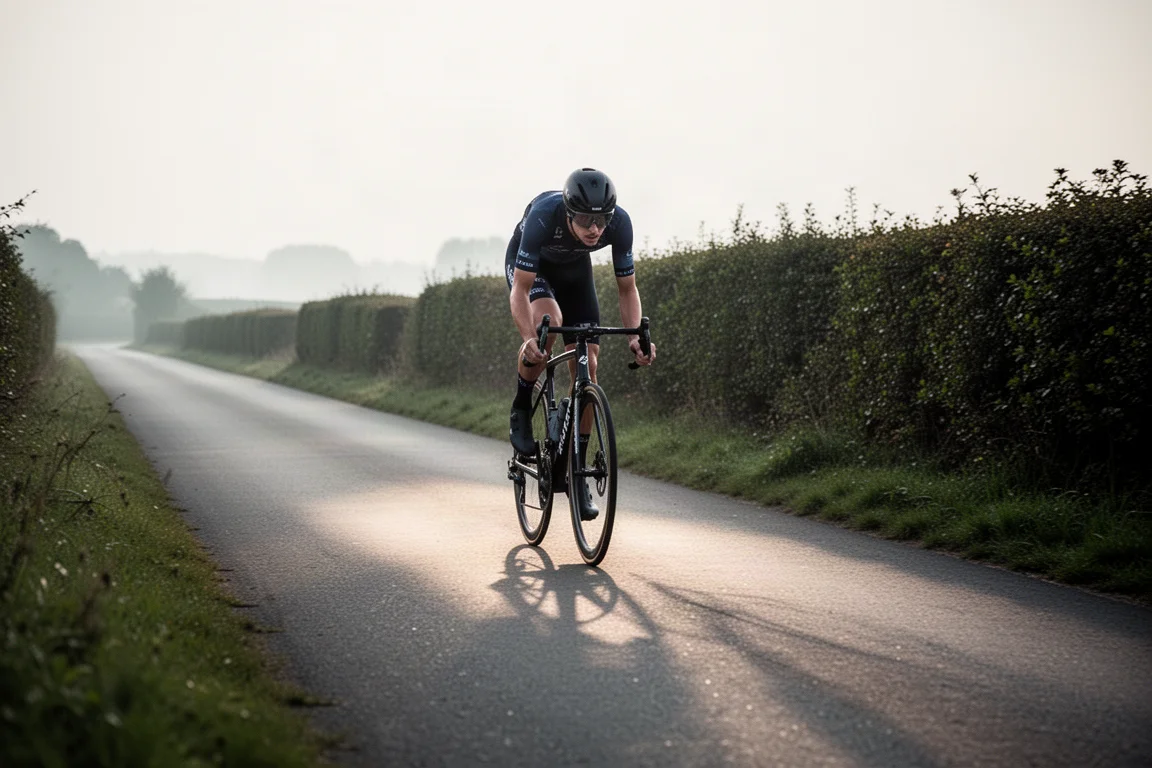
The Émonda ALR is the sharper tool. Its race geometry, aero tube shapes and lighter claimed frame weight suit riders who want a fast bike for sportives, criteriums and hard training rides, and who are comfortable with a 28mm tyre limit and no mudguard mounts. The frameset option is particularly appealing if you already have a groupset and wheels you like.
The Allez is the more versatile choice. With rack and mudguard mounts, 35mm tyre clearance, disc brakes across the range and endurance-oriented geometry, it works as a commuter, a winter trainer, a light gravel bike and a first road bike. The trade-off is a slightly heavier frame and a more relaxed position.
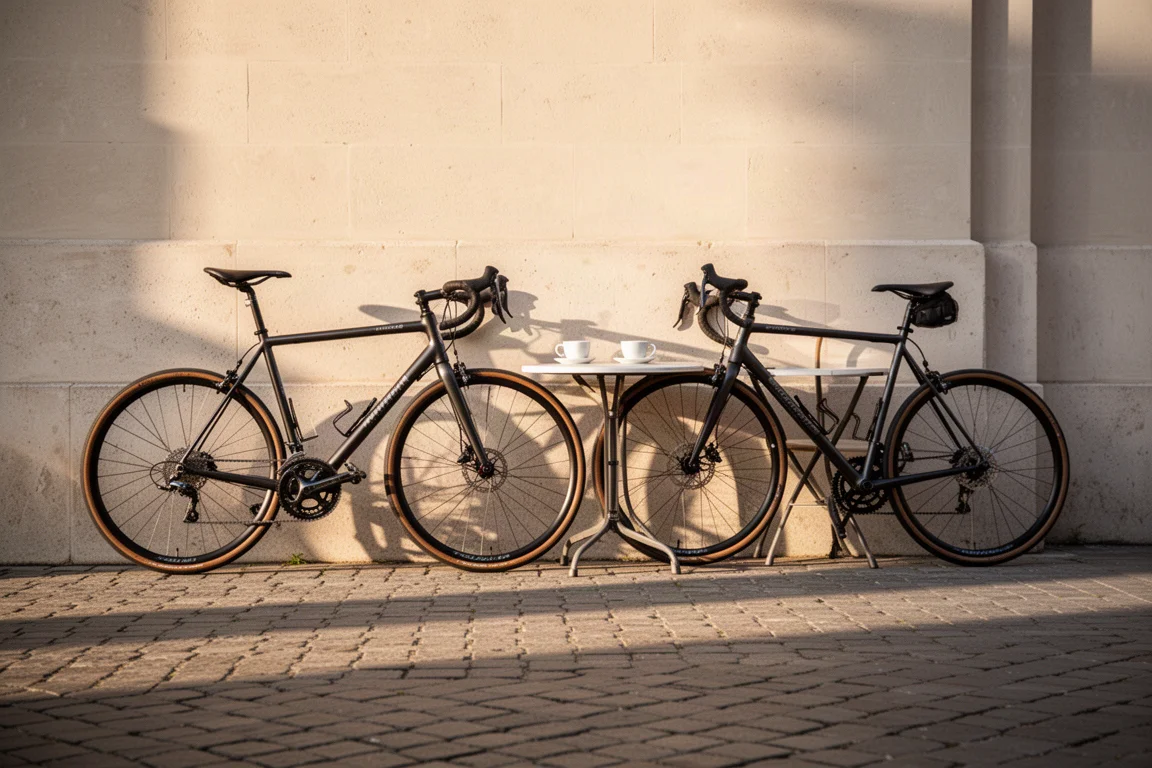
If most of your riding is fast and focused, the Émonda ALR is the more rewarding platform. If you want one bike that handles the daily commute, weekend distance rides and rougher surfaces without complaint, the Allez covers more ground. Either way, both show that aluminium is no longer a compromise you settle for, but a deliberate choice with real advantages.
Conclusion
Aluminium road bikes have moved well beyond the entry-level stereotype. The Trek Émonda ALR proves a metal frame can carry race geometry, aero shaping and a light claimed weight, while the Specialized Allez shows how much practicality can be built into an affordable road platform. Match the frame to the riding you actually do and either bike will serve you well for years.
Further reading
Related Reviews

Road Bikes
10 New Road Bikes Worth Watching: Aero, Titanium, Steel and Endurance Standouts
A practical roundup of 10 new road bikes, from aero flagships chasing single-watt gains to titanium, steel and endurance platforms built for real roads.
Road Bikes
2026 Tour de France Road Bikes: Six Race Machines Worth a Closer Look
Six race bikes from the 2026 Tour de France grid, reviewed for paint, silhouette, wheels and the specification details that matter to buyers.
Road Bikes
3T Strada Italia Review: A Radical Aero Road Bike That Rides Smooth
A made in Italy carbon aero road bike with a deep head tube, wide tire clearance and a genuinely comfortable ride. Here is what to know before buying.