Camping Shelters
ALPS Mountaineering Stealth One Bivy Tent Review: A Distinctive Shelter With Real Compromises
A close look at the ALPS Mountaineering Stealth One bivy, covering its step-in design, materials, measurements and the practical limits buyers should weigh first.
Introduction
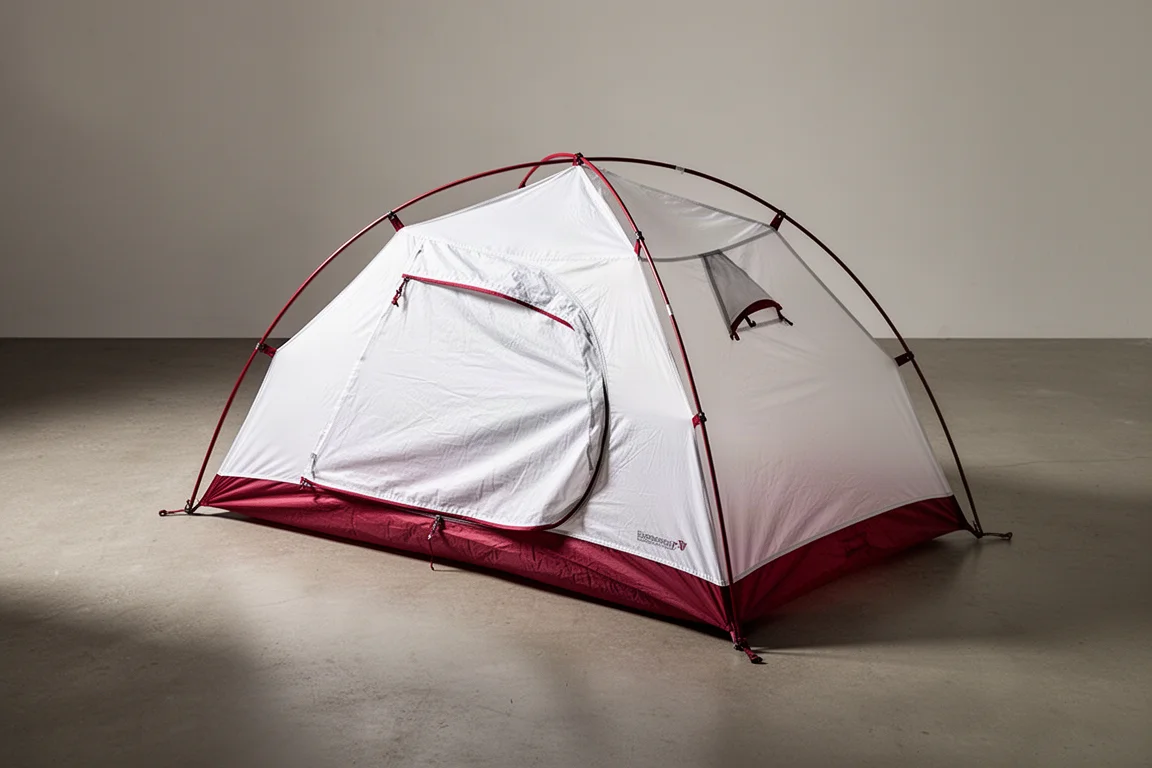
The ALPS Mountaineering Stealth One is a single-person bivy shelter that stands apart from the brand’s usual white and blue lineup. Finished in cranberry ash, a white and red combination, it reads more like a shelter from a specialist brand than a mainstream camping product. It also uses a step-in entry layout that is unusual for this category.
What follows is a careful look at the design, the materials, the measurements and the practical trade-offs, so a prospective buyer can judge whether the Stealth One suits the way they camp.
What the Stealth One Actually Is
ALPS Mountaineering describes the Stealth One as a lightweight option for backcountry use, built from durable materials to help you pack lighter and travel further while still offering a bug and rain free experience. It is a hooped bivy rather than a freestanding tent, and its defining feature is a step-in entry: the fly opens in a way that lets you kick off your boots and step straight in instead of crawling through a low opening.
The kit ships in a storage case that looks, at first glance, like an oversized first aid kit. The case has two zippers and multiple loops for lashing it to a backpack. Inside you get the shelter, two fiberglass poles, six tent stakes, a cordage bag with repair material including mesh, bottom fabric and top fabric, and an instruction sheet.
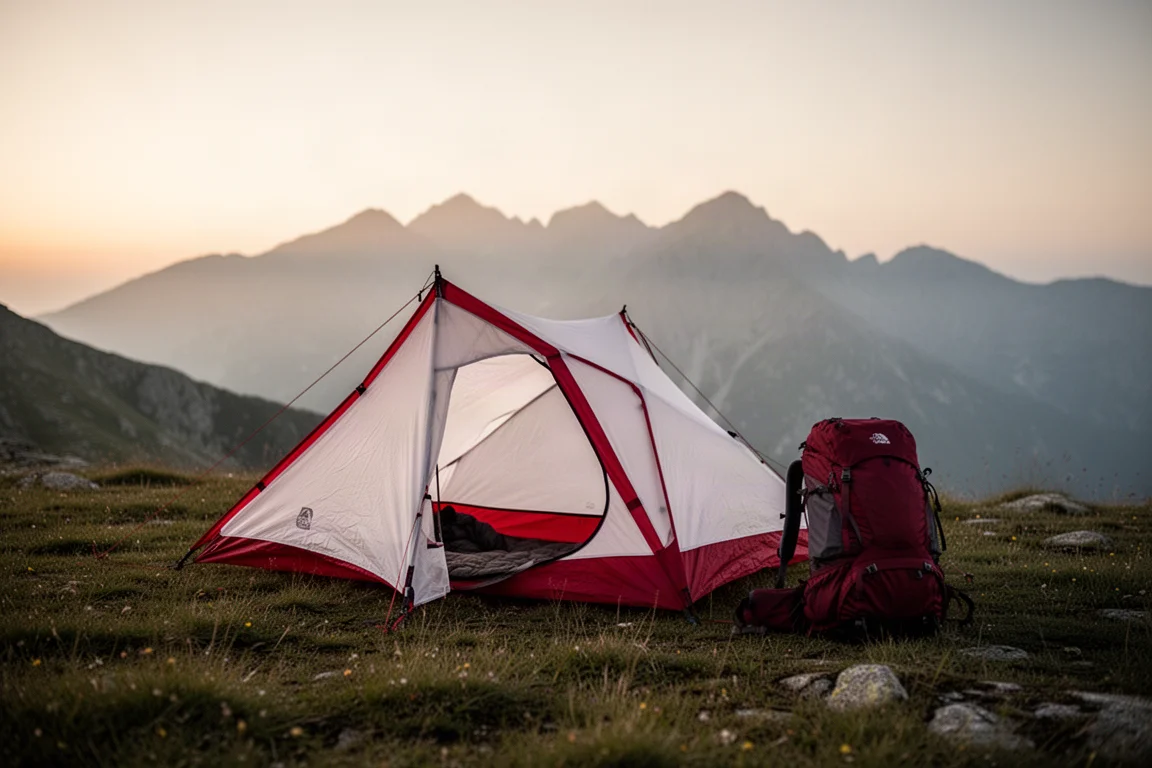
The poles arrive wrapped in velcro and held under tension, so they should be unwrapped slowly and carefully. One pole is short and one is long. The long pole goes at the head, the short one at the foot box.
Who This Bivy Is For
This is a shelter for backpackers who want a small packed footprint and a fast, simple pitch, and who mostly camp in calm, cool and dry conditions. The stated pack size is 12 by 11 by 3 inches, and the shelter alone weighs 1 lb 12 oz. The full kit weighs 2.1 lb.
It is not an ultralight choice. To use a bivy like this adequately you will want some form of protection over the top, such as a tarp, and once the weight of a tarp is factored in the setup is only moderately light. Buyers who count every gram have lighter alternatives available.
Main Strengths
The interior measurements are generous for a one-person bivy. The Stealth One is 7 feet long. Width is roughly 32 inches at the head, 29.5 inches in the middle and 22.5 inches at the foot box. Height comes in at 16 inches at the head and about 13 inches in the middle and at the foot box.
The step-in design makes entry genuinely easy, and there is a good amount of usable length plus width at the head end. Inside there is a bathtub floor, a single mesh pocket and two vents, one at the head and one at the foot box. The entrance zipper runs smoothly, with two storm flaps joined by velcro, and the flap extends across the whole shelter.
Build quality on inspection is reassuring. Stitching and seam tape both look clean. The materials are specified as a 75 denier 185T polyester fly with a 1,500 mm hydrostatic head and a 150D polyester Oxford floor with a 2,000 mm hydrostatic head.
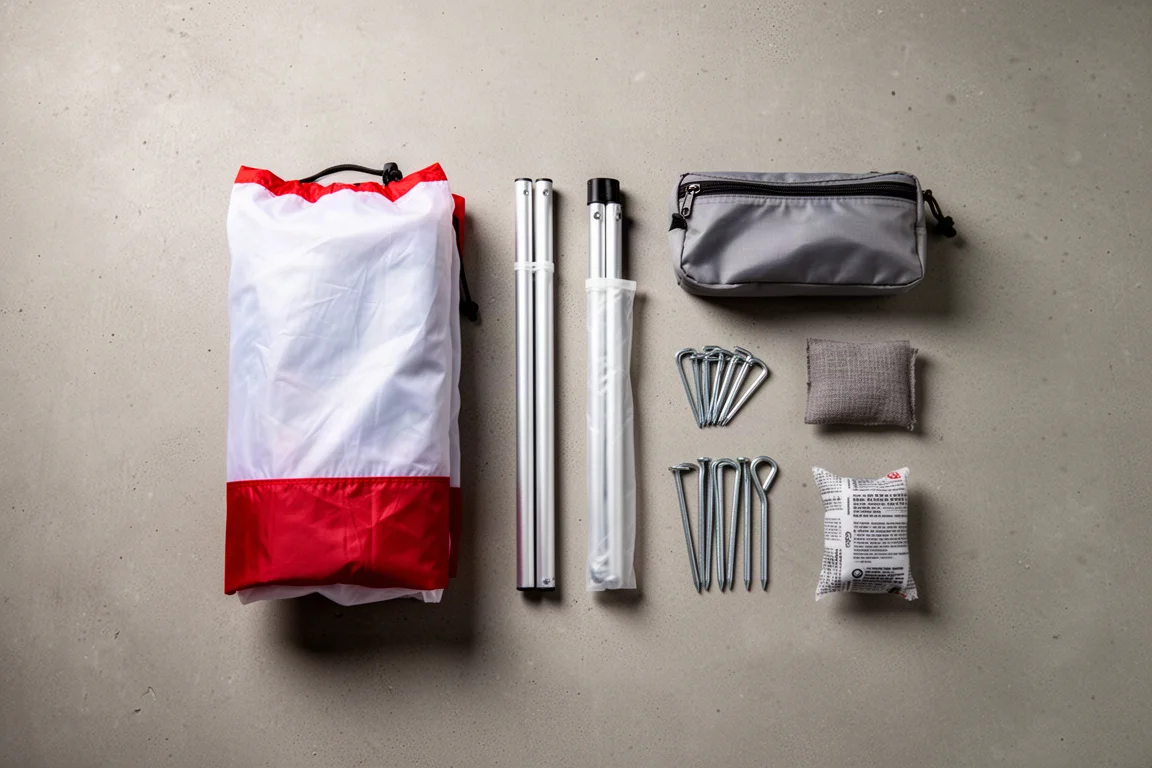
The storage case is a practical addition, and the included repair material adds a little peace of mind on longer trips.
Setup and Real-World Design Trade-Offs
Pitching the shelter starts with staking out the corners at the foot and the head, then working the poles through the sleeves at the foot box. One sleeve is sewn closed on both ends, so the pole has to be pushed through, which is harder than it sounds. The opposite sleeve opens with velcro so the pole can be dropped in from the side and secured.
The foot box has three stake-out points: one on each side and one in the middle for the vent. That layout serves the vent, but it is not ideal for overall tension. With the stake-out points sitting low, pressure goes into the middle of the shelter rather than the top, so the fabric can stretch and sag over time. There is no guyline point at the top, and no additional guyline placements on the main walls, which would have helped pull the material away from the occupant.
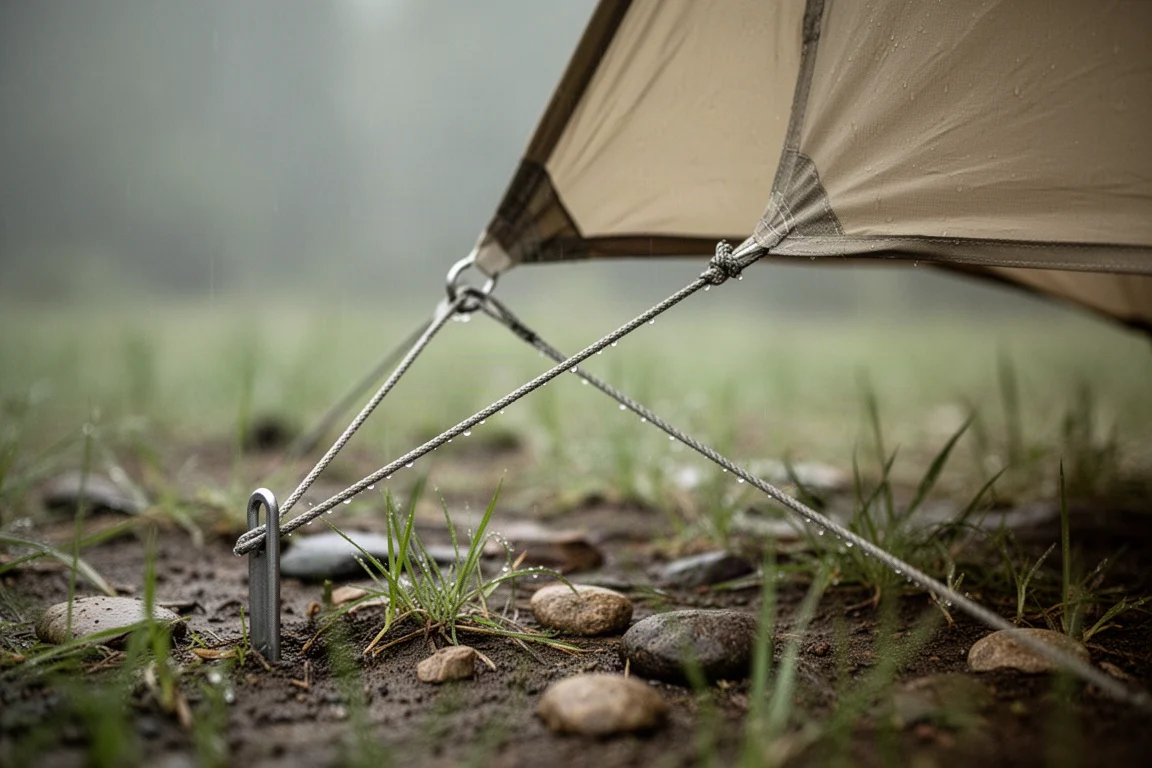
One shelter as delivered arrived without one of its two guylines, and without improvising a replacement from spare cordage it could not be set up at all. The six included stakes also lack pull cords despite having holes at the top, which makes them harder to remove from firm ground.
Inside, the fabric sits close to the body. Even with the material dry and unstretched, the walls push inward, and with no way to guy them out the sagging is likely to worsen over time, especially in wet conditions. A sleeping bag will come into contact with the walls, so condensation is a real concern.
There is also no mesh at the head end. To keep mosquitoes and other insects out, the fly has to be fully sealed, and once it is sealed the interior warms up quickly. The two small vents are not enough to compensate, and there is no option between fully open and fully closed. Because of the way the fly opens, getting in and out during rain will soak the interior, which is exactly the situation a traditional crawl-in bivy handles better.
Things to Consider Before Buying
Airflow and condensation are the two biggest questions, and waterproofness is a third. The materials and the seam taping look sound, but that is not proof of performance in sustained rain, so it is worth verifying rather than assuming.
The name deserves a note as well. Nothing about the cranberry ash colorway is stealthy in the camping sense. White and red stand out clearly, so buyers looking for a low-visibility shelter should look elsewhere. The color combination itself is not unattractive, it simply is not discreet.
Then there is the price. The Stealth One retails for $120 and is often available for around $100. That is a meaningful amount for a small polyester shelter, particularly one whose design limits when it can be used comfortably. Missing components out of the box make that harder to accept.
Buying Advice
The Stealth One makes the most sense for a specific kind of camper: someone who wants a compact, quick-to-pitch bivy for calm, cool, dry nights and who is comfortable pairing it with a tarp for weather protection. Used that way, the step-in entry, the generous length and the solid-looking construction are real advantages.
For anyone who camps in warm, humid or rainy conditions, a traditional crawl-in bivy that can be pitched taut and used with the opening partly vented will generally be the more comfortable and more versatile choice. Before buying, decide which of those two profiles matches your trips.
Conclusion
The ALPS Mountaineering Stealth One is an interesting design with a genuinely useful entry system and a roomy interior for its class, wrapped in materials that look well made. It is also held back by a missing component out of the box, limited guyline options that let the walls sag, no mesh at the head, and a rain entry that wets the interior. For calm, cool, dry trips with a tarp on hand it can work. For everything else, the trade-offs are hard to overlook.
Product link
View more details for ALPS Mountaineering Stealth One Bivy Tent
This product is mentioned in the review. Check the specifications, options, and compatibility before buying.
View more details for ALPS Mountaineering Stealth One Bivy TentFurther reading
Related Reviews
Camping Shelters
Alps Mountaineering Stealth 1 Bivy Review: A Waterproof Claim That Does Not Hold Up
The Alps Mountaineering Stealth 1 Bivy carries a 2,000 mm hydrostatic head rating and a waterproof claim, but sustained rain exposure and build quality concerns make it difficult to recommend.
Camping Shelters
AquaQuest Safari Hybrid 20 ft x 13 ft Tarp Review: Two Years Under a Very Large Roof
A long-term look at the AquaQuest Safari Hybrid 20 x 13 tarp, covering build quality, weather protection, setup realities, and who should buy one.
Camping Shelters
Backcountry Light Mesa 3 Hot Tent and Floor SL Tarp Review
A practical look at the Backcountry Light Mesa 3 four-season hot tent and its optional Floor SL Tarp, covering materials, stove jack design, packed weight, pricing, and the trade-offs to weigh before buying.