Camping Shelters
Alps Mountaineering Stealth Bivy Review: A 2,000 mm Rating That Did Not Hold
The Stealth Bivy carries a 2,000 mm hydrostatic head rating and a stated dry-climate design brief. Nearly seven hours of rain left standing water inside. Here is what to know before buying.
Introduction
The Alps Mountaineering Stealth Bivy is a single-person shelter rated at a 2,000 mm hydrostatic head. On paper that number suggests a shell built to stand up to steady rain. The question that matters for anyone shopping for a bivy is whether the finished construction backs the specification up.
To find out, the Stealth Bivy was pitched, staked out, and left exposed to almost seven hours of continuous rain, most of it moderate to heavy. The result was standing water inside the shelter. This review covers what happened, what the company says about the bivy’s intended use, and who should think carefully before buying.
Who This Bivy Is For
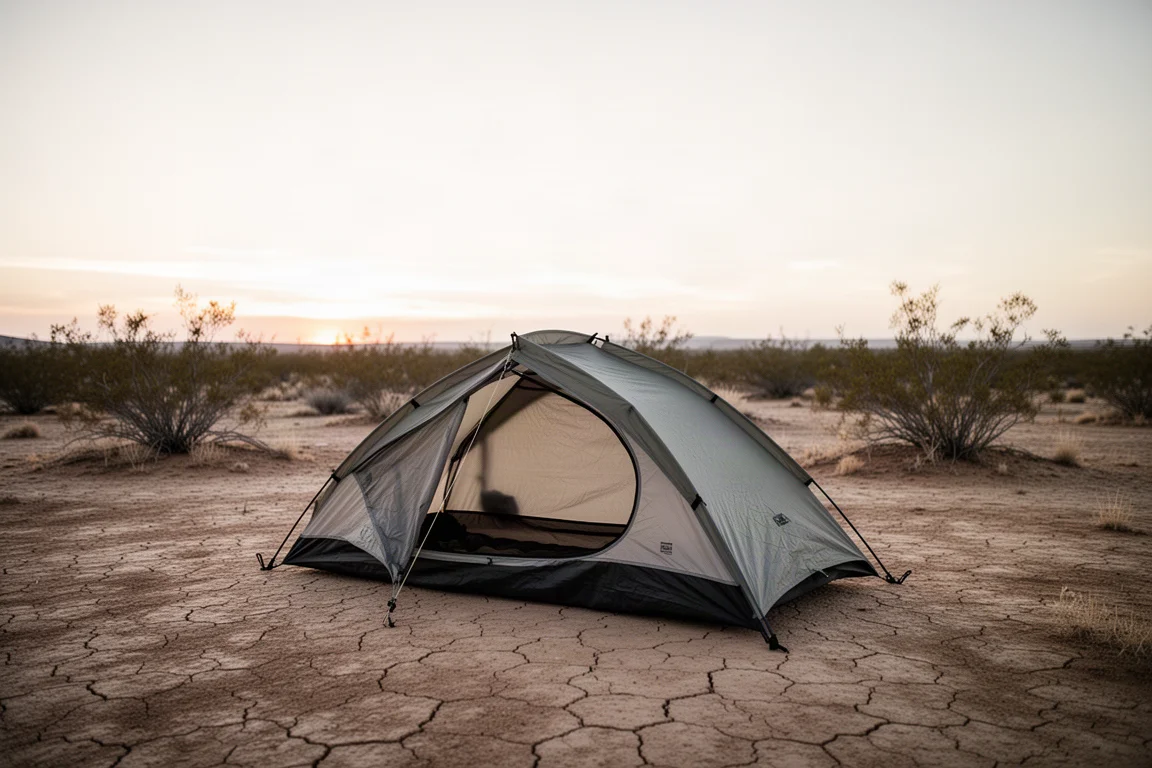
Alps Mountaineering states that the Stealth Bivy was designed for dry environments. That is a meaningful detail, and it is not something that appears on the product listing. Bivies get used in humid, wet, snowy, and dry conditions around the world, so a shelter built specifically for arid climates needs to be understood as exactly that before purchase.
Read that way, the Stealth Bivy fits a narrow use case: fast, minimal solo sheltering in places where rain is unlikely and the bivy is mainly protection from wind, dust, and dew. It is not positioned as a shelter to rely on through a wet night in a temperate climate.
If your trips regularly involve moisture, a bivy designed for dry conditions is the wrong starting point, however good the spec sheet looks.
Main Strengths
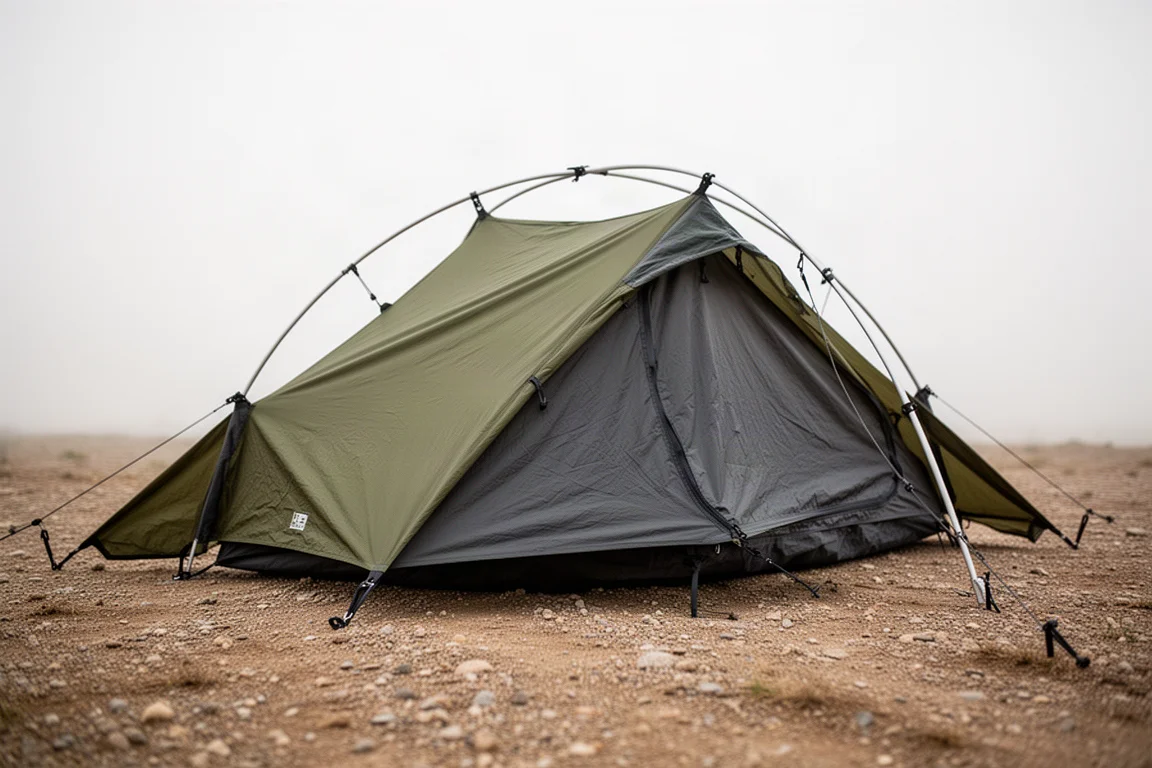
Taken on its own terms, the format has appeal. A bivy is the smallest and most stripped-back way to sleep outdoors, and the Stealth Bivy follows that brief: one occupant, a low profile, storm flaps that can be staked out and secured, and a shell rated at 2,000 mm.
For a dry-climate trip where simplicity matters more than weather protection, that combination is coherent. The bivy can be set up as a self-contained sleeping shelter without a separate tent body, and the staked-out storm flaps give it a defined shape once tensioned properly.
None of that changes the fundamental limitation. A dry-environment shelter is only an advantage in dry environments.
Things to Consider Before Buying
Two issues stand out before you even get to weather performance.
The first is disclosure. The company confirmed the dry-environment design intent and agreed it could be shared, but at the time of testing no disclaimer or warning had been added to the product page. Buyers comparing bivies online would have no way of knowing this from the listing alone.
The second is what arrives in the box. On the first setup, components were missing, which meant the bivy could not be pitched correctly. Missing hardware on a shelter is a problem in itself, and it also makes it harder to judge the design fairly on a first impression.
Add a design that was described as poor overall, and the case for buying gets weaker before any rain falls.
Setup and Component Notes
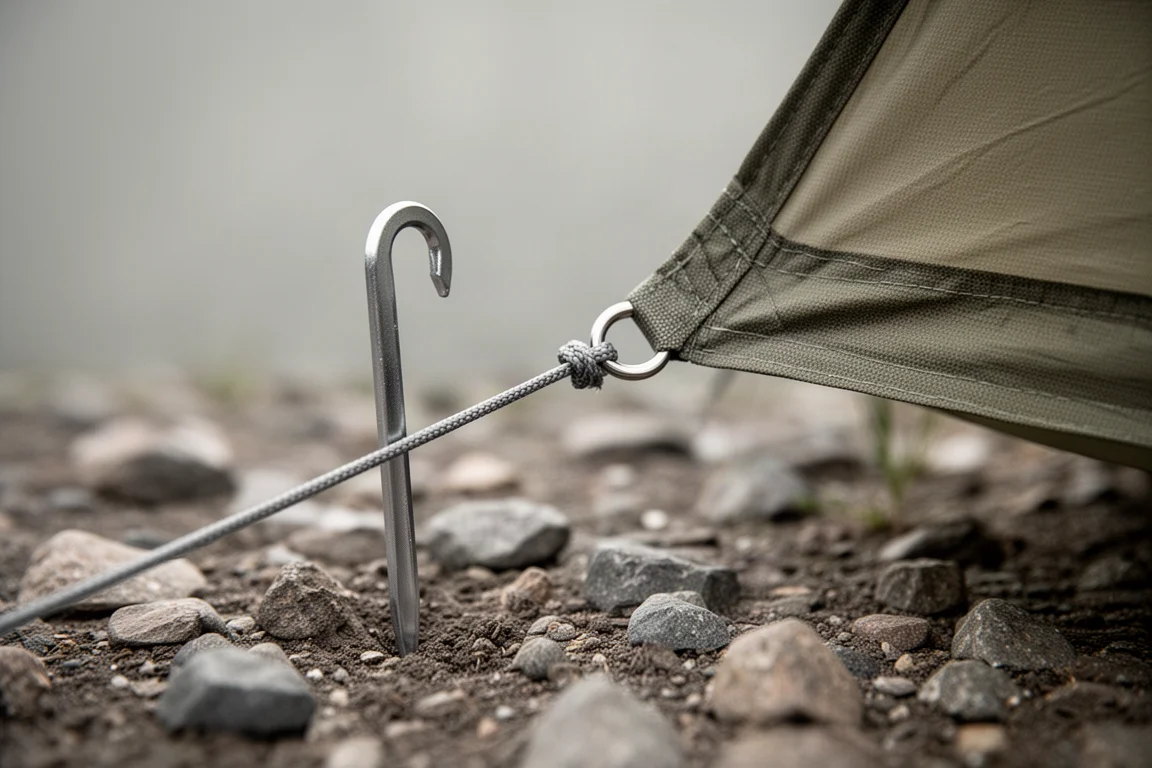
Once the bivy was fully set up, staked out, and the storm flaps secured, it held its shape and was ready for testing. The pitch itself is not complicated in principle.
The practical concern is that a shelter arriving incomplete leaves you unable to complete a full setup, which is precisely the situation a bivy is meant to avoid. In the field, missing parts are not an inconvenience, they are a night without proper shelter.
What the Rain Test Revealed
The test was built around duration and varying intensity rather than a brief shower. Rain began and intensified within the first hour, continued past the three and a half hour mark, and ran for almost seven hours in total, with the majority of that time at moderate to heavy intensity.
At the end, there was a large puddle of water pooled in one corner of the bivy and a single drop in another area. The leak was traced to a specific point where the seam tape was not doing its job. Water entered there and ran down into the corner. No other area of the shelter showed the same problem.
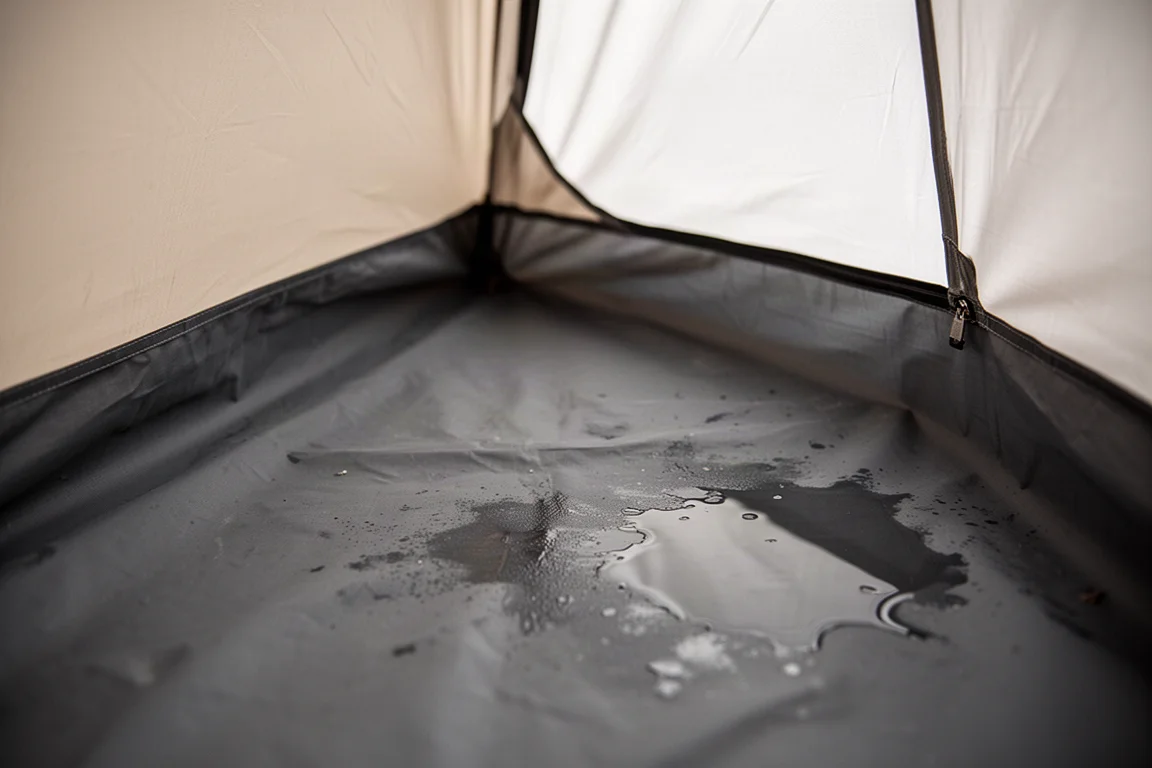
Two other shelters tested alongside the Stealth Bivy did not leak. That contrast is the clearest signal: the 2,000 mm rating on the label did not translate into a waterproof shelter in practice.
Design and Build Quality Notes
A hydrostatic head rating describes the fabric, not the finished shelter. Seams, taped joints, and construction quality decide whether water stays outside. In this case, a defect at the seam allowed water through despite the headline specification.
That is the crux of the problem. A shelter can carry a respectable rating and still fail if the assembly around it is not held to the same standard. For a bivy, where the shell is the only barrier between you and the weather, that margin matters more than it does on a larger tent with a separate fly.
Buying Advice
At around $120, the Stealth Bivy sits in the middle of the bivy market. Based on this testing, it does not earn that price. A shelter that leaks in prolonged rain, arrives without all of its components, and is intended for dry climates only is a difficult recommendation at any price.
The more useful takeaway is what to look for instead. For a modest increase in budget, bivies are available that are genuinely waterproof, breathe well, and include features this one lacks. When comparing options, look for a stated waterproof construction rather than a fabric rating alone, check for clear guidance on intended climate, and favour brands that publish that guidance where buyers can find it.
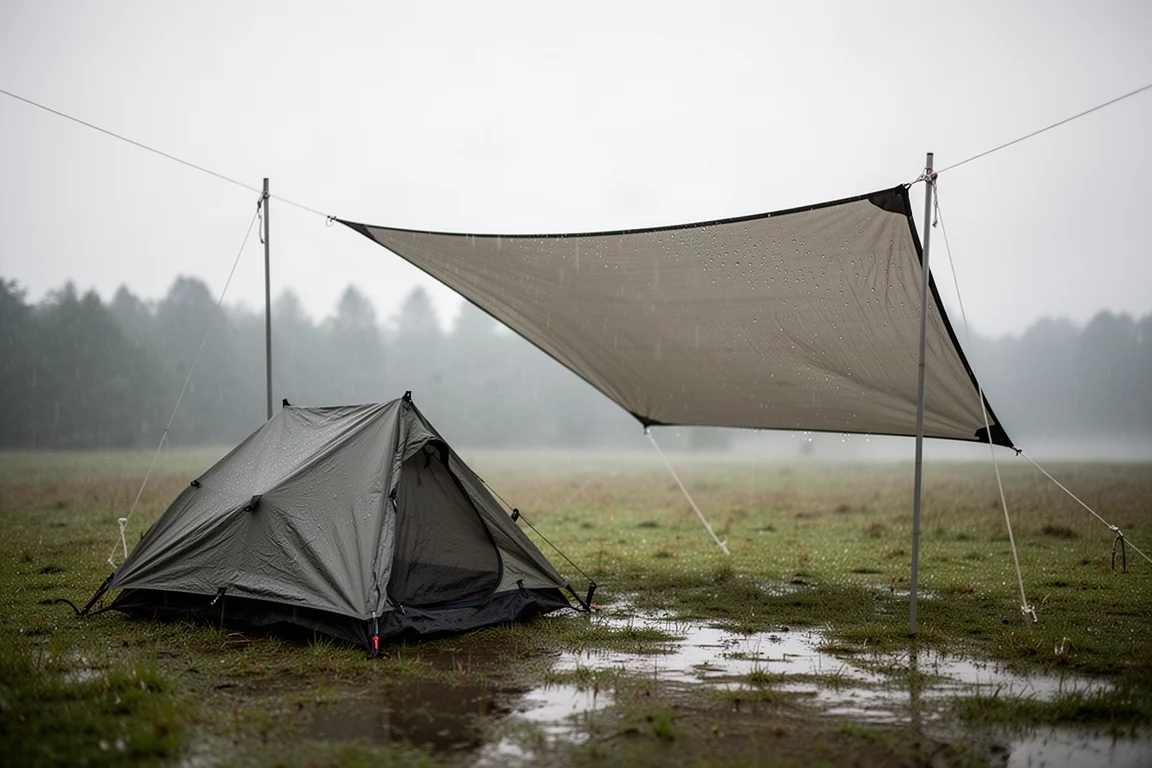
If you already own a Stealth Bivy, treat it as a dry-weather shelter and plan a tarp or a more protective option whenever rain is in the forecast.
Conclusion
The Alps Mountaineering Stealth Bivy is designed for dry environments, and that single detail reframes everything else. Its 2,000 mm rating did not hold up through almost seven hours of rain, water pooled inside at a failed seam, and the shelter arrived without the components needed for a complete first setup.
For dry-climate use, it may serve a narrow purpose. For anyone who needs a bivy that can handle real rain on its own, the evidence here points away from it.
Product link
View more details for Alps Mountaineering Stealth Bivy
This product is mentioned in the review. Check the specifications, options, and compatibility before buying.
View more details for Alps Mountaineering Stealth BivyFurther reading
Related Reviews
Camping Shelters
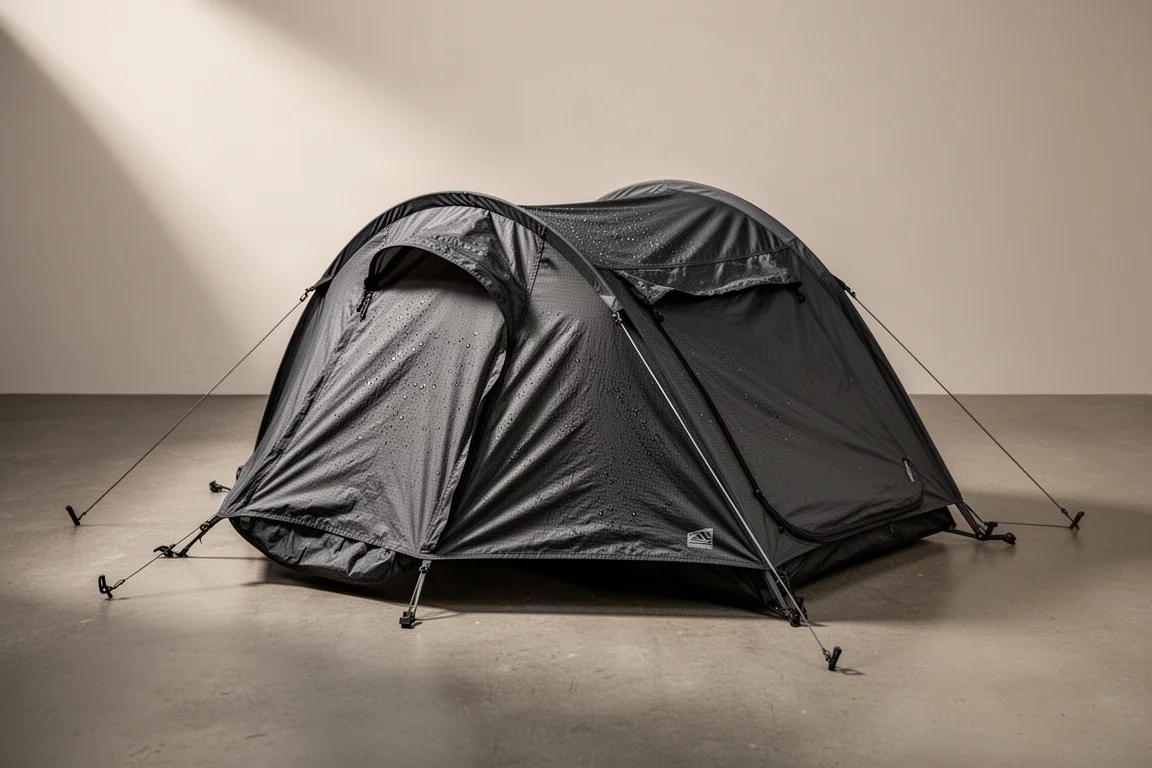
Alps Mountaineering Stealth 1 Bivy Review: A Waterproof Claim That Does Not Hold Up
The Alps Mountaineering Stealth 1 Bivy carries a 2,000 mm hydrostatic head rating and a waterproof claim, but sustained rain exposure and build quality concerns make it difficult to recommend.
Camping Shelters
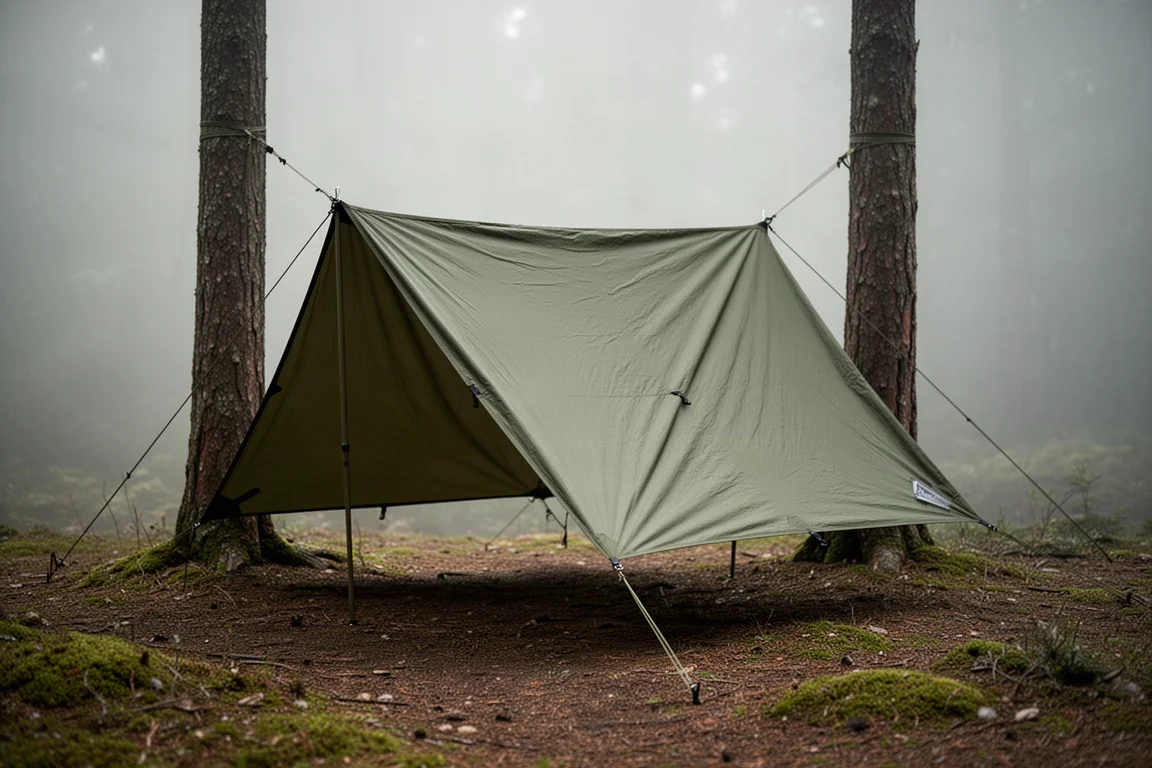
AquaQuest Safari Hybrid 20 ft x 13 ft Tarp Review: Two Years Under a Very Large Roof
A long-term look at the AquaQuest Safari Hybrid 20 x 13 tarp, covering build quality, weather protection, setup realities, and who should buy one.
Camping Shelters
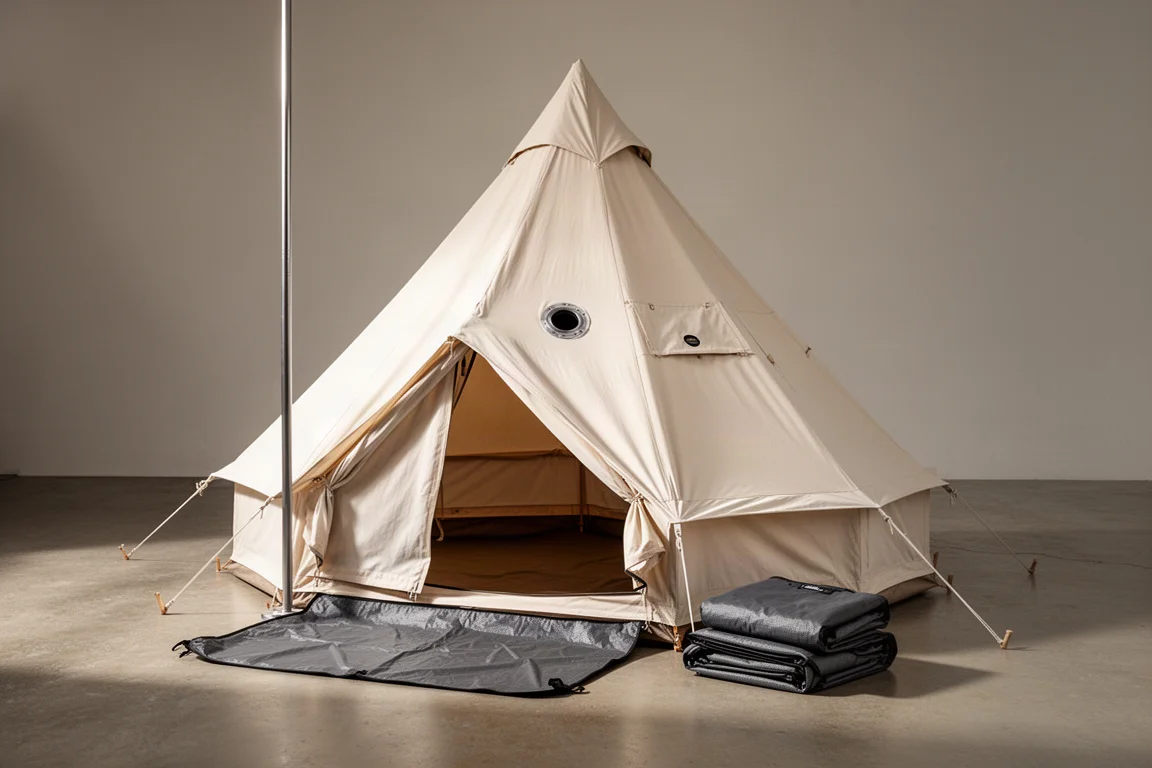
Backcountry Light Mesa 3 Hot Tent and Floor SL Tarp Review
A practical look at the Backcountry Light Mesa 3 four-season hot tent and its optional Floor SL Tarp, covering materials, stove jack design, packed weight, pricing, and the trade-offs to weigh before buying.