Sports Cars
Alpine A110 Review: Why This Lightweight Sports Car Defines Real Driving
The Alpine A110 proves that around 250 horsepower and a just-over-1,100kg curb weight can out-reward far more powerful machines on demanding British roads.
Introduction
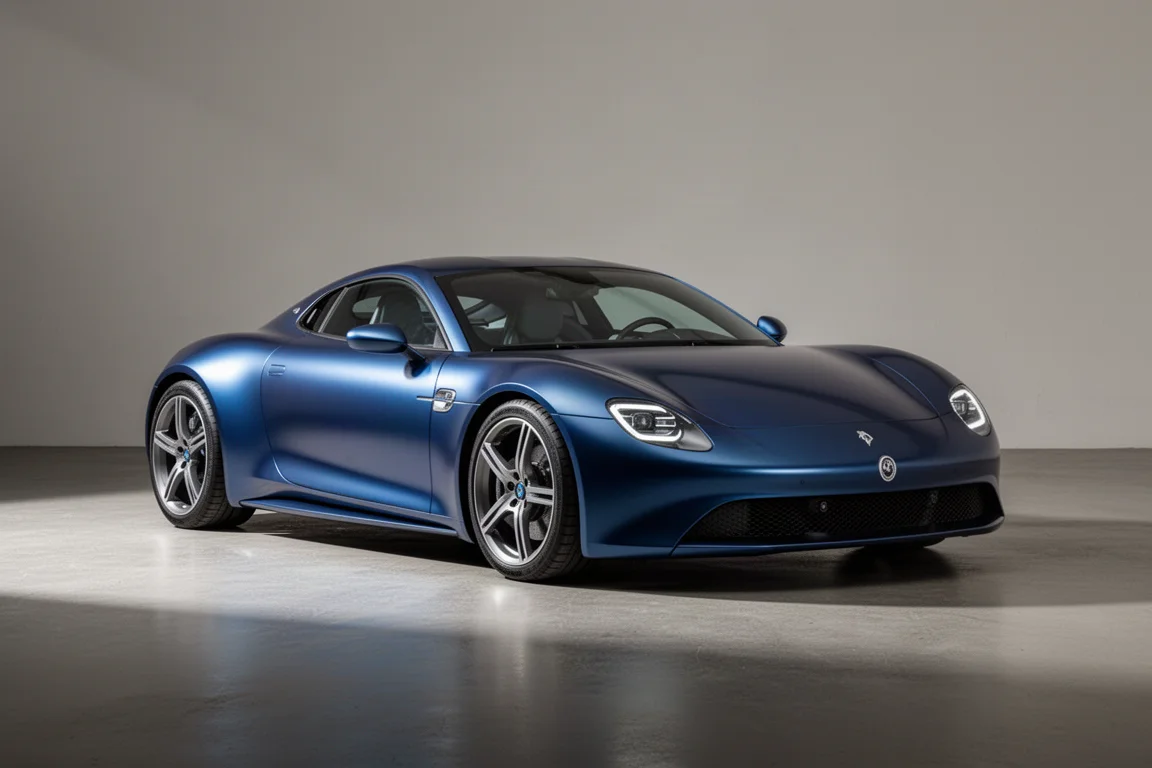
Some cars are built to win numbers races. The Alpine A110 is built for something else entirely. With a curb weight of just over 1,100 kilos, a rear-mounted small four-cylinder turbo engine, and performance achieved largely through aerodynamics rather than brute force, it follows a blueprint that stretches all the way back to the original A110 berlinette of the early 1960s. This is a proper driver’s car, and on some of the most demanding roads in the UK it makes a very persuasive case that lightness still beats horsepower.
The history here matters. Alpine was begun by Jean Rédélé, a clever and singular character, and the original A110 stayed in production into the late 1970s, competing across everything from clubman motorsport to top-level international events. Its finest hour came when it won the 1973 World Rally Championship, the very first WRC season. Renault bought the company in the early 1970s, and Alpine later became the sporting arm of Renault, drawing on the same team behind generations of celebrated hot hatches. That heritage of making cars handle beautifully shaped the modern A110, which was explicitly developed to work on challenging, uneven British roads.
Who This Car Is For
The A110 suits drivers who care about flow rather than raw acceleration. If you want a dragster or an 800-horsepower tech showcase, this is not it. But if you enjoy placing a car precisely on a winding road, feeling small inputs translate into small, satisfying movements, this is exactly the kind of car that delivers.
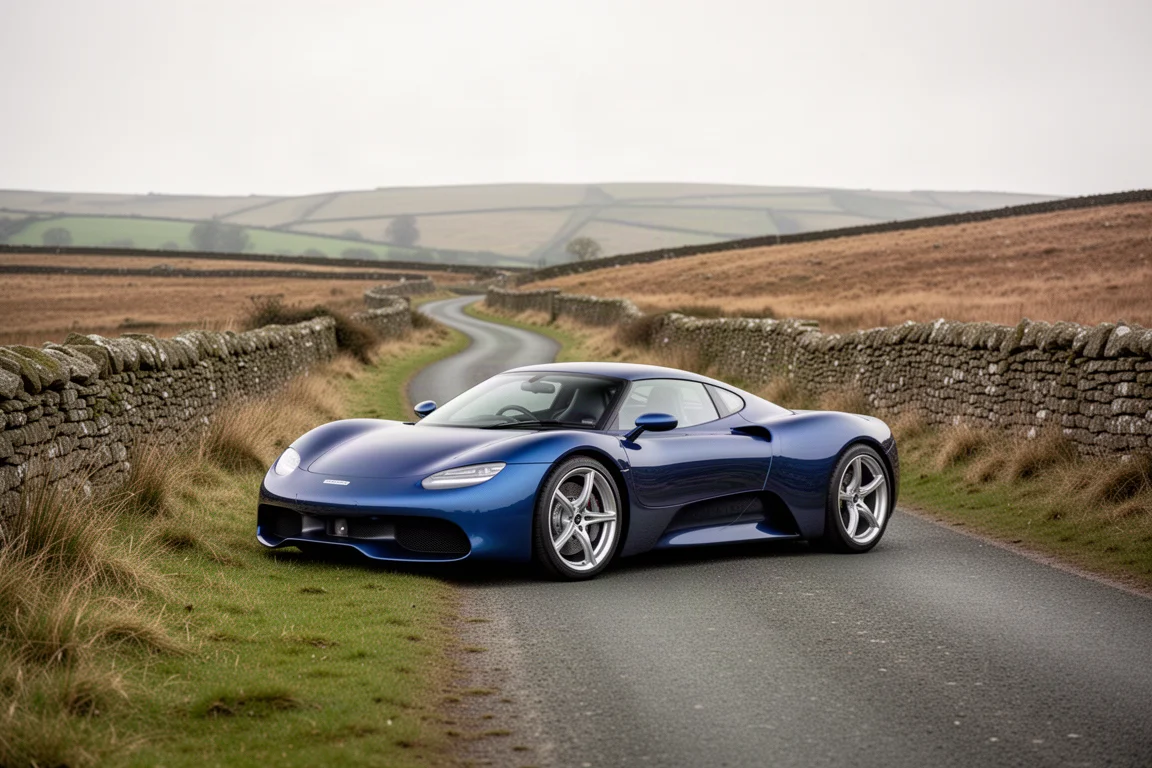
It is also genuinely usable. The lightness does not come at the expense of comfort, which makes it a rare thing: a focused sports car you could actually live with.
Main Strengths
Everything about the A110 comes back to weight. Modern engineering can turn a two-plus-tonne SUV into something surprisingly capable, but even with rear-wheel steering and adaptive damping, those cars never feel like a genuine lightweight. There is no substitute for a light car, and the A110 dances through demanding roads in a way heavy machinery simply cannot replicate.
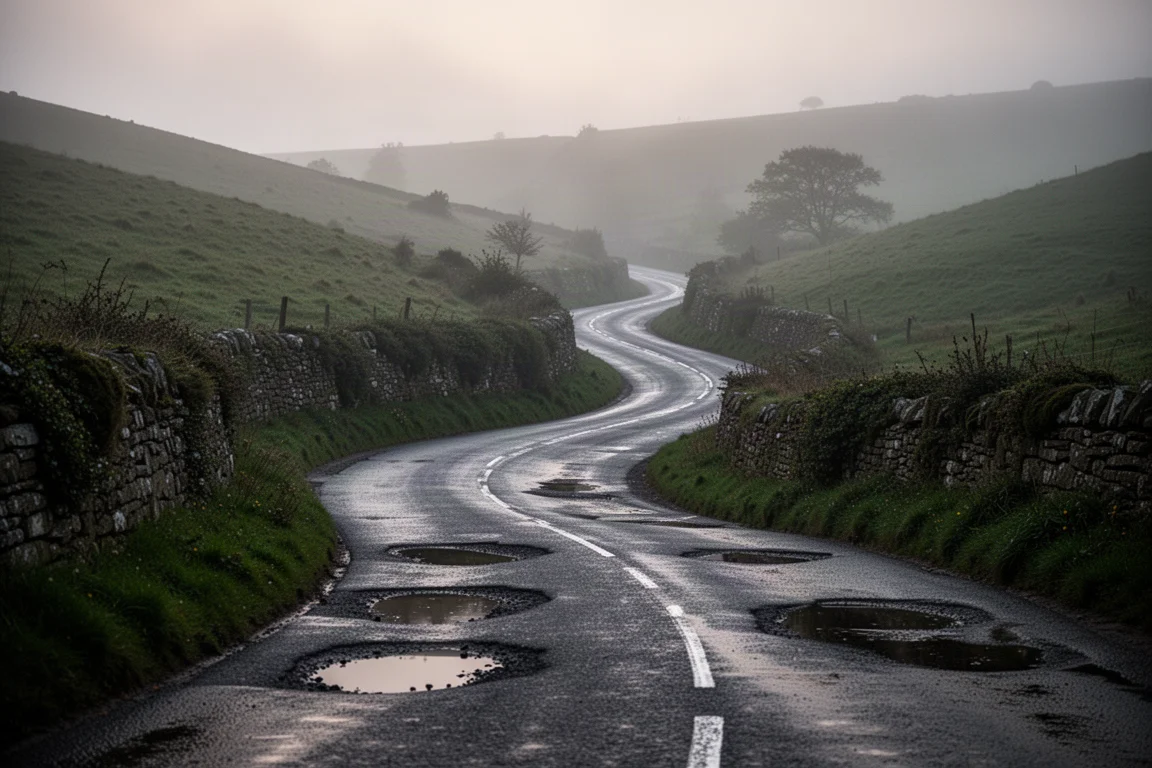
Because there is little mass to keep in check, the suspension does not need to be firm. The ride is relaxed and soft, and that does not make it any less capable or slower on potholed, cambered, awkwardly crowned British roads. The car breathes with the road surface rather than fighting it, which is precisely what you need when the roads themselves are the challenge.
The brakes are excellent, and the telling detail is how rarely you need them. When you hardly touch the brake pedal and the car flows from bend to bend, you know you are in the zone. Small movements, subtle tucks into corners, a lovely rhythm: this is the reward the A110 offers, and it rewards more than a car with three times the horsepower. In a modern supercar, you may only access a small fraction of what it can do at legal road speeds. In the A110, you use nearly all of it.
The Powertrain Question
The engine is familiar and proven, related to the units developed under Renault Sport. It makes around 250 horsepower, which sounds modest by modern standards, but the correct figure is power to weight. The engine is responsive, has essentially no turbo lag, and even makes a pleasant noise for a four-cylinder turbo.
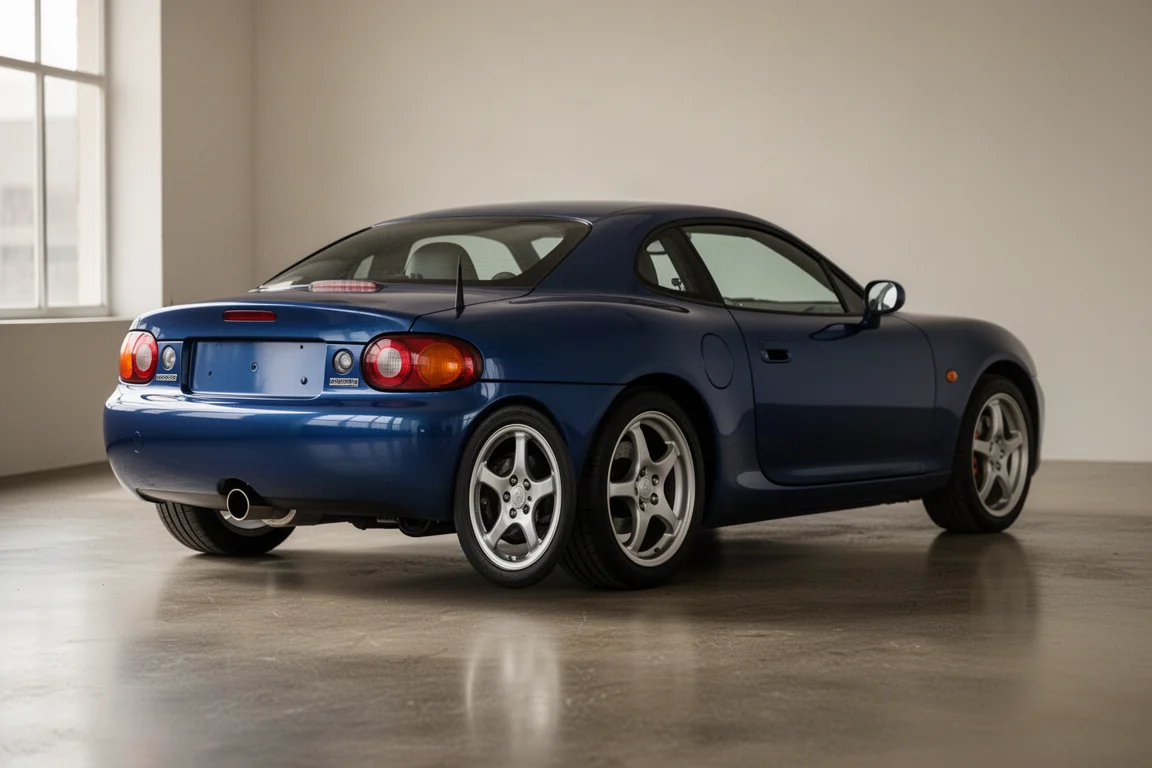
It is an entirely relevant drivetrain for real public roads, where raw power is often unusable anyway. The A110’s essence is not about straight-line numbers; it is about how the whole package works together at speeds you can actually enjoy.
Things to Consider Before Buying
The A110 is produced in relatively small numbers, so availability can be limited. It also is not aiming to be a tech-laden supercar, so buyers expecting the latest electronic wizardry should adjust expectations. What you get instead is a unique character, an award-winning driver’s car, and what many consider a future classic, particularly as the industry crosses over toward electrification and this stands as one of the last great internal-combustion driver’s cars.
Buying Advice
Choose the A110 if your driving happens on real roads with real imperfections, not just circuits or drag strips. It is at its best on the kind of tight, uneven, cambered routes where a heavy performance car feels like it is merely being piloted and the A110 feels alive.
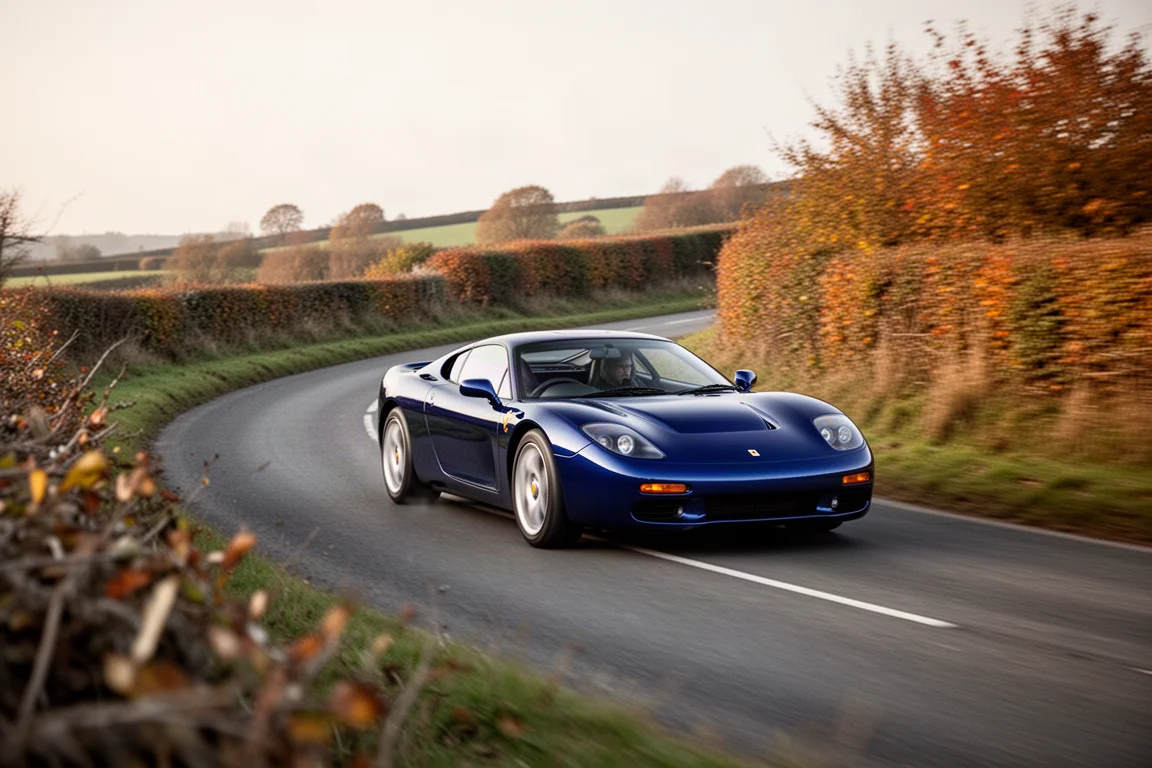
If your priority is headline power or the newest technology, look elsewhere. If your priority is driving enjoyment at everyday speeds, the A110 is close to unbeatable in its field.
Conclusion
The Alpine A110 is a rare thing in the modern performance car world: a genuinely lightweight, rear-engined sports car with real heritage and a clear philosophy. It proves that responsiveness, balance, and flow matter more than horsepower on the roads most of us actually drive. As a driver’s car, and quite possibly a future classic, it earns its reputation the honest way.
Product link
View more details for Alpine A110
This product is mentioned in the review. Check the specifications, options, and compatibility before buying.
View more details for Alpine A110Further reading
Related Reviews
Sports Cars
Aston Martin Vantage: The Entry-Level Aston That Finally Gets Serious
656 horsepower, a sharper chassis and a fresh interior make the new Vantage a far more convincing sports car than its predecessor.
Road Bikes
Aero vs Lightweight Road Bikes: How to Choose in 2026
A practical look at aero versus lightweight road bikes, with six models that show where the two approaches meet and where they still diverge.
Road Bikes
Black Series Corsa SL Review: A 5.24 kg Claim Under the Microscope
The Black Series Corsa SL pairs a 597.5 g frame with a 1,081 g wheelset and a claimed 5.24 kg complete build in full tubeless trim.