Road Bikes
Aero vs Lightweight Road Bikes: How to Choose in 2026
A practical look at aero versus lightweight road bikes, with six models that show where the two approaches meet and where they still diverge.
Introduction
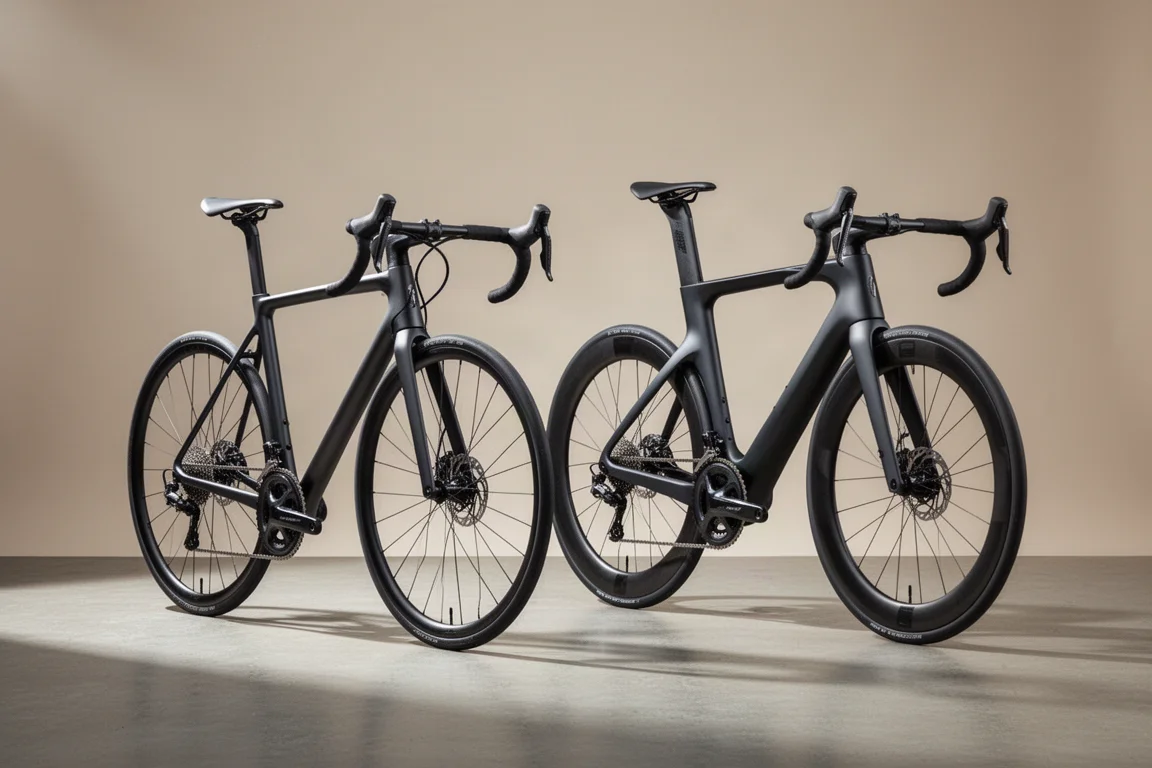
Choosing a road bike used to be straightforward. Today one of the biggest decisions is whether to go lightweight, go aerodynamic, or pick a bike that deliberately blurs the line between the two. That question has sharpened as aero bikes have shed weight and lightweight bikes have taken on more aerodynamic shaping.
This guide looks at six road bikes sitting at different points on that spectrum, from dedicated climbing machines to full aero race bikes, and explains how to work out which approach suits the roads you actually ride.
Why Aero Bikes Have Taken Over the Professional Peloton
At the Tour de France, one of the leading overall contenders rode the entire race on an aero bike rather than switching to a lightweight climbing bike for the mountain stages. That is a notable shift. In the past the pattern was simple: aero bikes on the flatter stages for maximum aerodynamic benefit, then a swap to a lightweight climbing bike in the mountains to keep weight as low as possible.
Two factors explain the change. The first is the UCI weight limit of 6.8 kg for the complete bike. Once an aero bike can be built down to that limit, there is no weight penalty left to accept. The second is speed. The top riders climb so quickly that aerodynamic drag still matters, and they often ascend mountains faster than most riders travel on flat roads.

For regular riders, that reasoning does not transfer directly. Most of us do not climb at that pace, and we are free to buy and ride a bike lighter than professionals are legally allowed to race.
That last point matters more than it first appears. A rider shopping today can buy a Specialized S-Works Aethos at 6.2 kg, a Specialized Tarmac SL8 at 6.7 kg, or a Scott Addict RC at 5.9 kg, all comfortably under the UCI limit. When a 5.9 kg bike is available, copying professional bike choice becomes a much less useful guide.
Specialized S-Works Aethos
The S-Works Aethos is the clearest expression of the lightweight argument. It is available at 6.2 kg, well below the weight limit that constrains professional racing, and its frame is lighter than those of the aero bikes in this roundup.
For riders whose terrain is dominated by long or steep climbs, that matters. Weight is what you feel when the gradient bites, and a lighter frame responds more eagerly when the road tilts upward.
Specialized Tarmac SL8
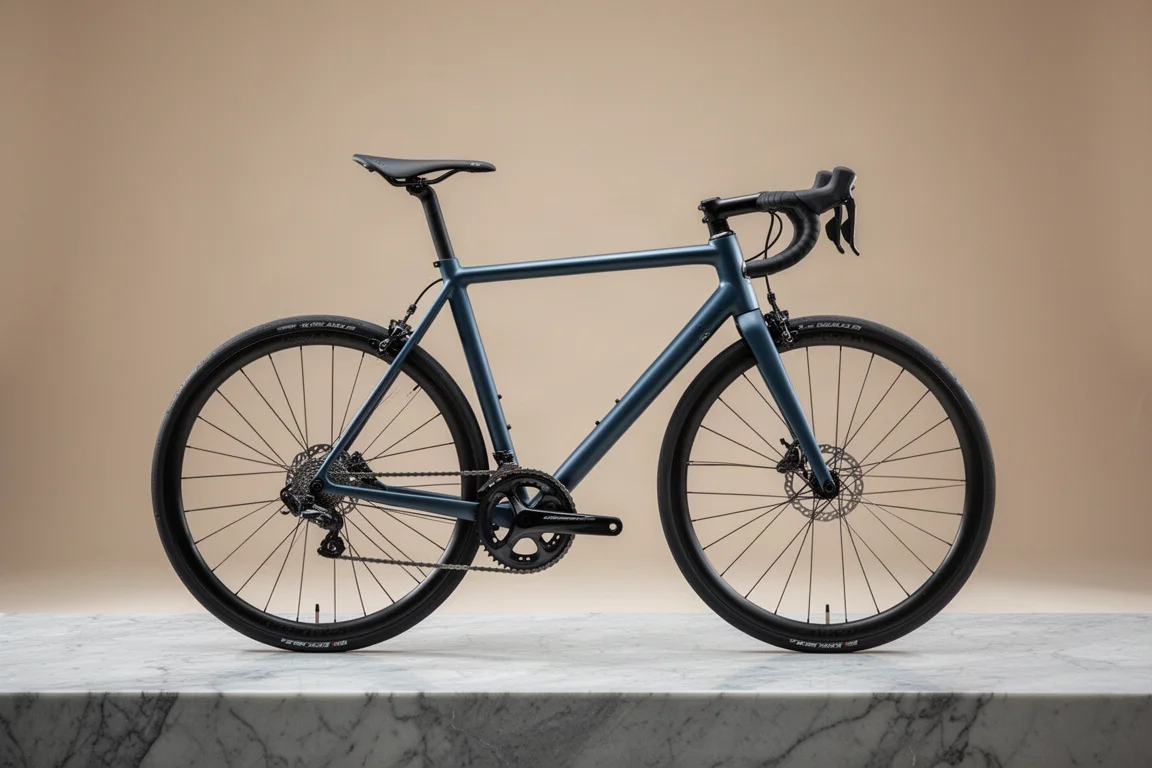
The Tarmac SL8 sits in the middle of the debate and has become something of a benchmark. At 6.7 kg it is light enough to climb well, and it is also designed to be aerodynamic, so it does not force a straight choice between the two philosophies.
Specialized is one of the brands that has consolidated its aero and lightweight road models into a single frame. That makes the buying decision simpler for riders who want one bike to cover most situations.
In wind tunnel testing, the Tarmac measured as the more aerodynamic of the two when compared with the Giant TCR Advanced Pro, and therefore the faster bike on paper. On the road, though, it did not feel as sprightly as the TCR, which is a reminder that numbers only tell part of the story. As an all-round package it is fast, light and genuinely enjoyable to ride.
Scott Addict RC
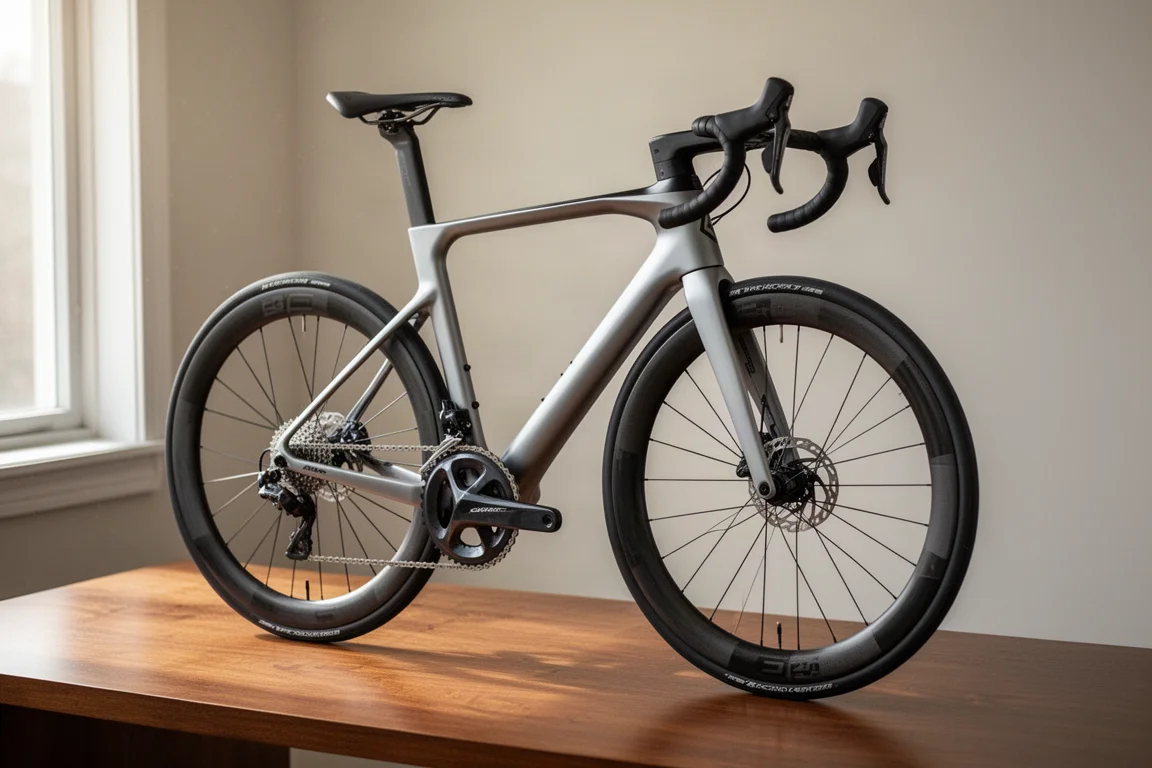
At 5.9 kg, the Scott Addict RC is the lightest bike discussed here and one of the lightest options a rider can buy. It is a lightweight-focused design with a lighter frame than the aero bikes on this list.

Riders who live somewhere genuinely hilly will understand the appeal immediately. On the steepest gradients, where aero gains have long since fallen away, weight is the only lever left, and a bike this light makes that lever easier to pull.
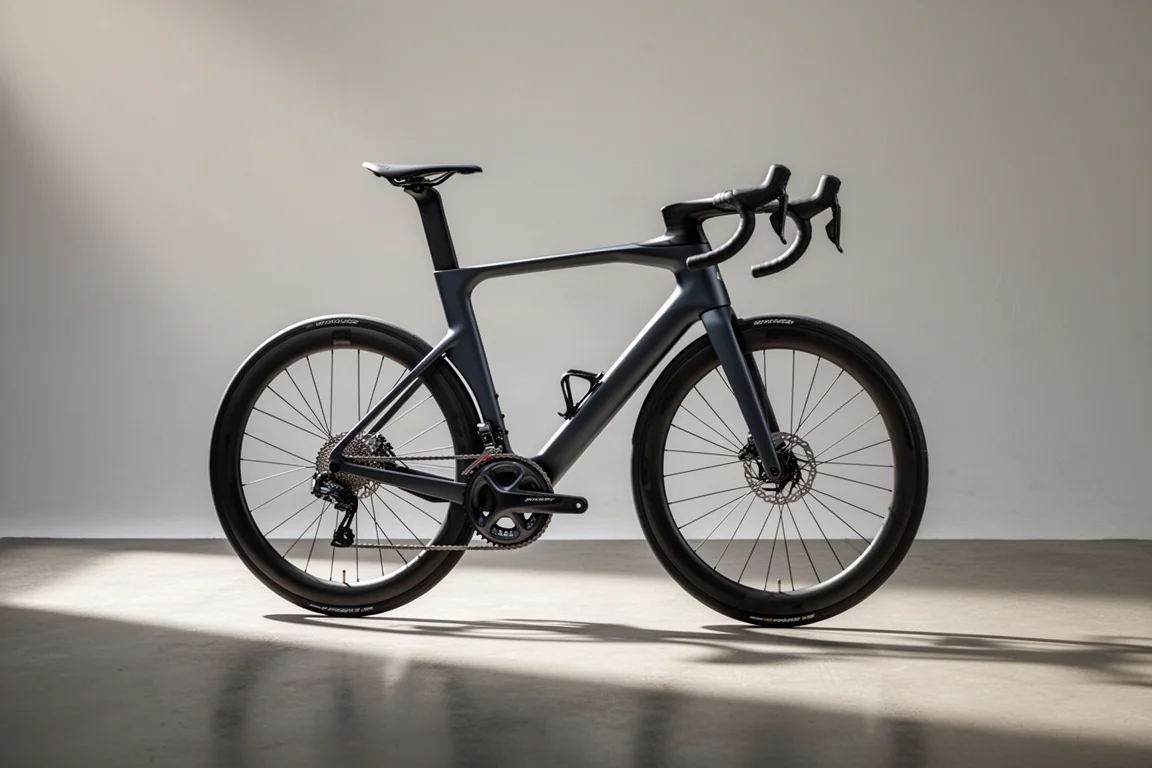
Canyon Aeroad CFR
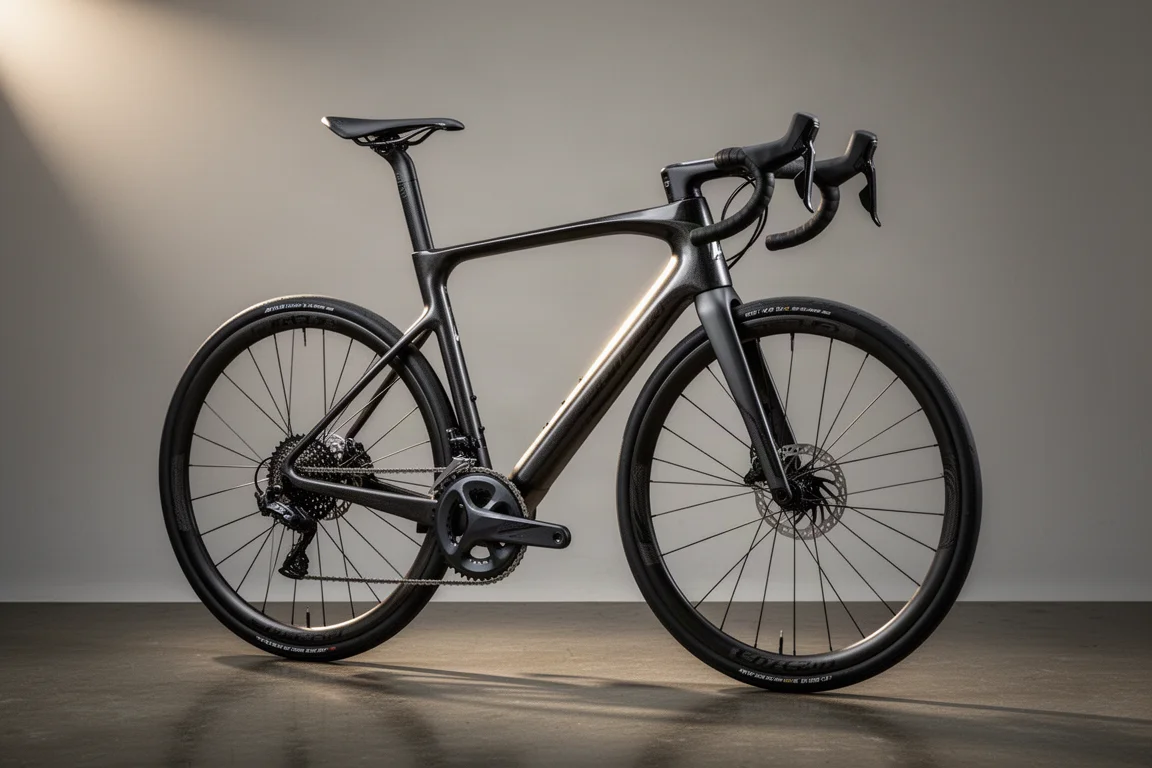
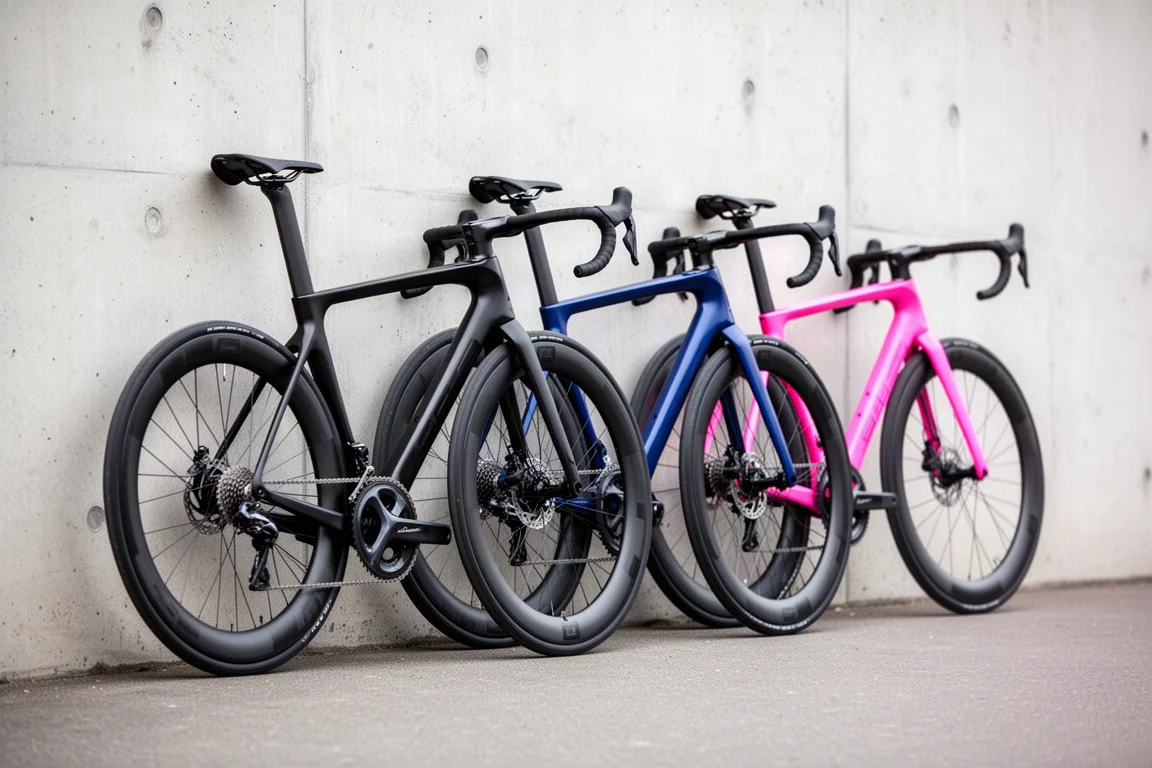
The Aeroad CFR shows how far aero bikes have come. A top-of-the-range build weighs around 7.0 kg, which means a modern aero race bike no longer carries the large weight penalty it once did compared with a climbing bike.
Canyon is also one of the brands that continues to offer both a dedicated lightweight bike and a dedicated aero bike rather than merging them into one frame. The logic is that there are still meaningful aerodynamic gains and meaningful weight savings to be found in separate designs.
For riders on rolling roads and fast group rides, this is the category where the aerodynamic advantage is most obvious. Wind an aero bike up and it is rapid, and that speed is a large part of the appeal.
Trek Madone SLR
The Madone SLR is the heaviest of the aero bikes discussed here at around 7.3 kg. That is a reminder that the weight gap between aero and lightweight designs has not disappeared entirely, even as it has narrowed.
Trek is among the brands that have moved to a single frame for their aero and lightweight road models, aiming to cover both bases with one design. The extra weight is the trade-off that comes with the larger aero tube profiles.
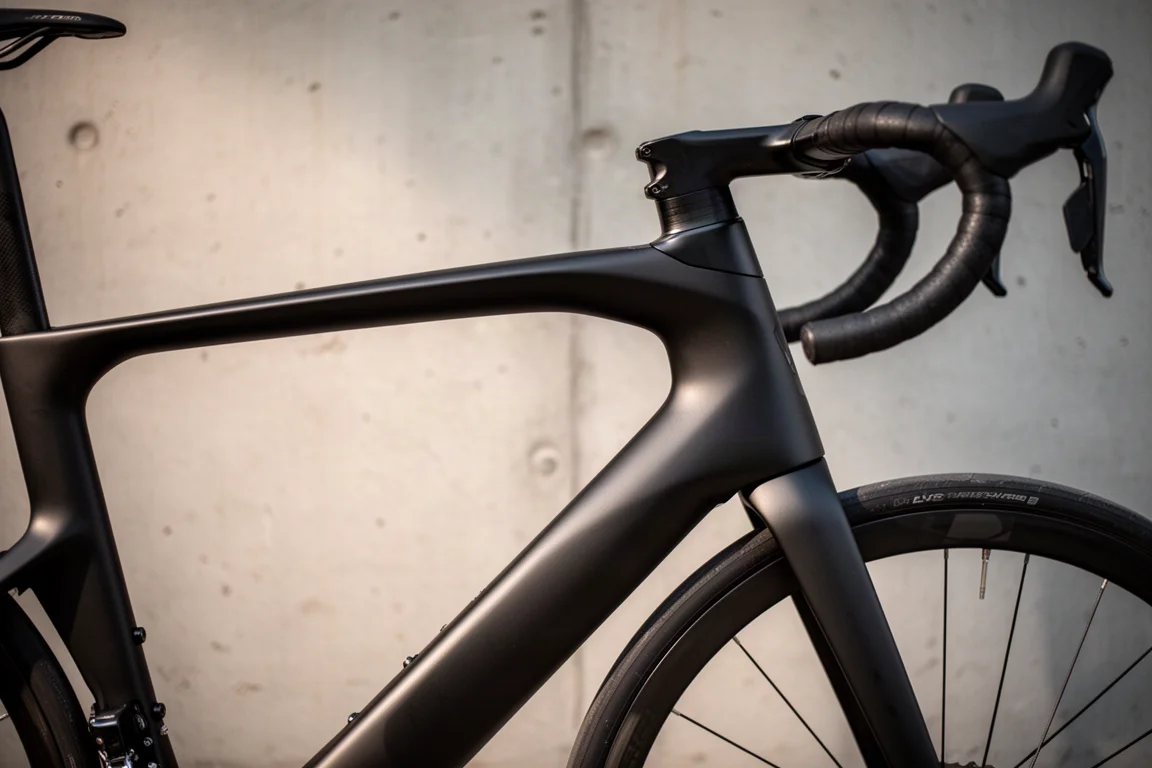
For riders who want the speed of an aero bike without running two bikes, that consolidation is appealing. It is worth being honest about the compromise, though. A heavier aero frame is not the liveliest option when the road points steeply upward, and large tube profiles can be more of a handful in crosswinds.
Giant TCR Advanced Pro
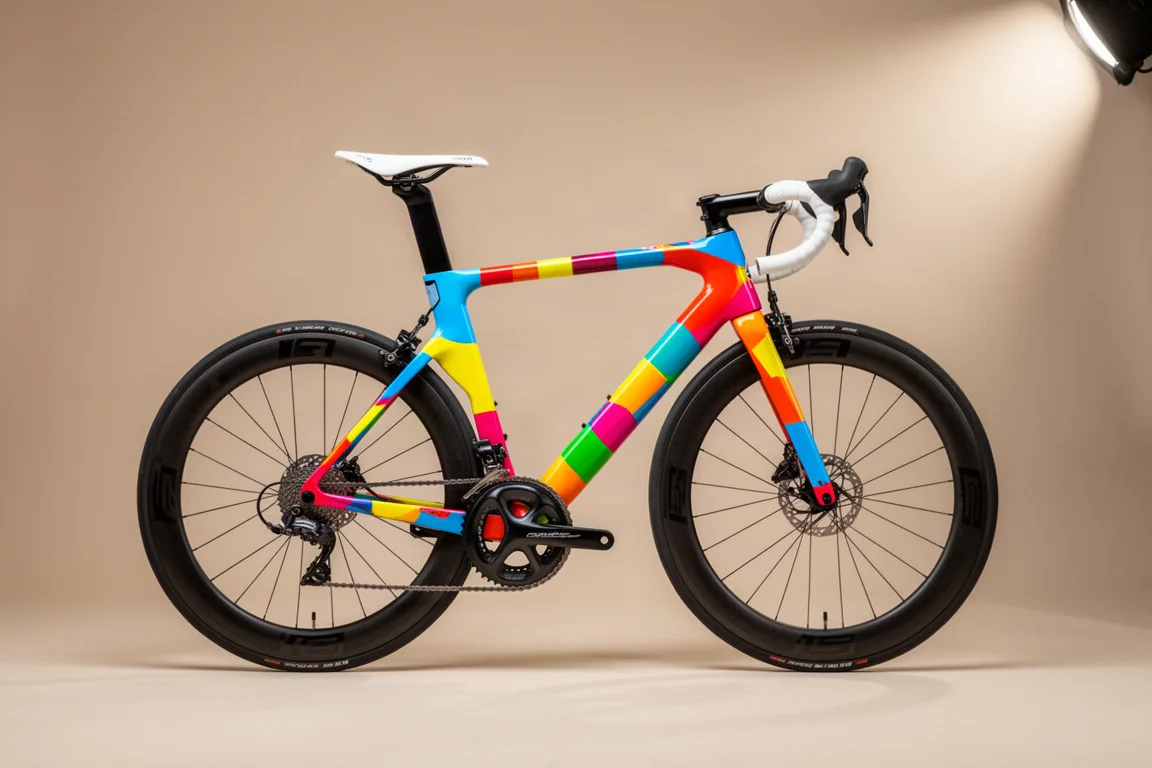
The TCR Advanced Pro takes the opposite approach to the aero bikes here. It is very lightweight and makes little attempt to be aerodynamic, and it remains lighter than an aero bike of comparable standing.
The difference is most obvious in how it feels. Compared with the Tarmac SL8, the TCR felt more sprightly, more nimble and more lively on climbs, and it was the more enjoyable bike on hilly terrain. That is subjective, but it is a real consideration for anyone who rides for enjoyment rather than for measured performance. Giant, like Canyon, still builds both a lightweight bike and an aero bike rather than combining them.
Where Aero Ends and Weight Wins
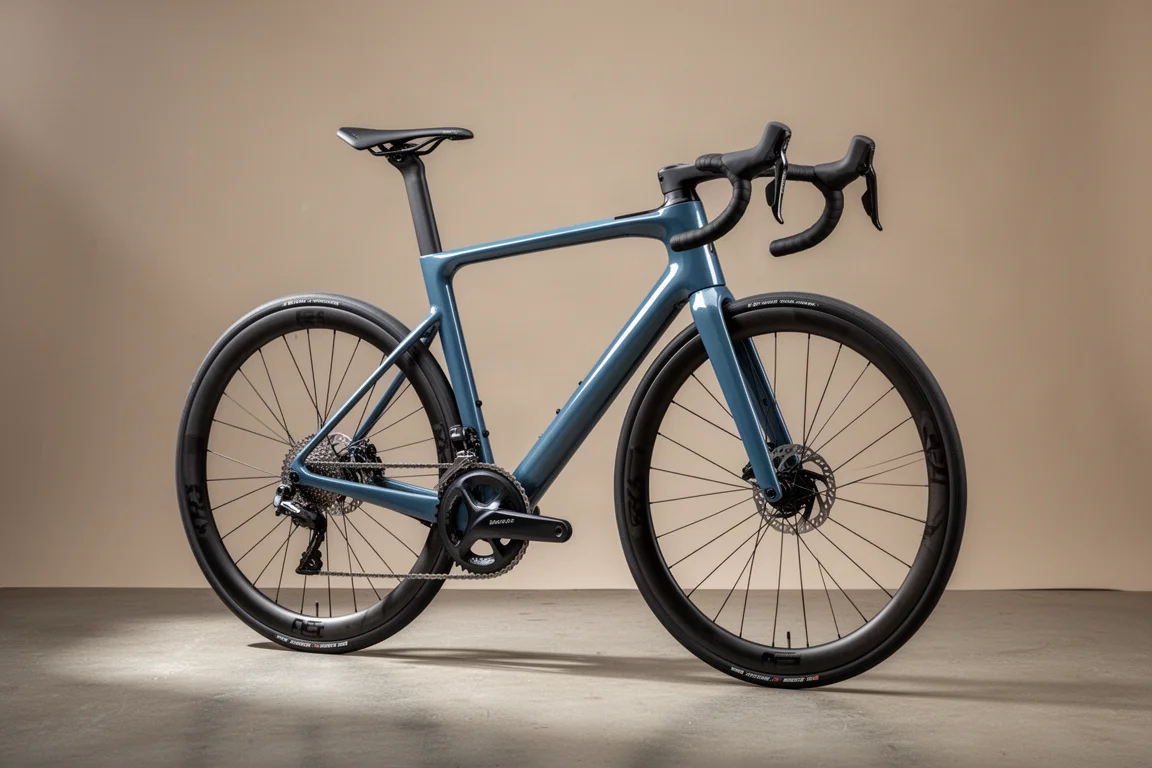
The crossover point between aero and lightweight is not a fixed number, but there is a useful rule of thumb. On a climb with a gradient of up to around 7 percent, ridden at a reasonable speed, aerodynamic drag still matters enough that an aero bike gains more than a lightweight one. Once the gradient passes 8 or 9 percent, speeds drop, aero gains fall away, and weight becomes the deciding factor.

On the steepest climbs, the ones sitting at 10 to 20 percent, aero benefits are long gone. It is all about weight, and while body weight matters more than bike weight, bike weight is still something you can feel. That is worth remembering if your local roads are genuinely steep.
It is also worth doing the arithmetic over a whole route rather than a single climb. Roads go downhill and flat as well as up, and rolling, undulating terrain rewards aero more than a steep ascent does. If you ride a sportive, a road race or a fast group ride, an aero bike may well be faster overall even if it gives away time on the hardest climb of the day. Where you live and how you ride will push the answer in one direction or the other. A rider in a mountainous region has a very different calculation from a rider on flat terrain with no hills at all.
Aero bikes come with real trade-offs beyond weight. The large tube profiles that make them fast can produce a harsher ride quality than a lightweight frame, and they can be more of a handful in crosswinds. They can also feel compromised when you are not riding flat out, cruising country lanes rather than chasing a wheel.
Finally, there is feel. A lightweight bike is easy to measure on a scale, while an aero bike is not easy to measure in a wind tunnel at home. More importantly, a lightweight bike tends to feel lively, nimble and responsive beneath you even at lower speeds, and that sensation is a large part of why people enjoy them. An aero bike, by contrast, feels remarkable when you wind it up and hold a fast pace, and less special when you are not.
Conclusion
The aero versus lightweight debate is not going to be settled, and it does not need to be. What has changed is that the gap between the two categories has narrowed. A good aero bike can now be built close to 7 kg, while dedicated lightweight bikes such as the S-Works Aethos and the Scott Addict RC remain lighter still.
For riders who want one bike that does most things well, a design that blends both priorities, like the Tarmac SL8, makes the decision considerably easier. For riders with a clear bias, whether that is chasing speed on rolling roads or enjoying the sensation of a light bike on steep climbs, the dedicated options still make sense.
Match the bike to the terrain you actually ride, be honest about how much you value feel versus measured speed, and the choice becomes much simpler.
Further reading
Related Reviews

Road Bikes
10 New Road Bikes Worth Watching: Aero, Titanium, Steel and Endurance Standouts
A practical roundup of 10 new road bikes, from aero flagships chasing single-watt gains to titanium, steel and endurance platforms built for real roads.
Road Bikes
2026 Tour de France Road Bikes: Six Race Machines Worth a Closer Look
Six race bikes from the 2026 Tour de France grid, reviewed for paint, silhouette, wheels and the specification details that matter to buyers.
Road Bikes
3T Strada Italia Review: A Radical Aero Road Bike That Rides Smooth
A made in Italy carbon aero road bike with a deep head tube, wide tire clearance and a genuinely comfortable ride. Here is what to know before buying.