Sports Cars
Aston Martin Vantage: The Entry-Level Aston That Finally Gets Serious
656 horsepower, a sharper chassis and a fresh interior make the new Vantage a far more convincing sports car than its predecessor.
Introduction
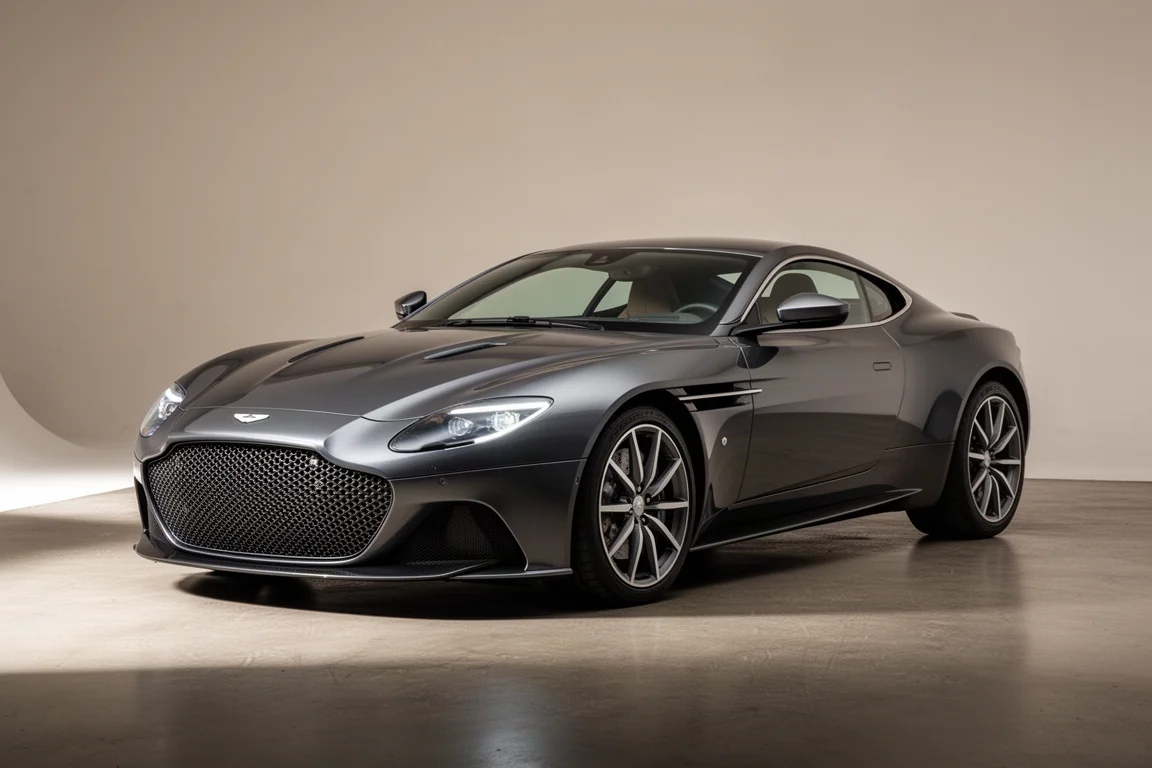
The new Aston Martin Vantage might look like a familiar recipe at first glance: front-engine, rear drive, an AMG-sourced 4.0-litre twin-turbo V8, and performance that sits in 911 Carrera S territory while costing 911 Turbo money. That used to be the price of getting an Aston. This time, Aston Martin appears to have decided to get serious, and the result is a highly evolved version of that recipe with numbers that demand attention.
The headline figure is 656 horsepower, an increase of over 30% compared with its predecessor. Top speed is 202 mph. Aston Martin is clearly not messing around, and the details behind those numbers are what make this car interesting.
Design: Familiar Recipe, Sharper Execution
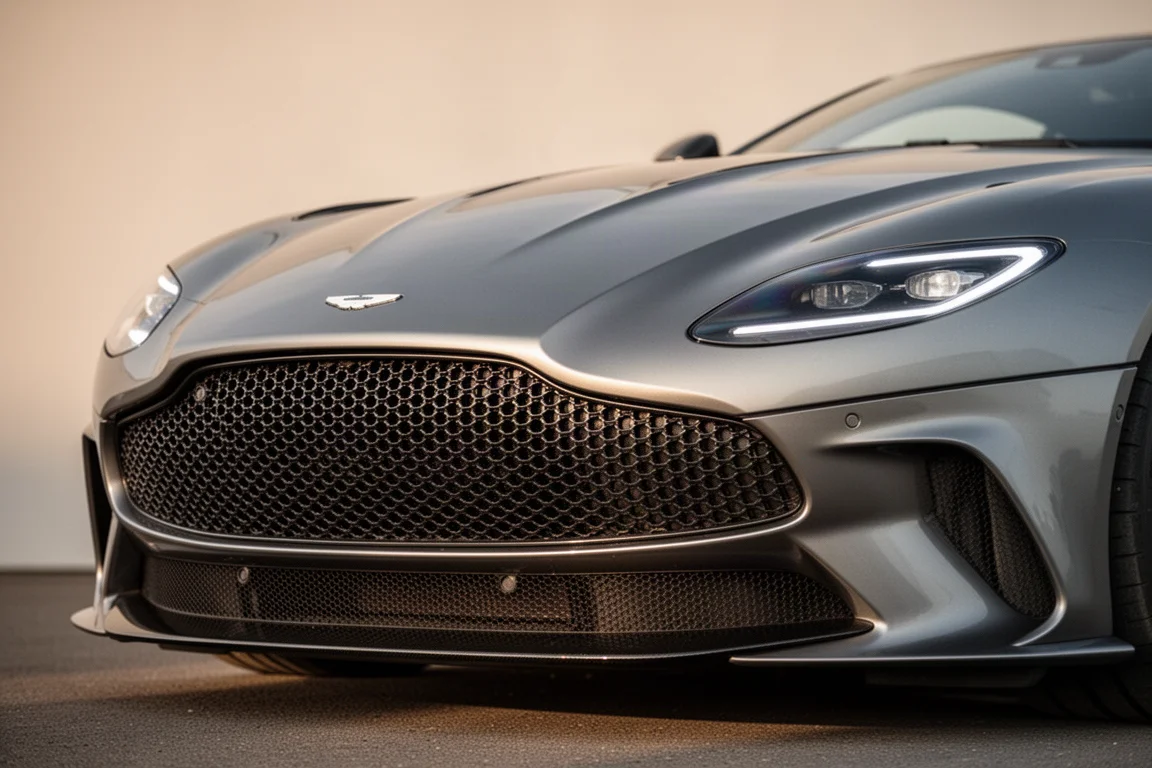
In the flesh, the Vantage looks fantastic. It is not radically different, which is appropriate given the real story lies in the power output and chassis upgrades. But it is certainly more aggressive, more cohesive, and somehow looks at once classically Aston Martin and more modern.
The car is all new up to the A pillars. Cooling capacity is much greater than before, new side seals have been added, and the new rear arches make the Vantage 30 mm wider at the back. There are hints of DB12 or Superleggera in places, but the Vantage keeps its own identity and a lovely compact tension about the shape. It costs around £165,000, which is £23,000 more than the previous Vantage F1 Edition but still £15,000 less than a 911 Turbo S.
The Engine: 656 HP of AMG-Sourced Power
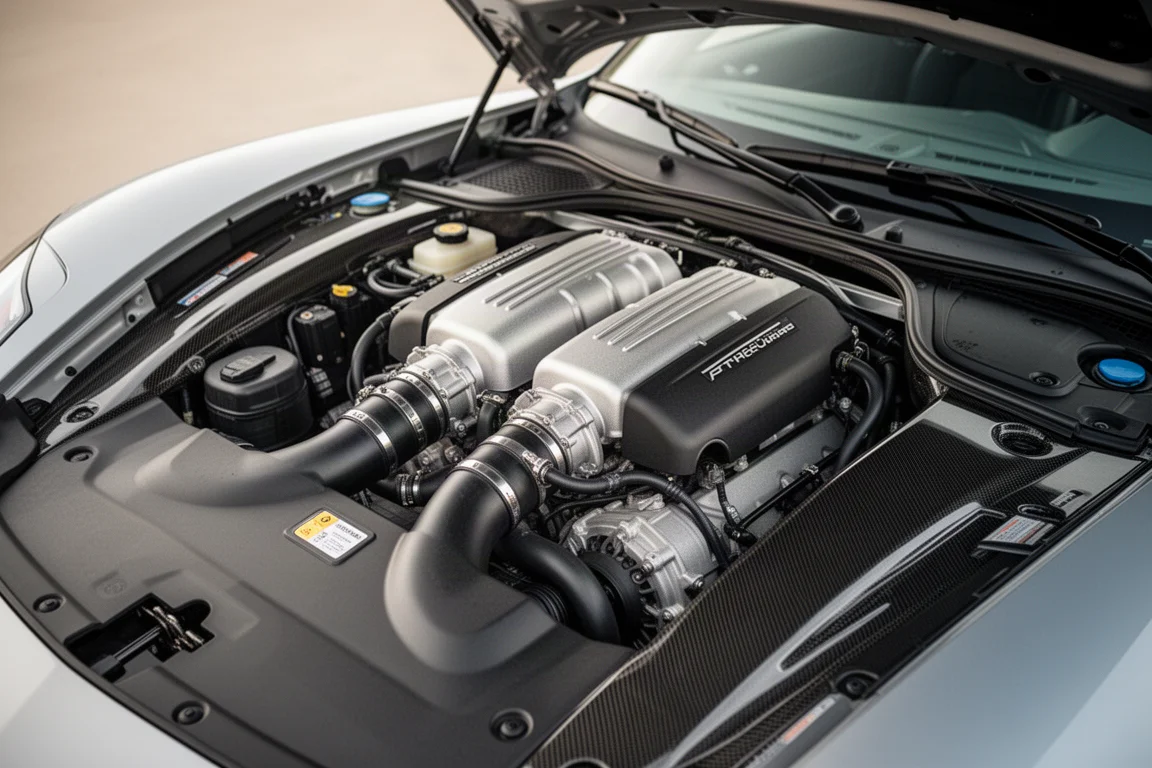
The familiar 4.0-litre twin-turbo V8 comes from AMG, but Aston Martin cherry-picks components from different applications to create what it considers the ultimate version for each car. It is not simply a DBX707 engine: the turbos are much bigger than the old Vantage’s but smaller than the DBX’s, to keep the sports car character and a more revvy nature.
Power is 656 hp with 590 lb-ft of torque, peak torque arriving from 2,750 rpm. The 0 to 60 time is 3.4 seconds, so this is not a sub-three-second monster like some EVs or all-wheel-drive rivals; there will be some traction limitation. Overall, though, performance has taken a huge leap, and Aston Martin assures that the chassis and everything else has stepped up to match.
The 8-speed ZF gearbox gains a shorter final drive ratio, new hydraulics for punchier shifts, and a new shift strategy. As for why no dual-clutch box: the Vantage is set up to be pointy and playful in its balance, and the zero torque cut of a dual clutch did not work as well as the ZF, which retains some torque loading even during shifts. A manual would seem a natural fit given the “engineered for drivers” tagline, and Aston Martin has a six-speed in the Valour that could handle this level of torque, but the company insists a manual will not happen. Hope springs eternal.
Interior: A Big Step Up
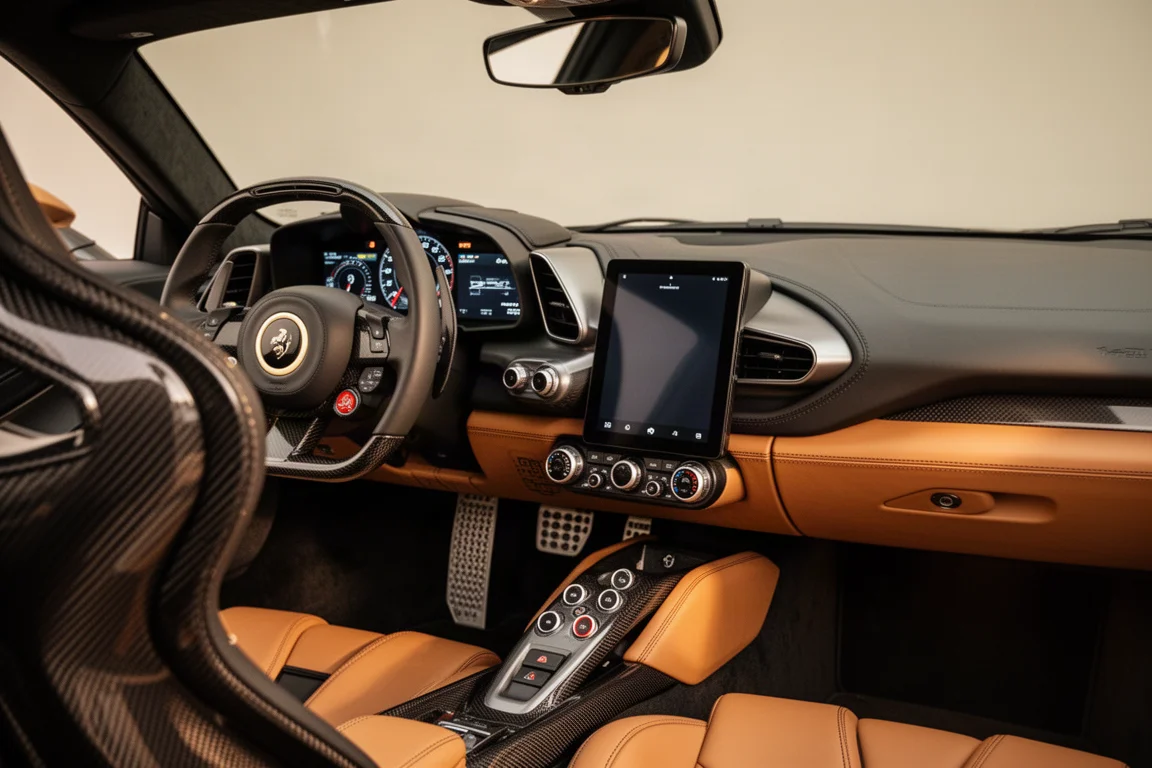
Inside, some things stay familiar, most notably the seating position: you sit very low, down at ground level, which works brilliantly. In terms of architecture, the look and feel is a massive step up. The new infotainment system, first seen in the DB12, brings two screens for the driver readout and touchscreen duties, but crucially it is not all touchscreen. There are physical dials for temperature, fan speed and volume, plus plenty of buttons, so you are not digging through menus to change the temperature.
Optional carbon fibre bucket seats are very nice, manual seats are standard with electric available, and there is a huge amount of configurability. The rotary drive mode switch runs from Wet through Sport and Sport Plus to Track, plus an Individual mode. The engineers argue a conservative Wet mode is genuinely useful because it lets you be more aggressive with the other settings when conditions allow.
Adjustable traction control is a highlight: press the button once for a track mode that allows a little more slip, or hold it to disable ESP and activate a variable traction control mode that scales from one to nine, with nine effectively off. There is also an adjustable launch control, and the paddles are now mounted on the steering wheel rather than the column. Overall, the step up in quality and the feeling of specialness is big.
Chassis Hardware: Response Above All
Response and control appear to be the absolute objectives here. The structure is much more rigid, with reinforced key areas such as the strut tops. Spring rates are up even over the F1 Edition, and the Bilstein DTX adaptive dampers, also seen in the DB12 and Porsche 992, bring better wheel and body control and, reportedly, a better ride. The steering’s electric power assist has been an intense focus: all rubber NVH coupling has been eliminated from the steering column, and Aston claims this is about the most natural electric steering you can get.
A bespoke Michelin Pilot Sport S5 tyre gives the car a big footprint, and that bespoke tyre program itself represents a big step in development budget for Aston. A new inertial sensor measures the car in six axes at all times to deliver response, feel and feedback while keeping the car stable but progressive. The message is consistent: this car is keen to be driven under slip.
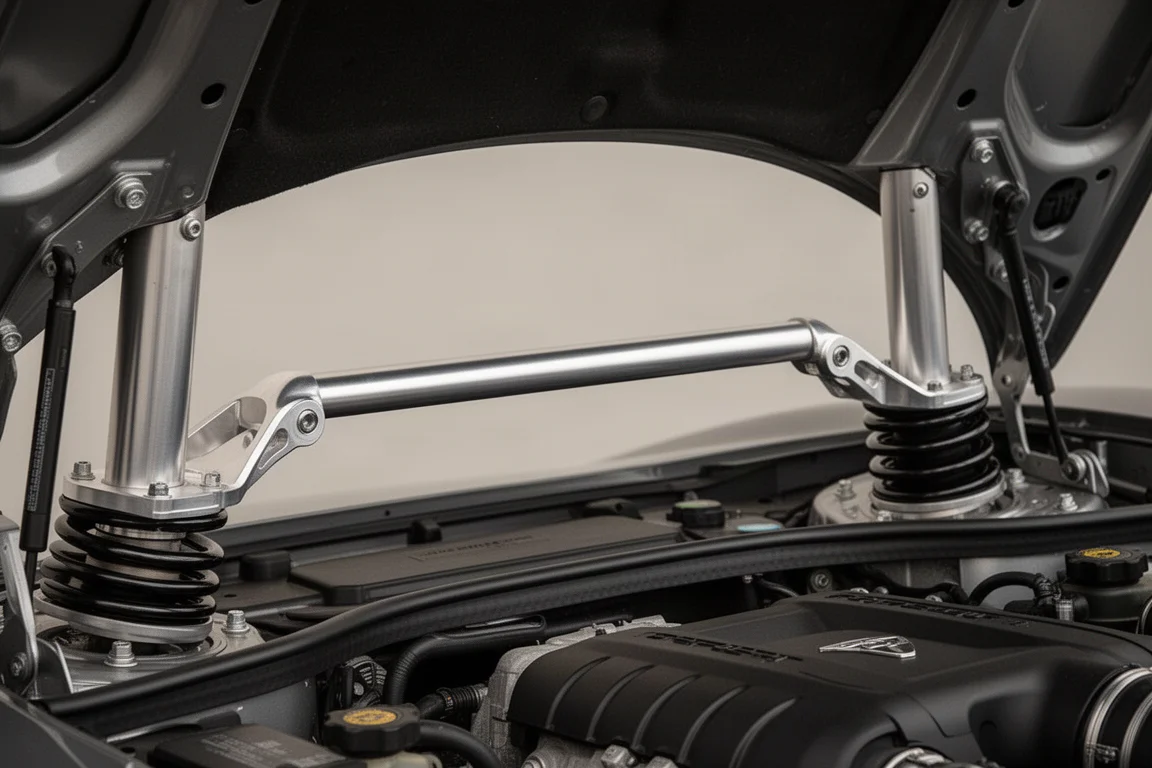
There is proper old-school hardware too, including a rear strut tower support bar said to increase lateral stiffness on the rear axle by 29% under cornering, extra bracing with a bigger cross brace front and rear, and undertrays that add lateral stiffness. The Bilstein dampers claim a 500% increase in bandwidth of force distribution over previous generation hardware. Whatever the numbers, the mission statement is clear: make this car as responsive, agile and progressive at and over the limit as possible. Every change serves those goals.
Buying Advice
At around £165,000, the Vantage undercuts a 911 Turbo S by £15,000 while offering 656 horsepower, a 202 mph top speed and an extensively reworked chassis. It is clearly aimed at drivers who want a playful, pointy balance and old-school hardware alongside modern adaptive dampers. Since the car had not been driven at the time of this deep dive, some claims about dynamic response and feel rest on Aston Martin’s word for now, so enthusiasts may want to wait for proper driving impressions before committing. Those who want a manual should look elsewhere, at least officially.
Conclusion
The new Vantage is a leap on from the old car: more than 30% extra power, a reworked ZF gearbox, a stiffer structure, bespoke tyres, adaptive dampers, and an interior that finally feels special. If the dynamic claims hold up when driving begins, Aston Martin’s entry-level sports car may no longer be the compromise it once was.
Product link
View more details for Aston Martin Vantage
This product is mentioned in the review. Check the specifications, options, and compatibility before buying.
View more details for Aston Martin VantageFurther reading
Related Reviews
Sports Cars
Alpine A110 Review: Why This Lightweight Sports Car Defines Real Driving
The Alpine A110 proves that around 250 horsepower and a just-over-1,100kg curb weight can out-reward far more powerful machines on demanding British roads.
Cars
Aston Martin V12 Vantage Review: A Last-of-the-Line V12 With Real Compromises
A £265,000, 690bhp farewell to the V12 era. We look at what the final V12 Vantage delivers on track and road, and where it falls short.
Performance Cars
From S2 Coupe to B7 RS4: Four Audi Legends That Built the Fast Estate
Four Audis that trace the line from the original Quattro legacy to the ultimate high-revving fast estate: the S2 Coupe, RS2, B5 RS4 and B7 RS4.