Road Bikes
Aero vs Lightweight Road Bikes: Seven Race Bikes Compared
Aero or lightweight? A practical look at seven road race bikes, where the tipping point falls, and how to match a frame to the roads you actually ride.
Introduction
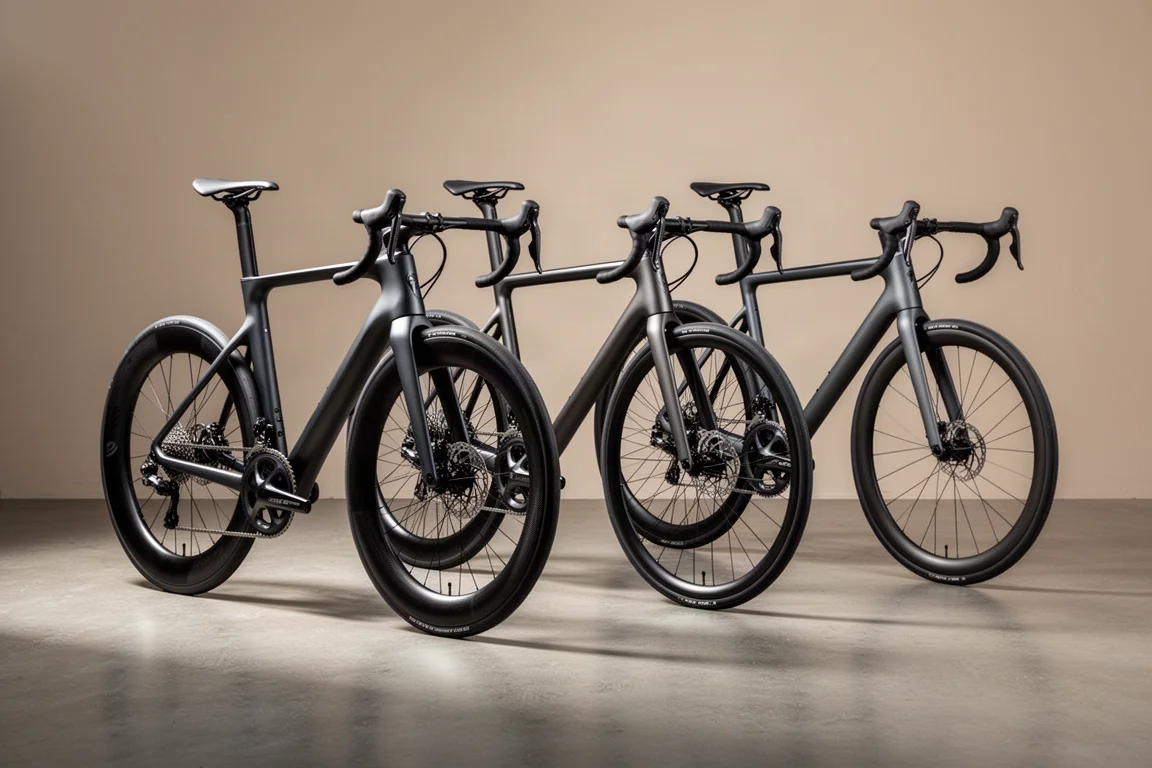
The choice between an aerodynamic road bike and a lightweight road bike used to be simple. Aero frames for flat stages, climbing bikes for the mountains. That logic is now much harder to apply, both in professional racing and in the bikes most riders actually buy.
At a recent Tour de France, a top professional rode the entire race on the radical Colnago Y1Rs rather than switching to a climbing bike for the mountain stages. Two factors make that possible. Professional racing has a 6.8 kg minimum weight limit for the complete bike, so an aero frame can sit right at the limit without giving anything away. And the fastest riders now climb so quickly that aerodynamic drag still matters on the way up, often at speeds higher than most riders manage on the flat.
Outside the professional bubble, the calculation changes. There is no weight limit in a bike shop, and several of the bikes below are already lighter than 6.8 kg. Most riders also climb more slowly, which shifts the balance back towards weight on steep gradients. This guide looks at seven race bikes that sit at different points between aero and lightweight, and at how to decide which side of that divide suits the roads you ride.
How to Choose Between Aero and Lightweight
The professional approach makes sense in its own context. A rider who can sit at the 6.8 kg limit on an aero frame has no reason to change bikes mid-race, and on fast climbs the aerodynamic advantage can outweigh a small weight difference.
For everyone else, three things matter. The first is gradient. The tipping point between aero and weight is often quoted at around 7 percent, where aero gains still hold. Above roughly 8 to 9 percent, speeds drop and weight becomes the dominant factor. On the steep 10 to 20 percent ramps found in some regions, aero benefits are long gone and it becomes purely a fight against gravity.
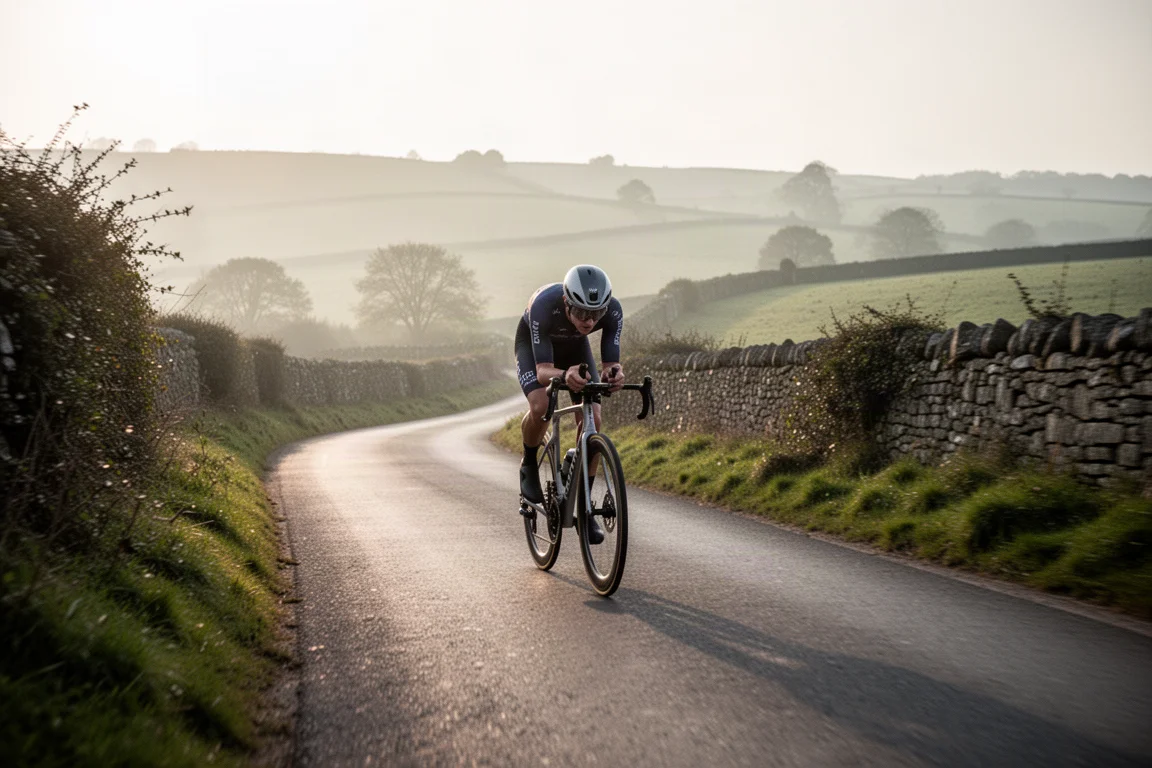
The second is the whole route rather than a single climb. Most rides and races mix flat roads, descents, rolling terrain and punchy climbs. On rolling roads where a group averages 40 to 45 kph, aero gains can outweigh the weight saved on a shorter climb. Working out the balance over the entire course is far more useful than comparing bikes on one gradient.
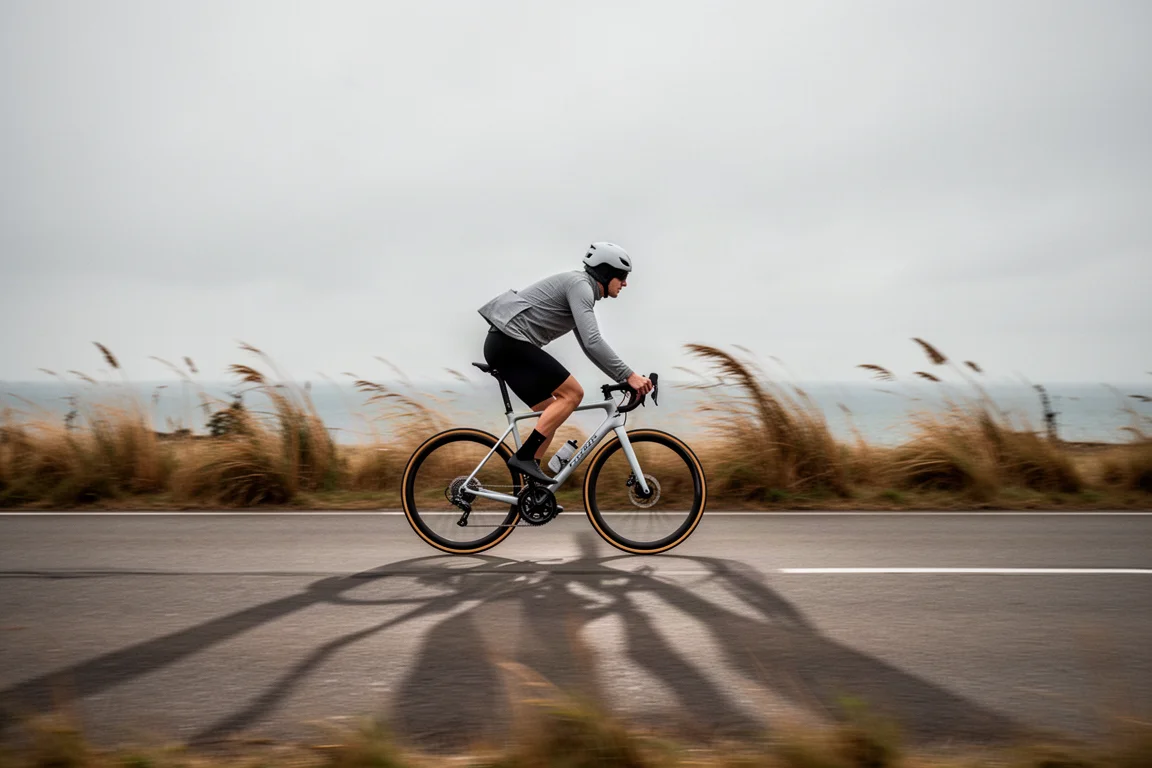
The third is feel, which is subjective but real. Aero bikes are rapid when wound up to speed, and there is genuine enjoyment in that. The trade-offs are well known: extra weight, ride quality that can feel harsher because of larger tube profiles, more demanding handling in crosswinds, and a sense of being compromised when cruising rather than riding fast. A lightweight bike tends to feel livelier, more nimble and more responsive, particularly on climbs.
The gap between the two categories has narrowed considerably. A top-tier aero bike can now be built to around 7 kg, and some brands have merged their once separate aero and lightweight models into a single frame. Others, including Canyon, Giant and Merida, still build both types, which suggests there are still gains to be found in each direction.
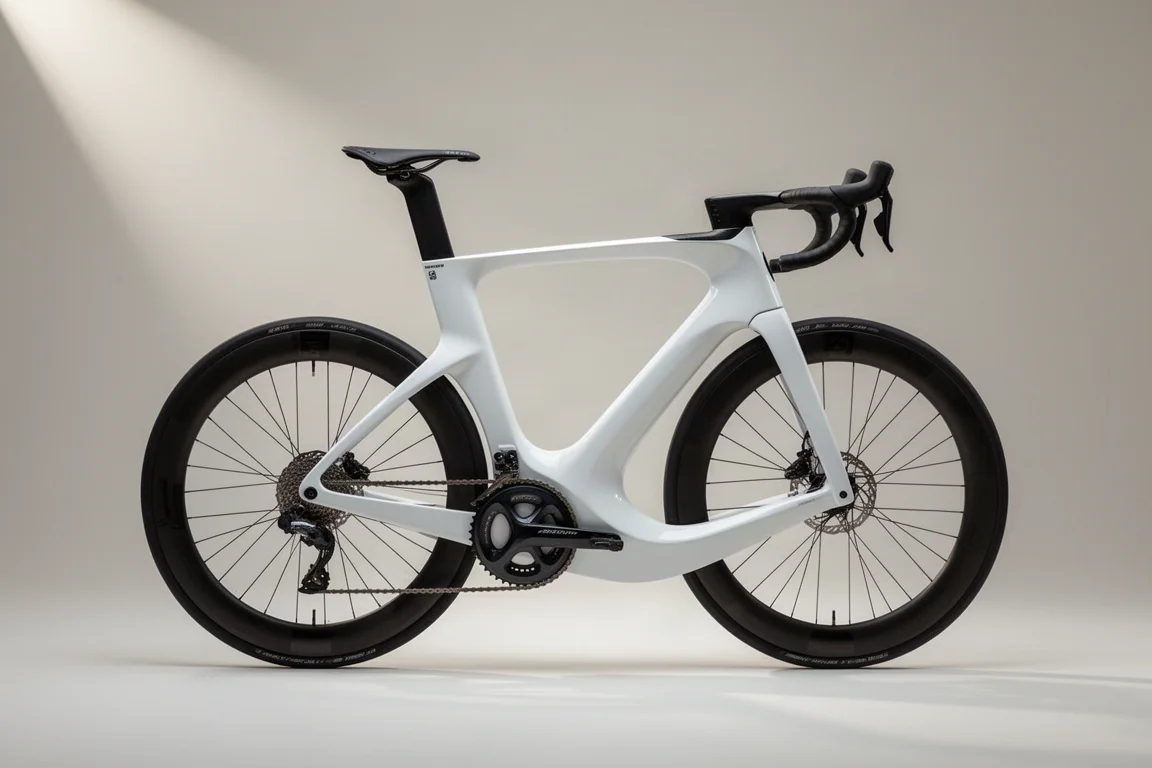
Colnago Y1Rs
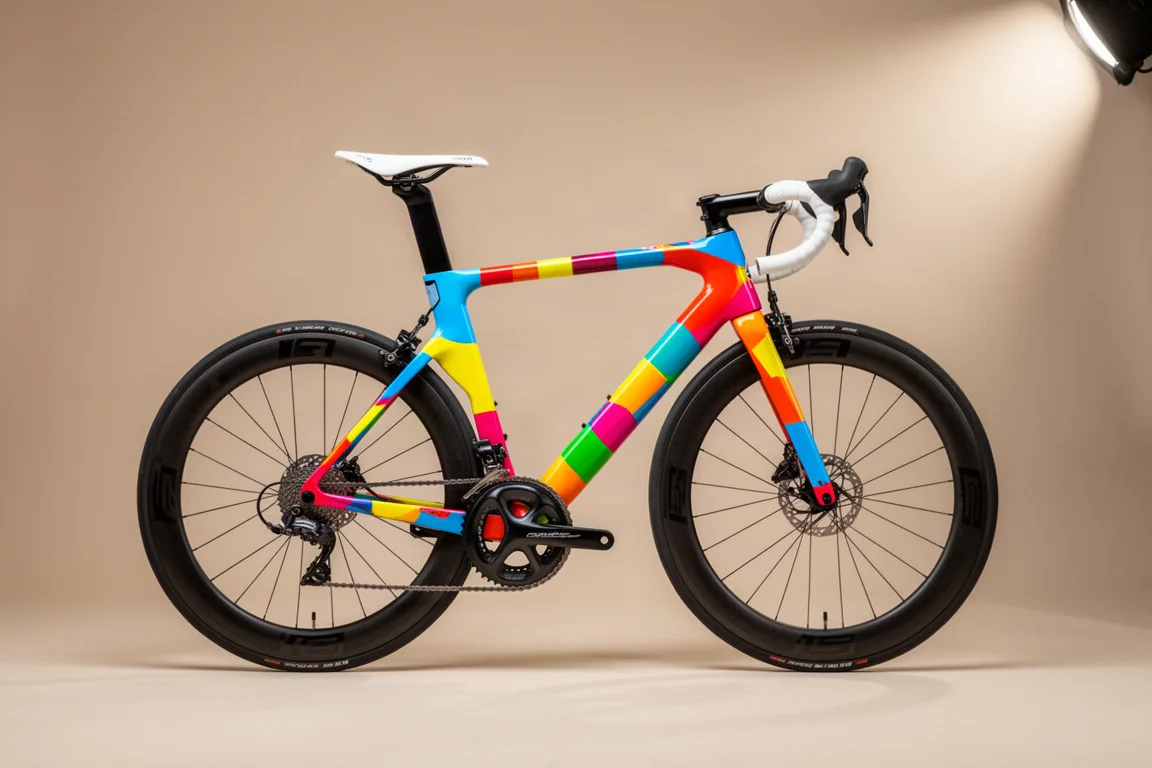
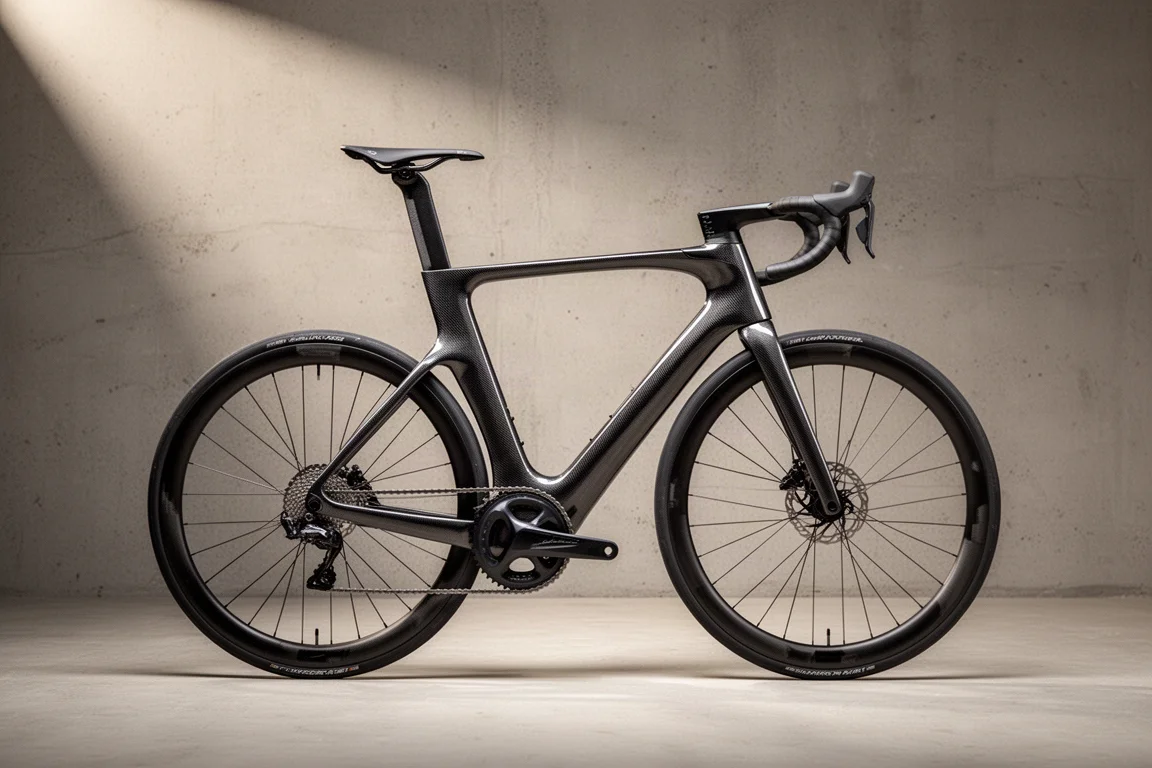
The Y1Rs is the most radical expression of the aero-first approach in this group. Its significance is not only the frame itself but how it was used: a top professional rode it for an entire Tour de France, including the mountain stages, instead of swapping to a lightweight climbing bike as riders traditionally have.
For buyers, the Y1Rs represents a clear position. It is an aero platform built around speed on flat and rolling terrain rather than a compromise between two disciplines. Riders who want the fastest possible package on those roads, and who accept the usual aero trade-offs, will find the logic straightforward.
Specialized S-Works Aethos
The S-Works Aethos takes the opposite approach. It is listed at 6.2 kg, which is lighter than the 6.8 kg limit that applies to professional racing and lighter than most riders will ever need. Where an aero frame asks you to trust the wind tunnel, a build like this asks you to trust the scales.
That low weight is the point. A dedicated lightweight bike of this kind feels lively and responsive beneath the rider, and the difference is noticeable even at the lower speeds where aerodynamic gains fade away. For riders whose terrain is steep and whose priority is climbing feel, the Aethos is the purest expression of that philosophy here.
Specialized Tarmac SL8
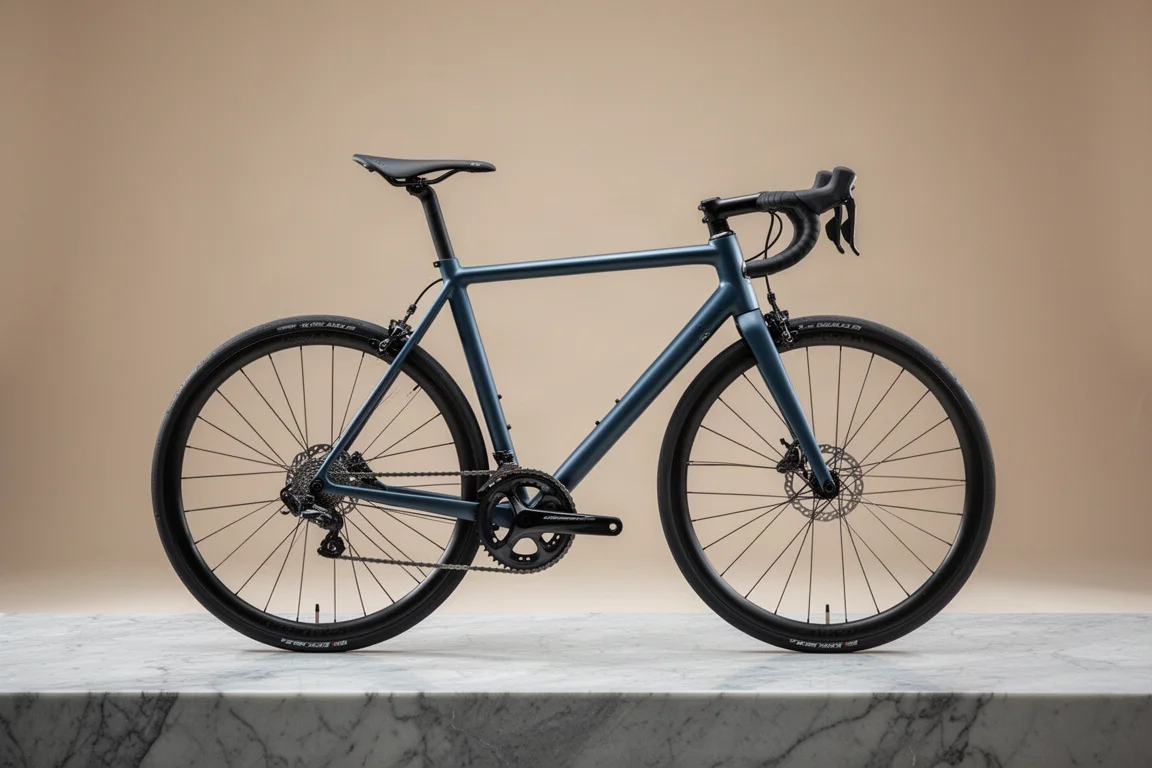
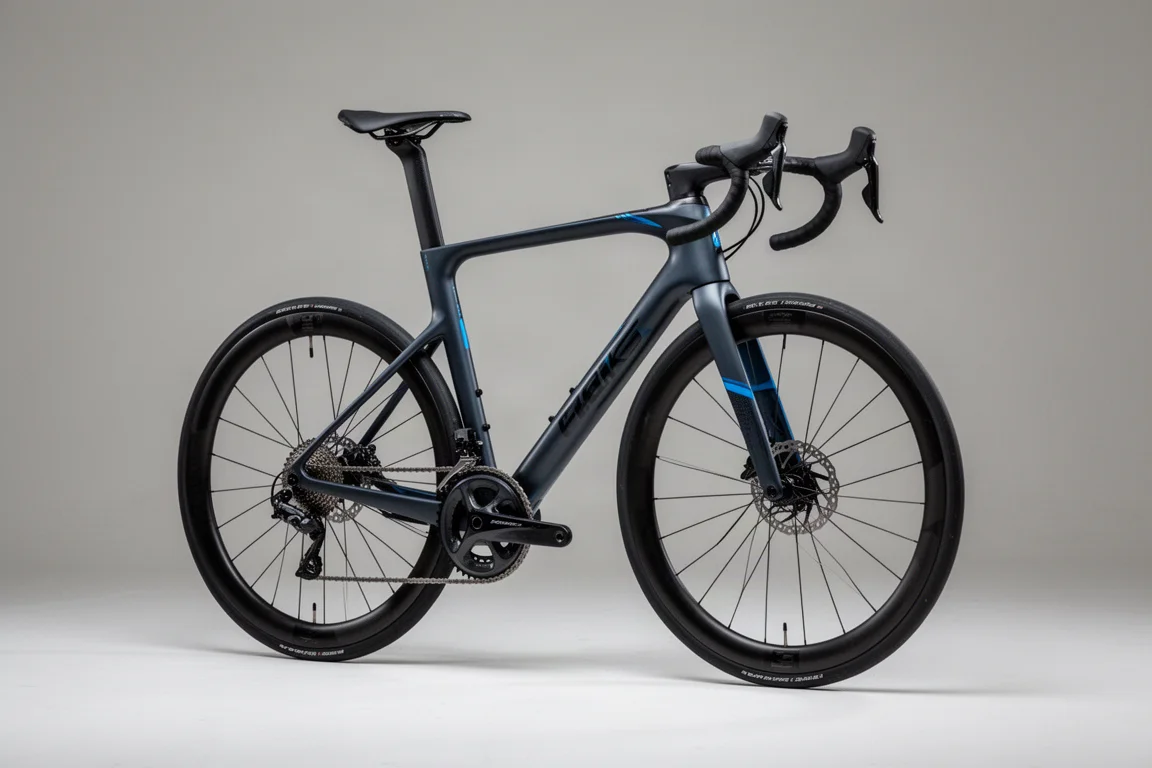
The Tarmac SL8 is the benchmark all-rounder in this group. Listed at 6.7 kg, it tries to be aerodynamic and light at the same time rather than choosing a side. In wind tunnel testing it has been shown to be more aerodynamic than a dedicated lightweight rival, which on paper makes it the faster bike.
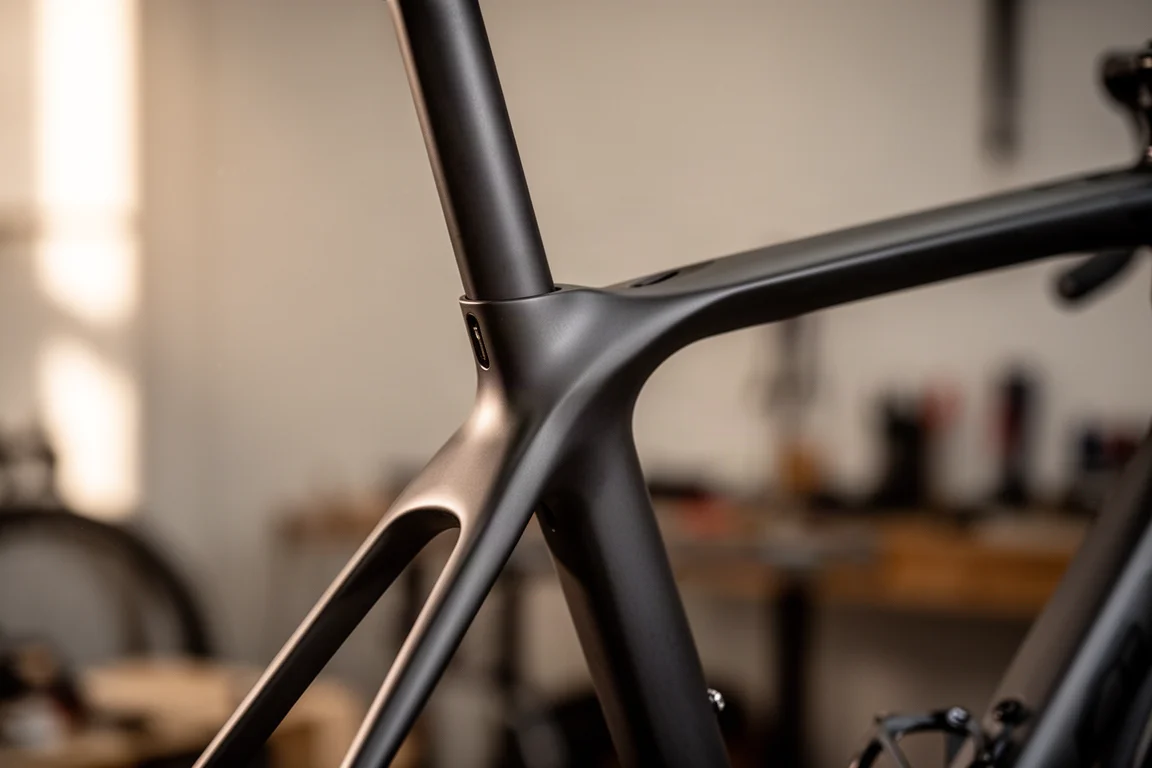
The nuance is in how it feels. A blended platform can give away some of the spriteliness that makes a pure climbing bike so enjoyable on hilly terrain, even when the numbers favour it. That trade-off is exactly what the aero versus lightweight debate comes down to for most riders, and the Tarmac is a sensible answer for anyone who wants one bike to cover flat, rolling and hilly roads without a second thought.
Scott Addict RC
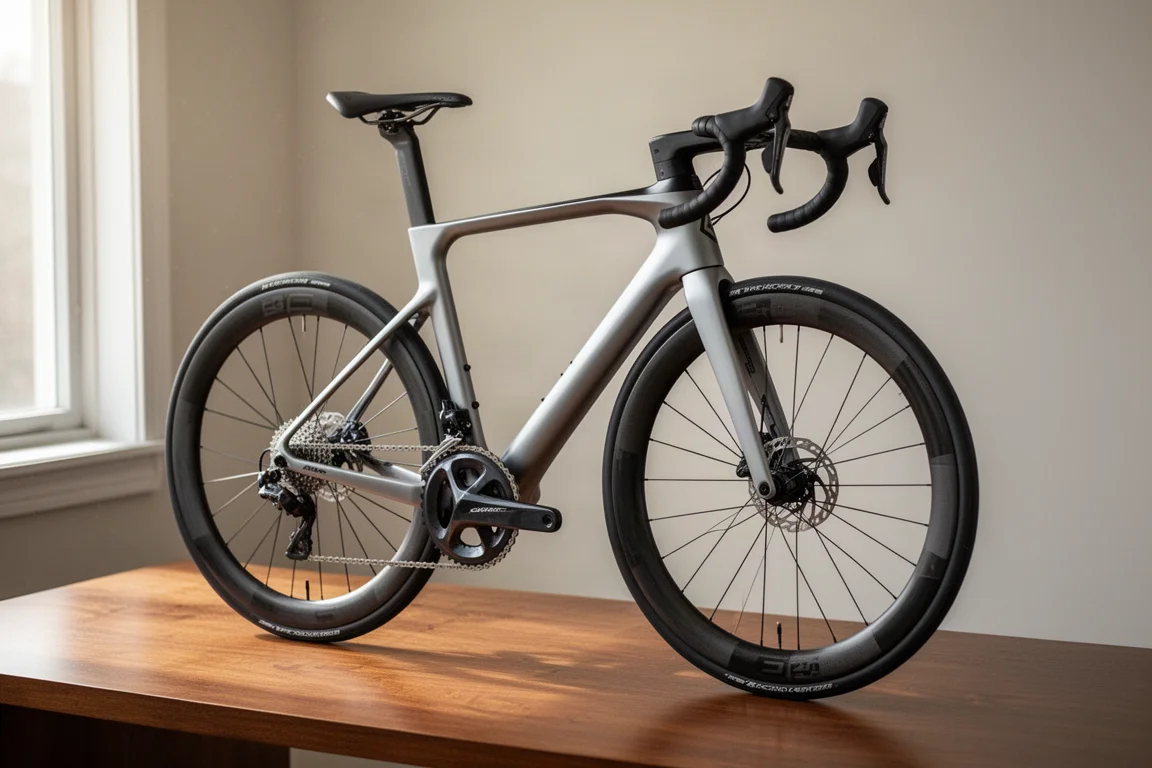
The Scott Addict RC is the lightest build mentioned here at 5.9 kg, comfortably below the professional racing limit. It follows the classic lightweight recipe: keep the frame and the complete build as light as possible, and let the rider deal with the wind.
Bikes in this category make the most sense where the road goes up for a long time. On sustained steep climbs, weight is something a rider can feel directly, and a build this light is a genuine advantage. Riders who spend their time on long mountain roads will understand the appeal immediately.
Canyon Aeroad CFR
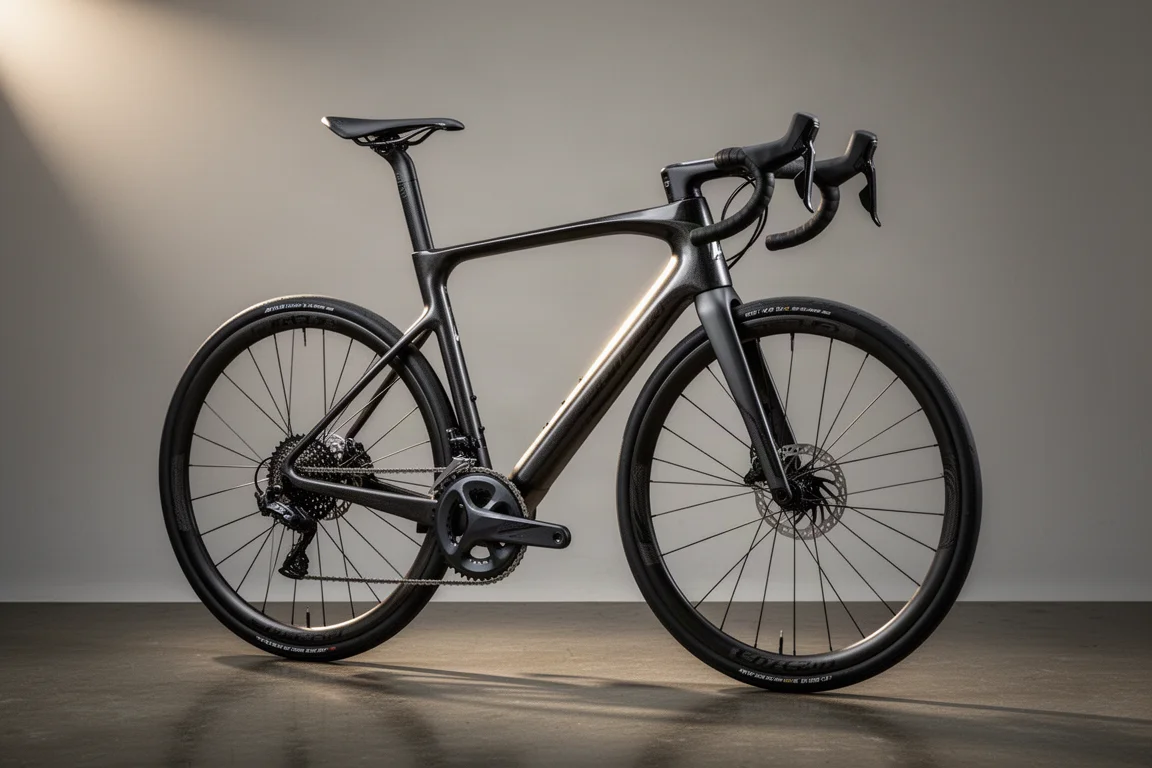
The Canyon Aeroad CFR shows how far aero bikes have come. As a top-of-the-range aero model it is listed at around 7 kg, close enough to the lightweight bikes here that the old weight penalty is no longer the deciding factor it once was. With a few considered component changes, a build like this can realistically drop below 7 kg.
That matters because it changes the question. Instead of asking whether an aero bike is too heavy, riders can ask where they spend their time. On fast, rolling roads and in group rides, the aerodynamic advantage of a frame like this is a real benefit, and the weight cost is small.
Trek Madone SLR
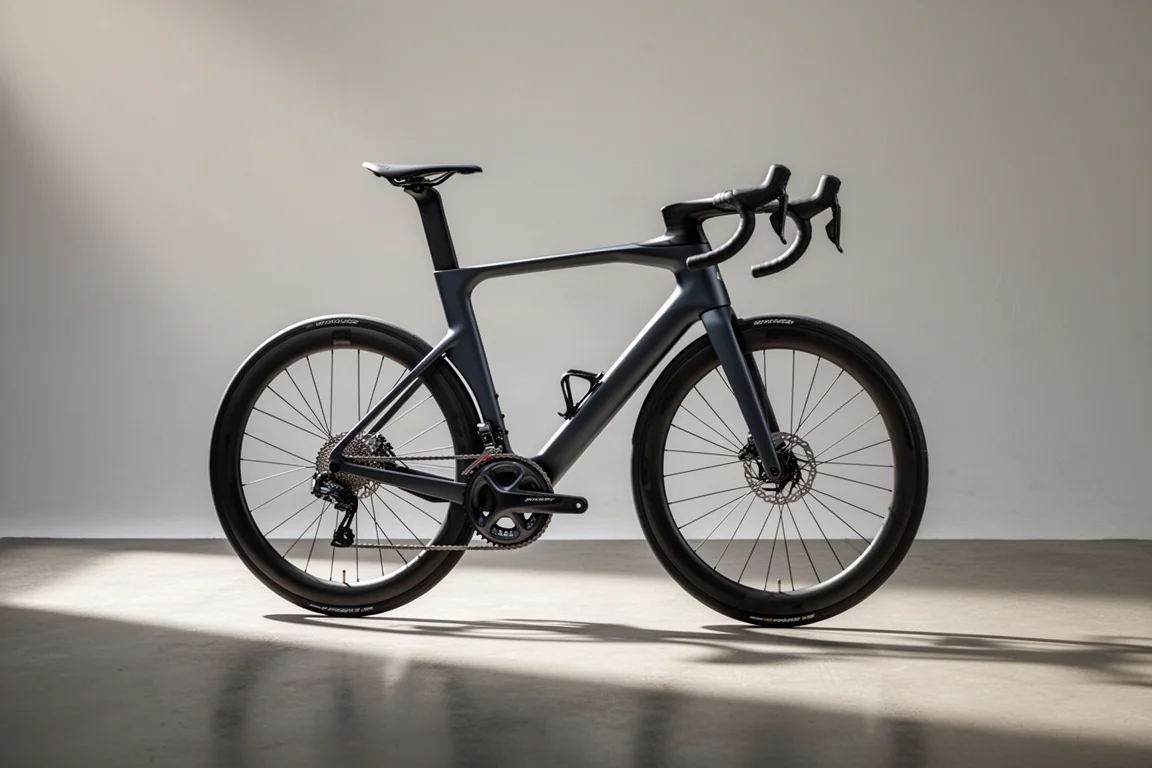
The Trek Madone SLR is listed at 7.3 kg, which makes it the heaviest build in this group and a reminder that aero performance still carries some weight cost. Trek has taken a different structural approach by merging its once separate aero and lightweight models into a single frame, so the Madone is intended to cover both jobs.
That single-frame strategy has clear appeal. One bike, one setup, no decision to make before a ride. The trade-off is that it does not chase either extreme as hard as the dedicated bikes here. For riders who want a versatile race platform rather than a specialist, that is a reasonable position to take.
Giant TCR Advanced Pro Disc
The Giant TCR Advanced Pro Disc is a lightweight road bike that does not try to be aerodynamic. Its strength is in how it feels: spritely, nimble and lively on climbs, and more enjoyable on hilly terrain than a more aerodynamic alternative.
Comparing it directly with the Tarmac SL8 makes the point well. The Tarmac is more aerodynamic and therefore faster on paper, but the TCR feels more spritely and responds in a way that many riders find more rewarding. If riding for enjoyment matters as much as raw speed, that difference is worth taking seriously.
Buying Advice: Matching the Bike to Your Roads
Where you ride is the single biggest factor. Riders who live in the mountains, with hour-long climbs as a normal part of a route, will feel the benefit of a lightweight bike every time the road tilts upwards. Riders in genuinely flat regions can choose an aero frame with almost no downside, because the weight penalty never has a chance to matter.
How fast you ride and how you ride also shapes the decision. Riders who sit in fast groups on rolling roads gain more from aerodynamics. Riders who race and measure every watt will want the fastest package available. Riders who ride for fun, stop halfway round a Sunday club run, and care about how a bike feels beneath them will often prefer the lighter option.

A practical way to decide is to write down what matters most: comfort, outright speed, weight, climbing feel, handling in crosswinds, and the terrain you actually ride. If steep climbs dominate, lean lightweight. If flat and rolling roads dominate, lean aero. If the mix is genuinely even, an all-round platform that blends both is the least compromising answer.
Conclusion
The aero versus lightweight debate will run for years, and the professional example is interesting without being directly transferable. Professionals are bound by a 6.8 kg limit, climb faster than most riders ever will, and can ride at the limit on an aero frame. Everyone else can buy a bike lighter than that limit, climbs more slowly, and rides wherever they happen to live.
That is why the choice comes back to terrain, riding style and feel. A dedicated aero bike is a brilliant tool on fast roads. A dedicated lightweight bike is a joy on steep climbs. A blended platform is the sensible middle ground, and the fact that so many brands now build one shows how close the two categories have become.
Further reading
Related Reviews

Road Bikes
10 New Road Bikes Worth Watching: Aero, Titanium, Steel and Endurance Standouts
A practical roundup of 10 new road bikes, from aero flagships chasing single-watt gains to titanium, steel and endurance platforms built for real roads.
Road Bikes
2026 Tour de France Road Bikes: Six Race Machines Worth a Closer Look
Six race bikes from the 2026 Tour de France grid, reviewed for paint, silhouette, wheels and the specification details that matter to buyers.
Road Bikes
3T Strada Italia Review: A Radical Aero Road Bike That Rides Smooth
A made in Italy carbon aero road bike with a deep head tube, wide tire clearance and a genuinely comfortable ride. Here is what to know before buying.