Backpacking Packs
Aarn Packs Review: A Backpack That Moves Weight to the Front
A close look at the Aarn Packs balance pouches, the independent suspension system, and the trade-offs to weigh before buying.
Introduction
Backpack design has settled into two familiar camps. Traditional internal-frame packs carry a lid, a padded suspension and pockets on nearly every panel, while ultralight packs strip things back to a roll-top closure, a centre pocket, two side pockets and a pair of shoulder straps. Both approaches work, and both are predictable.
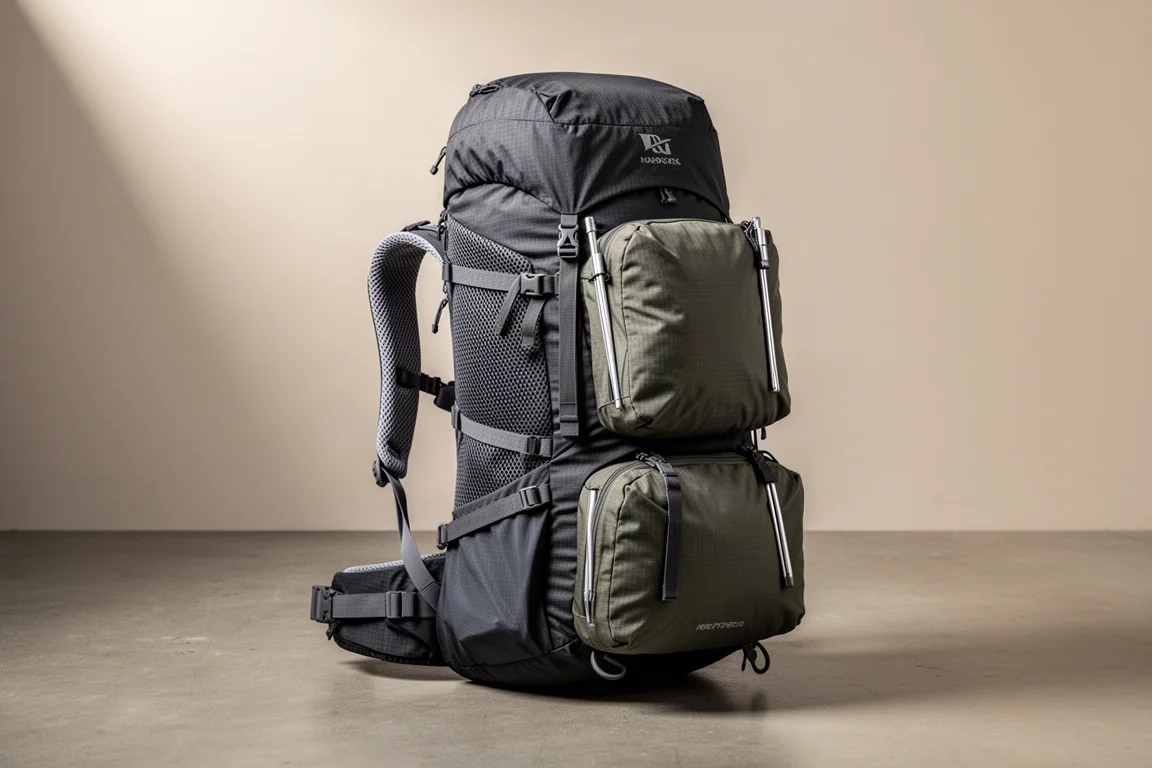
The Aarn Packs balance pack sits outside that pattern. Its most visible feature is a pair of large pouches mounted on the front of the pack, and the idea behind them is straightforward: move part of the load off your back and let it sit in front of you instead.

This review covers what those front pouches actually do, how the suspension differs from a conventional harness, and the parts of the design that ask for a little patience.
Who this product is for
The balance pack suits backpackers who carry a meaningful amount of weight and are willing to spend time learning a different adjustment routine. The front pouches reward anyone who already travels with a collection of small, dense items: a stove, a fuel canister, a food bag, a battery bank, or a water bottle mounted on the pouch itself.
It is a harder sell for hikers who keep their base weight very low or who carry mostly bulky, lightweight items such as a quilt and a shelter. Those loads leave little to redistribute, and the front pouches stay underfilled.
It also helps to enjoy tuning a harness. The pack rewards riders who like to fine-tune strap tension on the move, and it is less appealing if you prefer to set a pack once at the trailhead and forget about it.
Main strengths
Three aspects of the design stand out: where the weight sits, how the suspension behaves, and how much of it can be adjusted without taking the pack off.
Balanced Front Pouches for Real Weight Distribution
On a conventional backpacking pack, the whole load sits behind the spine, and the more weight you carry, the more you tend to lean forward to compensate. The front pouches are built to counter that. Their weight is transferred directly to the front of the hip belt through internal stays that slip into pockets on the pouches. The stays are fastened in place, yet still move freely with the top of the pack.
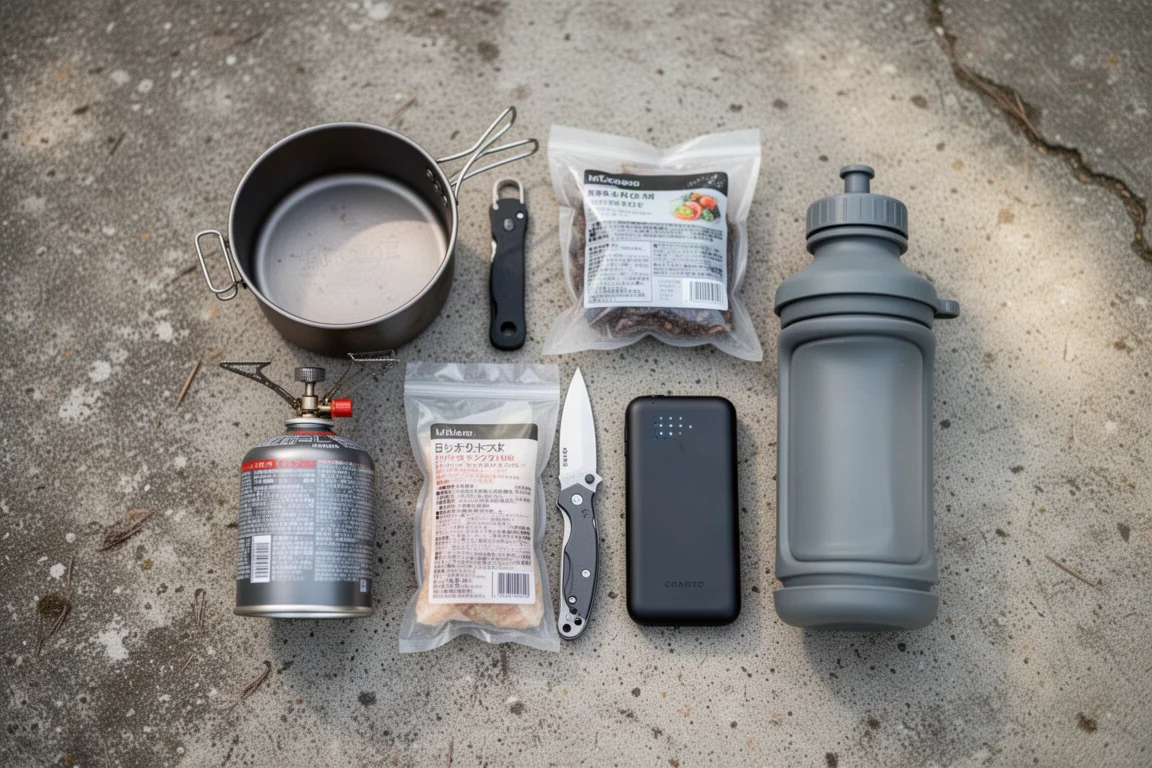
Filling the pouches is the practical challenge. Items need to be small enough to fit and heavy enough to matter, and after moving every compact item forward, some hikers will find there is not quite enough mass to fully offset a heavy load. Water bottles can be mounted on the pouches to add more. Because that weight sits at the front of the hips rather than behind the spine, it behaves more like weight you wear than weight you carry, which places less strain on the back and hips and makes the whole pack feel less heavy.
An Independent Suspension System
At the simplest level, an ultralight pack is little more than a bag with shoulder straps. Heavier traditional packs add padding, shaped shoulder straps and a suspended backrest for breathability. Some high-end designs go further and let the hip belt move independently of the pack body.
This pack goes a step beyond that, with a suspension that is effectively independent from the pack itself, so your body can bend, sway and flex while the load stays settled. Both the top and the bottom of the shoulder straps are free to move: at the base, a rope runs through straw-like tubing that allows several inches of travel, and a stabilising strap connects the two shoulder straps while still moving with the sway of your shoulders. Instead of fighting your movement, the pack conforms to it. A back mesh suspension and an arc frame still provide cushioning and ventilation.
Adjustments You Can Make While Wearing the Pack
Torso adjustment on most packs is a back-and-forth process: take the pack off, change the setting, put it back on, repeat. Here, the adjustment can be done with the pack on your back. Reach around to one strap to lower the shoulder straps, and use another to lengthen the torso again.
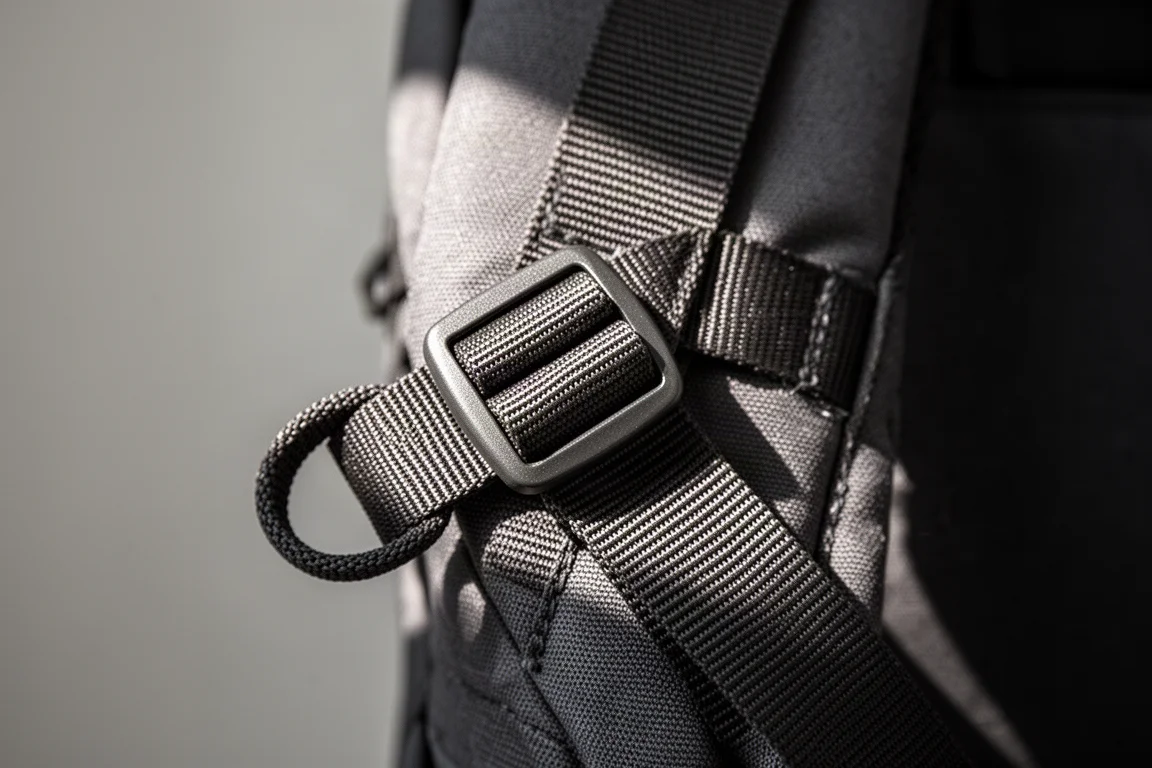
It takes more fiddling than a standard harness. Shoulder strap length is adjusted through the stabilisers rather than by reaching up under your arms, and the shoulder padding can be repositioned along the strap afterwards. The payoff is a finer tune than most packs allow. The hip belt follows the same logic: two straps sewn together into a loop give more leverage when cinching the belt down after a day of the load pressing on it, and because the two straps are different sizes, it is easy to tell which one you are pulling. A redesigned hip belt clip is a small but welcome detail, closing without the tension and pinch risk of a standard buckle.
Things to consider before buying
Weight distribution depends entirely on what you pack. If your kit is mostly bulky and light, the front pouches will not have much to work with, and the balance benefit will be modest.
The harness also asks for patience. Adjustments happen in more places than on a conventional pack, and the sequence takes practice before it feels natural. Backpackers who prefer a simple, familiar setup should factor that in.
It is worth checking the pouch volume against what you actually carry. The design only pays off when the pouches can be filled with items that are both compact and heavy, so an honest inventory of your small dense gear is the best starting point.
Buying advice
The balance pack makes the most sense for backpackers carrying a moderate to heavy load who want that load to interfere less with how their body moves. The combination of front-mounted weight and a suspension that stays independent of the pack is genuinely unusual, and on-body adjustment is a real convenience once learned.
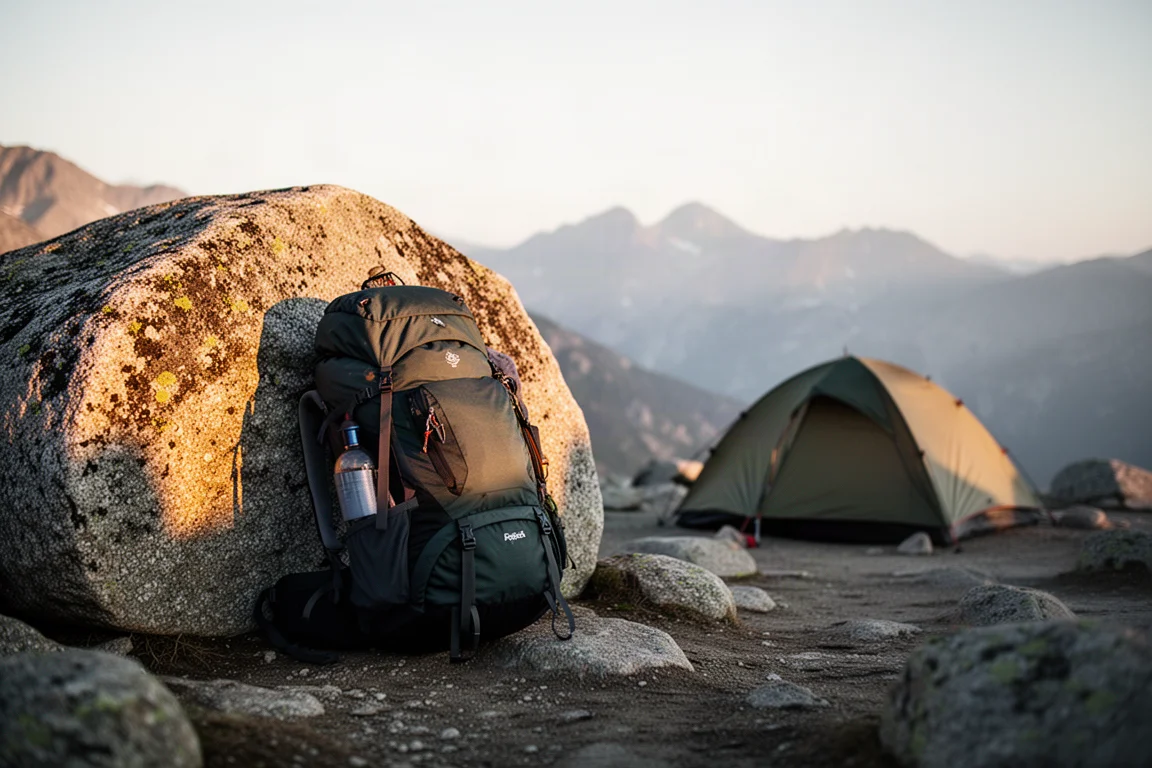
If your kit is already dialled in and very light, or if you would rather not think about strap adjustments on the trail, a simpler harness will likely serve you better. If you do carry dense, compact gear and you have been curious about how front-loaded weight feels, this is one of the few packs designed around that idea from the ground up.
Conclusion
The Aarn Packs balance pack treats load carriage as an open question rather than a settled one. The front pouches shift weight toward the hip belt, the suspension moves with the body instead of against it, and nearly every adjustment can be made without taking the pack off. It asks for more attention than a standard pack, and the balance benefit depends on how you pack. For the right backpacker, that trade is easy to accept.
Product link
View more details for Aarn Packs Balance Pack
This product is mentioned in the review. Check the specifications, options, and compatibility before buying.
View more details for Aarn Packs Balance PackFurther reading
Related Reviews
Backpacking Packs
Backpacking Pack Types Compared: Traditional, Ultralight, Frameless, and Hybrid
Four pack categories, four representative packs, and a practical way to decide which kind of backpacking pack matches the weight of your gear.
Backpacking Packs
Best Backpacking Packs 2026: Six Picks for Every Style of Trip
Six backpacking packs that earned their place by weight class and purpose, with the real strengths and trade-offs to weigh before you buy.
Backpacking Packs
Big Agnes Prospector 50 Review: A Hybrid Pack That Sits Between Two Worlds
A 50-liter backpacking pack that mixes ultralight features with traditional padding and panel access. Here is who it suits and where it falls short.