Tents
3F UL Gear Lanshan 2: Which Model Should You Buy?
Three versions of the same ultralight trekking pole shelter, compared on warmth, interior space, packed weight and packed size so you can pick the right one.
Introduction
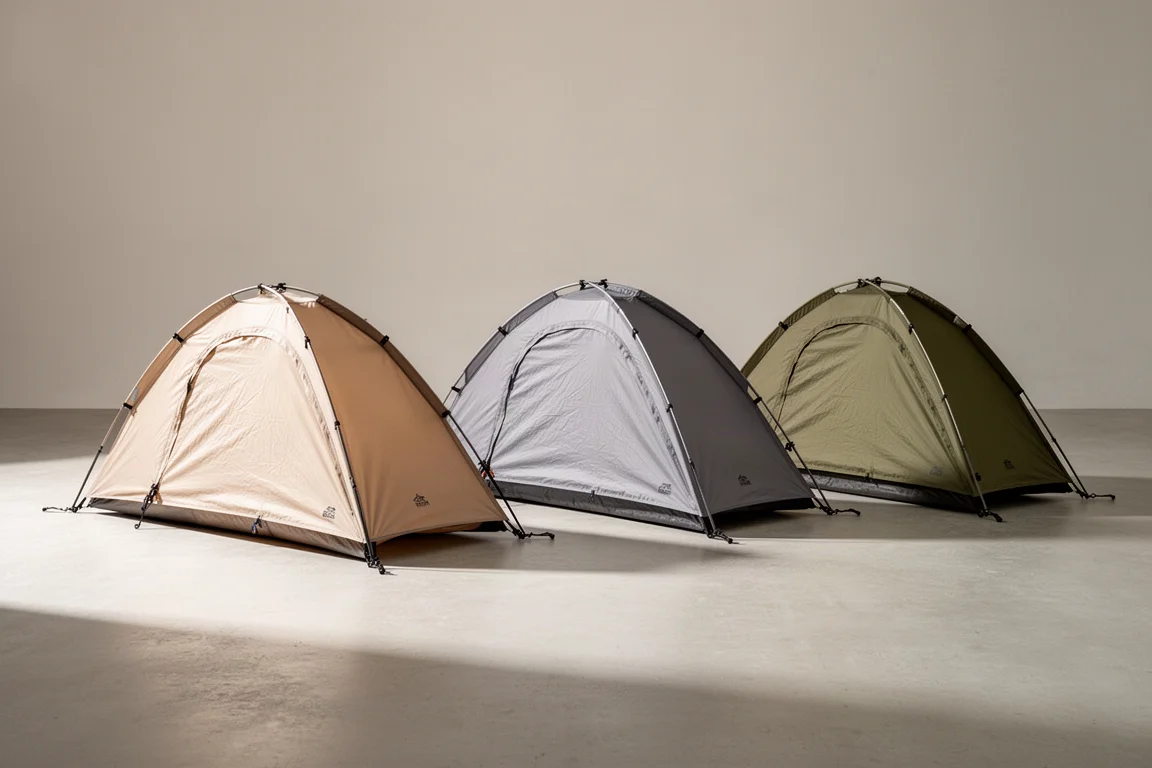
The Lanshan 2 range has become one of the most recognisable names in affordable trekking pole shelters, and the three versions that matter most sit far closer together than most buyers expect. Packed weight, packed size and price all fall inside a narrow band, so the decision is not really about grams or money. It comes down to what happens inside the tent: how much mesh you sleep behind, how much solid fabric surrounds you, and how cold the nights get where you actually camp.
This guide breaks down the three models, explains the practical difference between single wall, double wall and hybrid designs, and points to the version that makes sense for the widest range of conditions.
How These Three Tents Differ
All three are two-person trekking pole shelters with the same footprint and the same overall silhouette. What changes is the inner. The Pro 3-season uses a full mesh inner, with see-through mesh on the sides and across the base. The Pro 4-season keeps the single skin at both ends but swaps the sides for solid fabric with a small mesh panel near the top, plus mesh vents at the ends to help with ventilation. The standard Solid 4-season goes further again, with solid fabric throughout and a proper inner that is fully separated from the fly.
That gives you a hybrid design in two cases and a traditional double wall shelter in the third.
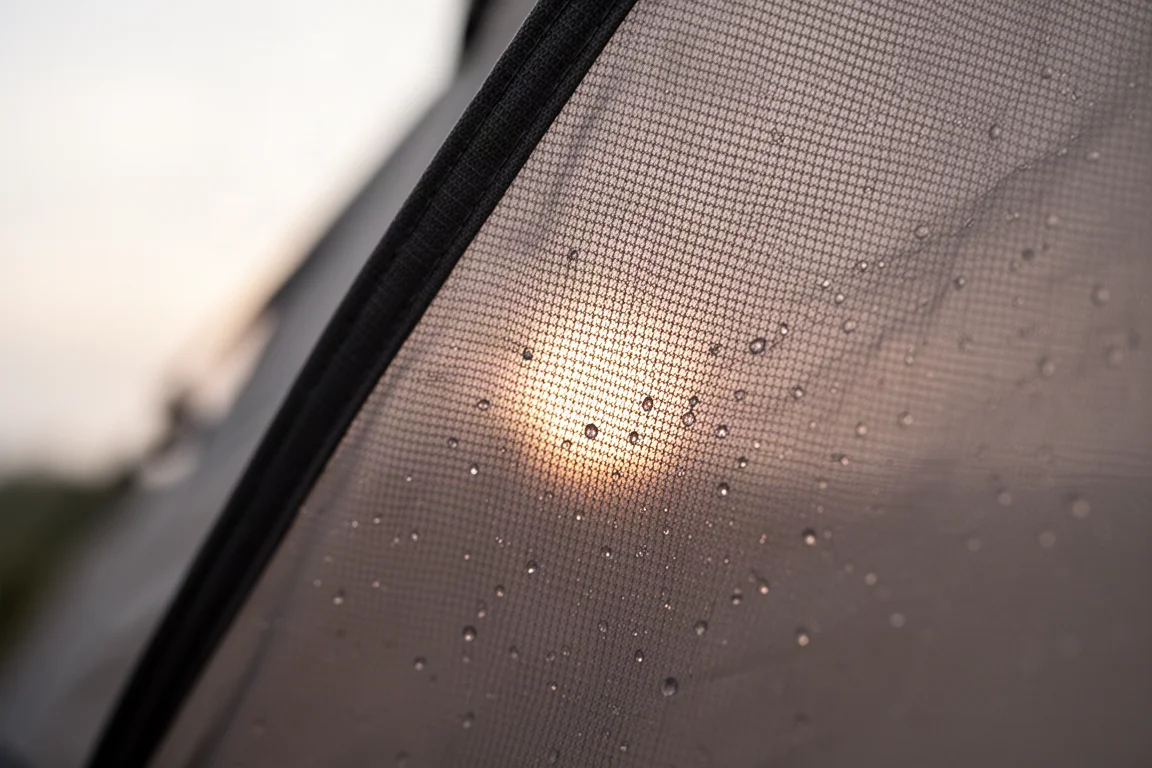
The consequences are easy to predict once you have spent a night in each. More mesh means more airflow, more light and a colder sleep. More solid fabric means a darker interior, fewer drafts and a warmer night. None of the three is a compromise on the outside, because the outer dimensions are effectively identical.
3F UL Gear Lanshan 2 Solid 4-Season Tent
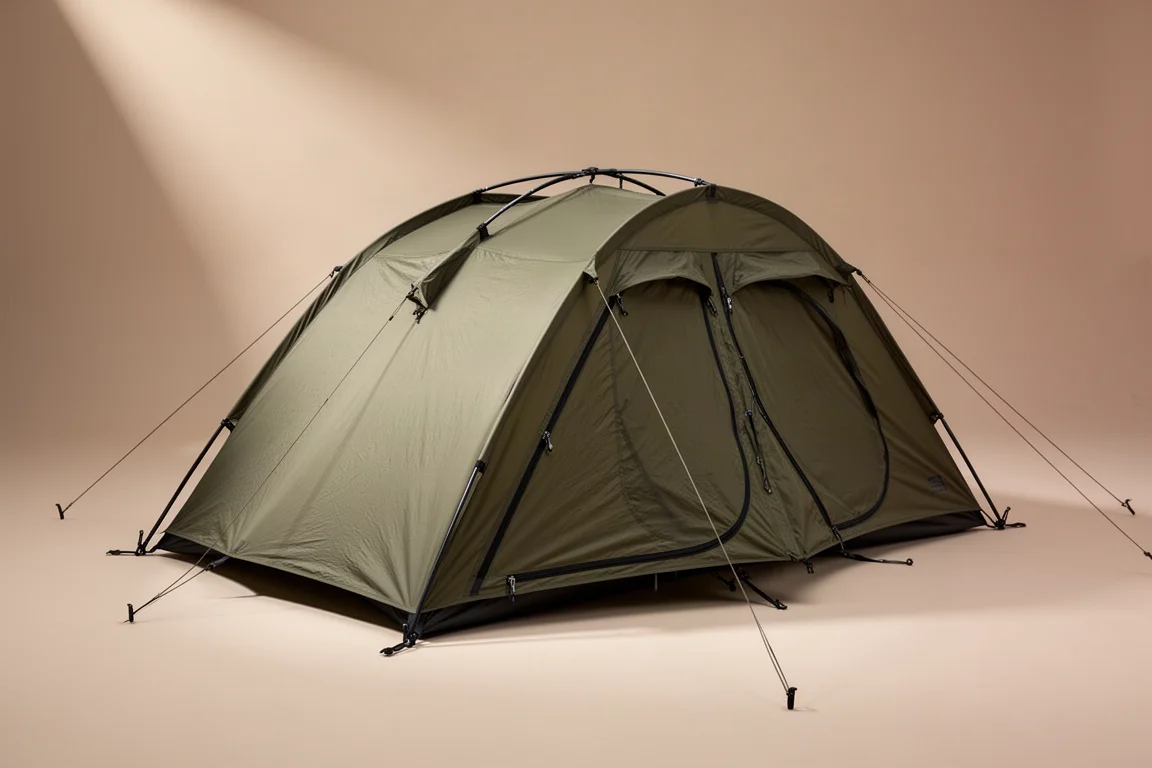
This is the double wall version and the most traditional of the three. A full inner sits inside the fly, separated from it, while solid fabric covers the sides and the ends. The only mesh is a small panel at the top, included for ventilation rather than for views.
The payoff is warmth. Solid walls block wind, and the inner adds a second layer of trapped air between you and the fly, so the shelter holds heat noticeably better than the single wall models. The trade-off is a much darker interior during the lighter months, and the inner does take away some usable space. That sounds worse than it is: for a single occupant this remains a roomy two-person shelter with plenty of room for a sleeping pad, a pack and kit.
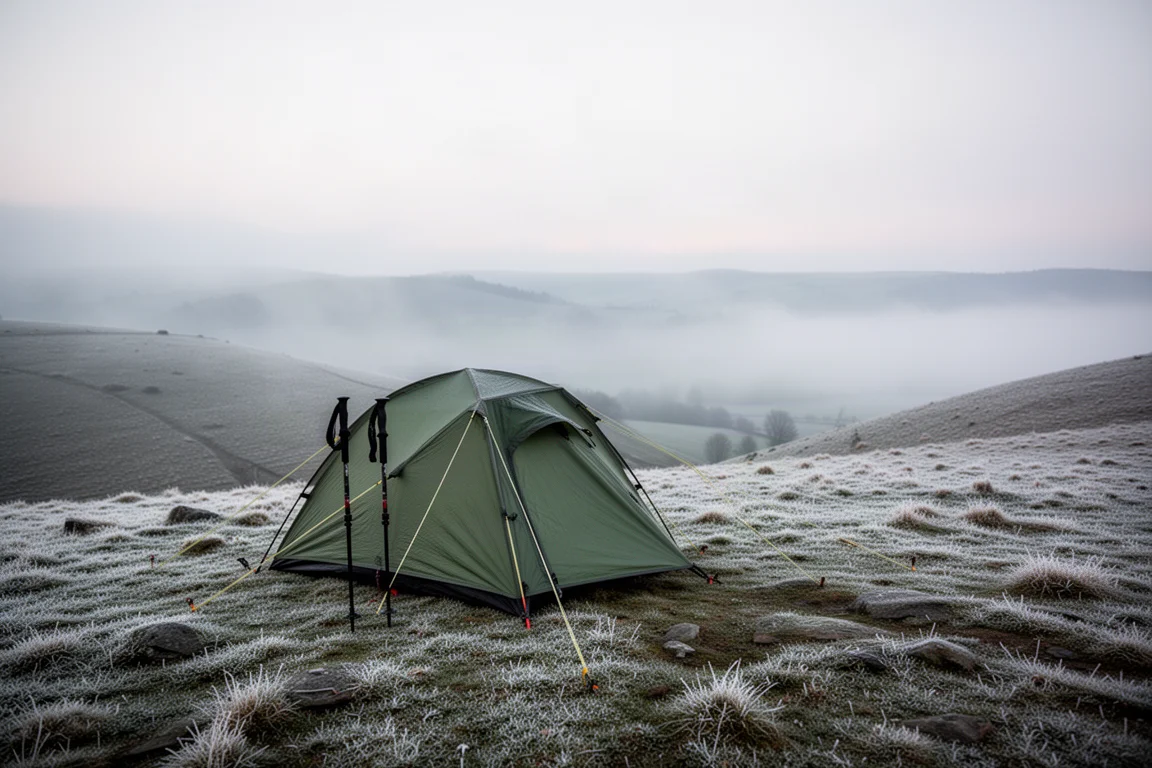
Condensation management is simpler here too. The inner keeps you away from the fly, so a wet fly wall is far less likely to end up pressed against your sleeping bag, your clothing or your hair during the night.
3F UL Gear Lanshan 2 Pro 3-Season Tent
The Pro 3-season is the lightest and most open of the three. It uses a full mesh inner, with a single skin at both ends and see-through mesh along the sides and across the base. Because there is no solid inner fabric, nothing sags against you at the sides and you get the full height of the shelter as usable space. Inside, it feels enormous.
It is also a genuine summer tent. With that much mesh, cold air moves through freely, and it becomes uncomfortable in anything other than the warmest nights. For most camping in cooler, windier conditions, that openness works against you rather than for you.
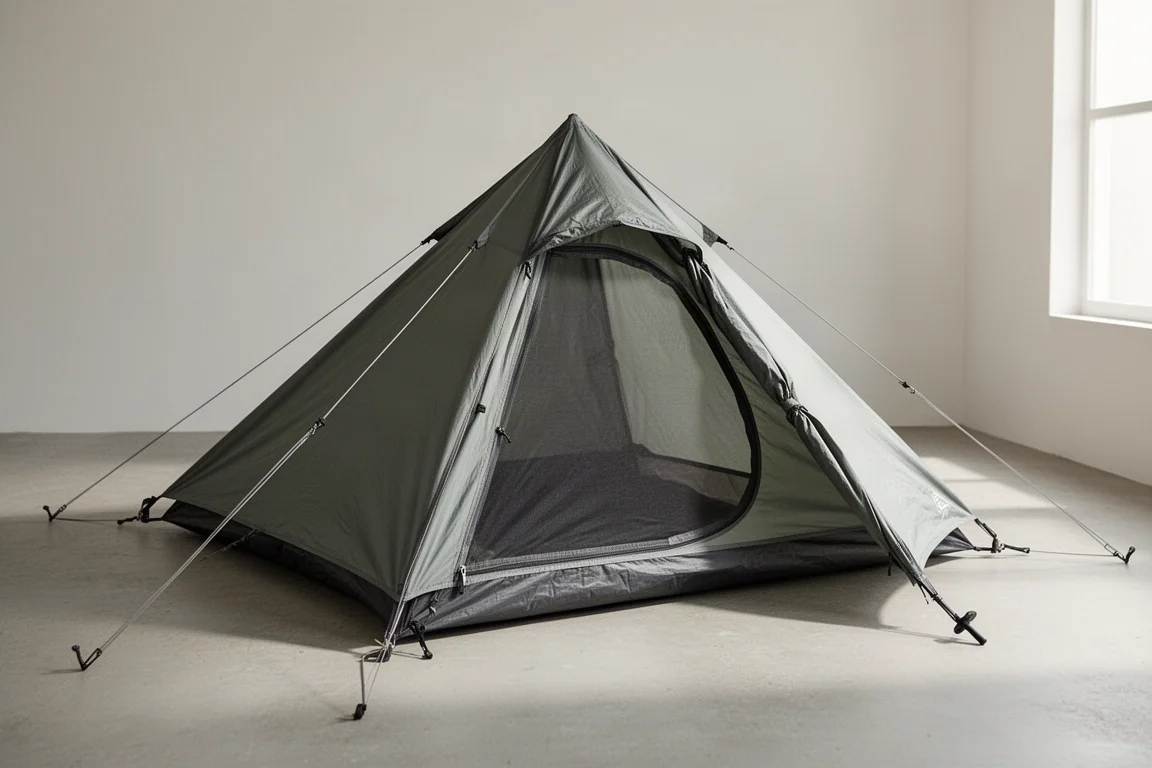
3F UL Gear Lanshan 2 Pro 4-Season Tent
This version sits between the other two. It keeps the single skin at both ends of the shelter, but the sides are solid fabric with a small see-through mesh panel at the top, and mesh vents are built into the ends to help with airflow. The interior is noticeably darker than the full mesh model, which is welcome on light summer mornings.
The solid sides make a real difference in wind. Drafts that would cut straight through a mesh wall are blocked, and the weight and packed size penalty compared with the mesh version is negligible. The weak point is the ends. Those small mesh vents can let cold air through, and the coldest hours before dawn are where that becomes obvious. It is a very usable shelter for late spring, the whole of summer and early autumn, but calling it a true four-season tent is a stretch. Like any trekking pole shelter, the honest description is three seasons plus.
Weight, Pack Size, and Cost Compared
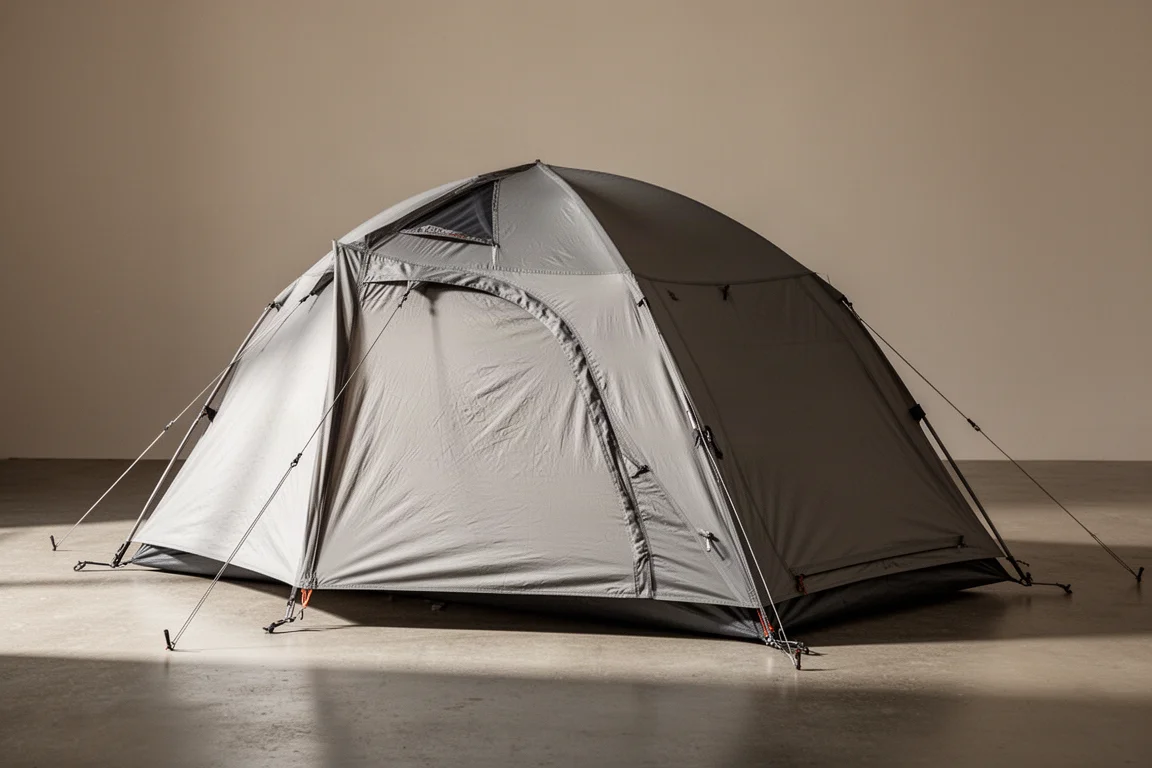
Packed weights including pegs are close. The single wall Pro 3-season comes in at around 1,045 g, the single wall Pro 4-season at roughly 1,100 g, and the double wall Solid 4-season at around 1,186 g. From lightest to heaviest, the spread is under 150 g.
Packed size is an even weaker differentiator. All three roll up to roughly 35 cm by 15 cm, with very little between them.
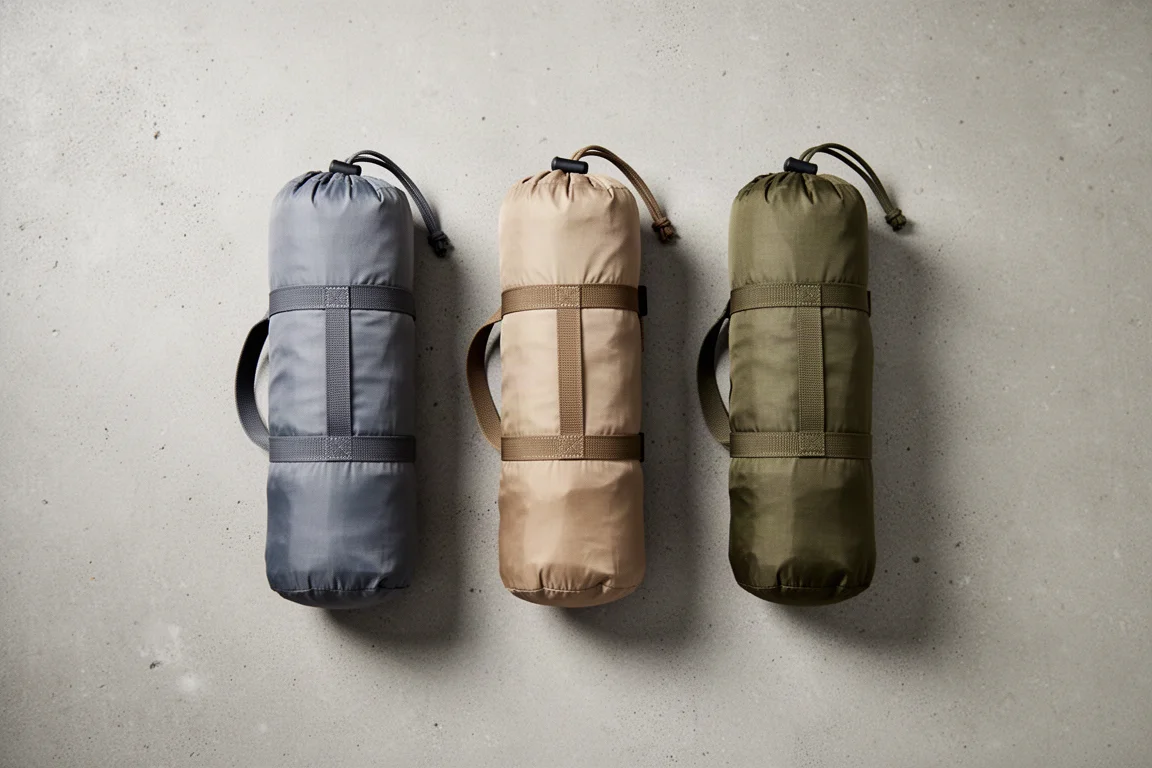
Two points are worth remembering. First, lighter fabric does not automatically mean a smaller package: very light fabrics are not especially compact, and a shelter built from them can pack to about the same size as a sil-poly or sil-nylon equivalent. Second, mesh is not automatically lighter than solid fabric either. On some tents the mesh inner uses a thicker denier than the solid inner, so it is worth checking fabric specifications rather than assuming.
Cost follows the same pattern. All three models sit at around 150, and the gap between them is small enough that price should not be the deciding factor. For a two-person shelter weighing roughly a kilogram, that is remarkable value, and these designs have been used widely enough in varied conditions that the reputation is earned.
Zips and Small Details Worth Checking
Two of these shelters use L-shaped U zips. A T-zip version is also available and, importantly, it does not cost more. The T-zip is the better arrangement: it lets you open the whole side of the shelter and fold it away, which transforms ventilation on a warm evening and makes getting in and out far easier.
Where both options exist, choose the T-zip.
Buying Advice
For one person, the double wall Solid 4-season is the strongest all-round choice. It still has ample space for a single occupant, the inner removes the chill that single wall shelters struggle with, and it stays comfortable across far more of the year than the mesh version. The extra weight over the lightest model is small enough to be irrelevant on most trips.
The Pro 3-season has a clear role, but a narrow one. It is a true summer tent, and outside the hottest nights it will leave you cold. If your camping is limited to warm, settled weather, it is the lightest and most spacious option here.
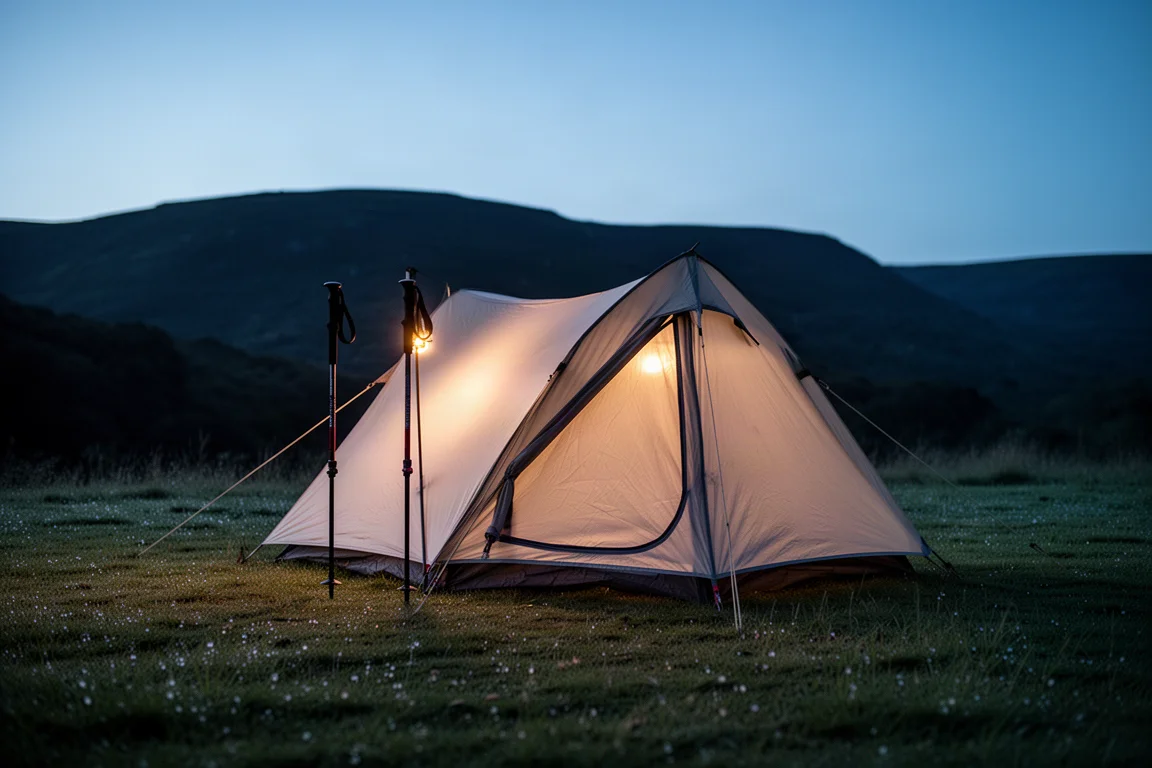
The Pro 4-season single wall is the sensible middle path. It blocks the wind that the mesh version lets through, adds very little weight, and covers late spring through early autumn comfortably. Just do not expect a mesh-vented trekking pole shelter to behave like a true winter tent at the ends.
For two occupants the calculation shifts. The full mesh Pro 3-season offers the most usable interior volume, and two people sharing a shelter will appreciate that space. In cooler and windier conditions, though, that advantage comes at a real cost in warmth, and the solid-sided versions remain the safer bet.
Conclusion
All three Lanshan 2 variants deliver outstanding value, and none of them is a poor purchase. The right choice depends on when and where you camp. If you want one shelter that handles the widest range of conditions for a single occupant, the double wall Solid 4-season is the pick. If you camp only in the warmest weather and want maximum interior space, the Pro 3-season makes sense. If you want most of that space with better wind protection, the Pro 4-season single wall is the balanced option. Whichever you choose, look for the T-zip version where it is offered.
Further reading
Related Reviews
Tents
Black Dog Instant Setup 5 to 8 Person Tent Review: Fast Pitch, Serious Weather Problems
A quick-pitching Black Dog tent that goes up in seconds, but wet-weather testing revealed seam leaks, an overstated capacity claim, and awkward doors.
Tents
Lightfighter Dragoon Review: An Eight-Person Four-Season Military Shelter
The Lightfighter Dragoon is a 57-pound, eight-person expedition tent built for extreme weather. Here is what its materials, size, and setup demands mean for real buyers.
Tents
Lone Rider Motorcycle Tent Review: A Big Shelter That Stays Dry
A double-wall motorcycle tent with two large awnings, two entry points, and enough interior height to stand up, plus the pack size trade-off to weigh first.