Hiking Backpacks
30-Litre Hiking Backpacks Compared: Four Packs for Day Hikes and Wild Camps
Four 30-litre class backpacks compared, from budget day packs to a suspension-focused mountain pack and a well-organised all-rounder for day hikes and light wild camps.
Introduction
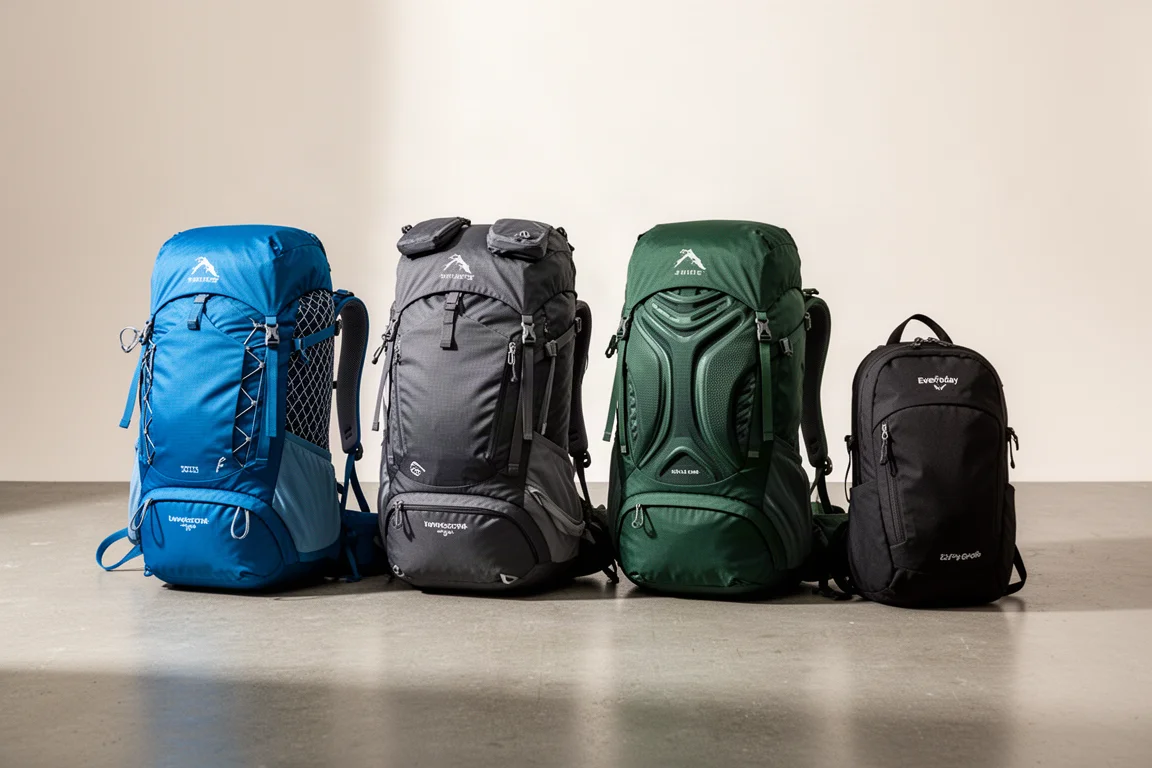
A 30-litre backpack sits in a useful middle ground. It is big enough to swallow a full day of kit, or a pared-back overnight load for a wild camp, yet small enough to stay comfortable on a long, fast walk. That flexibility makes it one of the most useful pieces of kit an active hiker can own, and also one of the easiest to get wrong, because the differences between packs in this class are rarely about capacity.
The four packs below cover the full spread of that class. Two are budget-friendly options that have been used hard over several seasons, one is a suspension-focused mountain pack, and one is a well-organised technical pack that has handled a sub-10 kg wild camp load. Together they show what you actually pay for as the price rises, and where a cheaper pack is still the smarter buy.
What Matters in a 30-Litre Hiking Pack
Capacity is the least interesting number in this category. Every pack here holds roughly the same volume, so the real decision comes down to three things: how the weight is carried, how the load is organised, and how much the pack weighs when it is empty.
Weight transfer is the first factor. A pack with a proper hip belt and a shaped back panel puts the load on your hips and keeps the fabric off your spine, which matters far more on a long day out than any pocket layout. Ventilation belongs to the same story. A tensioned mesh back panel holds the pack away from your back and reduces the sweat build-up that makes a sustained climb feel harder than it should.
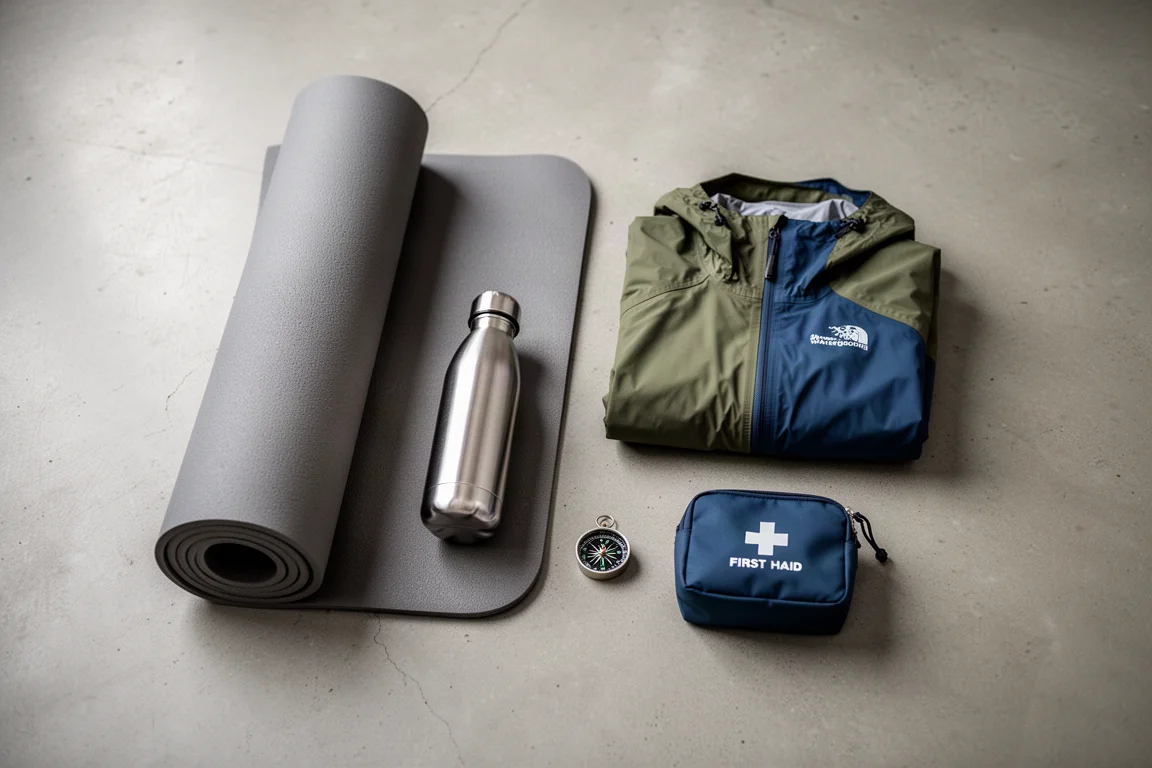
Organisation is the second factor. A single-compartment pack is light and simple, but everything has to come out when you need the item that has settled at the bottom. Side pockets, a separate lower compartment with its own access zip, and lid pockets change how a pack behaves over a full day. Empty weight is the third. Lighter is not automatically better, but the number is worth knowing, because a 400 g pack and a 1.2 kg pack feel very different on a steep climb.
Karrimor Urban Backpack: The Light Everyday Day Pack
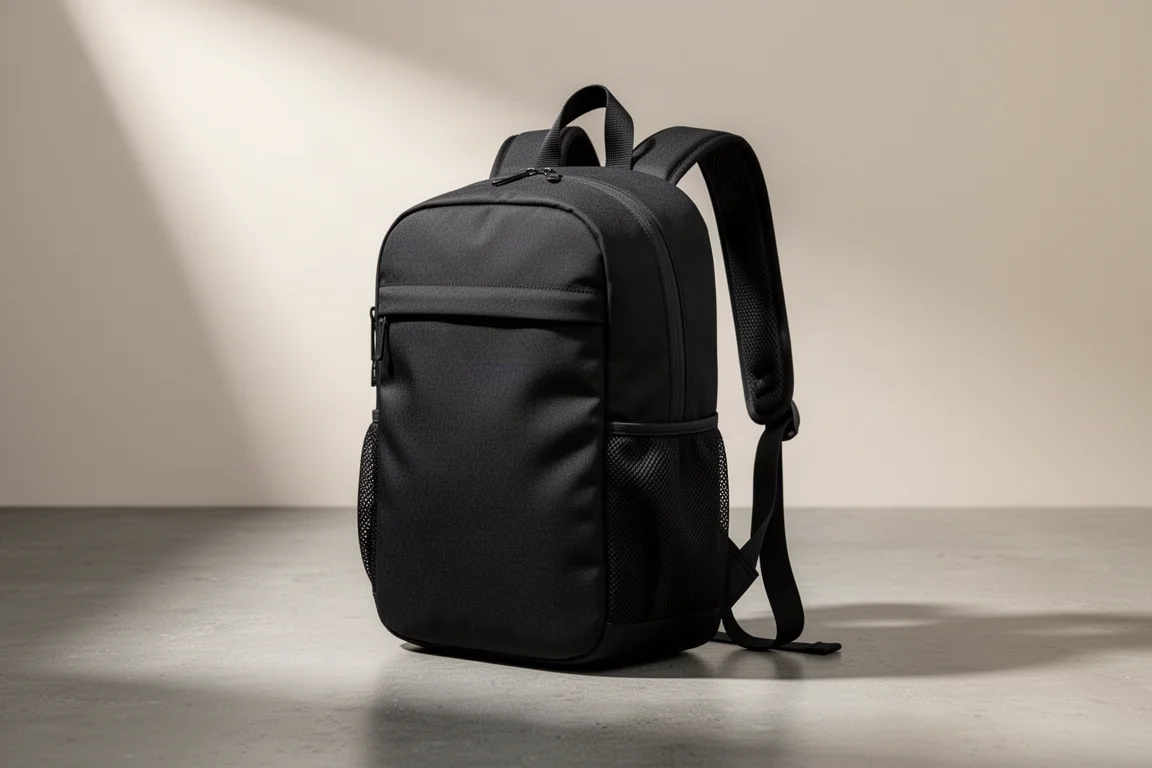
The Karrimor Urban is the pack that has quietly done the most work of the four. It is a straightforward day pack, the kind you grab for a short walk, a commute, or an afternoon out, and it has stayed in service for years without a single failure.
Its appeal is simplicity. There is nothing complicated to adjust and very little to go wrong, which is exactly what you want from a pack that lives by the door and gets used without much thought.
The limitation is equally simple. There is no way to attach hiking poles to the outside, so it is not the pack to reach for when you want your hands free on a longer route. For short days and everyday use, that trade-off is easy to live with.
Karrimor Jura Backpack: More Pockets and Easier Access
The Karrimor Jura was a clear step up from a basic day pack, and the layout shows why. Side pockets give you somewhere to stash items you want within reach, there are two pockets in the lid, and the main body separates into two compartments so the bottom of the pack can be opened from the outside. That last detail changes how the pack works in practice: gaiters, a spare layer, or a stove can live in the lower section without disturbing everything packed above it.
There is also a sleeve for a hydration bladder, and hiking poles can be attached to the outside. On a long day across open moorland it carried comfortably and never became a distraction.
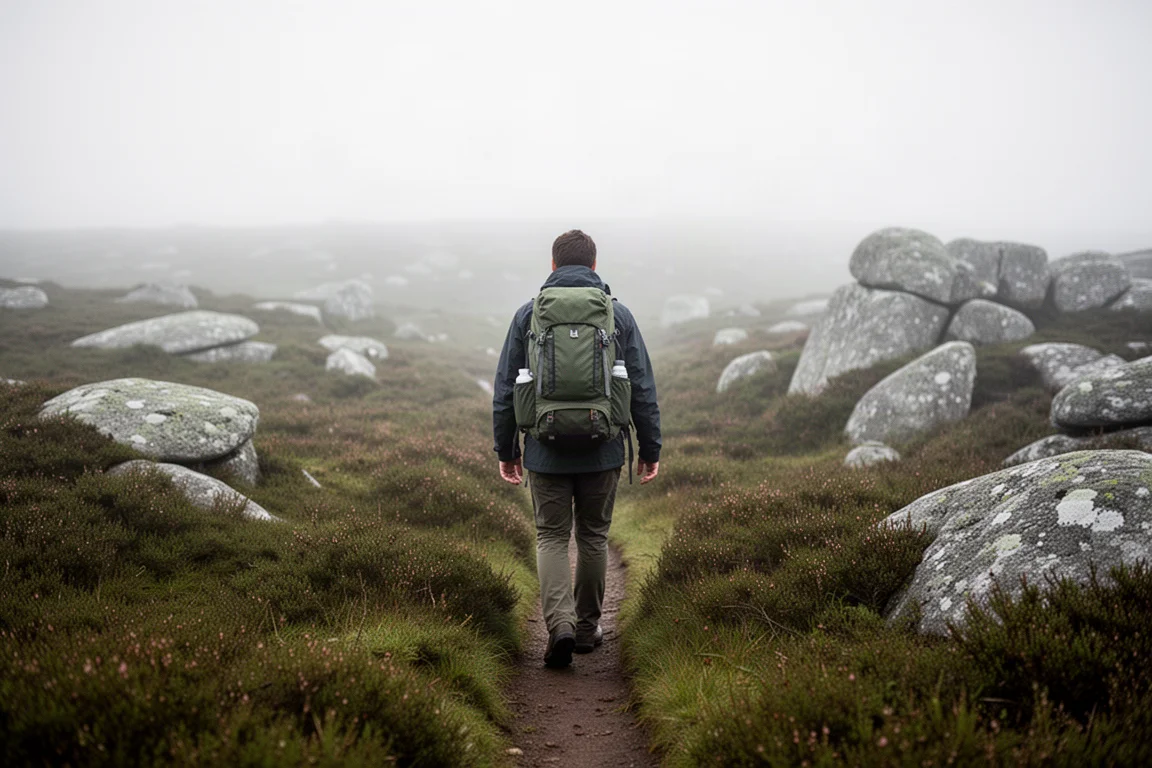
The compromise is a warmer back, since the panel does not hold the pack away from the spine the way a tensioned mesh design does, and it is noticeably heavier than a stripped-back pack at around 760 g. At roughly £30, though, it remains one of the most sensible ways to get proper organisation and bottom access without moving into premium pricing.
Osprey Atmos: Suspension That Moves Weight to the Hips
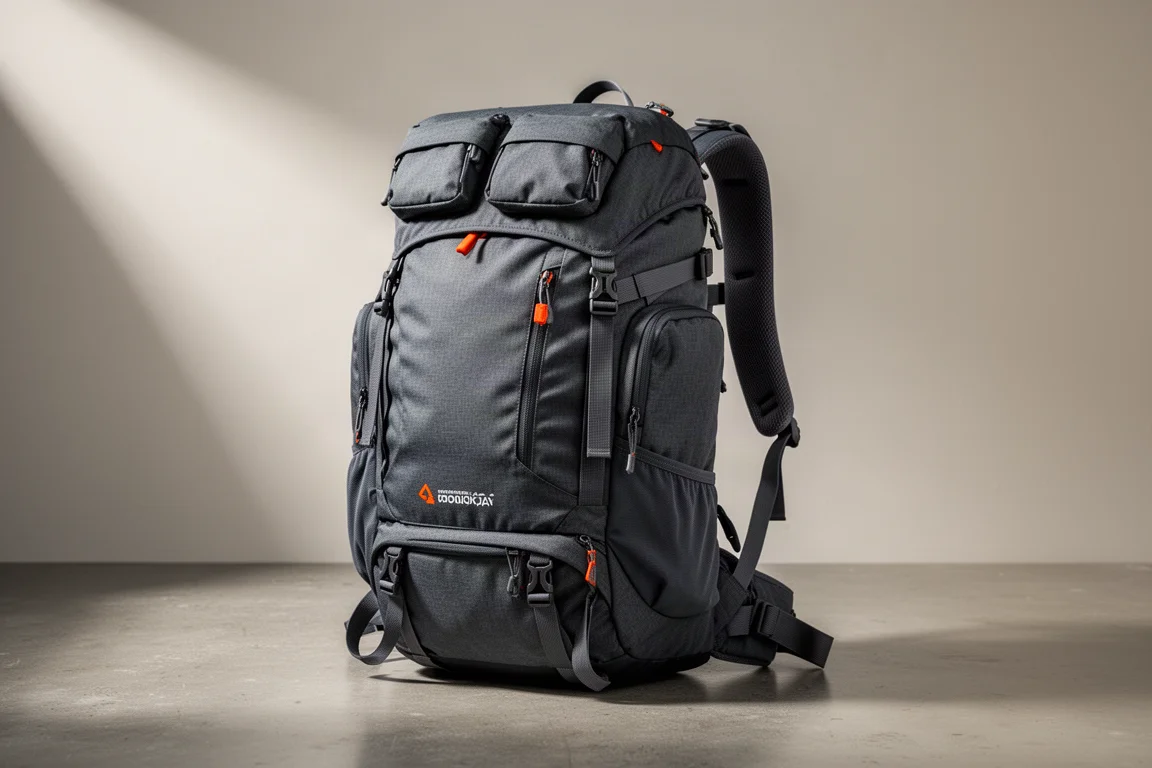
The Osprey Atmos is the pack that reframes what a backpack can feel like. Its anti-gravity suspension system carries the load above the hips rather than hanging it from the shoulders, and the effect on a long mountain day is immediate. The pack stops feeling like something you are carrying and starts feeling like something you are wearing.
That comes at a cost in weight. The Atmos is a heavy pack by day pack standards, and it is not the obvious choice for a short, light outing. Where it earns its place is on long days in the hills with a fuller load, when the suspension takes on work that a lighter pack would leave to your shoulders. For anyone planning a big mountain route with a heavier kit list, that trade is usually worth making.
Lowe Alpine AirZone Trail 30: The Most Complete All-Rounder
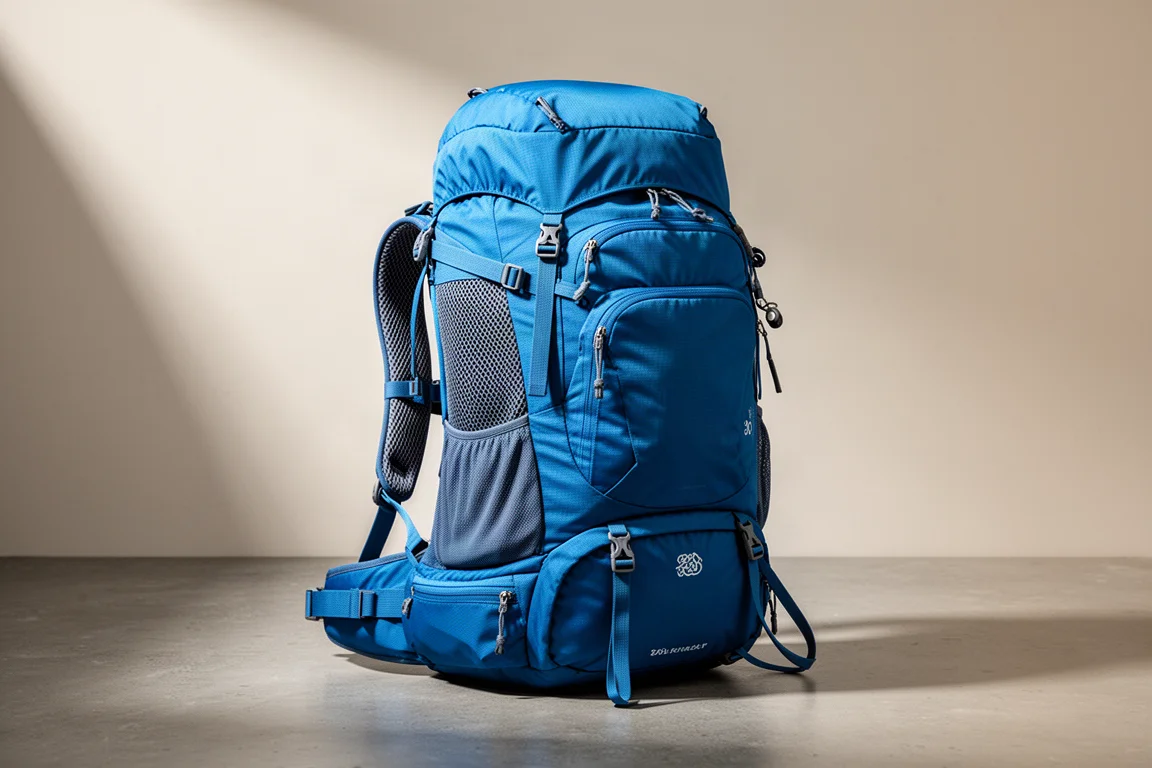
The Lowe Alpine AirZone Trail 30 is the most complete pack of the four. It cost around £70 when purchased, and it is often available at a discount, which places it in the middle of the price range while offering a feature set that feels closer to a much more expensive pack.
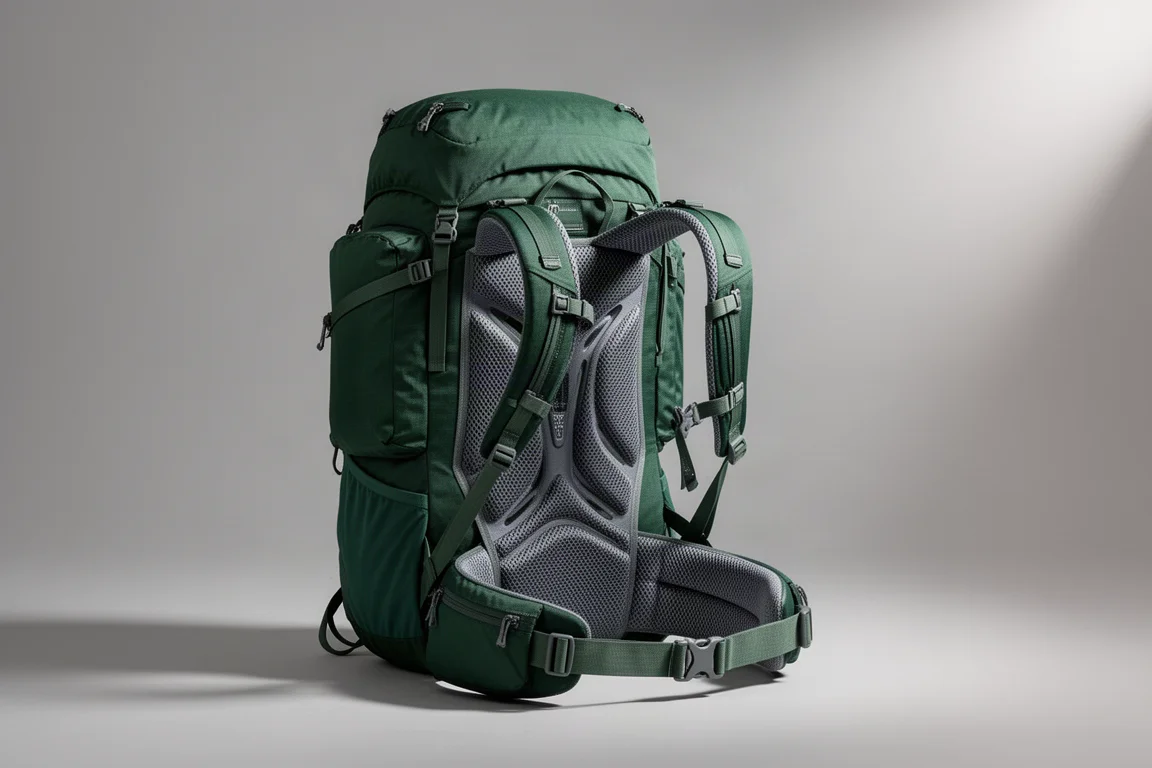
The hip belt is the centrepiece. Wrapped around the waist, it clamps the pack to the hips and keeps the load off the back, in the same spirit as the suspension system on the Atmos. The AirZone back panel then holds the pack away from the spine, which makes a genuine difference to how sweaty your back gets on a sustained climb, and the wide foam shoulder pads stay comfortable under load.
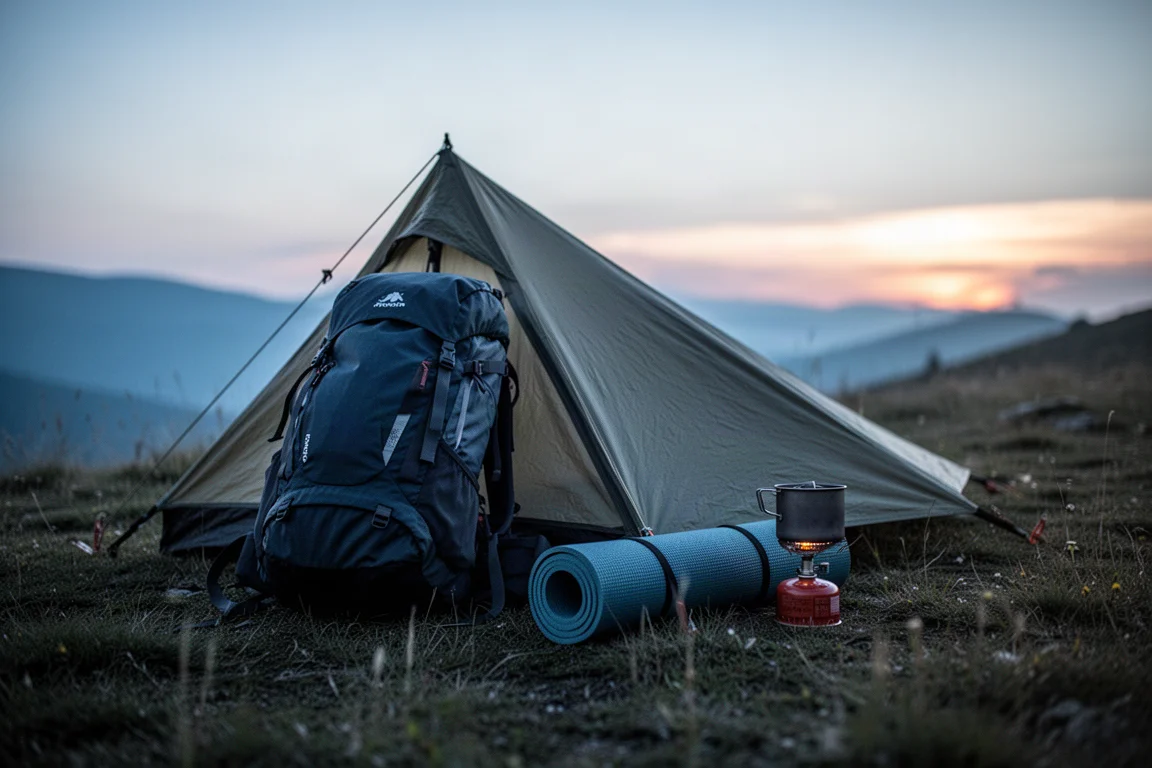
Storage is generous. There are two stretchy side pockets for bottles, a stretchy front pocket for wet kit or a shell, and two good-sized pockets on the belt. Inside there is a main compartment and a hydration bladder sleeve, with enough space for a rolled mat. On the outside you get a hook for an ice axe on one side and two hooks for hiking poles on the other, plus two lid pockets. Two further pockets sit on the shoulder straps for a phone, wallet, or GPS.
Small details round the pack out. There is an emergency whistle on the sternum strap, mountain distress signal guidance printed inside, and a detachable rain cover that clips around the body of the pack so it cannot blow off in the wind. At around 1.19 kg it is the heaviest pack here, and that weight is the price of the frame, the belt, and the ventilation. It has also proven practical: a full wild camp kit for an overnight trip fitted inside at under 10 kg. Other colours exist, though bright blue is the version most often found in stock.
Which Pack Suits Which Trip
- Short walks and everyday use: the Karrimor Urban, which is light, simple, and proven over years of use.
- Longer day routes on a tight budget: the Karrimor Jura, with its side pockets and separate bottom access.
- Heavy loads on long mountain days: the Osprey Atmos, where the suspension does the heavy lifting.
- All-round day hiking and light wild camps: the Lowe Alpine AirZone Trail 30, the most complete package of the four.
Buying Advice Before You Commit
Start with the hip belt. If a pack in this class has one that fits properly, it will carry the load on your hips and keep your shoulders fresh for the whole day. If it does not, you will feel every kilogram by the afternoon. Try the pack on with weight inside it if you can, and check that the belt sits on the top of your hips rather than around your waist.
Then decide how much organisation you actually need. Side pockets, a lid pocket, and a separately accessible lower compartment are genuinely useful if you stop often and want to reach items without unpacking. If you mostly walk with a small, fixed kit, a simpler pack will weigh less and cost less.
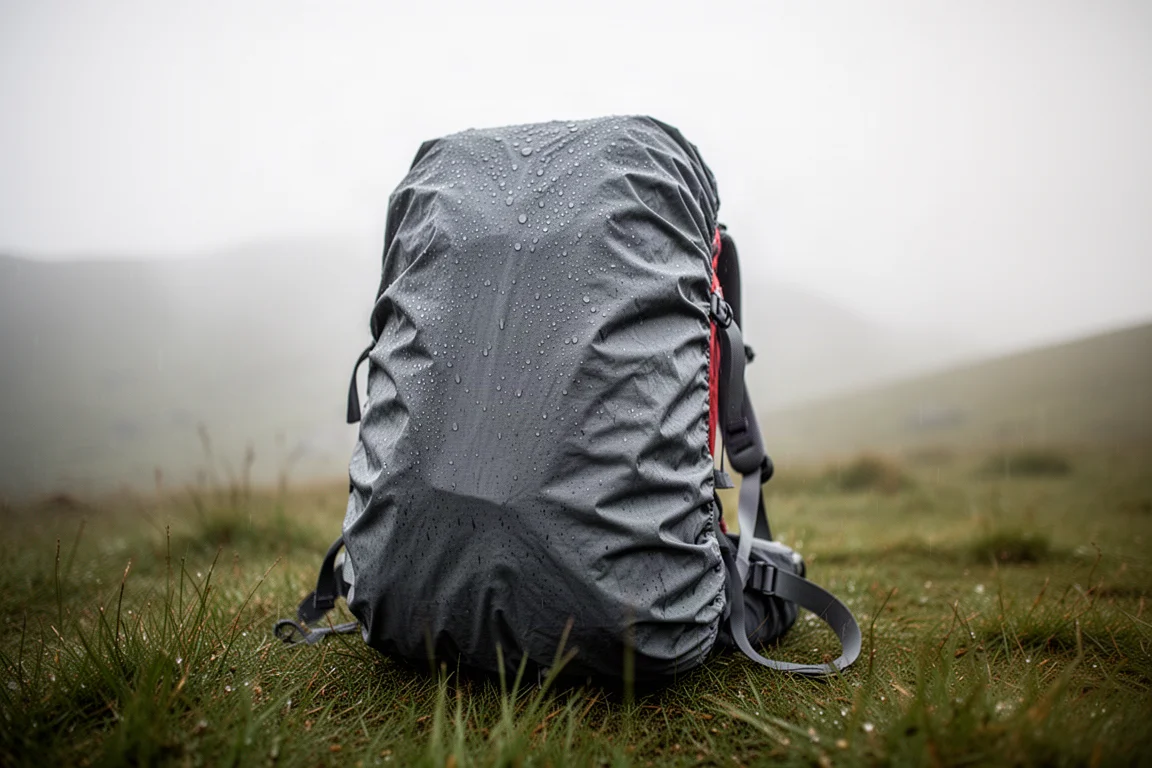
Finally, check the small things that only matter when the weather turns: whether hiking poles and an ice axe can be attached, whether there is a hydration sleeve, and whether the rain cover is included and secure enough to stay on in wind. A detachable cover that clips around the pack is worth more than it sounds on an exposed ridge.
Conclusion
All four packs have earned their place, and none has failed in use. The choice comes down to how you walk. For everyday use and short days out, the Karrimor Urban is light, simple, and reliable. For longer routes on a budget, the Karrimor Jura adds the pockets and bottom access that make a full day easier to manage. For heavy loads on big mountain days, the Osprey Atmos justifies its weight with suspension that moves the load onto your hips. And for the best overall balance of support, ventilation, and organisation, the Lowe Alpine AirZone Trail 30 covers the widest range of trips, including a lightweight wild camp.
Further reading
Related Reviews
Hiking Backpacks
Decathlon MT 900 70+10 Backpack Review: Big Capacity, Heavy Weight, High Price
A feature-dense 80-liter hiking backpack with excellent build quality, ten pockets, and dual loading, held back by a six-pound weight and a $210 price.
Hiking Backpacks
Martingtop 65L MOLLE Hiking Backpack Review: Capacity and Value, Undone by Hardware
A 65-liter tactical-style internal frame pack with MOLLE webbing, an adjustable torso, and a rain cover, held back by slipping hardware and a flexible frame.
Hiking Backpacks
Osprey Rook 65L First Look: Osprey's Most Affordable 65L Backpack
A detailed first look at the Osprey Rook 65L, the least expensive 65-litre pack Osprey makes at $190, covering its suspension, storage layout, weight, materials, and the trade-offs to weigh before buying.