简体中文 · Handheld GPS
Garmin GPSMAP H1 评测:离网导航,取舍坦诚
实地视角看 Garmin GPSMAP H1:GPS 精度与稳定性如何随时间改进,屏幕与电池在哪些方面不足,以及谁该买它。
引言
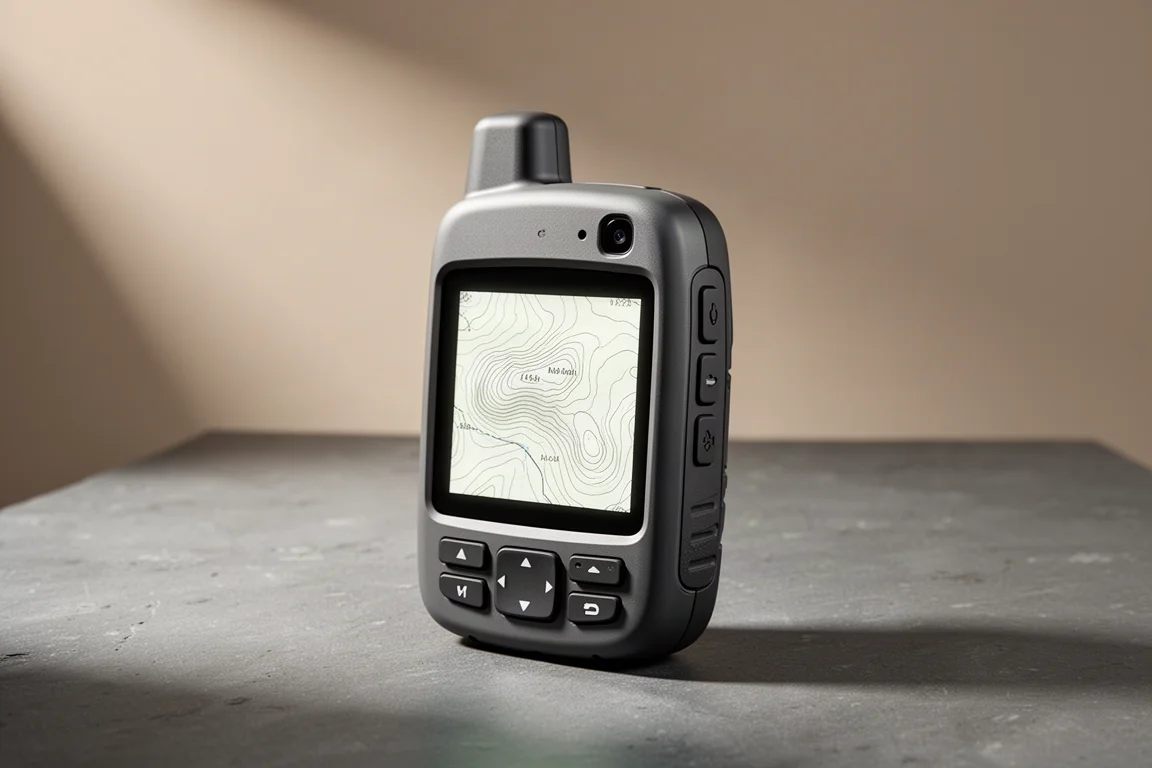
Garmin GPSMAP H1 作为 Garmin 手持地图产品线的全面重新设计登场,最初几个月并不顺利。早期软件会卡死,需要强制重启,让设备在野外难以信赖。如今情况已经改变。经过长时间的固件更新,GPS 精度、稳定性和核心导航现在都站得住脚,H1 已经从一句承诺沉淀为一款真正有能力的离网工具。
这篇评测涵盖 H1 做得好的地方、它在哪些方面仍配不上它的价格,以及谁应该选择它而非上一代依然超值的手持设备。
这款产品适合谁
The H1 is built for people who need navigation and satellite communication where a phone is not a dependable tool. That includes users who work in extreme temperatures, travellers who spend long stretches off the grid, and anyone who has fought with a phone touchscreen in rain, cold or gloves. It is also the only device in this line with cameras on board, which matters if you want to capture a location as a geo-referenced waypoint and send it over satellite without pairing a phone.

If your needs are simpler, the H1 is more device than you need. Someone who wants maps plus a basic satellite safety net for SOS and messaging can spend considerably less and carry something lighter.
主要优点
Accuracy was the biggest early complaint, and it has largely been resolved. Initial readings averaged roughly 10 to 14 ft and trailed the previous generation. After the firmware updates, the same device reports about 7 to 10 ft in both auto select and multi-GNSS multi-band modes, and recorded tracks stay on course and look better than those from the older unit.
Stability improved in step with accuracy. The catastrophic failures seen at launch, including frozen screens and forced hard resets, have not reappeared. Small annoyances remain, but nothing that undermines a trip. Garmin has kept working on the platform, addressing a long list of issues through firmware and adding features such as a proximity alarm and music controls. There has even been an update to repair a broken update, which says something about the level of attention the device is getting.
The core functions work as intended: navigation, inReach messaging, and satellite weather reports, whether for the current position or another waypoint.
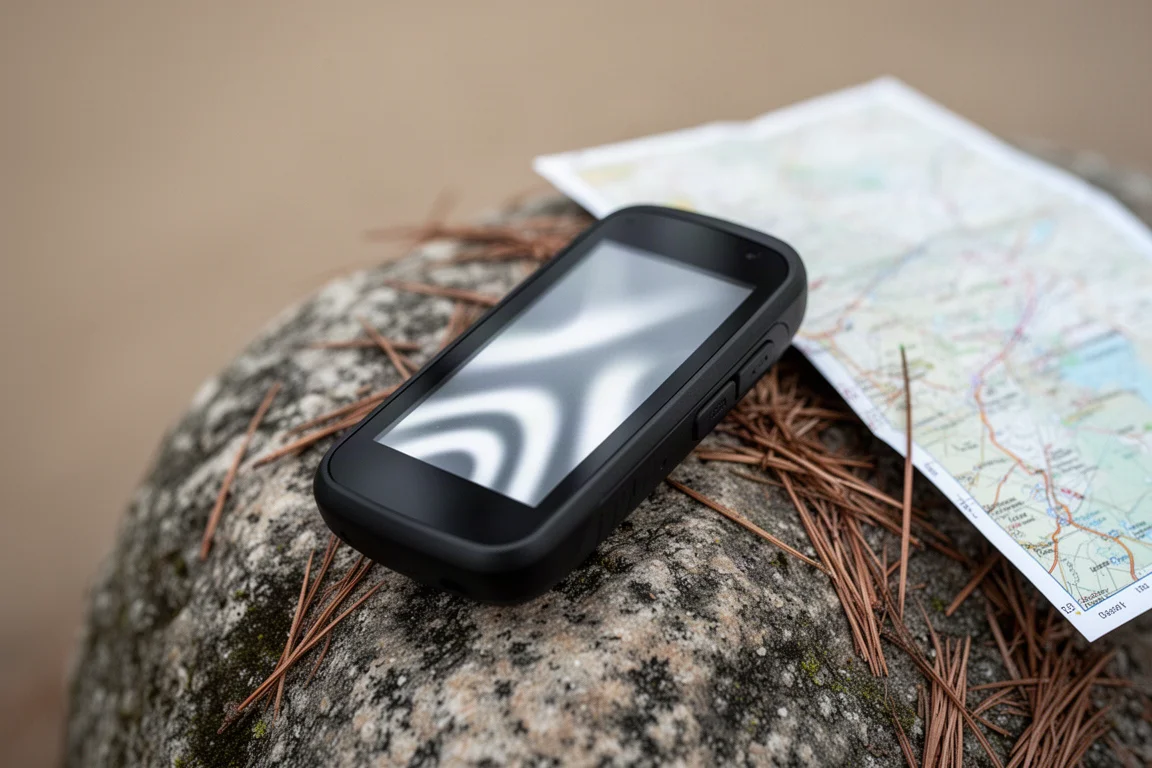
In practice, the H1 now handles the essential jobs reliably. The remaining gaps are in polish and in a few missing features rather than in the fundamentals.
界面、硬件与地图处理
This is not an incremental update. The interface has been rebuilt, and it behaves less like a traditional trip computer and more like a modern watch, including the way activities are started. It takes a few outings to adjust, and the system is less customizable than earlier models, but the logic is sound once it clicks.
The hybrid touchscreen and button layout is the standout change. Panning the map is far easier than on the previous generation, where you had to nudge a rocker switch and push the map to its edge to move it. The hardware is faster, redraws are quicker, and holding a point to reroute is both simple and fast. Map reading is the main reason to carry a device this size, and the H1 makes it far easier to use.
Physical controls are well judged too. The side action button can be assigned to a single tap, a double tap or a hold, and the device feels good in the hand despite being heavier and bulkier than the model it replaces. Front and rear cameras allow a photo to be saved as a geo-referenced waypoint and sent over satellite without a phone.
购买前需要考虑的事项
The screen is the most visible compromise. It is dimmer than the previous generation’s, and while the MIP panel is excellent in direct sunlight, it can be hard to read in shade or under heavy tree canopy. For a flagship mapping handheld, more pixels or higher pixel density would have been reasonable to expect.
Feature gaps are minor but real. There are no activity profiles yet, and some older apps, such as the tides tool that once appeared on these units, are absent. Expect the occasional function that does not behave exactly as intended.
Price is the other consideration. The H1 asks a premium for hardware and features that still carry rough edges, and early owner reports have been mixed, with some people returning the device and others finding it workable. That range is worth weighing before committing.
None of these issues are deal breakers for the right user. They are the kind of details that matter more on a spec sheet than on a trail, provided you go in with accurate expectations.
野外电池续航
Published battery figures are optimistic in real use. Navigation only, with the map checked occasionally and GPS set to auto select, the H1 delivers roughly 70 to 80 hours. Add inReach tracking at 10-minute intervals with low-power mode and auto select GPS, and that drops to about 30 to 40 hours, with tree canopy affecting the result.
That is a meaningful shortfall against the spec, and tuning battery settings could recover some of it. For the way most people use a device like this, though, it is enough: long day hikes and multi-day backpacking trips are comfortably covered. Only trips measured in weeks require a plan for recharging in the field.
购买建议
The H1 makes the most sense for a specific buyer: someone who works in extreme temperatures, travels well beyond coverage, or wants a device that can be operated with gloves and wet hands instead of a phone touchscreen. If sending photos over satellite from the device itself is useful to you, the on-board cameras make this the obvious choice in the line.
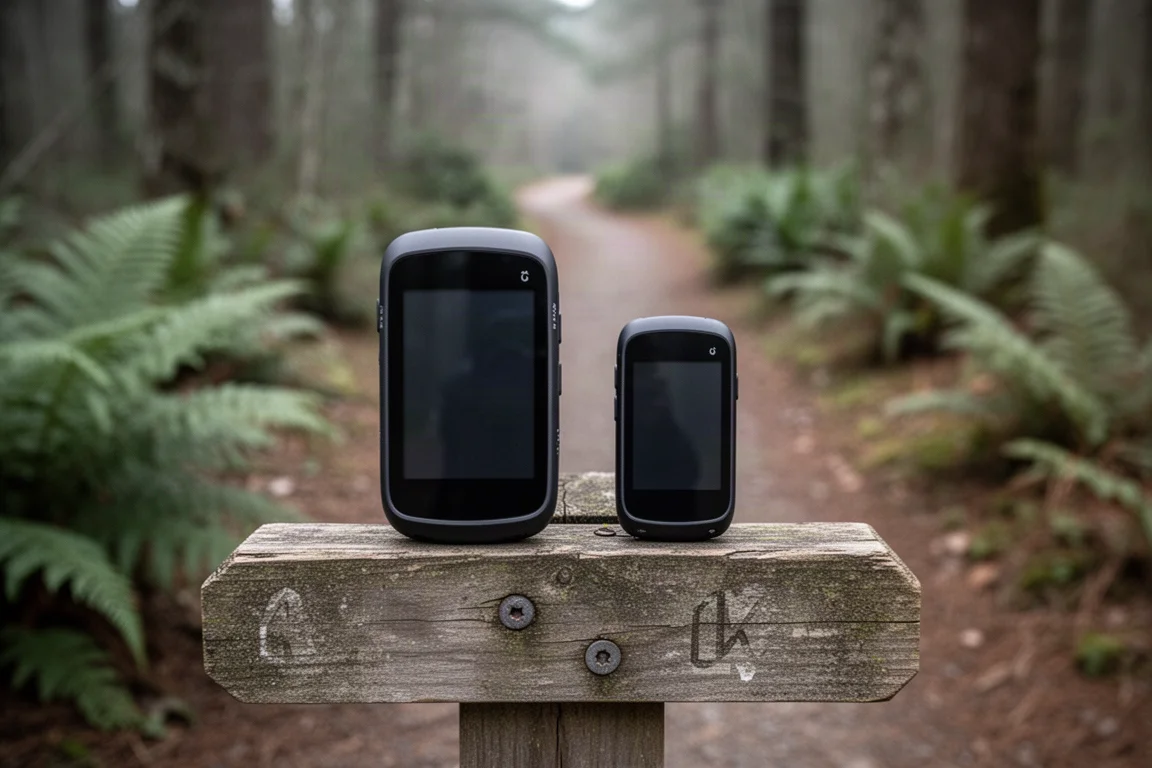
For everyone else, the calculation changes. If all you need is maps plus a basic satellite safety net for SOS and messaging, the Garmin GPSMAP 67 remains a strong value at roughly half the price. It is lighter, easier to hold, and has proven itself over long distances. Garmin no longer sells it directly, so secondhand marketplaces are the practical route to one. Whichever way you go, check the latest firmware status and any currently reported issues before buying, since the experience on this device has improved significantly over time.
结论
The Garmin GPSMAP H1 is a better device today than it was at launch, and for the narrow set of users it targets, it now does the important work reliably: accurate tracks, dependable navigation, satellite messaging and weather reports in places with no other option. The screen, battery life and a handful of missing features keep it short of flawless, and the price asks for patience with those edges. Buy it for the capability it offers off the grid, not for polish. If that capability is more than you need, the previous generation still covers the essentials for far less.
延伸阅读
相关评测
Handheld GPS
Garmin eTrex Touch 评测:一款几乎无法取代手机的坚固手持设备
对 Garmin eTrex Touch 长达数月的观察:可靠的雨天触控输入、预载地形图和智能模式下的长续航时间,但也存在多频段耗电和界面深度不足的问题。
Handheld GPS
Garmin GPSMAP 65 评测:熟悉手持机中的多频精准度
实际试用 Garmin GPSMAP 65,探讨其多频 GNSS 精准度、海拔准确度、电池续航、地图,以及适合哪些人购买。
Handheld GPS
Garmin GPSMAP 65 vs GPSMAP 66i vs Montana 750i:哪款手持 GPS 最適合你的徒步路線
針對三款 Garmin 手持裝置的實用比較,涵蓋多頻 GNSS 精準度、TopoActive 地圖、電池續航與衛星訊息功能。