繁體中文 Archive · Backpacking Gear
寒冷天氣背包露營裝備清單:14 lb 裝備組合中的 10 件物品
一套重量低於 15 lb、專為夜間低溫接近 10°F 而設的背包露營裝備,逐件拆解每個選擇背後的考量和取捨。
簡介
寒冷天氣背包露營有一個形象問題。一般人的假設是,要在接近冰點的氣溫下保持溫暖,就得背著一個像小型雪櫃般的背包;而在深秋或初春舒服地過一晚,不是要背更重的裝備,就是要縮短行程。
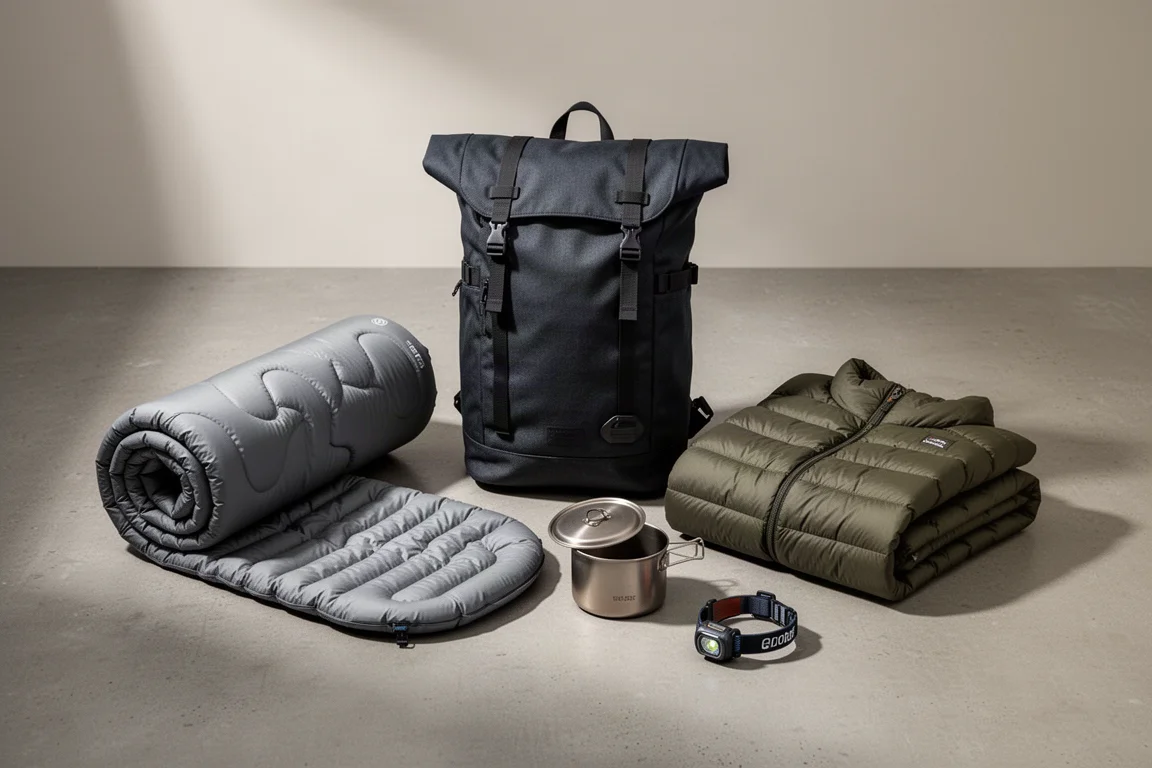
這套裝備採取了不同的做法。它是一套完整的寒冷天氣裝備組合,專為夜間低溫接近 10°F 而設,秤重為 14.2 lb。這個數字是基本重量,即不包含食物和水,只計入一份小食,所以到達登山口前背包會更重。即使如此,這仍是一個實用的基準,說明真正保暖的寒冷天氣配置可以長甚麼樣子。
這套裝備由 Outdoor Vitals 的老闆組裝,混合了自家產品和其他品牌的裝備,包括一張露營椅、一部衛星通訊器和一張高 R 值的睡墊。以下是這套裝備中發揮最大作用的十件物品的拆解,以及每個選擇背後的考量。
這套裝備的設計目標
The target window is late fall and early spring, not deep winter on exposed alpine peaks. The design brief was simple: keep a sleeper warm when overnight temperatures drop close to 10°F, without the 60 to 70 lb loads that cold-weather trips sometimes become.
Two ideas shape almost every decision in this list. The first is layering: base layer, insulation and shell, repeated for the body, the hands and the sleep system. The second is moisture management. Wind strips heat quickly, so a shell earns its place even on a mild day, and keeping layers separate rather than bonded together makes them far easier to dry out in the field.
That combination explains why the kit carries three pairs of gloves and a pair of mitts rather than one heavy glove. A mitt shell over a lighter glove insulates better than a single bulky pair, and when the inner glove gets damp it can be turned inside out and dried much faster.
背負與攜帶:Outdoor Vitals CS 40
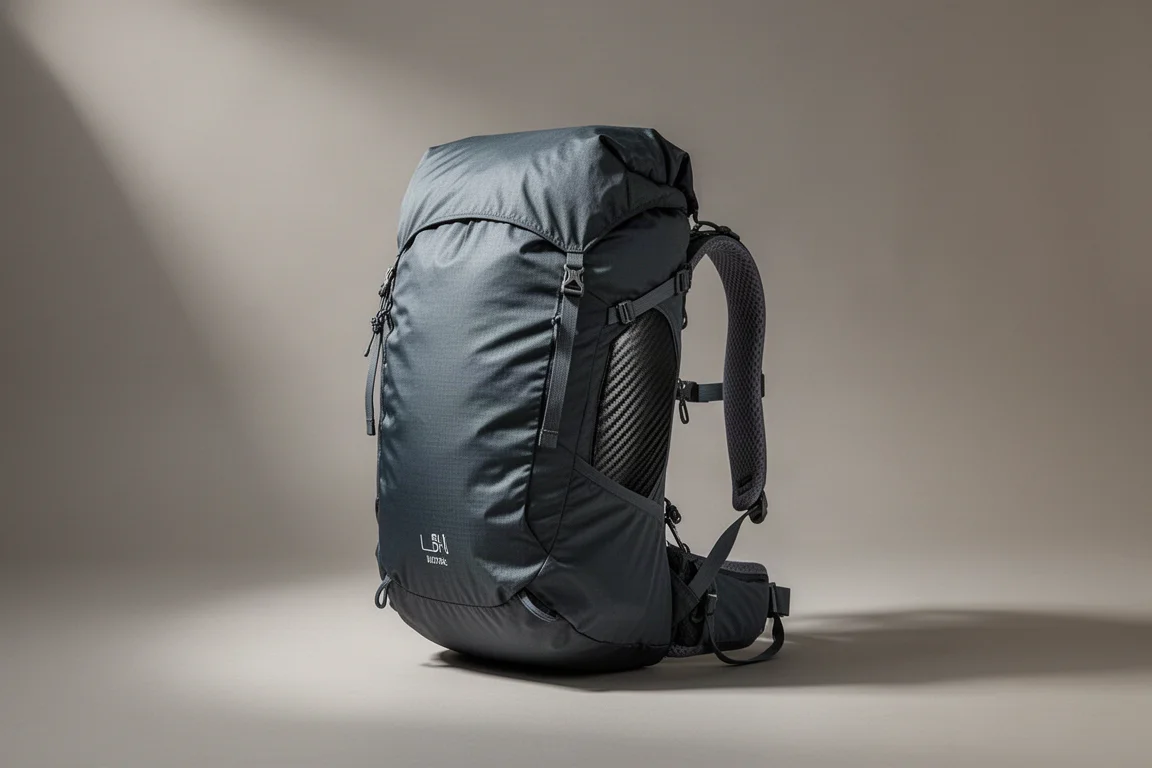
The CS 40 is a 40L roll-top pack built from Ultra fabric with a carbon fibre frame. That frame is the headline feature. Carbon is roughly half the weight of an aluminium frame of comparable strength, and it flexes progressively under load, stiffening as the pack gets heavier rather than staying rigid. The ride feels closer to a fishing rod bending under tension than a rigid board.
Frames matter more than weight charts suggest once food and water enter the picture. Long water carries and multi-day food loads push total pack weight up quickly, and a frame paired with a ventilated harness keeps that weight manageable. On paper the main compartment is 40L, but with the roll-top extension and the pack’s pocketing, usable capacity runs closer to 50L. Add-on clips on both shoulder straps hold a phone, sunglasses and gloves within reach, and snacks ride on the back panel for quick access mid-hike.
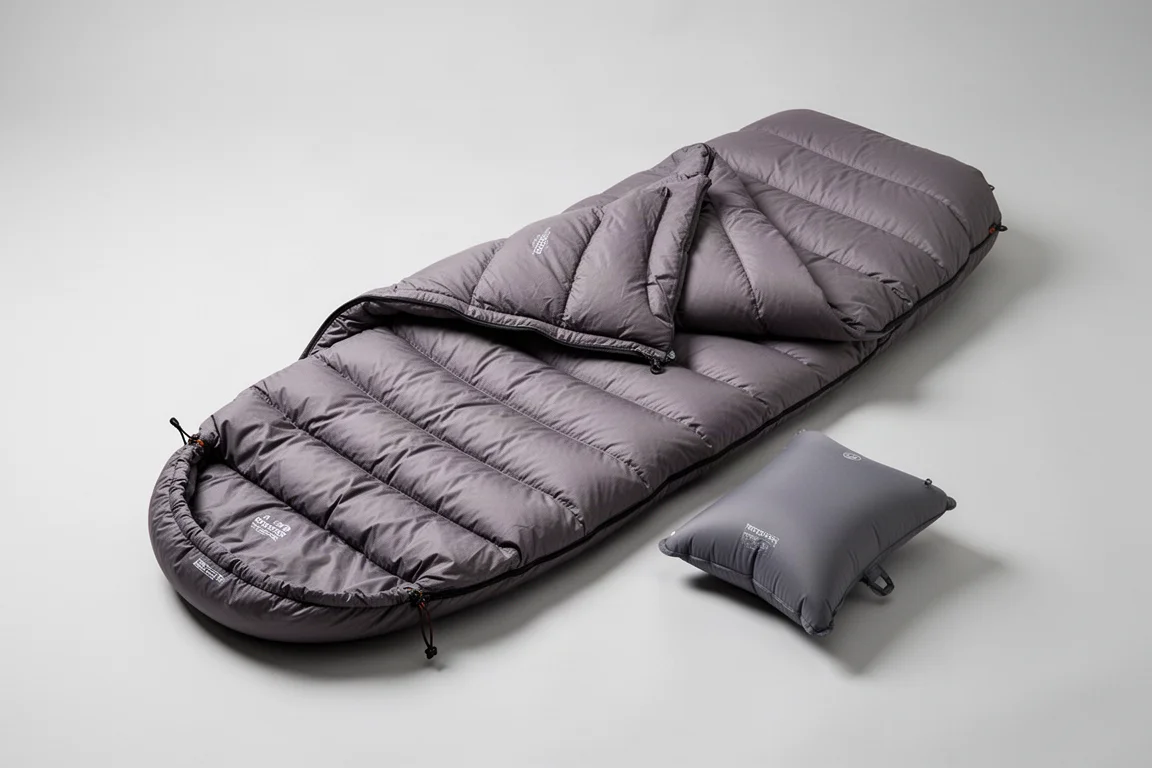
睡眠系統:Outdoor Vitals 15°F 羽絨被
A 15°F quilt does the heavy lifting in this kit. Quilts save weight by removing the material underneath you, but they only work if drafts stay out, so this one is built around draft control at the edges. It packs into the same bag as the hood and pillow, which keeps the entire sleep setup in one place.
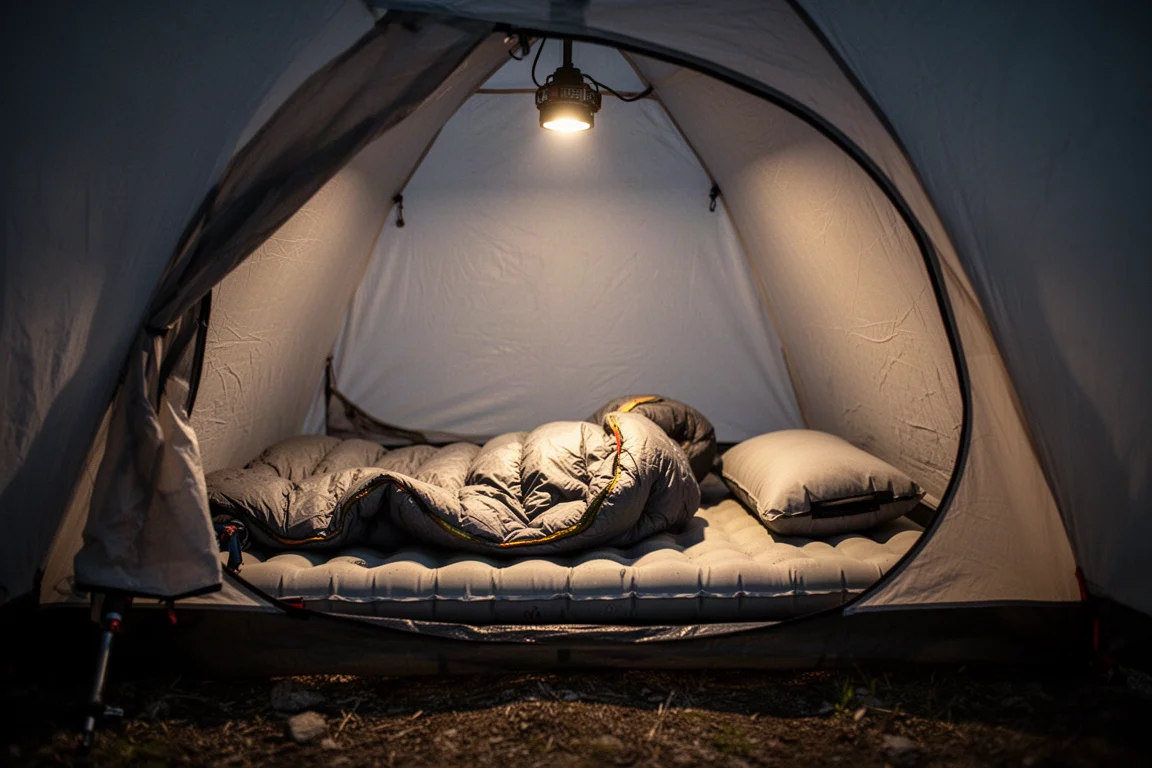
Small details round out the sleep kit. The pillow has non-slip dots on the back and an optional bungee to hold it in place, and a spare pair of socks goes into the bag. Switching socks right before getting into the sleeping system adds noticeable warmth, because the socks worn all day always hold some moisture.
睡墊:Therm-a-Rest NeoAir XTherm NXT
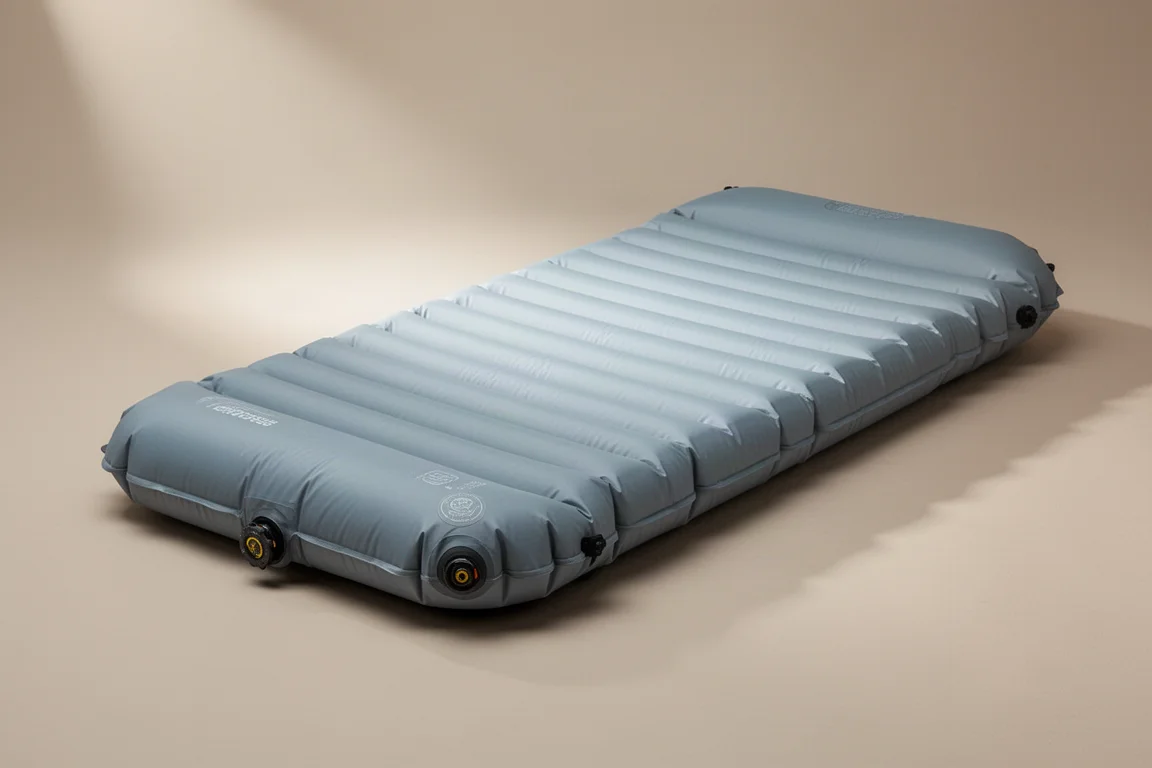
Under the quilt sits a Therm-a-Rest NeoAir XTherm NXT, a pad rated at 7R. The bottom fabric is 70D, which makes it noticeably more durable than the ultralight shells used on many pads, and it stays quiet in use, a real improvement over earlier versions that crinkled with every movement. It remains light for a pad in the three-inch thickness class.
A thin 1/8 inch closed-cell foam pad travels with it. Laid under the inflatable, it stops the pad sliding around inside the tent and adds a little insulation. The same foam pad doubles as a sit pad during breaks and as a mat for stretching, and it sets up far faster than a chair when you only stop for a few minutes.
露營舒適:Nemo Moonlite Elite 露營椅
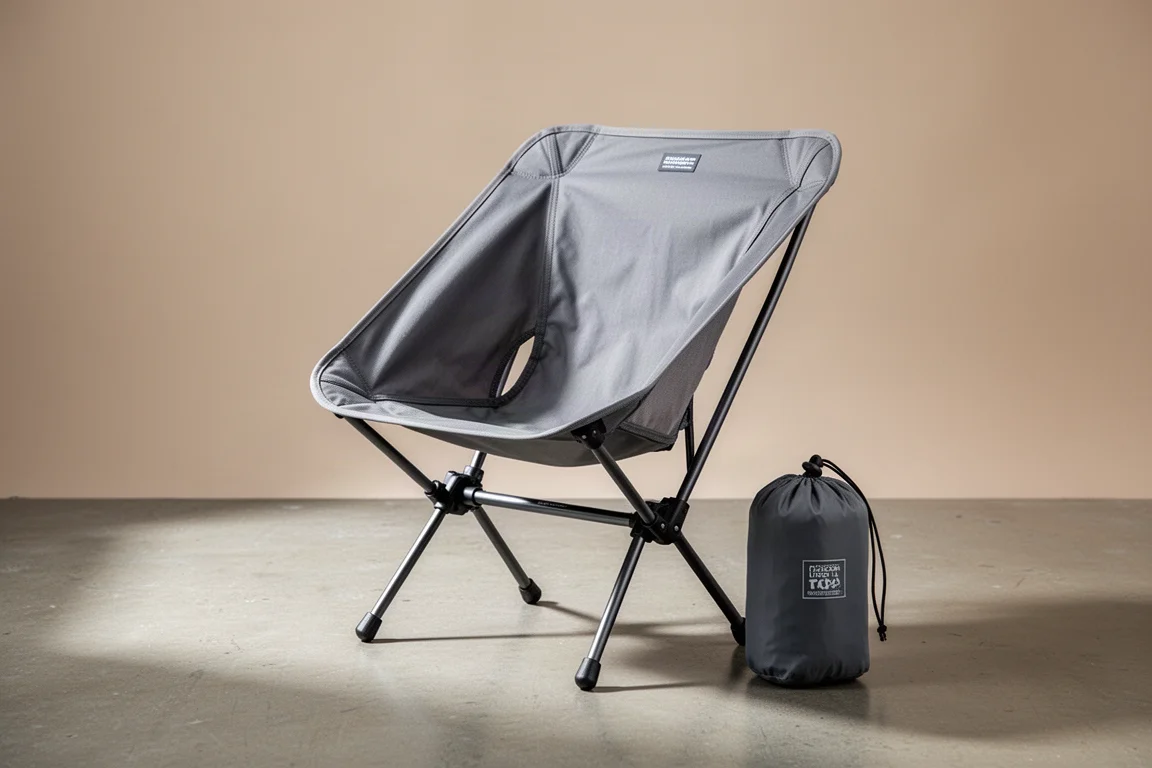
Weight-focused backpackers often leave the chair at home, and this kit is a good argument for making an exception. The Nemo Moonlite Elite is the one luxury item that clearly earns its place, turning a cold evening at camp into something closer to comfortable. It is not the fastest thing to deploy, which is exactly why the foam sit pad travels alongside it.
保暖層:Outdoor Vitals Nova Pro 外套
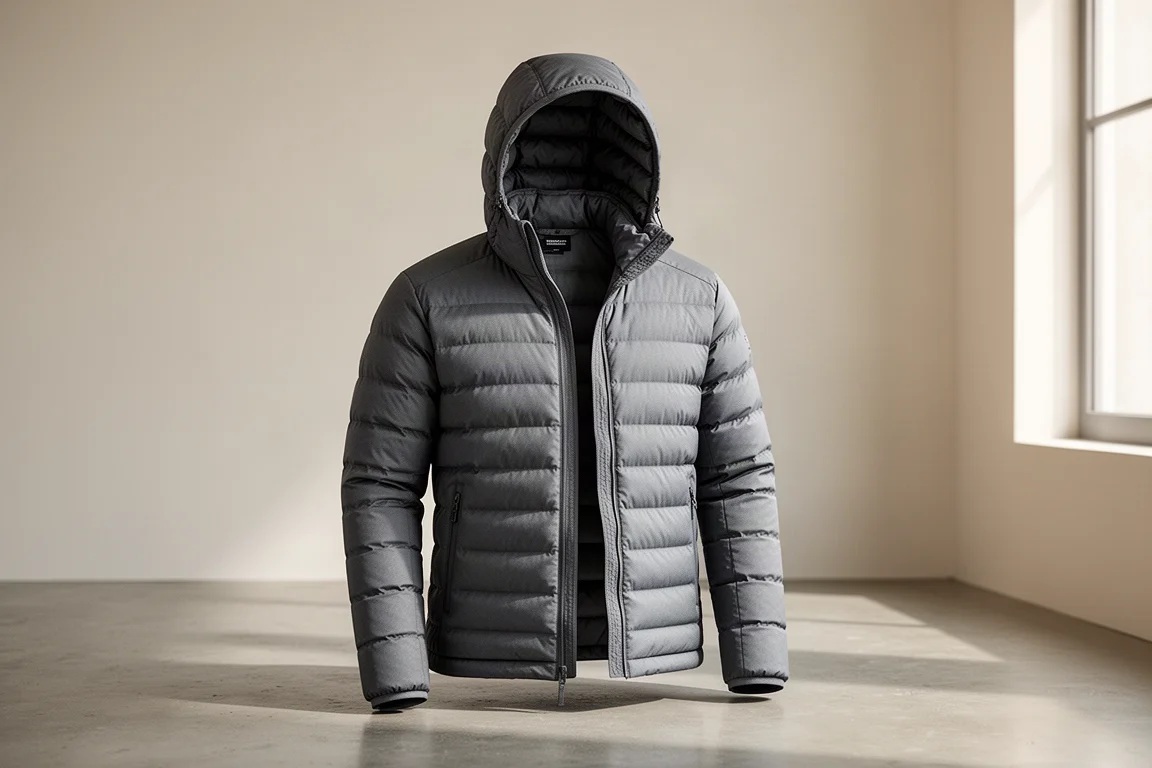
The Nova Pro is the layer that makes the 10°F target realistic. Its baffles are stitchless, which removes roughly 10,000 needle holes from a jacket of this size. Every one of those holes is a path for wind, rain and dirt, so eliminating them makes the jacket markedly more water resistant and far less prone to cold spots along the seams.
The insulation is a blend that still tests over 800 fill power. Mixing synthetic fibres into the down means the jacket cannot fully collapse when it takes on moisture, which is a meaningful margin on a cold, damp trip. The cut is relaxed rather than slim, so it layers comfortably over a mid layer without compressing the insulation underneath.
中層衣物:Outdoor Vitals Ventus Hoodie
The Ventus hoodie fills the gap between a base layer and the puffy. It uses a three-quarter zip, perforated vents under the arms and a breathable face fabric, so it handles the temperature swings that come with moving and stopping in cold weather. The insulation is synthetic and stretchy, built from a continuous fibre, which means the back panel needs far less stitching to hold everything in place. Fewer stitches mean fewer places for wind to cut in and fewer spots where the insulation is pinched thin.
Depending on size it comes in at just under 7 oz, and it packs above its temperature rating because of that construction. It also works well as a sleeping layer, which is why it lives in the clothing bag rather than on the outside of the pack.
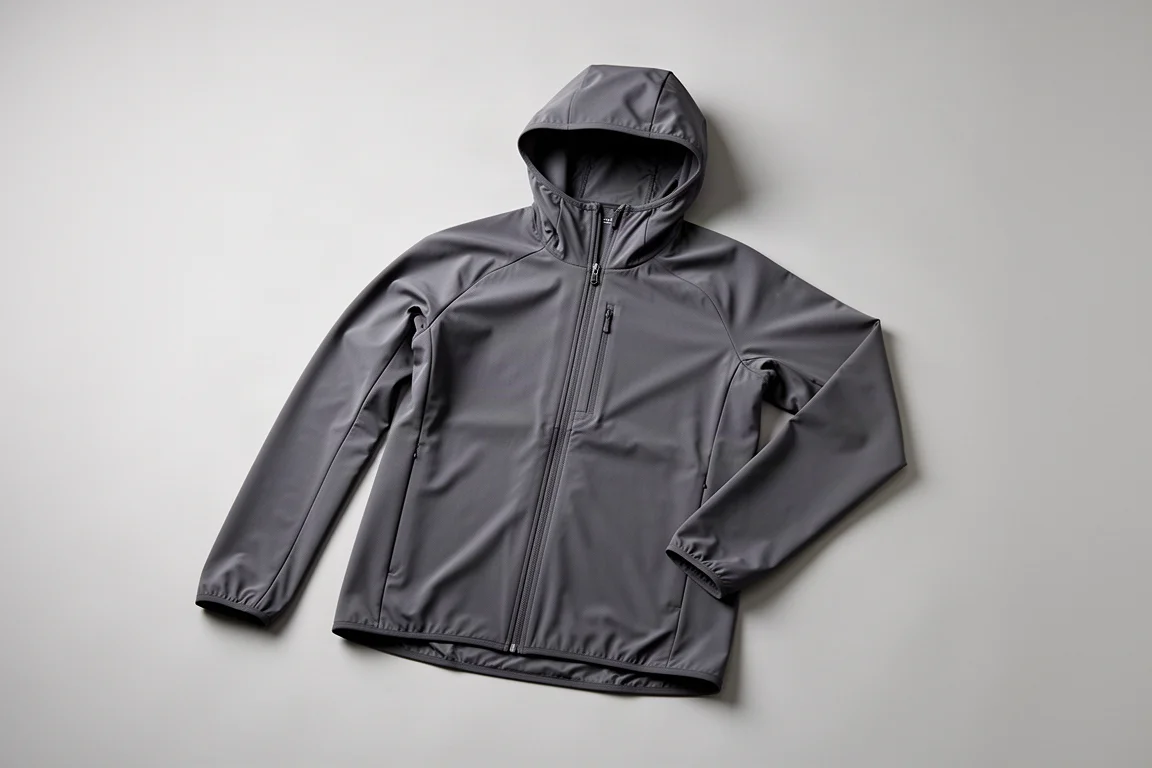
Alongside it, the clothing bag holds brushed fleece thermals that come in around 3 oz, a lightweight windbreaker of roughly 3.5 oz that is soft and quiet rather than crinkly, and zip-off puffy pants that can be pulled on over boots without taking them off.
煮食系統:Toaks 550ml 鍋
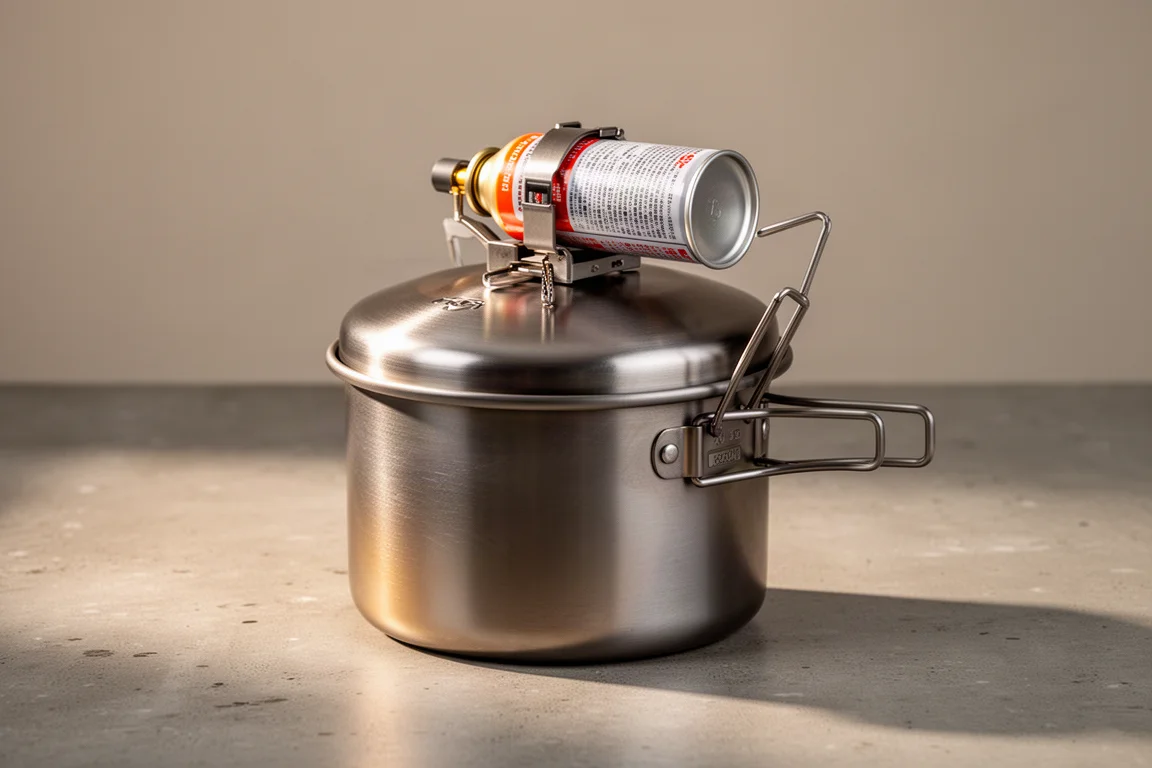
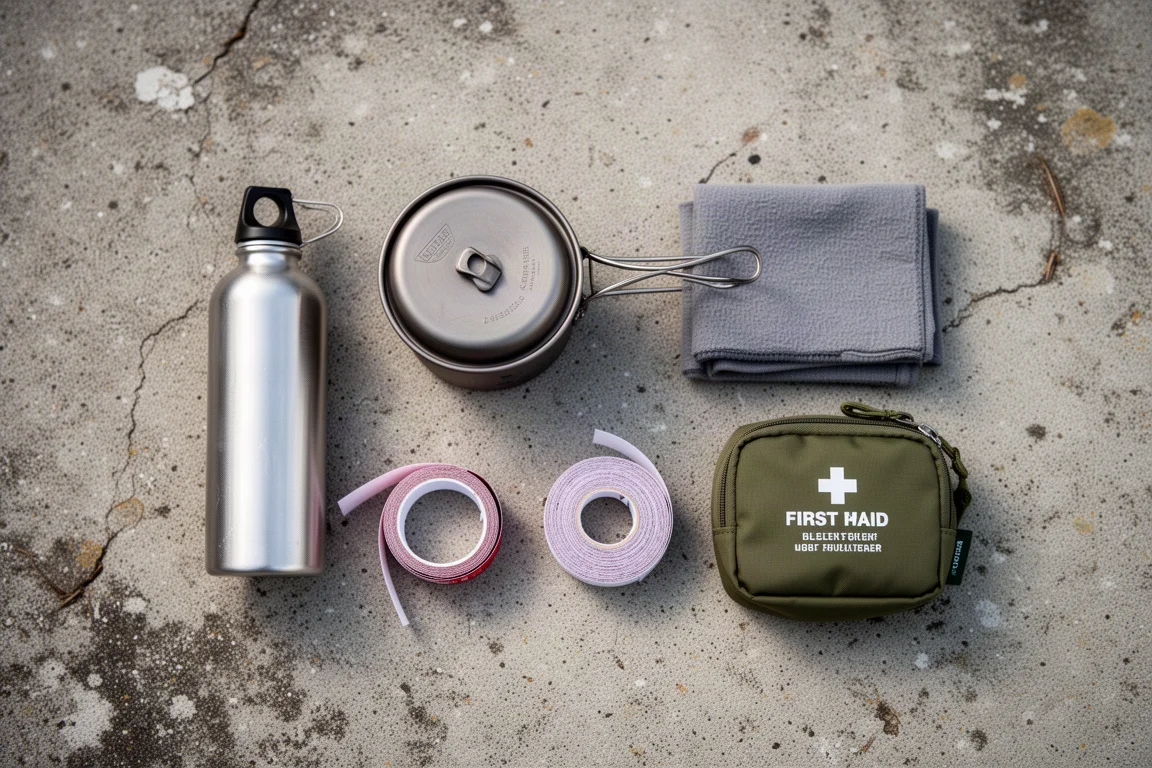
The cook kit is deliberately small: a 550ml titanium pot, a titanium spoon, and fuel carried in a fully sealed bottle rather than a flip-top container that can pop open inside a pack. A small absorbent cloth travels with the cookware for wiping condensation out of the tent in the morning, since it soaks up water and wrings out easily.
爐具:Toaks Siphon Stove
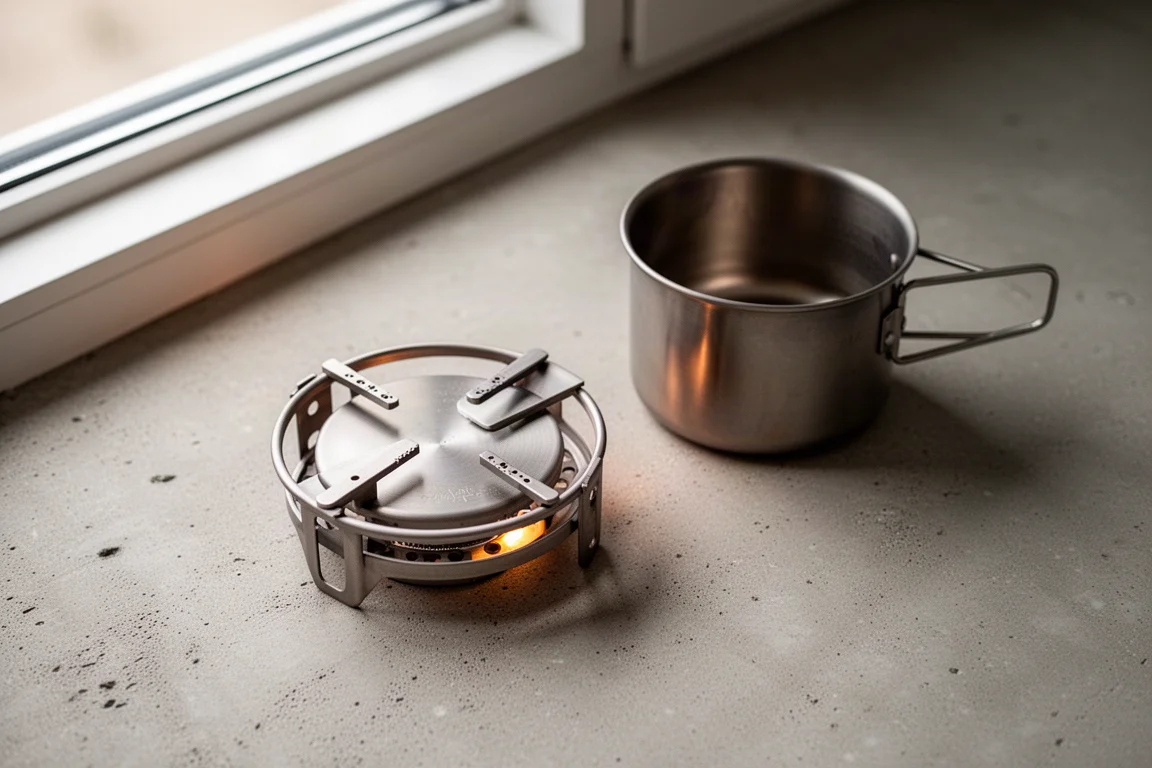
An alcohol stove is a considered choice rather than a default one. Alcohol wins on weight only on longer trips: it takes roughly five to seven days before a canister setup becomes the lighter option, because the canister itself is heavy until it starts to empty. On shorter trips, a canister stove is the simpler and lighter answer.
What alcohol buys in exchange is quiet. A canister stove roaring at full blast at camp is a very different experience from a silent flame, and for anyone who values a calm camp, that matters. This stove ships with four pot supports; this kit carries three, slightly bent, to save a little weight.
導航與安全:Garmin inReach Mini 2
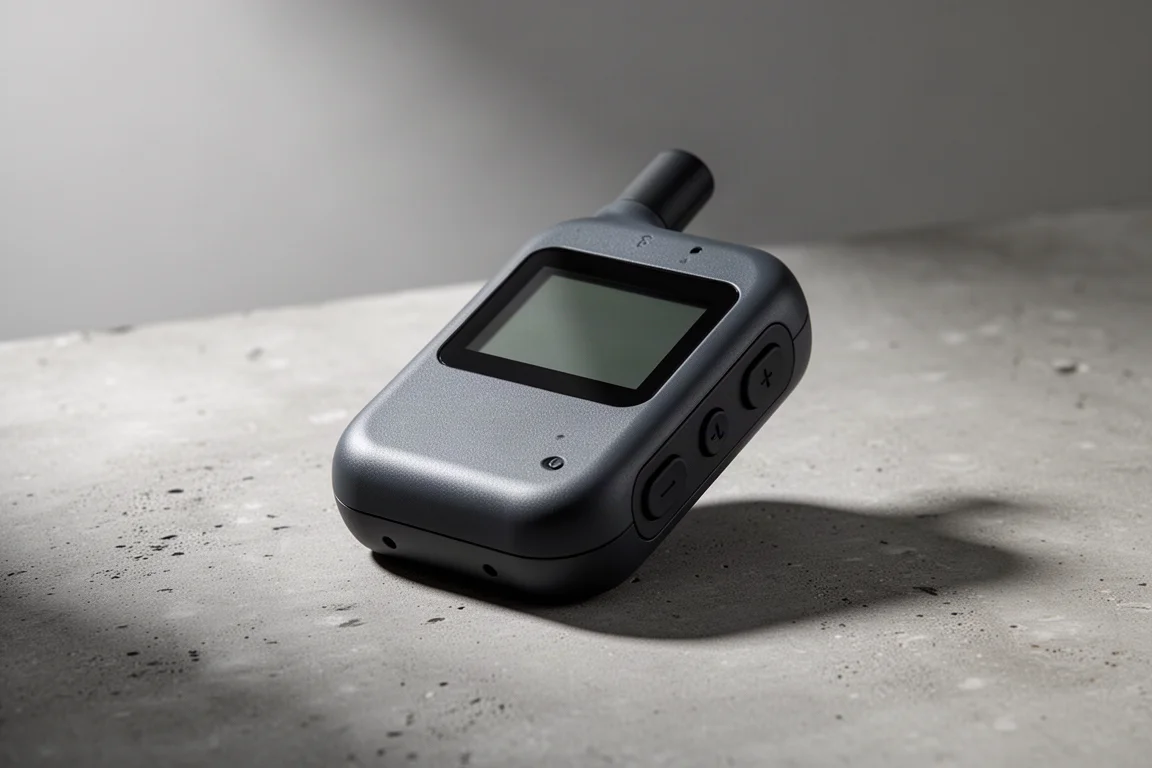
The inReach Mini 2 lives in an outside pocket where it can be reached without unpacking. A satellite communicator is a reasonable addition for solo trips and remote terrain, and keeping it on the outside of the pack is the difference between carrying it and actually using it.
The rest of the safety kit follows the same logic. It starts with a first aid kit and gets customised: cordage, spare water filter tablets, ibuprofen and aspirin, safety pins, blister tape, a trimmed-down sewing kit, a small scalpel-style knife, a patch kit for pad or jacket repairs, a 10,000mAh battery bank and two fire starters, one in the emergency kit and one with the food. Cash goes in as well, for the unlikely situation where a ride back to the trailhead has to be arranged.
照明:Nitecore NU20 Classic
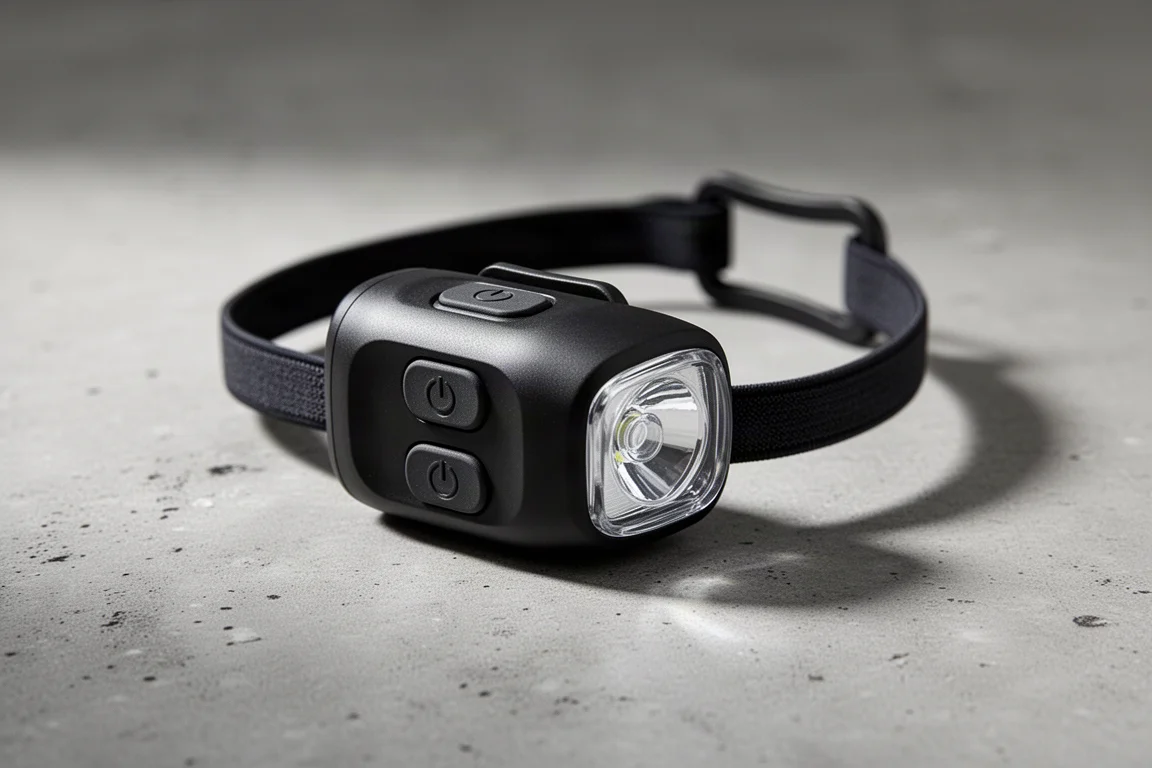
The NU20 Classic is the headlamp that gets carried most often. It is light, simple and predictable, which turns out to be the deciding factor. The NU25 has been a long-time favourite, but its brightest setting auto-dims, and that behaviour is genuinely awkward on a night trail run when output drops without warning. The Classic keeps its brightness where you set it.
購買前須知
Three things are worth understanding before copying any of this.
First, 14.2 lb is a base weight. Food, water and fuel are not included, and a multi-day cold-weather trip with full water carries will add several pounds on top. The number is a starting point, not a trailhead weight.
Second, the 10°F figure is a floor for overnight lows, not a comfort guarantee. It assumes the layers are used together: base layer, mid layer and puffy, plus the glove and mitt pairing on the hands.
Third, the two biggest trade-offs in the kit are the stove and the layers. An alcohol stove is quiet and light on long trips, but slower to set up and slower to boil. A layering system with several pairs of gloves takes up more space and needs more management than one heavy pair, in exchange for far better moisture control and drying. If you would rather simplify, a canister stove and a single pair of gloves are reasonable compromises, as long as you accept the trade-off in comfort.
結論
This loadout is a reminder that cold-weather warmth is mostly an assembly problem rather than a weight problem. A framed pack, a high R-value pad, a 15°F quilt, a stitchless puffy and a mid layer that works while you are moving will do more for a 10°F night than any single piece of gear. The extras, a chair, a satellite communicator, a foam sit pad and a carefully built safety kit, are what turn a survivable night into an enjoyable one. If you are building a cold-weather kit from scratch, start with the sleep system and the insulation, then add the comfort and safety items as your trips and your budget allow.
延伸閱讀
相關評測
Backpacking Gear
最佳背囊露營水樽:CNOC Through Bottle 對比 Ignious NOBO 對比 Mazama Migo
CNOC Through Bottle、Ignious NOBO 與 Mazama Migo 三方對比,涵蓋重量、價格、擠壓性、過濾及清潔。
Backpacking Gear
2025最佳背囊:五款實地測試背囊比較
五款背囊在整個登山季度的旅程中實際使用,從無框架超輕設計到傳統50公升大容量款式,並就舒適度、容量與耐用性提供誠實評價。
Backpacking Gear
2026 最佳新手背包露營裝備:五款經得起寒冷、雨水與強風考驗的精選
五款經實地測試的新手背包露營精選,涵蓋 60L 背包、輕巧爐具、鈦金屬鍋、羽絨外套,以及一套完整睡眠系統。