Português · Portable Power
Jackery Explorer 1000 Review: A 1,000W Power Station for Overland and Off-Grid Use
A close look at the Jackery Explorer 1000 power station and the matching 100W solar panel, covering runtime, charging speed, build quality, and the trade-offs worth weighing before buying.
Introduction
A portable power station only proves itself in the field. A specification sheet tells you the wattage. A season of real use tells you whether the unit starts every time, stays quiet enough to sleep next to, and charges from whatever source happens to be available.
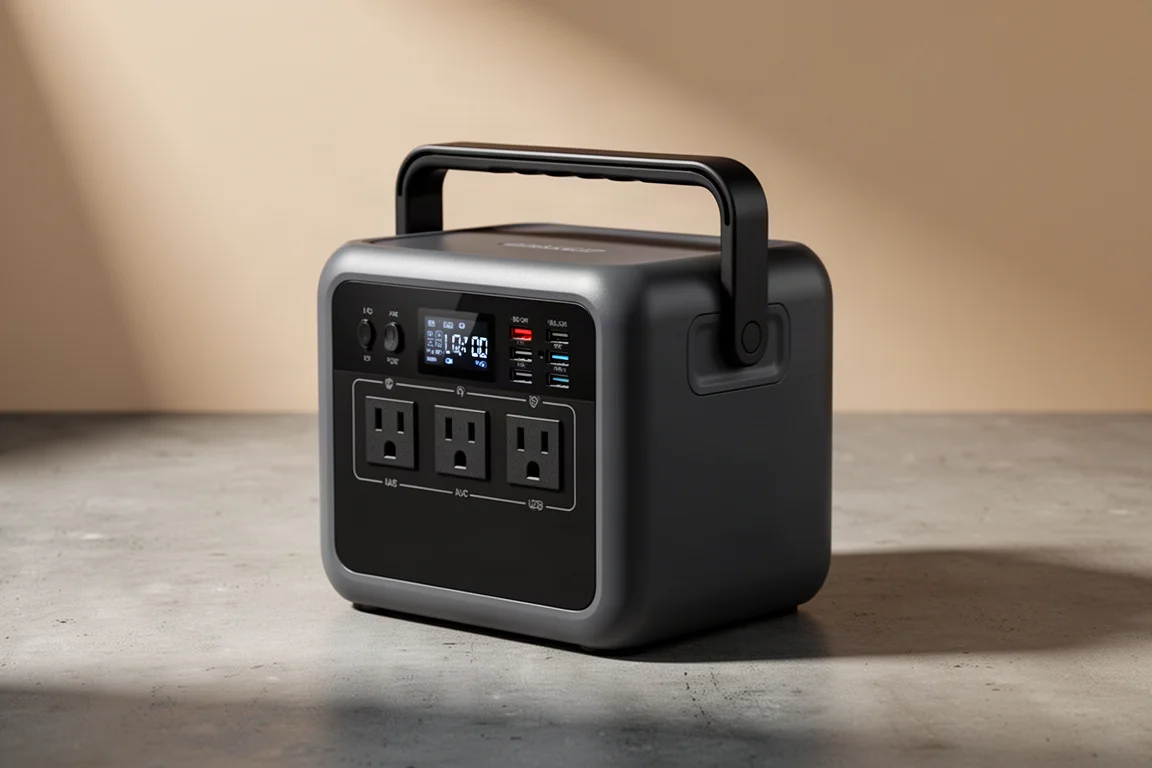
The Jackery Explorer 1000 is a 1,000W power station with a 2,000W surge rating, a 22-pound body measuring 13.1 x 9.1 x 11.1 inches, and a price of roughly $1,000. The Jackery 100W solar panel is the folding companion panel, priced around $300, that feeds the station through its Anderson Power Pole input.
This article covers how the Explorer 1000 behaves in overland travel, backup power, and off-grid use, along with the strengths and trade-offs to weigh before buying either piece.
What the Jackery Explorer 1000 Delivers
At the centre of the package is a lithium-ion battery station rated for 1,000W of continuous output and a 2,000W surge. That surge headroom matters in practice. When an appliance draws a brief spike above 1,000W on startup, the station rides it out and returns to normal output instead of tripping the load offline. The unit also carries the protections you would expect, including over-voltage and short-circuit protection.
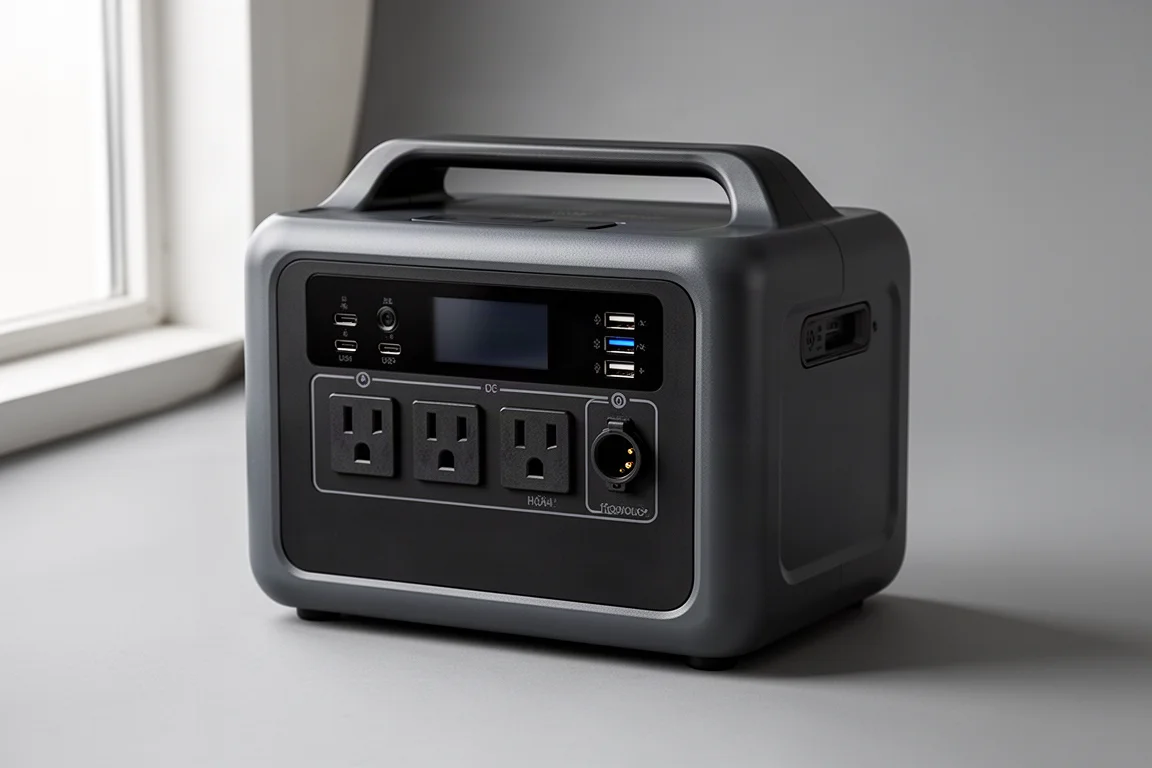
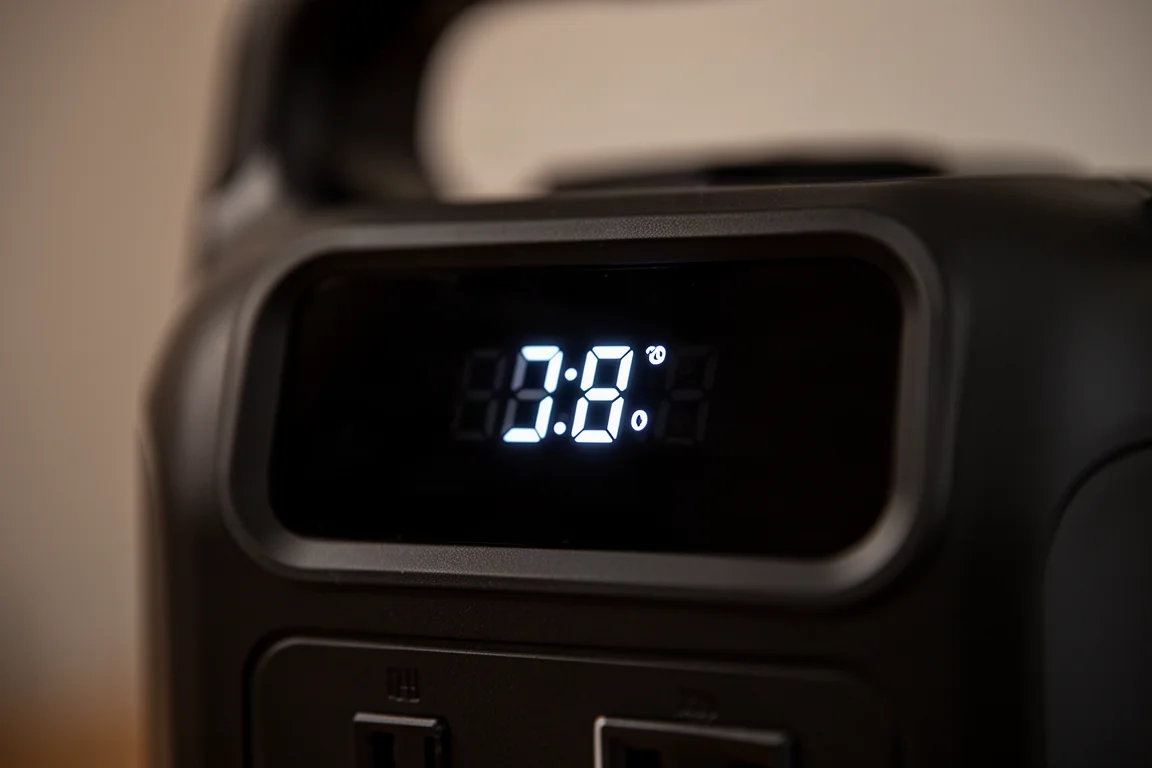
The front panel holds three sine wave AC outlets, a DC power input, an Anderson Power Pole input for solar, a DC output, two USB-A ports, and two USB-C ports. Each output group has its own on and off switch, so unused ports can be left dead. There is a simple flashlight built into the side of the housing, and an illuminated LCD that reports input power, output power, and the remaining battery percentage. The display stays readable in the dark, which helps when the station sits on a vehicle floor or inside a tent.
Noise is one of the more surprising details. The fan spins up briefly when the AC output is switched on and again when it is switched off, and otherwise stays silent, including while the station charges. Nothing about day-to-day operation draws attention to itself.
In the box you get the power station itself, a DC charging cable, an Anderson Power Pole dual connector for running two solar panels into the single input, and a soft neoprene-style case that holds the charging brick and AC cable. Registration and warranty paperwork and a user manual round out the package.
Build Quality, Reliability, and Support
The plastic casing is light but strong, and it has held up without scratching through months of use, including time spent bouncing around in the back of a truck on rough roads. The station has never thrown an error, never shut itself off unexpectedly, and the fan has never run wild. The stated operating range is 14°F to 104°F, and the unit ran without complaint at 102°F.
Support is a meaningful part of the value here. The station carries a two-year warranty, and contact details including a phone number, an email address, and a mailing address are printed directly on the box. That is not always the case with power stations, where reaching the manufacturer can be difficult and no phone number is offered at all. Direct contact channels make a genuine difference if something goes wrong.
Living With It: Overland Power and Runtime
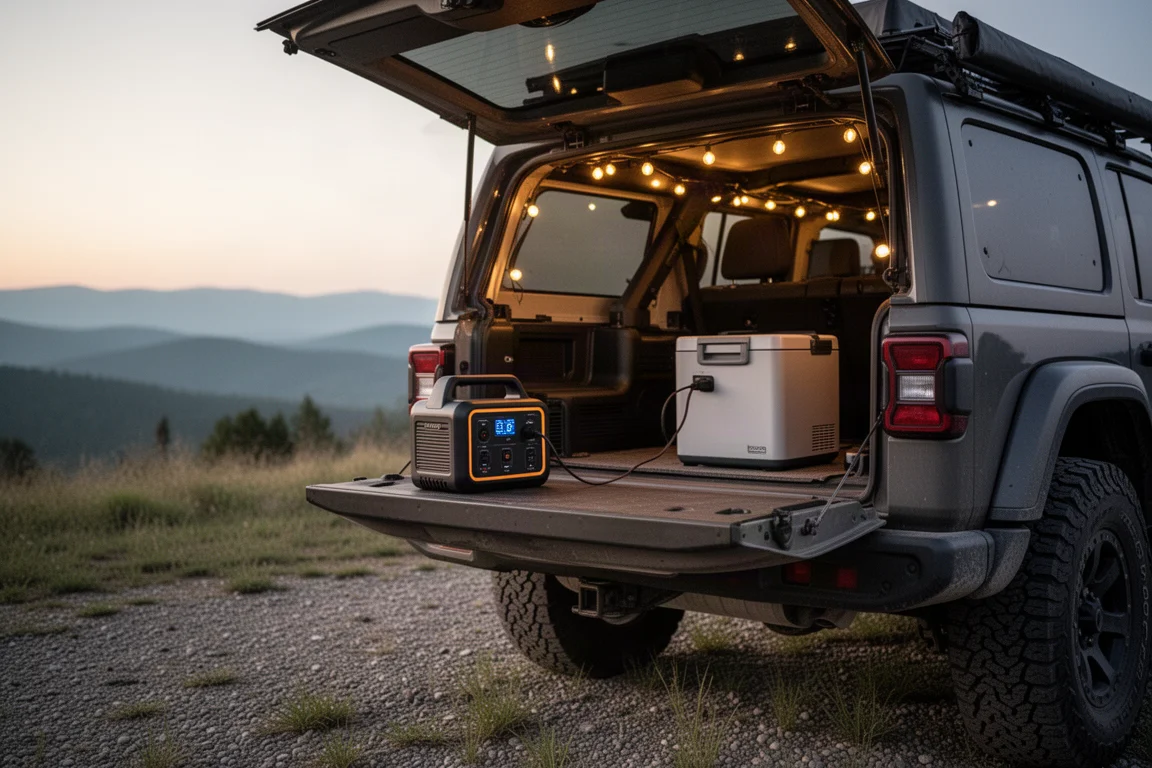
The most demanding role for this station has been vehicle-based. It sits behind the driver’s seat, with a portable fridge plugged into the DC output while the station itself charges from the vehicle’s DC port. That arrangement forms the heart of an overland setup, delivering continuous refrigeration without wiring a dual-battery system into the truck.
Runtime is the headline. In summer conditions, with the fridge set to 34°F and ambient temperatures around 60°F at night and 78°F during the day, the Explorer 1000 kept the fridge running for more than five days straight on a single charge. Conditions and settings will shift those numbers, but the pattern is clear. A compressor fridge is well within reach for multi-day trips.
Other loads follow the same logic. The station runs a television for more than 14 hours, recharges an average phone more than 100 times, and has charged a laptop more than 10 times while travelling. It has also handled hundreds of camera battery charges.
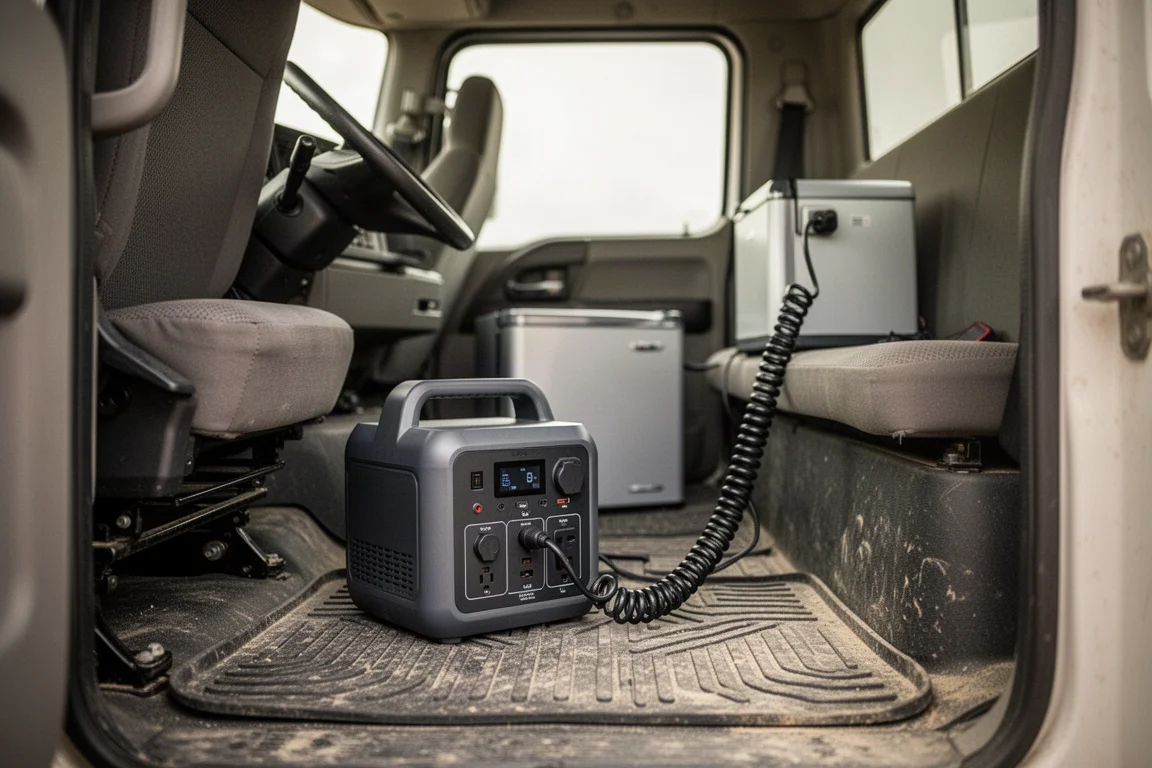
What stands out is how comfortably it carries multiple loads at once. Running two lights, a fan on its highest setting, and charging a phone alongside several camera batteries simultaneously drew only 44W, leaving plenty of headroom. There is little need to plan carefully around what can be plugged in together.
Charging Speed and Flexibility
There are three charging paths, wall, solar, and DC, even though the packaging references four. Charging from a wall outlet takes roughly seven hours. Two 100W solar panels take roughly eight hours, while a single 100W panel takes roughly 16 hours. Charging from a vehicle’s DC outlet takes roughly 14 hours.
The DC path is the one that changes how the station gets used. Solar performs well in good weather, but it does nothing during a cloudy or rainy stretch, and a week of rain leaves you without a way to top up. Charging from the vehicle while driving closes that gap. Not every power station supports DC charging, and for overland use it is close to essential.
Jackery 100W Solar Panel: Premium Portable Solar
The matching panel is a 100W folding unit priced around $300. It weighs 9.1 pounds and measures 24 x 22 inches, with a thickness of just over 1.5 inches at its thickest point. Magnets hold the folded halves together, and an Anderson Power Pole connection feeds the station. Each side carries a brace so the panel can be angled toward the sun, and a zippered compartment holds a long power connector cable.
Each panel is rated for 100W and uses 64 cells. Built-in charge controllers mean the panel can also charge devices directly through USB-A and USB-C, without the power station in the middle.
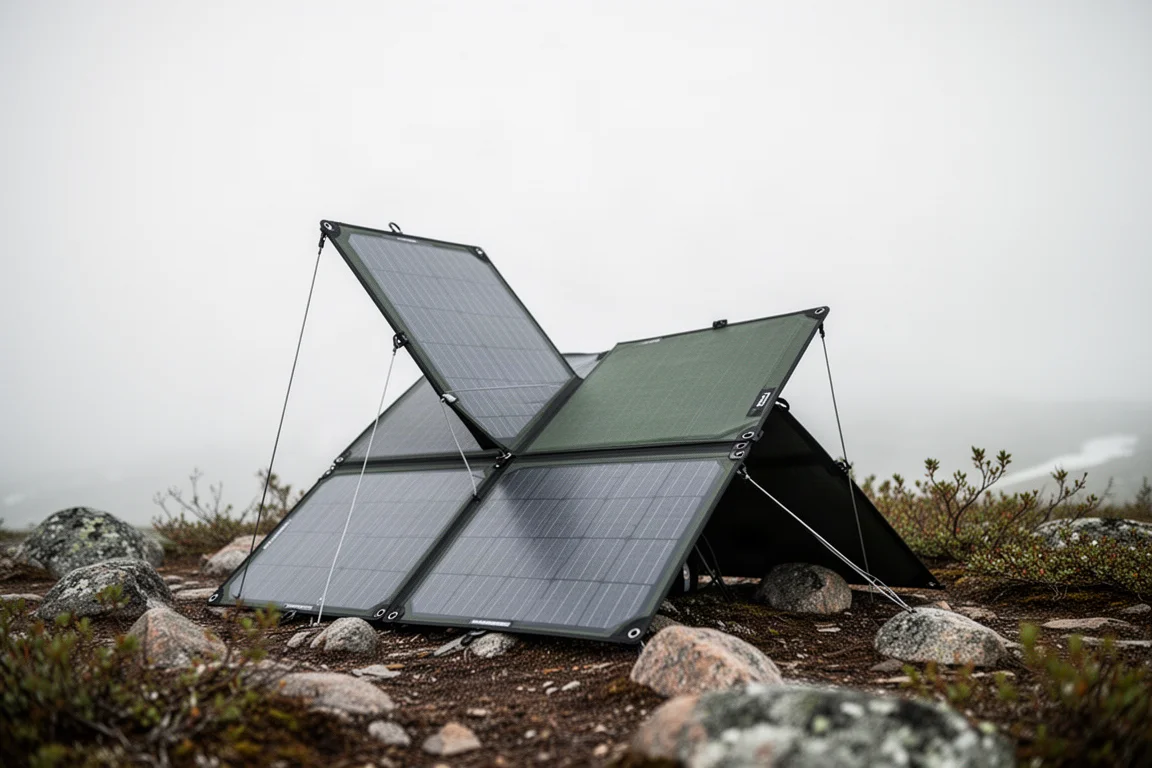
In build terms the panel sits at the top of the category. The folding mechanism closes cleanly, the panel folds almost flat for transport, and the support stands are noticeably stronger than the thin legs found on many competing panels. The surface is easy to clean, and the whole assembly feels rugged enough for repeated packing and unpacking on trips.

Things to Consider Before Buying
Cost is the first consideration. The Explorer 1000 runs roughly $1,000, which buys a great deal of capability but is a real investment. The solar panel adds around $300, and comparable 100W panels are commonly available for $200 to $250, so the Jackery panel is priced at a premium. That premium buys better construction and sturdier stands, but it is worth being clear about what you are paying for.
Weather resistance is the second. The panels are not waterproof and are not intended for use in moisture, so they need to be packed away when rain moves in. Some competing panels are rated for wet conditions.
Smaller details matter too. The LCD’s bar-style battery graphic adds little beyond the percentage readout, and a single 100W panel takes about 16 hours to charge the station, so most buyers pairing the two will want either two panels or access to wall or vehicle power.
Overall Buying Advice
For overland travel, cabin power, or home backup, the Explorer 1000 is straightforward to recommend. It delivers 1,000W of continuous output with a 2,000W surge, charges from wall, solar, and vehicle DC, and stays quiet enough to sit beside while you sleep. The 22-pound weight is manageable for one person to move, and the two-year warranty with direct contact channels adds confidence.
The solar panel is a more conditional purchase. If you want folding panels that match the station and are built to survive years of trips, the $300 price is defensible. If budget matters more than the stands and the finish, comparable 100W panels cost less, provided you accept the trade-offs in build quality.
Considering the pair together makes sense if you plan to spend extended time away from outlets. The station alone is the stronger value, since it can also charge from a wall outlet or a vehicle, and the panel becomes most useful when it is the only source available.
Conclusion
The Jackery Explorer 1000 does the job it is built for. It supplies 1,000W continuously, absorbs the surge from appliances that spike above that, and keeps a fridge cold for days without a dual-battery installation. It has been dependable across long trips and heavy use, and the two-year warranty with direct support channels makes ownership less of a gamble.
The 100W solar panel is a well-built companion with a price to match. Buyers who value rugged folding hardware and matching components will find it worthwhile. Buyers chasing the lowest cost per watt have cheaper options to compare against.
Together the two cover off-grid power, backup power, and overland travel with a setup that is simple to install and simple to live with.
Leituras recomendadas
Avaliações relacionadas
Portable Car Fridges
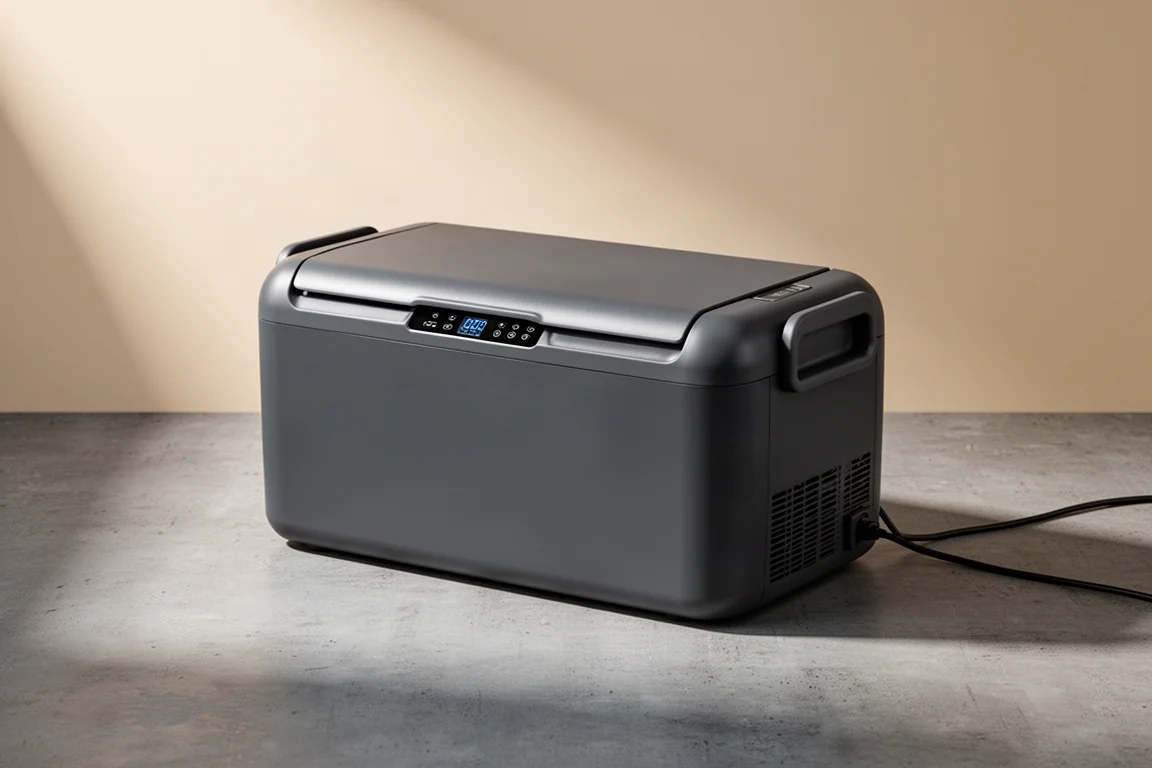
Análise da Iceco APL55: Uma Geladeira Portátil de Carro com Zona Dupla que Elimina a Compra de Gelo
Uma geladeira portátil de carro de 55 lb com zonas independentes de refrigerador e freezer, controle por aplicativo e várias formas de mantê-la ligada fora da rede elétrica.
Car Camping Gear
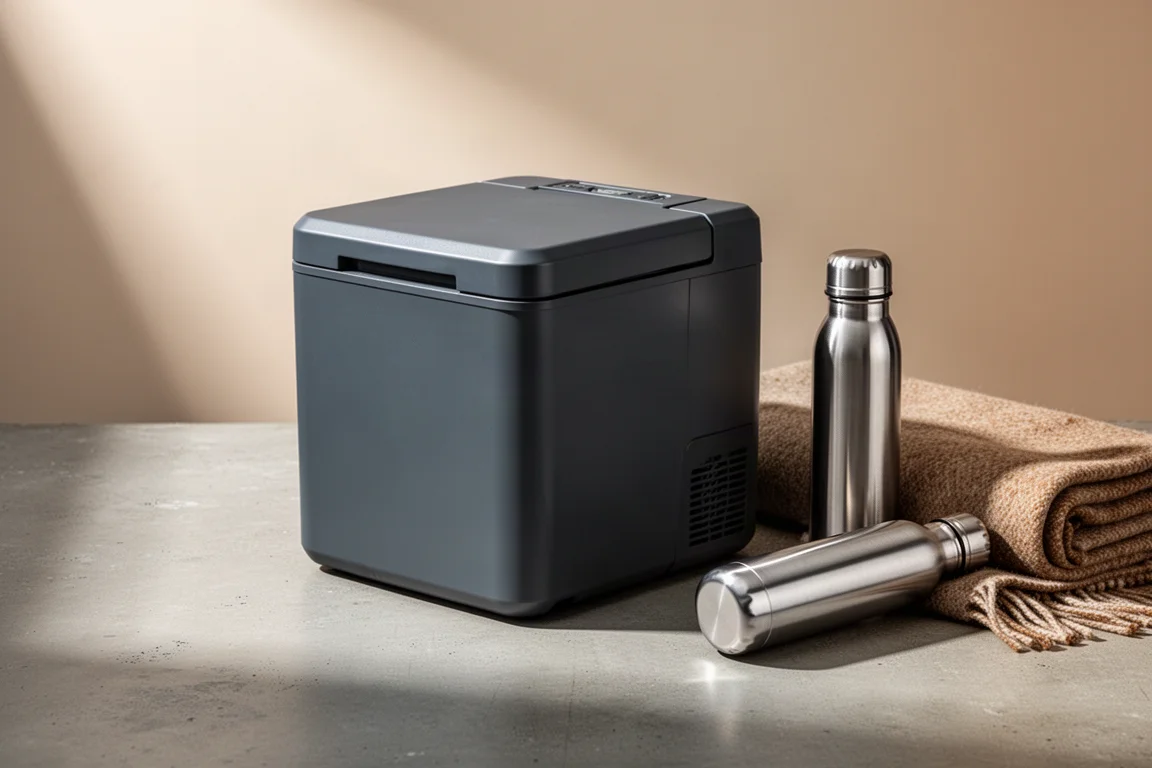
ICECO GO20 测评:适合周末汽车露营的紧凑型 12V 冰箱
一款紧凑的 12 伏冰箱,配备 Danfoss 压缩机、双区隔板和安静运行,以及在购买前需要了解的保温与显示小毛病。
Portable Fridges
Análise da ICECO JP30: Uma Geladeira Portátil de 12V que Acaba com as Corridas ao Gelo
A ICECO JP30 é uma geladeira com compressor de 32 qt (31 L), feita para camping com carro e overlanding. Veja o que ela faz bem, onde deixa a desejar e quem deve comprá-la.