Português · Camp Stoves
Four Winds Compact Camp Stove Review: Solid Build, Fiddly Folding
A butane camp stove with strong build quality, reliable ignition and good wind performance, plus a folding design that demands patience.
Introduction
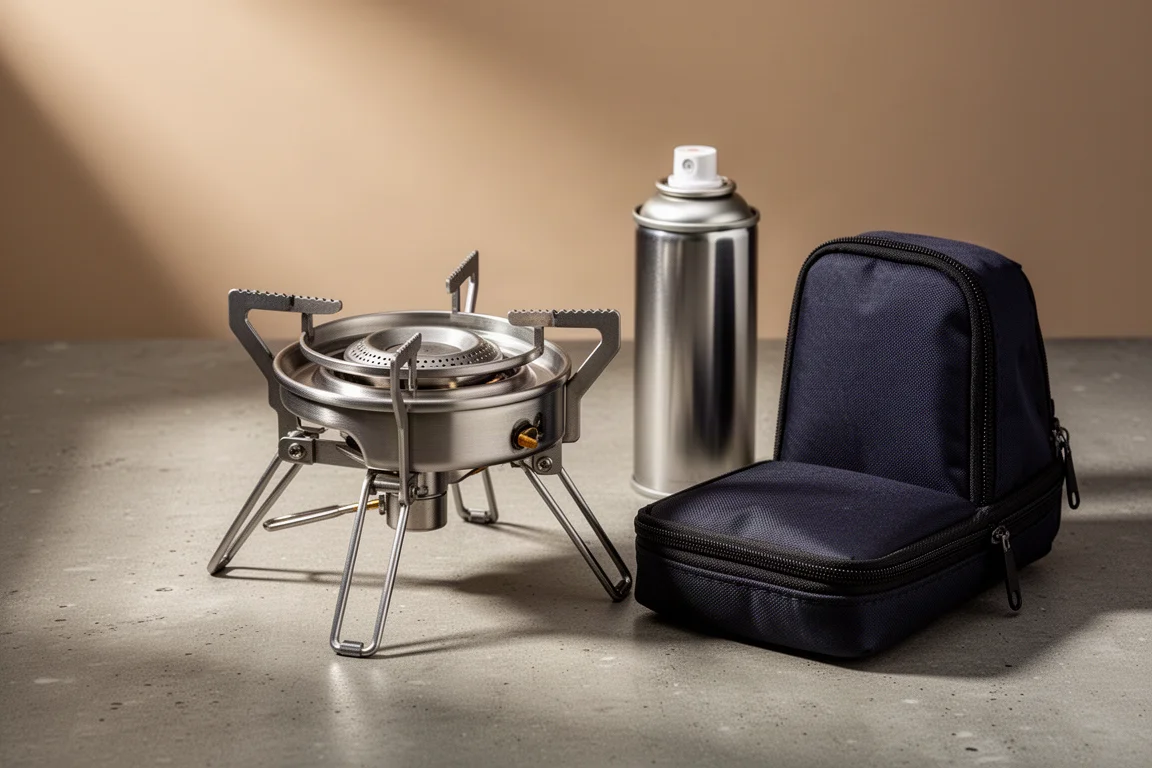
Four Winds is a Japanese company, and its compact camp stove takes a noticeably different approach to the portable burner. It runs on butane rather than threaded isobutane canisters, and it combines a stainless steel body with folding pot supports, folding legs and a built-in igniter.
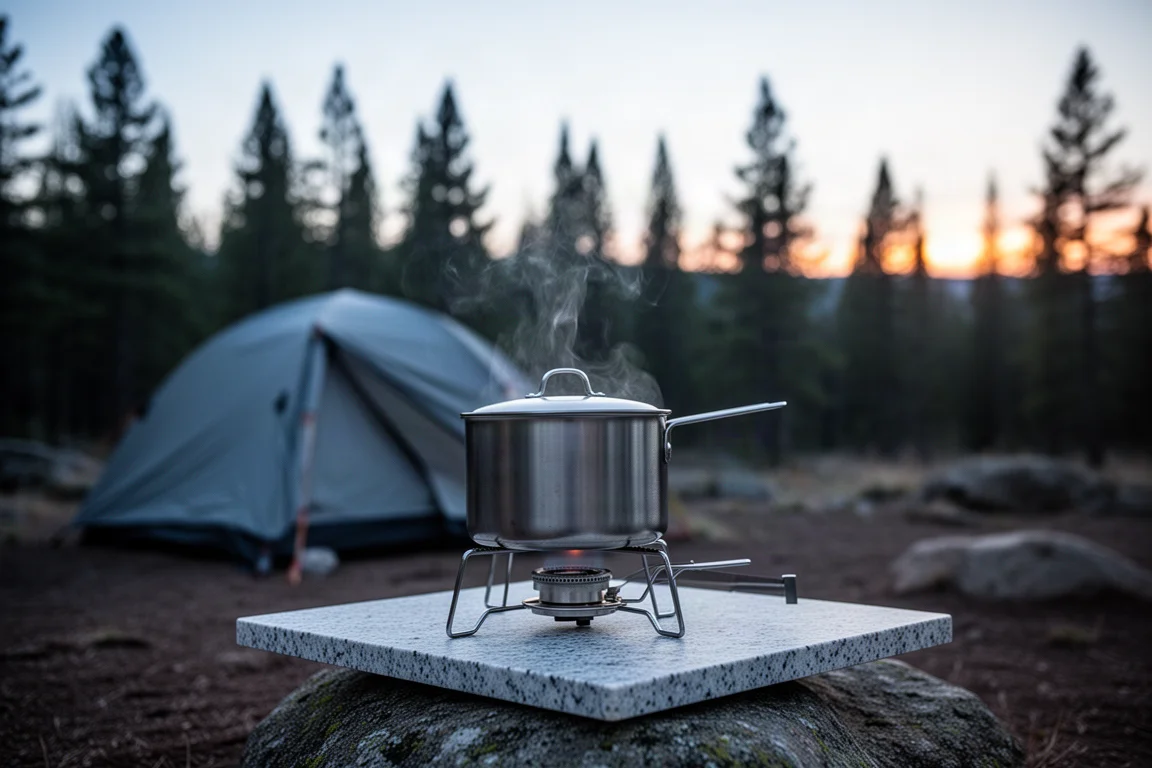
At around $80 on Amazon, it sits in a price bracket where campers have plenty of options. The stove feels substantial in the hand and the flame control is genuinely good, but the folding hardware asks for more patience than most people expect at the end of a long day. This review covers what the stove does well, where it asks for compromises, and whether it suits your kind of camping.
Who This Stove Is For
This stove suits campers who want a stable, well-built butane burner for boiling water and simple cooking at a table or a basecamp. The pot supports hold small cups as securely as larger pots, and the legs give the stove a wide, steady footprint that is hard to knock over.
It is not a natural fit for backpackers who count grams. Without the case it weighs 9.5 ounces, and with the case 11.5 ounces. It is also a fairly large stove when set up, standing 5.5 inches tall and measuring 6.5 inches across from one pot support to the opposite side. Cooking large meals is not its strong suit either, because the burner head is small.
Main Strengths
Build quality is the first thing that stands out. The primary material is stainless steel, with some aluminum and plastic in the assembly, plus EVA foam in the case. There are no sharp edges on the metal, and the stove has held up to months of regular use without any obvious weak point.
The controls are equally well judged. The fuel connection is simple: line up the notch on the stove with the notch on the canister, push them together and twist to lock. The flame adjuster is neither too stiff nor too loose, and it covers the full range from a strong boil down to a low simmer. The igniter fired on every attempt during testing.
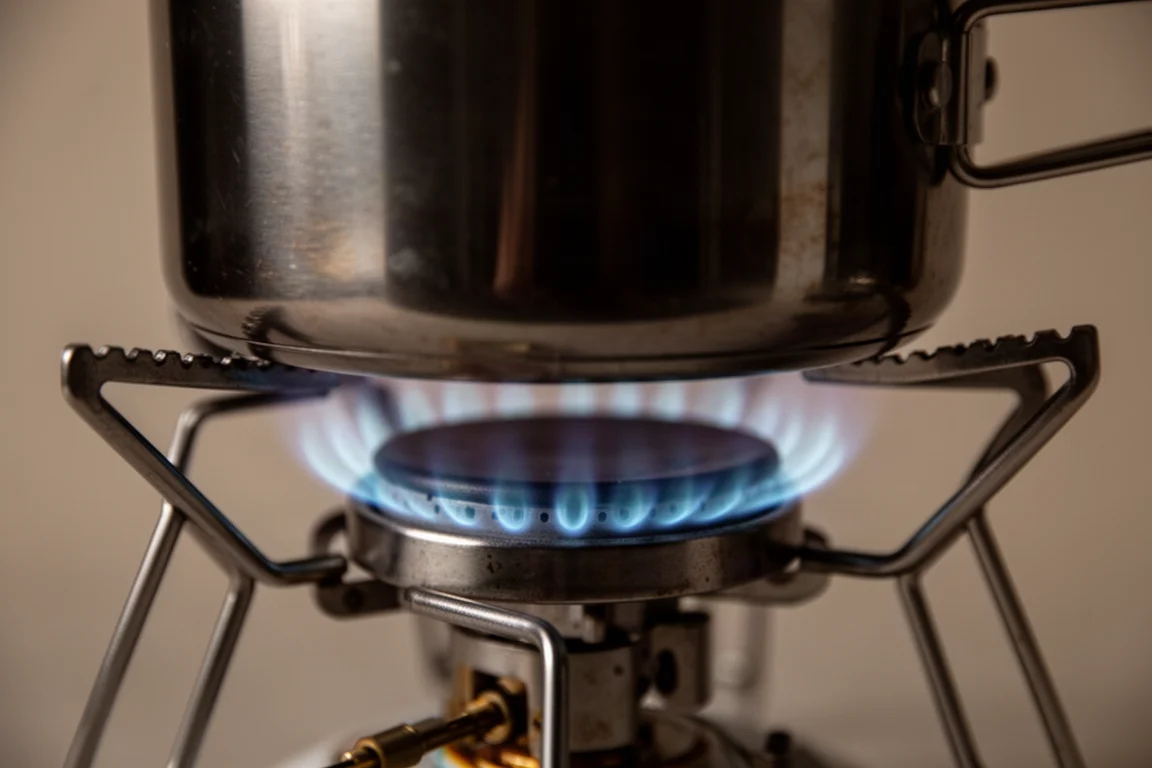
The pot supports handle a wide range of cookware, from small cups to larger pots and pans, and they hold it all in a stable way. The included case is one of the better ones you will find for a stove, with EVA foam that holds the stove firmly in place so it does not rattle inside a pack.
Wind Performance and Flame Control
Wind resistance is a real strength here. There is a windscreen around the burner head, an additional lip at the burner head itself, and the legs act as a windscreen as well, so the flame holds up better than you might expect in exposed conditions.
Output is rated at 9,200 BTU. In testing, two cups of water reached a boil in about three minutes, and a single 8 ounce butane canister delivered roughly 100 minutes of use with a mix of full-power boiling and lower simmering.
Things to Consider Before Buying
The burner head is small, and that shapes what the stove is good at. It boils water quickly and works nicely with small cups and pots, but it is not built for cooking large meals. If you plan to cook properly at camp, a pot or pan with an inner core will distribute heat more evenly and give you a better result on a stove like this.
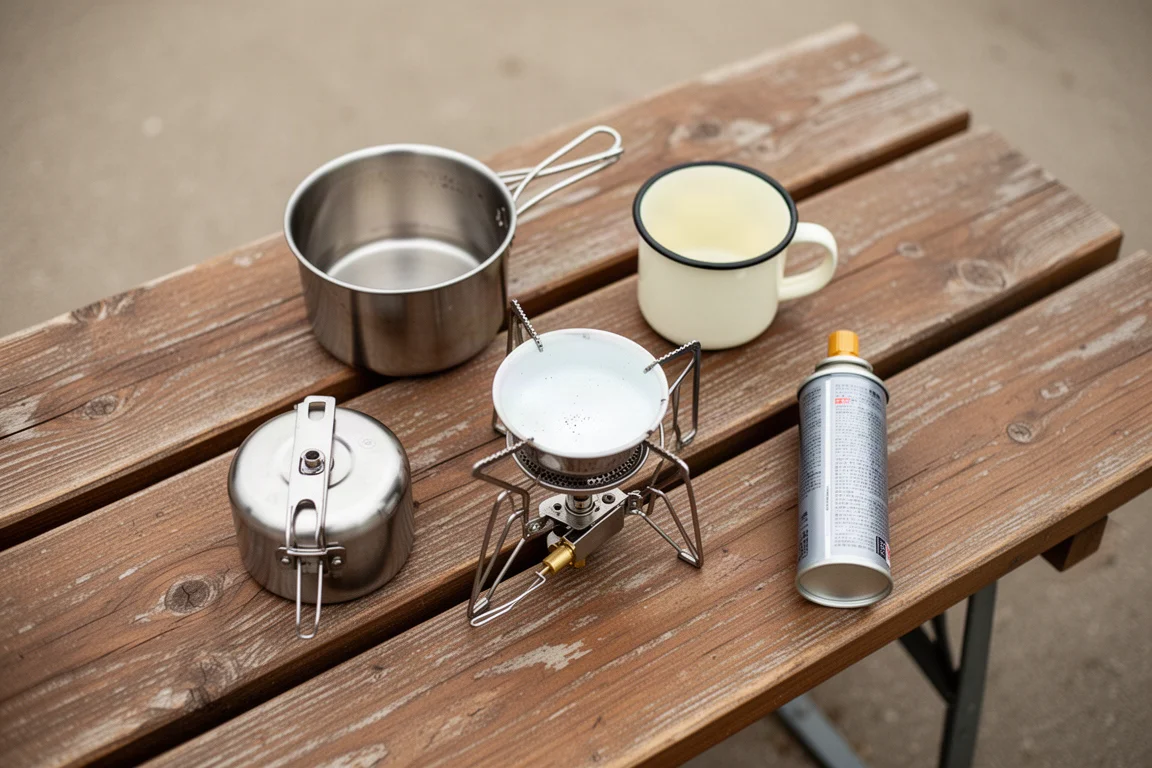
Size and weight are the second consideration. This is a large stove for something intended to be carried, and despite the compact burner head there is a lot of hardware involved. Anyone comparing it against a lightweight backpacking stove will notice the difference immediately.
Fuel cost is worth planning for as well. The brand sells its own butane canisters, and a single 8 ounce can was priced at around $14 on sale, which is high for butane. Buying 12 cans of 8 ounces each from other sellers for roughly $34 is a far more sensible route, and the stove accepts standard canisters.
Fiddly Setup and Breakdown
Setting up and packing away the stove is the most frustrating part of living with it. The pot supports and the legs fold in a similar way, and neither can simply be swung all the way open in one motion. You fold each one about halfway, then finish the movement one leg at a time, because going straight to the end position blocks the next leg from standing up.
It takes time, it never feels natural, and it is the detail most likely to wear on you across a season of use. Everything else about the hardware is solid, which makes the folding sequence stand out even more.
Buying Advice
The awkward part of this stove is where it lands in the market. A compact backpacking stove is usually small and inexpensive, and good isobutane models can be found for $10 to $20, with higher-end brands costing more. A large car camping stove is heavier but offers strong performance and a very stable cooking platform for group meals.
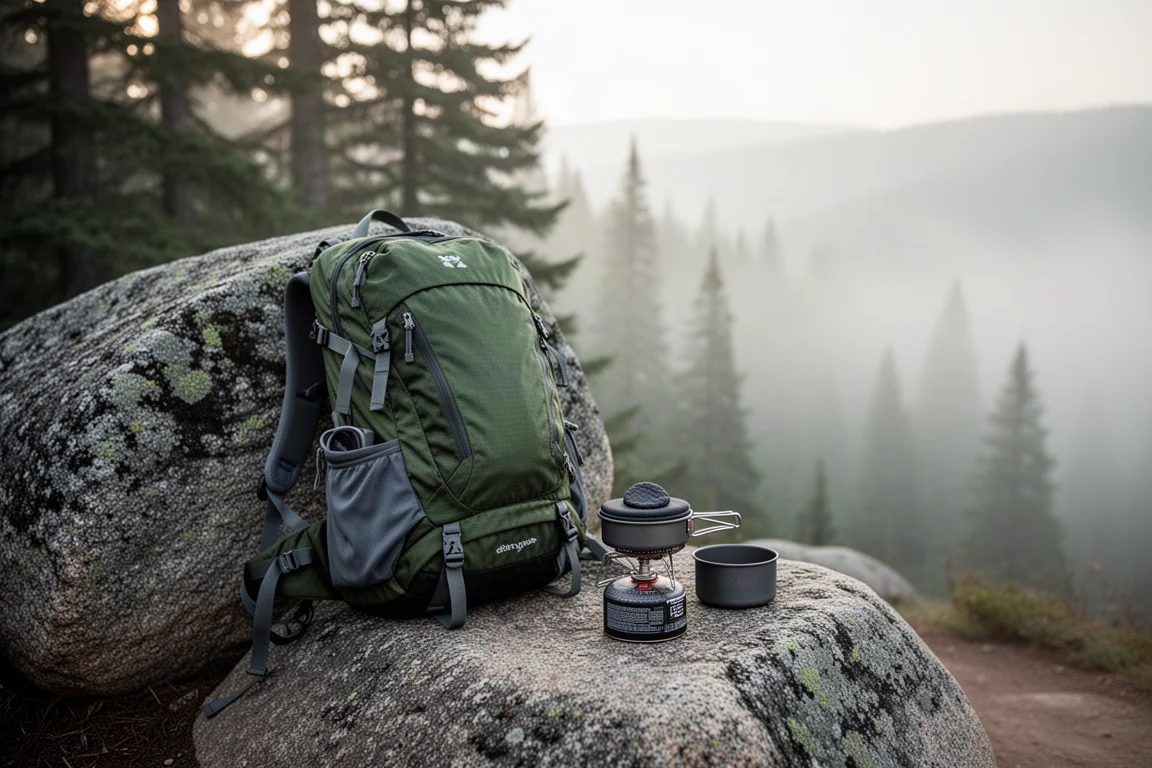
This stove sits between those two groups. At $80 it costs more than many compact stoves while giving up their light weight, and it does not offer the cooking surface of a larger campsite stove. It makes the most sense if you specifically want a butane-powered burner with excellent build quality, a dependable igniter, strong wind performance and a genuinely protective case, and if you mostly boil water or cook small meals. If light weight and low cost matter more, a small isobutane stove is the easier recommendation. If you cook for a group at a basecamp, a larger stove will serve you better.
Conclusion
The Four Winds compact camp stove gets a lot right: solid materials, no sharp edges, a reliable igniter, a well-tuned flame adjuster, stable pot supports, good wind protection and an excellent case. It also has real drawbacks in the fiddly folding sequence, the small burner head, and its size and weight for a stove meant to travel.
At $80, the decision comes down to priorities. Buy it if the build quality and the butane fuel system matter more to you than weight and price. If they do not, there are simpler and less expensive ways to boil water at camp.
Link do produto
Ver mais detalhes de Four Winds Compact Camp Stove
Este produto é mencionado nesta avaliação. Antes de comprar, confirme as especificações, opções e compatibilidade.
Ver mais detalhes de Four Winds Compact Camp StoveLeituras recomendadas
Avaliações relacionadas
Camp Stoves
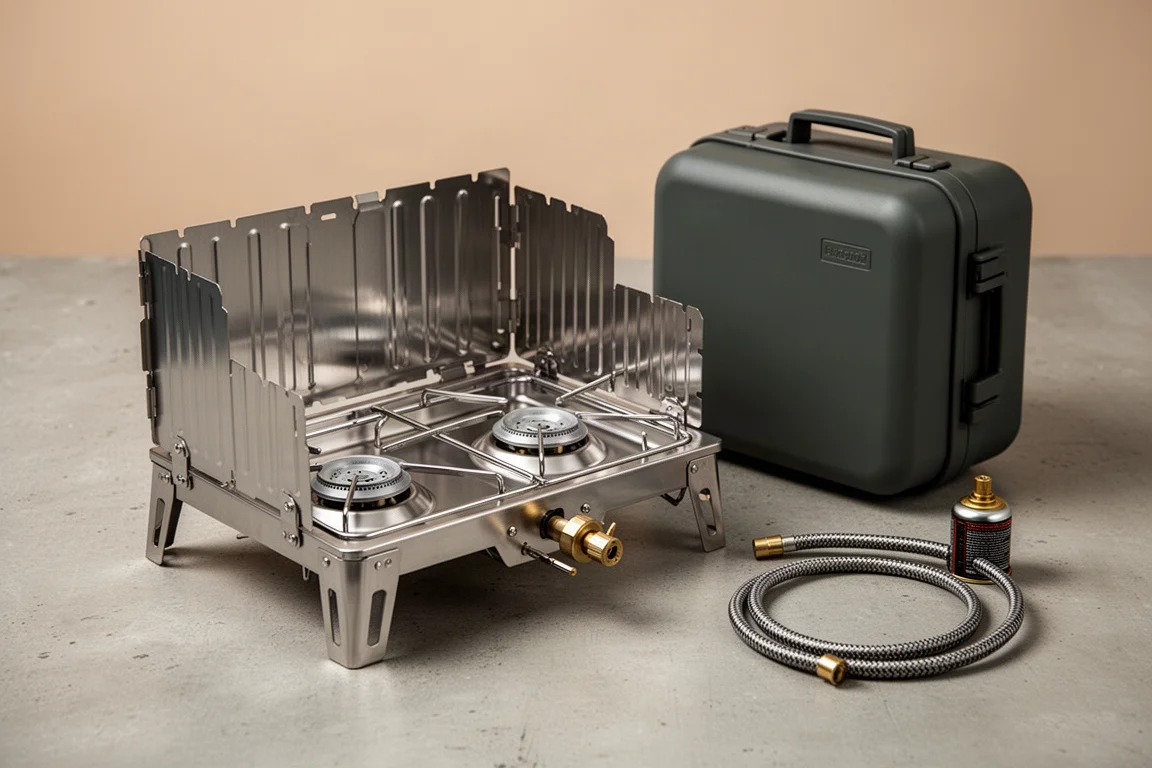
Análise do Fogareiro de Camping CLS Three-Head Dual Fuel: Três Bocas por Cerca de US$ 11
Um fogareiro de camping dobrável com três bocas que funciona com butano ou isobutano, vem com case rígido e adaptador para botijão, e custa aproximadamente o preço de uma refeição para viagem.
Camp Stoves
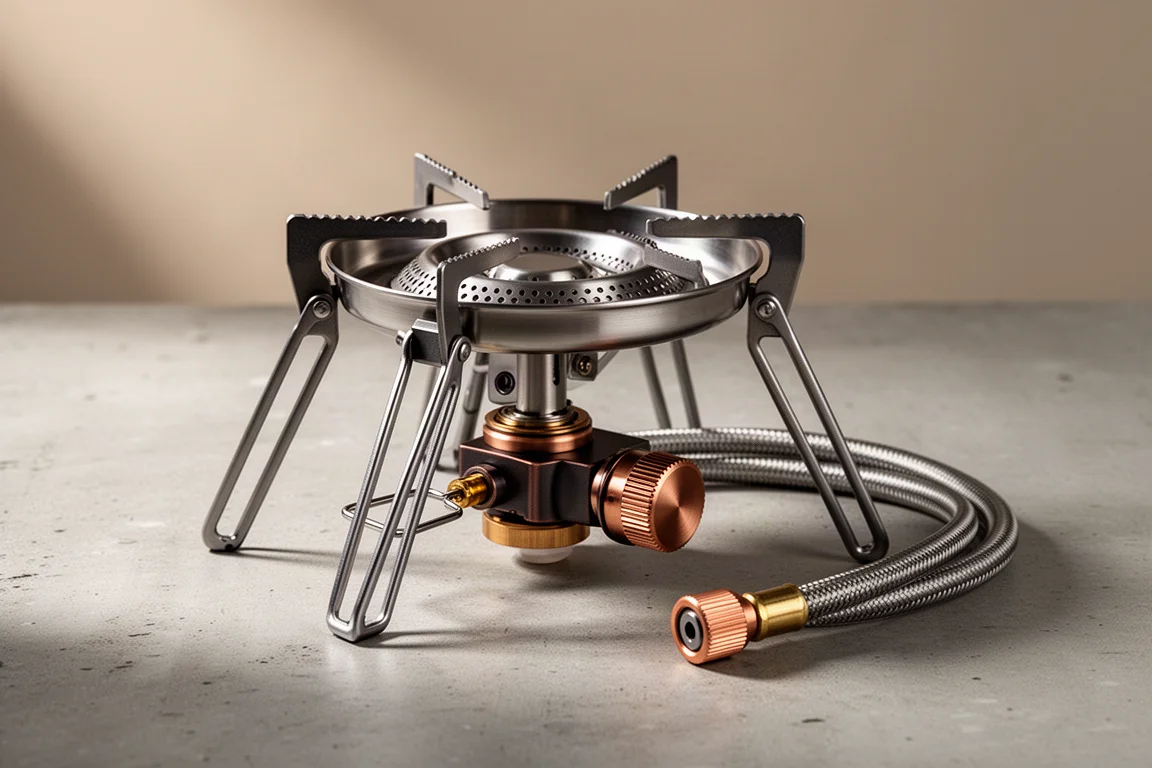
Análise do Fogareiro Fire Maple Saturn: um fogareiro de acampamento diferenciado que merece uma olhada mais de perto
Um olhar prático sobre o Fire Maple Saturn, um fogareiro de isobutano de 15.000 BTU com tubos de pré-aquecimento, uma base larga e estável e um design que se destaca dos queimadores redondos convencionais.
Coolers
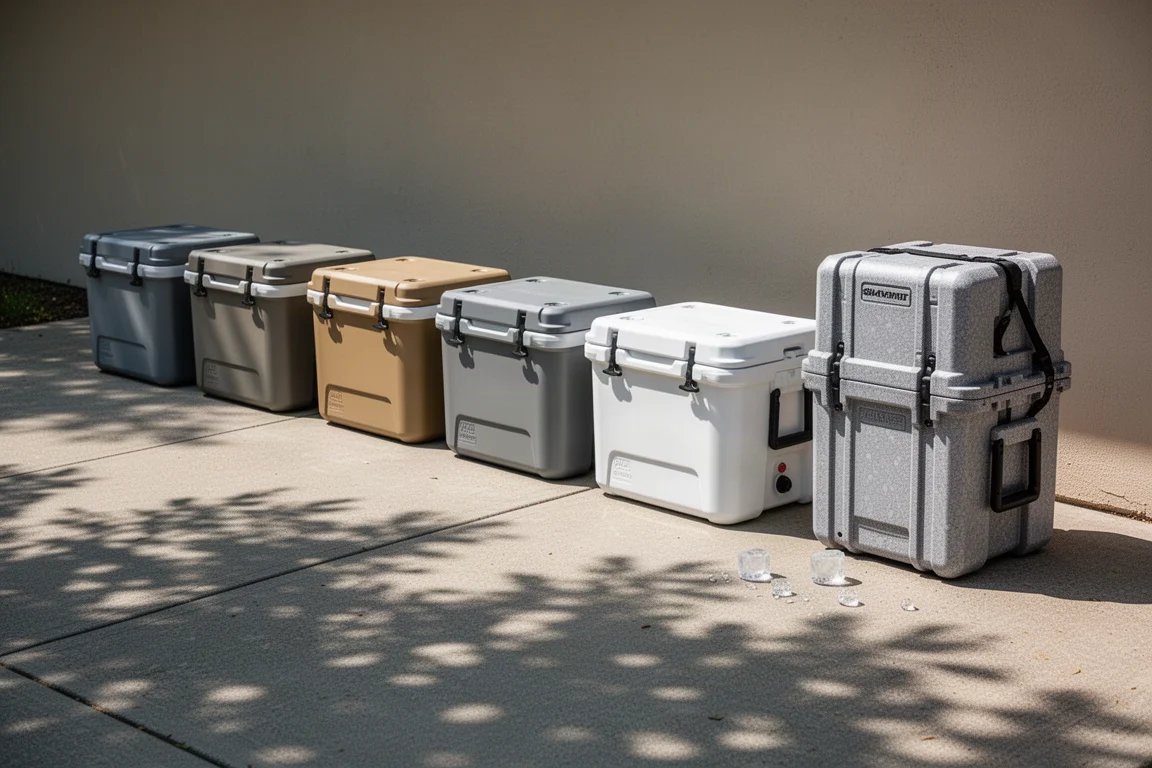
Melhores Caixas Térmicas em Retenção de Gelo: 7 Destaques de um Teste com 55 Modelos
Sete caixas térmicas que se destacaram em um teste de retenção de gelo de duas semanas, de uma campeã com casca de espuma a uma opção de clube de compras por US$ 150.