Polski · Hi-Fi
TEAC VRDS-701T Review: A Benchmark CD Transport
A full-width CD transport built around the VRDS clamping mechanism, with dual toroidal transformers, a floating internal structure, and a clean, uncolored sound.
Introduction
The TEAC VRDS-701T is a full-rack-width CD transport, and the model name carries genuine history. TEAC’s VRDS-10 CD player arrived in 1992 and made an impression by clamping the disc to a rigid aluminium turntable mechanism, which significantly reduced vibration and reading errors. That same VRDS mechanism sits inside this transport, alongside other technology passed down from Esoteric, TEAC’s sister brand, where individual components start at roughly £10,000 and can reach £60,000.
TEAC’s current range leans heavily toward half-rack desktop pieces such as streamers, DACs and class D amplifiers. The 700 series is the exception, and it also includes the UD-701N network player and DAC and the AP-701 dual mono power amplifier with VU meters. The VRDS-701 CD player retails for £2,499, while the transport version covered here costs £500 less because it omits the DAC section. Black and silver fascias are both offered.
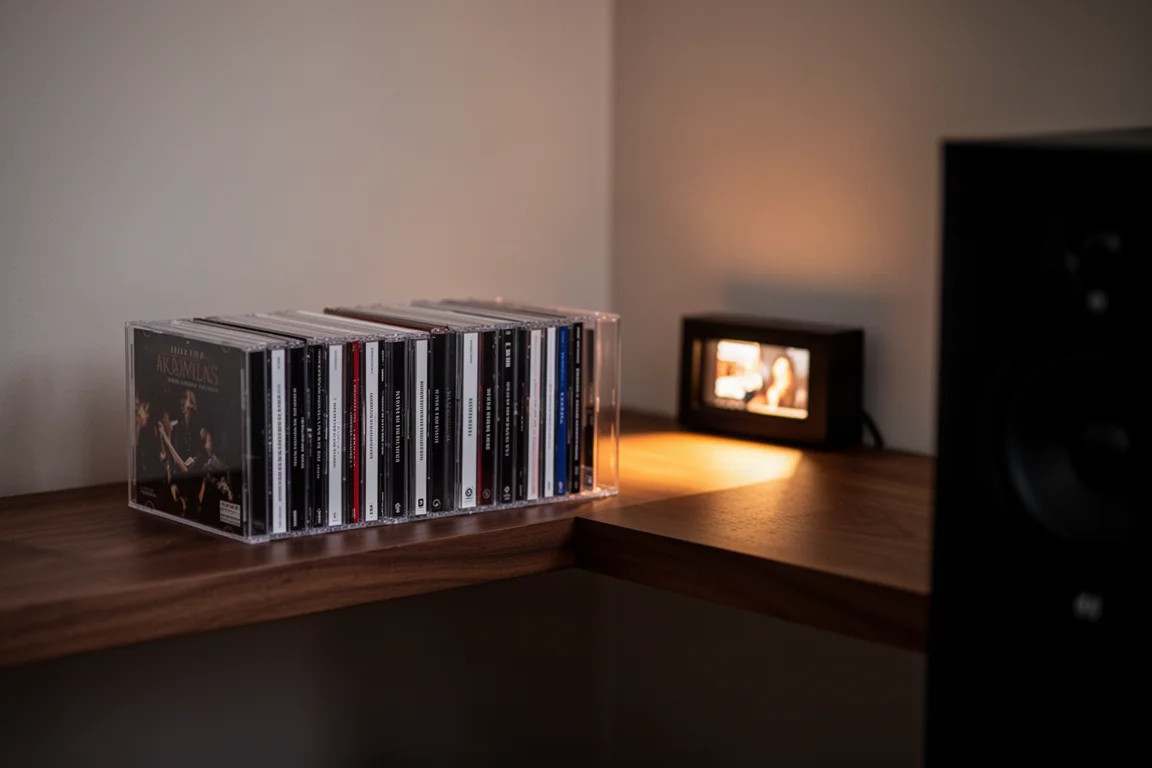
Buying a transport is a deliberate decision. It assumes you already own a DAC you trust, or intend to add one, and that a CD collection is worth playing properly rather than being ripped once and forgotten. The VRDS-701T is aimed squarely at that listener.
Who this product is for
This is a component for people with a substantial CD library who want a high-quality digital front end rather than another streaming box. Because there is no DAC on board, it suits listeners who already own a separate converter or who are choosing one as part of the same purchase.
It also makes sense for anyone future-proofing a system. The transport delivered a clearly distinguishable lift in resolution over an inexpensive streaming player when paired with a £700 integrated amplifier using a well-implemented ESS 9038 Q2M DAC and £800 standmount speakers, which is a modest chain for a component at this price. Anyone planning amplifier and speaker upgrades further down the line will hear more from it later.
Listeners who have moved entirely to streaming should think carefully. Format alone does not decide sound quality, and an inexpensive streamer can outperform a more costly disc player when the circuitry around it is better implemented.
Build Quality and the VRDS Mechanism
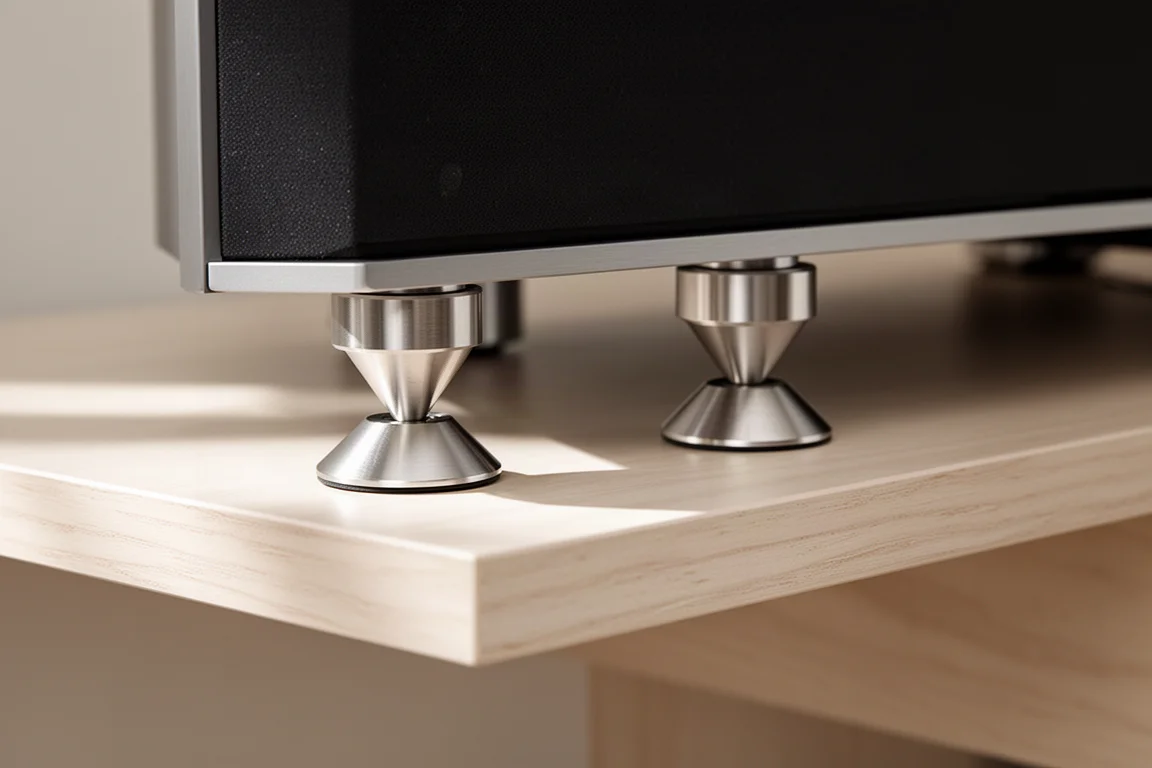
The chassis is substantial aluminium plate work sitting on three precision-machined feet, each with play between its two discs to absorb vibration. Buttons and dials feel solid with a very positive action, the tray slides in and out smoothly and reasonably quietly, and a toggle switch handles power. Six buttons beside the OLED display cover the essentials: stop, play, pause, menu access, repeat, and switching between ordinary, random and program play. A rotary dial selects tracks, and it is quick and easy to move between them. There is no plastic in the control surfaces, and the supplied remote control has an aluminium fascia that exceeds expectations for this class.
Internally, the power supply uses separate high-capacity toroidal core transformers, one dedicated to the digital control section and the other to the CD mechanism, which allows current to be supplied with greater stability. Both transformers and the CD mechanism are mounted on a floating structure that isolates them from the bottom panel. Even the side fins are cut to different lengths to reduce sympathetic vibrations.
The VRDS mechanism itself clamps the disc to an aluminium turntable of the same diameter. The additional inertia stabilises rotation by correcting disc warping and reducing distortion, while optical axis precision of the pickup improves and servo current falls, resulting in fewer reading errors. The bridge supporting the turntable is lightweight, rigid and made from a resin with a torus structure, another measure against resonance.
Sound Quality
This is one of the cleanest-sounding digital transports available, with superb resolution and an uncolored character. Compared with a group of competent sub-£1,000 CD players and streamers, it sits roughly two levels higher in performance terms, which is a meaningful gap when each level represents the spend needed for a worthwhile improvement.
Its strongest quality is precision. Performers are localized more exactly, tonality is not pushed in any particular direction, and subtleties of timbre come through that warmer-sounding rivals tend to smooth over. The sound stage is expansive and precise, and fine detail such as the resonances in the sustain of notes and intricate decay structures is reproduced cleanly. An album like Ray Charles and Count Basie’s “Ray Sings, Basie Swings” sounds gloriously dynamic, detailed and nuanced through it.
Against a £1,995 streaming transport, the VRDS-701T is the more precise and less colored of the two. The only other player to rival it in these abilities is a £1,400 streaming transport with a linear power supply. With like-for-like files over the coaxial digital outputs of both devices, the differences are subtle, with the CD transport sounding a little cleaner, and that rival’s I2S connection brings the two neck and neck. The VRDS-701T has no I2S connection, which is a genuine omission.
Setup is simple. It is a plug and play device, and it scales up well with better partners. It was used with a high-end DAC, a vintage preamplifier, monoblock power amplifiers and standmount speakers, and it gave no impression of being the limiting factor anywhere in that chain.
Connections and System Integration
The rear panel has purposely been kept to a minimum. There are 12-V trigger, RS-232C and USB-C ports for system integration and servicing, two SPDIF digital coaxial outputs and optical outputs, and a BNC jack for connecting an external 10-MHz clock for further performance enhancement.
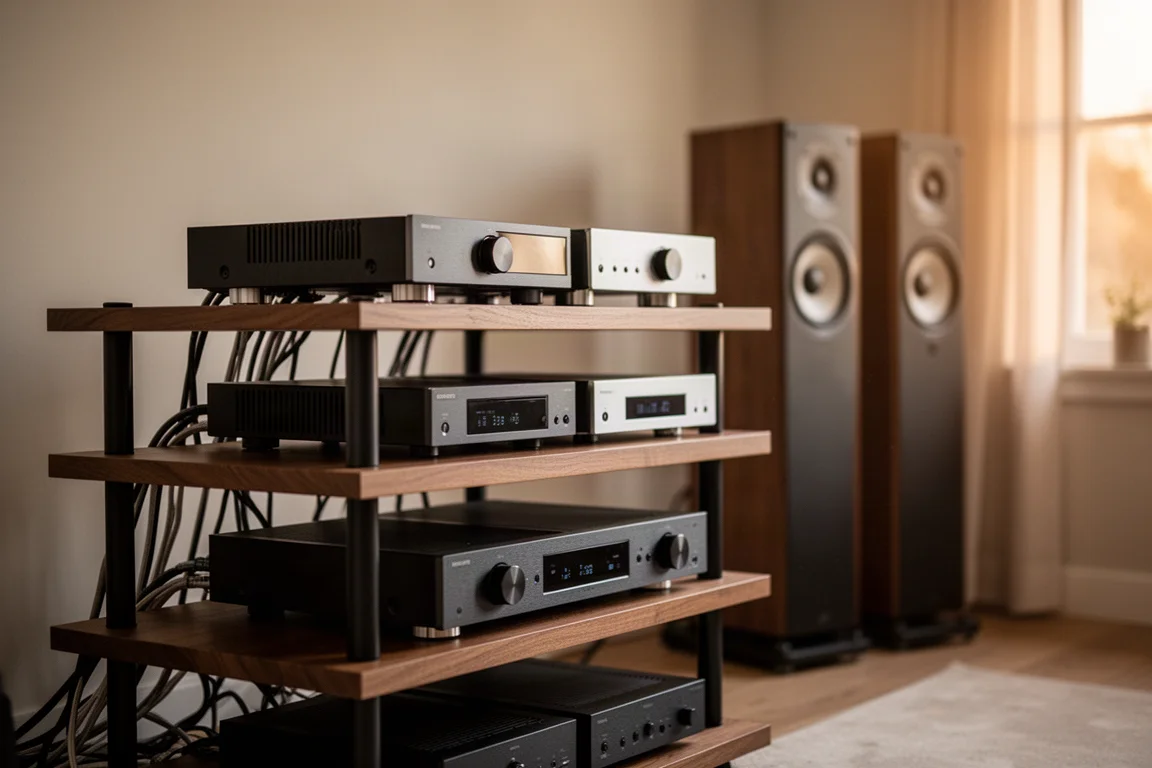
That restraint keeps the signal path short, but it also means a future revision would benefit from an I2S connection alongside the existing digital outputs. For most systems, the coaxial and optical outputs cover everything needed, and the external clock input gives owners a route to improve performance later without replacing the transport.
Things to Consider Before Buying
The price is the first consideration. At around £2,000, this is an expensive component and out of reach for a lot of listeners, particularly since it does no conversion work of its own and needs a DAC to function.
There is no I2S connection, which limits the most direct interface available on some competing transports and DACs. The chassis is also full rack width and heavily built, so it needs proper shelf space rather than a spare corner.
Finally, the format itself is not a guarantee of anything. A cheaper streamer can deliver a touch more fidelity than several CD players and streamers costing considerably more, which is why implementation matters more than the medium.
Buying Advice
Pair the VRDS-701T with a DAC you already like. The transport’s uncolored character means it will not fight the converter downstream, and it will not embarrass a modest amplifier and speaker combination in the meantime. It also grows with the system, so a planned amplifier or speaker upgrade later will be rewarded rather than wasted.
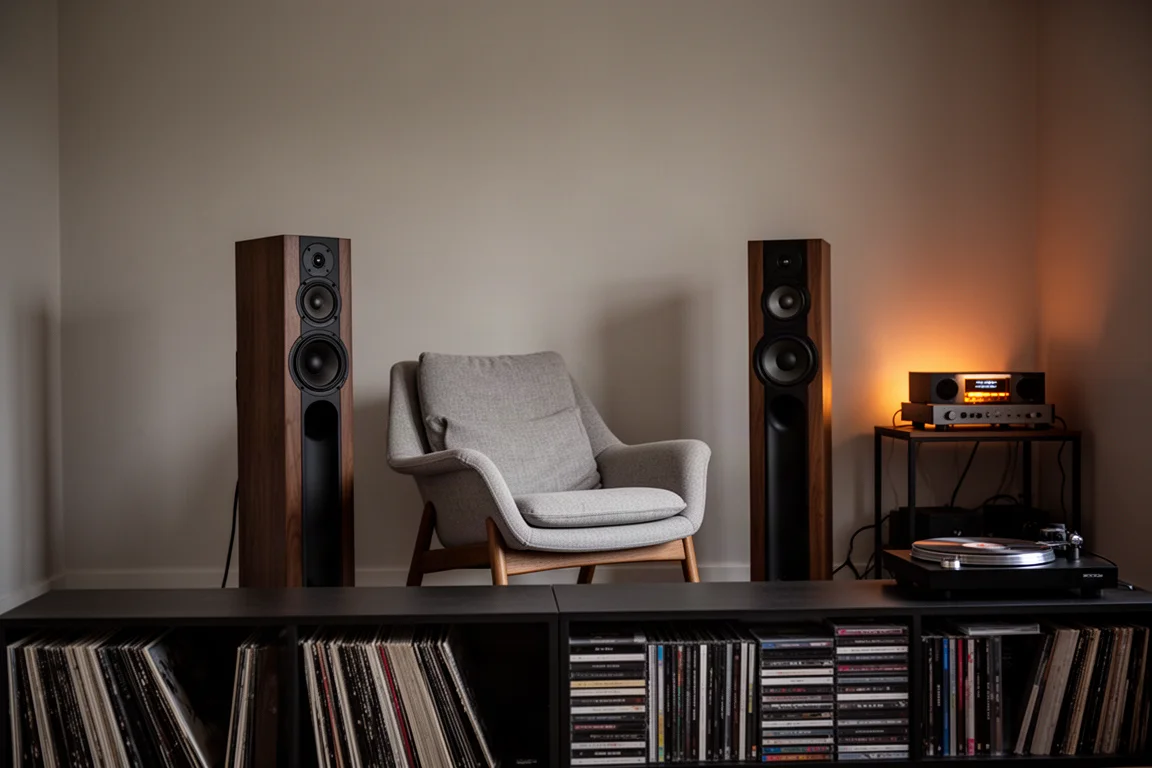
If the budget allows only one significant purchase this year, this is a sensible one for a committed CD listener, because the build quality and the VRDS mechanism are the kind of engineering that stays relevant for a long time. Choose silver or black to match the rest of the rack, and set aside room for a full-width chassis.
Conclusion
The TEAC VRDS-701T is impressive from every perspective. It looks more expensive than it is, it is constructed as a legacy piece, engineered inside and out to a very high standard, and it sounds magnificent. The entry-level product from sister brand Esoteric costs almost six times as much, and more than some of that technology, including the legendary VRDS mechanism, is inside this transport.
An I2S connection on a future variant would be welcome, but that is a small complaint about an otherwise outstanding component. This is a benchmark product: clean, uncolored and natural sounding, and a convincing long-term foundation for a digital front end.
Link do produktu
Zobacz więcej szczegółów: TEAC VRDS-701T
Ten produkt jest wymieniony w tej recenzji. Przed zakupem sprawdź specyfikację, dostępne warianty i kompatybilność.
Zobacz więcej szczegółów: TEAC VRDS-701TWięcej do przeczytania
Powiązane recenzje
Hi-Fi
Sześć produktów Hi-Fi, które nie spełniły oczekiwań: krytyczny poradnik kupującego
Bliższe spojrzenie na sześć produktów Hi-Fi z istotnymi wadami i na to, co warto rozważyć przed zakupem.
Hi-Fi Audio
Shanling CT90 Recenzja: transport CD za 1000 USD zbudowany wokół zewnętrznego DAC
Shanling CT90 to dedykowany transport CD z upsamplingiem do DSD512, wejściem na zewnętrzny zegar i I2S zarządzanym przez FPGA. Oto dla kogo jest przeznaczony i co warto sprawdzić najpierw.
Portable Audio
Recenzja Shanling EC0T: Przenośny, bateryjny odtwarzacz CD z lampami i przetwornikiem R-2R
Praktyczne spojrzenie na Shanling EC0T, przenośny, bateryjny odtwarzacz CD z własnym przetwornikiem drabinkowym R-2R, przełączanym stopniem lampowym i Bluetooth 5.2.