Polski · Hi-Fi Speakers
Ophidian Mambo 2 Review: A Slim British Floorstander With an Unusual Bass System
A compact 2.5-way floorstanding speaker with a concealed third driver, an Aeroflex hybrid bass system, and a midrange that rewards careful system matching.
Introduction
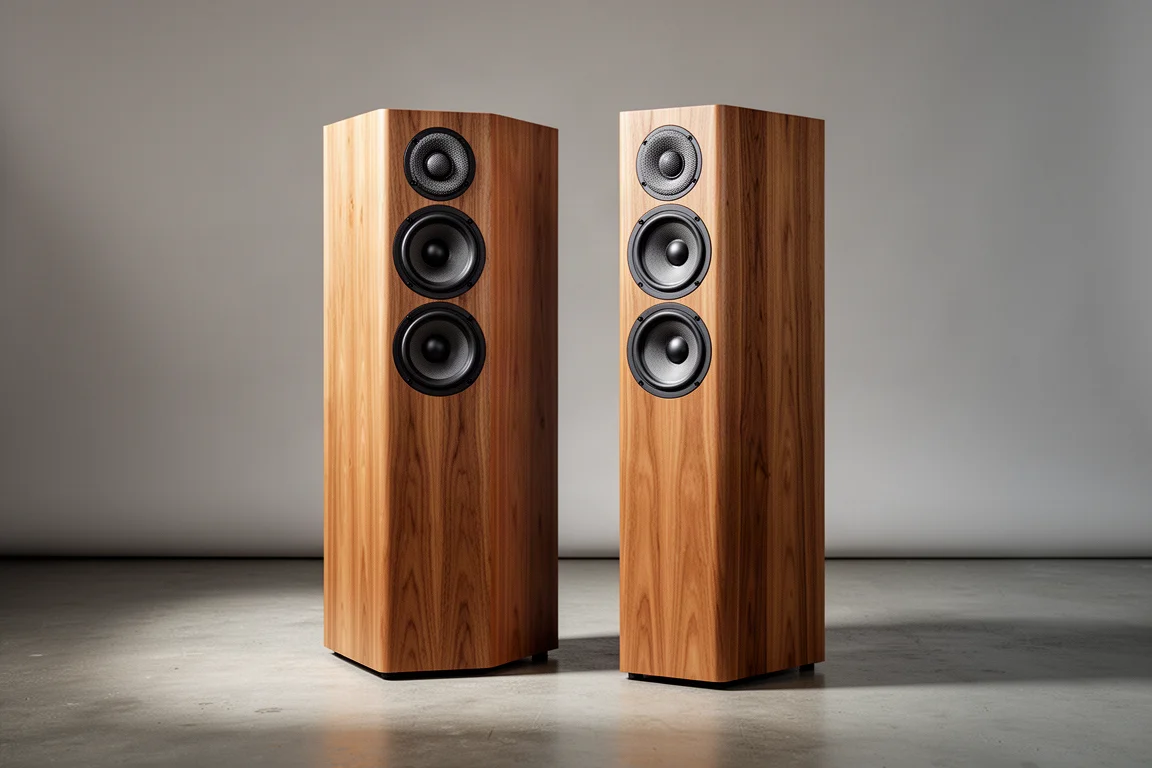
The Ophidian Mambo 2 arrives from a small British manufacturer that has been building speakers for around a decade, and it is the kind of design that stands out for two reasons: it is a floorstander you can genuinely fit into a small room, and its bass loading is not quite like anything else at the price.
On paper, the Mambo 2 is a 2.5-way floorstanding speaker measuring 893 mm high, but only 158 mm wide and 191 mm deep. In imperial terms that is roughly 35 inches tall, 6.2 inches wide and 7.5 inches deep. It retails for around £2,000 in the UK.
What makes it unusual is the driver layout. The front baffle carries a mid-woofer, a tweeter and a second mid-woofer, a classic MTM arrangement, but there is an identical mid-woofer concealed inside the cabinet. That hidden third driver is central to the speaker’s bass system, which Ophidian calls Aeroflex.
Who the Ophidian Mambo 2 Is For
This is a speaker for listeners who prioritise midrange detail and tonal accuracy over sheer scale. It suits small to medium sized rooms and moderate listening levels, roughly 65 to 80 dB, where it can be partnered with a carefully chosen amplifier and positioned to make the most of the room.
It is less suited to anyone who listens quietly late at night at around 65 dB or below, or who wants a speaker that delivers weight and rhythmic drive regardless of what feeds it. The Mambo 2 asks for a little more attention than that, and it gives a lot back when it gets it.
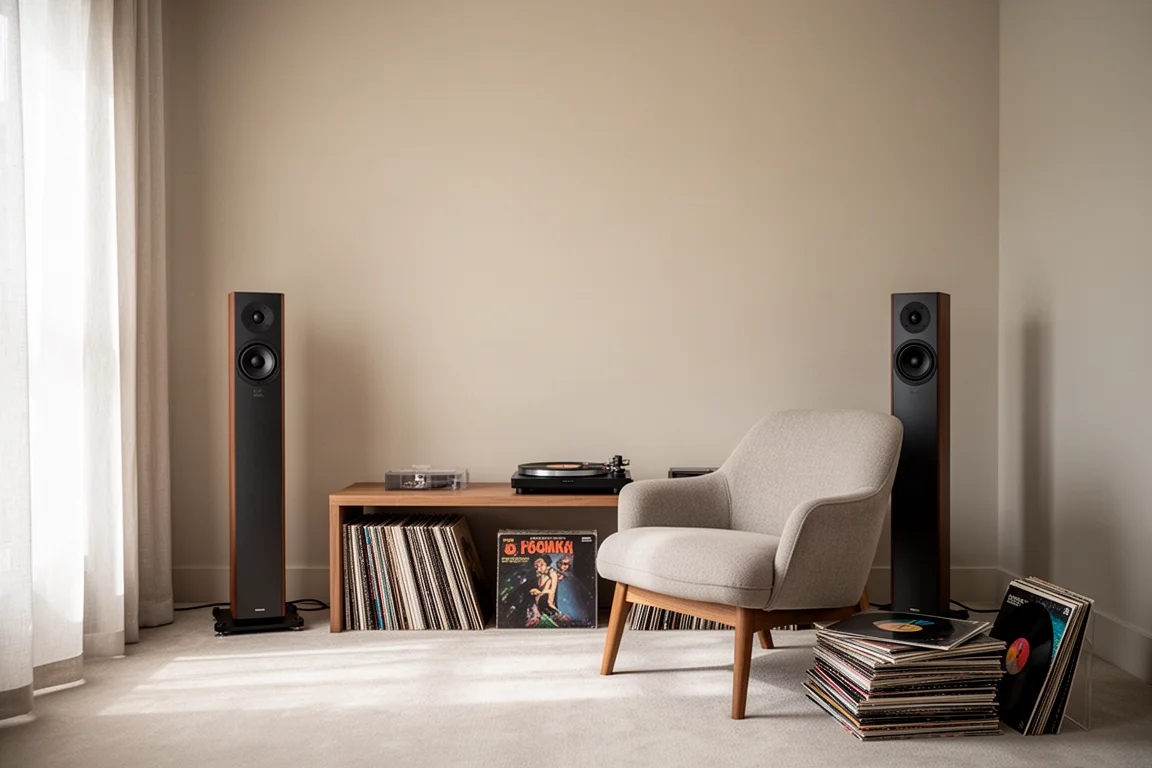
The design also rewards buyers who enjoy the process of matching components. It is not a plug-and-play speaker that flatters any amplifier, and that characteristic shapes almost every recommendation below.
Design and Cabinet Craftsmanship
The cabinet is built by Timberworks of Sheffield, the same workshop responsible for cabinets used by ProAc and Spendor, and the real wood finishes are described as top drawer. That is what you would hope for at this price, and it is one of the more tangible arguments for the Mambo 2 over mass-produced alternatives.
The slim proportions matter as much as the finish. At 158 mm wide, the Mambo 2 occupies very little floor space for a floorstanding design, which opens up rooms that would normally be restricted to standmount speakers. The shallow 191 mm depth also makes placement against a wall easier to manage.
Drivers and Crossover
The two 115 mm, or 4.5 inch, mid-woofers come from US manufacturer Dayton Audio and use a paper cone coated with a polymer. They flank a 27 mm tweeter, just over an inch, from Norwegian specialist Seas. That tweeter uses a fabric coated dome with Seas’ proprietary Sonolex polymer, which is there to improve damping.
Inside the cabinet sits the third, identical mid-woofer. The tweeter crosses over to the front mid-woofers at 2,400 Hz, and the front drivers are reported to reach down to 38 Hz. Below 200 Hz, the internal driver supplements the bass output.
The crossover uses metal oxide resistors, which have lower inductance than the sandcast resistors commonly found in speakers at this level. Capacitors are quality polypropylene parts from Mundorf, and the inductors are air core, with one exception. The large inductor required for the internal woofer is an iron core component, because an air core equivalent at that size would be both bulky and expensive at this price point.
How the Aeroflex Bass Loading Works
Aeroflex is a hybrid between a ported design and a transmission line, and the simplest way to think about it is as a long ported system. It still takes advantage of quarter wave resonance, but without needing the long, folded line that a full transmission line design requires. The position of that third, internal driver is critical to making the approach work.
The context helps explain the choice. A sealed box uses the back energy from the woofer as a spring, which gives very quick transient response, but it also brings lower sensitivity and an earlier bass roll-off. A ported design recycles that back energy through a port at a tuned frequency, which adds sensitivity and bass extension. A transmission line feeds the back energy down a long folded line to exploit quarter wave resonance, which can approach the transient response of a sealed box while adding even greater extension and better control, at the cost of significant build and design complexity.
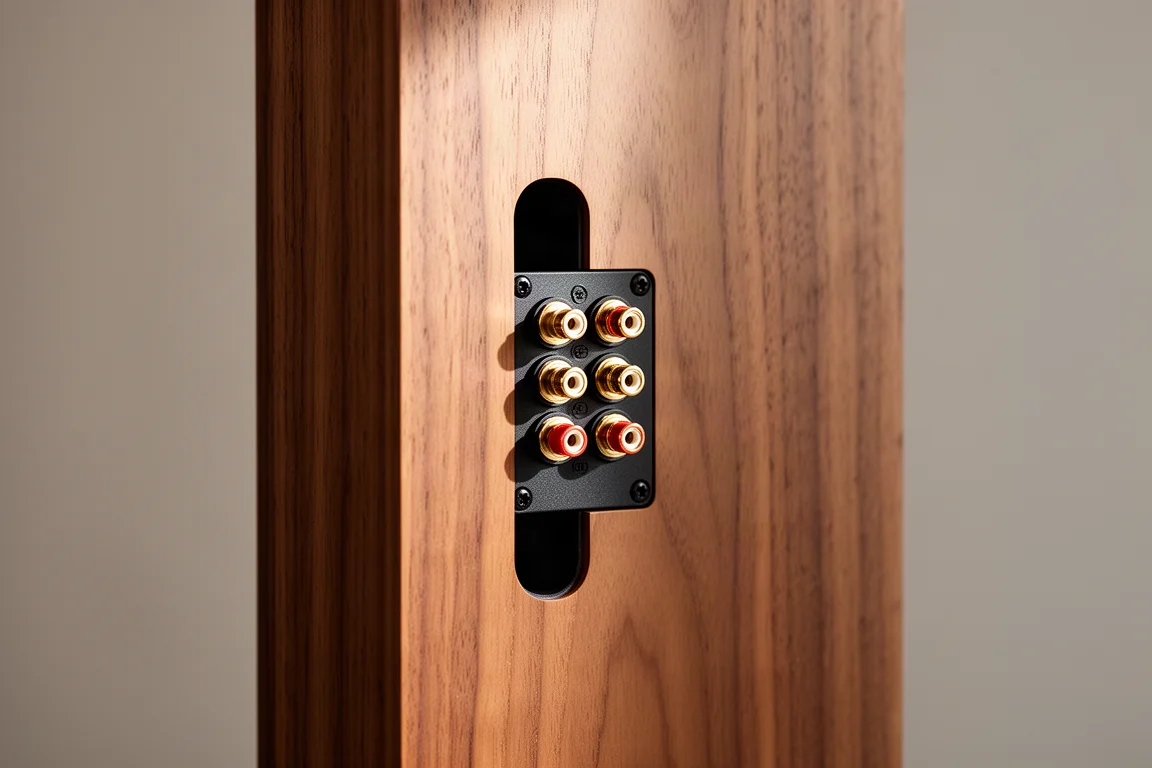
Aeroflex sits between those approaches, aiming for the extension and sensitivity benefits without the bulk of a labyrinthine cabinet. It is a design decision that shapes how the speaker behaves in a room, and it explains why the Mambo 2 can stay this narrow while still producing usable low frequency output.
Main Strengths: Midrange Clarity and Tonal Accuracy
Midrange performance is the strongest argument for this speaker. Listening to individual notes, you hear a clear attack, body and release, the three stages mixing engineers listen for. If there is distortion in that region, transients soften and decays become veiled or curtailed. That does not happen here. The midrange is as clean as anything around this price, and it stands comparison with the ATC SCM19 and the ProAc Response 1SC on that specific measure.
The presentation differs between those designs. The Mambo 2 tells it like it is, closer in character to the ATC SCM19, rather than adding the extra harmonic richness and body that some listeners prefer. Judgements about tonal accuracy depend on listening to a lot of vocals and acoustic instruments, and the Mambo 2 holds up under that scrutiny.
Treble and Bass Performance
The Seas Sonolex tweeter handles the upper registers with a light touch. Brightness, sibilance and aggression are absent, and the highs have an airy, ethereal quality that the best tweeters manage.
Bass lines are tight and nicely extended. Given three drivers in total, including one dedicated to the region below 200 Hz, the expectation might be for more bass weight, and that expectation is where the speaker shows its limits. The Mambo 2 is dynamically a little challenged, particularly at lower listening volumes, and even small bookshelf speakers can deliver more weight and rhythmic drive in that scenario.
Soundstage width and depth are more than acceptable, and the location of instruments within the sound field is solid. What the speaker does not do is disappear and wrap the listener in a large, immersive field without effort. The performance has to be drawn out through positioning and partnering equipment.
Positioning and Amplifier Pairing
Start with the tweeters on the outside, which increases soundstage width. Exact placement depends on the room and its acoustics, but in practice the Mambo 2 worked well closer to the rear wall than a compact standmount reference, by around 15 cm or 6 inches, which augmented the bass nicely. Minimal toe-in also worked, widening the soundstage without blurring the central image, which is not always the case.
Amplifier matching matters just as much. A big, warm, lush sounding pre and monoblock combination spotlighted the midrange, with all the harmonic richness and timbral nuance the speaker can deliver. A leaner integrated amplifier, by contrast, produced a thin, slightly bright and occasionally harsh result, because its cooler midrange sat against the Mambo 2’s own revealing character rather than balancing it.
A more modest integrated amplifier with ample power and warmth in the midrange proved entirely sufficient, and a tube amplifier with a neutral tonal balance and muscular presentation added a little more rhythmic drive. Moving to larger amplifiers mainly adds scale, dynamics, space and timing, which is not where this speaker’s strengths lie.
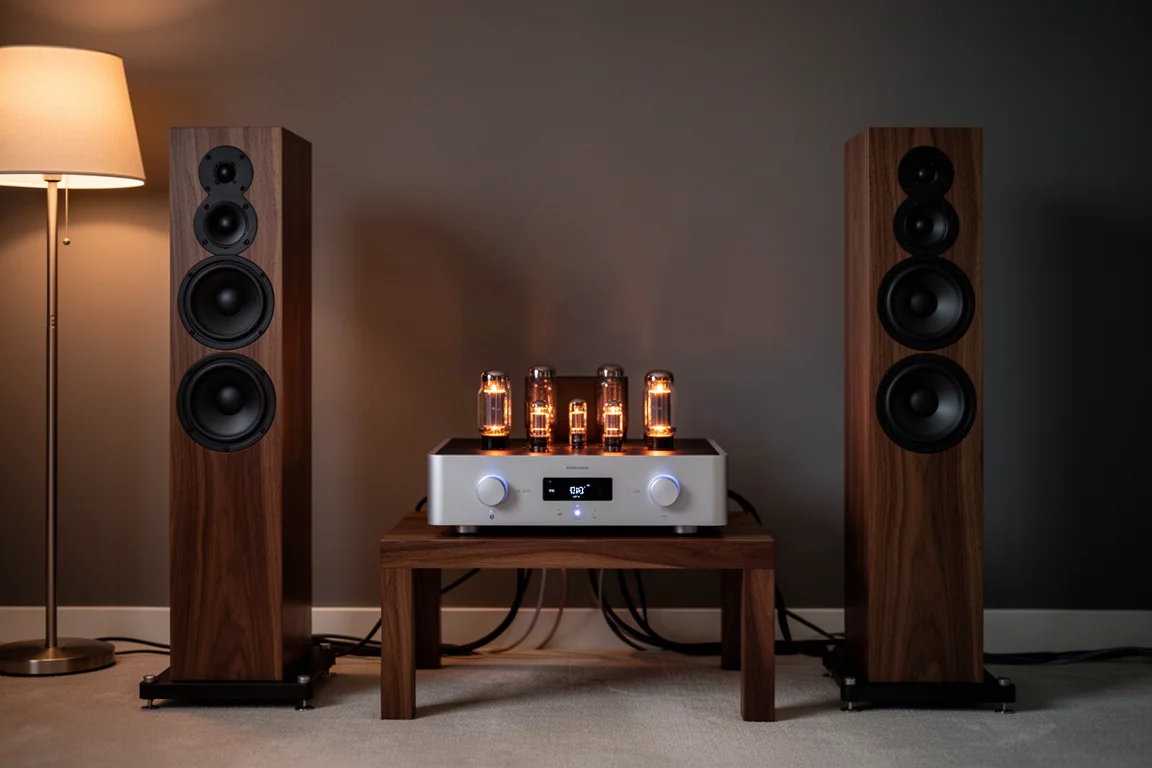
The practical conclusion is that the Mambo 2 wants a partner with warmth and transparency in equal measure, not simply more power.
Things to Consider Before Buying
The sense of scale and dynamics is limited, and that becomes most obvious at low listening volumes. Anyone who listens at around 65 dB or below, perhaps late at night and close to the speakers, may want to look elsewhere.
This is also not a speaker that performs at its best dropped into any system in any position. It needs sensible placement and a sympathetic amplifier, and the results vary considerably depending on both. Buyers should expect to spend some time on setup.
Availability is another consideration. Ophidian is a small British manufacturer with limited distribution worldwide, and in the UK the brand is sold through a handful of dealers. That can make auditioning and servicing less convenient than with larger brands, though the company has been established for around a decade.
Buying Advice
The Mambo 2 makes most sense for a listener with a small or medium sized room who listens at moderate levels, roughly 65 to 80 dB, and who values a clean, honest midrange above bass weight and dynamic scale. Partner it with an amplifier that has warmth in the midrange and enough power on tap, place the tweeters to the outside, allow it to sit reasonably close to the rear wall, and keep toe-in minimal.
If that describes your room and your listening habits, this is one of the most detailed, refined and natural sounding speakers available for around £2,000, and it deserves an audition before you settle on anything else at the price.
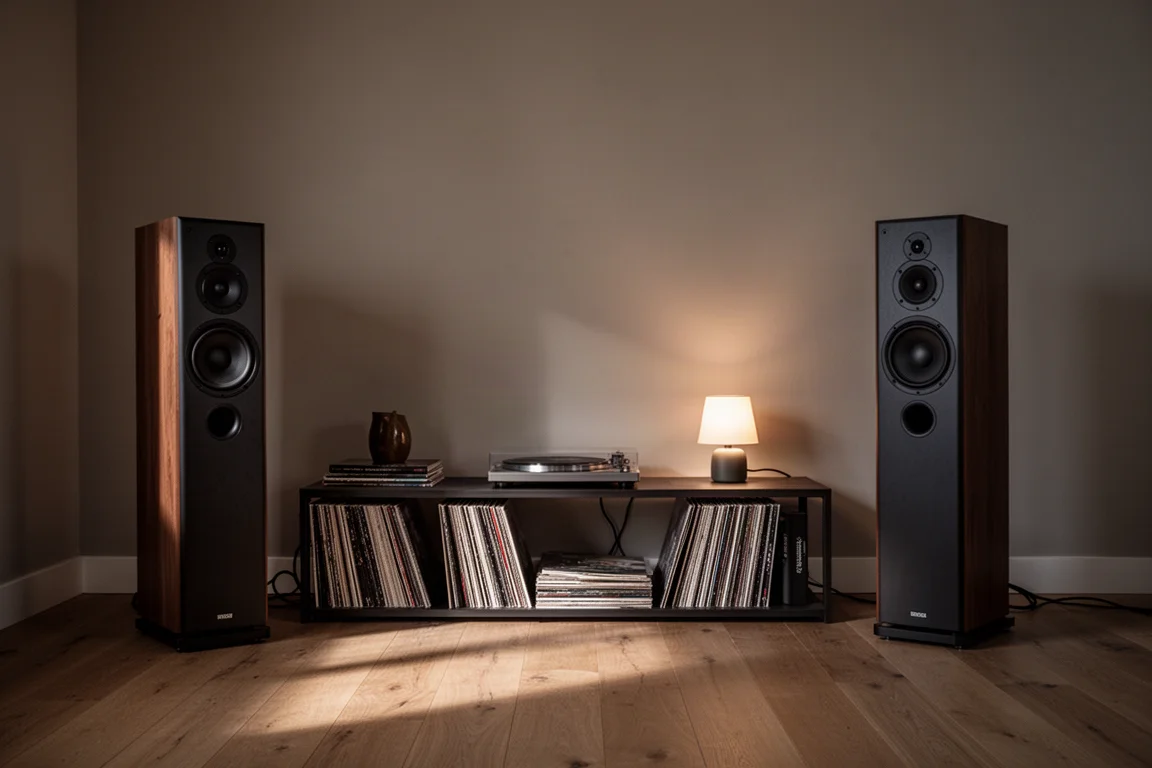
Approach it as a system-building exercise rather than a simple purchase, and the rewards are a midrange and treble performance that few rivals at this level can match. Approach it as a speaker to drop into an unknown setup, and its limitations will be the first thing you notice.
Conclusion
The Ophidian Mambo 2 is an innovative design from a small manufacturer, and it earns attention on sound quality rather than novelty. Its concealed third driver and Aeroflex bass loading let a genuinely slim floorstander deliver tight, extended bass without the bulk of a transmission line cabinet. Its midrange clarity and tonal accuracy stand with the best speakers around £2,000, and its tweeter avoids the brightness that spoils so many designs.
The trade-offs are real: limited scale and dynamics, particularly at low volumes, and a clear need for careful positioning and amplifier matching. For the right room, the right listening level and the right partner, it comes highly recommended.
Link do produktu
Zobacz więcej szczegółów: Ophidian Mambo 2
Ten produkt jest wymieniony w tej recenzji. Przed zakupem sprawdź specyfikację, dostępne warianty i kompatybilność.
Zobacz więcej szczegółów: Ophidian Mambo 2