Polski · Hot Tents
One Tigris Cocoa Nest Review: A Backpackable 4-Season Hot Tent With One Big Catch
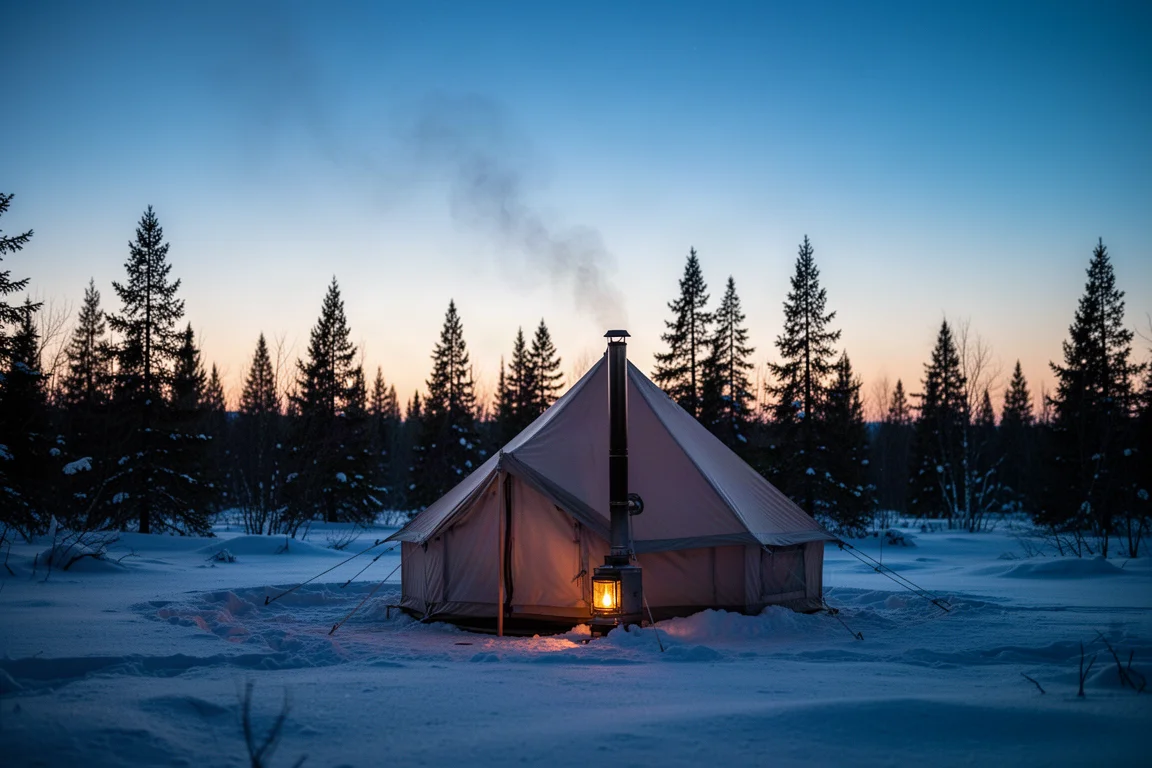
A four-season, one-person hot tent with an included stove jack, a 3000 mm waterproof rating, and a packed size that fits a backpack, plus a serious limitation in the bundled inner tent.
Introduction
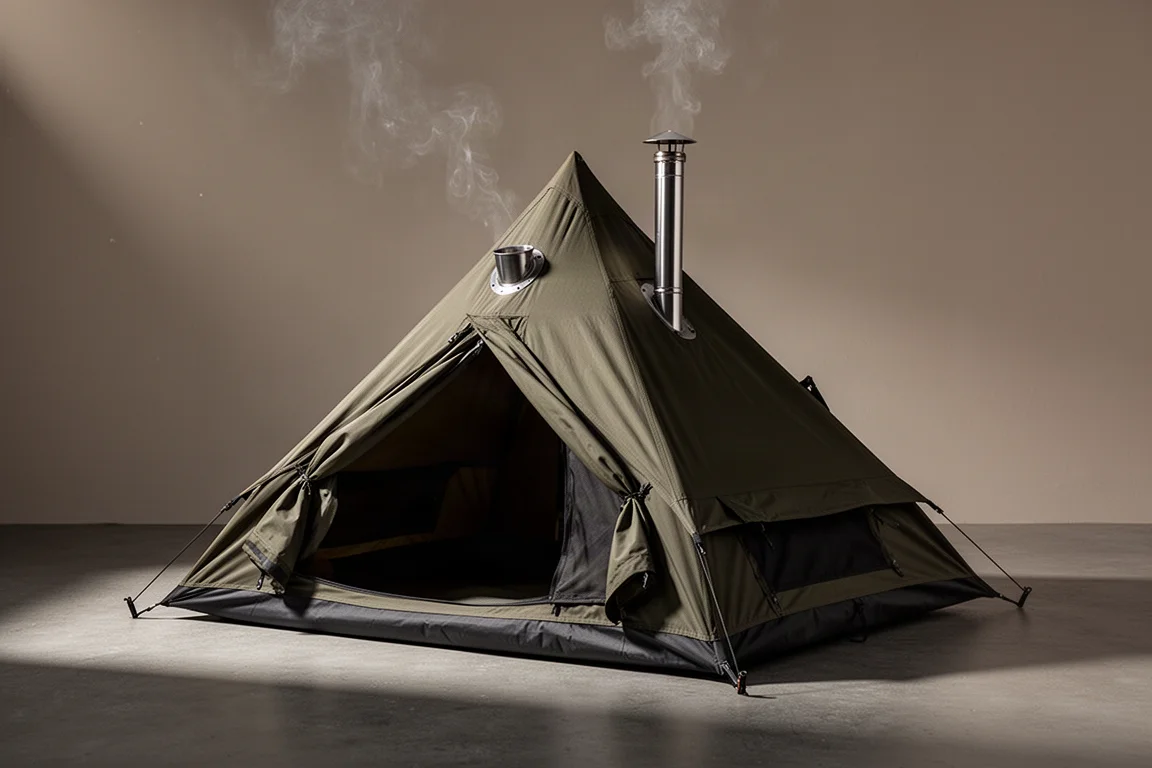
Cold-weather camping asks a lot from a shelter. Snow, ice, and condensation all work against lightweight fabrics, and the usual answer is a hot tent with a stove jack. The One Tigris Cocoa Nest is a four-season, one-person hot tent built around exactly that idea, and it arrives at $230 with a packed size of just 21.7 in by 7.9 in. That combination of a stove-ready shell, genuine cold-weather construction, and backpackable dimensions is uncommon at this price. The complication is not the outer tent. It is the inner.
Who This Tent Is For
The Cocoa Nest is aimed at campers heading out in cooler and colder months, where a stove is useful and insect pressure is minimal. It is a one-person shelter with a single stove jack and a single vent, and its packed size is small enough to slide into a typical backpack. It suits someone who wants a warm, stovable space for late-fall and winter trips, and who is comfortable with a shelter that prioritizes weather protection over light weight. It also suits a camper who expects to sleep directly in the outer tent rather than in the bundled inner.
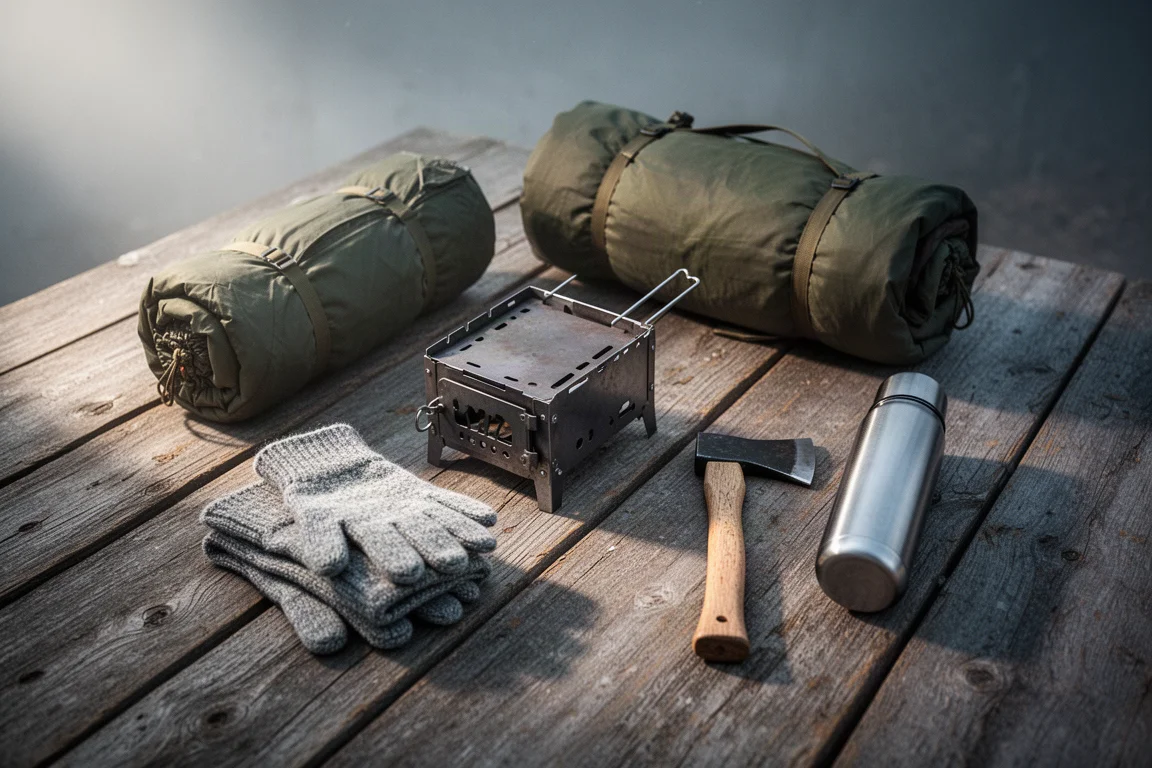
At 7.5 lb, the weight is a reasonable figure for a four-season tent of this size, and the packed form factor is one of the most impressive things about the system. That pairing is what makes the tent worth a closer look for cold-weather backpacking.
What Comes in the Box and How Setup Works
The package includes a storage bag, the tent body, three tent poles, six guy lines, twelve tent stakes, and the stove jack. The shelter rolls into a bundle with a roll-top closure and two cord compression straps. Two additional fabric compression straps are also included, though they are not the most useful items in the kit and many owners will simply set them aside.
Setup is straightforward. The poles go together fastest when assembled vertically rather than horizontally, and the tent uses sleeves that are sewn closed at one end with cups at the other, so the pole path is unambiguous. On a difficulty scale where 10 is hardest, this one sits around a 3. It can be pitched solo without much effort.
The sleeves are not a cosmetic detail. Because this is a four-season tent meant for cold conditions, the sleeves keep ice from forming on the poles and help prevent pole sections from freezing together.
Main Strengths: Materials, Weather Protection, and Packability
The rainfly is 40D ripstop nylon, and the inner floor is 75D polyester. Both carry a 3000 mm hydrostatic head rating, which is the waterproof figure. The zippers are YKK, and they run smoothly throughout, including the main doorway, which uses four zippers so the door can be opened in several configurations or left partly open to vent.
The stove jack port rolls back and ties off, and the stove jack itself is included rather than sold separately. Inside, a corner pocket gives the door somewhere to live when it is open, and the inner tent adds two mesh pockets.
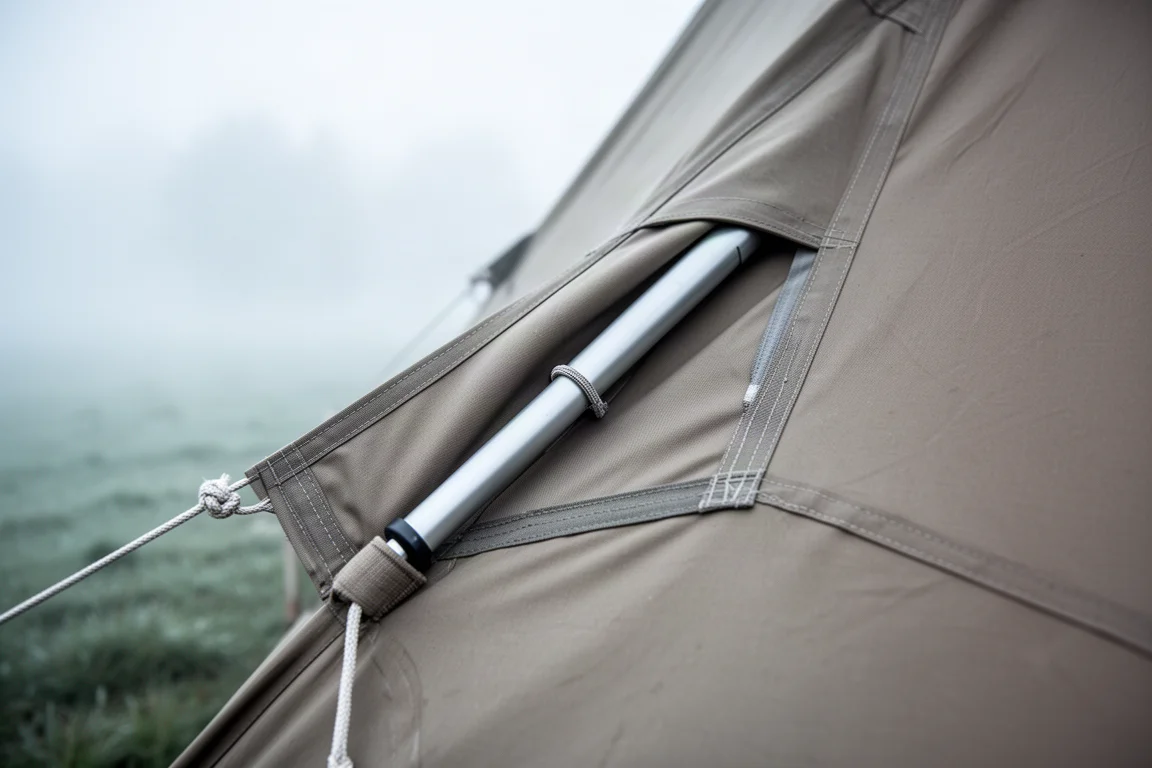
Build quality is a clear strength. Stitching, seams, and seam tape are all cleanly executed, and the tent reads as a well-made piece of gear rather than a budget compromise. The main door and the inner door are both large, so getting in and out is easy in either configuration.
The Inner Tent Problem
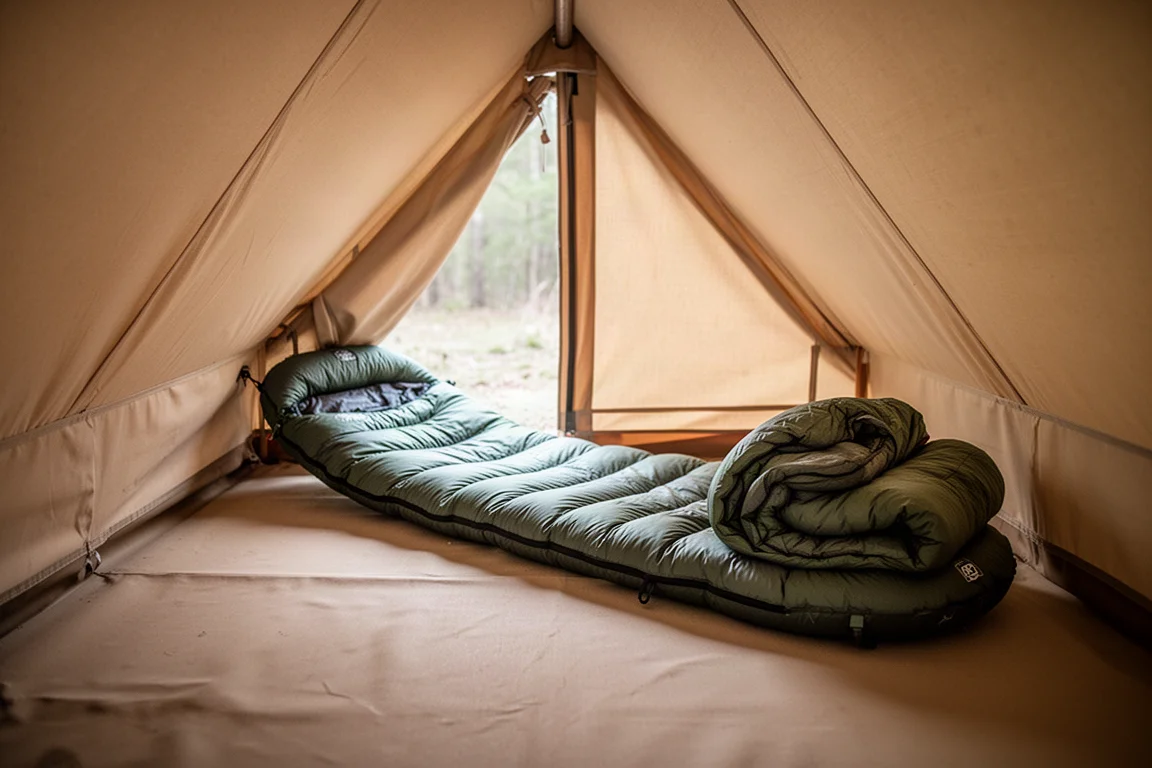
This is where the Cocoa Nest runs into trouble. The inner measures 65 in, or 5 ft 5 in, from wall to wall, with a maximum height of 50 in and a widest width of about 36 in. It is shaped like a partial octagon rather than a rectangle, which means the usable floor area is smaller than the headline numbers suggest.
For anyone taller than 5 ft 5 in, lying down in the inner means feet against one wall and head against the other. A sleeping pad only fits if it is placed diagonally, and even then it does not sit flat, because one edge rides up against the wall. The sleeping bag extends past the pad, so it contacts the fabric and picks up condensation. Only a standard mummy-style pad has any chance of fitting. Rectangular pads, extra-long pads, and extra-wide pads will not work.
One Tigris states that pre-production testers measuring 6 ft, 5 ft 10 in, and 5 ft 7 in tried the inner, and that the 6 ft tester found it cramped. That account is consistent with the measurements taken inside the tent.
How the Tent Works Without the Inner
Remove the inner and the shelter changes character entirely. The livable space measures about 93 in at its widest point, tapering to roughly 52 in wide, with a maximum height of about 54 in. There is enough room for a full-size cot, a stove, firewood, a chair, and a table, and the interior is large enough that sound carries inside it.
The trade-off is protection. Without the inner, there is no bug netting, so this configuration makes sense for very cold trips or for campers who are simply not bothered by insects. The inner can also be removed and stored on its own, since it attaches with two zippers.
Things to Consider Before Buying
The single biggest question is whether you can use the inner at all. For most people the answer is no, which means the practical version of this tent is the outer shell alone.
That has knock-on effects. You lose bug protection, you may want to experiment with a third-party inner, and you should think carefully about your sleeping setup before committing. The tent also weighs 7.5 lb, which is light for a four-season hot tent but still a load to carry, and the design rewards campers who plan to stay put rather than move every day.
Practical Ways to Make It Work
Used as a shell, the Cocoa Nest is a capable cold-weather shelter. Pitch it for winter trips, run a stove through the jack, and treat the interior as a small living space rather than a sleeping pod. The space supports a cot, a chair, a table, and a supply of firewood without feeling crowded.
If bug protection matters to you, plan on sourcing your own solution, since fitting a different inner would take trial and error. Campers who only venture out in genuinely cold conditions may not need netting at all.
Buying Advice
At $230, the value calculation depends entirely on how you intend to use the tent. If you want a backpackable four-season hot tent with a stove jack included, a 3000 mm waterproof rating, YKK zippers, and room for a cot and a stove, the Cocoa Nest delivers a lot for the money once the inner is removed.
If you need a sleeping space with bug protection built in, this is not the shelter to buy. The inner is too small for most adults, and the design does not leave much room to work around that. Buy it for the shell, not for the bundle, and make sure your sleeping pad is a standard mummy shape before you commit.
Conclusion
The One Tigris Cocoa Nest is a well-built, genuinely packable four-season hot tent with strong materials and a very approachable price. Its inner tent, however, is too small for most people to sleep in, which turns an otherwise capable shelter into a shell-only proposition. Campers who want a stovable winter base camp and do not need bug protection will find plenty to like. Campers who need an enclosed sleeping inner should look elsewhere.
Link do produktu
Zobacz więcej szczegółów: One Tigris Cocoa Nest
Ten produkt jest wymieniony w tej recenzji. Przed zakupem sprawdź specyfikację, dostępne warianty i kompatybilność.
Zobacz więcej szczegółów: One Tigris Cocoa NestWięcej do przeczytania
Powiązane recenzje

Hot Tents
Pomoly Hot Tent Review: Duży tipi namiot na zimowe kempingowanie
Przestronny namiot tipi z piecem, wysoka sylwetka, regulowane punkty mocowania i kilka praktycznych uwag dotyczących szpilek oraz kondensacji propanu.
Campfire Cooking
Jungle Stix Bamboo Marshmallow Roasting Sticks Review: Disposable Convenience at the Campfire
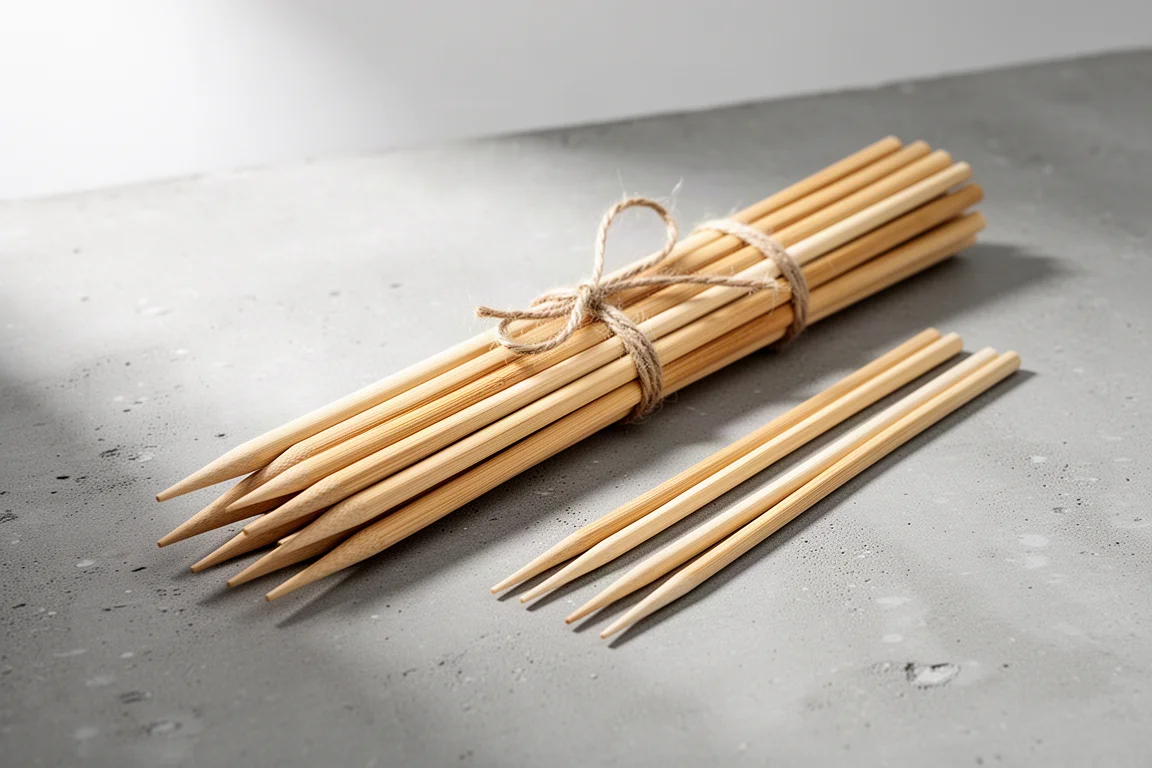
Zestaw 110 patyczków do pieczenia z 100% bambusa, stworzony z myślą o zerowym sprzątaniu. Oto jak radzą sobie z piankami, hot dogami i cięższym gotowaniem przy ognisku.
Camping Tents
Kacadoo Blackout One-Person Cot Tent – recenzja: szybki montaż, jasne ograniczenia
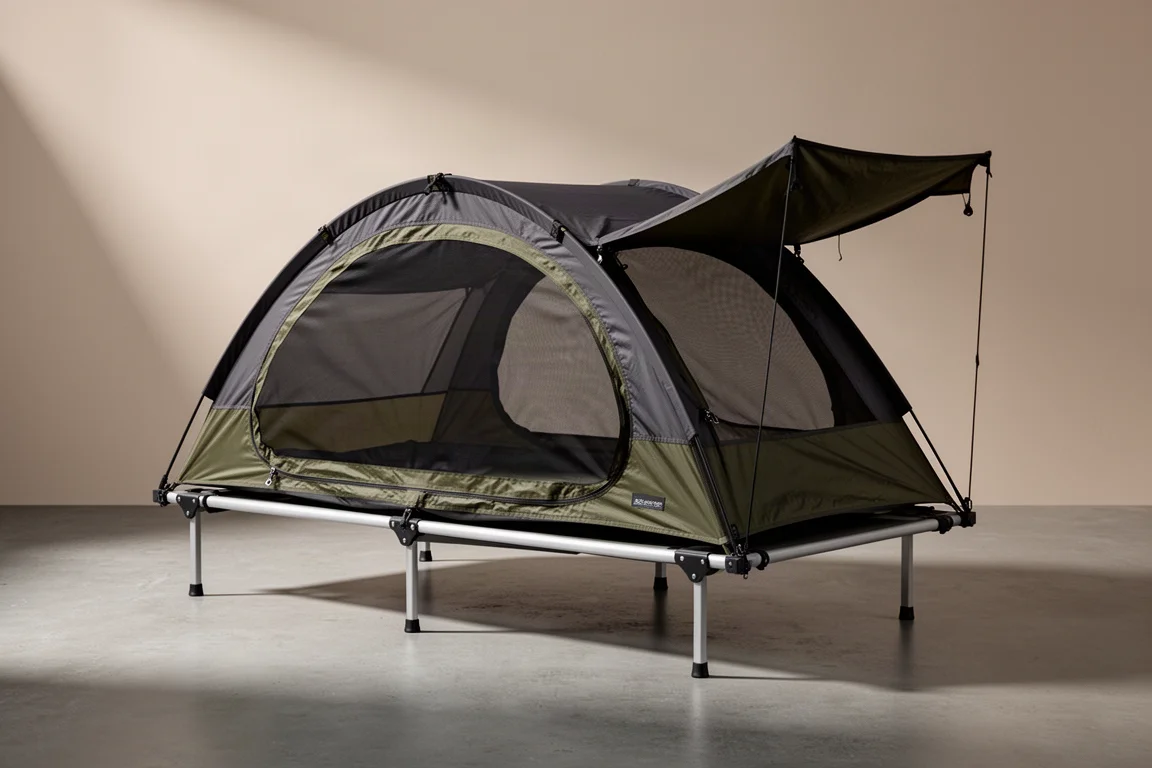
Australijski swag tent z natychmiastowym montażem, który wynosi Cię nad ziemię i doskonale oddycha, gdy jest otwarty, ale zaczyna zawodzić, gdy tylko pojawi się deszcz.