Polski · Headlamps
Nitecore UT27 Headlamp Review: Ultralight Build, Limited Real-World Output
A 2.7-ounce headlamp with spot, flood, and red LEDs that shines around camp and in a tent, but struggles once you need to read terrain at speed.
Introduction
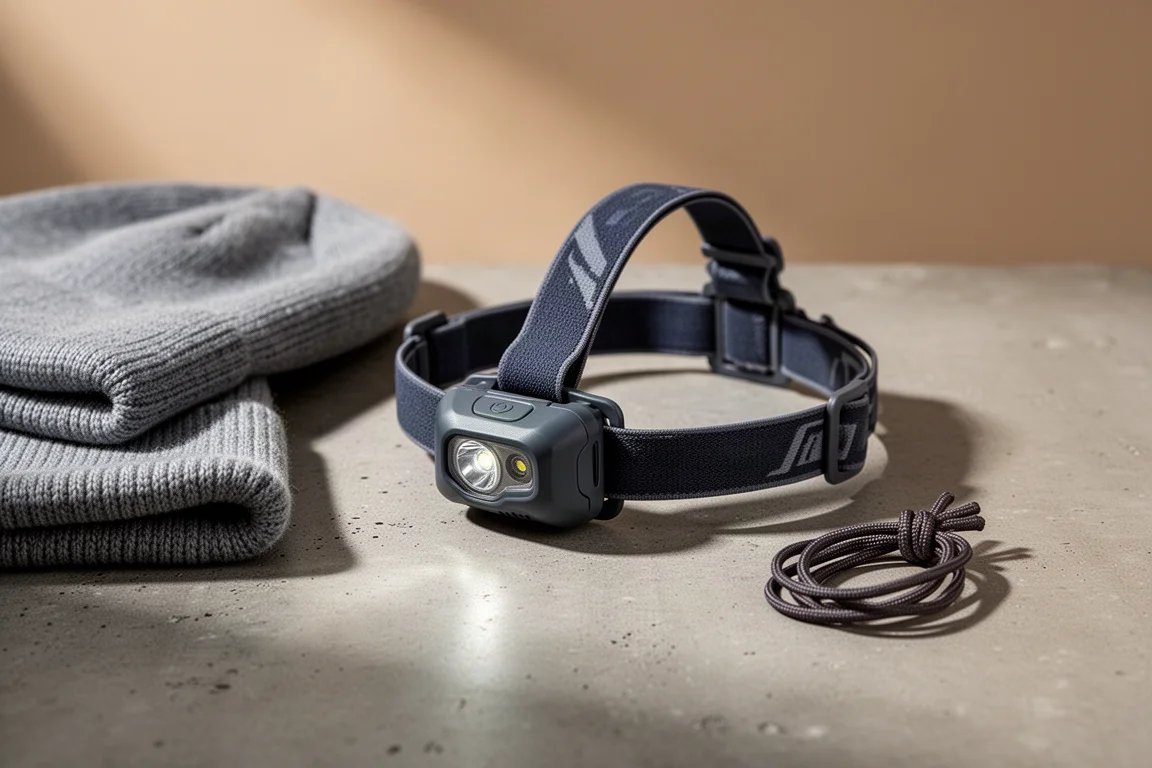
The Nitecore UT27 is an ultralight headlamp built for people who count grams: hikers, backpackers, and runners who want a small light that stays comfortable on the head for hours. It carries three light sources, a spot beam, a flood beam, and red LEDs, and it weighs 2.7 ounces with the battery fitted. It sells for around $55, and bundles that add a spare battery cost more.
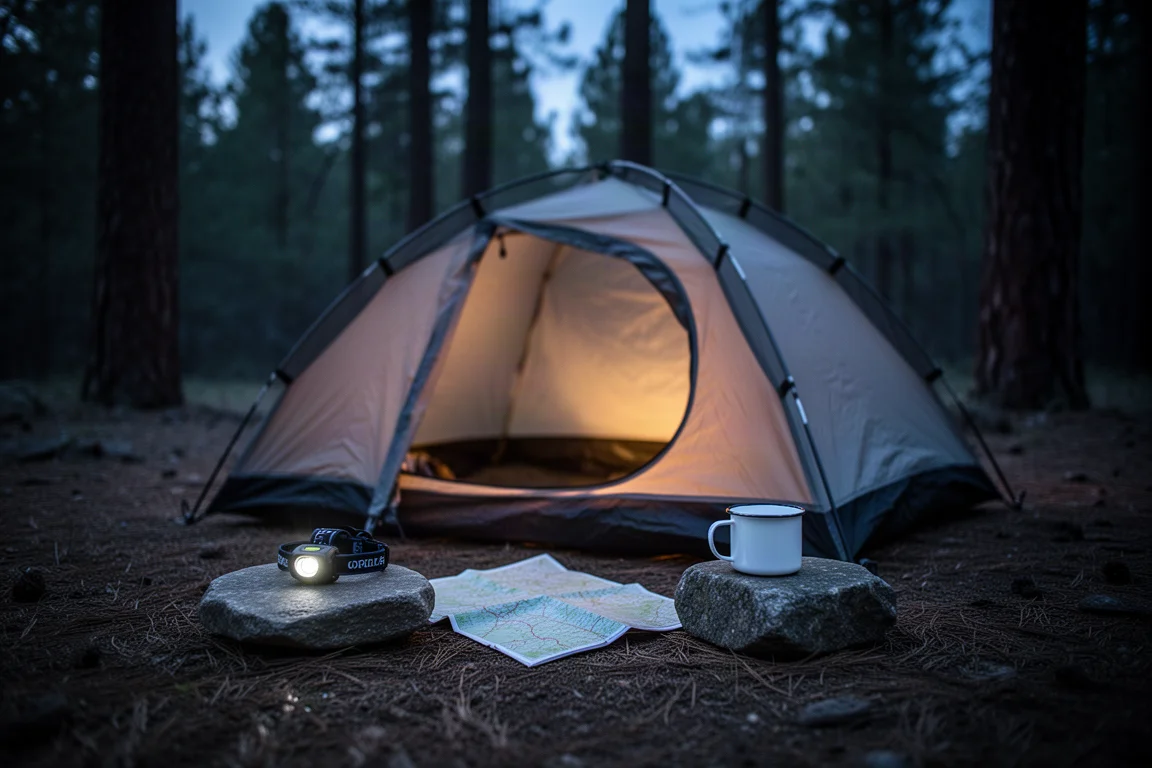
On paper the feature list looks complete. In practice, after roughly a month of evening hikes, camp evenings, and trail runs, the UT27 turns out to be a light with a fairly narrow set of situations where it makes sense. This review covers what it does well, where it falls short, and who should think carefully before buying.
Who This Headlamp Is For
The UT27 is designed around low weight rather than maximum output. Nitecore positions this class of headlamp for hiking, backpacking, running, and general camp use, and the hardware reflects that: a plastic body, a fully adjustable head strap, and a silicone band that runs along the inside to hold the light steady.
That combination makes it a reasonable choice for sitting around camp, cooking, reading in a tent, or moving slowly on easy ground. It is much less convincing once the terrain asks for detail, speed, or distance. If your evenings involve technical trails, fast descents, or riding, the output here is likely to feel like a compromise rather than a tool.
Main Strengths
Weight is the headline. At 2.7 ounces with the battery installed, the UT27 largely disappears on the head, and the headband is comfortable enough that you stop noticing it. Even when the light is angled, it stays put, and running produces very little bounce.
The controls are simple and easy to learn. Two buttons sit on top: one for the spot or throw beam and one for the flood or wide beam. Pressing the alternate button swaps between them, so you can move from spot to flood without cycling through menus. The red LEDs are a genuinely useful addition, offering a 16-lumen red output plus a flashing red mode for low-light tasks around camp, and the body has a lockout mode that prevents accidental activation in a pack.
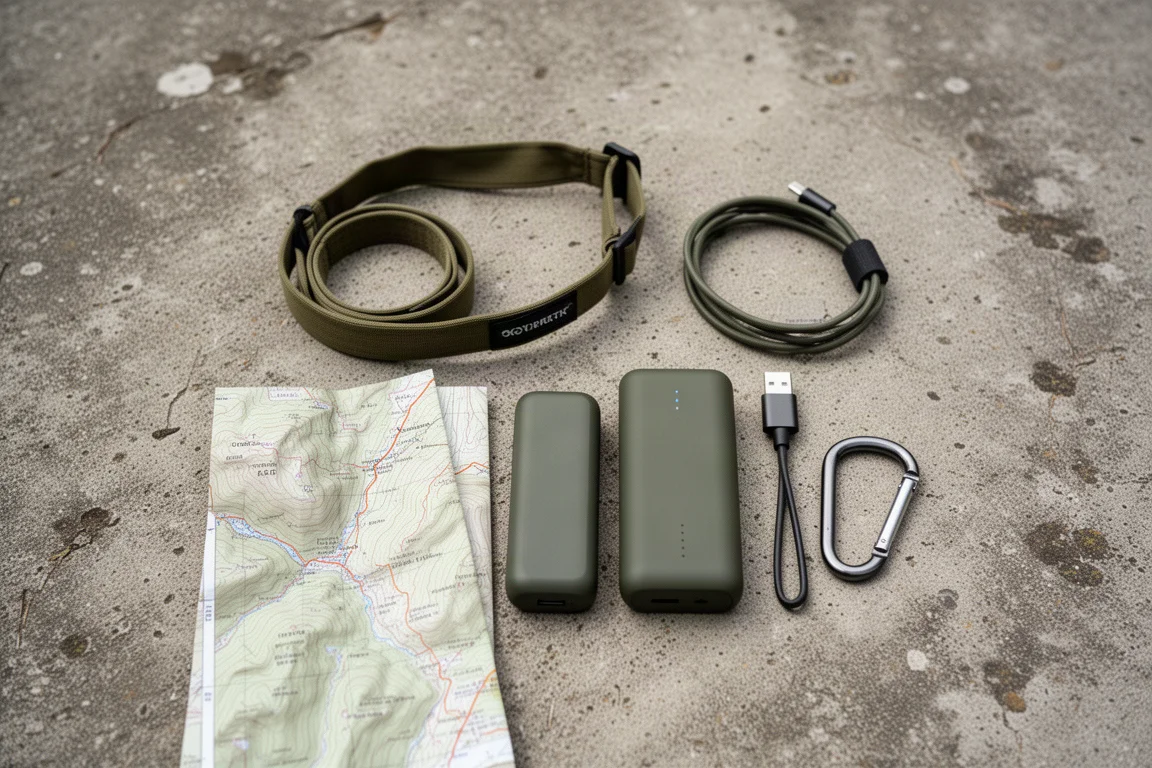
The battery is user-replaceable, which matters on longer trips. It comes out and goes back in without tools, and a spare cell costs around $10. The headlamp also has a power level indicator that reports remaining charge, and the whole package feels thoughtfully laid out even though the materials are modest.
Battery, Charging, and Controls
The UT27 runs on a removable 1,300 mAh lithium-ion battery that charges through a USB port on top of the housing, using the included USB to USB-C cable. In a pinch you can run the headlamp on AAA cells instead, though runtimes in each mode are a few hours shorter than with the rechargeable pack.
The body is IP66 rated, so it can survive a drop of roughly a meter and exposure to rain. It should not be submerged. The head tilts through roughly 90 degrees, from straight ahead to straight down, so you can aim it at your feet or at the trail in front of you. It cannot be angled upward.
Output is split across several modes. The spot beam offers 400 and 200 lumens. The flood beam offers 200 and 55 lumens. Turbo reaches 520 lumens with both emitters running at high, but it only holds for 30 seconds before one of the LEDs drops out. A short press on either button while the headlamp is off checks the battery: three flashes above 50 percent, two flashes below 50 percent, and one flash below 10 percent. Holding both buttons locks the headlamp, and repeating the press unlocks it.
Beam Quality and Real-World Visibility
The two beams do not match each other in color. The spot beam renders an extremely warm yellow-orange tone, while the flood beam is a cool white. That gives the UT27 two opposite lighting characters rather than one consistent beam.
In full darkness the warm spot colors the entire scene, and that is where the trouble starts. Rocks, roots, and patches of ice take on the same yellow-orange tone as the ground around them, so edges and obstacles blend together. Detail is hard to read, and on faster terrain that becomes a real risk rather than an annoyance. The spot distance itself is not bad, but the detail inside that distance is limited by the tint.
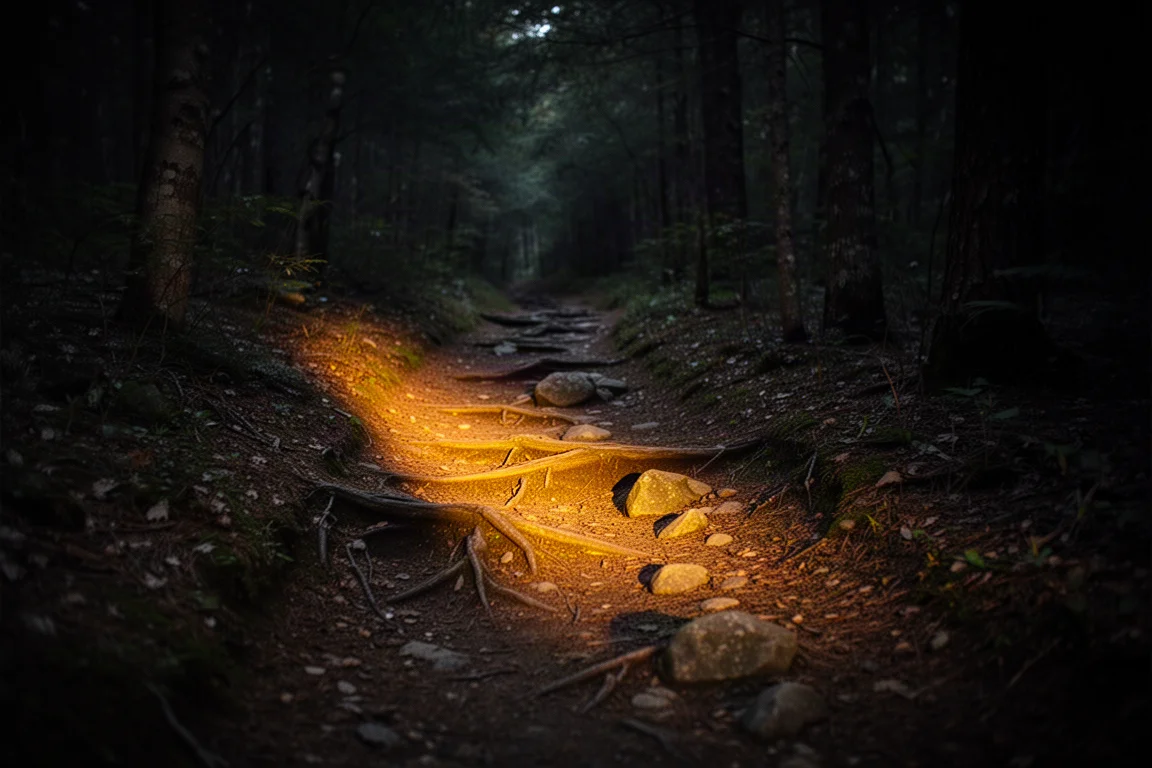
The numbers also read better than they perform. A 400-lumen spot and a 200-lumen flood sound adequate on paper, yet in practice both feel dim. During one evening hike, the light was not enough to focus on until conditions were fully dark, and turbo was the only setting bright enough to feel comfortable. Turbo combines both emitters at once, mixing the warm and cool beams into a muddy blend that does not help you see detail any better.
Things to Consider Before Buying
The included white diffuser bag is not bright enough to be genuinely useful as a diffuser. In practice it works as a carry bag and little else.
The housing is plastic and feels inexpensive in the hand. The quality is good and the low weight is the payoff, so this is a trade-off rather than a defect, but it is worth knowing before you order.
Turbo is limited to 30 seconds, which means the brightest setting is not something you can rely on for a long stretch of trail. It is a burst, not a mode.
It is also worth being cautious about night footage captured on camera. Lenses, sensors, and ISO settings exaggerate how far a light reaches, so recorded beams often look considerably brighter than the scene appears to the eye.
Finally, output is only comfortable when there is no ambient light left. In mixed conditions, with snow reflecting the beam or with dusk still in the sky, the UT27 leaves you wanting more. It is not a light to choose for trail running or biking, where you need to read terrain at speed.
Buying Advice
The UT27 makes sense for a specific buyer: someone who wants a very light headlamp for camp, for the inside of a tent, and for slow walking on familiar ground, and who values the red LEDs, the removable battery, and the AAA fallback. At around $55 it is a fair price for that package, and a spare battery at roughly $10 is an easy addition for longer trips.
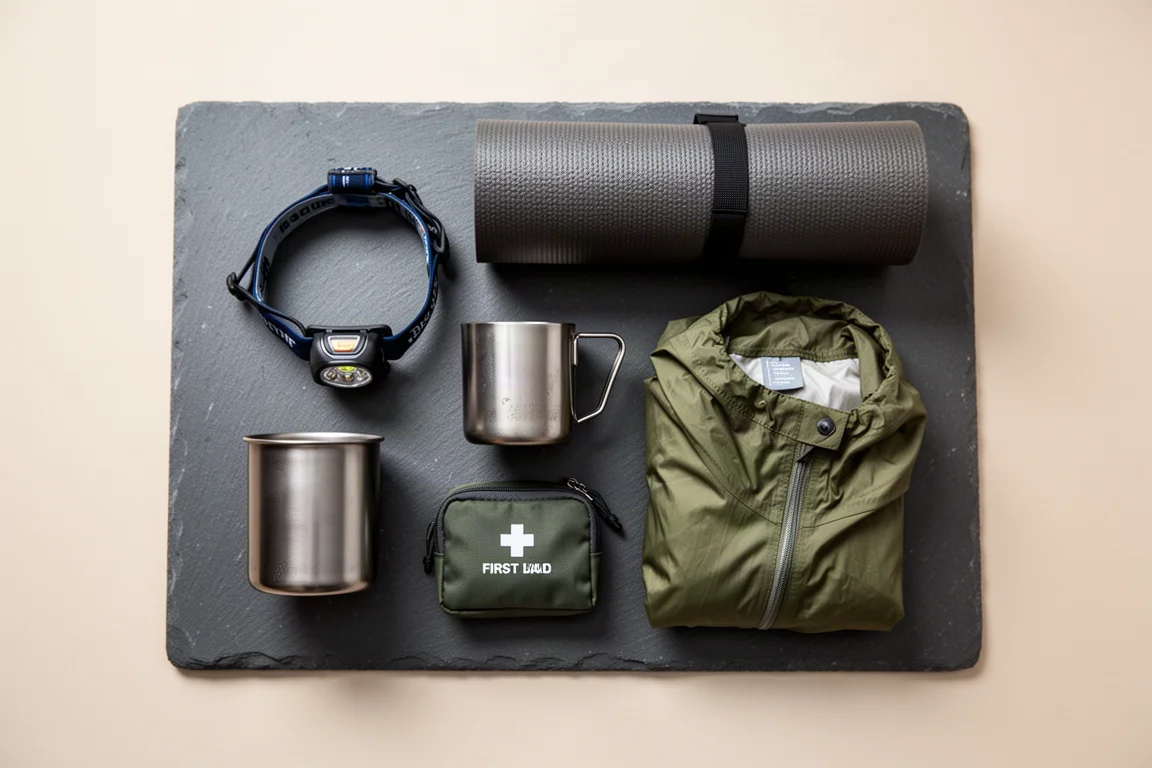
It makes much less sense if you need to see the ground clearly while moving quickly. Trail runners and riders are better served by something with more output, even if it is bulkier and heavier. Hikers who mostly walk in the dark on easy paths may find the UT27 acceptable, while anyone who wants to pick out roots, rocks, and ice at distance will not.
Conclusion
The Nitecore UT27 gets the physical design right. It is light, comfortable, stable, and simple to operate, with a sensible set of modes and an easily replaceable battery. Where it falls down is the part that matters most in the dark: usable light. The warm spot tint flattens terrain detail, the flood is dim, and the brightest setting lasts only 30 seconds.
For camp evenings, tent time, and gentle night walks, it does the job and stays out of the way. For anything that demands speed, distance, or sharp detail, it is the wrong tool. Buy it for its weight and convenience, not for its reach.
Link do produktu
Zobacz więcej szczegółów: Nitecore UT27
Ten produkt jest wymieniony w tej recenzji. Przed zakupem sprawdź specyfikację, dostępne warianty i kompatybilność.
Zobacz więcej szczegółów: Nitecore UT27Więcej do przeczytania
Powiązane recenzje
Headlamps
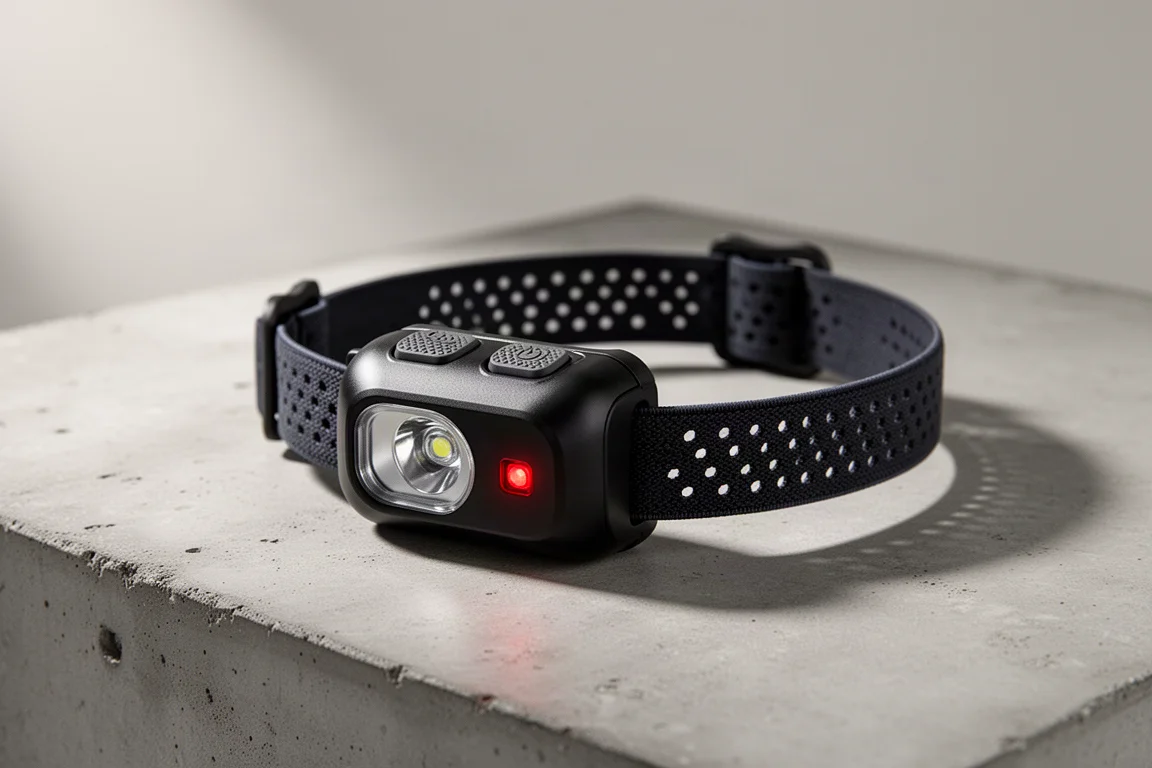
Recenzja Nitecore HA23: Lekka czołówka stworzona do przygód
Czołówka ważąca 56 g z oświetleniem MCT o regulowanej temperaturze barwowej, mocą 600 lumens i klasą szczelności IP68 w bardzo konkurencyjnej cenie.
Headlamps
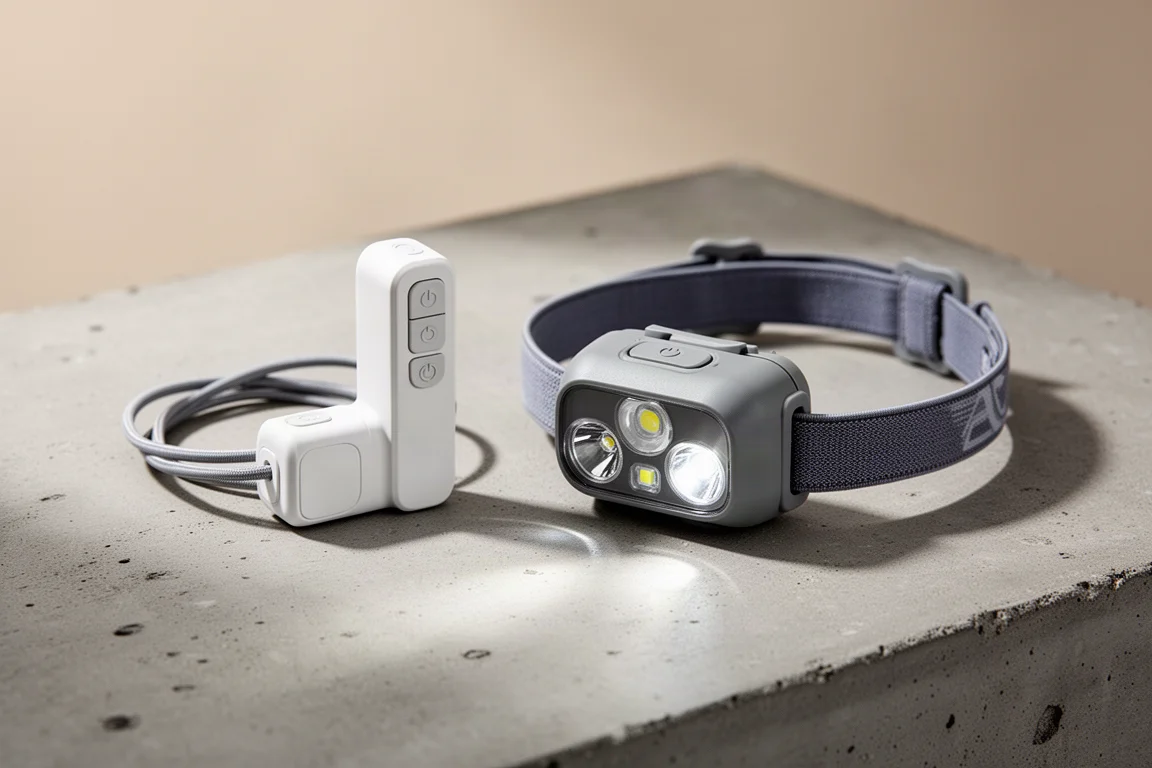
Nitecore NU20 Classic vs NU25: który minimalistyczny czolowy lampka zasługuje na Twoje pieniądze?
Nitecore wprowadza USB-C do swojego klasycznego, lekkiego czołowego lampka, a mocniejszy NU25 przesuwa granice jasności i czasu pracy. Oto jak te dwa modele się porównują.
Headlamps
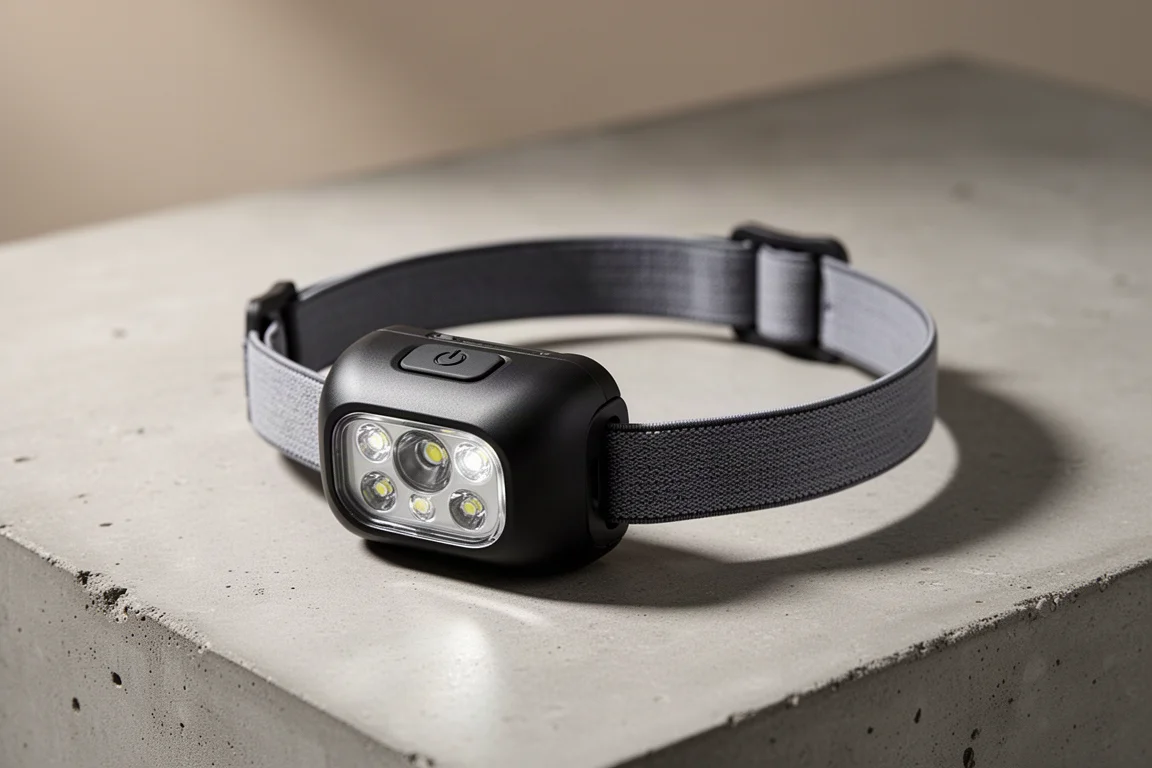
Recenzja czołówki Nitecore NU27: wielobarwna lampa o regulowanej temperaturze barwowej, która trafiła w punkt pod względem komfortu
Lekka czołówka o mocy 600 lumens z trybami białego ciepłego, neutralnego i zimnego, długi czas pracy do 57 godzin i przemyślany zestaw akcesoriów — z kilkoma dziwactwami interfejsu, które warto najpierw rozważyć.