Polski · Hi-Fi Speakers
Monitor Audio Silver 50 7G Review: Compact Speakers With Serious Resolving Power
A close look at the Monitor Audio Silver 50 7G, a compact standmount with C-CAM drivers, agile bass and clarity that belies its price.
Introduction
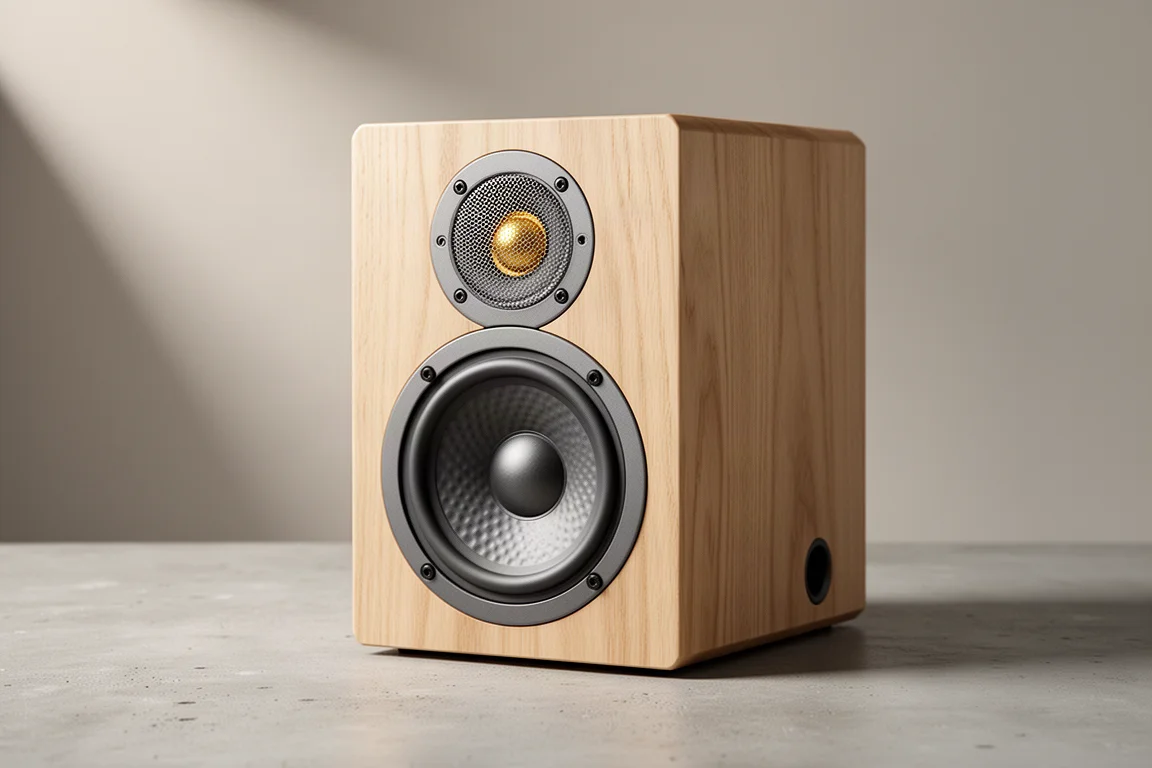
The Monitor Audio Silver 50 7G is the smallest standmount in the seventh generation of the company’s Silver Series, and it is an unusually interesting speaker to spend time with. It uses a coated metal alloy midwoofer and a metal dome tweeter, two design choices that often raise the expectation of a bright, forward presentation. The Silver 50 7G does not behave that way at all.
Priced at £699 in the UK, it is available in high gloss black, satin white and three wood veneer finishes, with no vinyl wraps anywhere in the range. The ash veneer in particular gives this compact cabinet a genuinely elegant look. At 282 by 165 by 272 millimetres and 5.6 kilograms, roughly 11.1 by 6.5 by 10.4 inches and 12.5 pounds, it is easy to place on a shelf or a small stand, and it is the kind of speaker that makes a compact room feel far less compromised than it usually does.
This article covers what the Silver 50 7G does well, where its limits sit, and how to get the best from it.
Design and Driver Technology
Monitor Audio has packed a fair amount of engineering into a small box. The 134 millimetre, or 5.25 inch, midwoofer uses a coated metal alloy cone made from a proprietary material the company calls C-CAM, and the 25 millimetre, or 1 inch, C-CAM gold dome tweeter uses the same material so that the two drivers hand over to each other consistently. The tweeter sits behind a protective metal grille and is mounted in a waveguide, and there is a flared port on the rear of the cabinet. Two sets of gold-plated binding posts allow bi-wiring or bi-amping.
C-CAM stands for ceramic coated aluminium magnesium, a technology originally developed for the aerospace industry to produce jet engine components. The aluminium magnesium alloy goes through a three-stage stress-relieving process to remove surface weaknesses and deformation, and the formed cone is then given a high-temperature anodic coating that adds a 50 micron layer of pure ceramic alumina. The result is an extremely rigid material that also dissipates heat like ceramic, which lowers the cone’s tendency to twist or flex under bending stress.
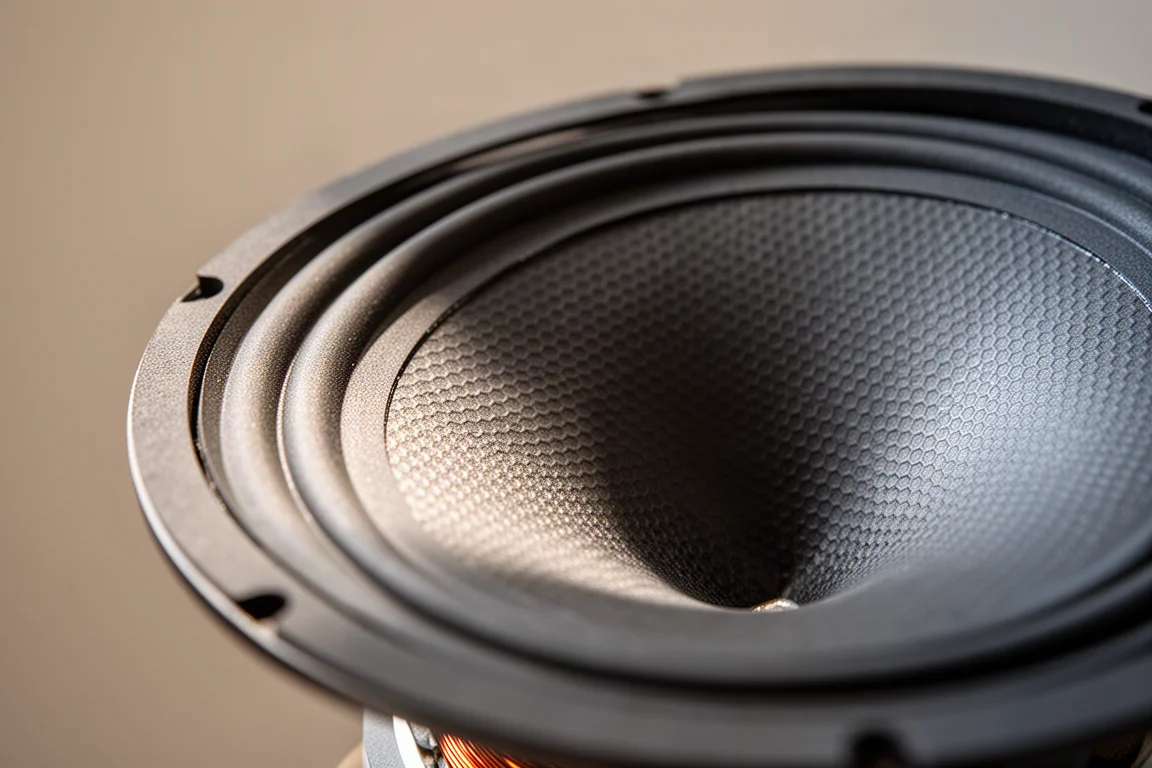
The midwoofer also uses Monitor Audio’s second generation Rigid Surface Technology, or RST2, which trickles down from the fifth generation Gold Series. The hexagonal dimpled profile of the cone is not purely decorative: it gives the cone a more rigid structure and helps performance at higher frequencies, which is exactly where metal cone drivers can exhibit unpleasant breakup modes if left unchecked. The surround has been optimised to damp the driver’s main resonance. The voice coil has grown from 25 millimetres in the sixth generation to 28.5 millimetres here for better power handling, and the main magnet in the motor structure is larger for tighter bass control.
The tweeter’s dispersion has also been reworked. The seventh generation Uniform Dispersion Waveguide incorporates a compression ring above the dome, which improves stability above 10,000 Hz for a flatter response and lower distortion.
Who the Silver 50 7G Is For
This is a speaker for listeners who value clarity, imaging and detail above bass weight. It suits small to medium rooms, close placement and anyone who sits within about two and a half metres, or roughly eight feet, of the speakers. Push the listening distance much beyond that and dynamics begin to suffer noticeably.
It also suits listeners who enjoy hearing deep into a recording. The leading edges of notes are sharply defined, instruments are laid out across a wide soundstage with precise imaging, and the speakers have a habit of disappearing as physical objects in the room.
It is less suited to anyone who wants a full-range sound from two boxes, or who listens at high volumes in a large space.
Main Strengths: Clarity, Imaging and Detail
The clarity on offer here is the headline. It bears no resemblance to the price. The mid-range and upper frequencies are highly revealing, not only of the fundamental notes in a recording but also of upper harmonics, which gives an astonishing sense of air. Crucially, this is achieved without any hint of aggression or brightness.
Objective listeners may well consider the tuning neutral, though a little more harmonic richness would help before calling the tone perfectly natural. That character trait is shared with the more expensive Amphion Argon1, so it is not a flaw unique to this speaker.
The soundstage is wide and precisely organised. Instruments occupy clearly defined positions, and the focus of the central image tightens up nicely with a small amount of toe-in.
Bass, Dynamics and Room Fit
The bass is agile and tight, but it is also limited in extension and weight. The Silver 50 7G rolls off at 47 Hz, and that figure is the minus 6 dB point. In practice there is not much happening below 50 Hz.
Adding a subwoofer is close to essential for anyone who wants a full-range result, since most recordings carry plenty of information in the 40 to 50 Hz region even when no instrument plays that low.
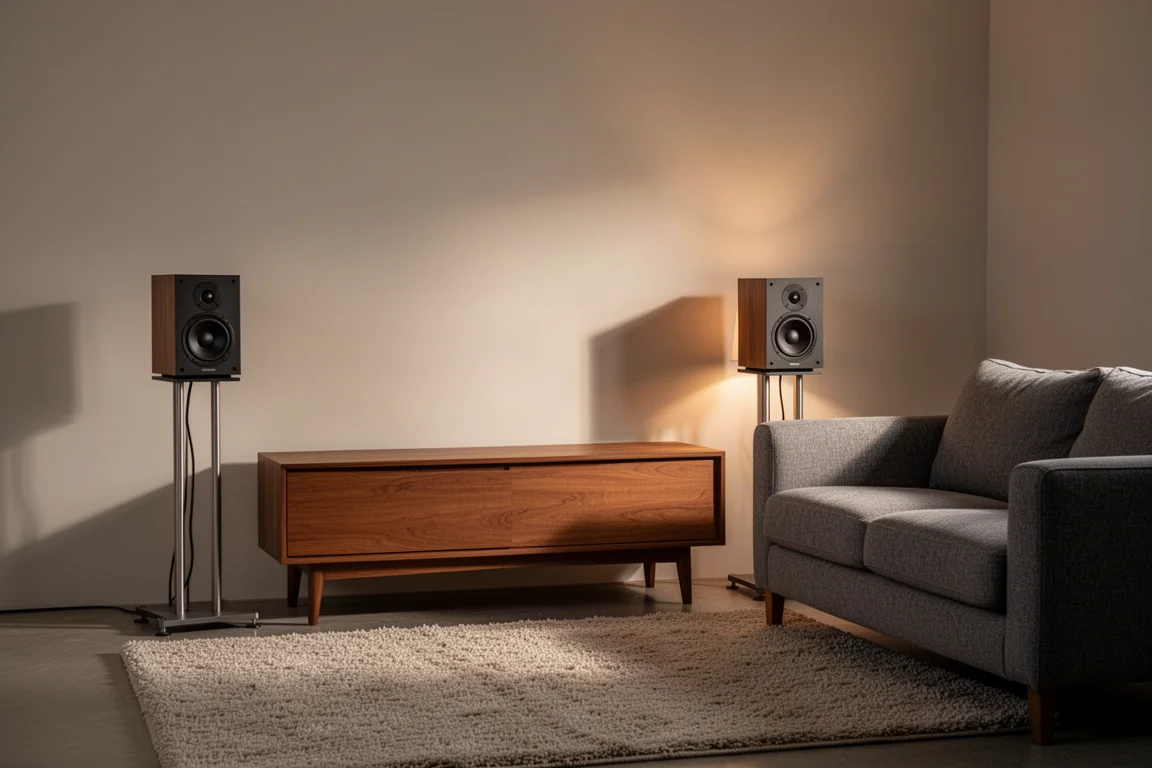
For a compact speaker, it is not fussy to position. It has been tuned to work well close to walls, and only a small amount of toe-in is needed to lock in the central image. Keeping early reflections in check by pulling the speakers out into the room improves clarity and lets them build a properly layered, three-dimensional soundstage.
Amplification and Matching
This is where the Silver 50 7G asks a little more of its owner. The sensitivity rating is 86 decibels and the impedance drops to 3.9 ohms, so it benefits from an amplifier with genuine current delivery rather than a modest power supply.
A 30 to 35 watt amplifier produced a fat, soft and flat result, with everything sounding compressed and lacking shape. A 50 watt per channel integrated selling direct for around £449 was an ideal starting point and proved that a powerhouse is not required. Moving to a more refined Audiolab integrated added clarity and polish, and for listeners who like to hear deep into recordings that combination is hard to beat for the money. Both the speaker and that amplifier lean analytical, so the pairing will not suit anyone chasing a classic warm British monitor sound from valve or warm solid-state amplification.
The speaker scales up well with better electronics. An Exposure 2510 power amplifier, which sells for £1,750 and includes a volume control and a phono stage, brought a touch of sweetness that balanced the character of the Silver 50 7G excellently. Even a Hegel H190, retailing at almost five times the price of the speakers, opened the soundstage a little further and improved dynamics, which says a great deal about how much this small speaker is capable of resolving.
How It Compares With Other Compact Speakers
Compared with the Sound Artist LS3/5A, which sells for a similar price, the Silver 50 7G gives up some bass weight. The LS3/5A is a shallower sealed design with the warm, rich mid-range that has always been its appeal, but in terms of pure fidelity the two are not close, and the Monitor Audio sounds like it belongs to a class above.
Against the ELAC Uni-Fi Reference UBR62, the differences are more about priorities than quality. The ELAC is a much larger speaker with bass punch that would embarrass some compact floorstanders and a warm tonality, but its upper frequencies are a little recessed. The Silver 50 7G is more revealing of recordings in the mid-range and of upper harmonics, and it manages that without tipping into brightness.
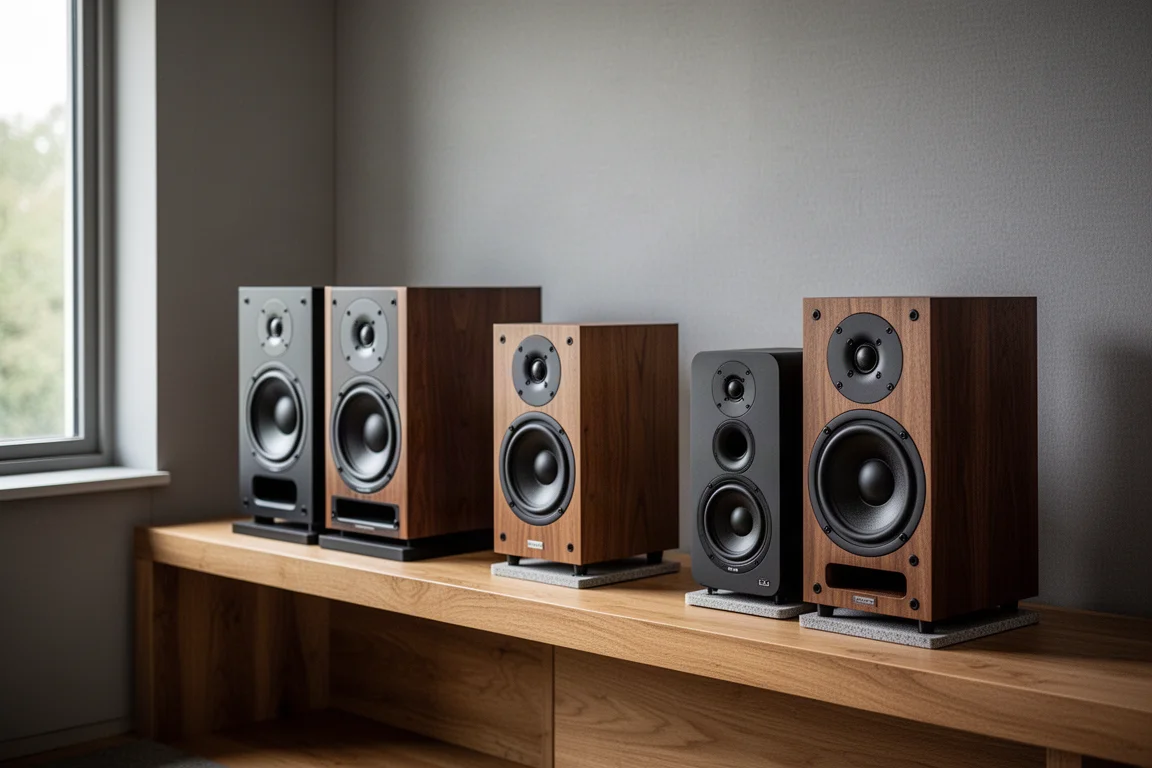
The Amphion Argon1 is a larger speaker at almost twice the price, with deeper bass and more impact. On mid-range, upper frequencies, soundstage and imaging there is hardly anything to choose between the two, although the Amphion is a little more open and less compressed sounding.
The Dali Menuet SE sits further up the range again, a couple of hundred pounds more than the Argon1 and a true nearfield monitor at roughly the £1,500 mark. It brings harmonic richness, timbral inflections and a stronger sense of the natural decay of notes, with more space between them. The law of diminishing returns applies, though, and for maximum value the Monitor Audio is the one to choose.
Things to Consider Before Buying
- Bass extension stops around 50 Hz, so plan for a subwoofer if you want full-range sound.
- With 86 dB sensitivity and an impedance minimum of 3.9 ohms, the speaker needs a capable amplifier rather than a budget one.
- It works best within about two and a half metres, or eight feet, of the listening position.
- The tone is neutral to analytical. Listeners who want a fuller, warmer mid-range may prefer an alternative, and the trade-off is usually a loss of clarity.
- Small speakers still sound like small speakers. Dynamics are limited compared with larger designs, and no amount of careful setup changes that.
Buying Advice
At £699, the Monitor Audio Silver 50 7G is class-defining in its own market segment. Its resolving ability lets it hang with speakers costing twice as much, and the real wood veneer finishes give it a level of visual polish that is rare at this price.
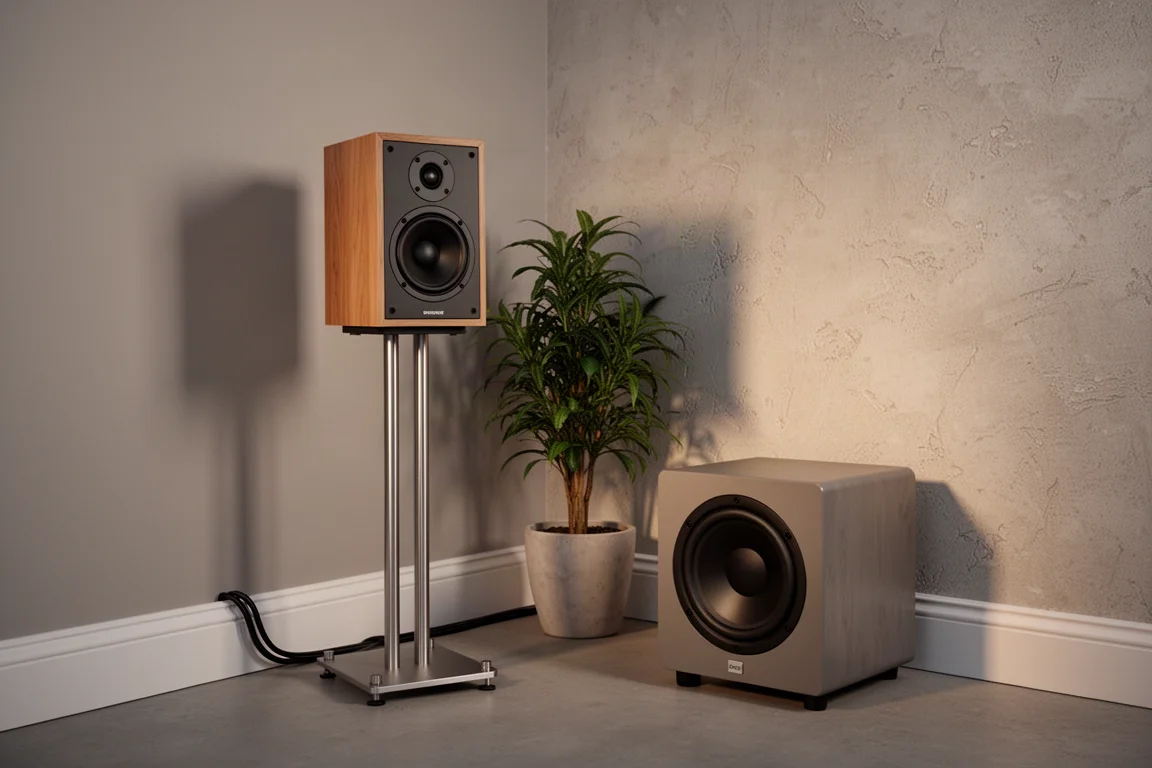
If you listen in a small to medium room, sit reasonably close, and value clarity, imaging and detail above bass weight, this is one of the easiest recommendations in compact hi-fi. Budget for a competent amplifier, and add a subwoofer if you want the bottom octaves properly filled in.
If your priority is a fuller, warmer mid-range or deep bass from two boxes, there are alternatives worth hearing. Just be aware that you are likely trading away a meaningful amount of clarity to get them.
Conclusion
The Silver 50 7G is an outstanding compact speaker. It does not bend the laws of physics: bass output and dynamic capability are limited, and a subwoofer is a sensible addition rather than an optional extra. What it delivers for £699 is a combination of clarity, imaging, driver engineering and cabinet finish that is genuinely difficult to argue with. In its own price bracket it sets the standard, and it is well worth building a system around.
Link do produktu
Zobacz więcej szczegółów: Monitor Audio Silver 50 7G
Ten produkt jest wymieniony w tej recenzji. Przed zakupem sprawdź specyfikację, dostępne warianty i kompatybilność.
Zobacz więcej szczegółów: Monitor Audio Silver 50 7G