Polski · Home Theater Speakers
JTR Noesis 210 HT Review: Horn-Loaded Output for Serious Home Theaters
A two-way horn-loaded home theater speaker with two 10-inch woofers, high sensitivity, and a directivity profile that responds unusually well to equalization.
Introduction
The JTR Noesis 210 HT is a two-way loudspeaker built around two 10-inch woofers in a sealed enclosure and a compression driver mounted on a large wooden horn. It is a 2022 model, and it is a behemoth. At close to 90 pounds, moving one is a two-person job, and planning where it lands matters more than it does with a typical tower.
This is a speaker designed around output and headroom rather than compactness or plug-and-play convenience. The sections below cover what it does exceptionally well, where its out-of-the-box balance may need help, and what to sort out before buying.
Who the JTR Noesis 210 HT Is For
The Noesis 210 HT is aimed at home theater owners who want very high output with low distortion. The horn is loaded down to about 700 Hz, which is where the crossover sits, with a 60 by 60 degree coverage pattern. Average sensitivity measures around 92.5 dB, so it reaches loud levels without enormous amplifier power, but impedance dips to roughly 3 ohms between 100 Hz and 200 Hz. A dedicated power amplifier is the sensible requirement here, and running this speaker from an AVR is not recommended.
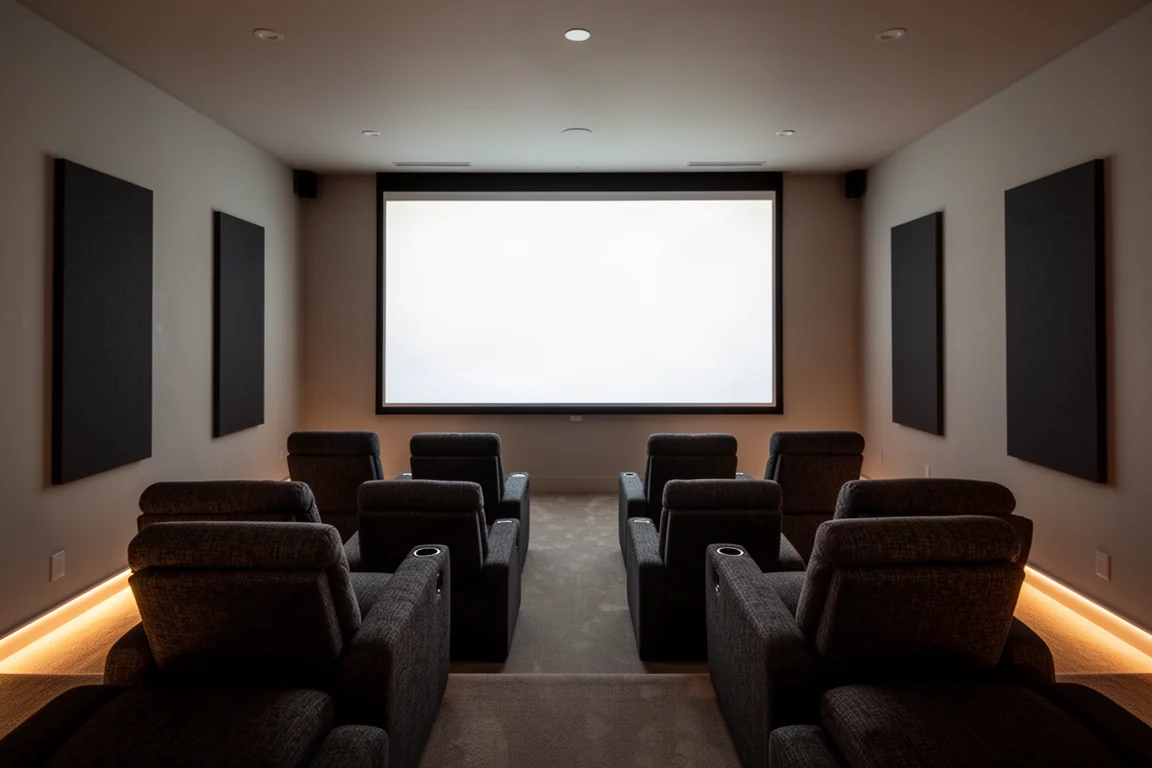
In use, a stereo pair reached average levels of about 110 dB at roughly four meters when driven by a Parasound HINT 6 integrated amplifier, with no peaks involved. That is far beyond any normal listening requirement, and it sets the tone for what this speaker is for: dynamics and headroom in a dedicated room rather than a polite two-channel audiophile system.
Main Strengths
The case for the Noesis 210 HT rests on two things. The first is how much clean output it can deliver. The second is how predictable its off-axis behavior is once the response is shaped.
Output That Scales With the Room
The sealed enclosure rolls off at roughly 12 dB per octave, with an F3 of 76 Hz and an F10 of 43 Hz. A subwoofer is therefore part of the plan, and installations in this class typically use large ones. Within its passband the speaker stays composed. At 86 dB and again at 96 dB, distortion never reaches 3 percent, and it only climbs in a narrow upper region where the compression driver takes over.
Compression behavior is strong across most of the range as well. There is a region around 800 Hz to 1 kHz where it rises to roughly 3 to 4 dB at 102 dB measured at one meter. That is visible in the data, but it is unlikely to be audible at a normal seating distance in a real room.
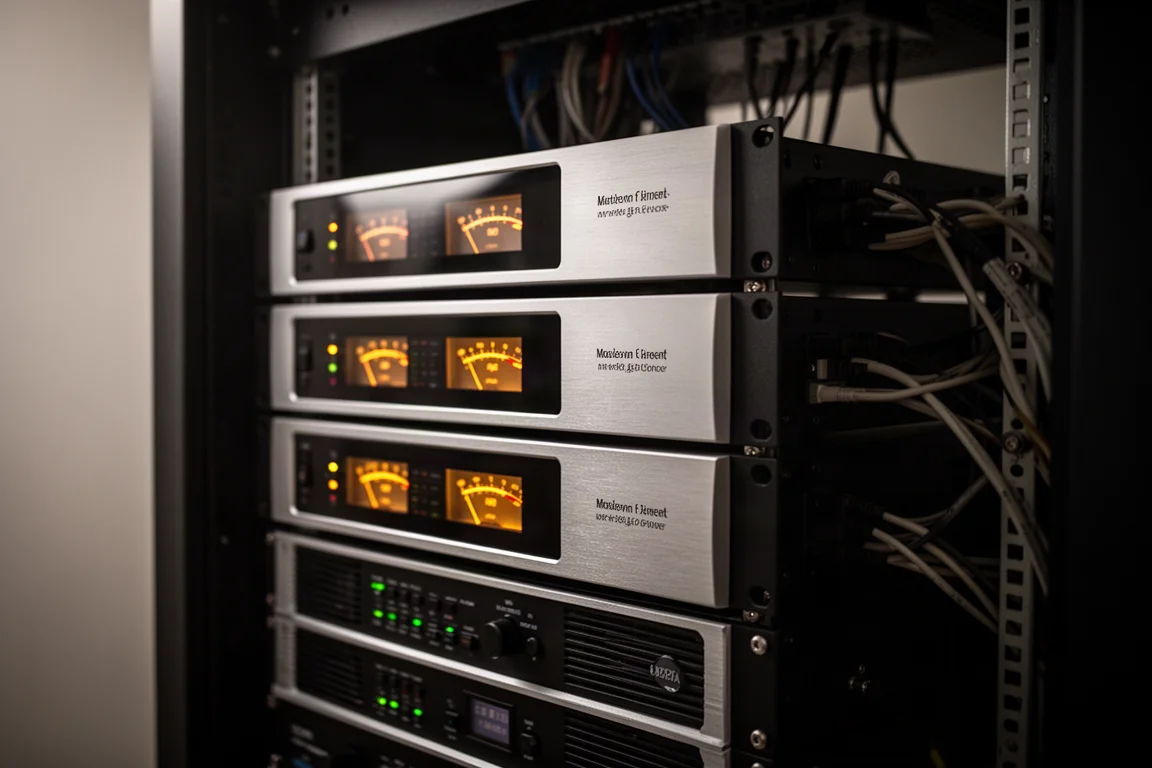
The practical takeaway is that the speaker’s limits sit well past the point where a listener would be comfortable. Its output ceiling is not the constraint in a typical home theater.
Directivity That Rewards Equalization
The early reflections directivity index is smooth and essentially flat above about 1.2 kHz. That matters because equalization applied to the direct sound behaves consistently off axis instead of pulling the reflected sound out of balance with what reaches the listener first. Timbre stays coherent, and corrections hold up across the listening window rather than fixing one angle and spoiling another.
Coverage is narrow: roughly plus or minus 30 degrees both horizontally and vertically, based on the minus 6 dB point. Horizontal toe-in is flexible, but vertical placement is not. Sitting within a few degrees of the compression driver axis makes an audible difference, and the radiation pattern narrows further through the midrange.
Things to Consider Before Buying
Out-of-the-box linearity is the part of the picture that asks for the most patience. Both of the main issues are addressable, and the speaker responds to correction cleanly.
Midrange Linearity and Treble Balance
Two resonances sit in the 600 Hz to 700 Hz region, and that area tends to sound slightly muddy. A single parametric cut of about 2 dB at that frequency cleared it up noticeably.
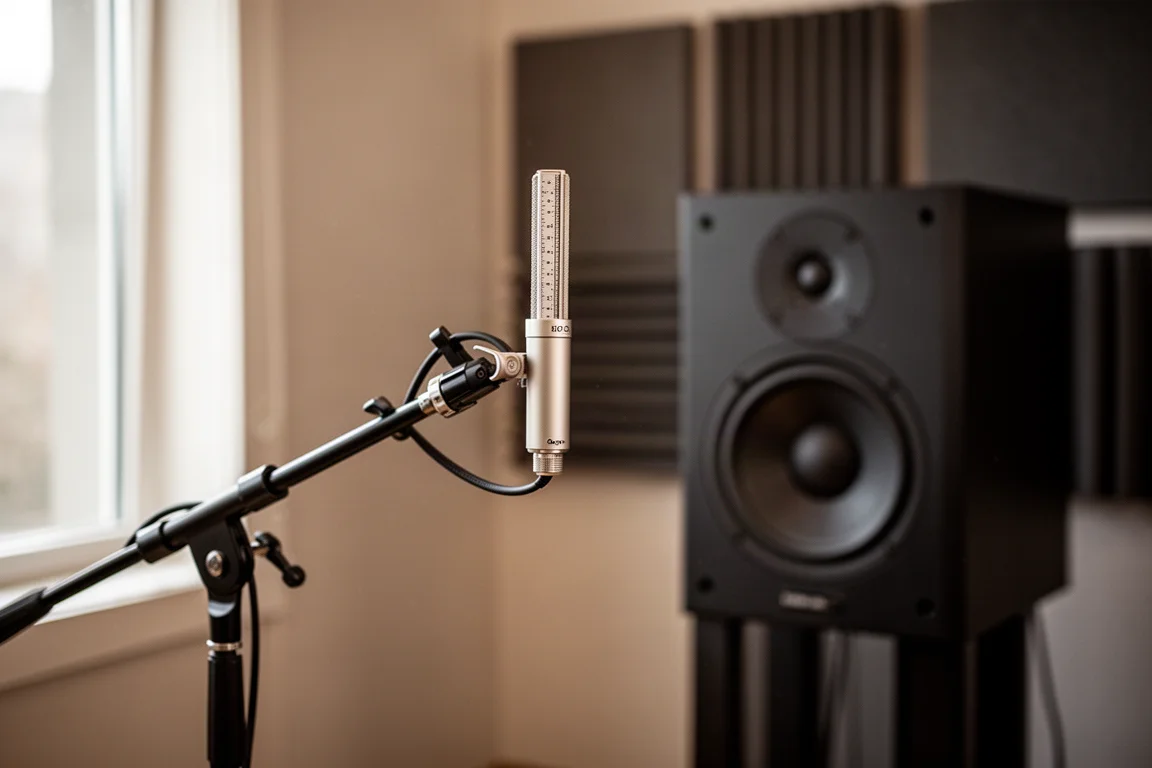
The high frequency response on axis looks good, but the predicted in-room response carries a treble lift of roughly 3 to 5 dB once early reflections are included. That is why the speaker can come across as bright in a room even when the on-axis measurement looks tidy. A shelf filter on the top end addresses it. In total, about three bands of equalization, two in the midrange and one shelving the treble, resolve the main issues.
Amplification, Placement, and Subwoofer Support
The impedance minimum near 3 ohms between 100 Hz and 200 Hz is the first thing to plan around, and a separate power amplifier is the straightforward answer. The second consideration is physical. At close to 90 pounds with substantial internal bracing, the cabinet needs help to move and a deliberate plan for where it lands. Grilles are included.
Placement is worth experimenting with. Facing the speakers straight out into the room widened the soundstage and did not cost much imaging focus, because the narrow pattern sends less energy toward the side walls than a wide-dispersion design would. Angled on axis, imaging and focus are at their strongest, but stage width tightens. Subwoofer integration is effectively mandatory given the sealed roll-off, and the crossover region between the mains and the sub is where a careful setup pass pays off.
Buying Advice
Equalization is the deciding factor. If the plan includes room correction or manual parametric EQ through Dirac, miniDSP, or an AVR-based system, the Noesis 210 HT becomes a very capable home theater speaker: enormous output, low measured distortion, and a directivity profile that takes correction without side effects. If the plan is to run it flat and untreated in a two-channel setup, the midrange resonances and the in-room treble lift become part of the experience, and the speaker will likely sound bright with a slightly muddled midrange.
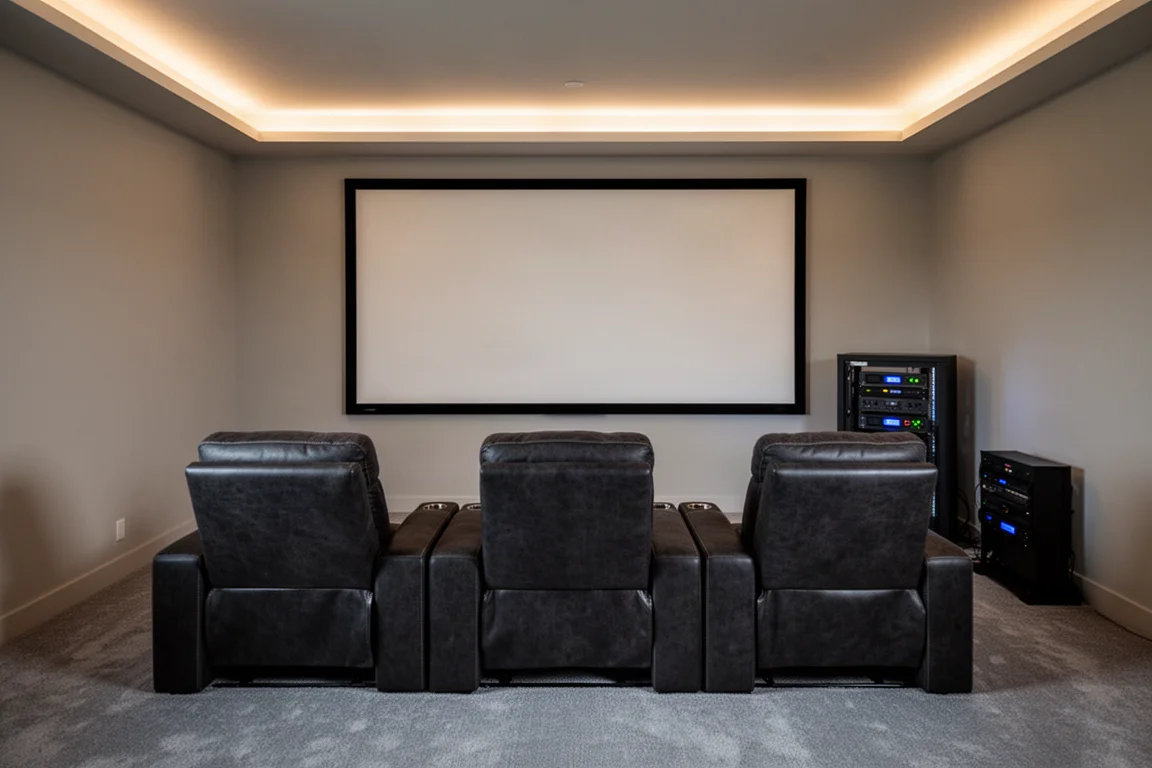
Match it with a dedicated amplifier, budget for a capable subwoofer, and sit close to the compression driver axis vertically. Buyers who want a compact, plug-and-play speaker should look elsewhere, because this one rewards planning and measurement.
Conclusion
The JTR Noesis 210 HT is a specialist tool. It plays extremely loud with composure, its distortion and compression behavior are strong across the range it was designed for, and its controlled directivity makes equalization unusually effective. Out-of-the-box midrange linearity and in-room treble balance are the trade-offs, and both are addressable with a handful of EQ bands. For a home theater where headroom and dynamics matter most, that is a compelling combination.
Link do produktu
Zobacz więcej szczegółów: JTR Noesis 210 HT
Ten produkt jest wymieniony w tej recenzji. Przed zakupem sprawdź specyfikację, dostępne warianty i kompatybilność.
Zobacz więcej szczegółów: JTR Noesis 210 HT