Polski · Tents
Hilleberg Enan Review: A Lightweight Three-Season Tent Built to Last
A close look at the Hilleberg Enan, a lightweight three-season backpacking tent with durable fabric, generous headroom and a genuinely usable vestibule.
Introduction
Buying a tent at the premium end of the market is rarely a quick decision. The price is high enough that every detail matters, and the questions stack up fast: will it be big enough inside, will it be too bulky to carry, will it actually last? The Hilleberg Enan sits squarely in that category. It is a lightweight three-season tent from a brand best known for shelters that survive hard use, which makes it an appealing answer for anyone who wants one dependable tent rather than a rotation of compromises.
It is also a tent that is genuinely hard to see before you buy. Few retailers stock it, and even fewer can show it pitched, so most buyers end up working from photographs, specification sheets and second-hand accounts. That gap between curiosity and confidence is exactly what this review addresses.
The aim here is straightforward: explain what the Enan does well, where it asks for patience, and which type of camper will get the most out of it. If you are weighing up a long-term purchase, the details below should help you decide with a clearer head.
Who the Hilleberg Enan Is For
The Enan suits backpackers who want a three-season shelter that stays light without feeling fragile. It is aimed at people who would rather carry a slightly heavier, tougher fabric and know the tent will handle whatever the weather throws at it, rather than shaving every last gram and worrying about the result.
It is a strong match for anyone who camps regularly through spring, summer and autumn, and who wants a single tent that covers all three rather than a different shelter for each season. It also appeals to campers who prefer a conventional pole structure to a trekking pole shelter, since the Enan uses dedicated poles and does not depend on walking poles to stand up.
It is a less obvious fit in two situations. Anyone chasing the absolute lowest possible weight may find lighter options, because durability is the priority here. And anyone who wants a roomy two-person layout should look elsewhere, since the Enan is built around a compact, efficient footprint rather than shared living space.
Main Strengths: Light Weight Without Losing Toughness
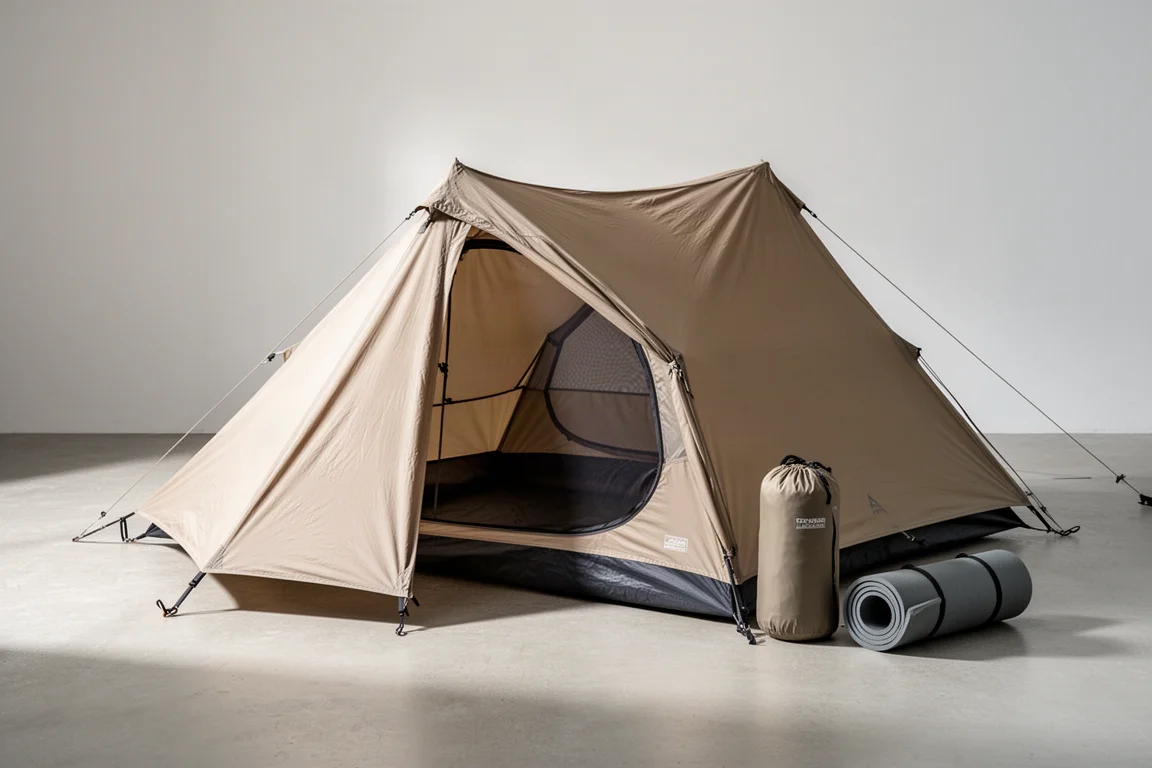
The central appeal of the Enan is the balance it strikes. It is light enough to carry comfortably on multi-day trips, yet the fabric and construction feel substantial in the hand. That thickness is the reason many owners treat a footprint as optional rather than essential: the groundsheet material is robust enough to cope with normal use on its own.
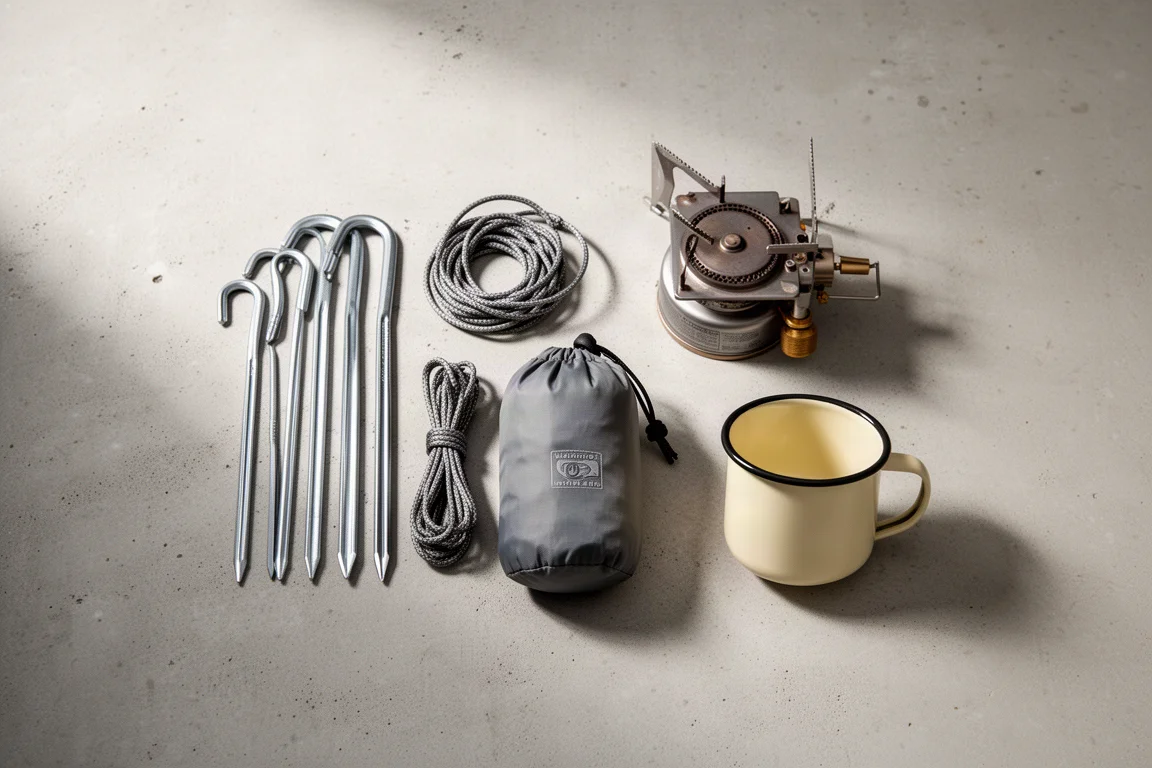
Pitching is flexible. The tent uses a dedicated pole structure, but it can be pitched with as few as four pegs when conditions allow, which is useful on hard or rocky ground where every peg is a fight. In normal use, though, you will want the full peg set for a properly tensioned pitch.
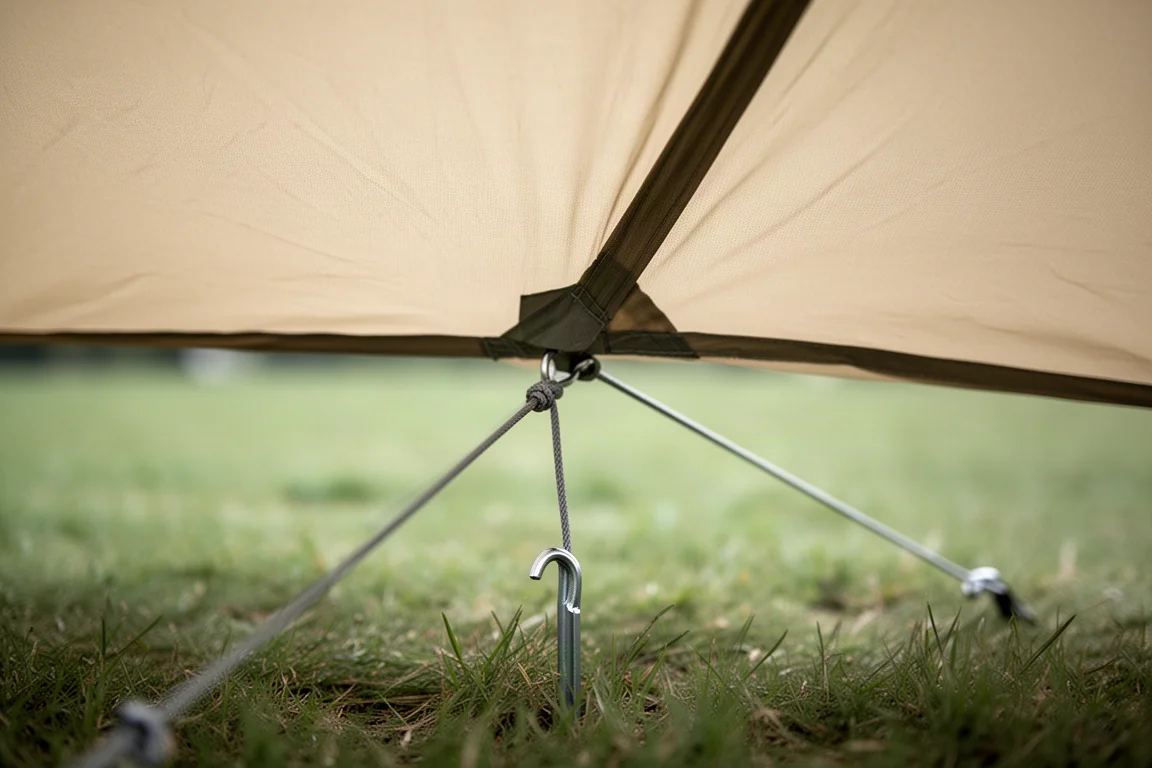
What you get in return for the modest weight is confidence. This is a tent designed to be pitched and re-pitched night after night, in exposed places and changeable weather, without the fabric or the structure asking for special treatment. For backpackers who value predictability over gram counting, that is the whole point.
Living Space, Headroom, and Ventilation
Inside, the tent is more generous than its packed size suggests. There is enough headroom to sit upright comfortably, and a wide, thick sleeping pad fits with room left over, which matters if you have moved towards wider, more comfortable mats.
The vestibule is the standout feature. It is large enough to sit in and change out of wet clothing, keeping the sleeping area clean and dry, and it gives you somewhere to stash a pack out of the rain. That extra covered space makes the tent far more liveable on trips where the weather refuses to cooperate.
Ventilation is handled thoughtfully. The inner tent ends are largely mesh, which keeps air moving and reduces condensation, and storm flaps can be closed over them when conditions turn. Combined with a fly edge that sits close to the ground, the design keeps draughts and driven rain out while still allowing the tent to breathe.
Things to Consider Before Buying
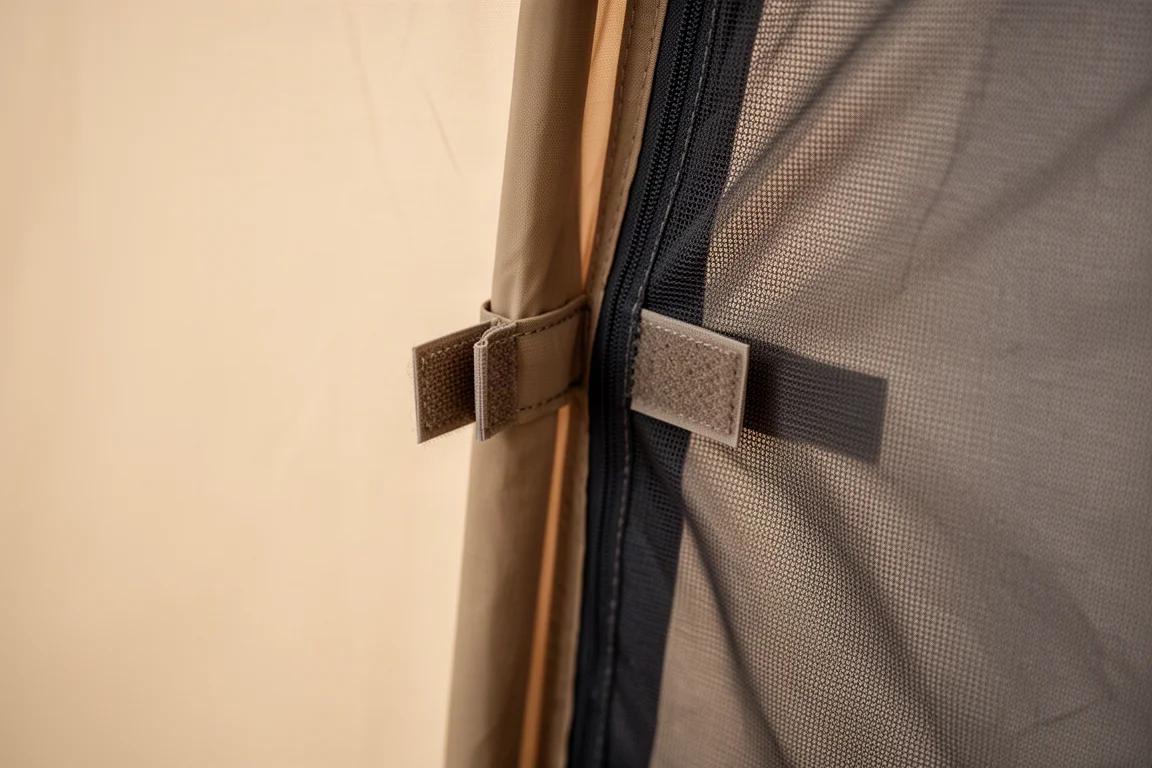
The Enan rewards patience at pitch time. Getting the fly fully taut takes a bit of practice, and the velcro attachment points will not deliver the same tension as a properly adjusted strap or clip. Regular users get there quickly, but first attempts can feel fiddly, and a slack pitch is the most common reason a tent like this feels less stable than it should.
Price is the other obvious consideration. This is a premium tent and the outlay is significant, so it makes sense to be sure the design matches how you actually camp before committing.
Availability is worth planning around as well. The Enan is not widely stocked by mainstream outdoor retailers, and specialist shops that do carry it often hold limited numbers. If you want to see one pitched before buying, that usually means getting in touch with a retailer in advance rather than walking in and hoping.
Care, Footprint, and Long-Term Ownership
The footprint question comes up constantly with tents at this level, and the Enan is a good example of why the answer is not always clear-cut. The groundsheet fabric is thick enough that a footprint is not strictly necessary, which keeps weight and cost down. In sustained wet weather, though, a footprint earns its place: it protects the base of the tent, gives you a dry area for gear, and makes it far easier to lift out the inner and wipe the floor down before the next night.
Care itself is simple. Pitch it properly, dry it thoroughly before storage, and the tent will look after you. Colour choice comes down to personal preference, with sand and green among the options, and both work well across a range of conditions.
Long-term ownership is part of the value story here. Shelters from this brand have a reputation for lasting, and they tend to hold their value well on the second-hand market, which softens the real cost for anyone who looks after their gear and later decides to move on.
Buying Advice
If you are considering the Enan, the strongest recommendation is to see one in person if you possibly can. Specialist retailers increasingly offer appointment-based showrooms where you can ask for a specific tent to be pitched before you arrive, which turns an expensive guess into an informed decision. Being able to sit inside, test your own sleeping pad and judge the vestibule space for yourself is worth far more than any specification table.
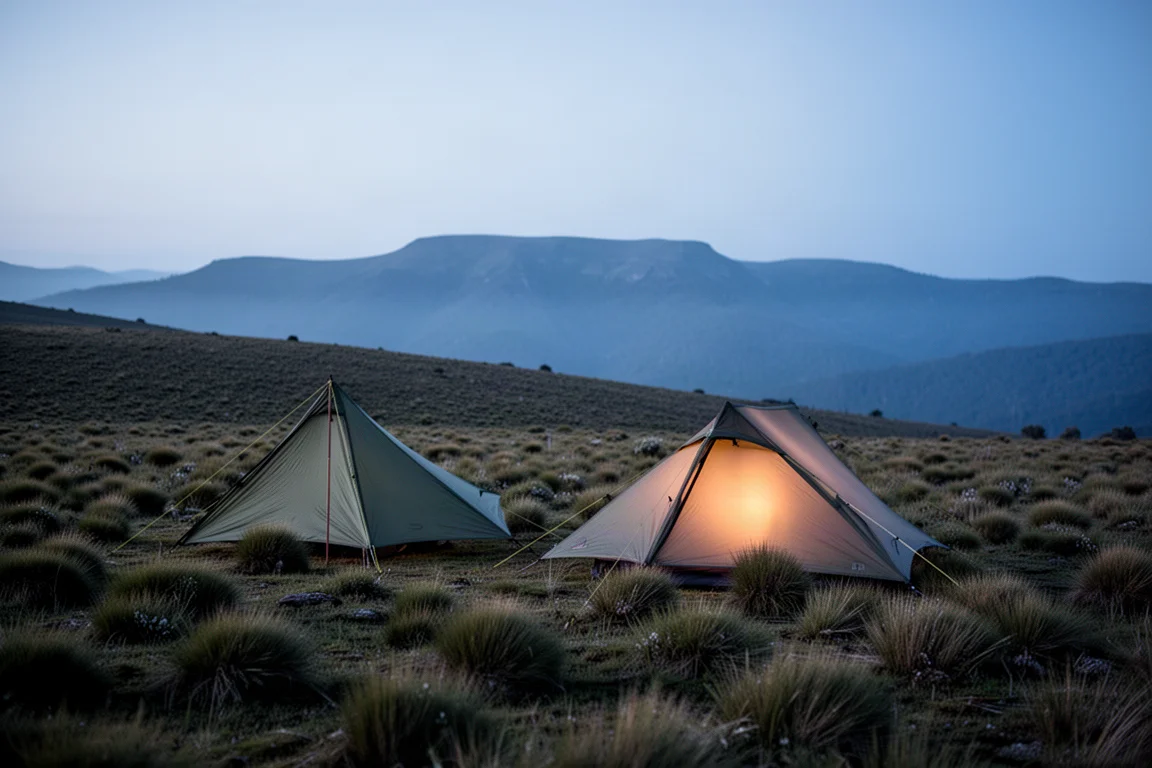
It also helps to be honest about how you camp. If you want one durable three-season tent that you will use for years and that will hold its value, the Enan makes a lot of sense. If you want the lightest possible shelter, or you need space for two people and their kit, there are better-matched options. Buying well is about matching the shelter to the trips you actually take.
Conclusion
The Hilleberg Enan is a lightweight three-season tent that trades a little pitching convenience for genuine durability, generous headroom and a vestibule that is unusually usable. It is not the cheapest route into backpacking, and it will not suit gram-counters or campers who need two-person space. For everyone else, it is a tent that makes the case for buying once and using it for a long time.
Link do produktu
Zobacz więcej szczegółów: Hilleberg Enan
Ten produkt jest wymieniony w tej recenzji. Przed zakupem sprawdź specyfikację, dostępne warianty i kompatybilność.
Zobacz więcej szczegółów: Hilleberg EnanWięcej do przeczytania
Powiązane recenzje
Tents
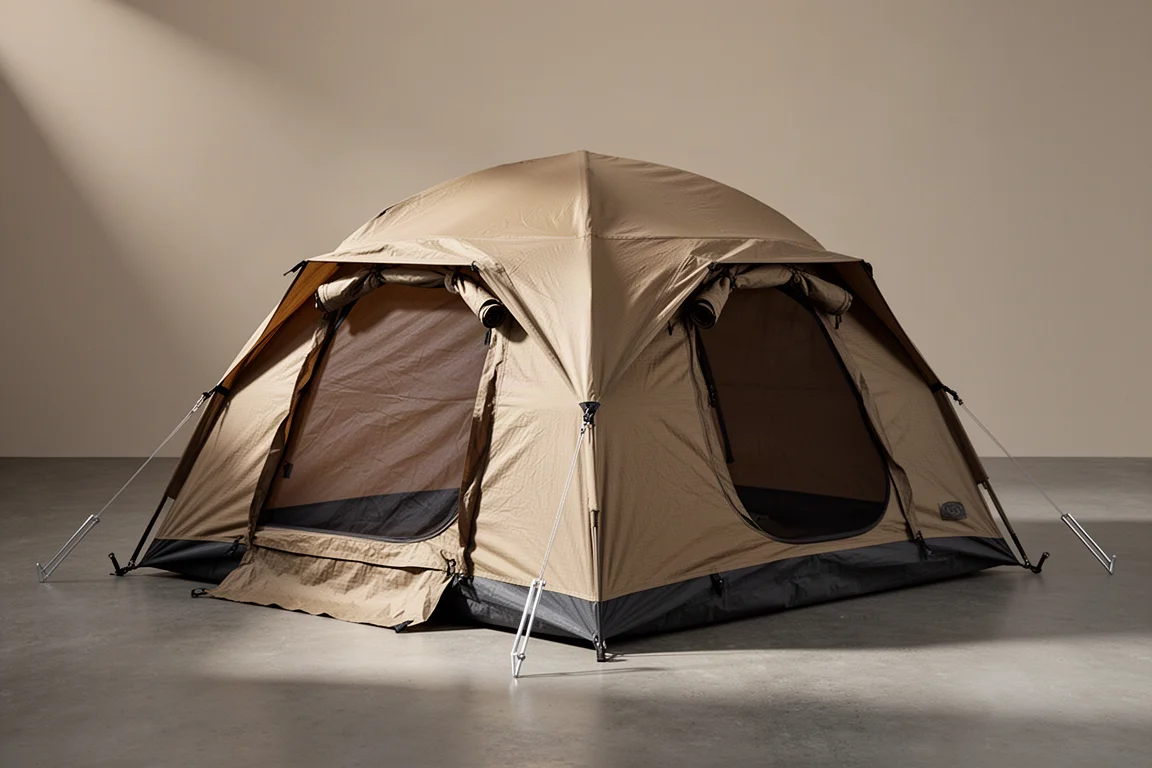
Diamond Brand USMC Combat 2 Tent Review: Solidny czterosezonowy schron dla dwóch osób
Bliższe spojrzenie na Diamond Brand USMC Combat 2, wytrzymały czterosezonowy namiot kopułkowy z odwracalnym blackoutowym tropikiem, dwoma wejściami i ceną, która zmienia sens zakupu używanego sprzętu surplus.
Tents
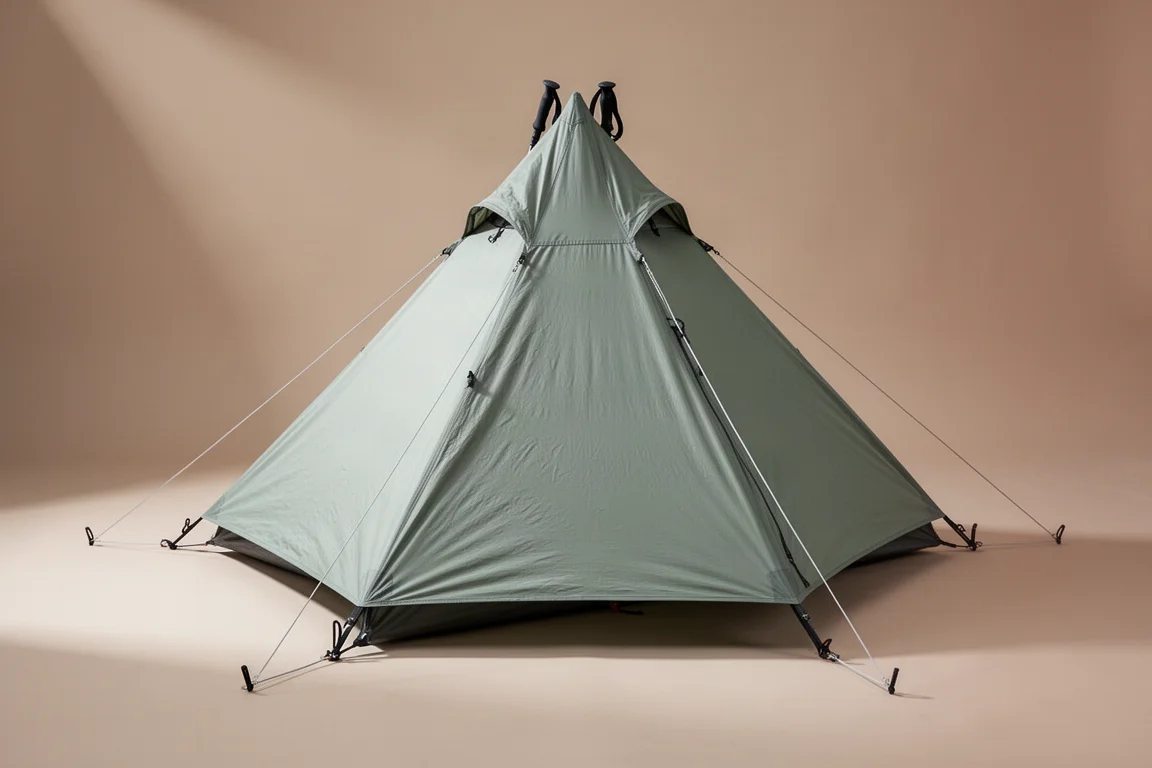
Durston X-Mid 1 Person Tent – recenzja: odporny na sztormy, lekki i trudno dostępny
Dwupowłokowe schronienie na kijki trekkingowe, które rozstawia się w kilka minut, oparło się wiatrowi 40–50 mph i kosztuje znacznie mniej niż większość namiotów w swojej klasie.
Tents
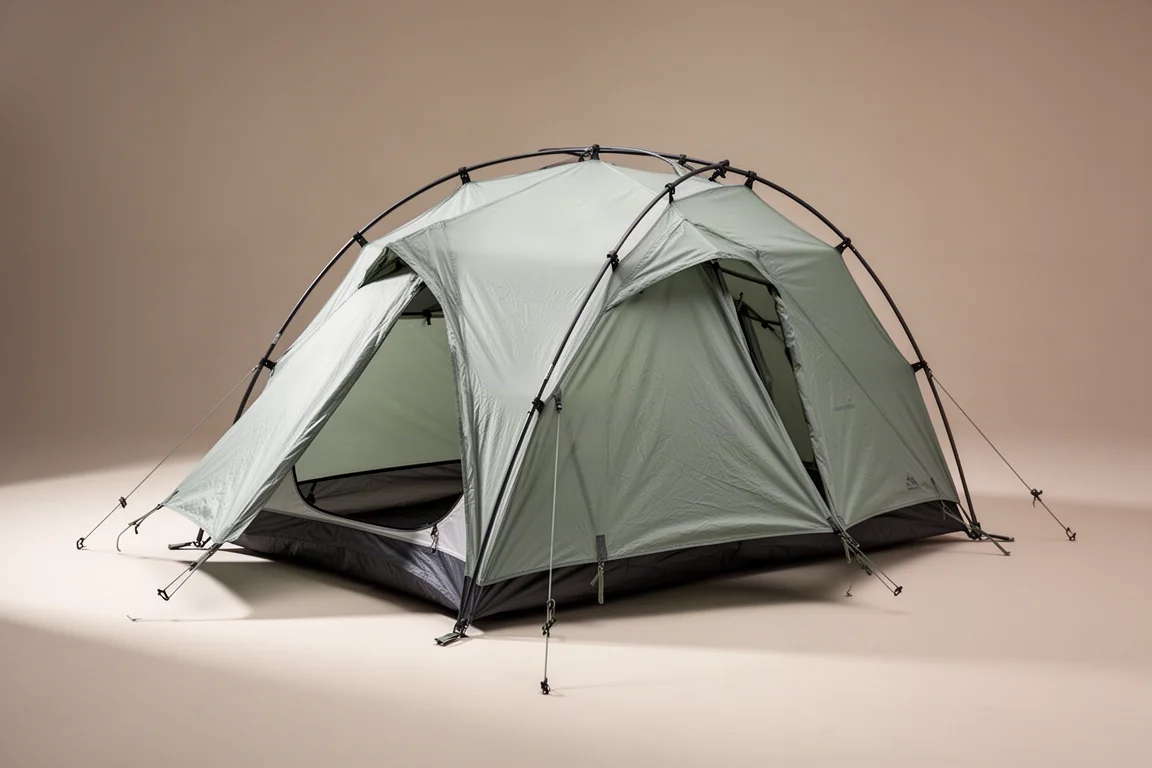
Durston X-Mid 1 Plus Recenzja: Ultralekki namiot jednoosobowy z elastycznym sposobem rozstawiania
Praktyczne spojrzenie na drugą generację Durston X-Mid 1 Plus: opcje rozstawiania, przestrzeń wewnątrz, system karbonowych stelaży i to, co warto dokupić przed wyjazdem w wietrzne warunki.