Polski · Camping Shelters
Fjällräven Abisko Tarp 10x10 Review: Light, Strong, and Not Waterproof
A 1.1 lb silicone-treated nylon tarp with excellent materials and immaculate construction, but field use shows it leaks in moderate rain and sags heavily when wet.
Introduction
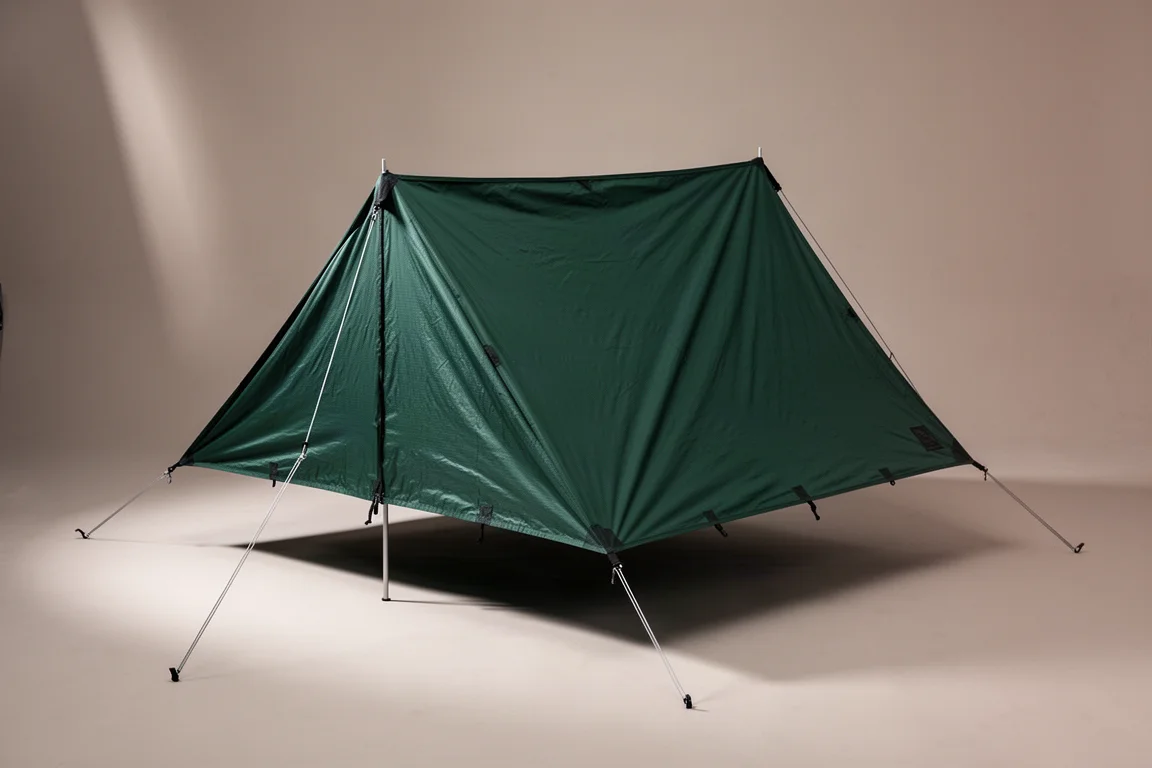
The Fjällräven Abisko Tarp 10x10 is a lightweight silicone-treated nylon shelter in Pine Green, priced around $140, with a larger 11.5 by 14.5 ft version selling for roughly $240. On the spec sheet it reads like a serious ultralight tarp: 1.1 lb for the 10 by 10 ft size, a 40-denier triple ripstop silicone-treated nylon fabric, a 3,000 mm hydrostatic head rating, and 2 mm Dyneema reflective guy lines included in the box.
In hand, it is impressive. The fabric has a dense, technical feel that sits closer to high-end mountaineering shelters than to the coated polyester tarps most people start with, and the stitching is flawless. The trouble starts once the weather does. Across months of use in warm summer conditions, cold winter nights, and strong wind, this tarp has leaked in moderate to heavy rain and has stretched more than any comparable silicone-treated nylon we have handled.
For the money, that combination is hard to defend, and the guidance below reflects that.
What the Abisko Tarp 10x10 Brings to the Trail
The 10 by 10 ft version weighs 1.1 lb and packs down small enough to hold in one hand, which is genuinely impressive for a tarp of this size that is not made from Dyneema. The larger 11.5 by 14.5 ft version weighs 1.9 lb.
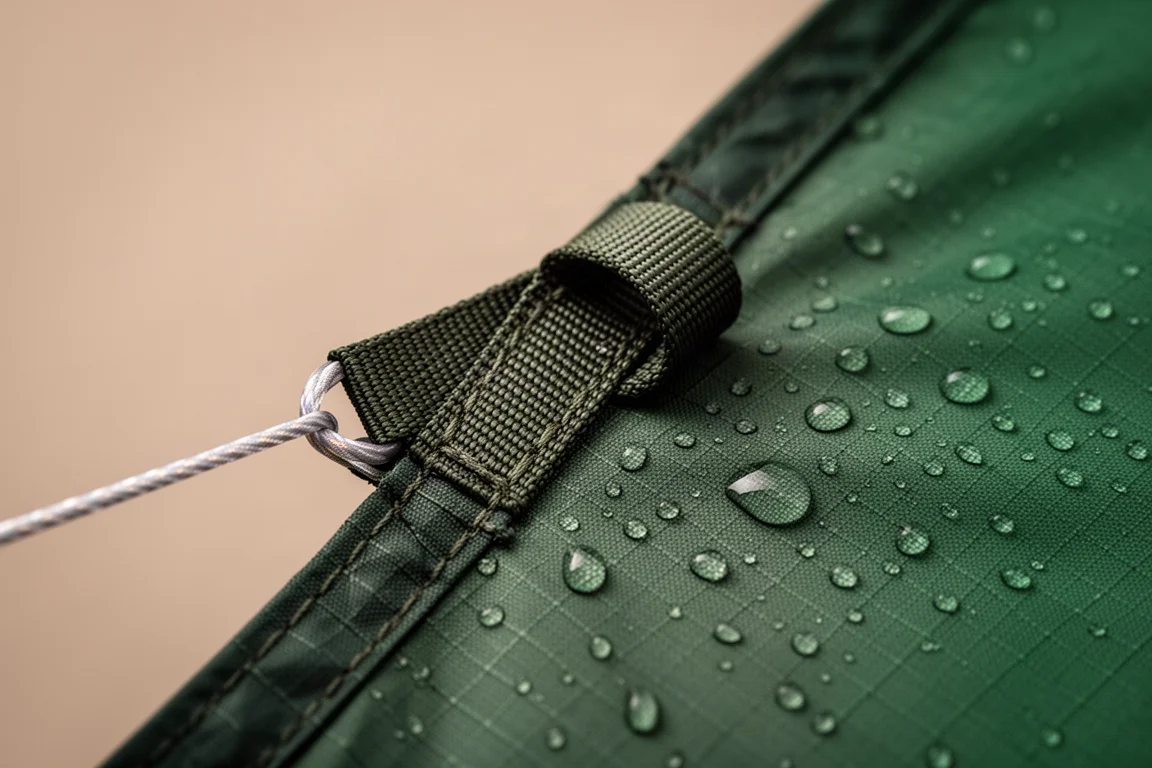
The fabric is a 40-denier triple ripstop silicone-treated nylon, described as sil/sil, meaning it is silicone coated on both faces. The hydrostatic head rating is 3,000 mm. Rather than using seam tape, the tarp relies on a construction method in which the stitching thread absorbs water and swells to close the small needle holes left behind by sewing.

There are 16 tie-off points along the body plus one in the center, for 17 in total. The included guy lines are 2 mm Dyneema reflective cord, each about 6 ft long. Pine Green is the only color this tarp is offered in.
On paper, this is a compelling package for anyone counting grams, and the price reflects that positioning. The questions worth asking are what happens to the fabric and the seams once they are wet for hours at a time, and how much adjustability the included cordage actually gives you in real campsites.
Who This Tarp Is For
This is a tarp for someone who puts low weight and small packed size above everything else, and who camps mostly in dry, mild weather. Used as a windbreak, a sun shade, or an accessory pitched over a tent, it does that job well, and its wind resistance in our testing was excellent.
It is not a shelter for anyone who needs reliable rain protection on multi-day trips. If your outings regularly include sustained rain, or you camp in exposed terrain where a wet night is likely, this is the wrong place to spend $140. Riders of fair weather will get on with it. Anyone who needs the tarp to be the thing that keeps them dry should look elsewhere first.
Main Strengths
The first strength is the material quality. Both the tarp and the guy lines are top-tier in feel. The nylon is strong, light, and intended to be waterproof and windproof, and if you have only used polyester tarps, the difference in hand feel is substantial and immediately noticeable.
The second is that guy lines are included at all, and that they are good ones. They are strong, reflective, and adequate in length, though longer lines would add versatility at very little weight cost.
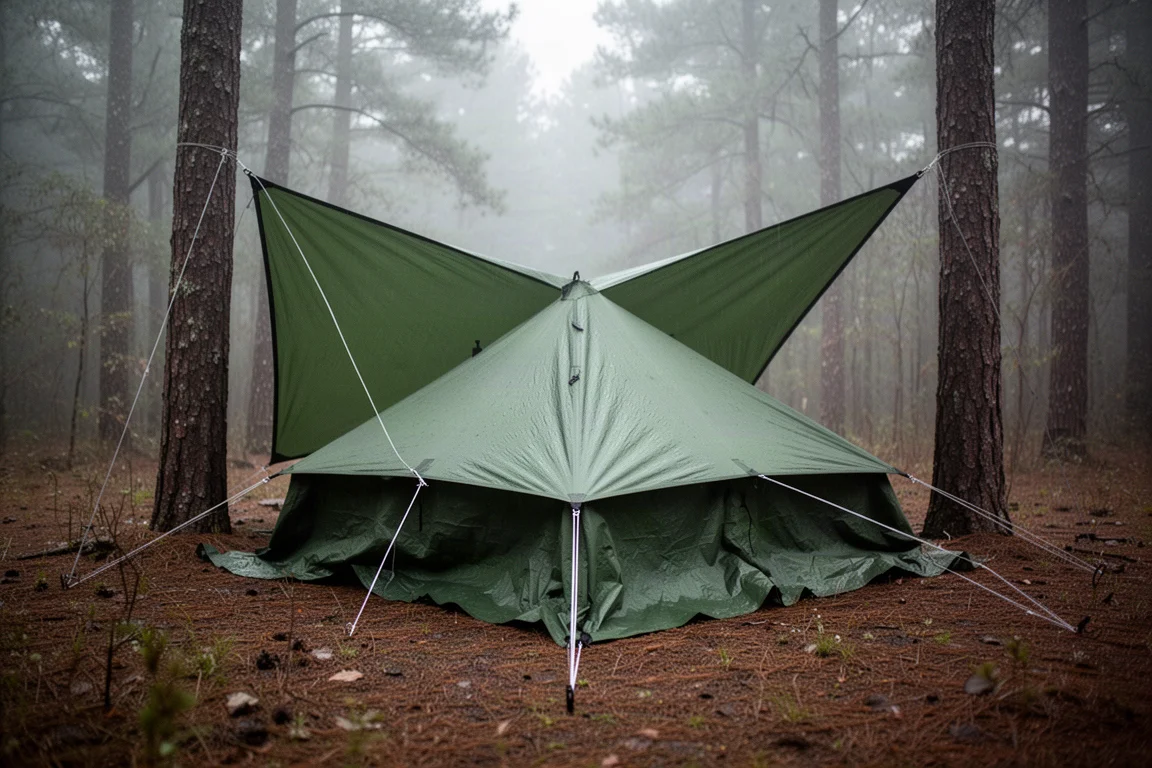
The third is weight. At 1.1 lb for a 10 by 10 ft tarp that is not made from Dyneema, this is a very light shelter, and that lightness is the headline feature.
The fourth is packed size. It takes up very little space in a backpack and can be carried comfortably in one hand when folded.
The fifth is construction. Every stitch is even, every seam is clean, and there are no defects anywhere on the tarp. At this price, anything less would be a serious problem, and there is nothing to fault here.
The sixth is the number of tie-off points. With 17 across the body, including one in the center, there are plenty of ways to pitch it. The seventh is the Pine Green color, which is easy on the eye in a woodland setting. The last strength is wind resistance, which was excellent throughout testing, with the tarp holding its shape well when the wind picked up.
Things to Consider Before Buying
Price is the first consideration. Around $140 for a 10 by 10 ft tarp, with occasional sale pricing near $120 and about $240 for the larger version, is a significant investment. That money buys premium fabric and premium construction, but it also sets an expectation that the shelter will keep you dry.
The second consideration is guy line length. At roughly 6 ft each, they are usable but short. Lines of 9 to 10 ft add only a small amount of weight and a great deal of pitching flexibility, which matters because tree spacing and anchor points in real terrain are rarely ideal.
The third consideration, and the one that affects every night out, is stretch. Silicone-treated nylon absorbs moisture and lengthens, and this tarp does it more than any other we have used. On a damp, windy night the material sags progressively and the shelter needs to be re-tensioned again and again. In a simple observation during testing, a pronounced bow appeared in the center of the tarp within about 20 minutes of pitching, and a ridgeline that could be stood under at setup later rested against the top of a head. Condensation and body moisture are enough to trigger it, so rainfall is not required for the problem to appear.
Every silicone-treated nylon stretches to some degree. A comparable tarp from another brand, built from a 30-denier silicone-treated nylon, stretches only modestly by comparison. Polyester stretches far less, but it is less strong at the same weight, and a strong polyester tarp has to be thicker, which translates into more weight and more bulk in the pack. There are trade-offs with every material choice, but the degree of stretch here is on the extreme end.
The Waterproofing Problem in Practice
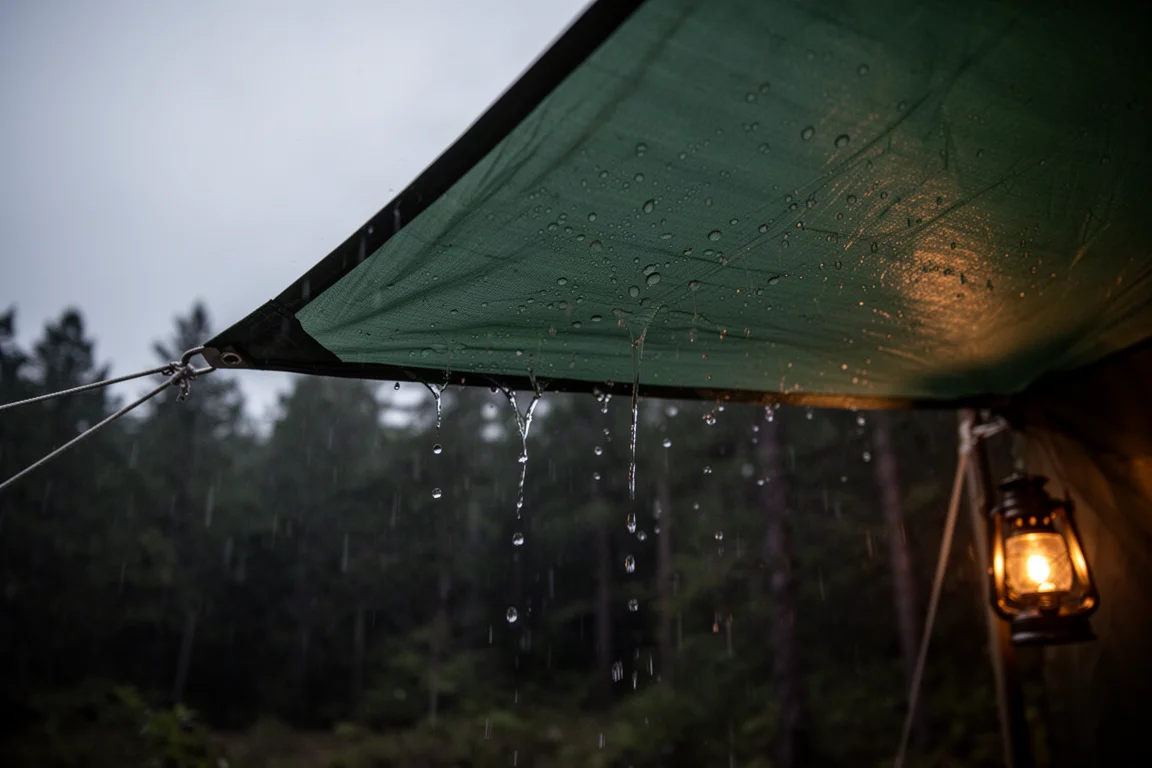
The design intent is that the thread swells and seals the needle holes along the seams. In real rain, that has not happened. Once rainfall moves past light into moderate and heavy, water comes through along the main seam, passing through the small holes left by the stitching. The fabric is well made and the tarp handles wind beautifully, but a shelter that leaks in sustained rain is failing at the one job that matters most.
It is worth noting that older shelters from the same brand have stayed completely dry in our use, while more recent ones have shown the same leaking behavior. Whatever has changed, it does not inspire confidence in the brand’s current shelter lineup, even though the company has a strong reputation and a loyal following for good reason.
That is the core of the problem. The materials and the craftsmanship are excellent, the wind performance is excellent, and the weather protection still is not there. For a tarp at this price, both halves have to be true at the same time.
Alternatives Worth Considering
If the Abisko appeals because of its low weight and high-end fabric, similar specifications are available elsewhere with better real-world performance. The RAB Siltarp uses a 30-denier silicone-treated nylon, comes in one, two, and three person sizes, sits at roughly the same price point, and stretches noticeably less in damp conditions. For a lower-cost option, the OneTigris Bullwark tarp is inexpensive and has kept gear dry; it is not perfect, but for the money it makes sense. AquaQuest takes a different approach, offering its tarps at several strength levels so buyers can match the shelter to the season, with a guide tarp for milder summer weather and a heavy duty tarp for winter wind. Any of these is worth a look before committing to a tarp that leaks.
When comparing tarps, weight, packed size, fabric type, and guy line length all matter, but the ability to keep rain out is the one that decides whether a shelter earns its place in your pack.
Buying Advice
If low weight, small packed size, and premium fabric are the only criteria that matter, this tarp delivers on all three. If shelter from rain is part of the plan, the calculation changes. Spending less money and carrying a little more weight is a better trade than spending $140 on a tarp that leaks; a heavier or bulkier tarp that keeps you dry is the better purchase every time.
For the brand, the sensible next step is a hard look at the manufacturing process behind these shelters. Charging premium prices for shelters that let water through is not sustainable, particularly when the same company’s older products handled the same conditions without issue.
If you already own the Abisko tarp, it remains useful as a fair-weather shelter, a windbreak, or a lightweight accessory pitched over a tent. As a primary rain shelter on a wet trip, it is not a purchase we would repeat.
Conclusion
The Fjällräven Abisko Tarp 10x10 gets the hard parts right: a 1.1 lb weight, a compact pack size, superb materials, immaculate construction, 17 tie-off points, and strong wind resistance. It gets the essential part wrong. In moderate to heavy rain it leaks along the main seam, and in damp or humid conditions the silicone-treated nylon sags badly enough to need constant re-tensioning. At around $140, that is too much to overlook, and alternatives that stay dry are the better place to put the money.
Link do produktu
Zobacz więcej szczegółów: Fjällräven Abisko Tarp 10x10
Ten produkt jest wymieniony w tej recenzji. Przed zakupem sprawdź specyfikację, dostępne warianty i kompatybilność.
Zobacz więcej szczegółów: Fjällräven Abisko Tarp 10x10Więcej do przeczytania
Powiązane recenzje
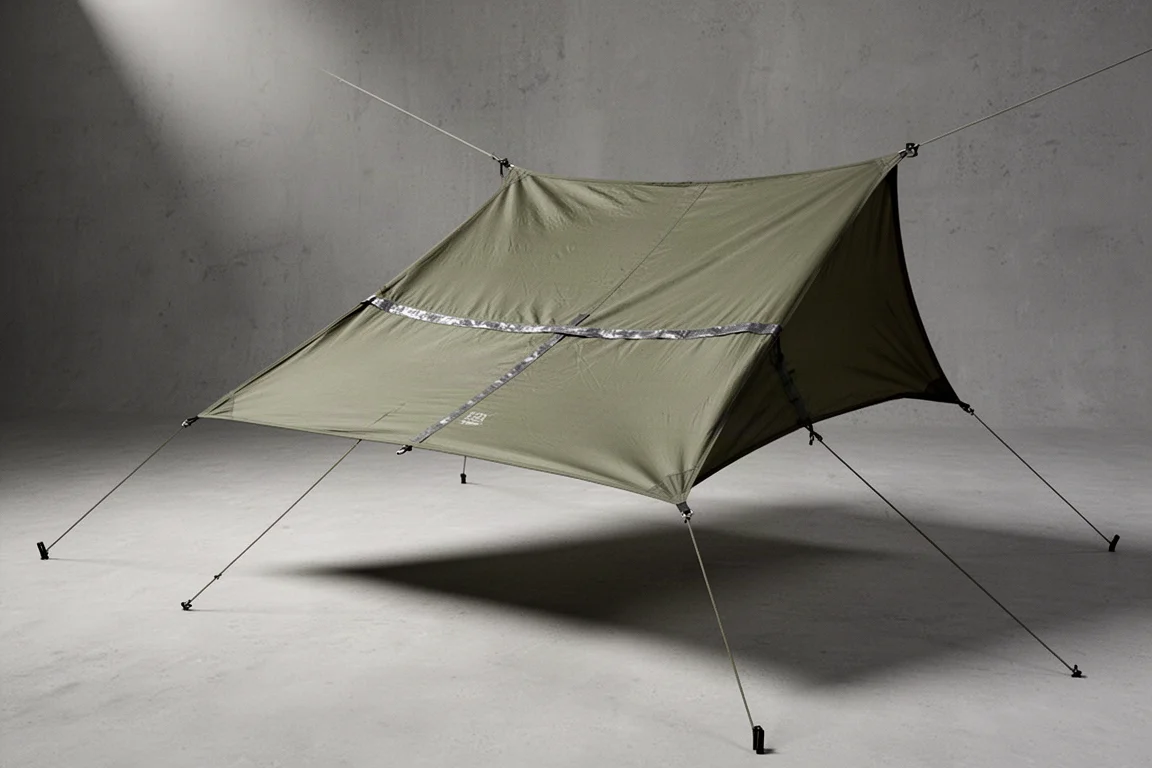
Camping Shelters
DD Hammocks Erakko Tarp – recenzja: kompaktowa osłona 8,2 ft na krótkie postoje
Szczegółowe spojrzenie na tarp DD Hammocks Erakko: mała, lekka kwadratowa osłona 8,2 ft z wodoodpornością 3 000 mm i dziewięcioma punktami mocowania, a także kwestie wykonania i wartości, które warto sprawdzić przed zakupem.
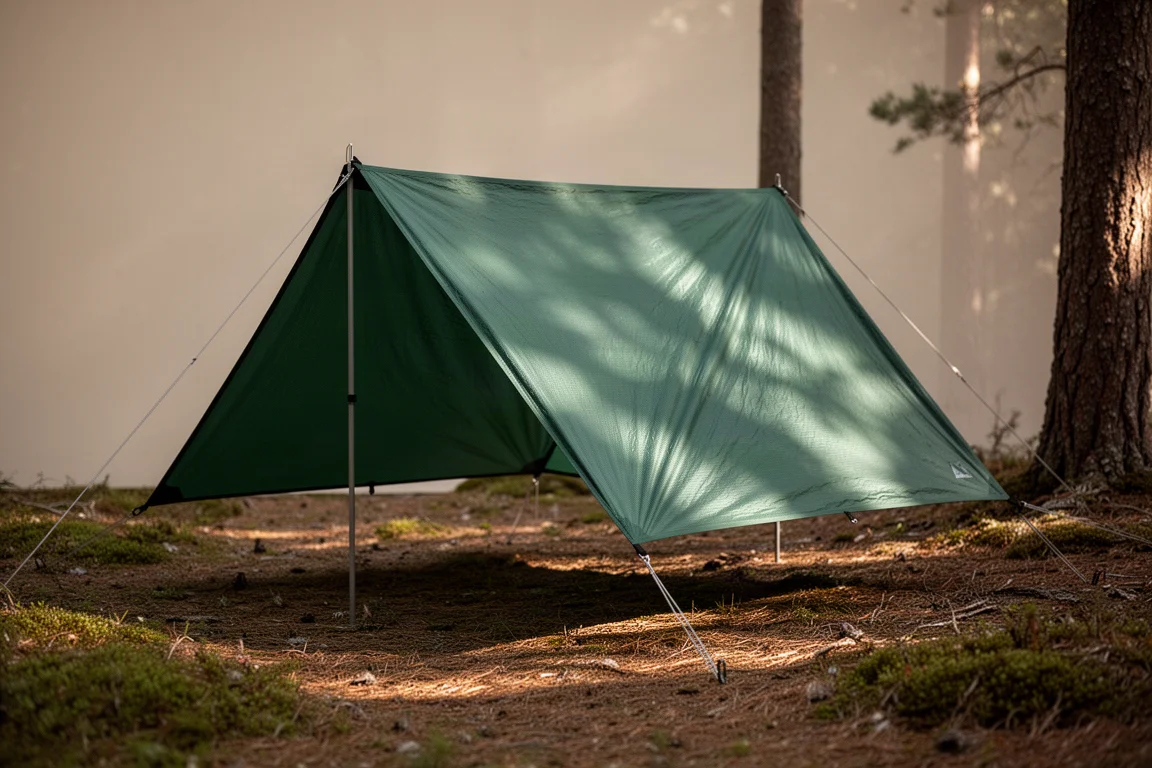
Camping Shelters
Fjallraven Abisko Tarp Review: lekka osłona 10 x 10 zbudowana na trudne warunki
Bliższe spojrzenie na Fjallraven Abisko Tarp, ważącą 1,1 funta kwadratową osłonę z nylonu ripstop 40D o hydrostatycznej wysokości słupa wody 3,000 mm i 17 wzmocnionych punktach mocowania.
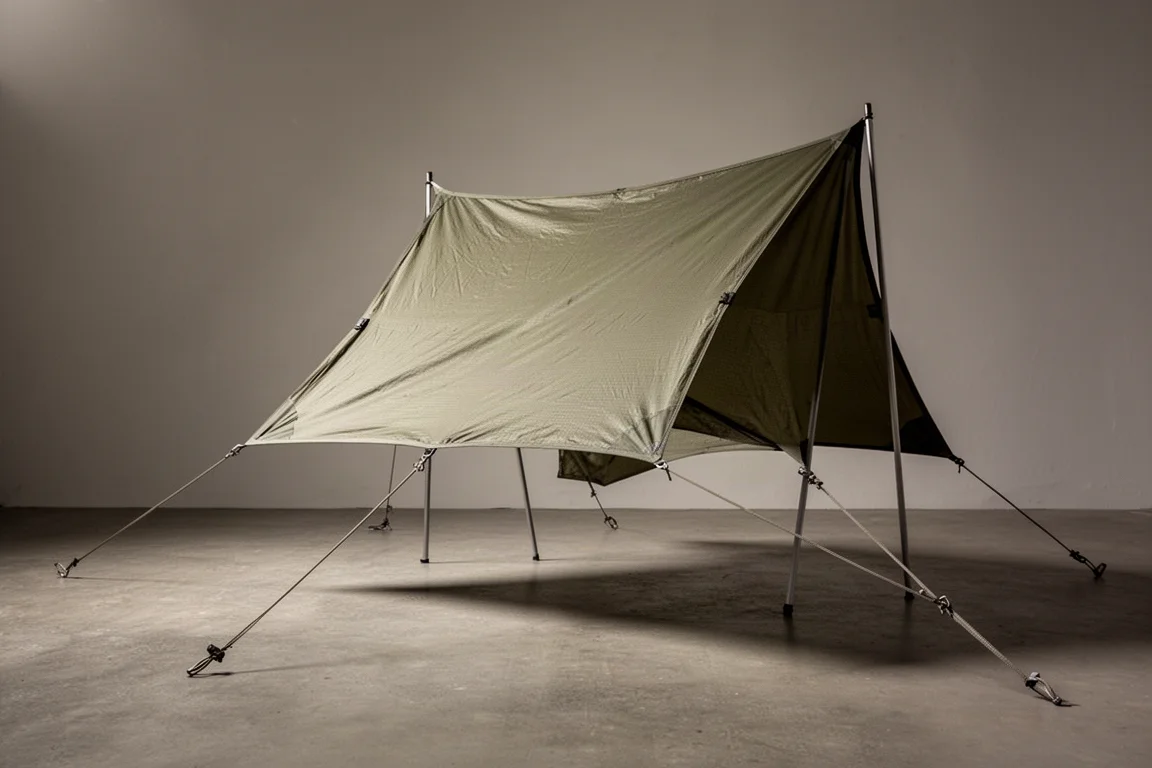
Camping Shelters
Gopher Tarp Review: lekkie, kompaktowe schronienie z jednym wyraźnym ograniczeniem
Lekki tarp z ripstopu o wymiarach 9 ft 6 in na 6 ft 8 in, który po spakowaniu ma rozmiar butelki na wodę, z mocnymi linkami odciągowymi i sprytnym workiem na sprzęt, ale zapewnia zbyt małe pokrycie, by osłonić namiot.