Polski · Fountain Pens
Conway Stewart Wellington vs Churchill: Vintage Charm Meets Modern Revival
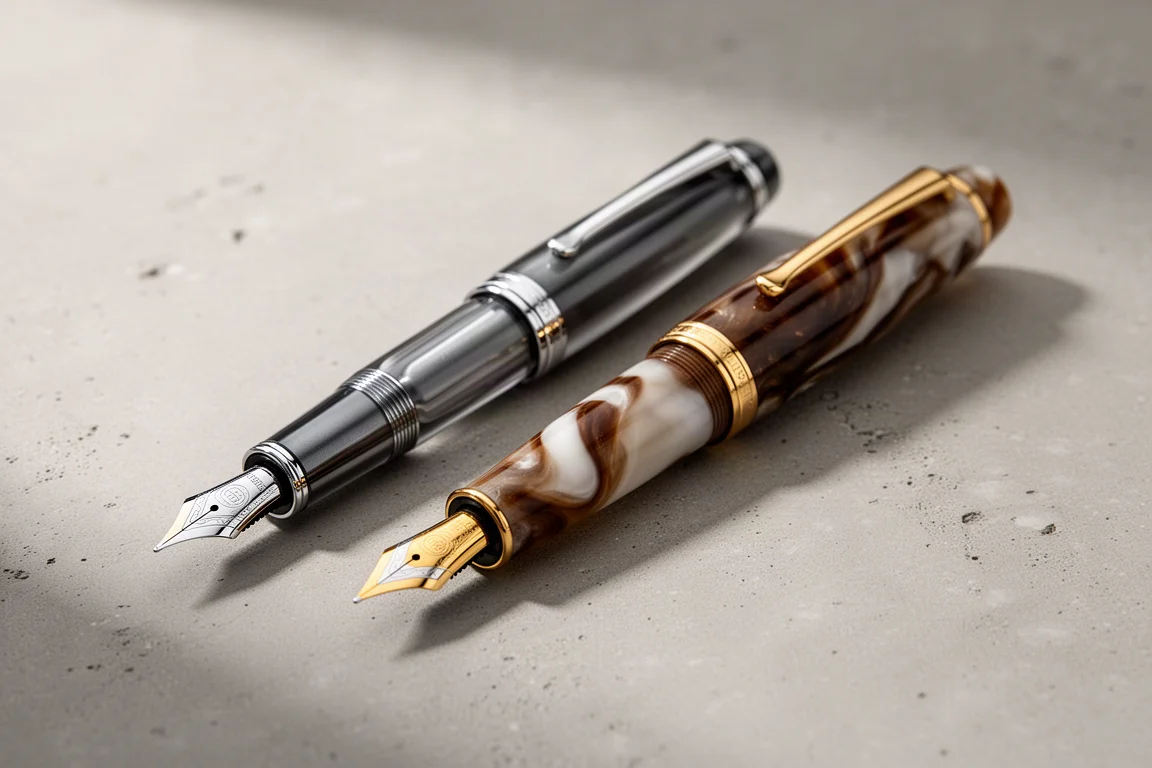
Closer look at two British fountain pens from the same lineage: a pre-shutdown Wellington in silver graphite and a modern Churchill in Dartmoor acrylic.
Introduction
Few pen brands carry as remarkable a story as Conway Stewart. The British manufacturer shut down its operations in the early 2000s, and its stock and tooling were later acquired by Bespoke British Pens, which restarted production — initially using leftover original parts, and now with newly made components — while keeping much of the brand’s legacy alive. This history makes comparing a pre-shutdown pen with a modern revival genuinely interesting, and these two models, the Wellington and the Churchill, showcase both sides of that story beautifully.
This piece focuses on a vintage Conway Stewart Wellington in the silver graphite finish, a limited edition piece numbered 38 out of 50, probably from the 1980s or 1990s, alongside a modern Conway Stewart Churchill in Dartmoor acrylic. Together, they show what the brand did back then, what it does today, and which path makes more sense for a buyer today.
Wellington: a vintage British pen with real character
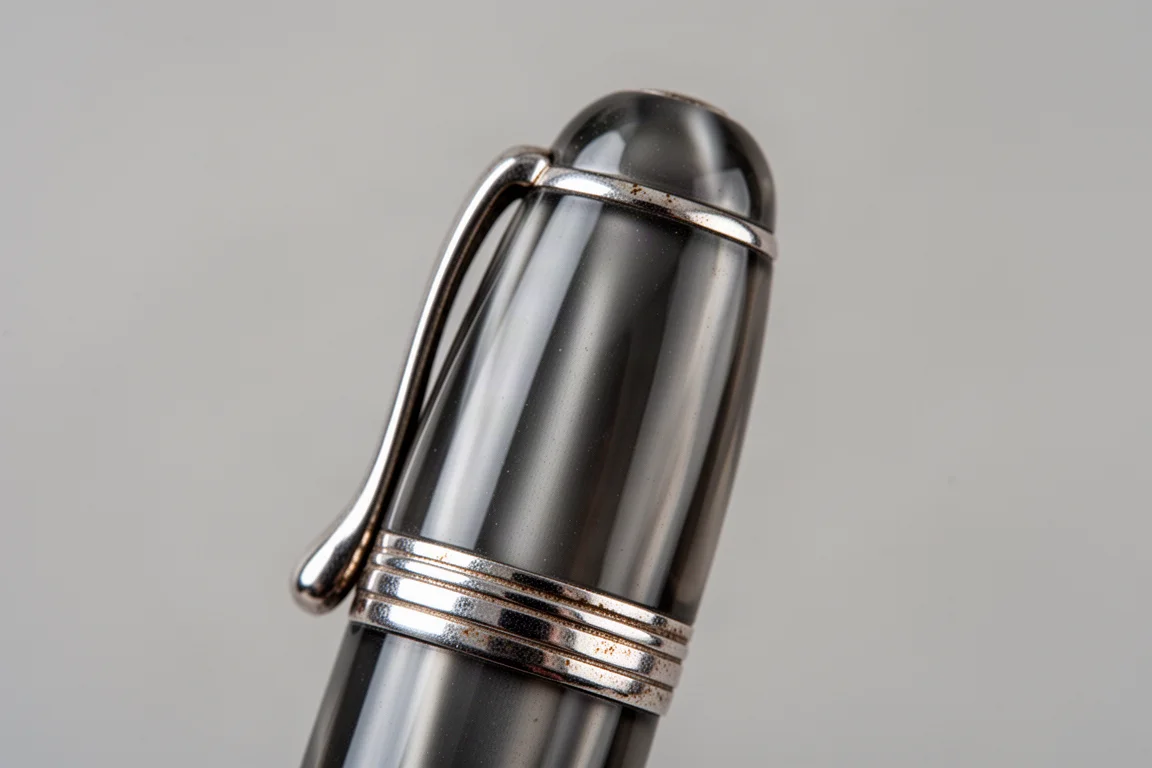
The Wellington stands out in the Conway Stewart lineup thanks to its distinctive cap profile, which bulges outward and features three silver bands at the top and the classic Conway Stewart clip. While the brand typically favored gold trim, this silver graphite specimen pairs a subdued, deeply saturated acrylic with silver trim that has acquired a gentle patina. This wear was left unpolished, and it fits the muted finish remarkably well.
The material has a genuine depth — refined, without being flashy. The clip is comfortable and not too tight, more loose than some modern specimens that can be quite stiff, and the cap unscrews in about one and a quarter turns. The barrel is heavier than resin alone would suggest, thanks to a brass sleeve inside, starting after the thread and running to the rear of the barrel. It accepts a standard international cartridge or converter, and the resin-on-resin threads are exceptionally smooth.
Churchill: the modern revival under Bespoke British Pens
The Churchill is a massive pen that easily dwarfs the Wellington, which in turn is slightly larger and noticeably heavier than a comparable standard Japanese-size pen. It shares the same design language, so the family resemblance is obvious at first glance. This specimen is finished in Dartmoor acrylic — a swirling mix of varying shades of brown with white between them — and it is one of the most striking resins the brand has produced.
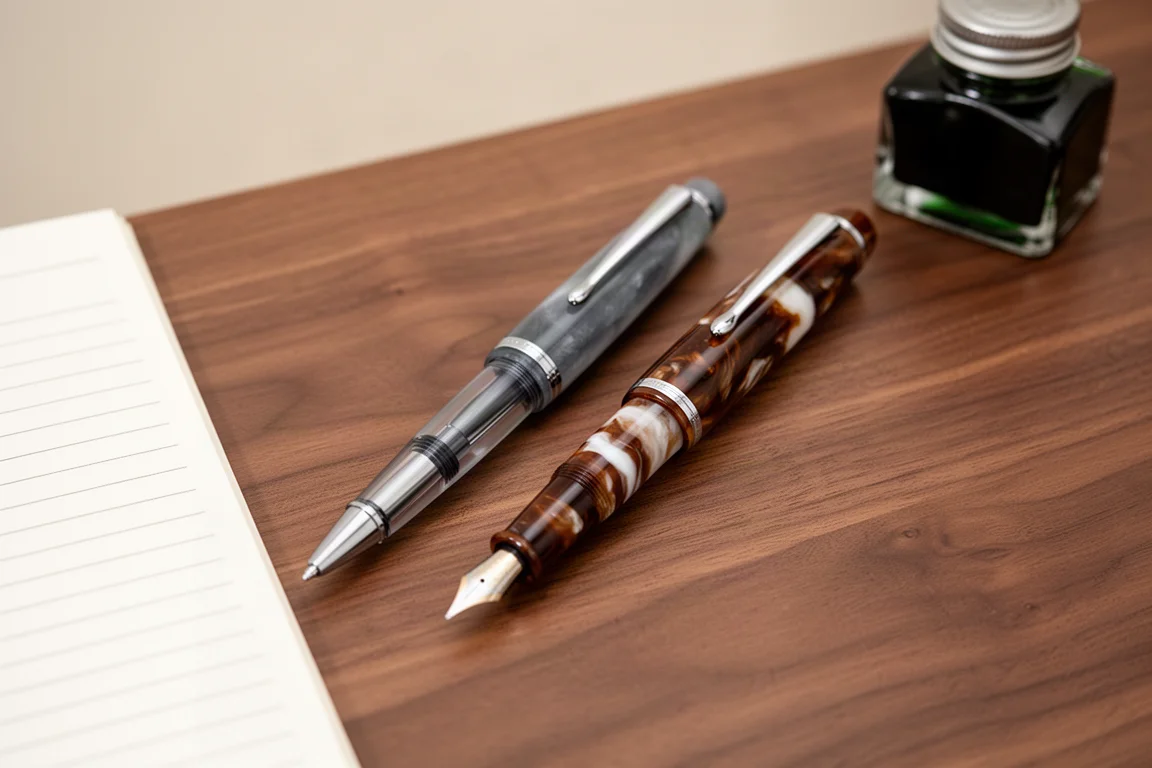
This Churchill dates from the period when Bespoke British Pens still used leftover original materials: clips, bands, and acrylic rods from the old company’s stock. It is as close as you can get today to a vintage Conway Stewart; it also features a gold band and the classic Churchill clip. Notably, this particular pen lacks the trademark engraving present on all new-production specimens, making it a rarity among modern Conway Stewarts. In current production, engraving is available as a paid option — an extra about $20.
Build quality and nib character compared
Both pens share the same solid engineering approach: a brass insert in the grip section of the Churchill adds weight and balance, so even this chunky pen feels well balanced in the hand. The Wellington is one of the sturdiest, best-built pens in its owner’s collection, and shows no signs of age — it looks essentially as if it came off the production line yesterday.
The nibs tell an interesting story. The Wellington has a two-tone 18-karat gold fine nib that runs a bit stiff for a gold nib — which is exactly what many writers prefer: consistent, controlled, and still soft enough to feel luxurious on paper. The Churchill has one of the post-buyout nibs marked with the Bespoke British Pens flag, an 18-karat gold medium that was later reground to a finer point. These “flag” nibs are distinctly soft and springy, which made the original medium overly wet and prone to spitting ink — hence the regrind.
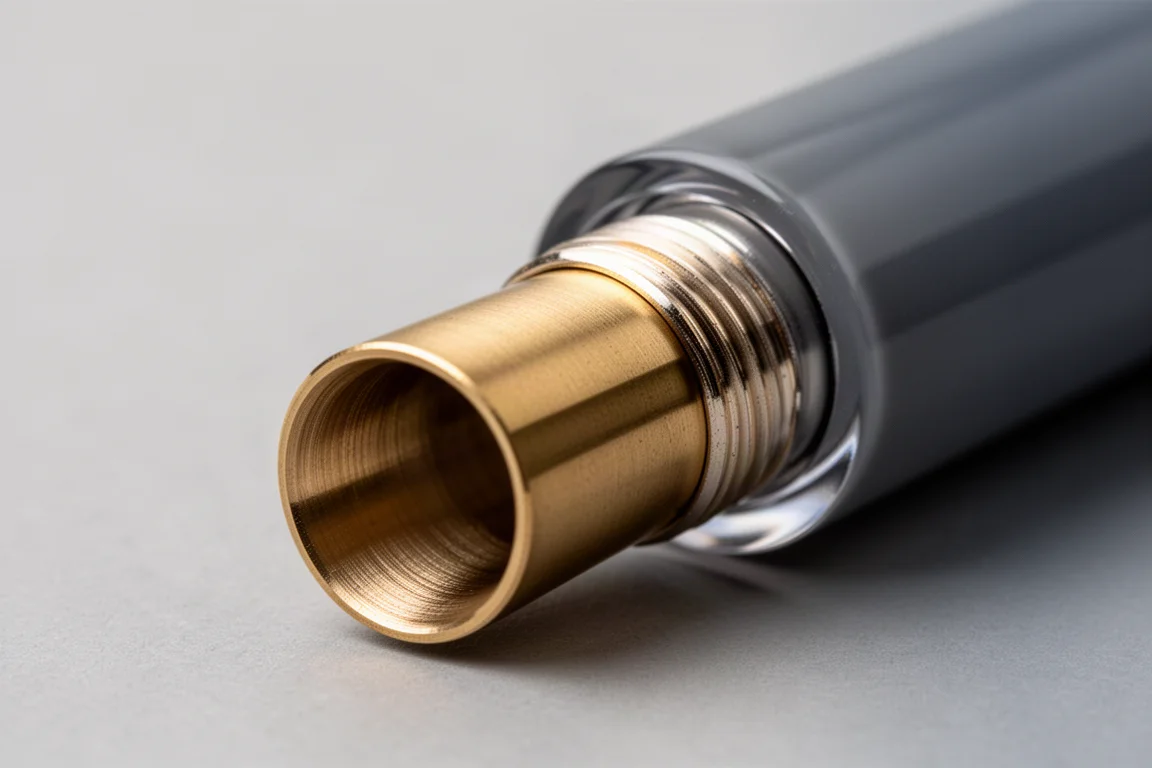
Both pens also feature threaded converters inside the barrel — a small but thoughtful detail that prevents the converter from unscrewing. Between the two nibs, the vintage one gains a slight edge thanks to stiffness and consistency, though the newer nibs will suit writers who enjoy a soft, springy feel. It is worth noting that the newest production runs have moved to Conway Stewart-branded nibs that look closer to the vintage style, so nib character may vary depending on when a given pen was made.
Writing experience and pricing
Filled with dark green Sailor Jentle Epinard ink, the Wellington delivers exactly what you’d expect: a very smooth, wet line in every direction, with a feed that never falters. The line is wide enough to showcase shading and sheen with the right ink. The nib offers a “Goldilocks” feel — stiff enough for control, yet soft enough that the gold pleasantly gives under light pressure — and the balanced weight makes longer writing sessions truly comfortable.
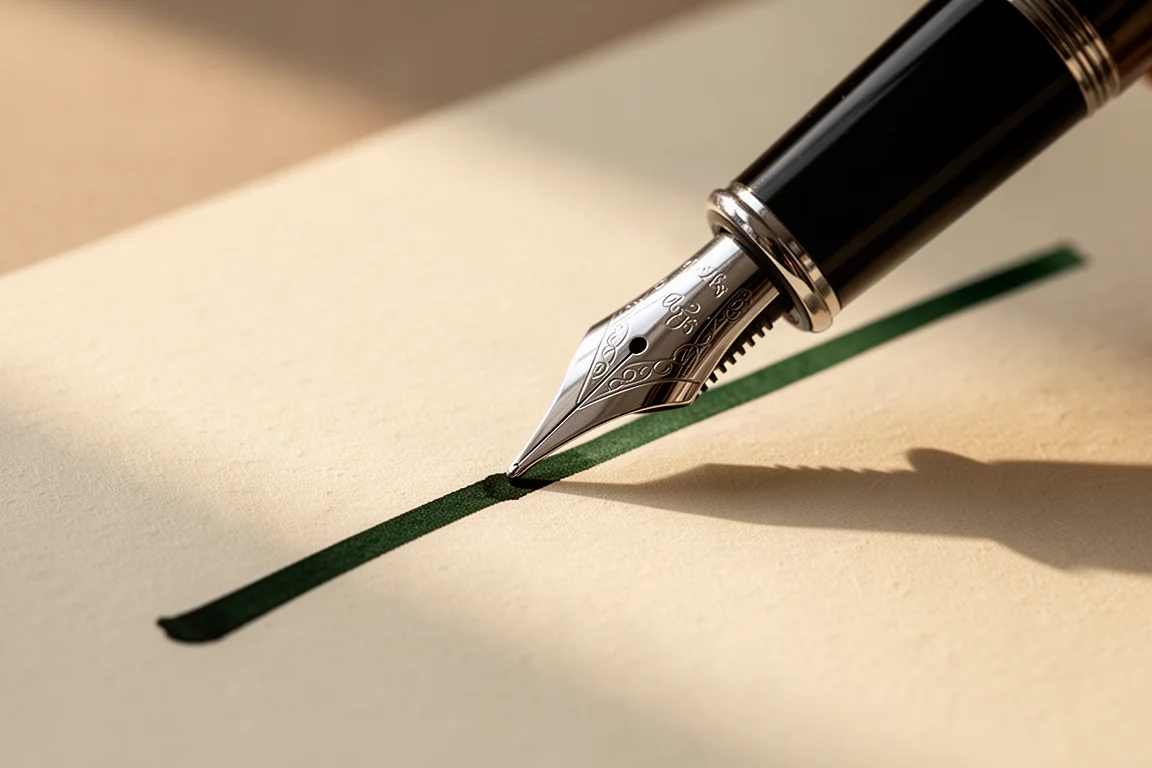
As for pricing, the gap between vintage and modern is significant. A modern Churchill like this one costs around $700 or more today, and rising gold prices may have pushed that figure even higher. A vintage Conway Stewart in good condition, in turn, can often be found for around $150–$200 or less. The reason is simple: collectors hunting for vintage pens mostly chase Montblanc, Parker, and Sheaffer, leaving excellent vintage Conway Stewarts in the shadow — and at attractive prices.
Conclusion
The rarest element of this story is that Conway Stewart’s modern quality truly holds its own. While many classic pen brands saw their newer production fall short of the vintage standard, modern Conway Stewarts under Bespoke British Pens match their vintage counterparts in build quality. The sensible path is to start with a vintage Wellington or a similar model to experience the brand’s true character at a friendly price, and then — if the design speaks to you — treat yourself to a modern specimen like the Churchill. Either way, you get solid build, beautiful materials, and nibs that write beautifully — just at very different price points.
Link do produktu
Zobacz więcej szczegółów: Conway Stewart Wellington
Ten produkt jest wymieniony w tej recenzji. Przed zakupem sprawdź specyfikację, dostępne warianty i kompatybilność.
Zobacz więcej szczegółów: Conway Stewart WellingtonWięcej do przeczytania
Powiązane recenzje
Fountain Pens
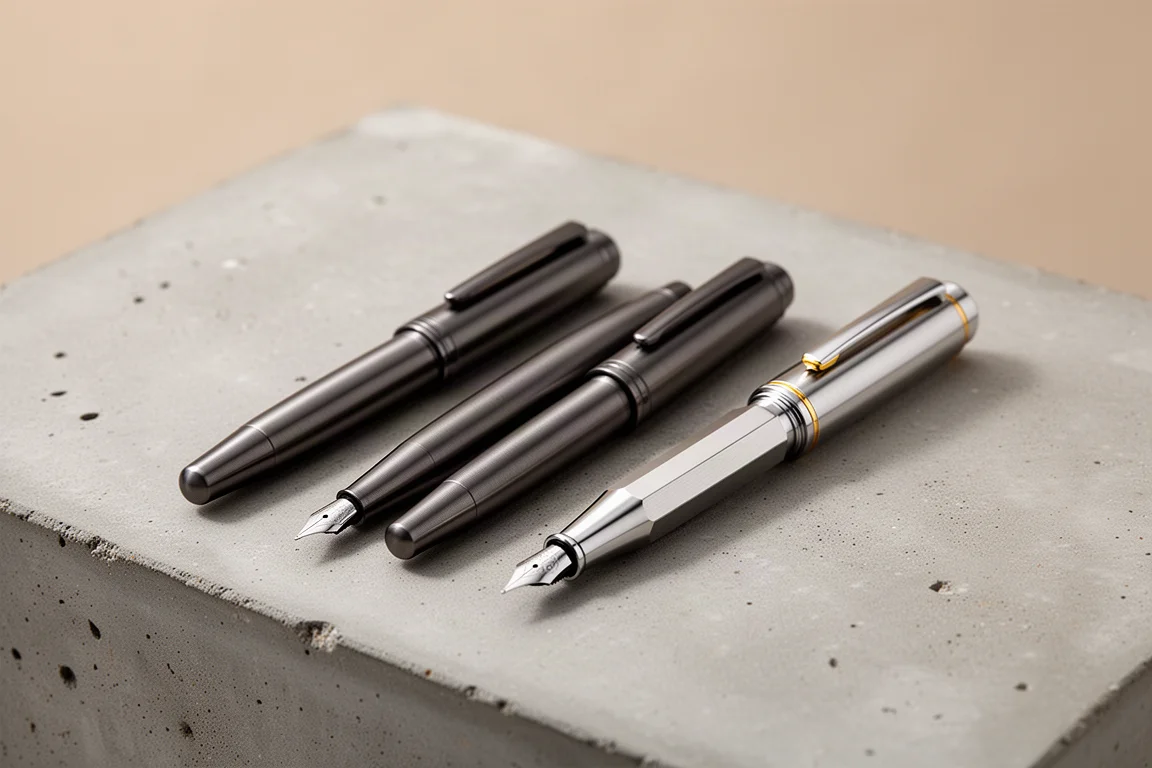
Najlepsze kieszonkowe pióra wieczne: porównanie czterech kompaktowych pisaków
Cztery kieszonkowe metalowe pióra wieczne, trzy z tytanu i jedno ze stali nierdzewnej, porównane pod kątem rozmiaru, stalówek, napełniania i codziennej użyteczności.
Fountain Pens
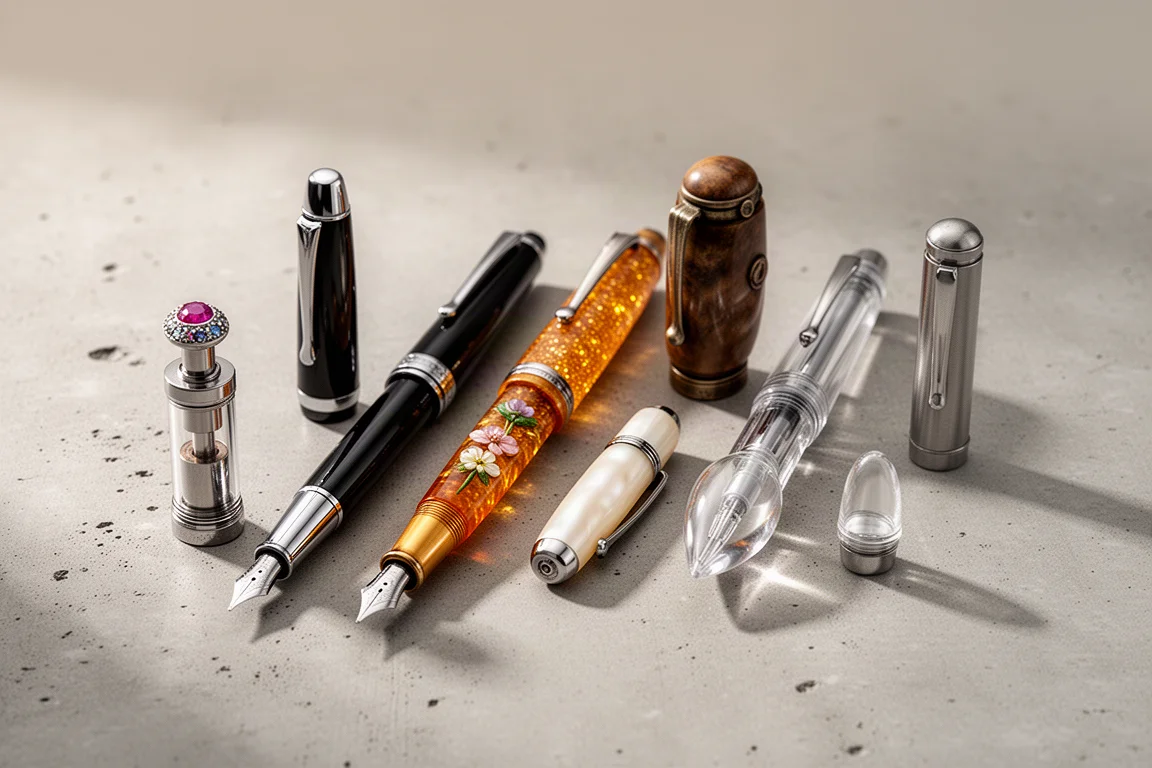
Najlepsze pióra wieczne do torebki: siedem kieszonkowych propozycji przetestowanych na co dzień
Siedem piór wiecznych ocenionych jako pióra do torebki pod kątem rozmiaru, wagi, trwałości i wygody użytkowania, z jednym wyraźnym zwycięzcą na co dzień.
Fountain Pens
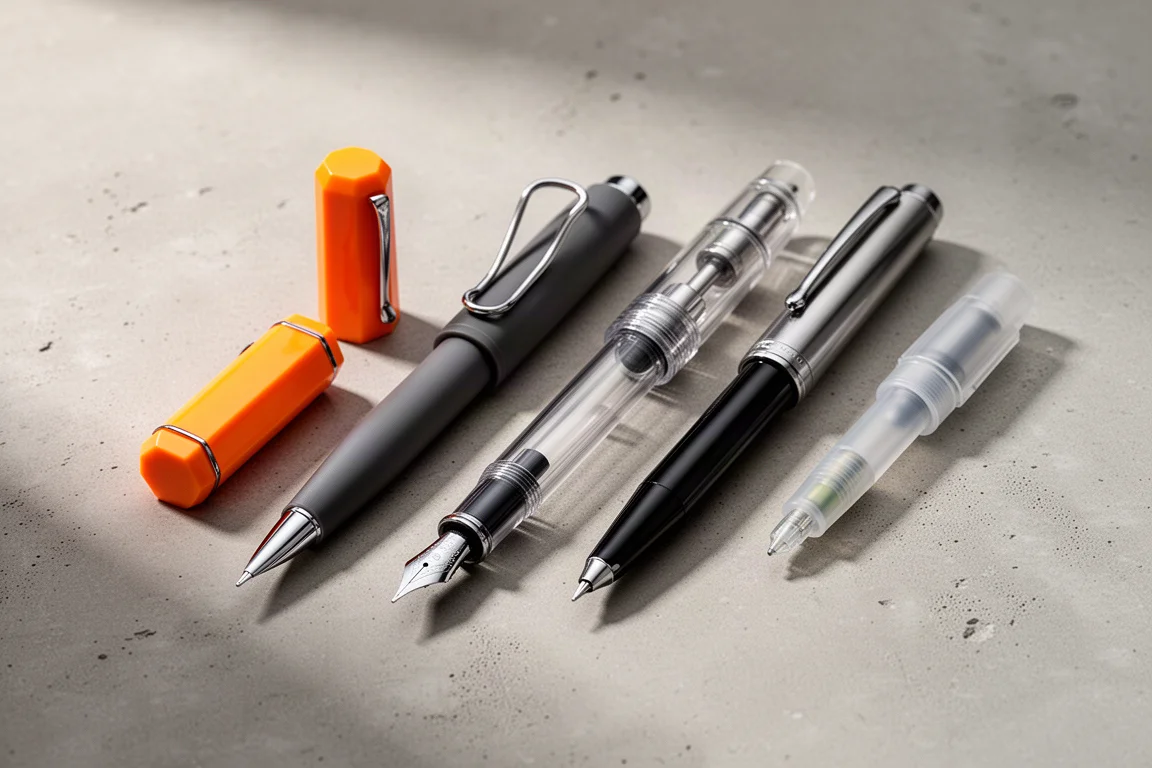
5 długopisów na żyłkę odpornych na prawdziwych koneserów – niezależnie od ceny
Pięć niedrogich piór wiecznych z historią, designem i właściwościami piśmienniczymi, które przekonają nawet najbardziej wybrednego pasjonata.