Polski · Running Shoes
ASICS Metaspeed Sky Tokyo vs Nike Vaporfly 4: which racing shoe deserves your money?
Two of the most talked-about carbon plate racing shoes go head-to-head on weight, midsole feel, outsole durability, and race-day versatility.
Introduction
Carbon plate racing shoes have matured into a crowded category, and choosing between the top models is harder than ever. Two names keep coming up: the ASICS Metaspeed Sky Tokyo and the Nike Vaporfly 4. Both are premium racing shoes priced at £240 (about $270), and both are built around a carbon plate and super foam midsole. But they differ in character, and the differences between them are greater than the nearly identical price tags suggest.
Quick Comparison
On paper, the two shoes are remarkably close. The Metaspeed Sky Tokyo weighs 158 g (5.6 oz) for men in size 8, with a 5 mm drop. The Vaporfly 4 comes in at 171 g (6 oz) in the same size, with a 6 mm drop. The pricing is practically identical: £240 / $270 for the ASICS, and £239.99 / $270 for the Nike.
The fit is also more similar than one might expect from lean racing shoes. Both offer a roomy forefoot with plenty of space in front of the toes, a secure midfoot lockdown, thin tongues, and comfortable padding around the heel. Both feel comfortable from the very first steps, and sticking to your usual size is a safe bet in either case.
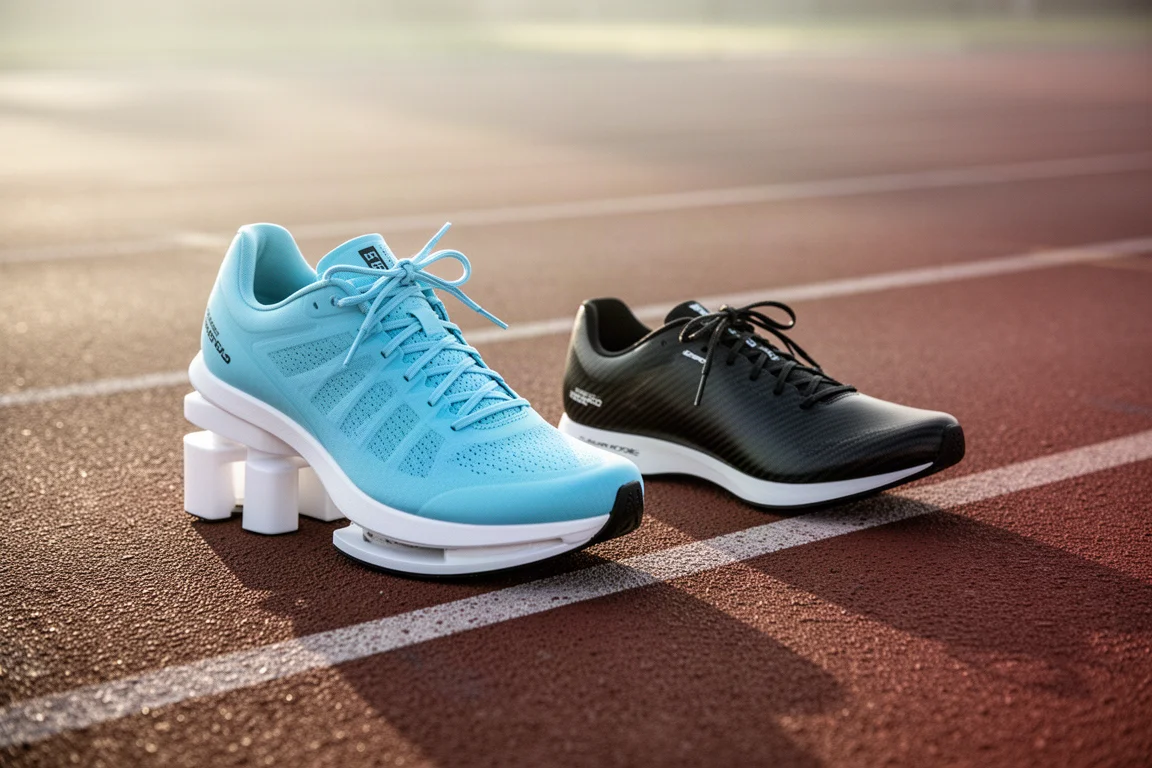
ASICS Metaspeed Sky Tokyo
The Metaspeed Sky Tokyo is a high-performance racing shoe designed for runners who gain speed by lengthening their stride. It aims to deliver greater efficiency when you take longer steps, helping you hold your pace deeper into the race.
The midsole uses two foams working together. FF Leap sits on the bottom: a lightweight, bouncy foam that cushions landings and provides a high level of energy return with each push-off. On top of it, FF Turbo Plus adds responsiveness and improves the stability of the ride. Compared to the Metaspeed Edge, designed for high-cadence runners, the Sky version has a thicker forefoot midsole and a higher plate placement.
Other details include the lightweight Motion Wrap 3.0 upper, an ASICs grip rubber outsole providing traction on a variety of surfaces, and well-fitting laces.
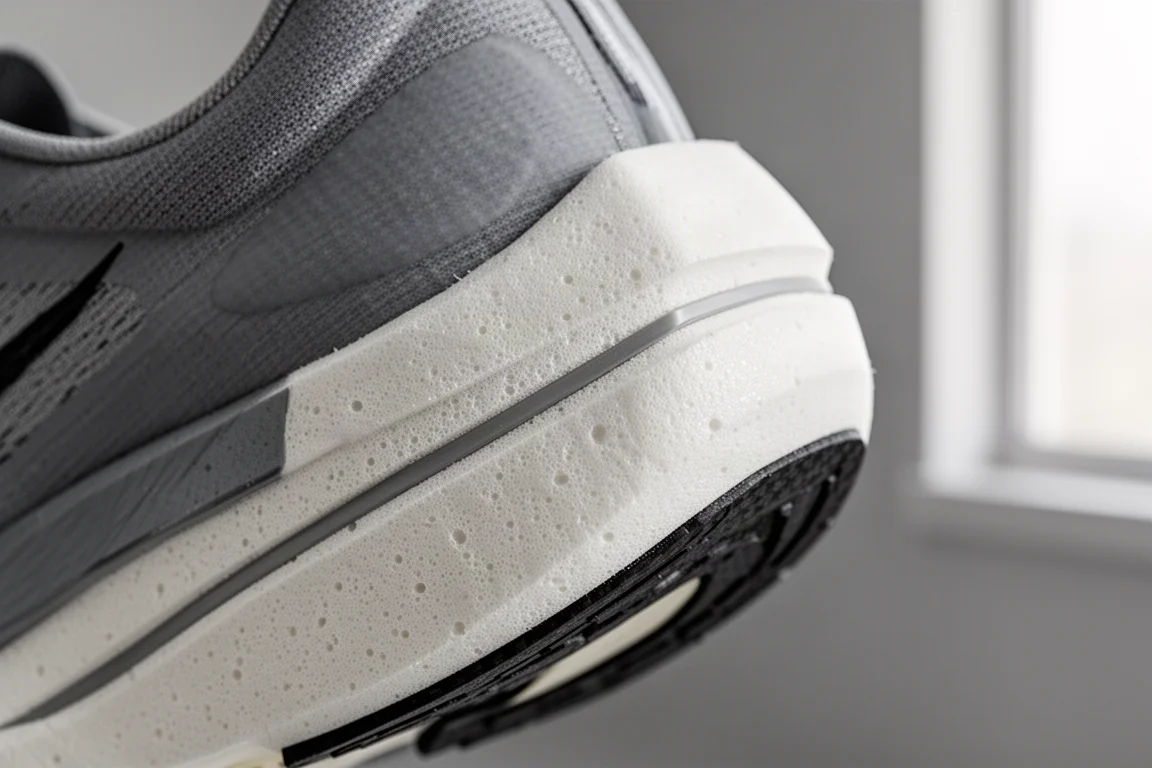
In practice, this is the biggest step forward in the Sky series’ history. The bounce is more pronounced, turnover is faster, and the midsole keeps returning energy over long distances. The shoe has been raced successfully in 5K and 10K runs, and it remains comfortable and efficient even at the marathon distance. This makes it far more versatile than most lean racing shoes: one shoe that genuinely works from 5K all the way to the marathon.
View more details for ASICS Metaspeed Sky Tokyo
Nike Vaporfly 4
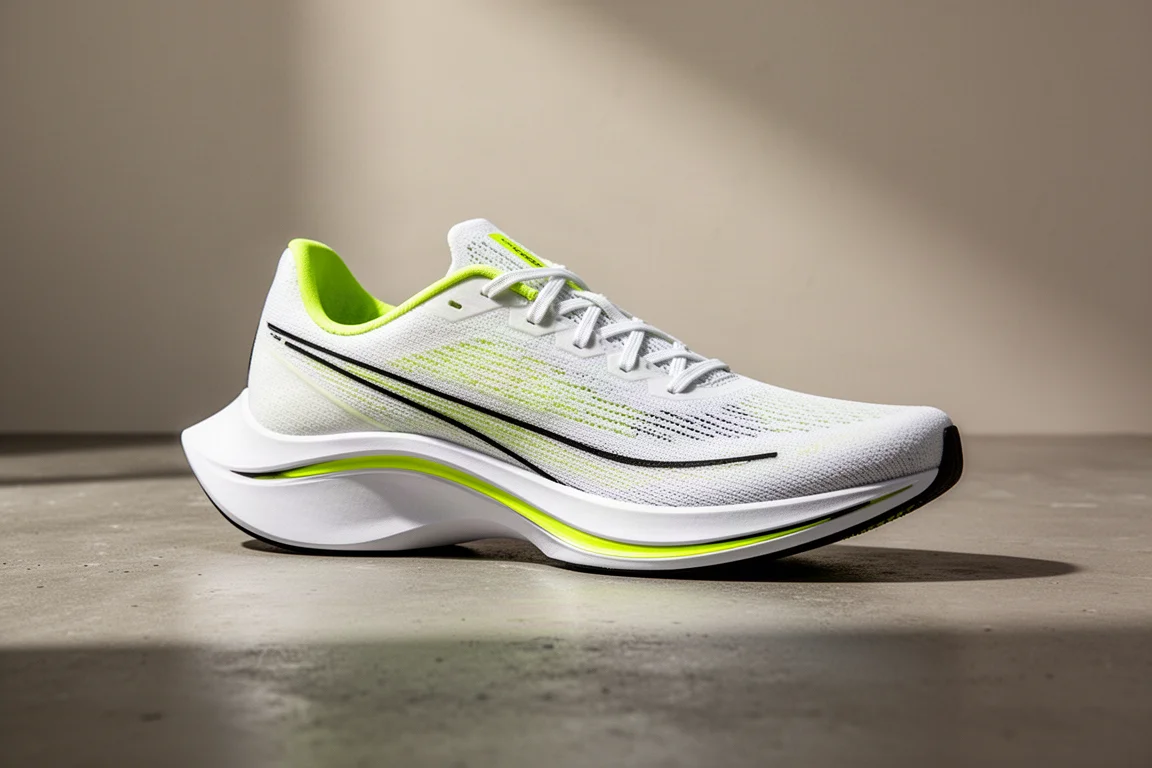
The Vaporfly 4 is the fourth version of one of the most popular racing shoes in the world, and in this update, Nike focused mainly on reducing its weight. This was achieved by slimming down the outsole and midsole and redesigning the upper, removing about 5 mm of stack height compared to the Vaporfly 3. The ZoomX foam used is lighter than before, and the carbon plate is placed at a higher angle than in the Vaporfly 3, which — combined with a lower heel-to-toe drop — improves propulsion. The upper is a lightweight engineered mesh with a reduced heel and tongue, and the outsole uses a thinner layer of rubber along the entire length of the shoe.
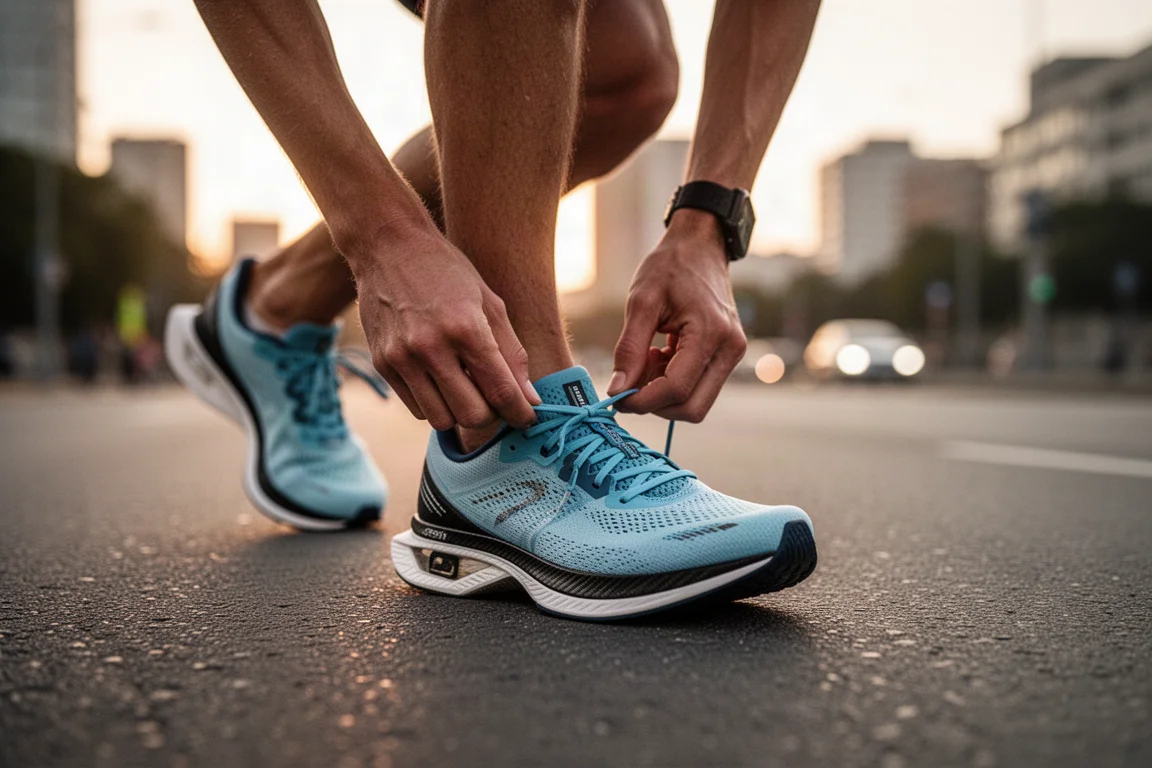
On the run, the changes are easy to feel. It is a leaner and lighter shoe than the Vaporfly 3 and feels very fast and nimble on the foot. Where the Vaporfly 3 was softer and bouncier, this version offers more of a snappy kick from the plate and ZoomX rather than a deep bounce. This makes it perform best over shorter distances: it worked great on the track mile, and it now positions itself more clearly as a 10K and half-marathon shoe. Experienced runners may still find it sufficient for a marathon, but it lacks the bounce and energy return that many runners expect over longer distances.
Outsole and Durability
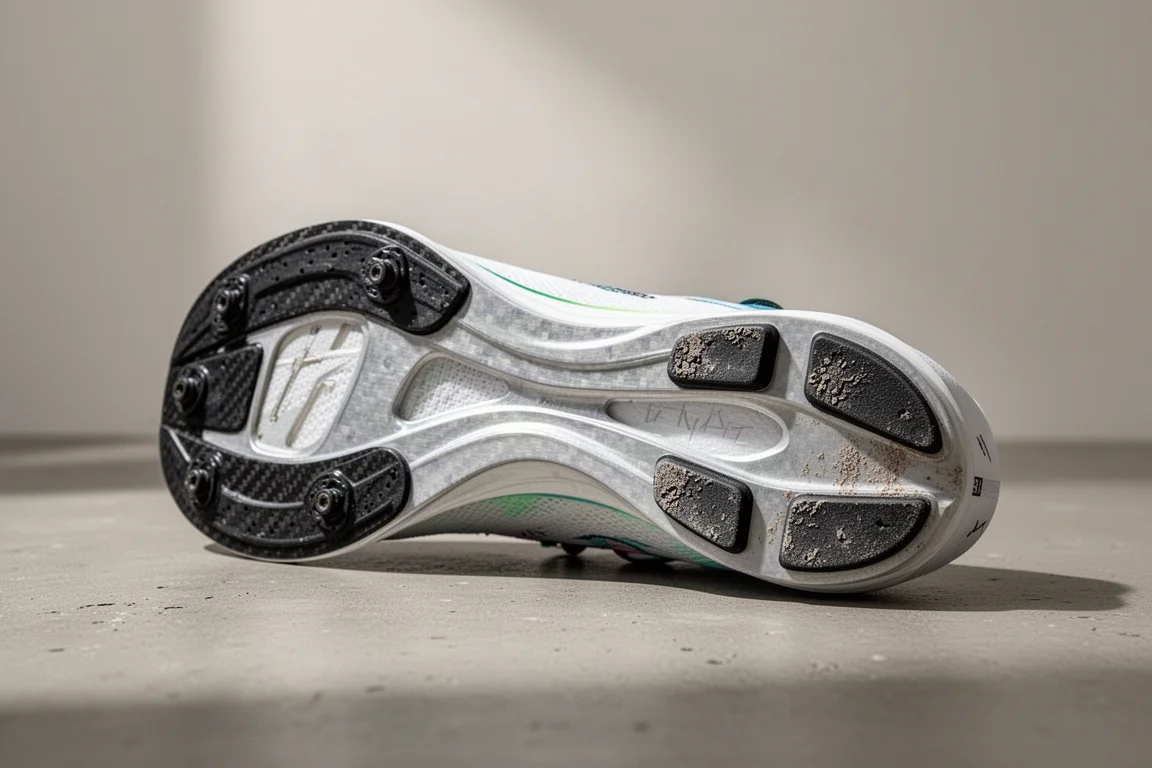
The Vaporfly 4’s outsole is very good. The forefoot section is thick and impressive, in line with earlier versions of the Vaporfly, and the rear rubber is more durable than before: the Vaporfly 3 famously lost rubber within the first 5K of a race, while the Vaporfly 4 shows only minor signs of wear after repeated use.
The Metaspeed Sky Tokyo uses less rubber overall to save weight, but the front section is connected to the rear of the shoe, providing extra protection for runners who land slightly on the outer edge of the foot. After intensive use, it shows no actual damage. Grip is good in both cases, with the Vaporfly 4 having a slight advantage in forefoot traction, although the ASICS outsole layout is arguably the smarter solution overall.
Verdict and Buying Advice
If you are looking for one shoe for every race distance, the Metaspeed Sky Tokyo is the clear choice. It has more bounce, a more noticeable energy return, and it feels light and fast while comfortably handling the marathon distance. There is little that the Vaporfly 4 does that the ASICS doesn’t do equally well or better.
The Vaporfly 4 is still a good shoe, but it is increasingly becoming a specialist proposition. It is fast, light, and responsive in shorter races from 5K to the half marathon, but it lacks the bounce and energy return that most runners expect at marathon pace. At a virtually identical price, you get less versatility.
In 5K races, either model is a good choice, and both offer similar benefits. From 10K up, the Metaspeed Sky Tokyo simply does more for the runner, and that is where this comparison is settled.
Summary
The ASICS Metaspeed Sky Tokyo is the stronger universal racing shoe: bouncier, more efficient over long distances, and usable from 5K to the marathon. The Nike Vaporfly 4 feels lighter and is fast over short distances, but it now presents itself as a specialist shoe for the 10K and half marathon, rather than a universal racer. If versatility and energy return are most important to you — choose the ASICS. If you race short distances and want the leanest, fastest feel underfoot, the Vaporfly 4 remains worth considering.
Więcej do przeczytania
Powiązane recenzje

Running Shoes
Najlepsze buty do biegania typu road-to-trail: Trzy wszechstronne propozycje na mieszany teren
Praktyczny przewodnik po trzech modelach butów do biegania typu road-to-trail, które sprawdzają się zarówno na asfalcie, jak i na łatwych szlakach, z uwzględnieniem ich mocnych stron i ograniczeń dla różnych typów biegaczy.

Running Shoes
Najlepsze buty do biegania przy zapaleniu ścięgna Achillesa: trzy propozycje
Trzy modele butów do biegania o różnym dropie i poziomie wsparcia, zaprojektowane, aby pomóc zmniejszyć ból ścięgna Achillesa podczas chodzenia i biegania.

Running Shoes
Najlepsze buty do biegania dla kobiet: Ranking pięciu czołowych modeli
Ranking pięciu modeli butów do biegania dla kobiet, od wszechstronnych butów treningowych po wyczynowe modele startowe, wraz z omówieniem ich mocnych stron i ograniczeń.