Running Shoes
ASICS Metaspeed Sky Tokyo vs Nike Vaporfly 4: Which Race Shoe Deserves Your Money?
Two of the most talked-about carbon plate race shoes go head to head on weight, midsole feel, outsole durability and race-day versatility.
Introduction
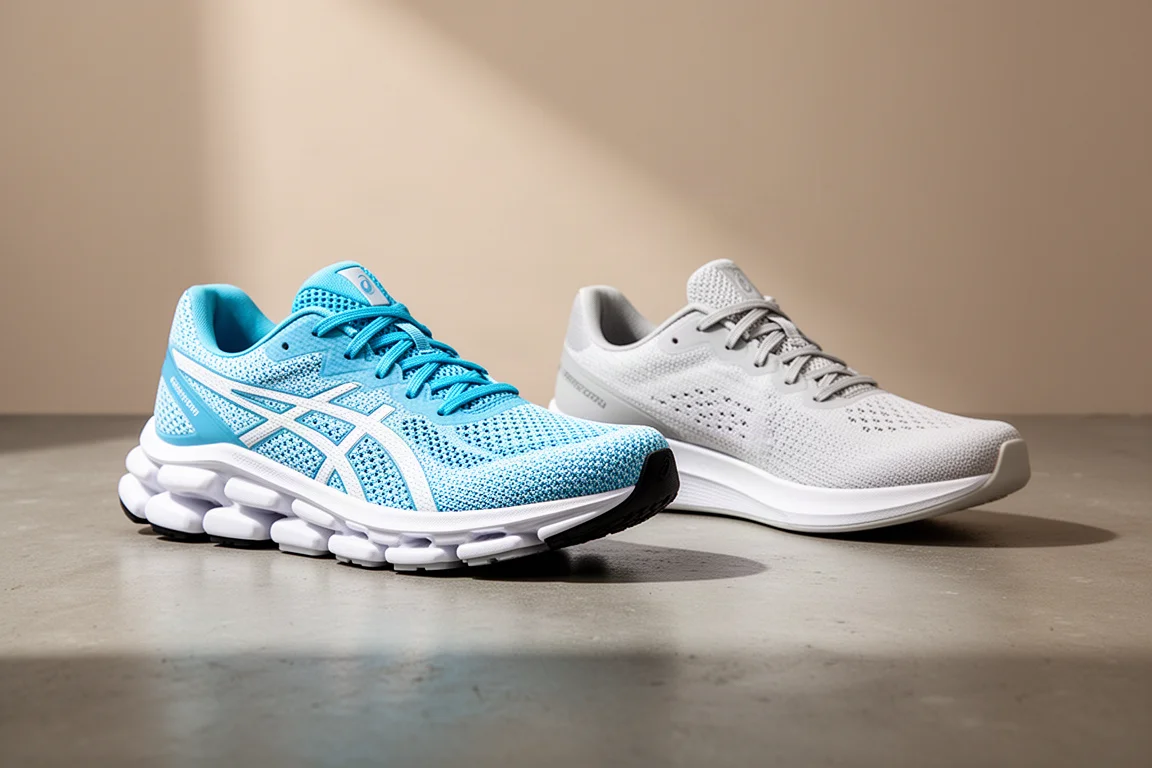
Carbon plate race shoes have matured into a crowded category, and choosing between the top options is harder than ever. Two names keep coming up: the ASICS Metaspeed Sky Tokyo and the Nike Vaporfly 4. Both are premium race day shoes priced at £240 (about $270), and both are built around a carbon plate and super foam midsole. But they have genuinely different characters, and the gap between them is bigger than the near-identical price tags suggest.
Quick Comparison
On paper, the two shoes are remarkably close. The Metaspeed Sky Tokyo weighs 158 g (5.6 oz) for men in a size 8, with a 5 mm drop. The Vaporfly 4 comes in at 171 g (6 oz) in the same size, with a 6 mm drop. Pricing is effectively identical at £240 / $270 for the ASICS and £239.99 / $270 for the Nike.
Fit is also more similar than you might expect from lean race shoes. Both offer a roomy forefoot with plenty of space in front of the toes, a secure midfoot lockdown, thin tongues, and comfortable padding around the heel. Both feel comfortable to run in straight away, and sticking to your normal size is a safe bet in either shoe.
ASICS Metaspeed Sky Tokyo
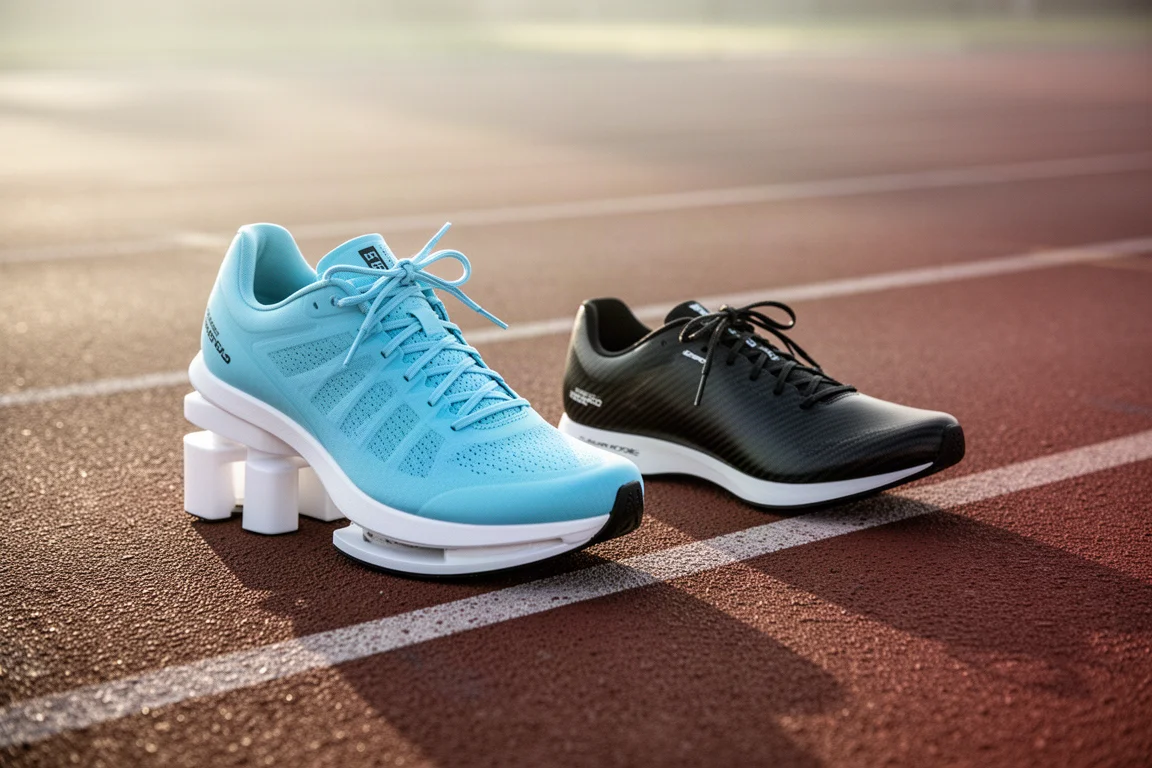
The Metaspeed Sky Tokyo is a high-performance race shoe designed for runners who increase speed by opening up their stride. It aims to deliver greater efficiency when you take longer steps, helping you hold your pace deeper into a race.
The midsole uses two foams working together. FF Leap sits on the bottom: a light, bouncy foam that cushions landings and provides a high level of energy return with each push-off. On top of it, FF Turbo Plus adds responsiveness and improves the support of the ride. Compared with the Metaspeed Edge, which targets high-cadence runners, the Sky version has a thicker forefoot midsole and a higher plate position.
Other details include a lightweight Motion Wrap 3.0 upper, an ASICs grip rubber outsole that holds traction across varied surfaces, and secure-fitting laces.
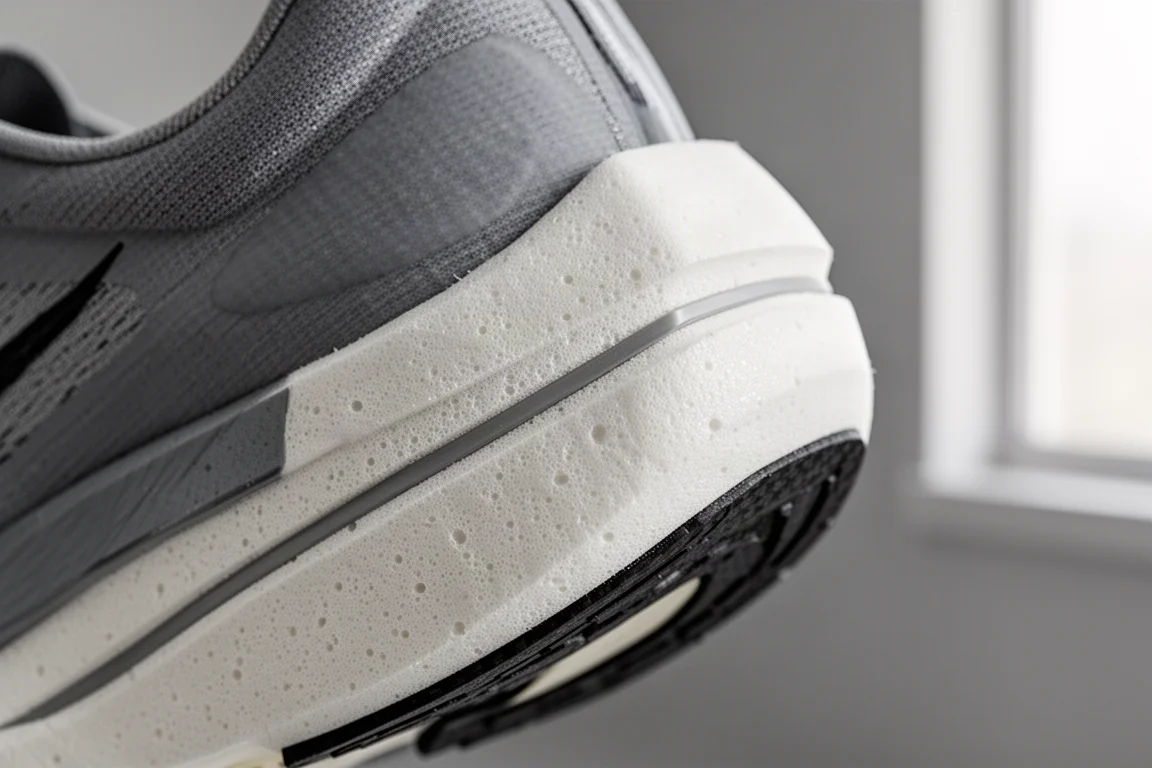
In use, this is the biggest step forward the Sky line has taken. The bounce is more pronounced, turnover feels quicker, and the midsole keeps giving back over long distances. It has been raced in over 5K and 10K with strong results, and it remains comfortable and efficient even at marathon distance. That makes it far more versatile than most lean race shoes: one shoe that genuinely works from 5K all the way to a marathon.
View more details for ASICS Metaspeed Sky Tokyo
Nike Vaporfly 4
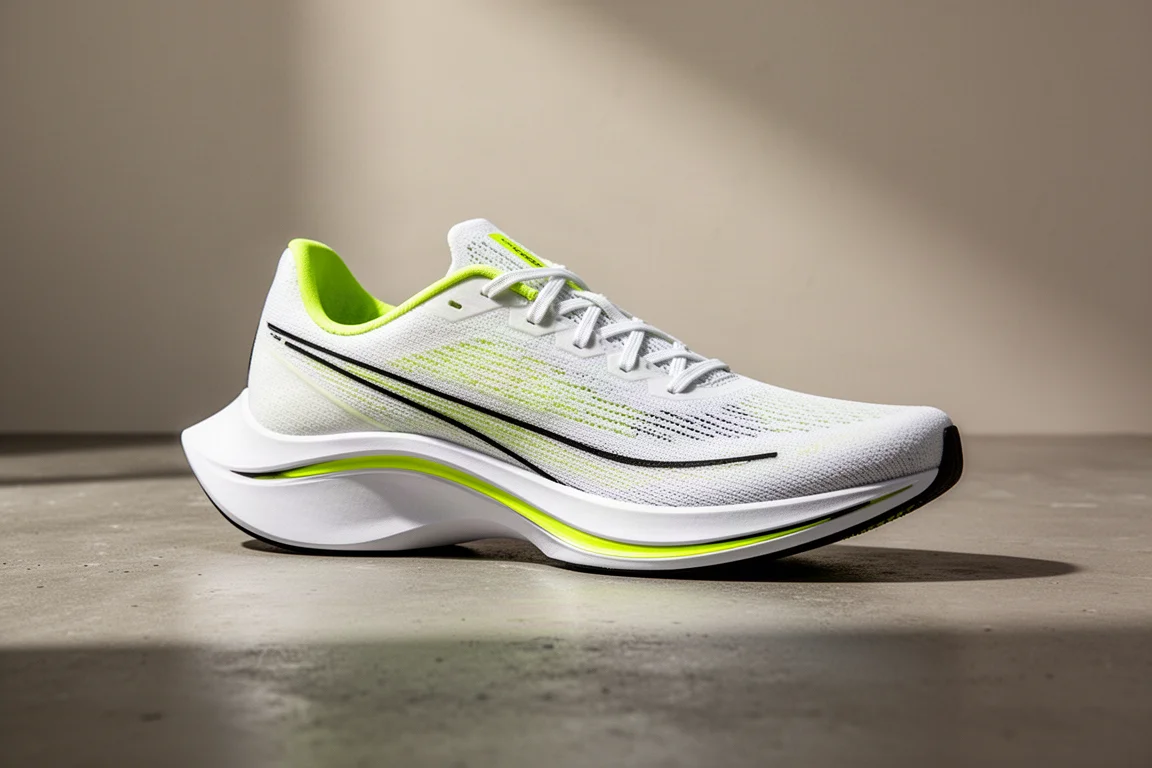
The Vaporfly 4 is the fourth version of one of the most popular race shoes in the world, and Nike has focused this update on making it noticeably lighter. That has been achieved by trimming the outsole and midsole and reworking the upper, removing around 5 mm of stack height compared with the Vaporfly 3. The ZoomX foam used is lighter than before, and the carbon fiber plate is positioned at a higher angle than in the Vaporfly 3, working with a lower heel-toe drop to improve propulsion. The upper is a lightweight engineered mesh with a reduced-size heel and tongue, and the outsole uses a thinner layer of rubber along the length of the shoe.
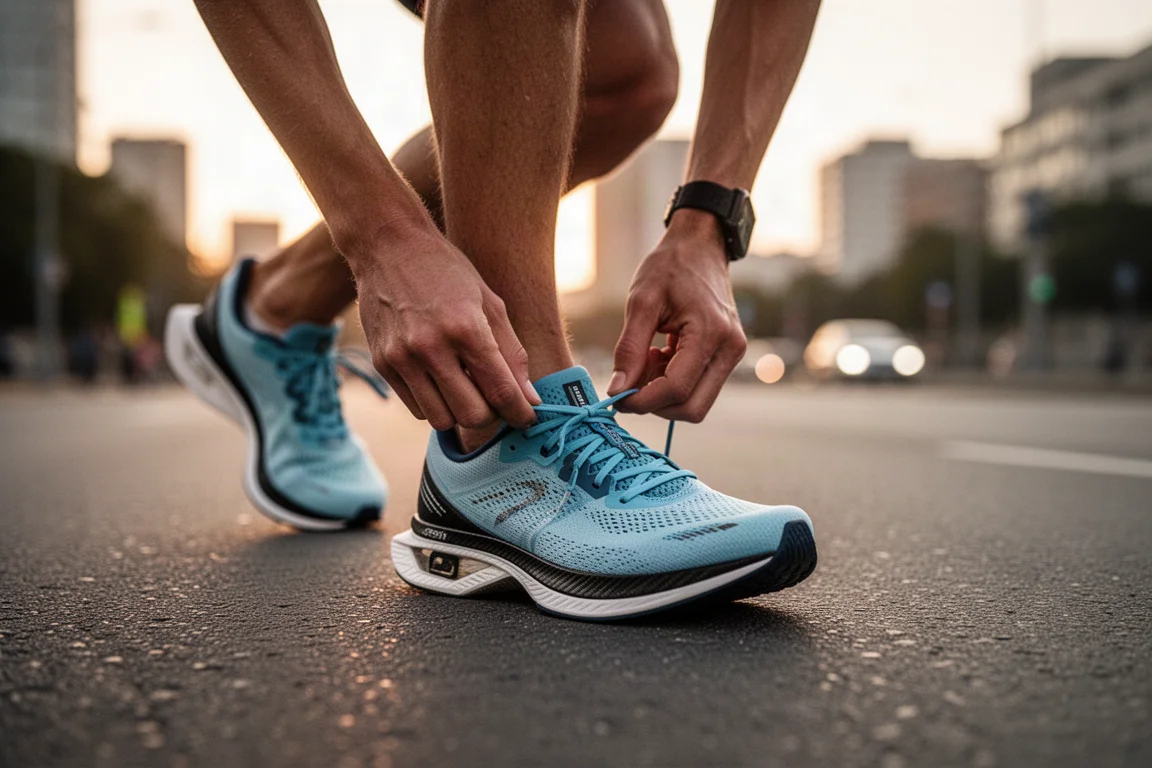
On the run, the changes are easy to feel. It is a leaner, lighter shoe than the Vaporfly 3, and it feels very quick and nimble on the feet. Where the Vaporfly 3 went softer and bouncier, this version has more of a snappy kick from the plate and ZoomX rather than deep bounce. That makes it feel best over shorter distances: it worked very well for a track mile, and it now sits more clearly as a 10K and half marathon shoe. Seasoned runners may still find it fine for a marathon, but it does not have the bounce and energy return that many runners would want over longer distances.
Outsole and Durability
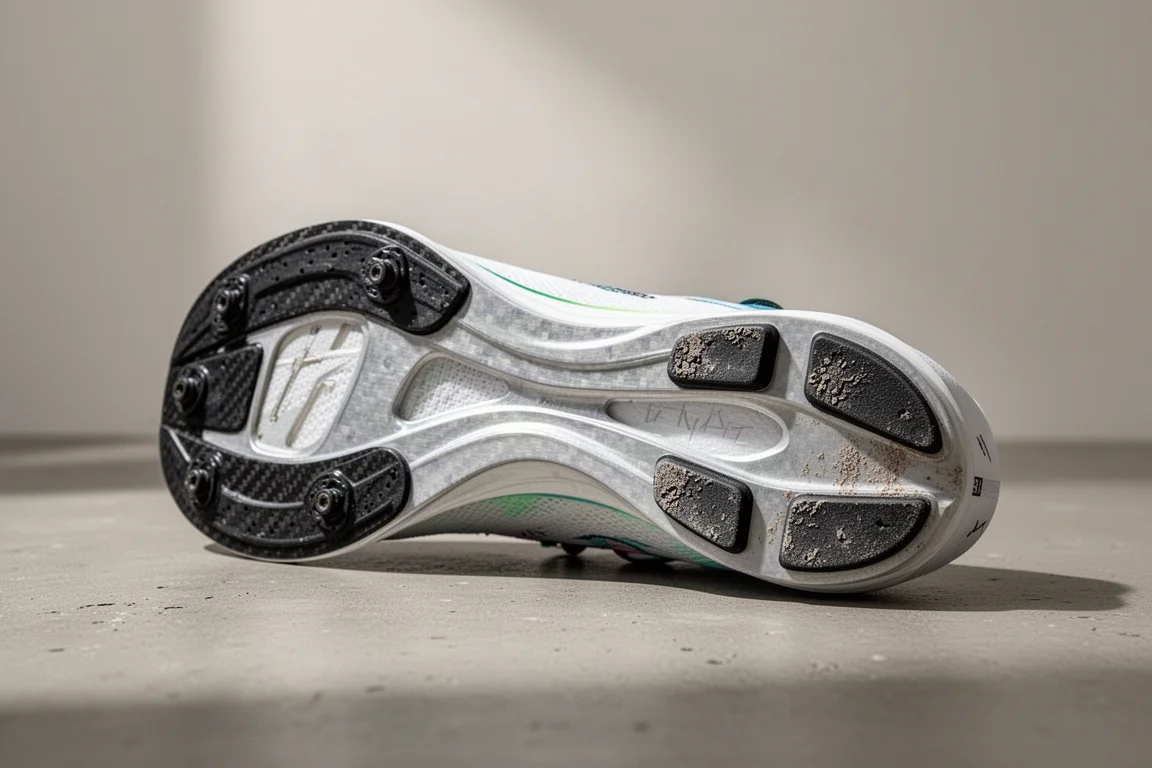
The Vaporfly 4’s outsole is very good. The forefoot section is thick and impressive, in line with earlier Vaporfly versions, and the rear rubber is sturdier than before: the Vaporfly 3 famously lost rubber within the first 5K of a race, while the Vaporfly 4 shows only minor wear after repeated use.
The Metaspeed Sky Tokyo uses less rubber overall to save weight, but the front section is connected to the back section of the shoe, giving extra protection for runners who roll slightly off the outside of the foot. After hard use it shows no real damage. Grip is good on both, with the Vaporfly 4 edging ahead on forefoot traction, though the ASICS outsole layout is arguably the smarter design overall.
Verdict and Buying Advice
If you want one shoe that handles every race distance, the Metaspeed Sky Tokyo is the clear pick. It has more bounce, more noticeable energy return, and it feels light and quick while still holding up comfortably over marathon distance. There is little the Vaporfly 4 does that the ASICS does not do as well or better.
The Vaporfly 4 is still a good shoe, but it is becoming more of a specialist option. It is fast, light and responsive for shorter efforts like 5K to half marathon, yet it lacks the bounce and energy return that most runners will want at marathon pace. At a virtually identical price, you are getting less versatility.
For 5K racing, either shoe is a fine choice and both deliver similar benefits. From 10K upward, the Metaspeed Sky Tokyo simply does more for you, and that is where this comparison is settled.
Conclusion
The ASICS Metaspeed Sky Tokyo is the stronger all-round race shoe: bouncier, more efficient over long distances, and usable from 5K to marathon. The Nike Vaporfly 4 is lighter-feeling and quick over short distances, but it now reads as a specialist shoe for 10K and half marathon rather than a do-everything racer. If versatility and energy return matter most, go ASICS. If you race short and want the leanest, quickest feel on your feet, the Vaporfly 4 remains worth a look.
Further reading
Related Reviews

Running Shoes
Best Road-to-Trail Running Shoes: Three Versatile Options for Mixed Terrain
A practical guide to three road-to-trail running shoes that handle both pavement and mild trails, with clear strengths and trade-offs for different runner types.

Running Shoes
Best Running Shoes for Achilles Tendonitis: Three Options Explained
Three running shoes with different heel drops and support features designed to help reduce Achilles tendon pain during walking and running.

Running Shoes
Best Running Shoes for Women: Five Top Choices Ranked
A ranked guide to five women's running shoes, from versatile daily trainers to high-performance racing options, with real strengths and trade-offs for each.