Polski · Running Shoes
Adidas Boston 13 Review: A Firmer, More Disciplined Daily Trainer
Adidas keeps the Boston's identity intact with a lower stack, more Light Strike Pro in the forefoot, and added comfort up top. Here is how it runs.
Introduction
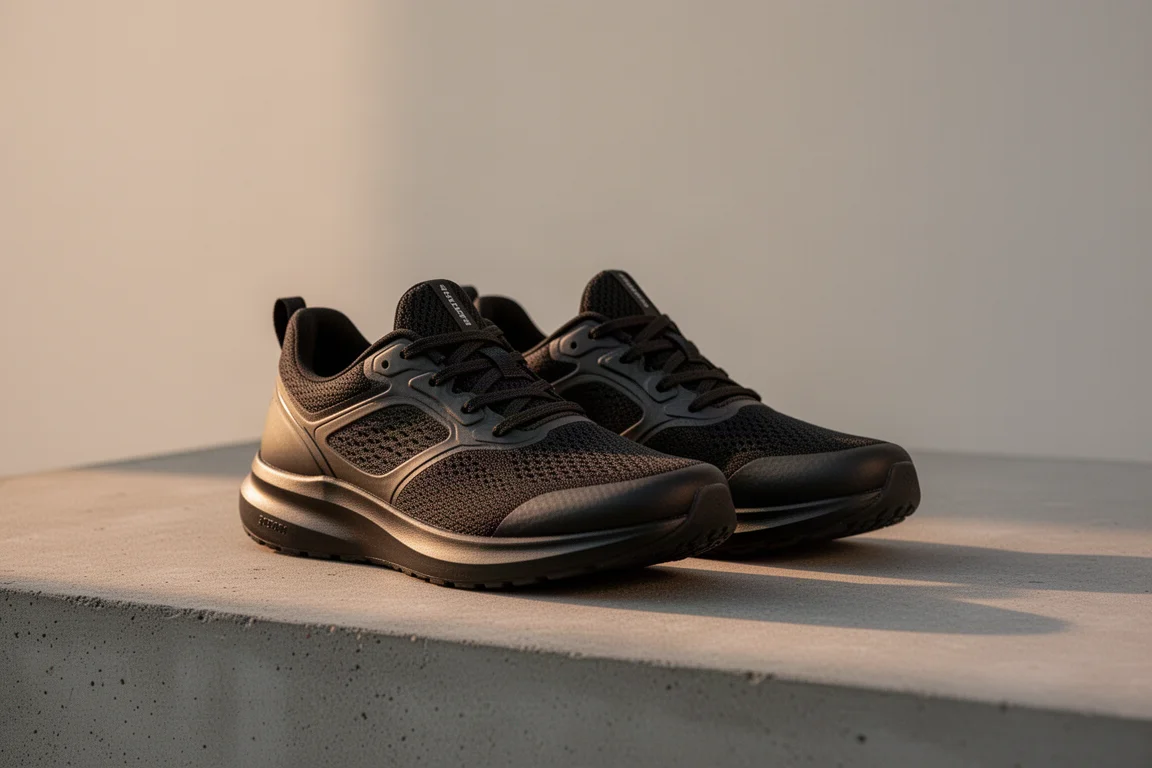
Adidas has kept the core identity of the Boston line largely intact with the 13th generation, even while making some meaningful updates. The goal, according to the brand, was to preserve what made the Boston 12 such a popular training partner to the Adios Pro 4, while bringing a bit more everyday comfort. The stack height has dropped, there is more Light Strike Pro in the forefoot, and the upper has gained padding in the tongue and heel collar.
So does all of that add up to a better everyday training shoe? After logging over 40 miles at a mix of paces, the short answer is that it is a strong workhorse with a firmer, more engaging ride than the soft, bouncy trainers it is often compared to.
Specs at a Glance
The Boston 13 packs 36mm of stack in the heel and 30mm in the forefoot, for a 6mm drop. That is down from 38/31 and a 7mm drop in the Boston 12. Weight stays roughly the same: the official figure is 258 grams, and it came in at 259 grams in a UK 8.5 / US 9 test shoe, so only 2 grams lighter than before.
Price sits in line with the daily trainer category, so the main question is whether the ride character suits your rotation rather than whether it offers value.
What Has Changed in the Boston 13
The midsole remains a dual-foam setup combining Light Strike Pro and Light Strike, but there is now 13.8% more Light Strike Pro, much of it in the forefoot, in a bid to make the toe-off feel snappier. Adidas wanted the transition to feel more like an Adizero shoe, bringing some familiarity if you step up to the Adios Pro 4 on race day.
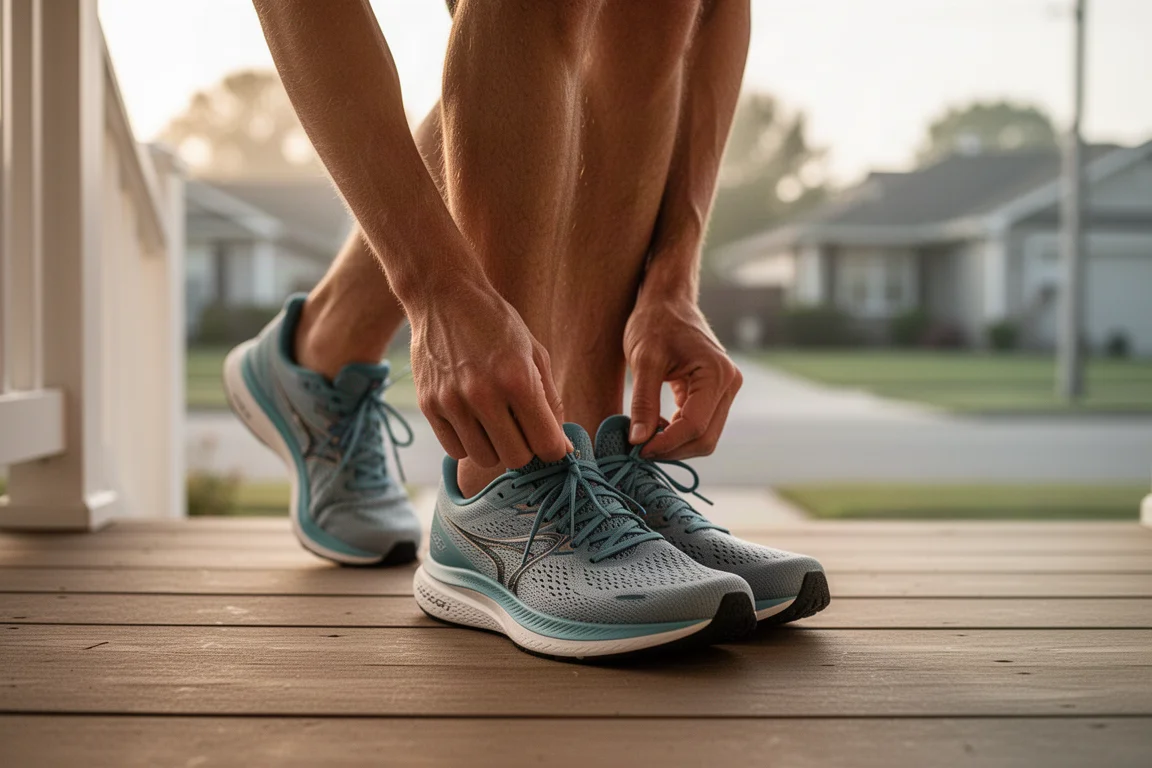
The layered construction works like this: a thin layer of Light Strike in the forefoot, a thicker layer in the heel for stability, the energy rod system in between, and a top layer of Light Strike Pro with more of it up front than at the heel.
Up top, the structured engineered mesh stays, but the tongue and heel collar now come with more padding. The Boston 12 was more minimal and racy, which not everyone wanted for longer training miles. Here you get a medium-padded heel collar and a lightly padded tongue that is not too thick. Flip the shoe over and you find a generous covering of outsole rubber, with large Continental pads in the main forefoot strike area and a heel pad, with Light Traction rubber elsewhere.
Fit and Comfort
In testing, a US 9 fit true to size, which has not been the case across all recent Adidas shoes. The Adios Pro 4, for example, came up short in length at the same size. The Boston 13 offers good clearance at the end of the toe box, with no problems from toes hitting the front of the shoe on longer runs.
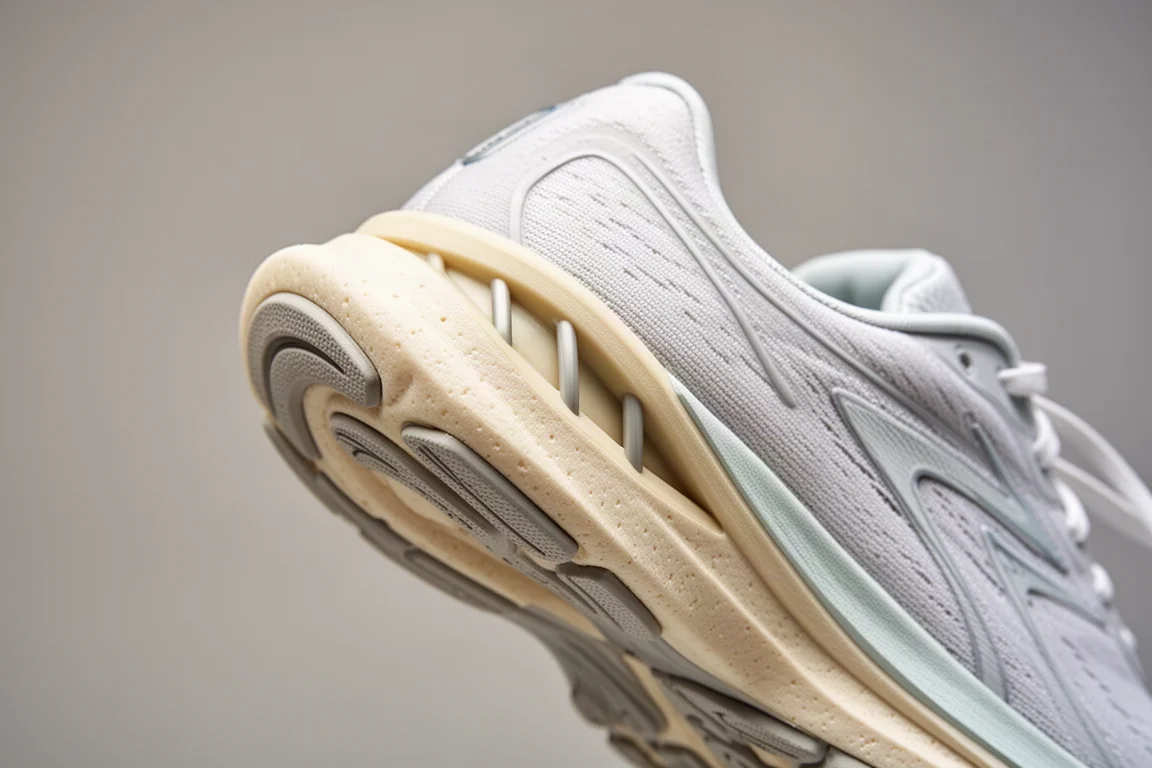
The upper holds the foot well: snug and secure without being too tight across the toe knuckles, helped by the stretch and flex of the mesh. The midfoot lockdown is solid, and the medium-padded heel collars are a clear improvement over the more exposed, racy feel of the Boston 12. The padded tongue prevents any lace pinch. Overall, it is a comfortable, true-to-size daily trainer.
Ride and Performance
Straight out of the box, comfort is excellent. The shoe feels light and almost disappears on the foot, which is exactly what you want from a trainer you will log a lot of miles in. Once moving, though, the ride is firmer than expected, especially at slower paces. With Light Strike Pro in the forefoot, you might anticipate something softer and bouncier, closer to the Adios Pro 4, but the Boston 13 is a different beast.
Instead, it leans into a mildly springy responsiveness with an edge of firmness. The Light Strike base makes for a grounded, structured platform that balances cushion with stability. It is not a big bouncy ride, but the shoe opens up when you pick up the pace. At around 6:50 per mile, the ride felt more dynamic, with the forefoot foam delivering a quick, responsive turnover.

If you prefer a shoe that encourages quicker foot turnover and does not coddle your stride or interfere too much, the Boston 13 delivers. It handles mid-to-up-tempo paces well and still offers enough cushion for slower miles. It is firm by comparison rather than seriously firm, so runners who want a softer, more protective feel for long recovery runs may want to look elsewhere.
Verdict: Who Should Buy the Boston 13
The Boston 13 ticks most of the boxes of a solid rotation workhorse, just with a firmer, more responsive ride than softer, springier trainers like the ASICS SuperBlast 2 or the New Balance SC Trainer v3. It also feels different from the Saucony Endorphin Speed 4, which comes across as more punchy. You might call it a shade blocky, but that brings good stability from a wide platform, and there is enough versatility to handle endurance miles as well as faster sessions.
It is not as soft as some options, and it is certainly not as punchy and precise as something like the Hoka Mach X2. But if you value a snappier, more engaging ride where your feet still do some of the work, it is definitely worth a look. It is an excellent everyday trainer, happy cruising long marathon training runs while still able to go shorter and faster, and it works well as a daily training partner for those racing in the Adios Pro 4.
Conclusion
The Adidas Boston 13 is a confident evolution of a well-liked trainer: lighter comfort up top, more premium foam where toe-off matters, and a ride that rewards quicker turnover. It is not the plush option in the daily trainer market, but runners who want a stable, structured, and engaging shoe for high weekly mileage will find a lot to like here.
Link do produktu
Zobacz więcej szczegółów: Adidas Boston 13
Ten produkt jest wymieniony w tej recenzji. Przed zakupem sprawdź specyfikację, dostępne warianty i kompatybilność.
Zobacz więcej szczegółów: Adidas Boston 13Więcej do przeczytania
Powiązane recenzje
Running Shoes
10 pomijanych butów do treningu maratońskiego, które warto przyjrzeć się bliżej
Poza szumem medialnym: dziesięć solidnych albo wybitnych butów do biegania, które są pomijane — od amortyzowanych butów stabilizujących po przecenione super tracki.
Running Shoes
10 butów do biegania warte uwagi: dziesięć nowości i wyróżnień, które testujemy
Od butów z płytką po elastyczne trenerki i wygodne modele trailowe — oto, co sądzimy o dziesięciu butach do biegania, które obecnie testujemy.
Running Shoes
10 butów do biegania, które musisz znać już teraz
Jedenaście wyróżniających się propozycji obejmujących buty startowe, tempo, codzienne trenerów i jedną szaloną opcję gravelową, wybranych za to, jak dobrze odpowiadają na realne potrzeby biegaczy.