Running Shoes
Adidas Boston 13 Review: A Stripped-Down Speed Training Shoe That Rewards the Work
Now that the Boston 13 is officially on the market, here is who should buy it, who should skip it, and how it compares to the Evo SL and Adios Pro 4.
Introduction
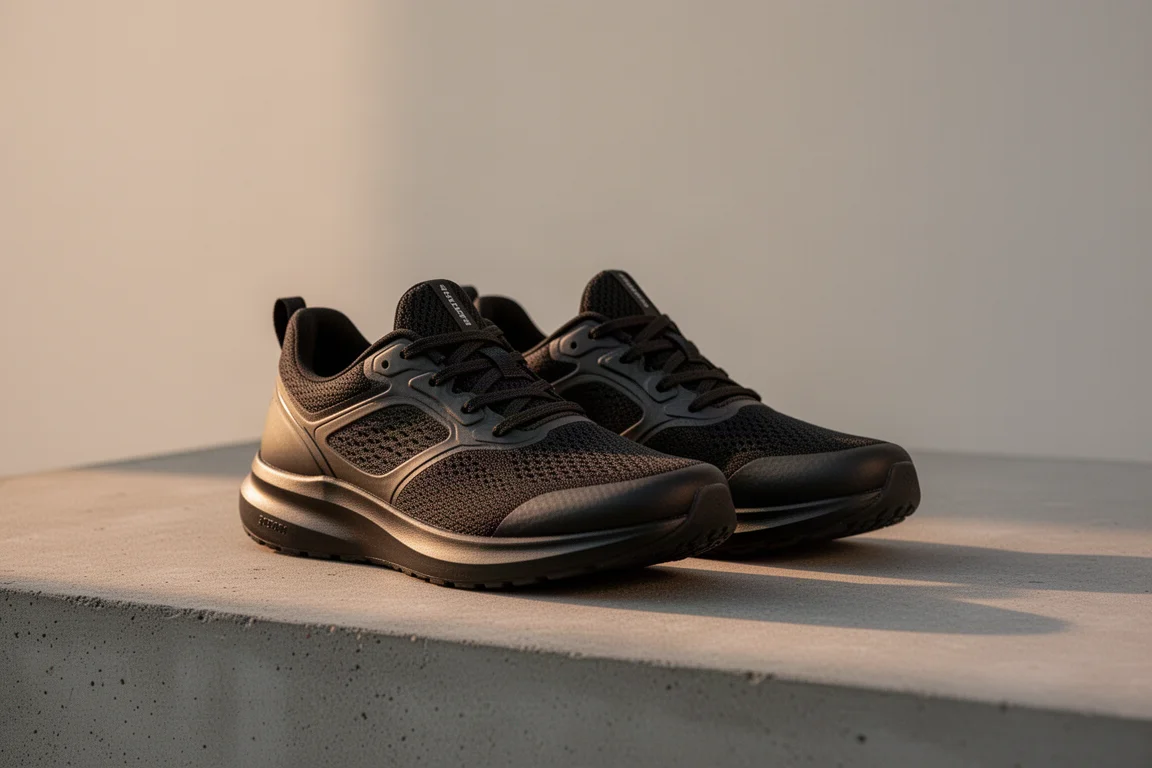
The Adidas Boston 13 is officially on the market, and after a solid block of testing that includes roughly 50 miles in the shoe, it feels like the right time for a full buying breakdown. This is Adidas’s speed training shoe, and this generation has gone in a noticeably different direction: lower to the ground, lighter, and less aggressive on paper, but more dialed in almost everywhere it counts.
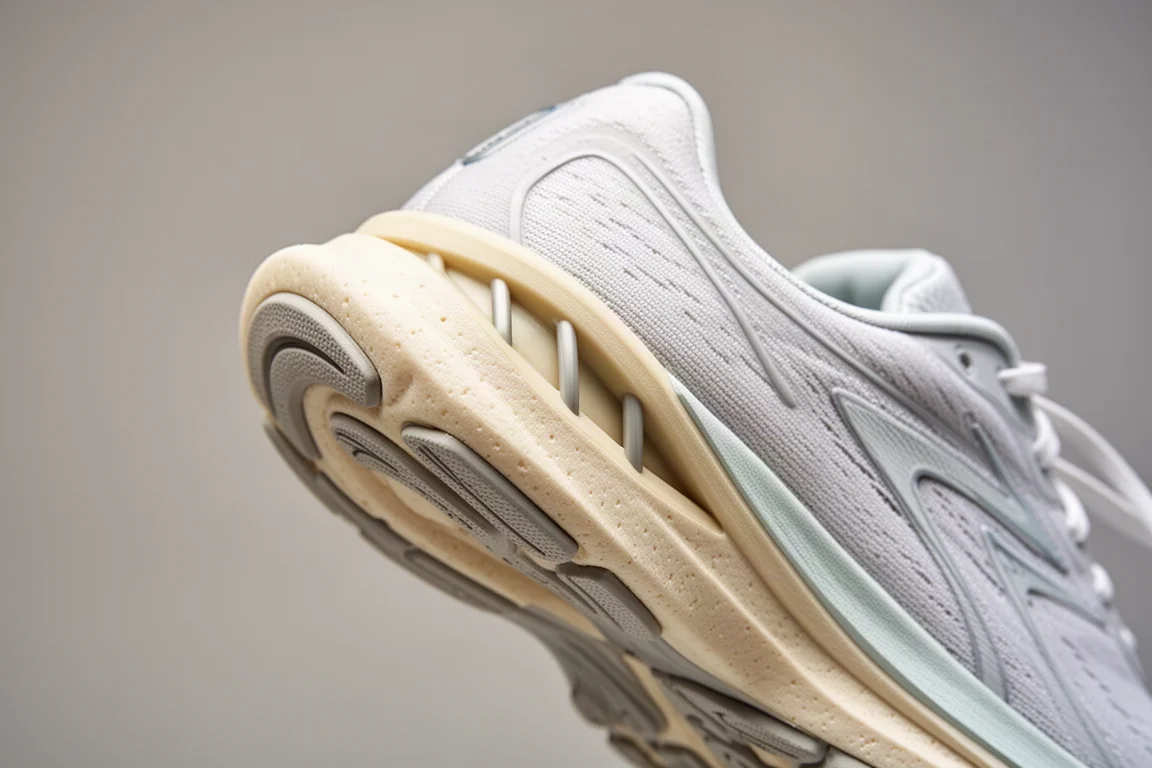
The core recipe is a top layer of Lightstrike Pro with a bottom layer of Lightstrike, stabilized by energy rods that add rigidity and snap. There is generous rubber coverage for training durability and added stability at the heel. Compared with the Boston 12, the 13 has a lower stack, a flatter forefoot with less rocker, and a softer overall feel. It is a shoe that does not fight you, and that turns out to be its greatest strength.
Who This Shoe Is For
The first group this shoe suits perfectly is runners who want a firmer, more aggressive feel in a speed training shoe. Much of the current market is drifting toward soft and squishy, even among race shoes, but the Boston 13 is not a marshmallow. Think of it more like a plated Rebel v3 or a plated Hoka Mach 5, or a return to form for the lighter, lower speed trainers of 2022 and 2023 like the original Brooks Hyperion Max, but updated with modern race foam and the energy rod.
It also rewards runners who genuinely train fast. The Boston 13 is best framed as a 5K, 10K, and half marathon training shoe rather than a tempo or marathon workout shoe. Shorter reps, faster-than-10K speed, hill training, and efficiency intervals are where it shines, because the rods give a sharp bite as soon as your mechanics shift into attack mode. It is easy to get the legs moving, and pushing pace feels natural rather than forced.
Main Strengths
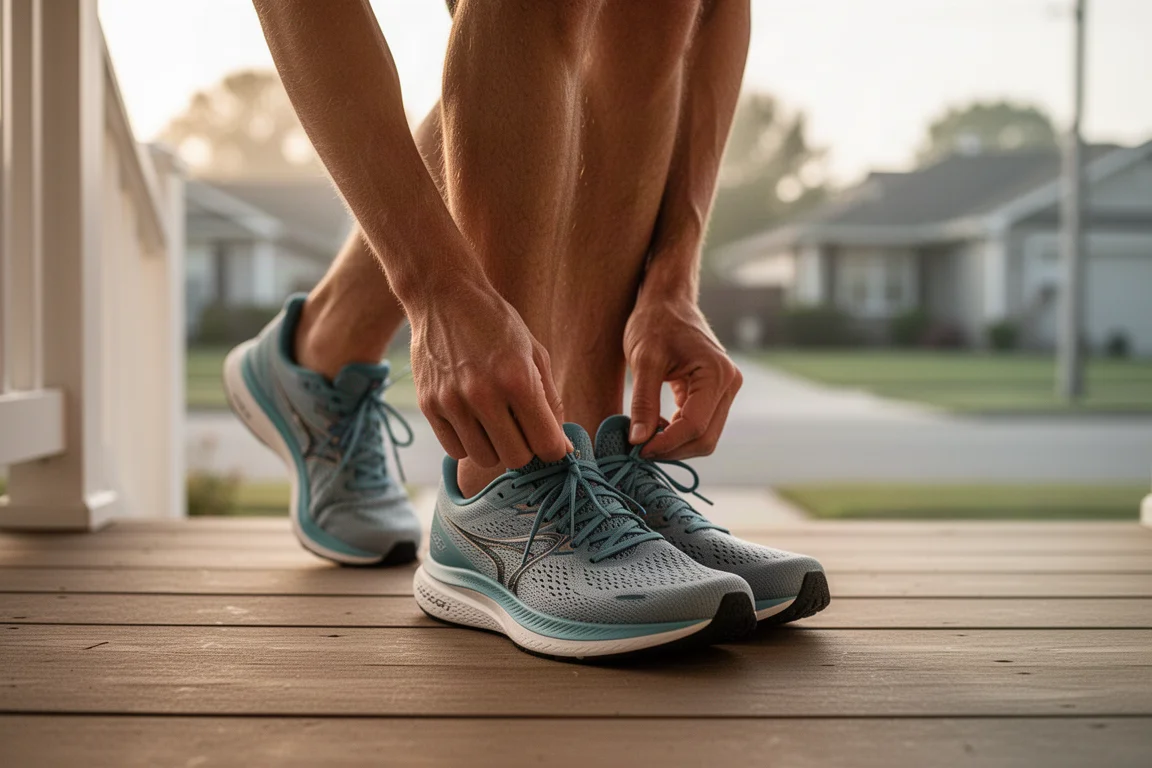
The upper is the headline surprise. Adidas has fixed what was wrong with the Boston 12, which many people disliked for its fit. The 13 fits true to size, offers generous padding on the tongue, better padding around the ankle so you will not have your ankles chewed up, and a secure, comfortable step-in feel. It is not something Adidas has historically been known for, but it has really nailed it here.
The ride itself is quietly excellent. After break-in, the foam gets noticeably bouncier, and around the 40 to 55 mile mark it feels fully alive. It is not a super soft ride, and that is refreshing. It is nimble, direct, and streamlined, with a heel that stays comfortable thanks to the chunk of Lightstrike at the back while the forefoot responds sharply when you push. It has a genuine dual character: comfortable for heel striking, crisp when you get up on the forefoot and rip.
There is also real versatility here. It is a capable daily trainer, and while relaxed easy miles are not where it is most fun, it can handle them without complaint. For a do-it-all shoe with a lighter, more streamlined character, it stands apart from the current wave of super trainers, most of which sit around or above 280 grams with over 40 millimeters of stack. The Boston 13 measures below 40 millimeters, closer to 35, and feels stripped down by comparison.
Things to Consider Before Buying
Fit and feel come with caveats. The shoe sits low to the ground and feels lower drop than its reported 6 millimeters, closer to a 4 millimeter shoe once the heel compresses. If you dislike lower drop platforms, this is worth taking seriously.
It also requires break-in. Like most Adidas shoes built on Lightstrike Pro and Lightstrike, the ride transforms after roughly 50 miles, so expect a stiffer early experience.
Finally, be honest about your expectations. If you want something soft, super cushioned, or explosively bouncy for relaxed jogging, this is not that shoe. Look at softer, bouncier alternatives in that category instead. And if you go in expecting a better version of the Evo SL, you will be disappointed: this is a completely different character, not a ten-dollar upgrade of it.

Buying Advice
The clearest comparison is with the Evo SL. The Evo SL is the shoe to get if you want to feel fast: it is more cushioned, better suited to 8 to 11 minute pace runners, first-time half or full marathoners, and people hammering slightly faster than they should on everyday runs. The Boston 13 is the shoe to get if you want to actually get faster. It is a tool for developing the mechanics, posture, and strength to sustain pace, and it demands that you do the work.
Against the Adios Pro 4, the Boston 13 is the firmer, more streamlined alternative for runners who find that shoe too mushy. At $160 it costs $10 more than the Evo SL, and it carries more technology, including the energy rods, while using a mix of foams rather than a full Lightstrike Pro midsole. For high-end speed training in this category, nothing else really comes close right now.
Conclusion
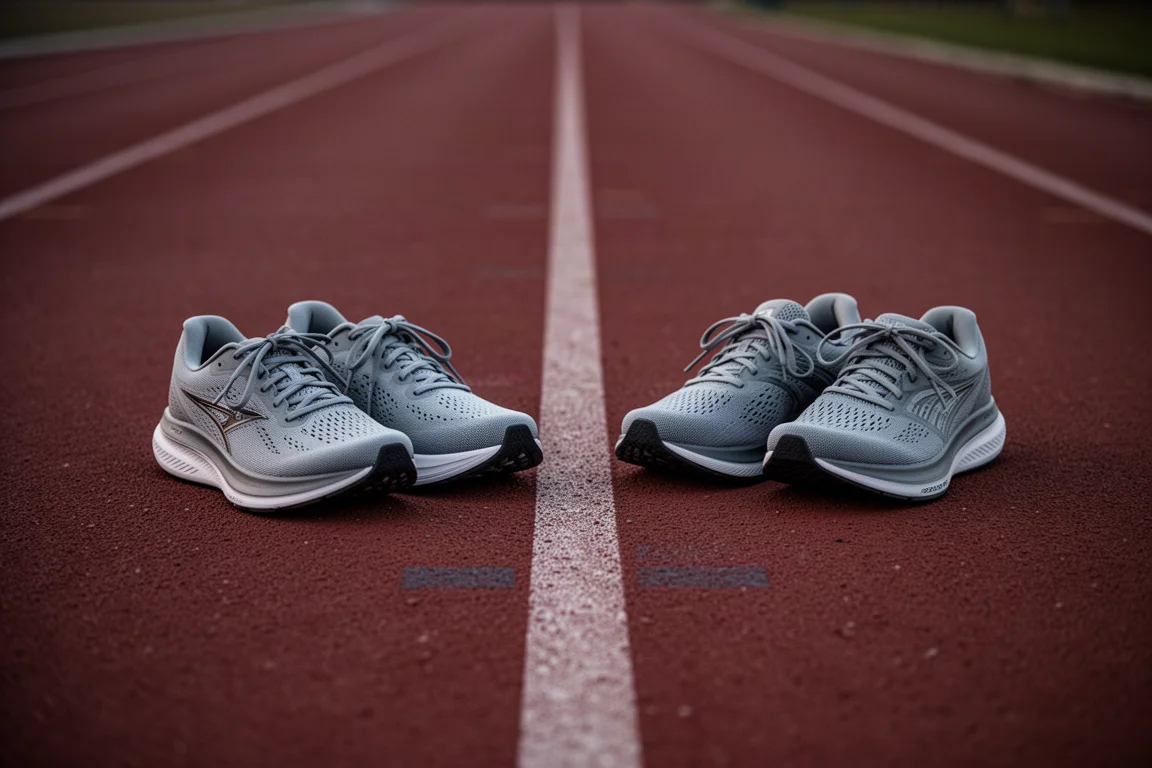
The Adidas Boston 13 is not flashy, and it will probably not be anyone’s all-time favorite shoe on feel alone. But it is dialed in in all the right ways: a genuinely comfortable true-to-size upper, a direct and nimble ride, race foam where it matters, and energy rods that reward fast running. For anyone building a rotation and wanting a dedicated speed tool that doubles as a capable daily trainer, this is arguably the best speed training shoe available right now.
Product link
View more details for Adidas Boston 13
This product is mentioned in the review. Check the specifications, options, and compatibility before buying.
View more details for Adidas Boston 13Further reading
Related Reviews

Running Shoes
Best Road-to-Trail Running Shoes: Three Versatile Options for Mixed Terrain
A practical guide to three road-to-trail running shoes that handle both pavement and mild trails, with clear strengths and trade-offs for different runner types.

Running Shoes
Best Running Shoes for Achilles Tendonitis: Three Options Explained
Three running shoes with different heel drops and support features designed to help reduce Achilles tendon pain during walking and running.

Running Shoes
Best Running Shoes for Women: Five Top Choices Ranked
A ranked guide to five women's running shoes, from versatile daily trainers to high-performance racing options, with real strengths and trade-offs for each.