한국어 · Turntables
Pro-Ject T1 Evo와 Debut Evo 2 턴테이블: 어떤 것을 사야 할까?
Pro-Ject T1 Evo, T1 Evo Phono, T1 Evo BT, Debut Evo 2를 실용적으로 살펴보고, 자신의 시스템에 맞는 모델을 고르는 방법을 안내합니다.
서론
바이닐은 이제 진정으로 인기 있는 취미가 되었지만, 비용이 오랫동안 저렴하게 유지되는 경우는 드뭅니다. 새 LP는 평균 약 $25이므로, 컬렉션은 그것을 재생하는 턴테이블보다 더 가치가 커질 수 있습니다. 이는 레코드 플레이어에 기대해야 할 기준을 바꿉니다. 레코드의 홈은 극도로 미세하며, 저렴한 자동 턴테이블은 홈을 영구적으로 마모시킬 수 있습니다. 고성능 턴테이블은 이러한 홈을 세심하게 트래킹하고 레코드를 보호하며 동시에 더 많은 음악을 끌어내도록 설계됩니다.
Pro-Ject는 1991년 오스트리아에서 설립되어, 바이닐이 사실상 끝났다고 여겨지던 시기에 저렴한 턴테이블을 만들기 시작했습니다. 30년이 넘은 지금, 이 회사는 세계에서 가장 큰 턴테이블 제조사 중 하나이며, 오스트리아에 디자인 팀을 두고 독일, 체코, 슬로바키아에 공장을 운영합니다. 이러한 성공의 단점은 선택의 폭입니다. 라인업은 $299에서 $14,999까지 46개 모델에 이르기 때문에 어디서 시작해야 할지 알기 어렵습니다.
T1 Evo와 Debut Evo 2는 그 범위에서 비교적 접근하기 쉬운 쪽에 위치하며, 둘 다 첫 본격적인 턴테이블로 올라서려는 청취자를 겨냥합니다.
고성능 턴테이블에서 중요한 것
턴테이블은 기계식 아날로그 기기이므로, 목표는 설명하기는 간단하지만 달성하기는 어렵습니다. 즉, 원래 없던 것을 더하지 않으면서 홈에 담긴 모든 것을 끌어내는 것입니다.
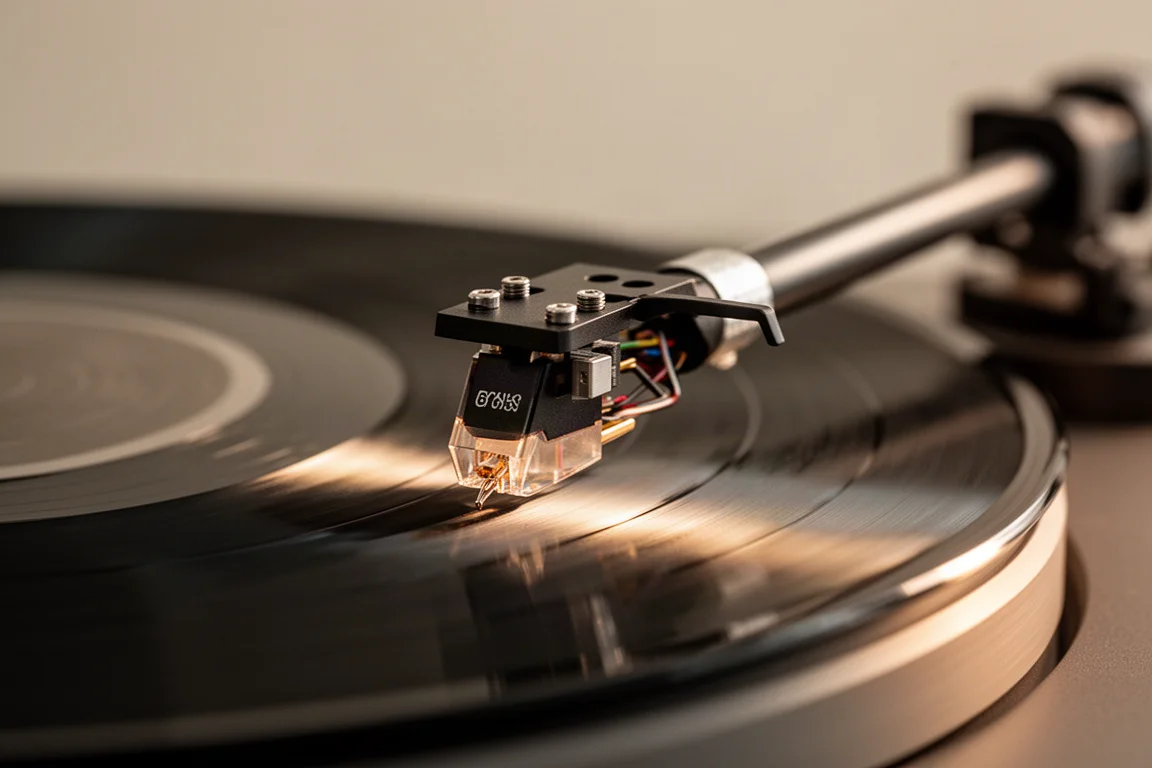
카트리지에서 시작됩니다. 카트리지는 레코드를 물리적으로 읽는 부분이기 때문입니다. 카트리지의 품질이 소리를 형성하지만, 턴테이블이 이를 제대로 뒷받침해야 그 모든 정보를 끌어낼 수 있습니다. 톤암은 카트리지를 고정하며, 베어링의 마찰을 최소화하면서 스타일러스를 홈에 완벽하게 유지하고 불필요한 공진을 더하지 않아야 합니다. 모터, 플래터, 플래터 베어링은 레코드를 일정한 속도로 회전시켜야 하며, 전체 어셈블리는 소리에 색을 입힐 수 있는 외부 진동으로부터 격리되어야 합니다.
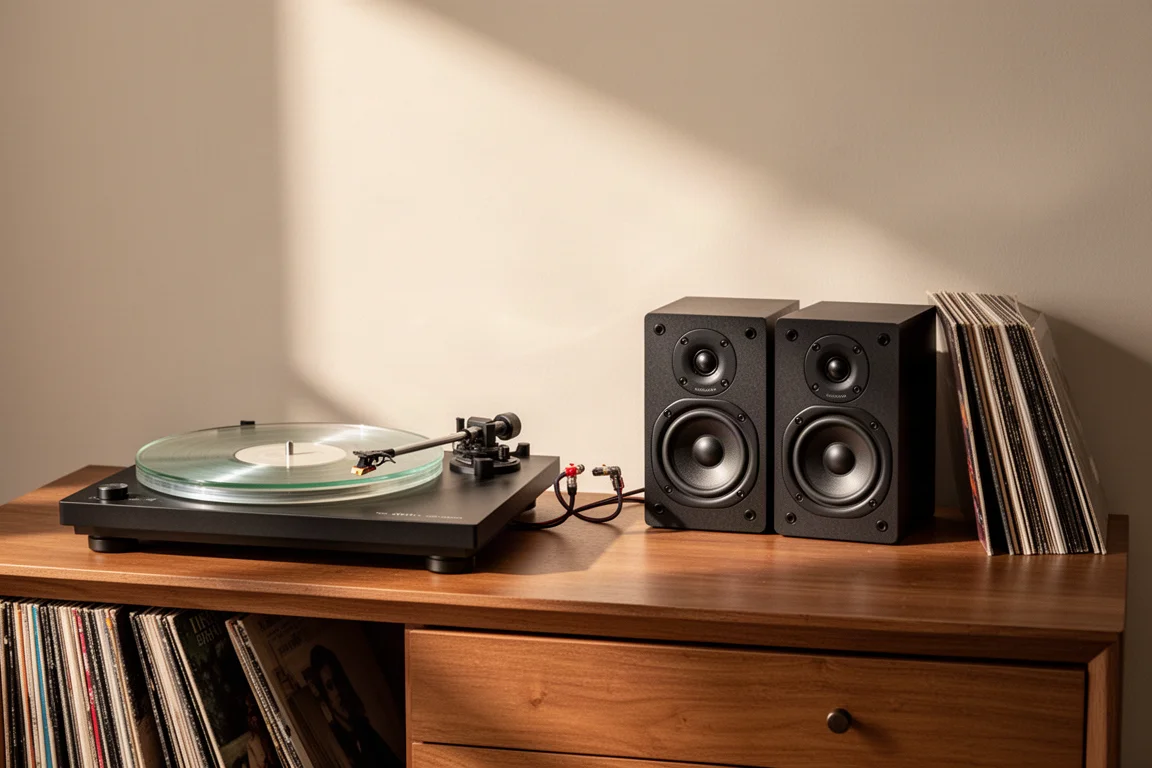
어떤 턴테이블에도 적용되는 실용적인 격리 팁이 하나 있습니다. 저음 에너지를 많이 내는 스피커에서 멀리 두고, 스피커와 같은 선반을 공유하지 마십시오.
Pro-Ject T1 Evo: 입문 지점
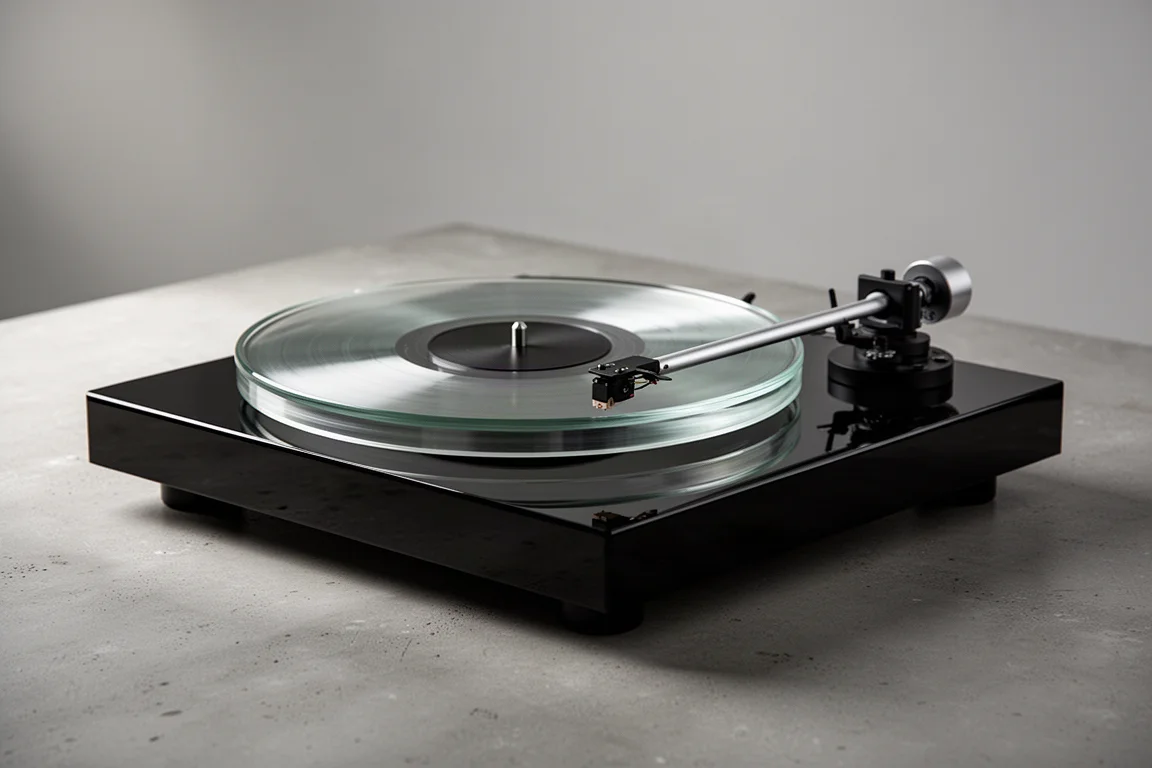
T1 Evo는 직관적이고 잘 만들어진 매뉴얼 턴테이블입니다. 매뉴얼 방식이란 톤암을 리드인 홈 위로 옮기고, 큐잉 레버로 내리고, 면이 끝날 때 다시 들어 올리는 것을 의미합니다. 자동 기계 부품을 제거하는 것은 많은 고성능 턴테이블이 매뉴얼인 이유 중 하나입니다. T1 Evo와 Debut Evo 2 모두 전자식 속도 제어를 갖추고 있어, 33과 45 RPM 전환은 벨트를 모터 풀리의 다른 위치로 옮기는 대신 스위치로 해결됩니다.
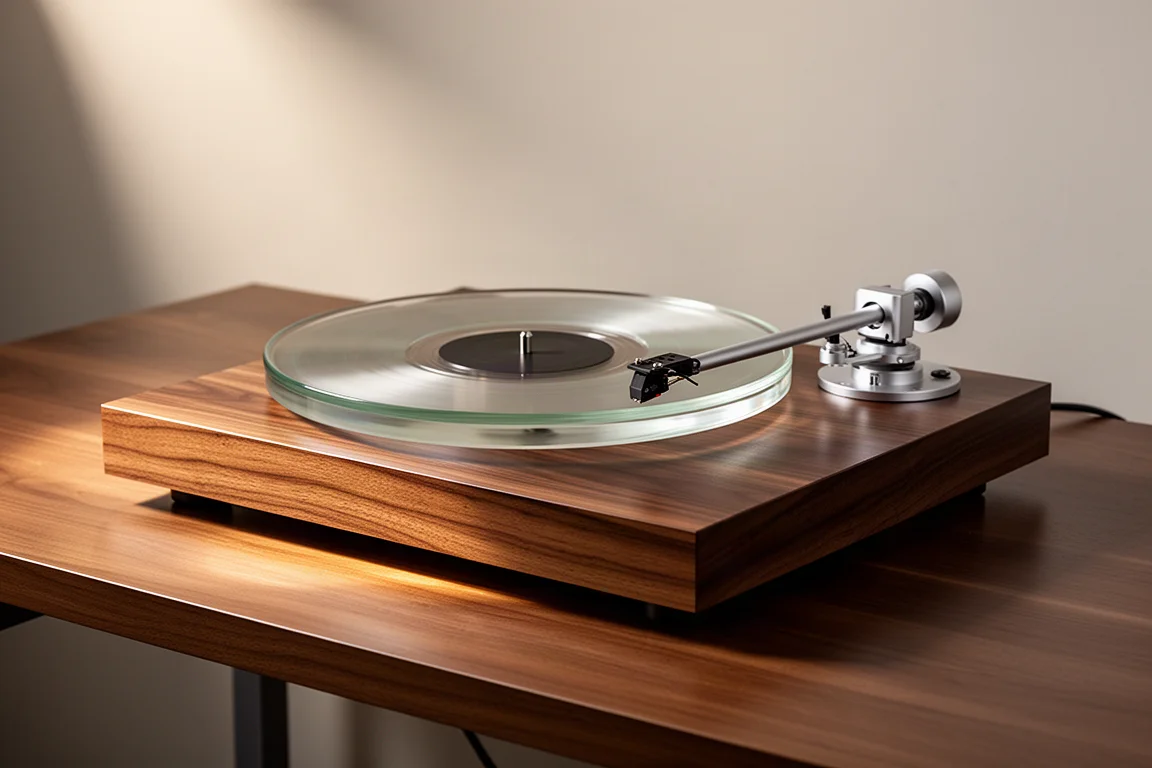
The tonearm is a one-piece aluminum design with friction-free bearings, and it arrives with the popular Ortofon OM10 moving magnet cartridge already mounted and aligned. The counterweight is set for the correct tracking force out of the box, which keeps setup simple. Given the price, the arm feels like a first-class piece of hardware, and its low-friction bearings feel solid for the money.
The plinth is CNC machined to reduce resonance, and the feet use a special material to keep external vibration away from it. The feet are not adjustable, which makes leveling slightly less convenient. The motor is mounted to the plinth with isolators, and it drives an 8 mm thick glass platter. A heavier platter improves rotational stability and speed consistency, and here the subplatter sits on a bearing assembly machined to tolerances of 0.0001 mm.
Finish options are gloss black, satin white and satin walnut, and the included Connect It E cables are a genuine bonus: they are designed for phono use and sell separately for around $60, while many turntables in this class ship with much cheaper cables. The T1 Evo is priced at $449.
Pro-Ject T1 Evo Phono: 내장 프리앰프의 편리함
The T1 Evo Phono is the same turntable with a built-in phono preamp, at $499, or $50 more than the standard version. That preamp is designed specifically to match the Ortofon OM10, so the pairing is already worked out for you.
That matters if you use powered speakers or any system without a phono input, since the cartridge output needs amplification and equalization before it reaches your amplifier. The built-in stage is also defeatable, so if you later add a better external phono preamp, the internal one can be switched out of the signal path instead of limiting your upgrade.
If your amplifier already has a good phono stage, the standard T1 Evo saves the $50. If it does not, the Phono version removes an extra box and an extra cable from the setup.
Pro-Ject T1 Evo BT: 무선의 유연성
The T1 Evo BT takes the same foundation and adds Bluetooth on top of the built-in phono preamp. It costs a little more than the T1 Evo Phono.
For anyone who wants to send records to a wireless speaker or a pair of Bluetooth headphones without a wired connection to an amplifier, this is the version that makes it possible, while the wired analog path remains available for a conventional system.
Pro-Ject Debut Evo 2: 한 단계 큰 도약
The original Debut was the model that put Pro-Ject on the map and remains the company’s best-selling turntable. The Debut Evo 2 is the latest generation, and it borrows heavily from models further up the range. From a few feet away it looks similar to the T1 Evo, but the differences show up in the details.
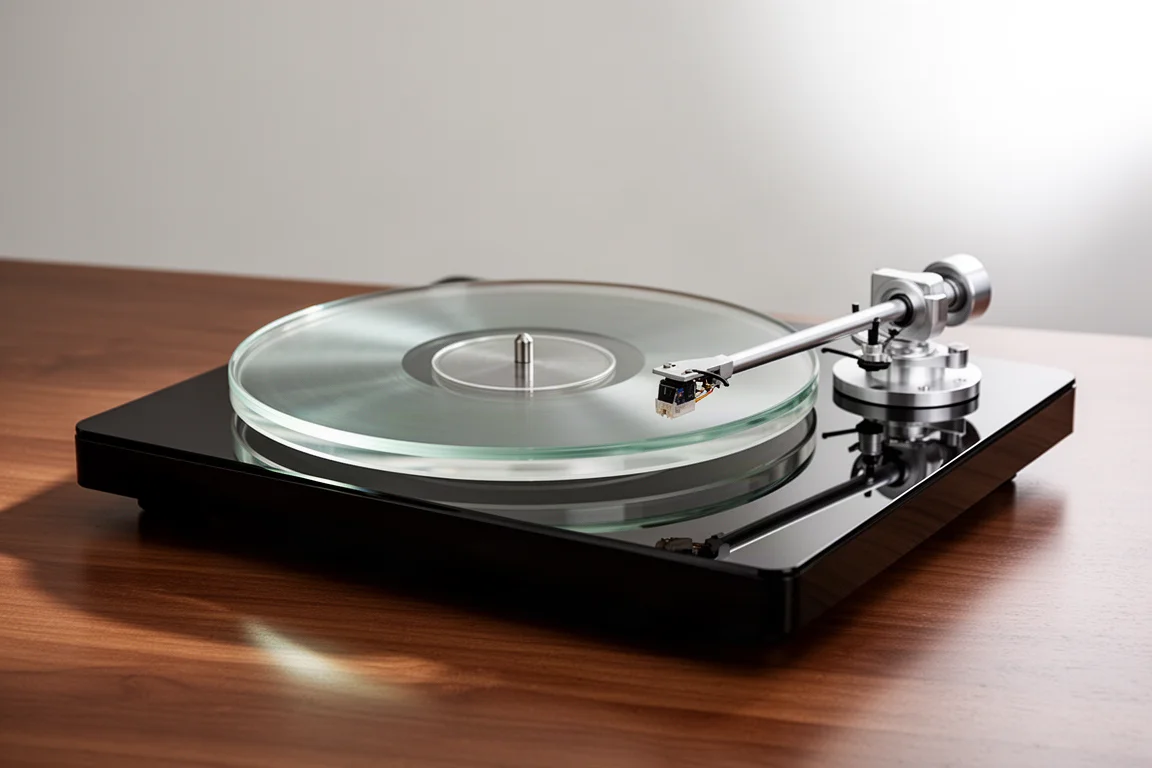
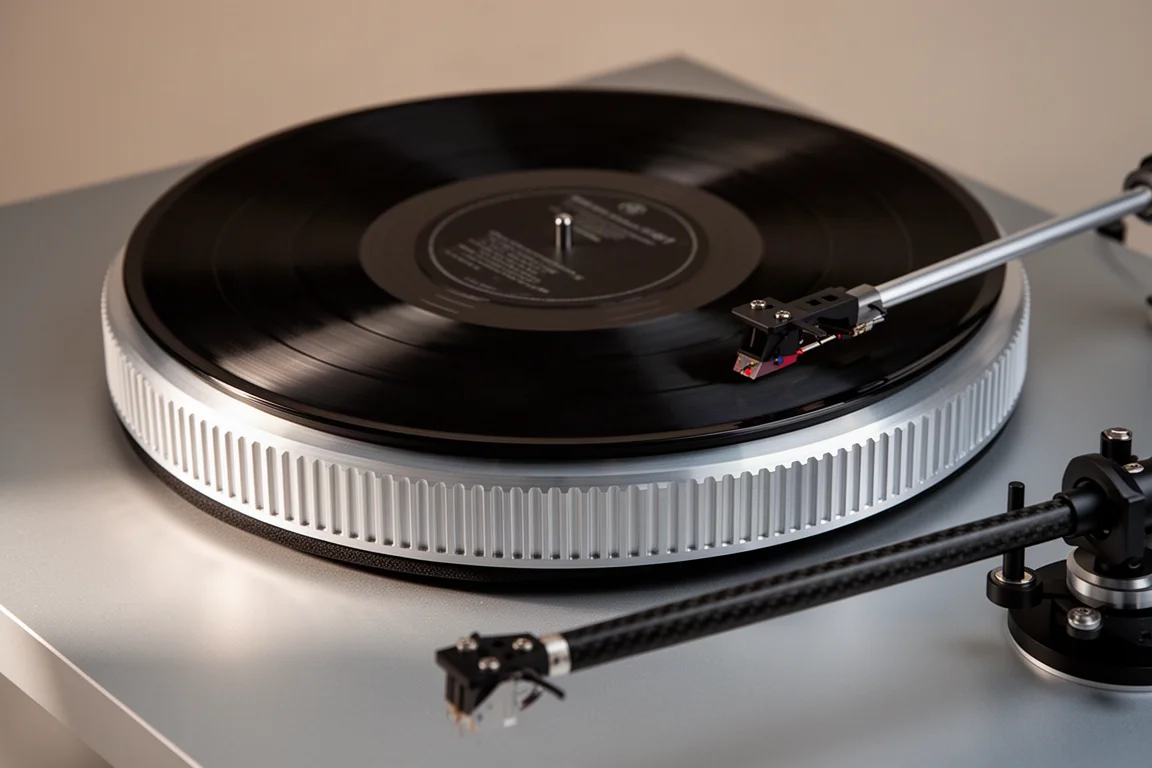
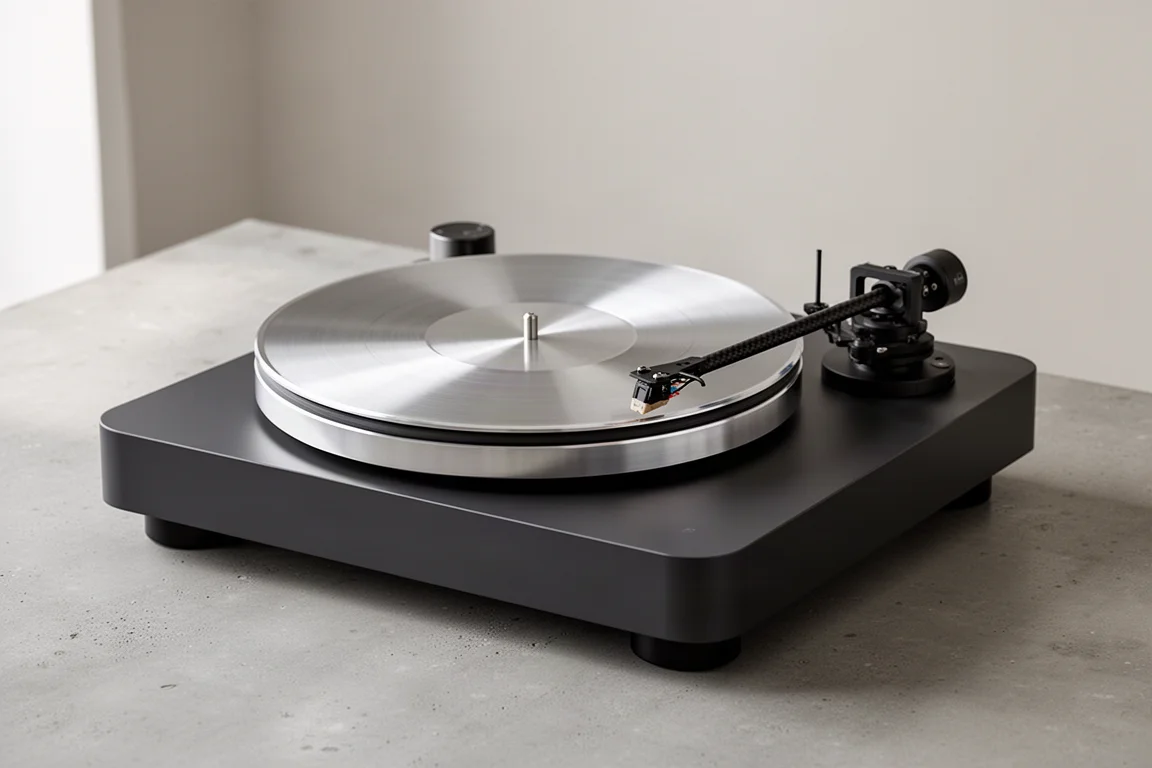
Start with the feet: they are better damped using thermoplastic elastomers and are height adjustable, which makes leveling easier. The plinth has more mass for resonance reduction, and the complete turntable weighs almost 60 percent more than the T1 Evo. The motor is better isolated and driven by a more sophisticated power supply, which helps speed accuracy.
The platter is CNC machined from aluminum and individually balanced for rotational stability. A ridge machined into its outer edge is filled with thermoplastic elastomer, which damps resonance and gives the platter a stronger flywheel effect.
The tonearm is a one-piece carbon fiber design of the same length as the T1 Evo arm, but it uses the same bearing block as the more expensive Debut Pro, with more mass and lower-friction bearings. Its counterweight includes thermoplastic elastomer isolation to reduce resonance. Together, these changes let the cartridge retrieve more micro detail.
The cartridge is a bigger step as well. Pro-Ject worked with Ortofon to design the Pick it MM Evo specifically for this tonearm, and it is matched to the arm’s mass, which is 10 g. That mass also leaves room for a future upgrade to a moving coil cartridge, provided it is a fairly high compliance design.
Around the back, the Debut Evo 2 does not offer a built-in phono preamp, but it uses more solid surface-mounted RCA connections and includes a high-quality phono cable. It also supports an optional balanced connection upgrade, which is rare at this price. A balanced signal path eliminates noise by design, which is useful because a phono cartridge’s output is extremely low compared with a streamer or CD player. Taking that route requires a different cartridge, a different cable and a phono preamp that can handle a balanced signal, so it is a genuine upgrade path rather than a plug-and-play feature.
The Debut Evo 2 also offers ten color choices with an eight-coat finish, one of the widest selections you will find on a turntable. It costs about $250 more than the T1 Evo.
어떤 Pro-Ject 턴테이블이 당신에게 맞을까
Both turntables will take proper care of a record collection. The honest bottom line is that the Debut Evo 2 will simply sound better than the T1 Evo, and the $250 gap buys real mechanical improvements in the platter, tonearm, motor and cartridge.
That does not make the T1 Evo a compromise. If you are moving up from a very inexpensive turntable, the T1 Evo is likely to be a revelation, and the gain in clarity will feel larger than the price suggests. The question is how far you want to take your listening.
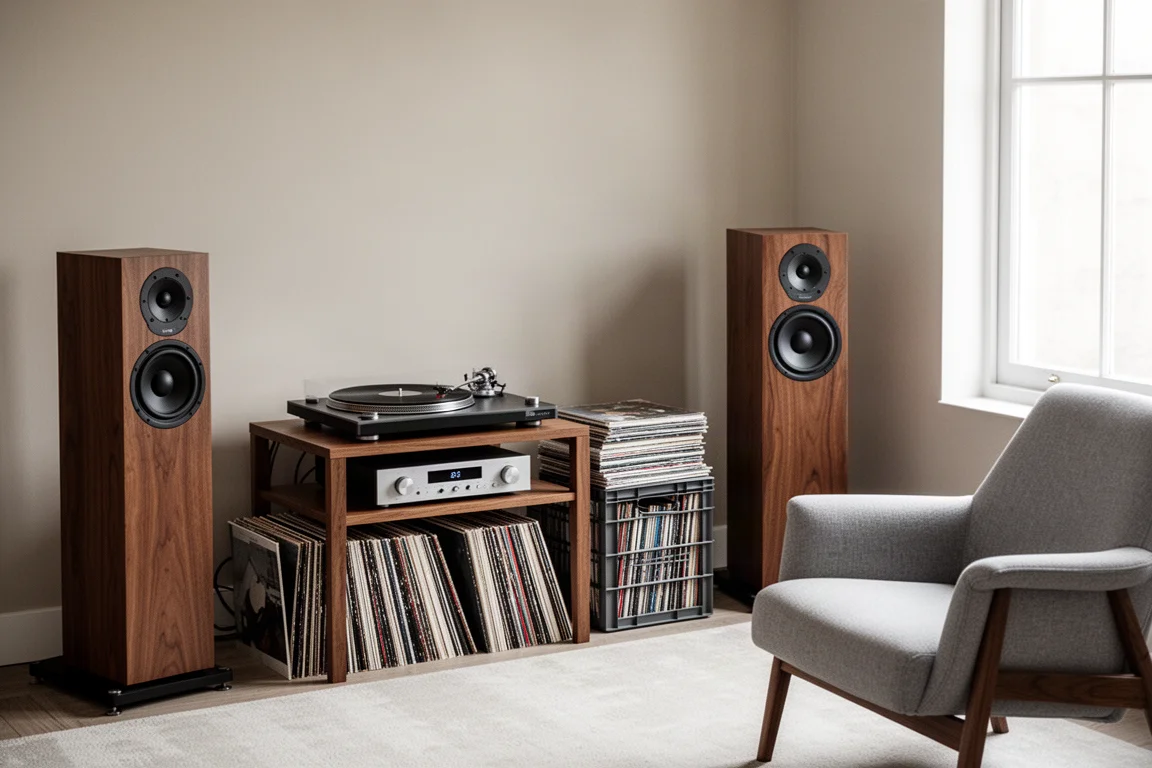
It also helps to think of the turntable as the starting point of the whole system. If it does not capture the subtle details that make music engaging, no speaker or amplifier downstream can recreate them. Amplifier, speakers and room acoustics all shape the final result, so it is worth balancing the budget across the system rather than spending everything on one component.
Among the T1 Evo versions, the choice comes down to connectivity: the standard model if you already have a phono stage, the Phono version if you do not, and the BT version if you also want wireless playback.
결론
The T1 Evo family is an easy recommendation for a first serious turntable, with a pre-mounted Ortofon cartridge, a well-machined arm, a glass platter and quality phono cables at $449, or $499 with the built-in preamp. The Debut Evo 2 costs about $250 more and earns that premium with a balanced aluminum platter, a carbon fiber tonearm, a better-isolated motor, a purpose-built cartridge and an optional balanced output. If your budget allows it, the Debut Evo 2 is the more capable long-term choice. If you are stepping up from a budget deck, the T1 Evo will already deliver a serious improvement and protect the records you are investing in.