日本語 · Backpacking Tents
Durston Gear X-Dome 1 Plus と X-Mid 1 の比較:自分に合った1人用バックパッキングテントの選び方
フリースタンディングの X-Dome 1 Plus とトレッキングポール式の X-Mid 1 を比較し、設営スタイル、内部空間、重量、価格を解説します。
はじめに
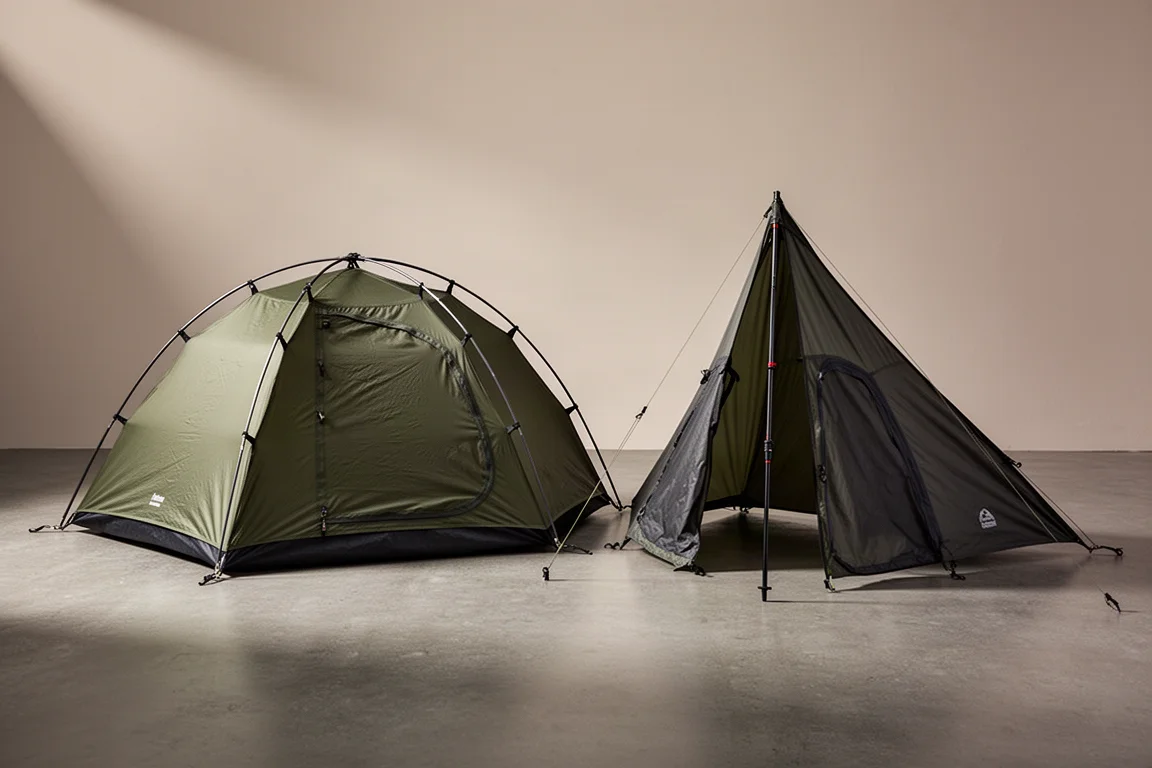
Durston Gear は、まったく異なるタイプの旅に適した2種類の1人用バックパッキングテントを展開しています。完全に自立するシェルターの X-Dome 1 Plus と、トレッキングポール式テントの X-Mid 1 です。設営したときの見た目はまったく異なり、それぞれの立ち方の違いが、ふたつのテントのほぼすべてのトレードオフを形作っています。
どちらもダブルウォール構造で、フライを先に設営するスタイルを採用し、耐水圧 3500 mm の 15D ポリエステル生地を使用しています。そのため、違いは基本的な耐候性にあるのではありません。テントがどのように自立するか、どのくらいの重量か、どれだけの内部空間が得られるか、そしていくら支払うかという点にあります。
X-Mid 1 の価格は $239 である一方、X-Dome 1 Plus は $379 からとなっており、この $140 の差がほとんどの購入者の判断を左右します。
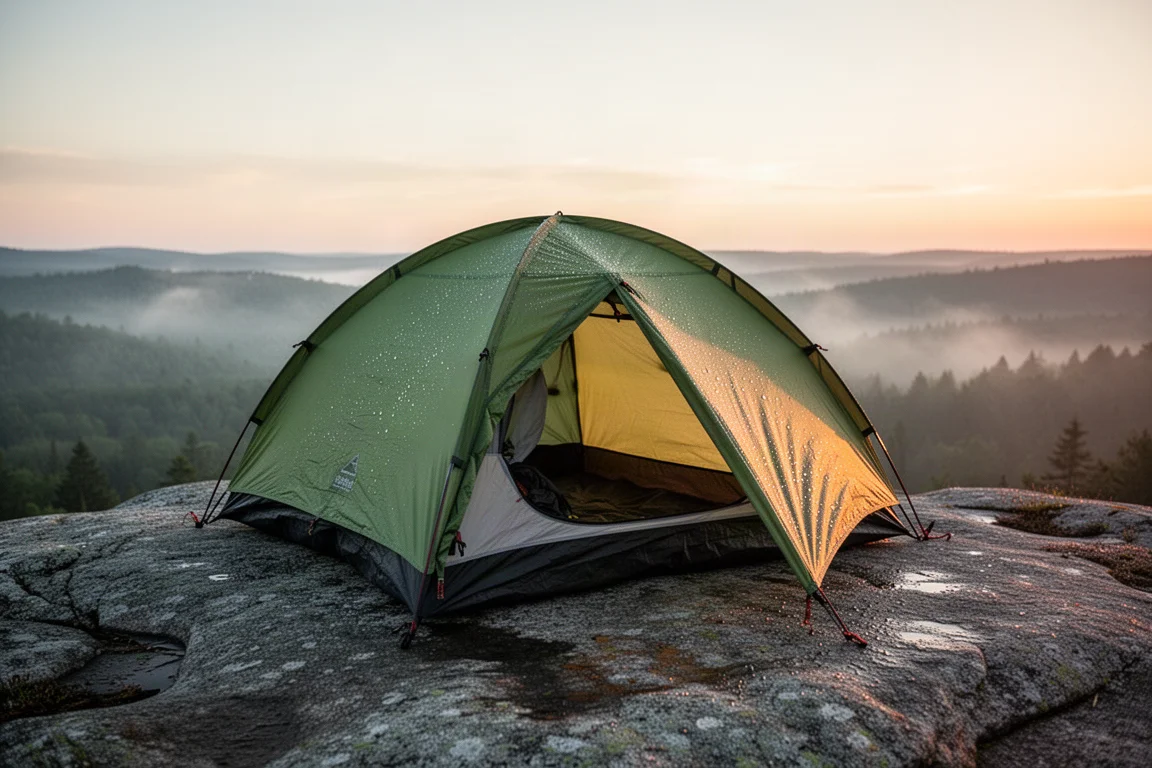
この2つを比較検討する人にとって、有用な出発点は設営そのものです。一方のテントは自立し、もう一方はトレッキングポールとしっかり張られたペグに頼ります。そこからすべてが派生していきます。
この2つのテントの違いを生むもの
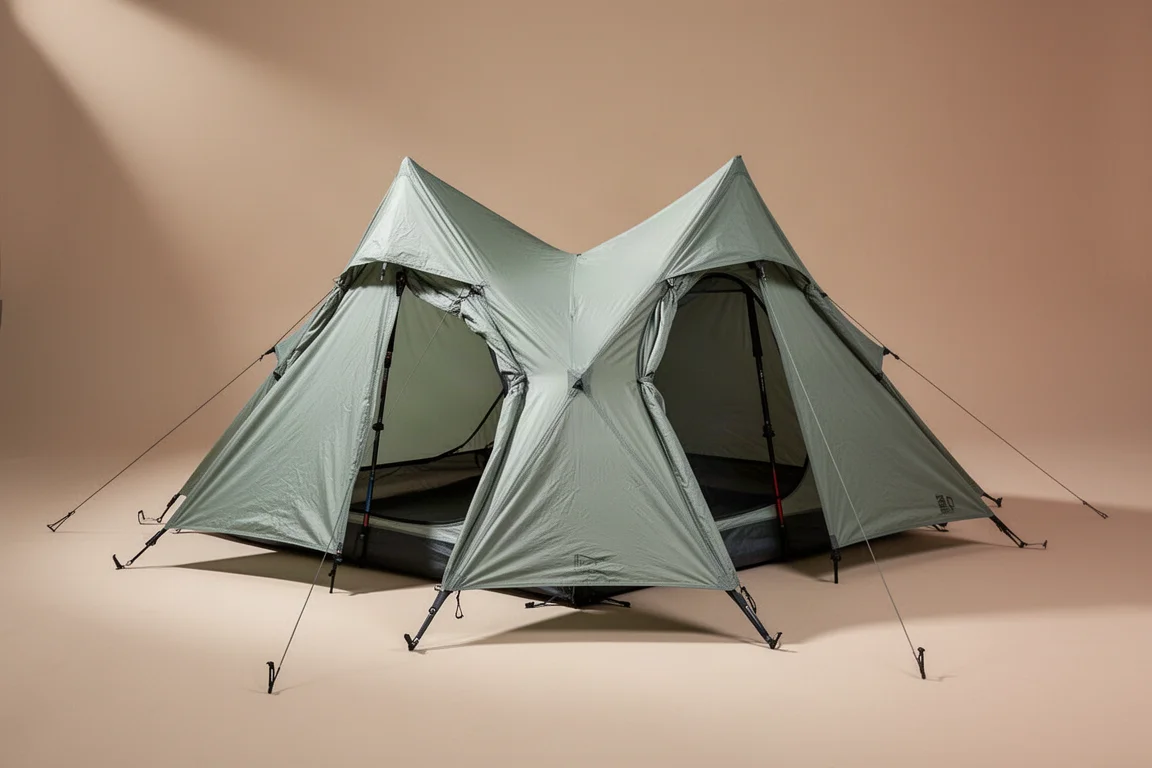
X-Dome 1 Plus は完全に自立します。ポール構造が四隅すべてに伸びているため、テントはペグなしでも形状を保ちます。それでもペグを打つ価値はあります。シェルターを固定し、風雨の中で最高の性能を引き出すことができるからです。ただし、テントが立つために地面に依存することはありません。
The X-Mid 1 is not freestanding. It uses two straight poles, either trekking poles or optional telescoping poles, that rise into the peaks of the tent, and it has to be staked out to pitch correctly. That pitch also demands real tension on the stakes, and the tighter the stake-out, the better the tent performs.
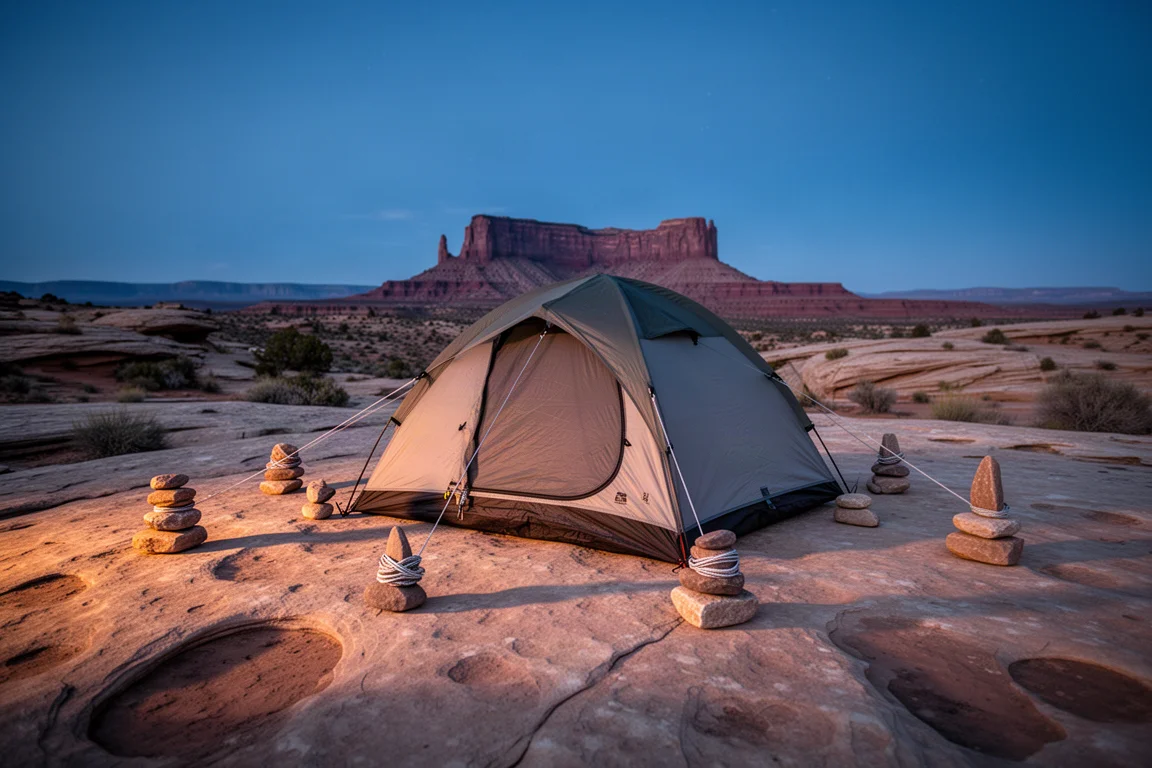
That single difference decides a lot of campsites. Where the ground is hard to penetrate, such as slickrock in the desert, a freestanding design is simply easier to work with, and it tolerates a looser stake-out because the poles are doing the structural work. A trekking pole tent can still be pitched in many of the same places, but it asks more of you when stakes cannot bite properly.
共通する設計の基盤
Both tents pitch fly-first, which means the rainfly goes up as part of the initial pitch. That matters in wet weather: you can raise the shelter and get your gear inside without soaking the interior.
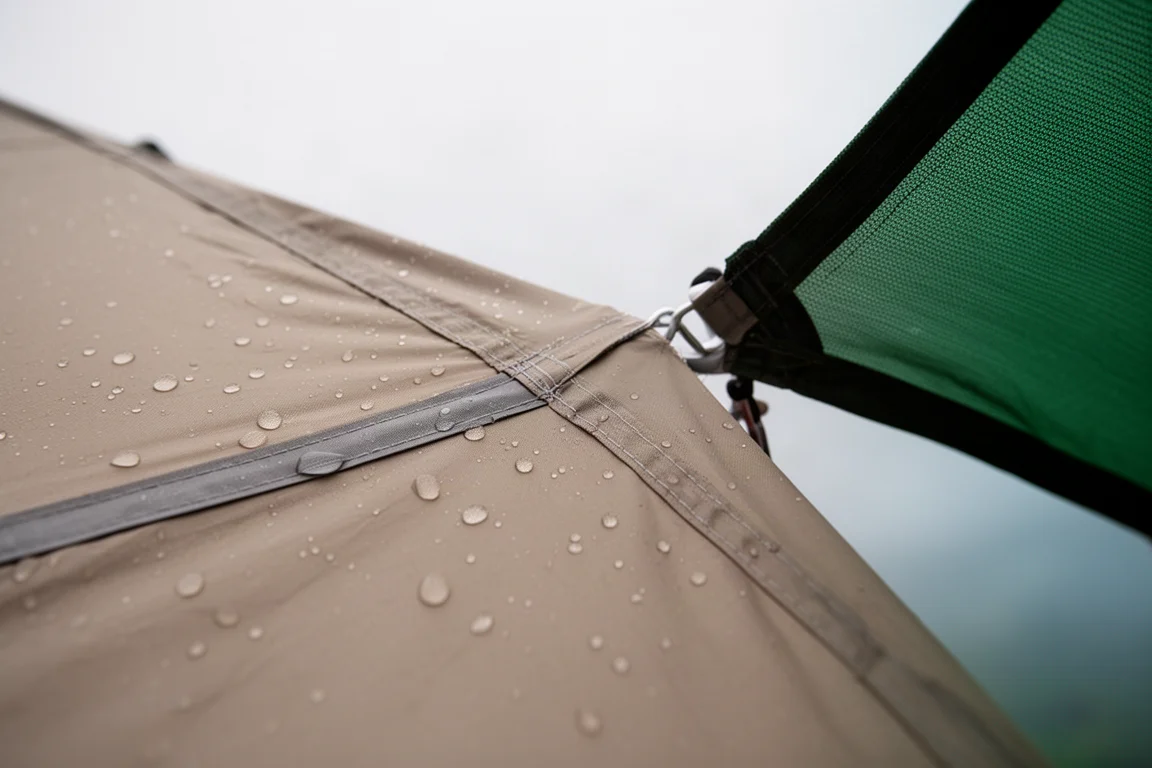
Both are also double-walled, with a separate inner tent and outer fly. The gap between the two layers helps manage condensation. Both use the same 15D polyester fabric with a 3500 mm hydrostatic head, a combination that keeps weight and packed size low while resisting water uptake and stretching.
Vestibule space is generous on both, with plenty of room to keep a pack and wet gear outside the sleeping area, and both can be pitched with only four to six stakes at most. Neither tent asks you to carry a heavy stake set to get a taut, stormworthy pitch.
Durston Gear X-Dome 1 Plus:自立式という選択肢
The X-Dome 1 Plus is the more versatile of the two when the ground is uncooperative. It ships with an Easton carbon fiber pole set, which keeps the structure light and strong, and it starts at $379.
In its regular configuration with a mesh inner, it weighs about 35 oz. Buyers can choose a mesh or solid inner, and a standard or bikepacking-length pole set, with each option changing the price. The solid inner is the more useful choice in sandy, dusty environments because it keeps grit out of the sleeping area, while the shorter pole set makes the tent easier to pack on a handlebar.
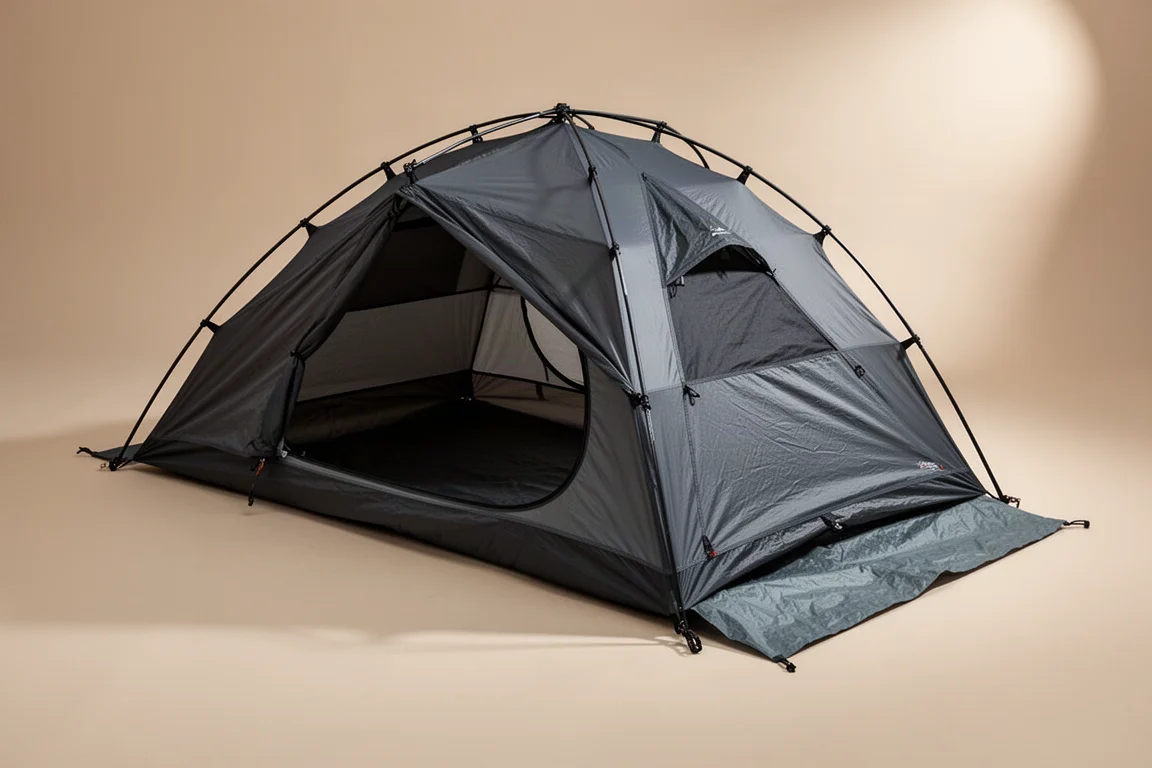
The floor is 85 in long and shaped wide at one end, 50 in across, tapering to 29 in. That is shorter than the X-Mid 1 on paper, but the freestanding pole structure gives the X-Dome more vertical end walls, so the livable space holds up as you move up from the floor. It has one door and one vestibule, with a large opening and gear storage positioned out of the way of the doorway. Peak height is 42 in.
Inside, there is a tall pocket set off the floor and a pocket on the sidewall, plus loops for running cordage if you want to hang additional items. Two zippers on the door let you open the tent up widely, and the vestibule offers enough protection to cook in while keeping rain out of the interior. The 2025 inner is wider at the tapered end than earlier versions, which makes the narrow end of the floor easier to live with.
Durston Gear X-Mid 1:トレッキングポール式という選択肢
The 2025 X-Mid 1 is a substantial update to a tent that once felt cramped. The floor is now 33 in wide and 93 in long, with a peak height of 47 in, which is enough room for a long, wide sleeping pad with space left at the sides.
It is a two-door, two-vestibule design, and the vestibules are large enough to swallow a full pack while staying clear of the entrances. There are four pockets in total: a large pocket set high off the floor, one on the opposite mesh wall, and two peak pockets for small items such as a phone, headlamp, or battery bank. The fully mesh inner and peak vents at both ends of the tent provide strong ventilation.
Small details are well considered. Magnetic tiebacks keep doors and flaps out of the way, and the main door corner uses two zipper pulls that meet at a 90 degree angle, so the door can be opened and closed with one hand instead of two.
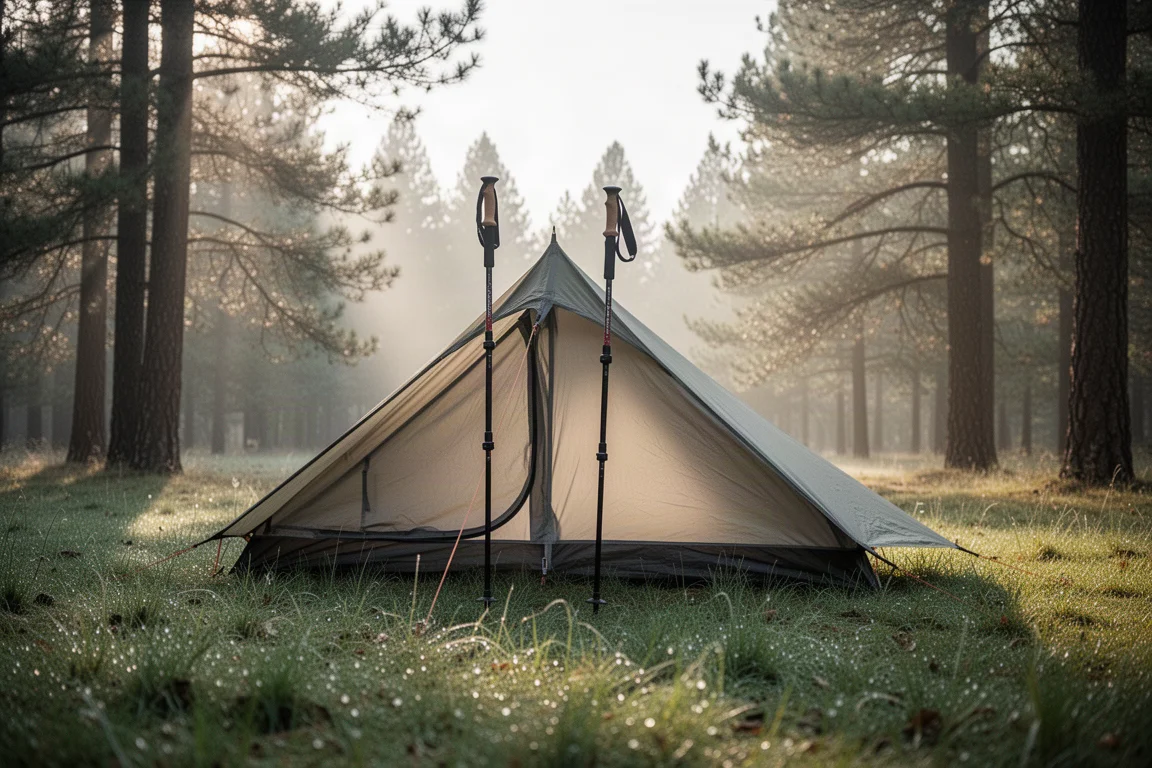
The trade-offs are inherent to the design. Sidewalls slope down at steeper angles than on a freestanding tent, so usable space shrinks as you move away from the floor, and the long 93 in floor makes for a larger footprint that can be harder to fit into tight campsites, though it has been reduced compared with the previous generation.
Priced at $239, the X-Mid 1 comes in under 2 lb, and about 29 oz with stakes and stuff sacks. That combination of low weight, two doors, two vestibules, and a low price is the core of its appeal, as long as you are comfortable with a trekking pole pitch and can drive stakes into the ground.
重量、価格、収納性
Weight and price are where the two tents separate most clearly. The X-Mid 1 is the lighter shelter, at about 29 oz including stakes and stuff sacks, and it costs $239. The X-Dome 1 Plus starts at $379 and weighs about 35 oz in its mesh-inner configuration, with the included carbon pole set accounting for part of both the weight and the cost.
That is a meaningful difference for anyone counting ounces or budgeting for a full kit, though the X-Dome 1 Plus remains less expensive than many comparable one-person tents from larger mainstream brands. The X-Mid 1 also packs down small thanks to the same lightweight polyester fabric, and it needs only a minimal stake set.
For bikepackers, the X-Dome 1 Plus offers the shorter pole set option, which is not something the X-Mid 1 addresses in the same way.
どちらのテントを選ぶべきか?
Start with where you camp. If you regularly pitch on slickrock, hard-packed ground, or anywhere stakes are difficult to drive, the X-Dome 1 Plus is the easier and more forgiving tent, and its freestanding structure means a less-than-perfect stake-out will not compromise the pitch.
If you already carry trekking poles, mostly camp where stakes bite easily, and want to save both weight and money, the X-Mid 1 makes a strong case. It is lighter, it costs $140 less, and it offers two doors, two vestibules, and a long 93 in floor with 47 in of peak height.
Height is worth thinking through as well. Very tall campers may prefer the X-Mid 1 for its longer floor, though its steeper end walls mean usable space drops as you move up. The X-Dome 1 Plus has a shorter floor at 85 in, but its more vertical walls make that length workable for many sleepers and keep the overall footprint smaller.
Neither tent is the wrong answer. The X-Mid 1 wins on weight and value, and the X-Dome 1 Plus wins on pitch flexibility and interior wall geometry. Match the tent to the ground you actually camp on, and the choice becomes fairly straightforward.
結論
The X-Mid 1 and the X-Dome 1 Plus share a fly-first pitch, a double-wall build, and the same 15D 3500 mm polyester fabric, so both are genuinely weather-ready one-person shelters. The decision comes down to how you pitch and what you are willing to carry.
Choose the X-Mid 1 if you want the lightest, least expensive option and you can count on stakes going into the ground. Choose the X-Dome 1 Plus if you want a tent that stands on its own, handles difficult ground more gracefully, and offers the choice of a solid inner or a bikepacking pole set.
おすすめ記事
関連レビュー
Backpacking Tents
バックパッキング用テント購入ガイド:買う前に確認したい3つのよくある問題
バックパッキング用テントで繰り返し直面する3つのトレードオフを実用的な視点で解説し、設計上の選択がスリープシステム、悪天候性能、居住スペースにどう影響するかを示す4張りのテントを紹介します。
Backpacking Tents
バックパッキング用テントの設計上のトレードオフ:購入前に確認すべきことを示す3つのテント
トレッキングポールを使うAフレーム、セミフリースタンディングのウルトラライトシェルター、フリースタンディングの2人用テントを例に、バックパッキング用テントの購入を形作る3つの設計上のトレードオフを実用的に検証します。
Backpacking Tents
バックパッキング用テントの種類を解説:自立式、セミ自立式、トレッキングポール、タープシェルター
バックパッキング用テントの主要カテゴリーを実用的に解説。ポール構造、ウォール設計、シーズン評価がシェルターの性能をどう変えるかを示す自立式2モデルも紹介します。