Backpacking Tents
Durston Gear X-Dome 1 Plus vs X-Mid 1: Choosing the Right One-Person Backpacking Tent
A side-by-side look at the freestanding X-Dome 1 Plus and the trekking pole X-Mid 1, covering pitch style, interior space, weight, and price.
Introduction
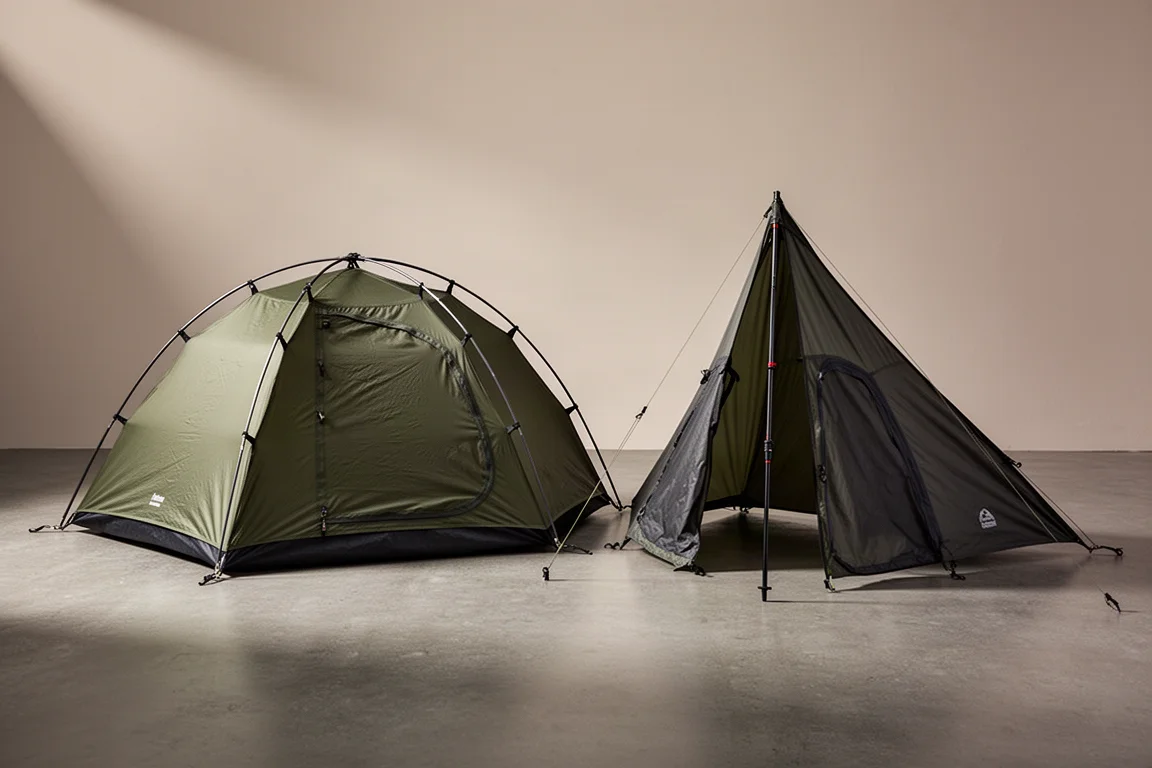
Durston Gear builds two one-person backpacking tents that suit very different kinds of trips: the X-Dome 1 Plus, a fully freestanding shelter, and the X-Mid 1, a trekking pole tent. They look nothing alike when pitched, and the way each one stands up shapes almost every other trade-off between them.
Both are double-walled, both pitch fly-first, and both use a 15D polyester fabric with a 3500 mm hydrostatic head, so the differences are not about basic weather protection. They are about how the tent stands, how much it weighs, how much interior space you get, and what you pay.
The X-Mid 1 is priced at $239, while the X-Dome 1 Plus starts at $379, and that gap of $140 frames the decision for most buyers.
For anyone weighing the two, the useful starting point is the pitch itself: one tent stands on its own, and the other leans on trekking poles and a well-tensioned stake-out. Everything else follows from there.
What Sets These Two Tents Apart
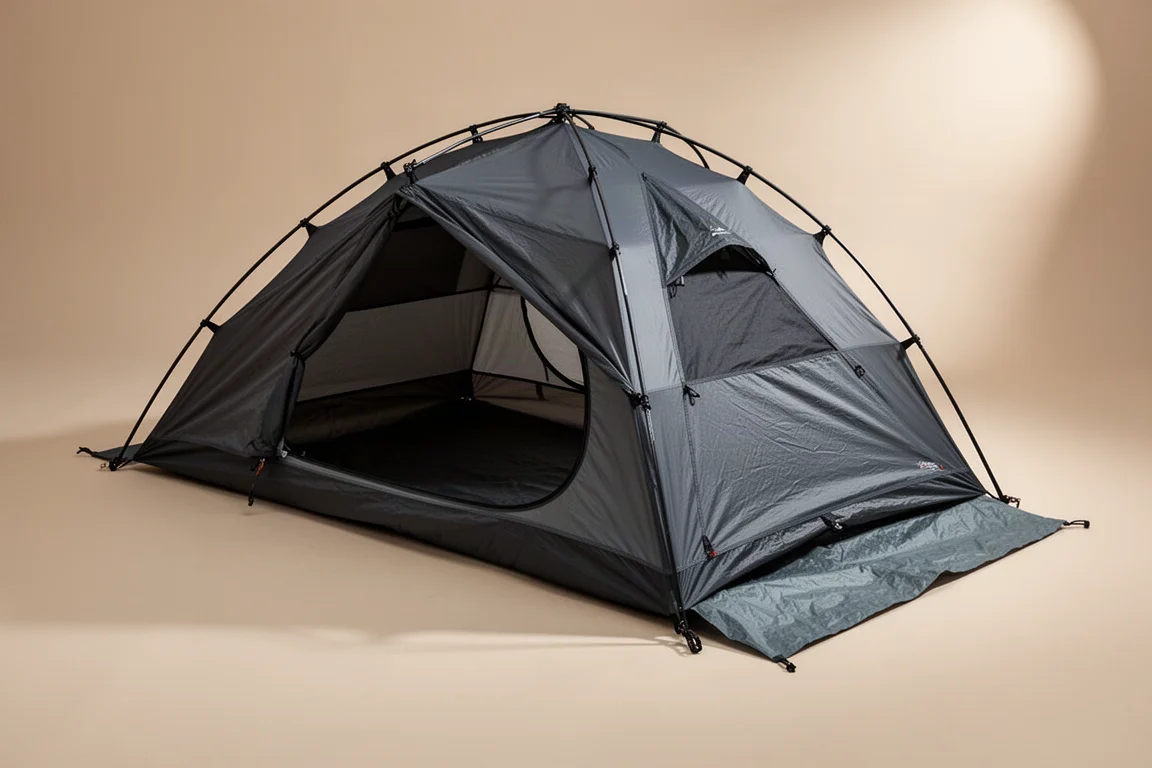
The X-Dome 1 Plus is fully freestanding. Its pole structure runs to all four corners, so the tent holds its shape without any stakes. Staking it out is still worthwhile, because it keeps the shelter anchored and gets the best performance out of it in wind and rain, but the tent does not depend on the ground to stand up.
The X-Mid 1 is not freestanding. It uses two straight poles, either trekking poles or optional telescoping poles, that rise into the peaks of the tent, and it has to be staked out to pitch correctly. That pitch also demands real tension on the stakes, and the tighter the stake-out, the better the tent performs.
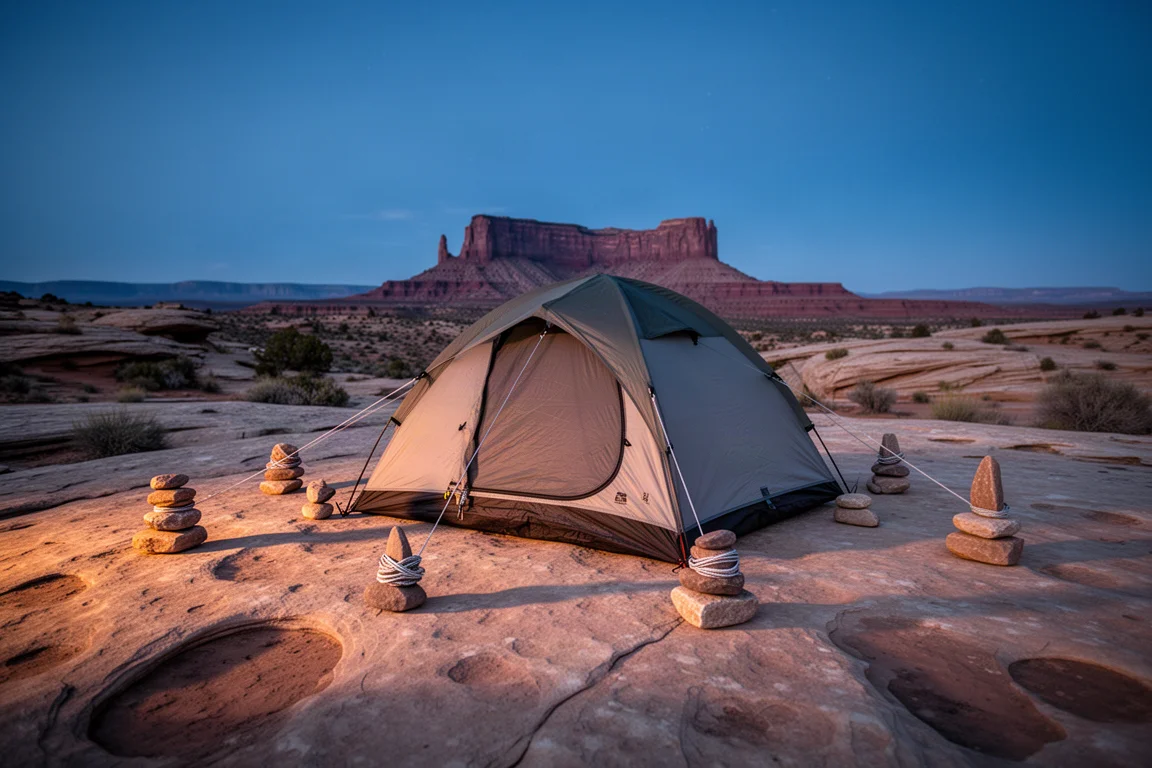
That single difference decides a lot of campsites. Where the ground is hard to penetrate, such as slickrock in the desert, a freestanding design is simply easier to work with, and it tolerates a looser stake-out because the poles are doing the structural work. A trekking pole tent can still be pitched in many of the same places, but it asks more of you when stakes cannot bite properly.
Shared Design Foundations
Both tents pitch fly-first, which means the rainfly goes up as part of the initial pitch. That matters in wet weather: you can raise the shelter and get your gear inside without soaking the interior.
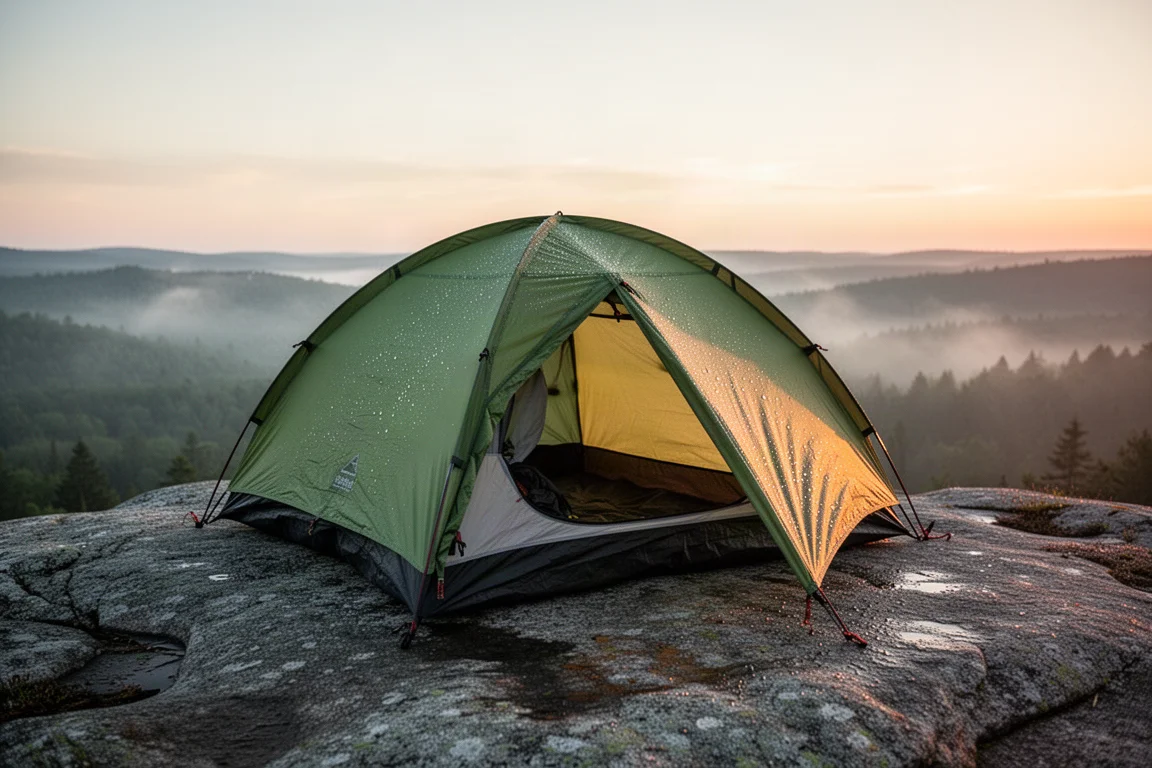
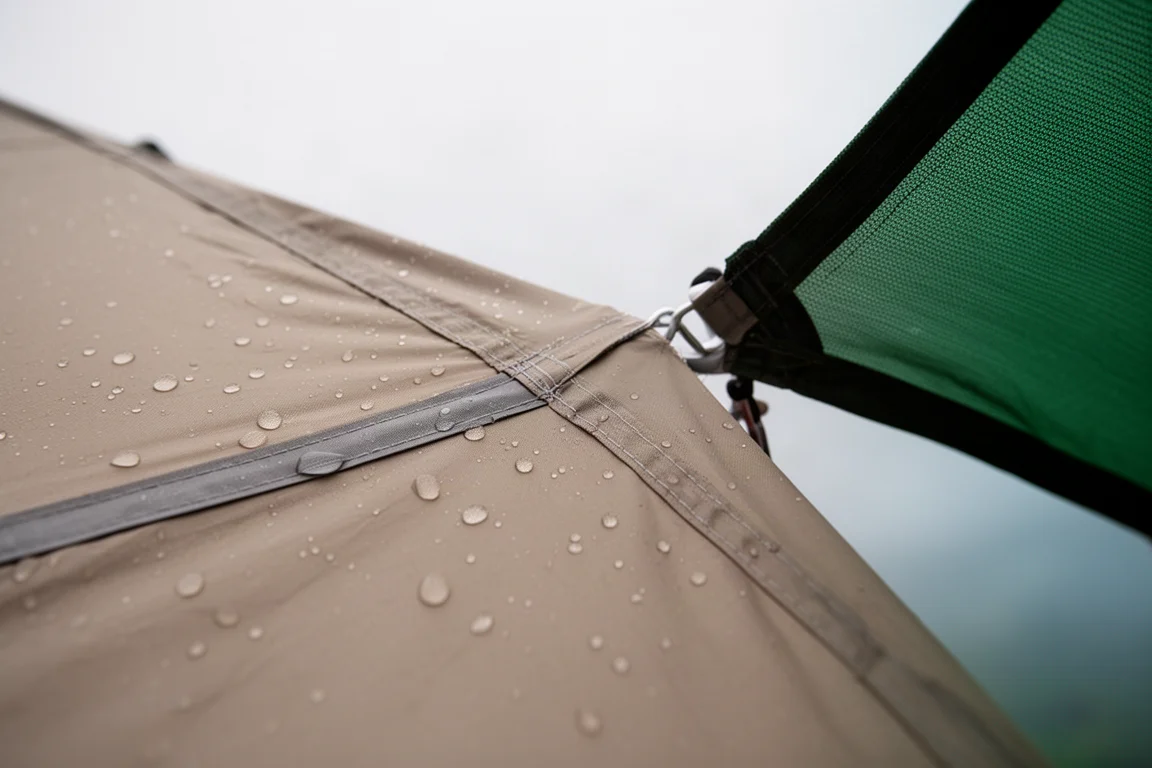
Both are also double-walled, with a separate inner tent and outer fly. The gap between the two layers helps manage condensation. Both use the same 15D polyester fabric with a 3500 mm hydrostatic head, a combination that keeps weight and packed size low while resisting water uptake and stretching.
Vestibule space is generous on both, with plenty of room to keep a pack and wet gear outside the sleeping area, and both can be pitched with only four to six stakes at most. Neither tent asks you to carry a heavy stake set to get a taut, stormworthy pitch.
Durston Gear X-Dome 1 Plus: The Freestanding Option
The X-Dome 1 Plus is the more versatile of the two when the ground is uncooperative. It ships with an Easton carbon fiber pole set, which keeps the structure light and strong, and it starts at $379.
In its regular configuration with a mesh inner, it weighs about 35 oz. Buyers can choose a mesh or solid inner, and a standard or bikepacking-length pole set, with each option changing the price. The solid inner is the more useful choice in sandy, dusty environments because it keeps grit out of the sleeping area, while the shorter pole set makes the tent easier to pack on a handlebar.
The floor is 85 in long and shaped wide at one end, 50 in across, tapering to 29 in. That is shorter than the X-Mid 1 on paper, but the freestanding pole structure gives the X-Dome more vertical end walls, so the livable space holds up as you move up from the floor. It has one door and one vestibule, with a large opening and gear storage positioned out of the way of the doorway. Peak height is 42 in.
Inside, there is a tall pocket set off the floor and a pocket on the sidewall, plus loops for running cordage if you want to hang additional items. Two zippers on the door let you open the tent up widely, and the vestibule offers enough protection to cook in while keeping rain out of the interior. The 2025 inner is wider at the tapered end than earlier versions, which makes the narrow end of the floor easier to live with.
Durston Gear X-Mid 1: The Trekking Pole Option
The 2025 X-Mid 1 is a substantial update to a tent that once felt cramped. The floor is now 33 in wide and 93 in long, with a peak height of 47 in, which is enough room for a long, wide sleeping pad with space left at the sides.
It is a two-door, two-vestibule design, and the vestibules are large enough to swallow a full pack while staying clear of the entrances. There are four pockets in total: a large pocket set high off the floor, one on the opposite mesh wall, and two peak pockets for small items such as a phone, headlamp, or battery bank. The fully mesh inner and peak vents at both ends of the tent provide strong ventilation.
Small details are well considered. Magnetic tiebacks keep doors and flaps out of the way, and the main door corner uses two zipper pulls that meet at a 90 degree angle, so the door can be opened and closed with one hand instead of two.
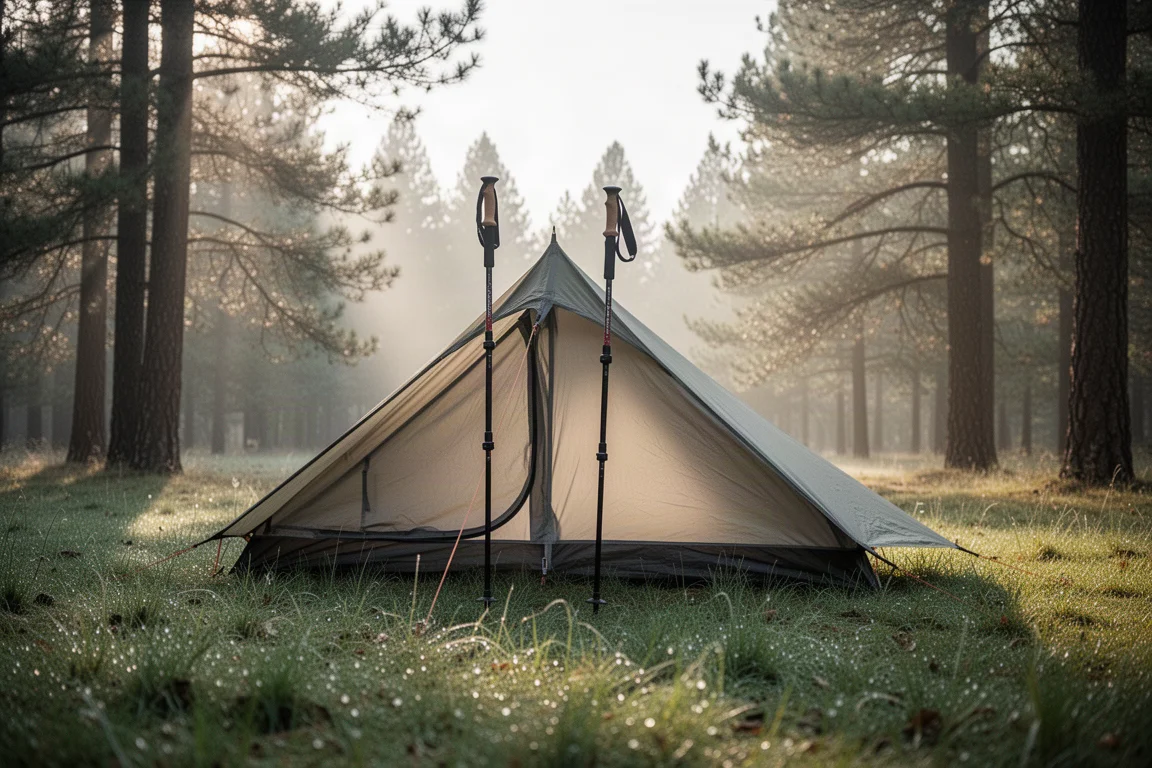
The trade-offs are inherent to the design. Sidewalls slope down at steeper angles than on a freestanding tent, so usable space shrinks as you move away from the floor, and the long 93 in floor makes for a larger footprint that can be harder to fit into tight campsites, though it has been reduced compared with the previous generation.
Priced at $239, the X-Mid 1 comes in under 2 lb, and about 29 oz with stakes and stuff sacks. That combination of low weight, two doors, two vestibules, and a low price is the core of its appeal, as long as you are comfortable with a trekking pole pitch and can drive stakes into the ground.
Weight, Price, and Packability
Weight and price are where the two tents separate most clearly. The X-Mid 1 is the lighter shelter, at about 29 oz including stakes and stuff sacks, and it costs $239. The X-Dome 1 Plus starts at $379 and weighs about 35 oz in its mesh-inner configuration, with the included carbon pole set accounting for part of both the weight and the cost.
That is a meaningful difference for anyone counting ounces or budgeting for a full kit, though the X-Dome 1 Plus remains less expensive than many comparable one-person tents from larger mainstream brands. The X-Mid 1 also packs down small thanks to the same lightweight polyester fabric, and it needs only a minimal stake set.
For bikepackers, the X-Dome 1 Plus offers the shorter pole set option, which is not something the X-Mid 1 addresses in the same way.
Which Tent Should You Choose?
Start with where you camp. If you regularly pitch on slickrock, hard-packed ground, or anywhere stakes are difficult to drive, the X-Dome 1 Plus is the easier and more forgiving tent, and its freestanding structure means a less-than-perfect stake-out will not compromise the pitch.
If you already carry trekking poles, mostly camp where stakes bite easily, and want to save both weight and money, the X-Mid 1 makes a strong case. It is lighter, it costs $140 less, and it offers two doors, two vestibules, and a long 93 in floor with 47 in of peak height.
Height is worth thinking through as well. Very tall campers may prefer the X-Mid 1 for its longer floor, though its steeper end walls mean usable space drops as you move up. The X-Dome 1 Plus has a shorter floor at 85 in, but its more vertical walls make that length workable for many sleepers and keep the overall footprint smaller.
Neither tent is the wrong answer. The X-Mid 1 wins on weight and value, and the X-Dome 1 Plus wins on pitch flexibility and interior wall geometry. Match the tent to the ground you actually camp on, and the choice becomes fairly straightforward.
Conclusion
The X-Mid 1 and the X-Dome 1 Plus share a fly-first pitch, a double-wall build, and the same 15D 3500 mm polyester fabric, so both are genuinely weather-ready one-person shelters. The decision comes down to how you pitch and what you are willing to carry.
Choose the X-Mid 1 if you want the lightest, least expensive option and you can count on stakes going into the ground. Choose the X-Dome 1 Plus if you want a tent that stands on its own, handles difficult ground more gracefully, and offers the choice of a solid inner or a bikepacking pole set.
Further reading
Related Reviews
Backpacking Tents
3F UL Lanchan Pro 1 Review: A 1 lb 8 oz Single-Wall Trekking Pole Tent
A practical look at the 3F UL Lanchan Pro 1, a single-wall trekking pole shelter with a 1 lb 8 oz weight, 20D silnylon fabrics, and a roomy 90 x 31 x 49 inch interior.
Backpacking Tents
3F UL Taiji 2-Person Tent: A Convertible Backpacking Shelter Worth a Closer Look
A practical look at the 3F UL Taiji two-person tent, covering its materials, true two-person interior, fly-first pitching, and the seasonal inner swap that lets one shelter cover more of the year.
Backpacking Tents
3FUL Lanshan Twoerson Pro Review: A Light Trekking Pole Shelter That Struggled in Rain
A two-person trekking pole shelter with a 2026 redesign, pitched with sticks and put through a night of steady rain. Here is what worked, what did not, and what to check before buying.