日本語 · Woodworking Tools
Byrd Tool Shelix Helical Cutter Head Review: Smarter Upgrades for DeWalt Planers
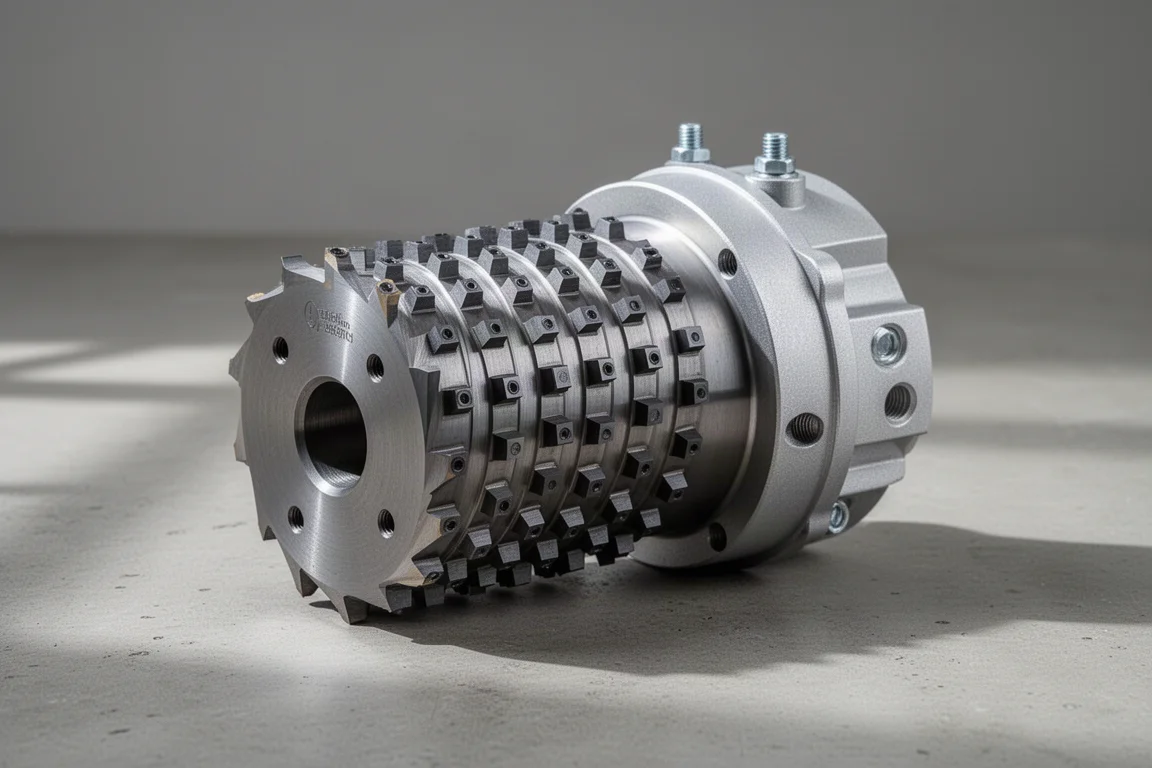
Replacing the straight blades with the Shelix helical cutter head transformed planer noise, surface quality, and running costs. Here is a summary of what changed and what the installation actually looks like.
Introduction
If you use a benchtop thickness planer with straight blades, you probably already know the compromises: rough surfaces, extra sanding, occasional tear-out, and noise levels that make earplugs essential. That was exactly the situation before upgrading to the Byrd Tool Shelix helical cutter head on a DeWalt planer.
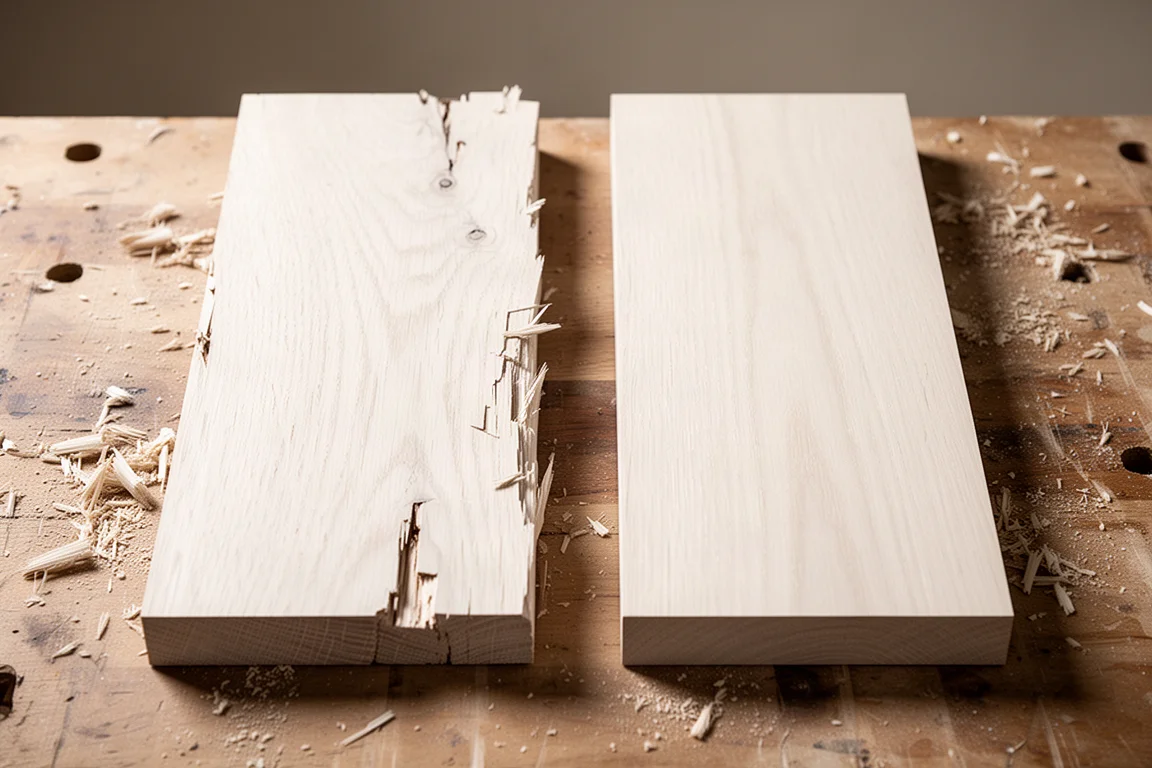
With the old straight blades, the surface was rough and required extra sanding, and even on fairly plain material, some tear-out occurred. The helical carbide cutter head promised to solve all three problems at once, so a controlled before-and-after test was set up. The same 5-inch wide white oak board was run with the stock blades first, then run again after installing the Shelix, comparing finish, noise, feed speed, and depth of cut.
Before the upgrade: performance with straight blades
With the stock DeWalt straight blades, a 1/16-inch cut on white oak could be machined without the machine stalling, but the results told a different story. The surface had ridges from nicks in the blades, and the board required sanding from 120 grit up to 220 grit to get anywhere near a usable finish.
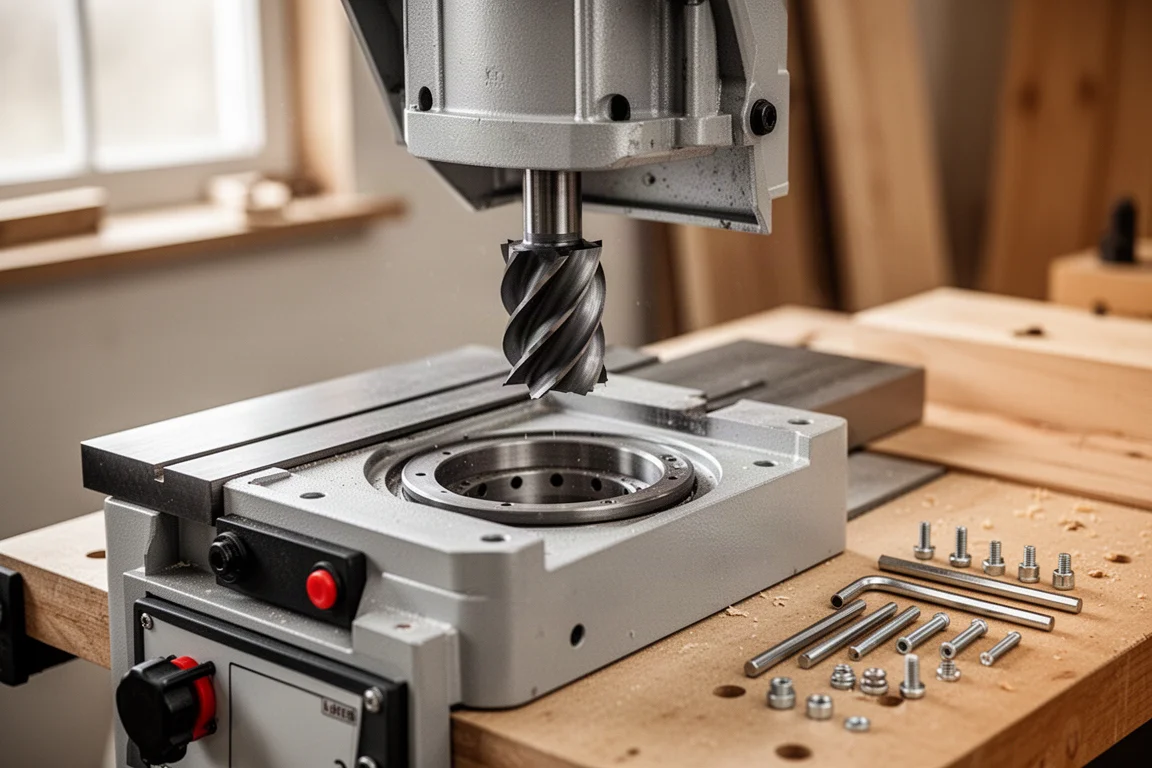
The results with a 1/8-inch cut were about the same. The noise remained constant, the finish felt nearly identical, and the machine worked a bit harder, but there was no real improvement in output. For those who regularly plane hardwood, this means more time on the sander and more frustration than a tool should demand.
Installation: Fiddly but definitely doable
Installing the cutter head is not difficult, but patience pays off. If you have basic mechanical skills—especially experience working on your own car—you should have no real trouble. The key is paying close attention, as there are a few genuinely counterintuitive steps.
The most important caution concerns the stopper that DeWalt installs to secure the straight-blade cutter head. The Phillips screws are secured with thread locker, and if you force them out while loosening, you can get into serious trouble. Work carefully and use proper technique.
There is also one easy-to-miss trap: when removing the old cutter head, a spacer on the end may come off with it. If you leave that spacer behind, the new Shelix will not have proper clearance when reassembled. It is a small detail with a big impact.
The good news is that the support from Byrd Tool Experts is a genuine strength of this product. They answer questions by phone, are familiar with the machine you are working on, and will point you to the best installation guides. This combination of phone support and detailed instructions makes a nervous installation job much less stressful.
Before and After: Test Results
After installation, the same 5-inch white oak board was run again with the same depth of cut. The difference was immediately obvious in both volume and cut quality. There was no comparison between the Shelix helical head and the slightly used DeWalt straight blades.
Noise: The straight blades measured around 118 dB. With the Shelix, the level dropped dramatically, and the machine no longer hurts your ears—you can even hold a conversation without earplugs. Whether you are a professional or a DIY woodworker, less noise in the shop is a huge benefit in itself.
Cut quality: The surface of the Shelix was overwhelmingly smoother. One small ridge remained, which can be removed with 100-grit paper, but by adjusting the individual carbide tips during setup, similar lines were eliminated. As you become more familiar with these adjustments, even that single ridge should disappear. It is a good idea to mark reference points before you start adjusting individual cutters.
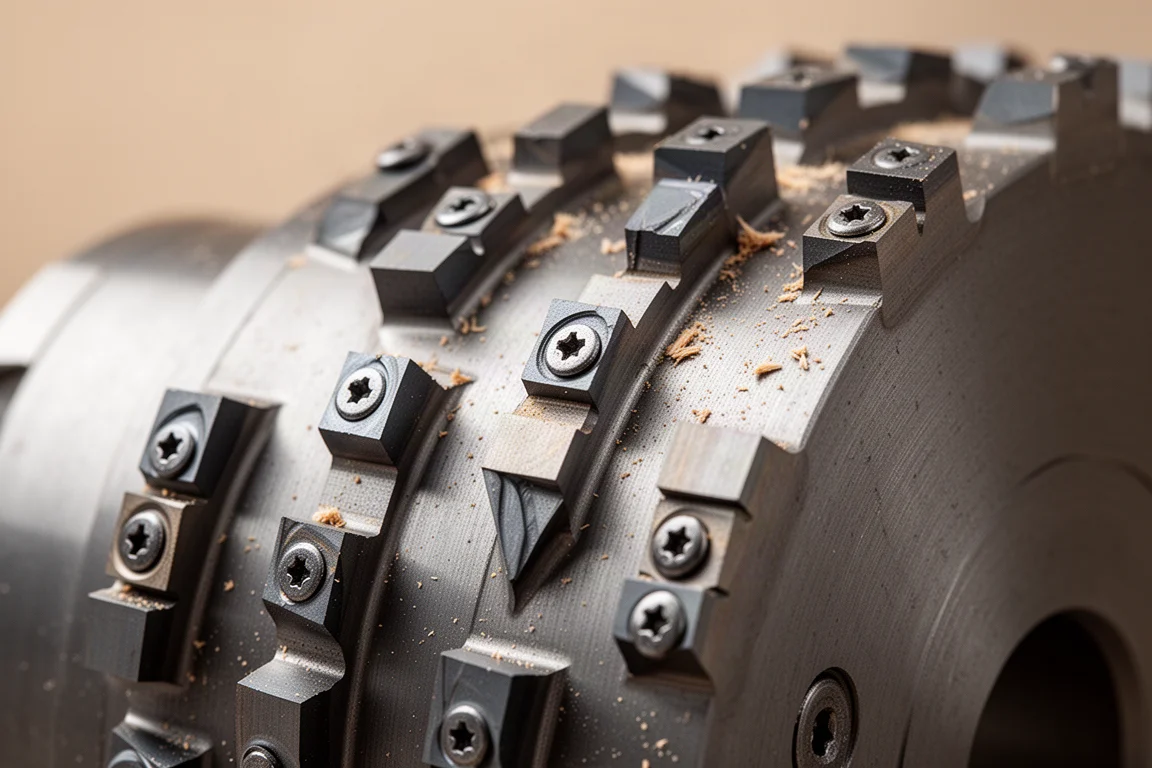
Machine load: With the helical head installed, the planer seemed less likely to stall. Overall, the feed and depth of cut became more comfortable, which is a major advantage when machining a lot of material.
Hidden savings: indexable carbide tips
One advantage that is easy to overlook is the economics of the cutter design. Instead of a single long blade that requires sharpening or replacement, the Shelix uses individual carbide tips. When a spot dulls or gets nicked, you simply rotate or replace only that tip, and each mounting position offers multiple usable edges.
Due to the nature of the tip, there are effectively four blade changes available before needing new cutters. Over the life of the machine, this adds up to significant savings compared to repeatedly buying or sharpening straight blades.
Is it really worth buying?
Simply put, the Shelix upgrade saves money, saves your eardrums, and saves you from frustration. The finish coming off the machine is good enough that sanding becomes a light touch-up rather than a chore, and the shop becomes a much more pleasant workspace while the planer is running.
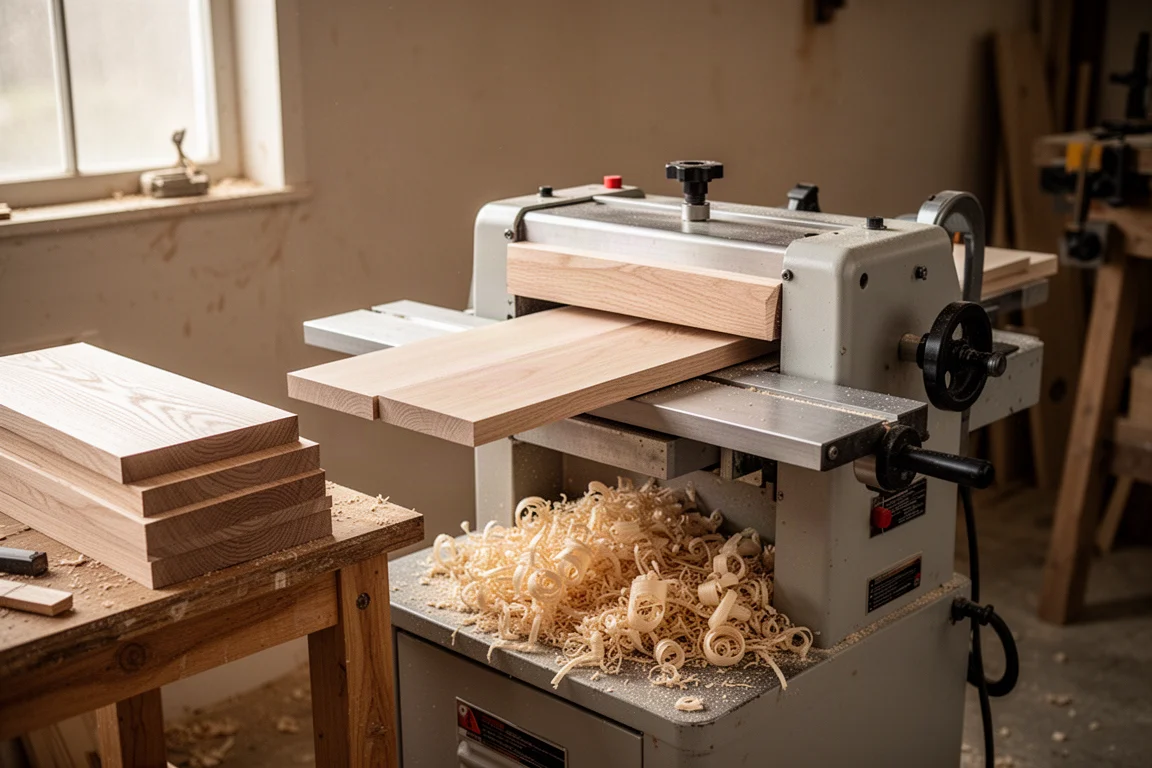
For those who use a DeWalt benchtop planer with straight blades and regularly struggle with tear-out, noise, and sanding time, this is one of the highest-impact upgrades available. The installation requires care, but with manufacturer phone support and solid guides, it is certainly achievable for a skilled home woodworker.
Conclusion
The Byrd Tool Shelix helical cutter head transformed a loud, finicky planer into a quieter, cleaner-cutting machine with dramatically lower running costs. The noise reduction alone justifies the upgrade, and the improvement in surface quality makes it a clear recommendation for anyone who regularly planes hardwood.
製品リンク
Byrd Tool Shelix Helical Cutter Head の詳細を見る
この製品は本レビューで紹介されています。ご購入の前に、仕様、オプション、互換性をご確認ください。
Byrd Tool Shelix Helical Cutter Head の詳細を見るおすすめ記事
関連レビュー

Woodworking Tools
123ブロックと、その最大の欠点を解決するハードウェアキット
123ブロック、その最も一般的な設計上の欠点を解決するハードウェアキット、そして検討に値する研ぎステーションについて、実用的な視点で解説します。

Woodworking Tools
木工に役立つツール:作業場で真価を発揮する7つのアップグレード
精度、安全性、日常の作業効率を向上させる7つの木工ツールとアクセサリーを実用的にまとめたレビューです。

Woodworking Tools
Debukeクランプレビュー:家族経営のアルミバークランプを知る価値
Debukeクランプは、アイオワ州の小さな家族経営の会社が作る軽量アルミバークランプです。市場に出回る多くの模造品とは一線を画す理由をご紹介します。